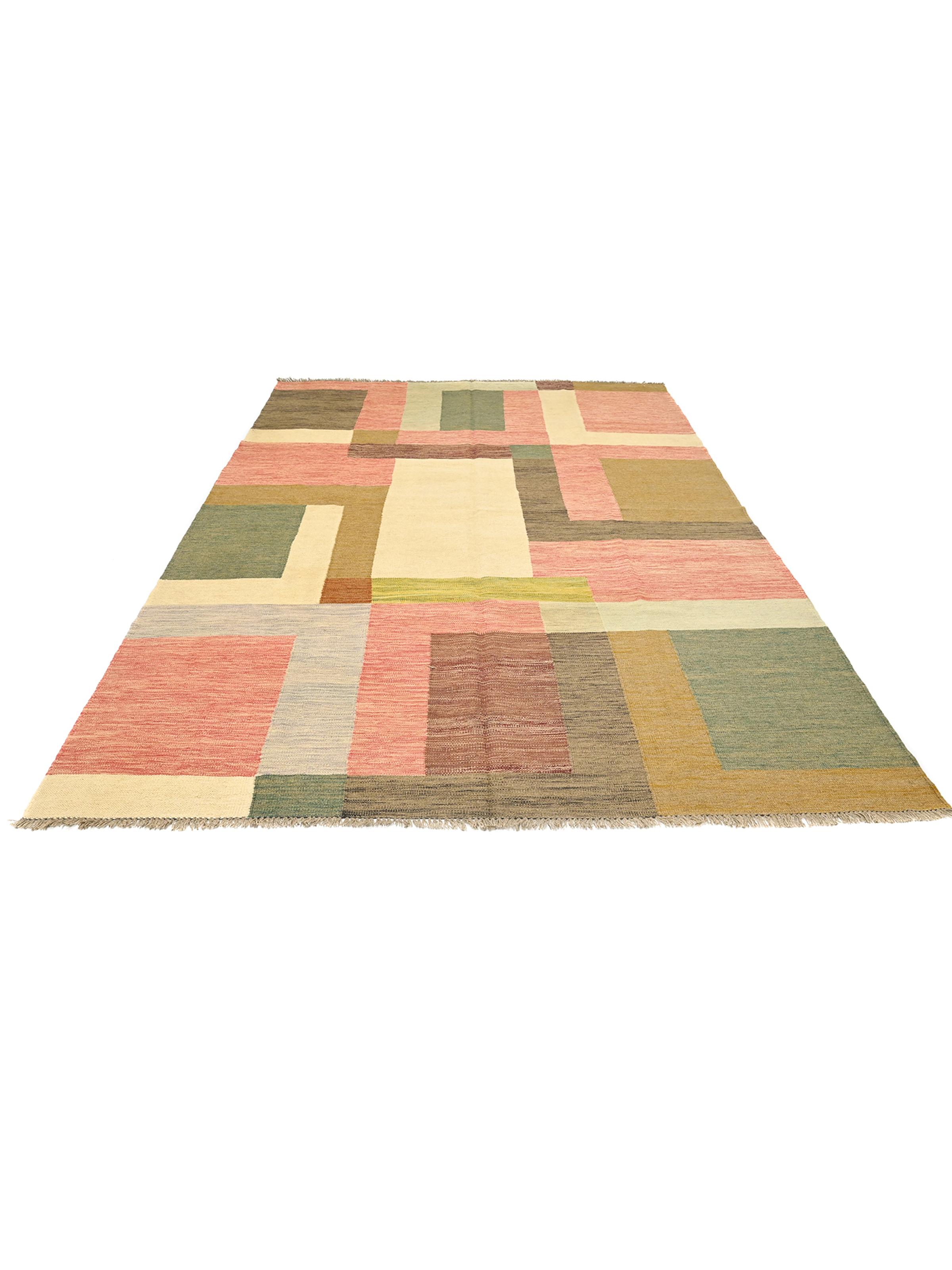
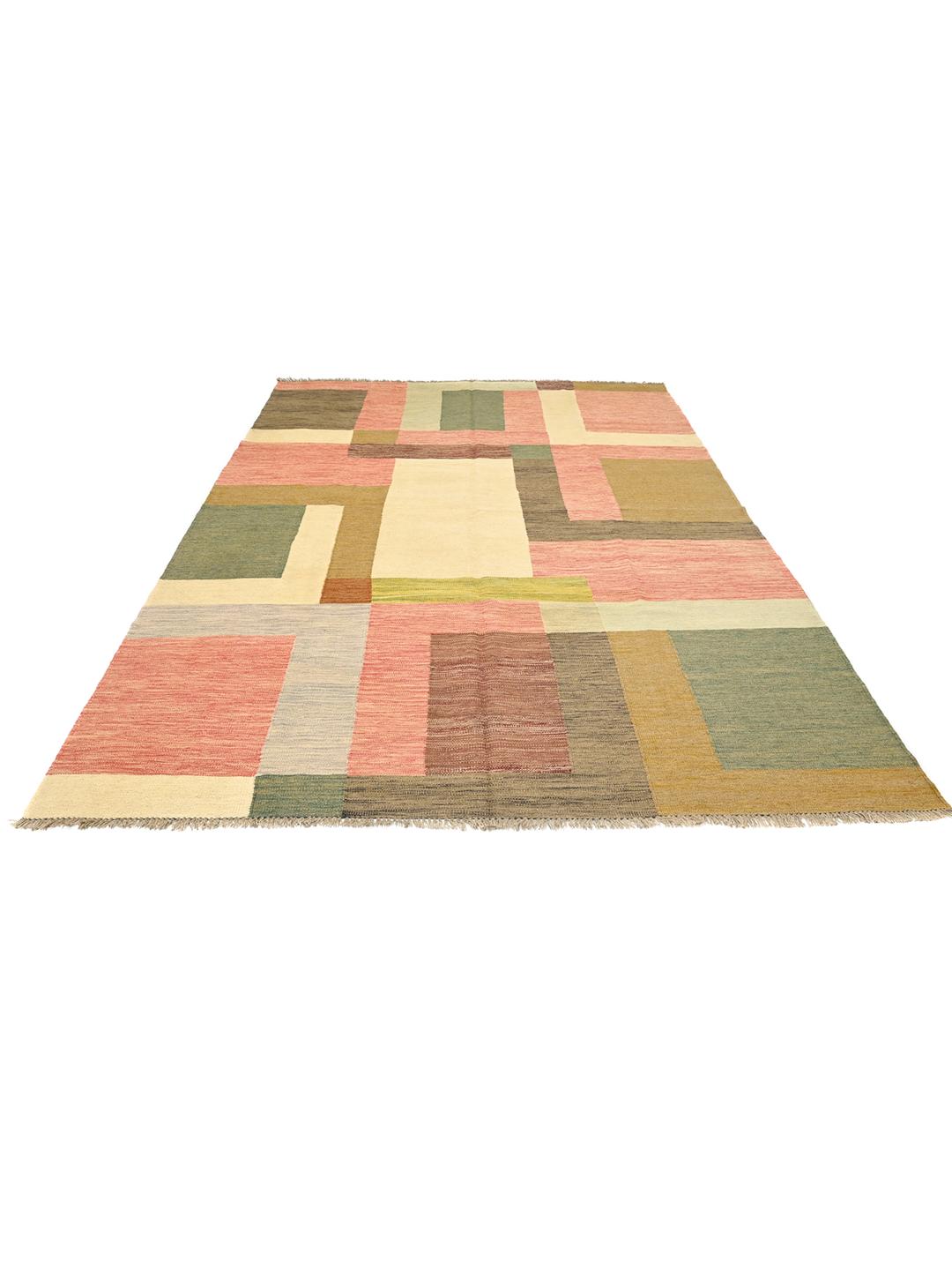
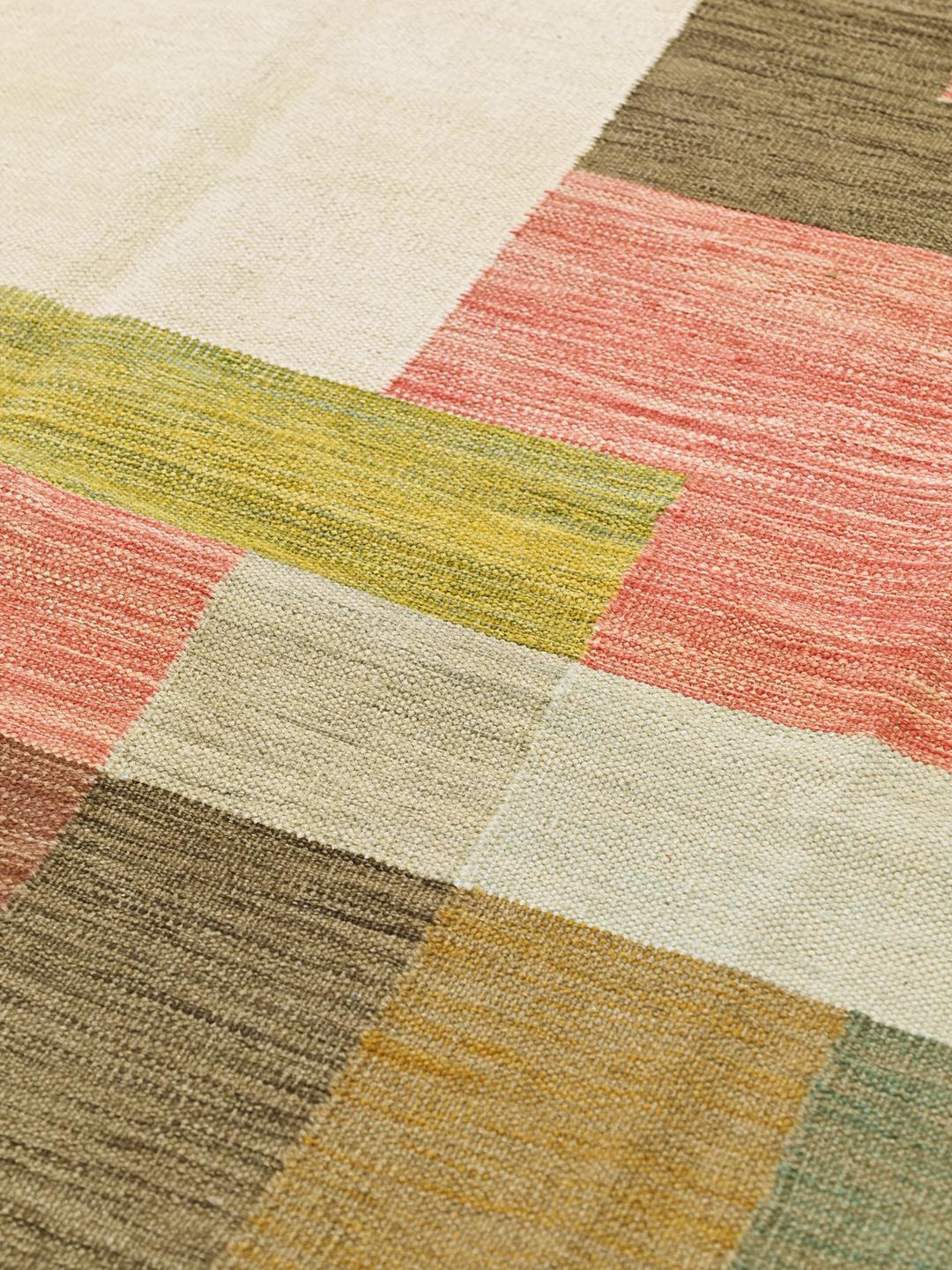
Kilim rugs are a storied part of Middle Eastern textile heritage, traditionally serving as both functional floor coverings and essential nomadic tools. These rugs are distinct for their flat-woven construction, which eschews the knotted pile found in traditional carpets in favour of an interlocking weft and warp technique. This tradition has been refined over centuries, with Afghan weavers becoming world-renowned for their ability to blend ancient techniques with contemporary design sensibilities.
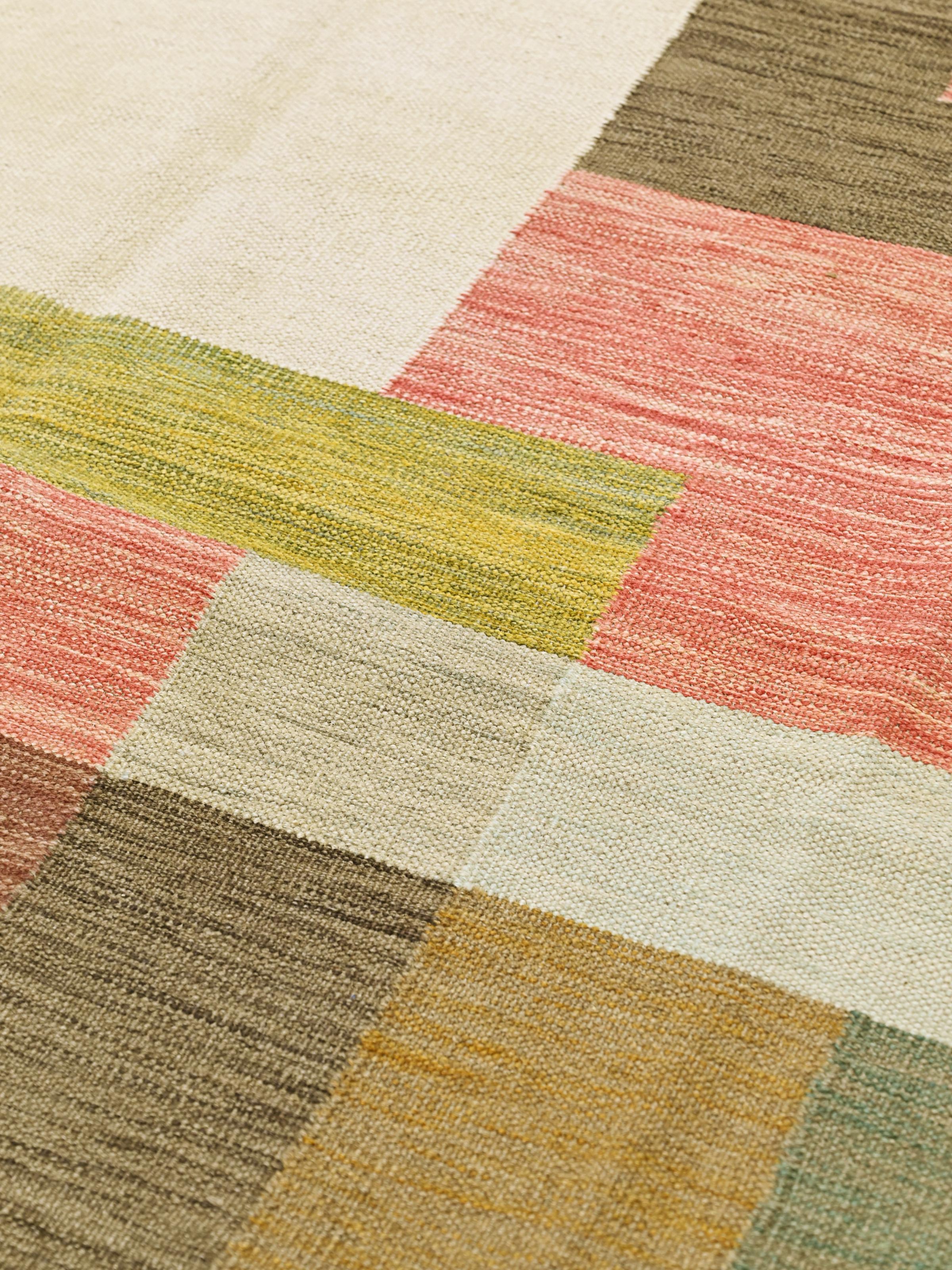
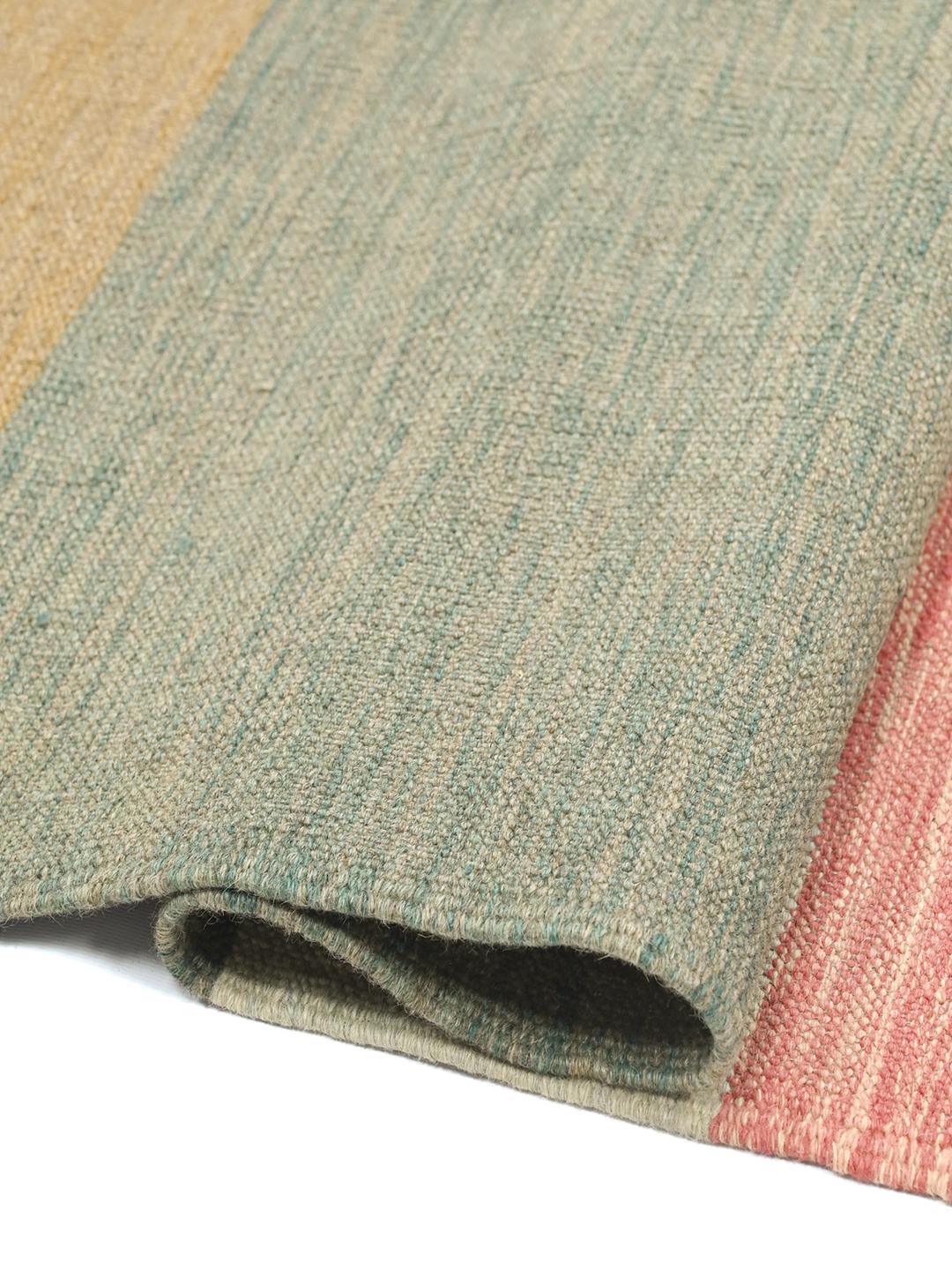
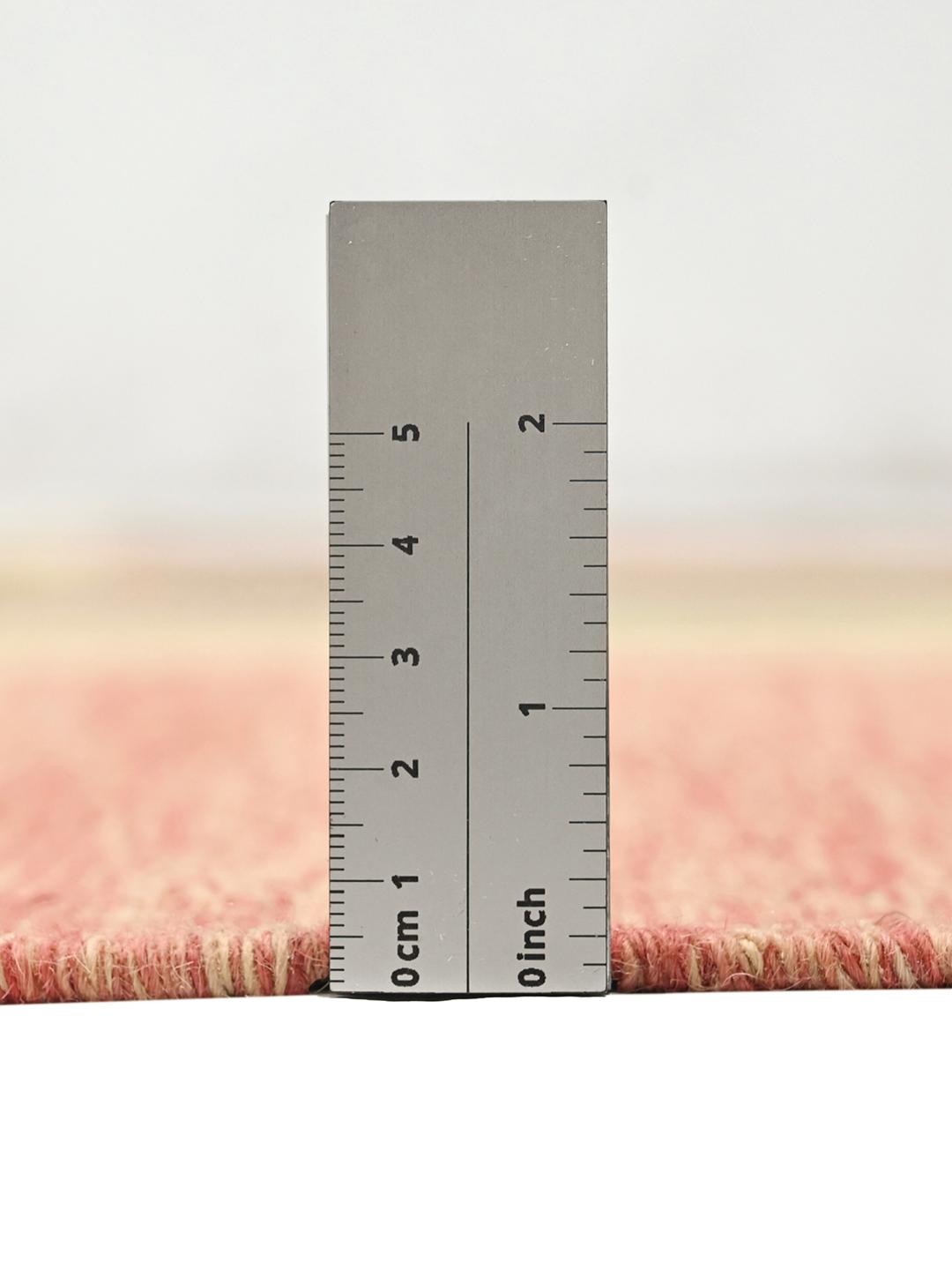
The term 'kilim' refers specifically to this flat-weave construction, which results in a thinner, lighter, and highly versatile rug. Because these rugs do not have a pile, the strength of the finished product relies entirely on the tension and precision of the weave. This method produces a remarkably durable surface that is often reversible, allowing for a longer lifespan and greater utility in the home.
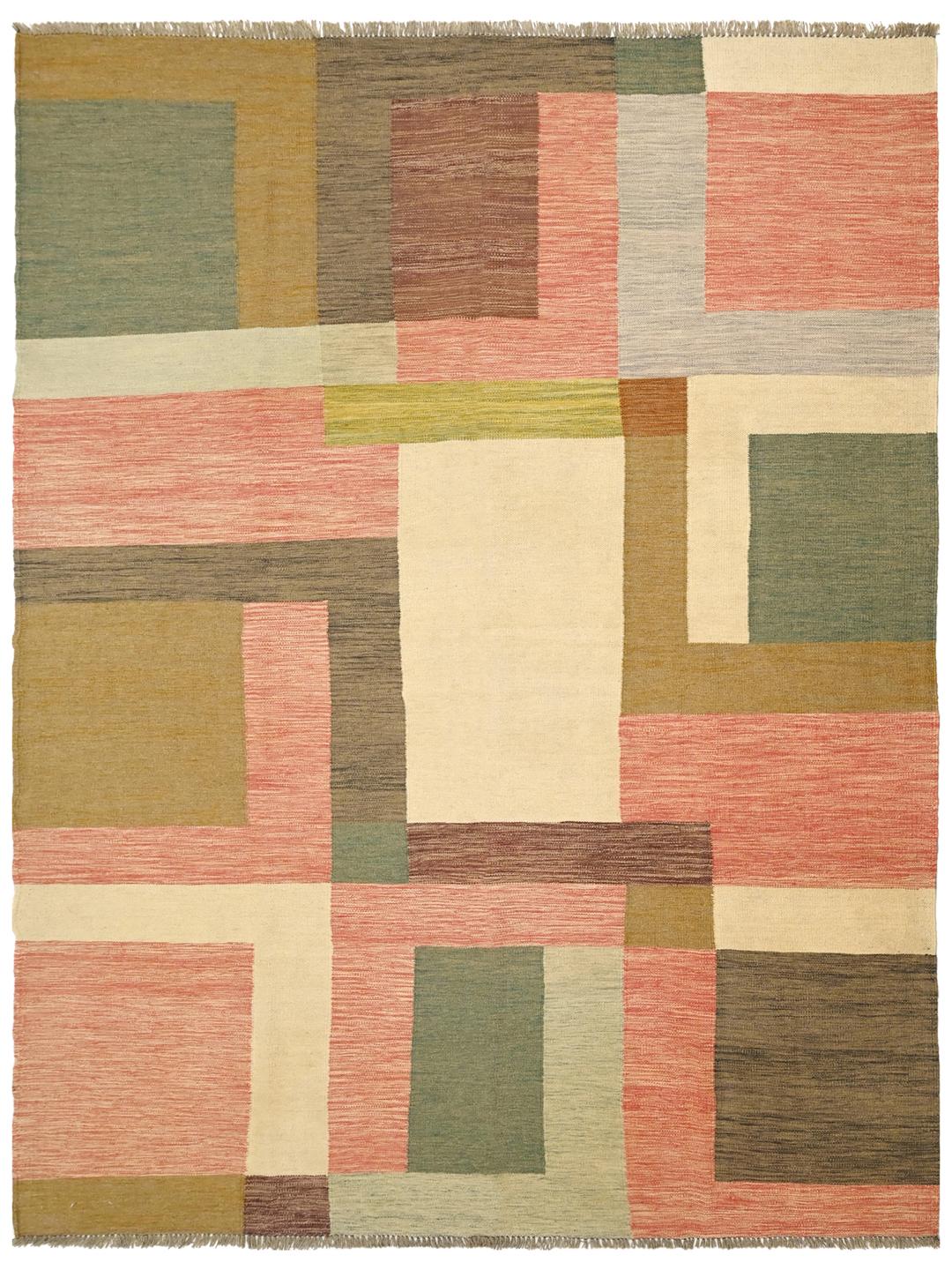
Historically, the visual language of these rugs was rooted in tribal symbolism and geometric motifs that told the stories of the families who wove them. Today, the modern evolution of this craft retains that geometric rigour but adapts it for contemporary interiors. By using blocks of colour and clean lines, these pieces bridge the gap between ancient craft and modern aesthetic preferences, moving away from traditional medallion layouts toward more abstract, balanced compositions.
Collecting these rugs is an investment in human skill and regional history. Each piece serves as a testament to the artisan's ability to interpret space and colour without the aid of modern technology. Owning such a rug is a way to connect with a living tradition, ensuring that these time-honoured methods of weaving continue to be valued and celebrated in modern households around the world.