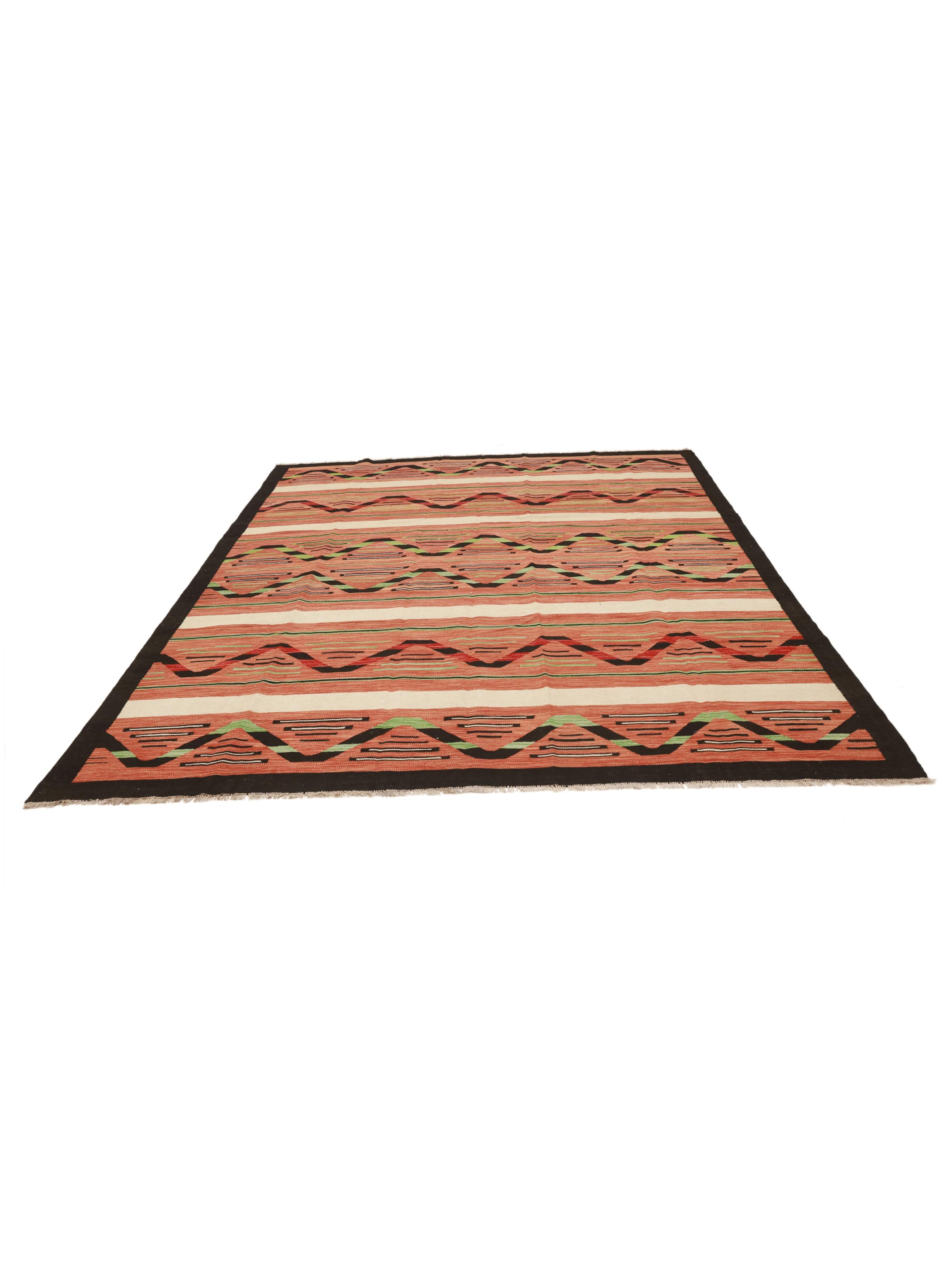
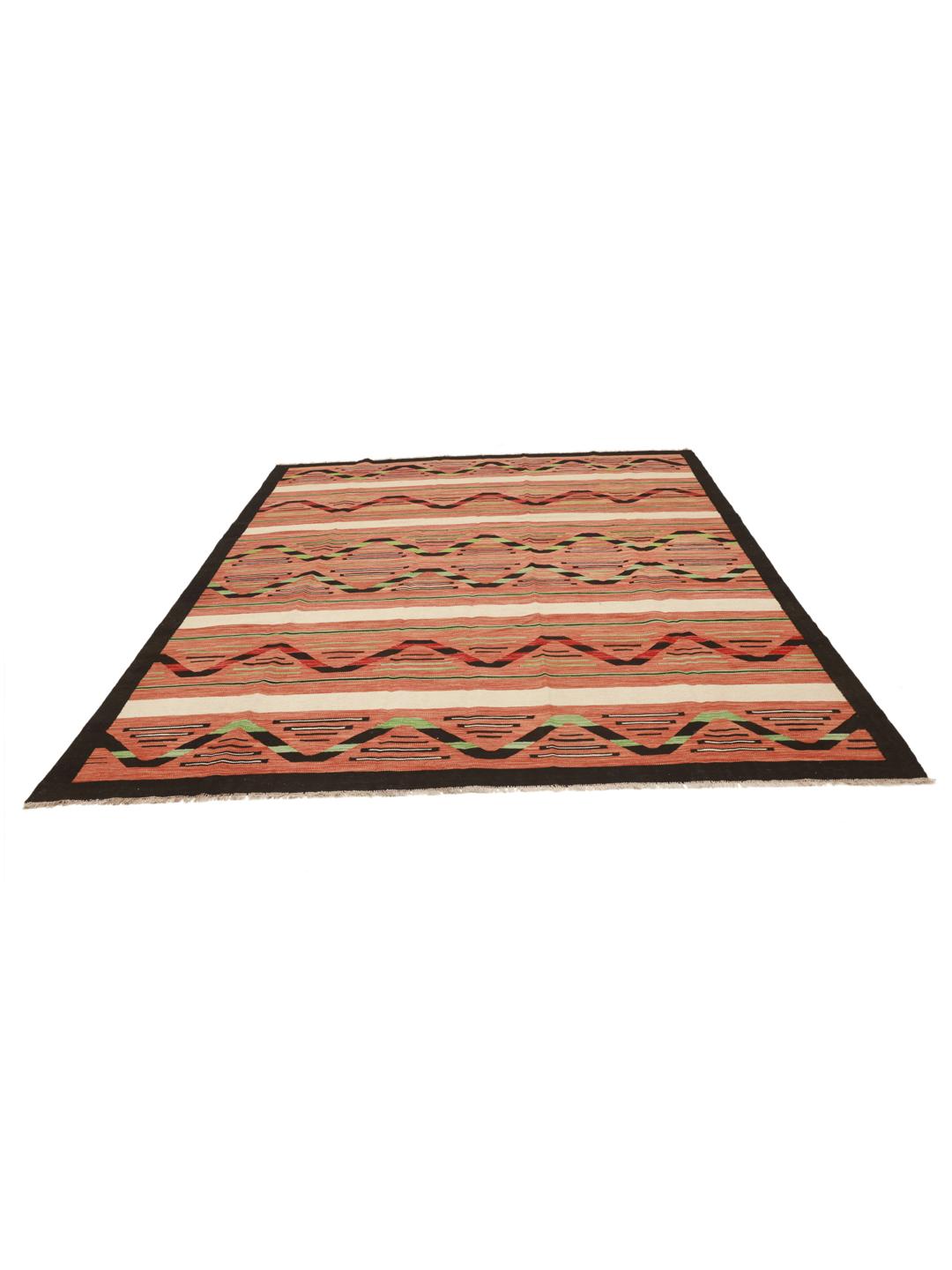
Kilim flatweaves represent one of the world's oldest textile traditions, originating among nomadic tribes across Central Asia and the Middle East. While historically crafted for practical household use such as tent dividers, bedding, and floor covers, modern adaptations continue to build on these ancestral techniques while adjusting scale and layout for modern living spaces.
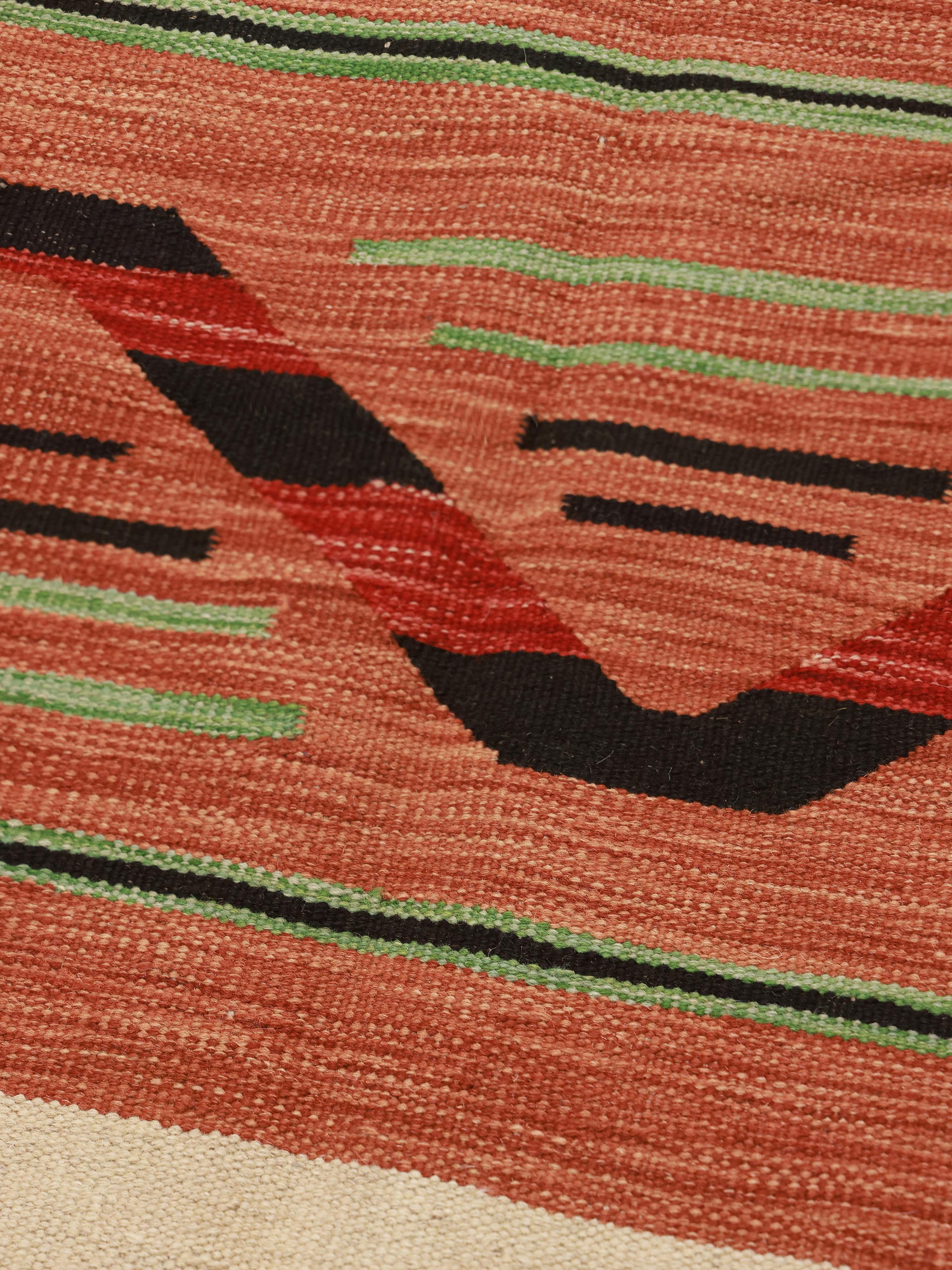
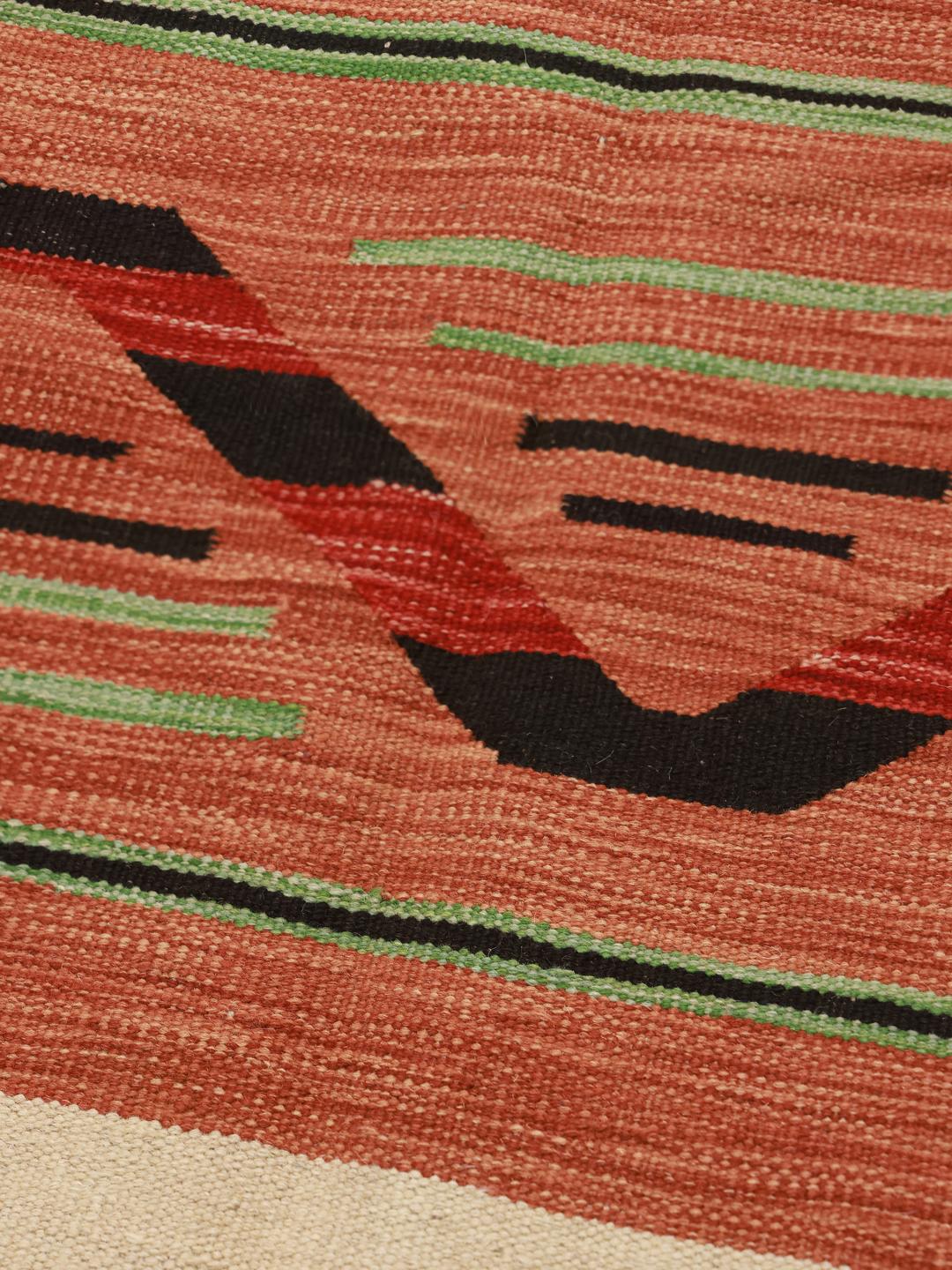
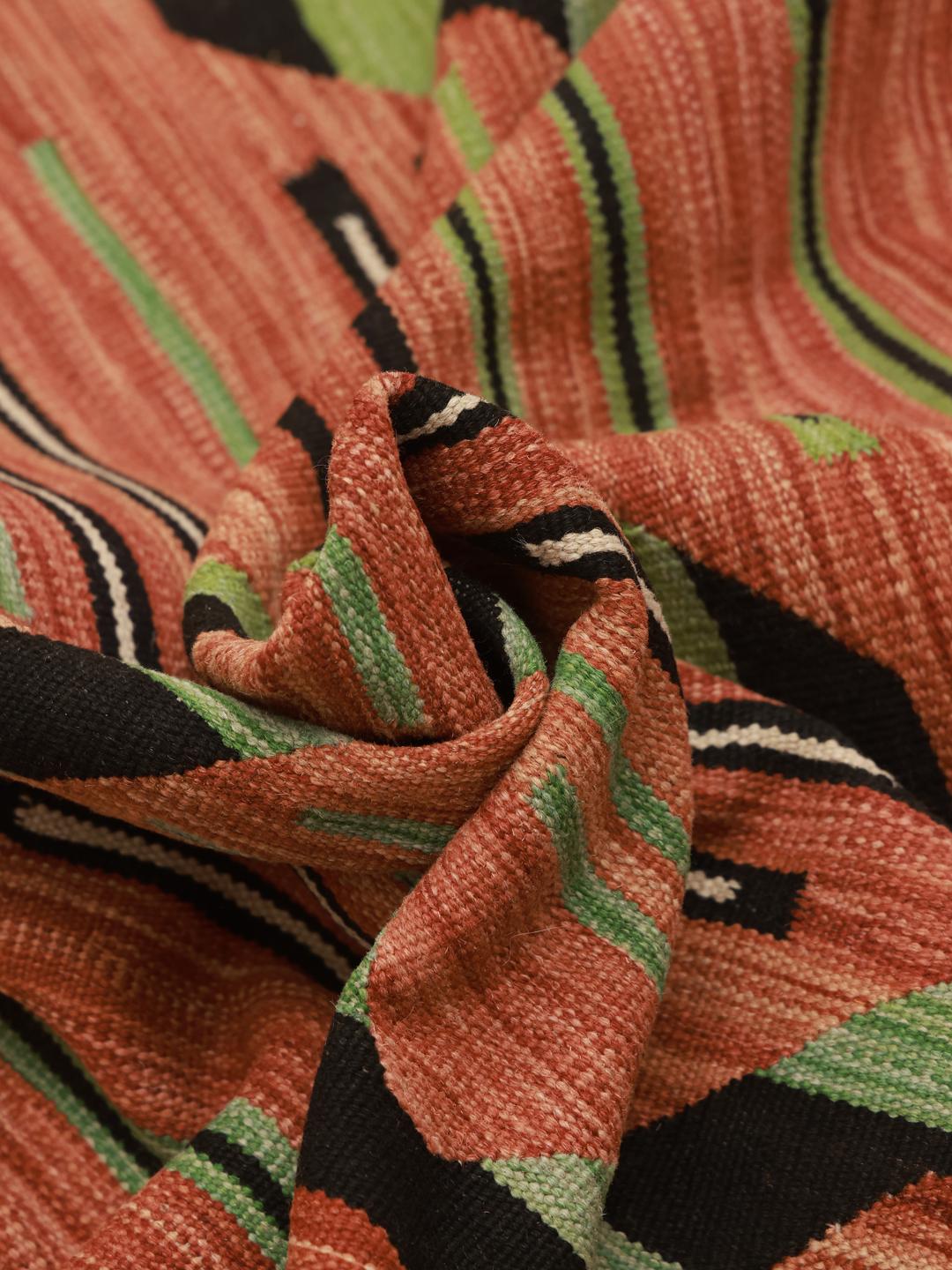
Unlike pile rugs created by tying individual knots onto a structural grid, flatwoven kilims are constructed by tightly intertwining the warp and weft strands. Using natural wool for the visible weaving strands produces a durable face, while sturdy cotton inner threads ensure the piece retains its rectangular structural integrity over long periods of use.
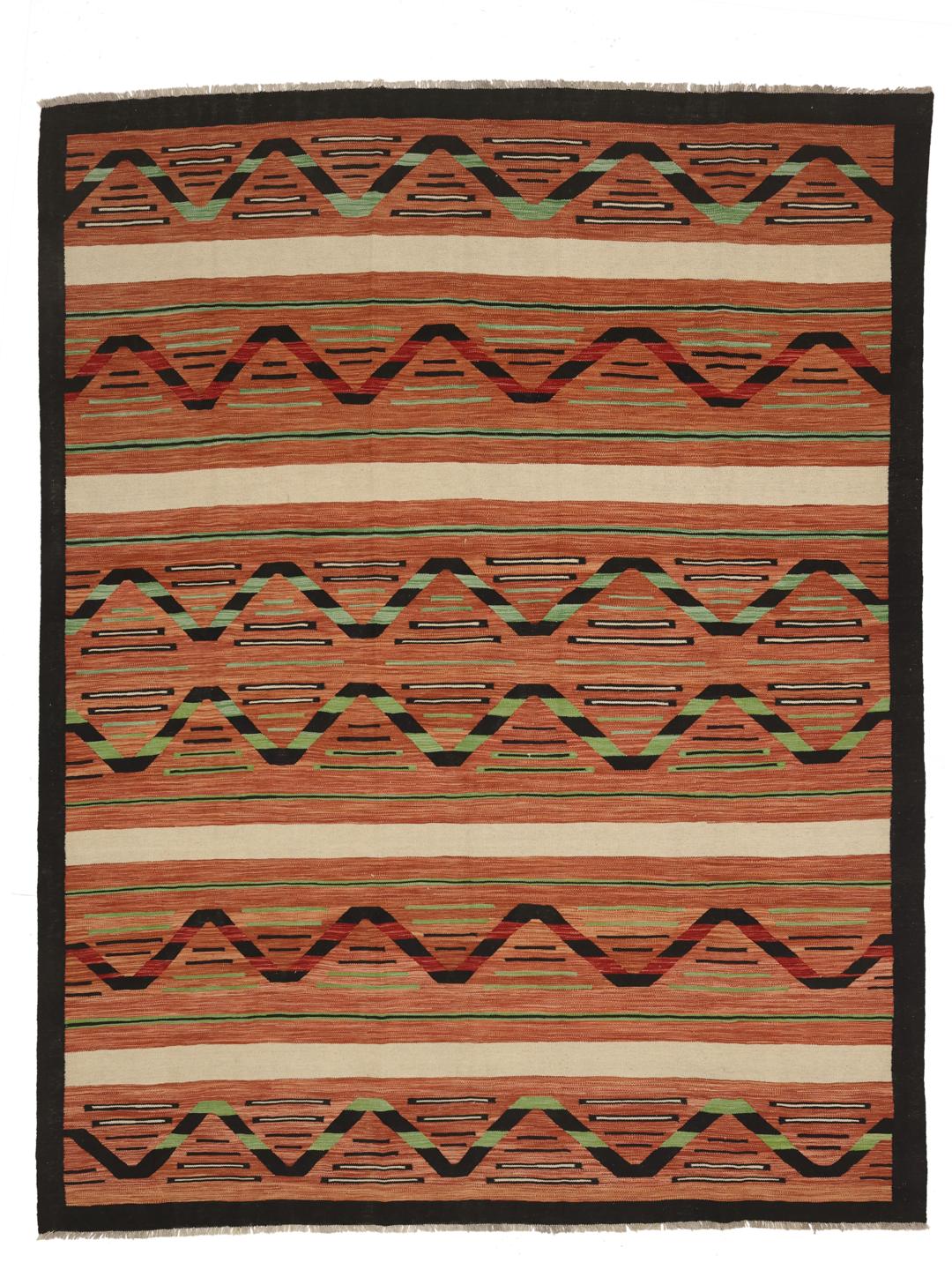
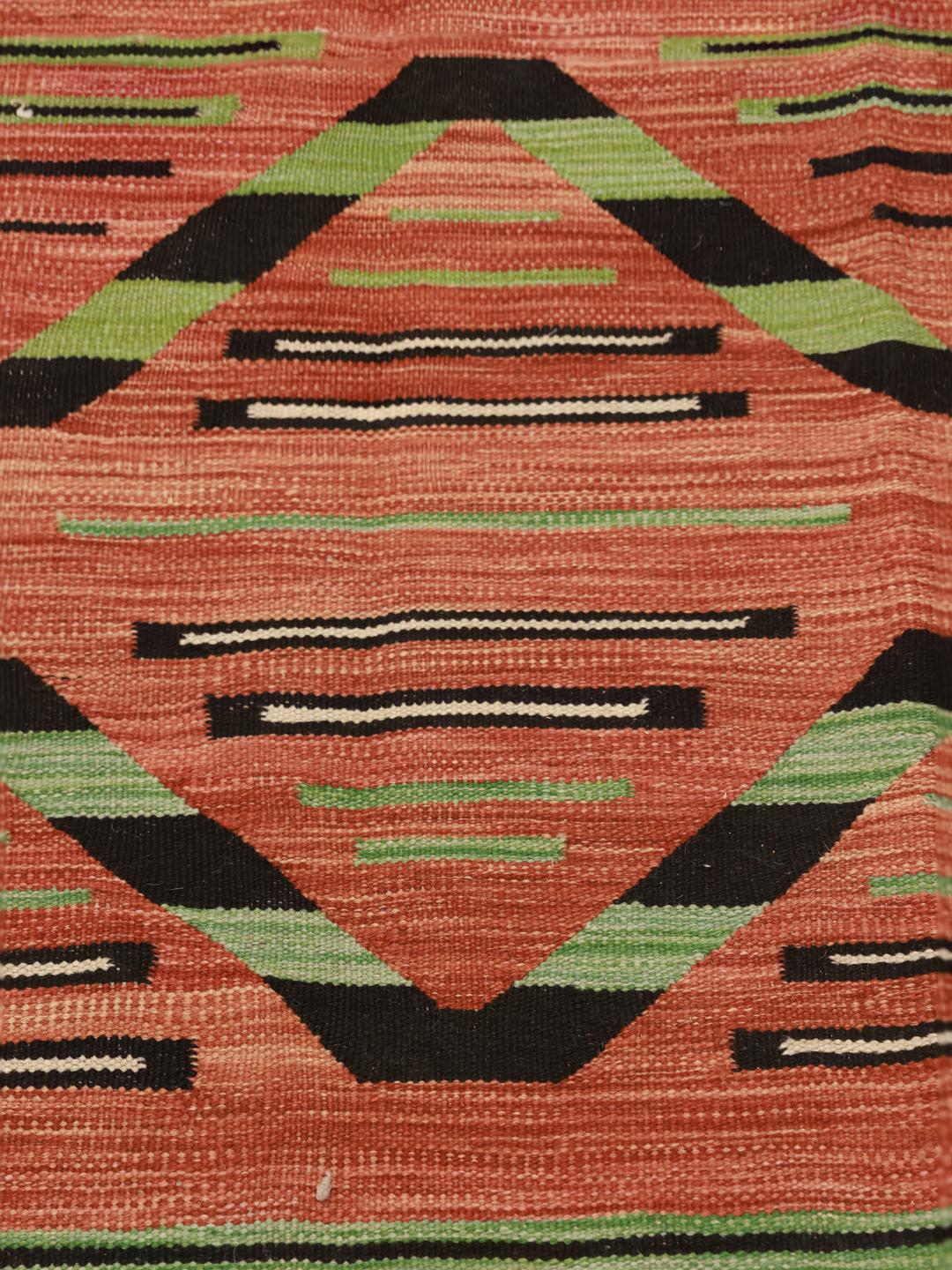
The visual language of modern kilims draws heavily from traditional geometric motifs, such as repeating triangles, serrated bands, and stepped diamonds. Historically, these motifs served as personal or tribal symbols, representing nature, protection, and daily life. In contemporary iterations, these traditional geometric elements are rearranged in broader, bolder compositions that highlight the flat texture of the weave.
Rugs from this category are sought after by collectors and interior enthusiasts alike for their authentic connection to regional craft history. Combining age-old flatweaving methods with versatile geometric layouts, a modern kilim offers an approachable way to bring genuine heritage and tactile depth into a curated space.