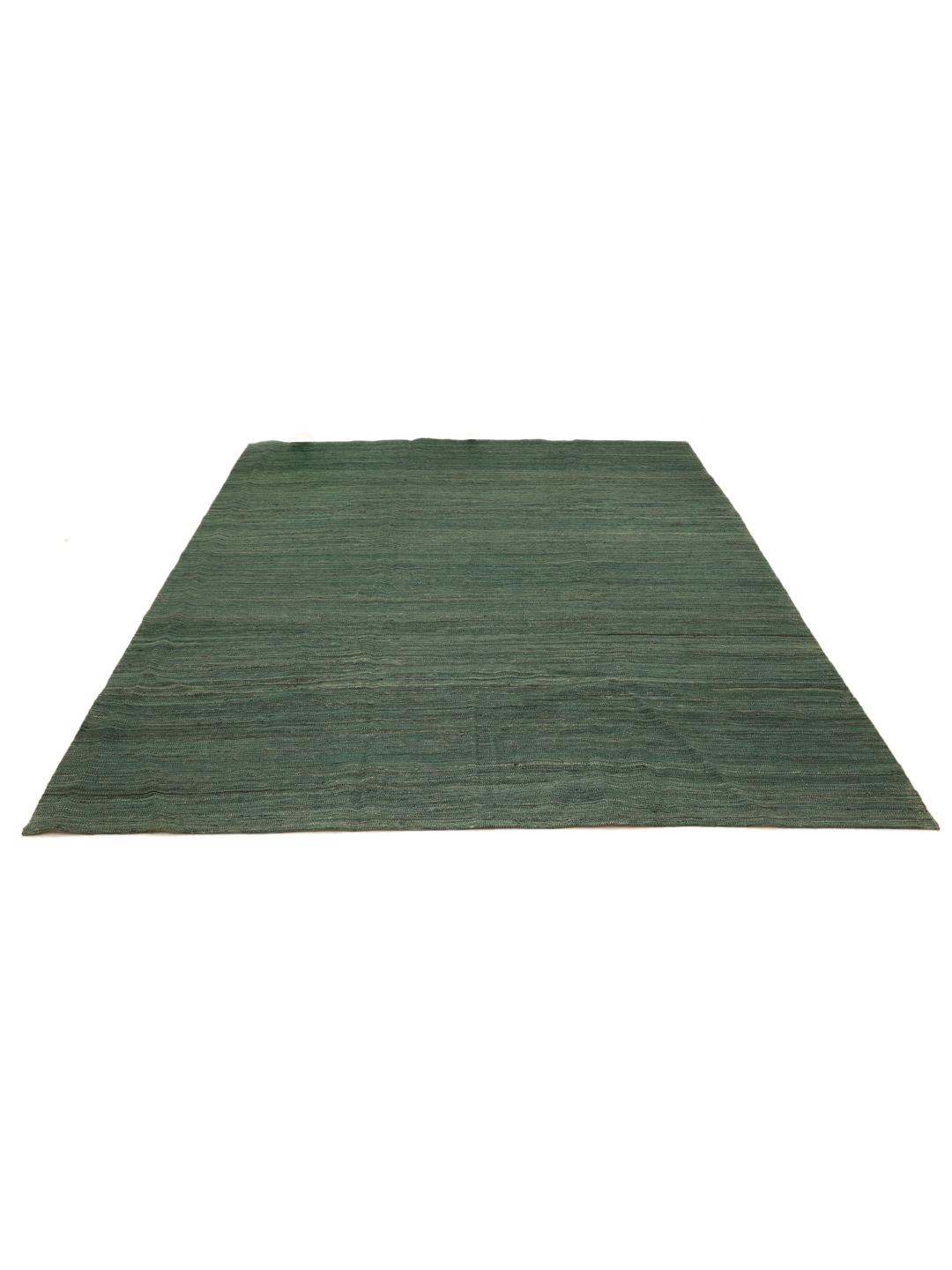
Kelim rugs have a history that stretches back millennia, serving as essential, functional textiles for nomadic tribes across the Middle East and Central Asia. Originally designed to be lightweight and portable, these flat-woven rugs were used as floor coverings, wall hangings, and storage bags, reflecting the practical needs of a life on the move.
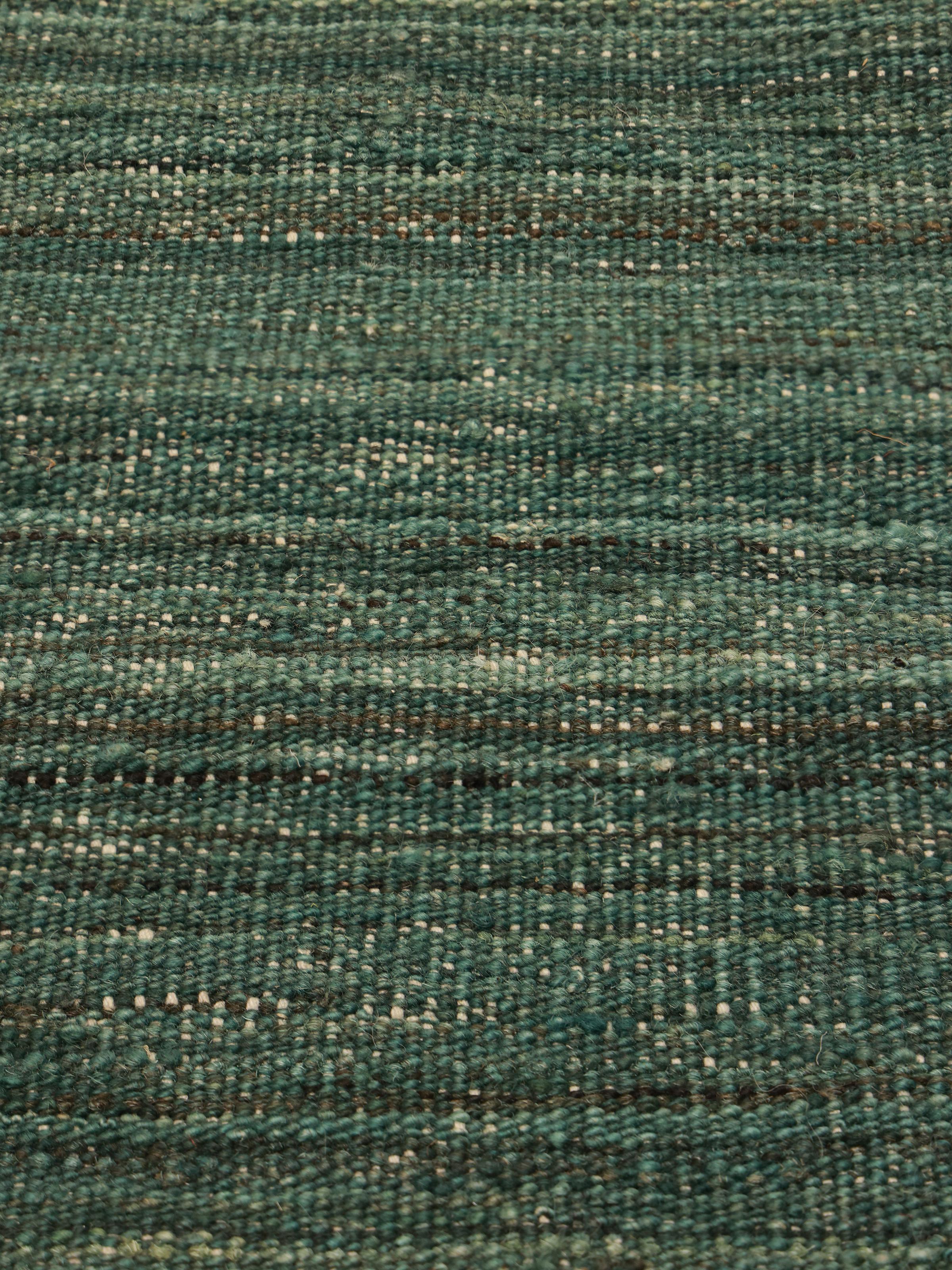
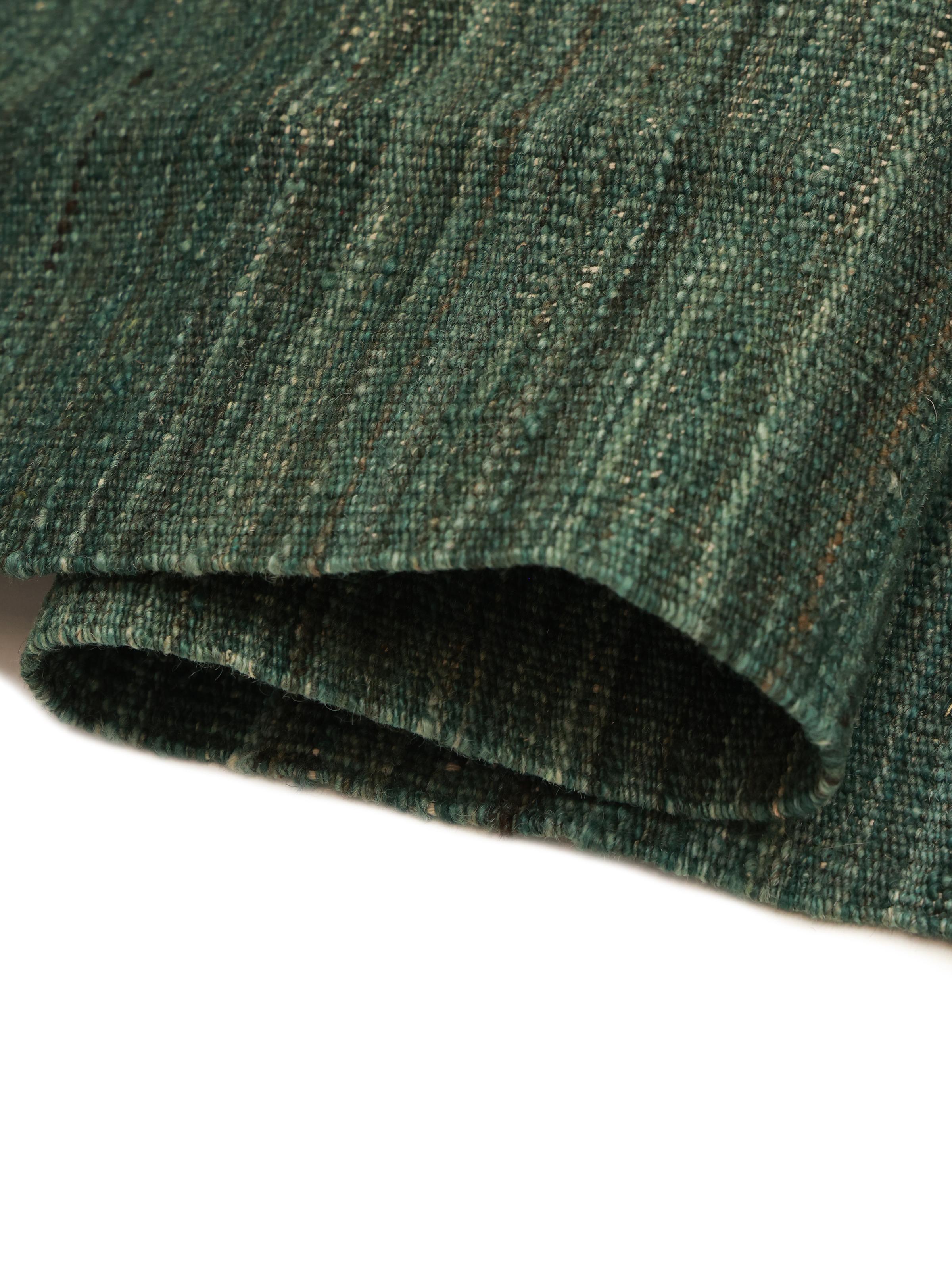
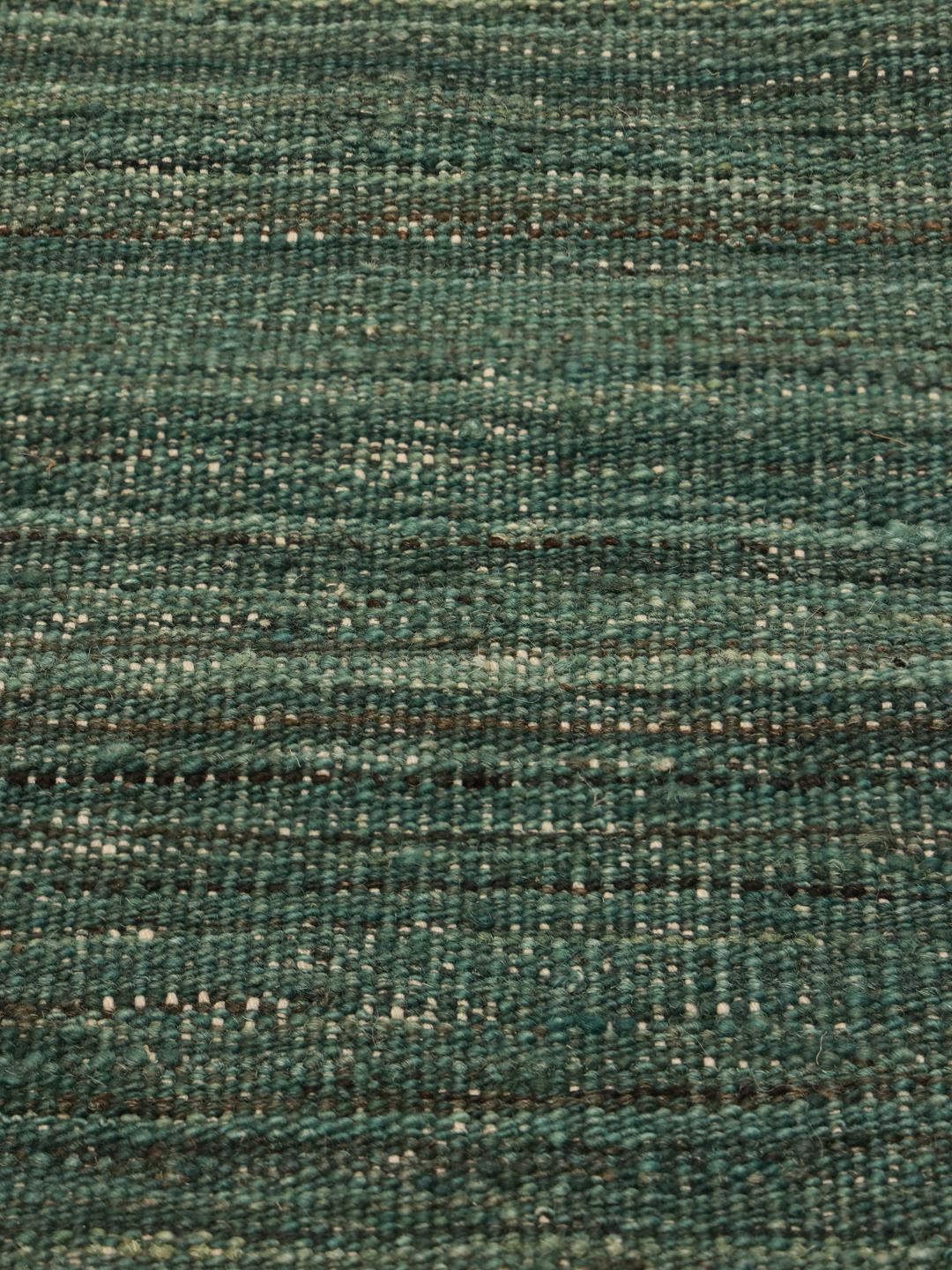
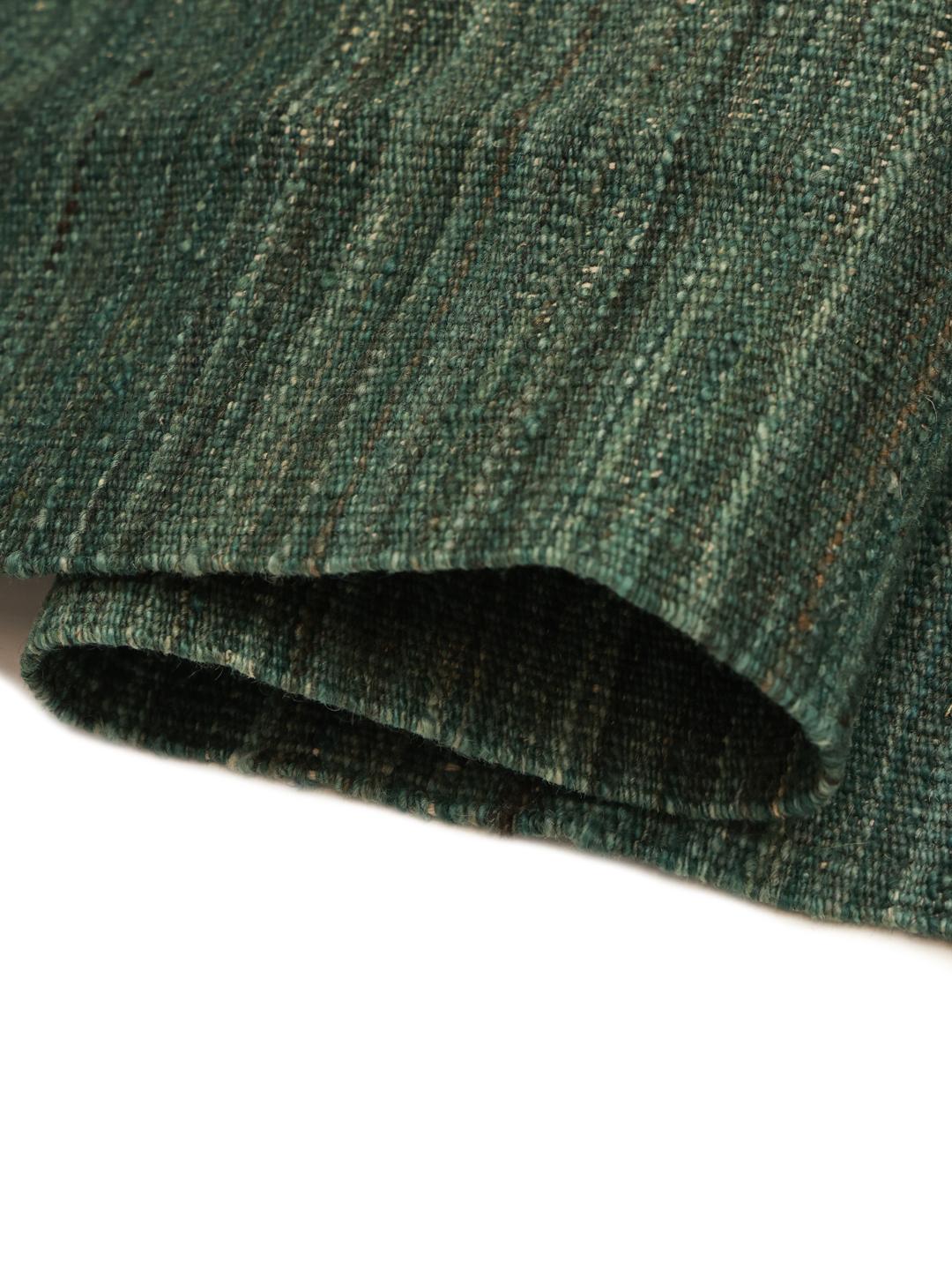
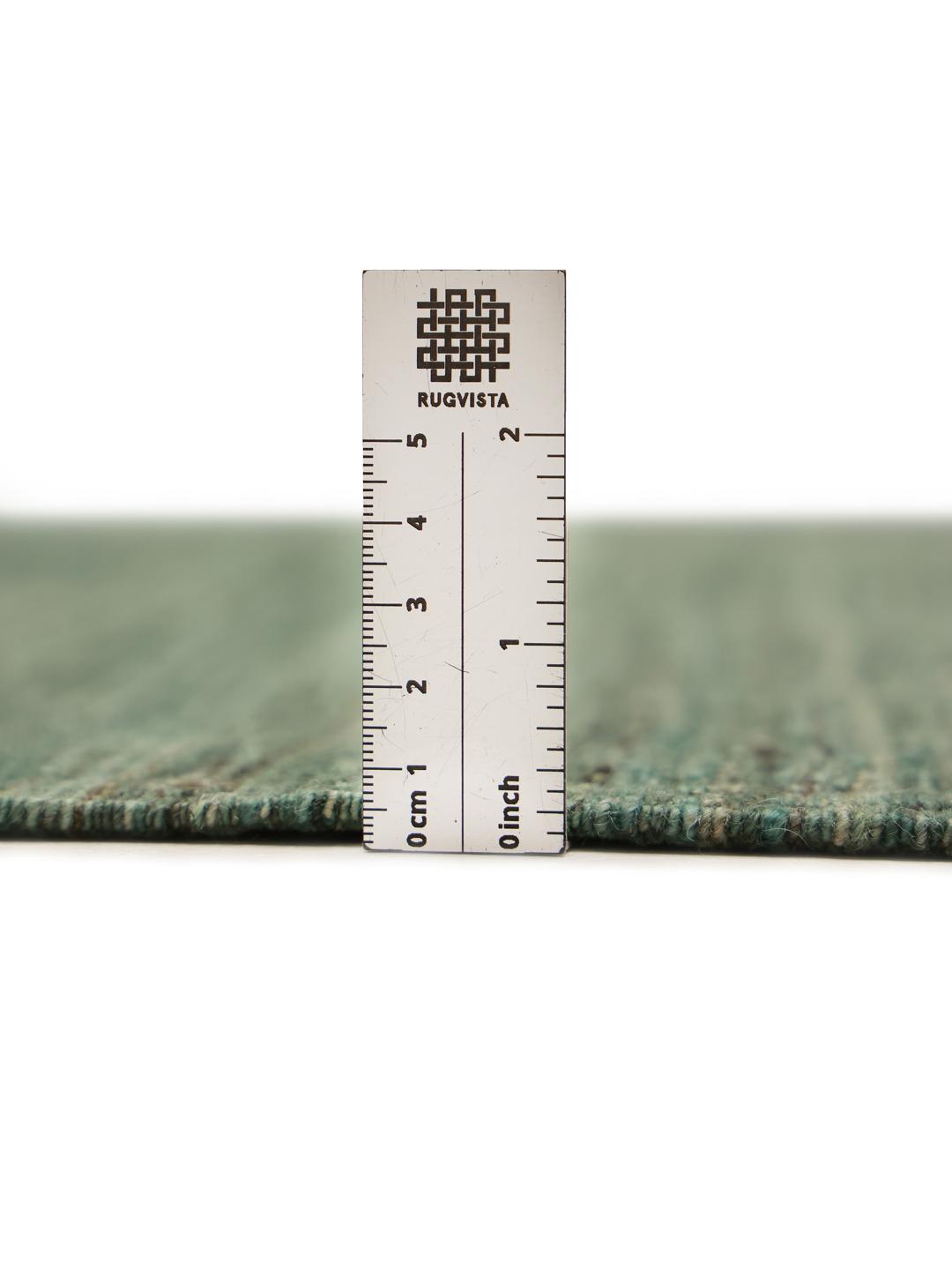
The term 'Kelim' refers to the specific flat-weave technique where the weft threads are passed through the warp threads to create the pattern. Unlike knotted rugs, this method produces no pile, resulting in a reversible and durable textile that is highly valued for its versatility. The quality of a Kelim is often determined by the tightness of the weave, which provides both resilience and a refined appearance.
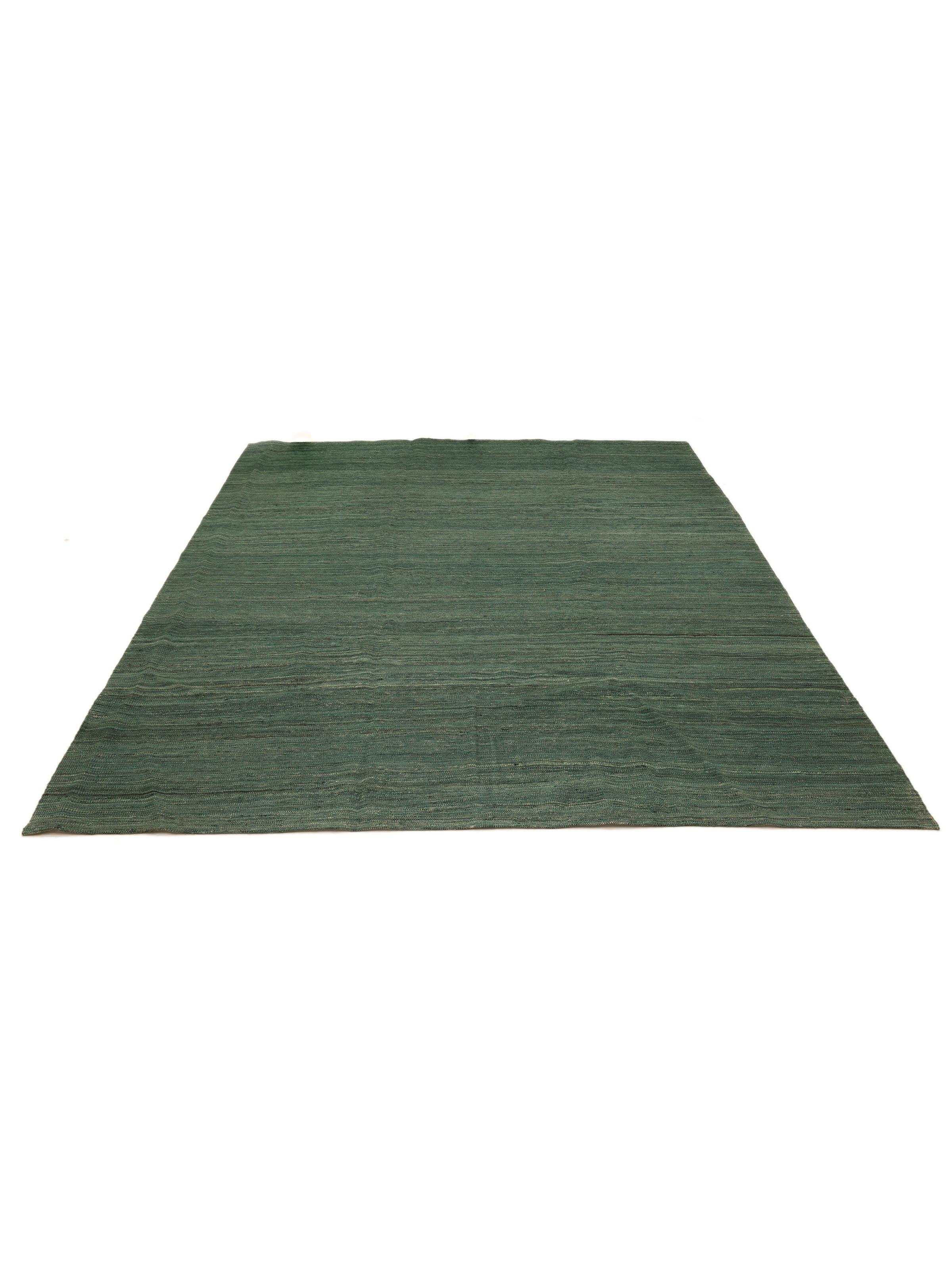
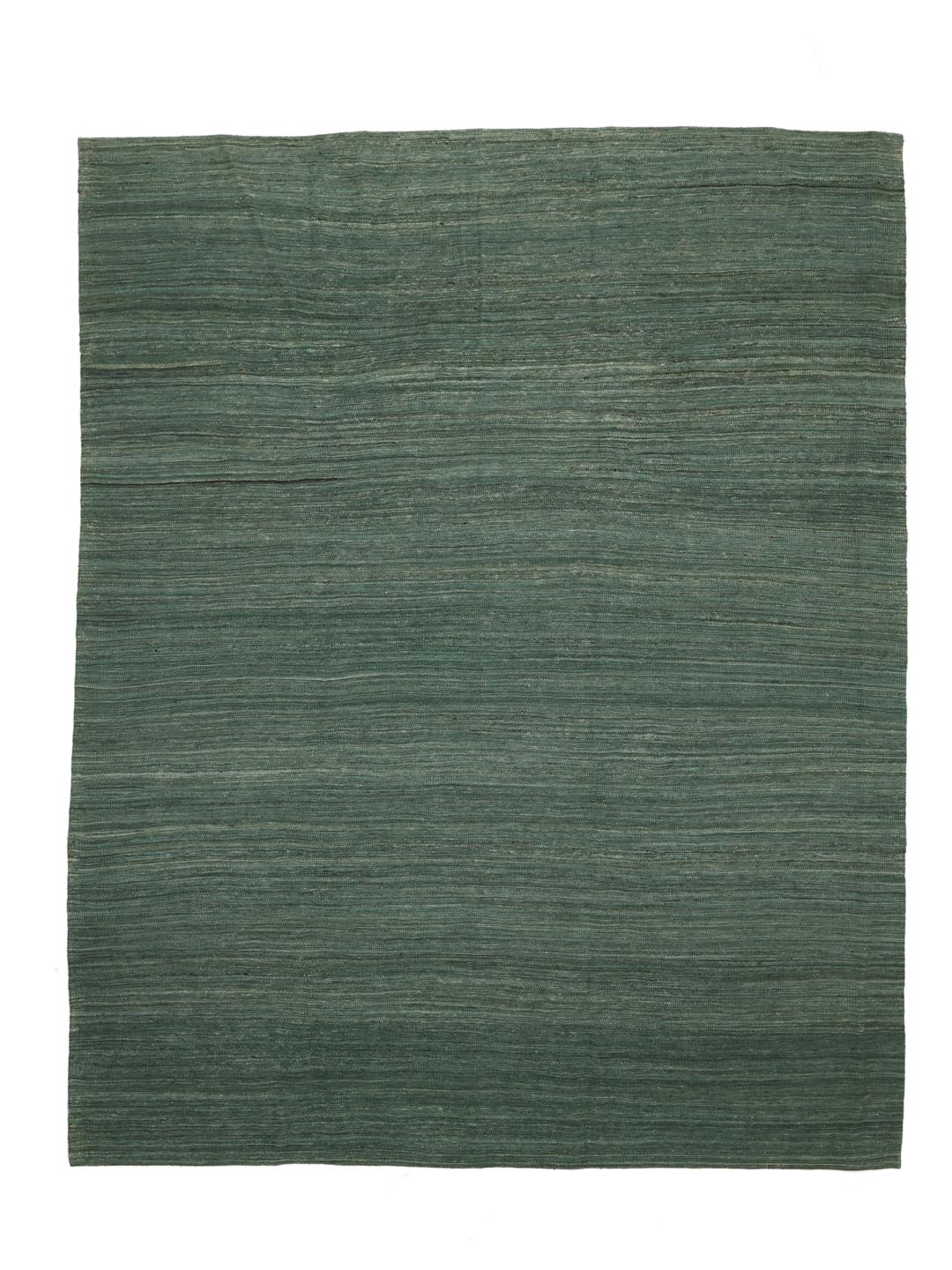
Modern Kelims from Afghanistan often draw inspiration from ancient tribal motifs while adapting to contemporary tastes with simplified designs and bold, singular colour palettes. These rugs maintain the integrity of traditional craft while embracing a more minimalist aesthetic, making them perfect for modern homes that value both heritage and clean design.
Owning a hand-woven Kelim is an investment in cultural tradition and human skill. Because these rugs are crafted without the use of automated machinery, they carry the unique narrative of their maker. Collectors value these pieces for their authenticity, the depth of their natural textures, and the enduring legacy of the weaving techniques preserved through generations.