Kilim weaving is one of the oldest textile traditions in Central and South Asia. Originating among nomadic tribes who needed durable, flat floor coverings and utility sacks, the flatweave technique has evolved into a celebrated artistic discipline. Rugs from Afghanistan carry a deep historical heritage, shaped by regional motifs passed down through generations.
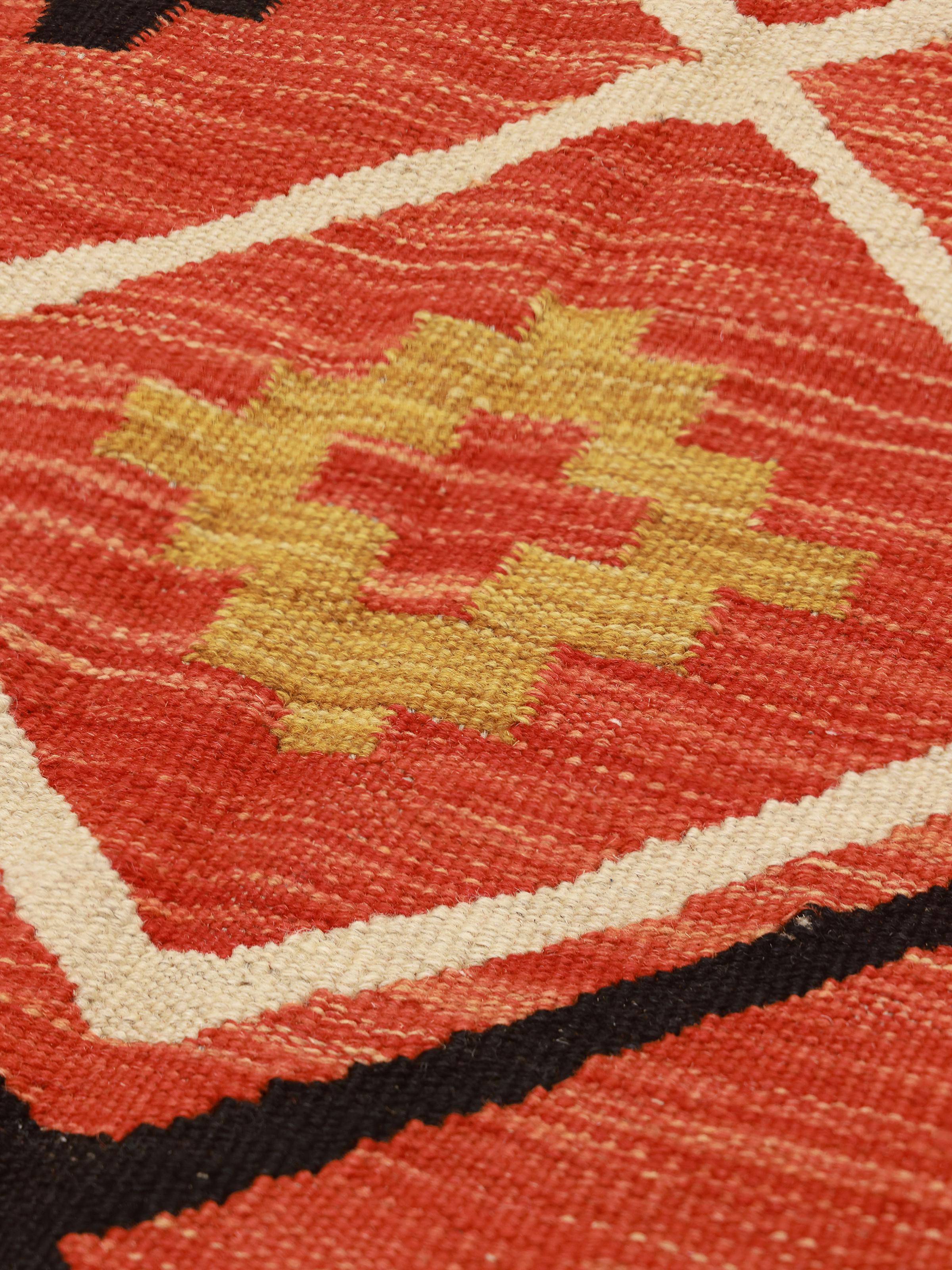
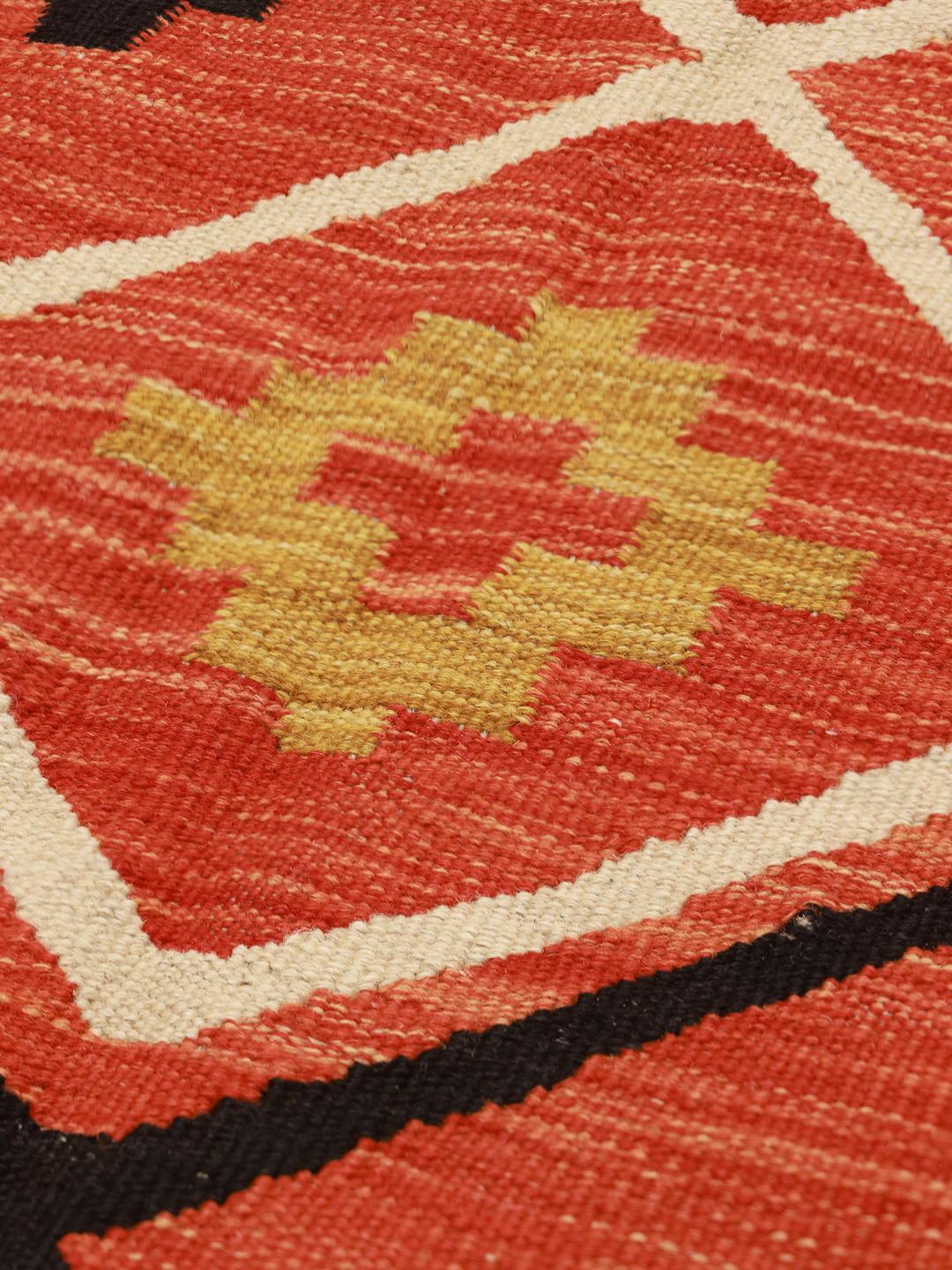
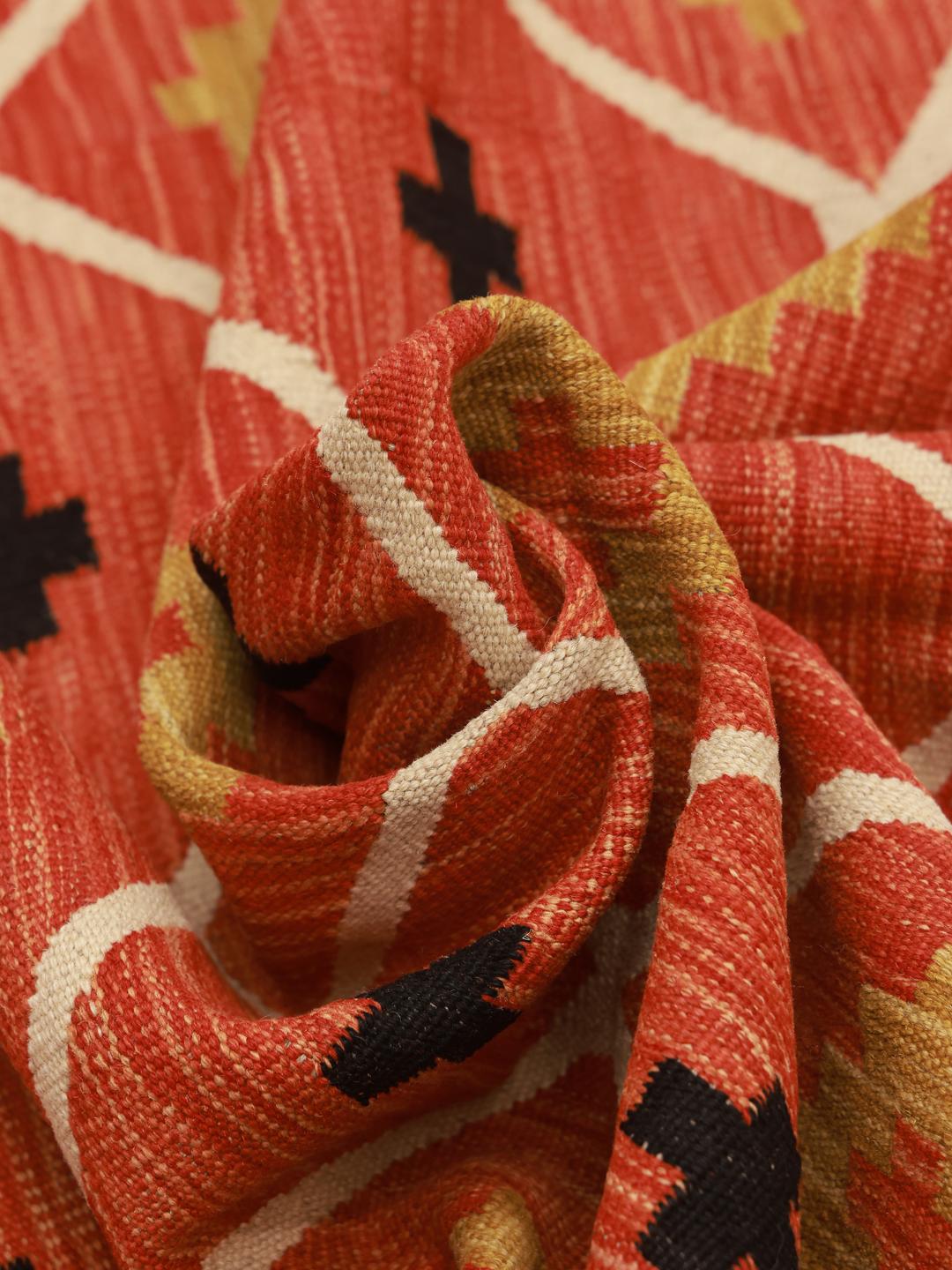
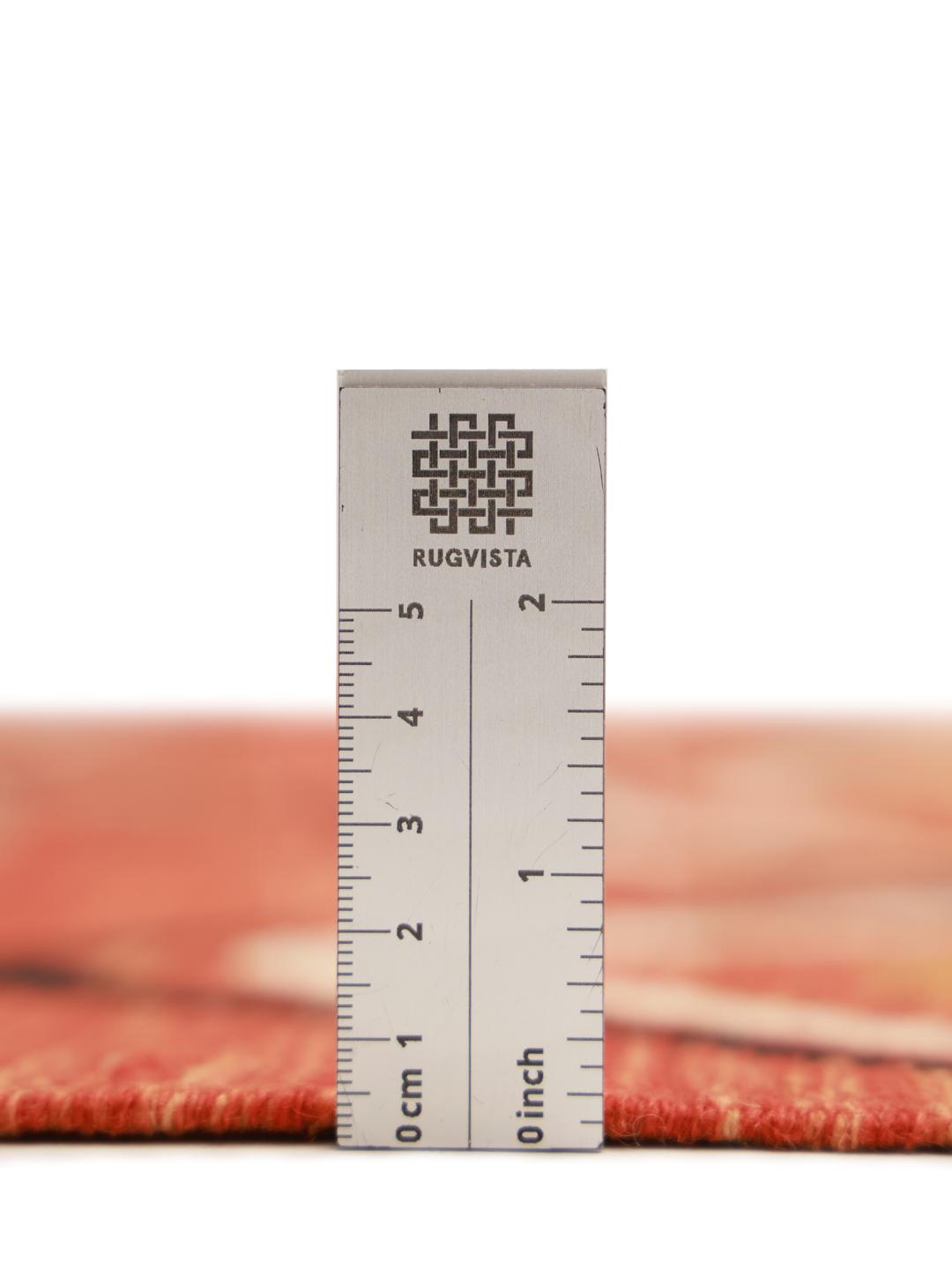
Unlike pile carpets, kilims are made using a flatweave method where warp and weft threads are tightly woven together. This produces a smooth, pile-free surface that is exceptionally light yet strong, making the rug easy to move while retaining long-term structural resilience.
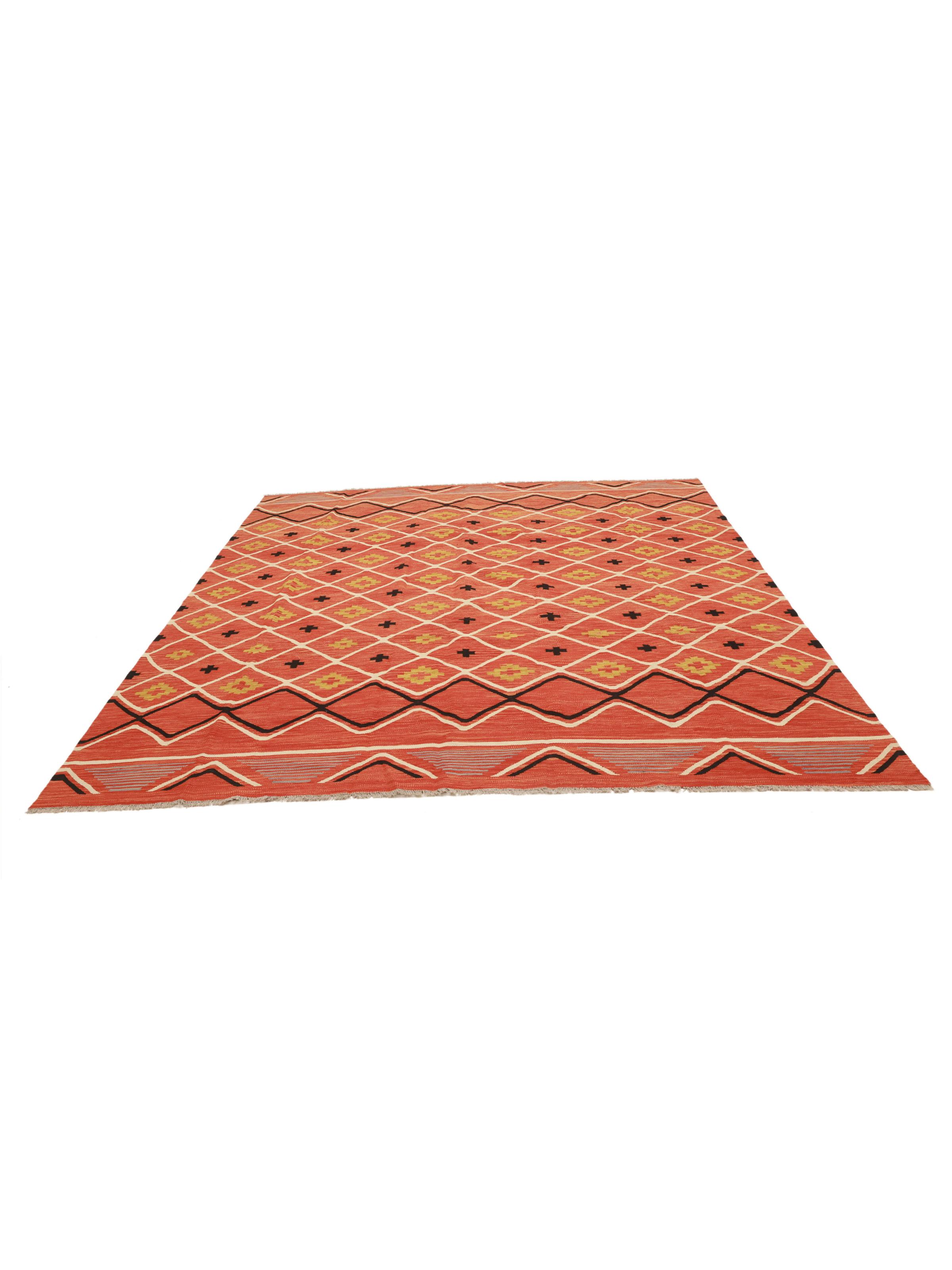
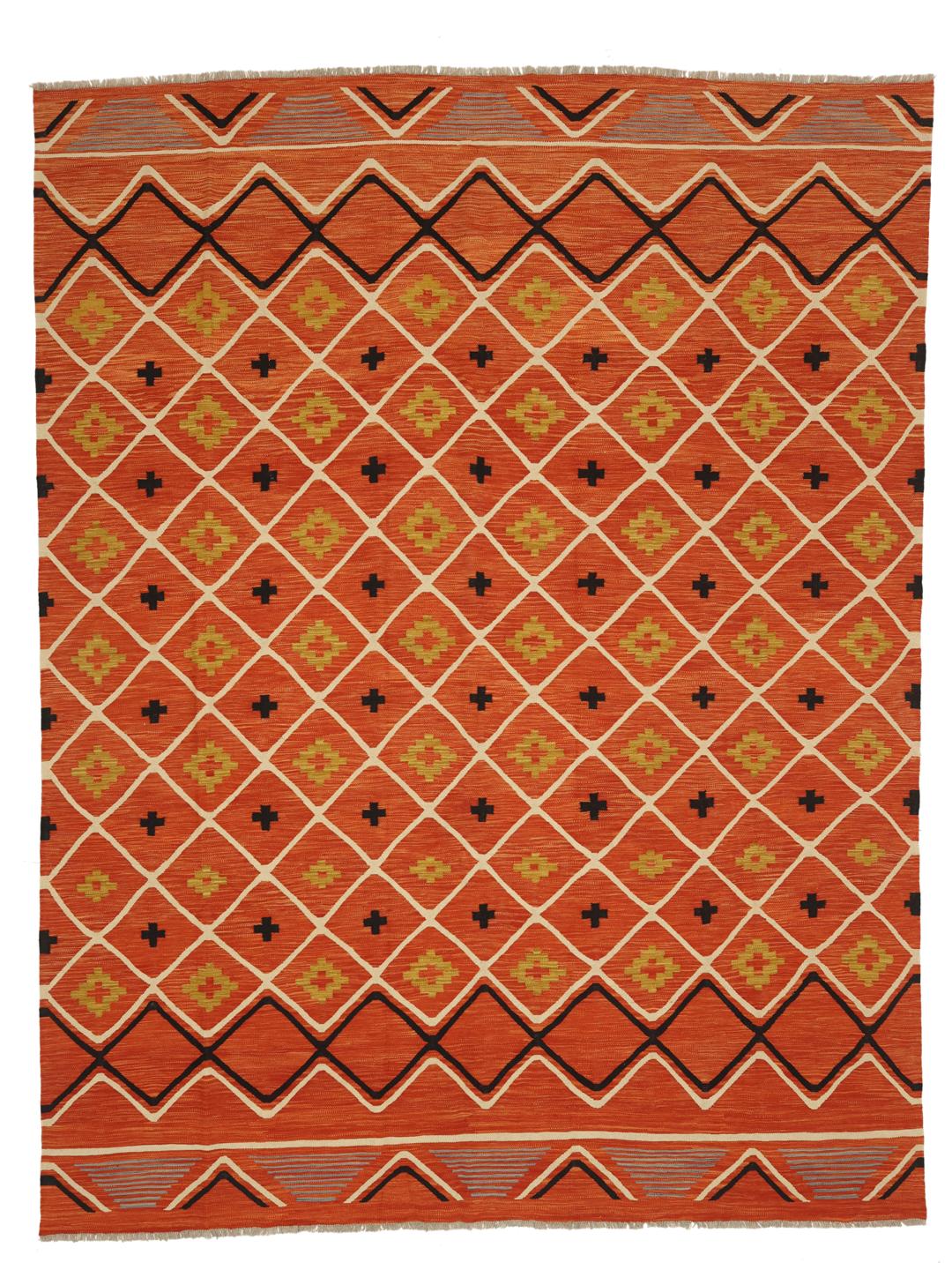
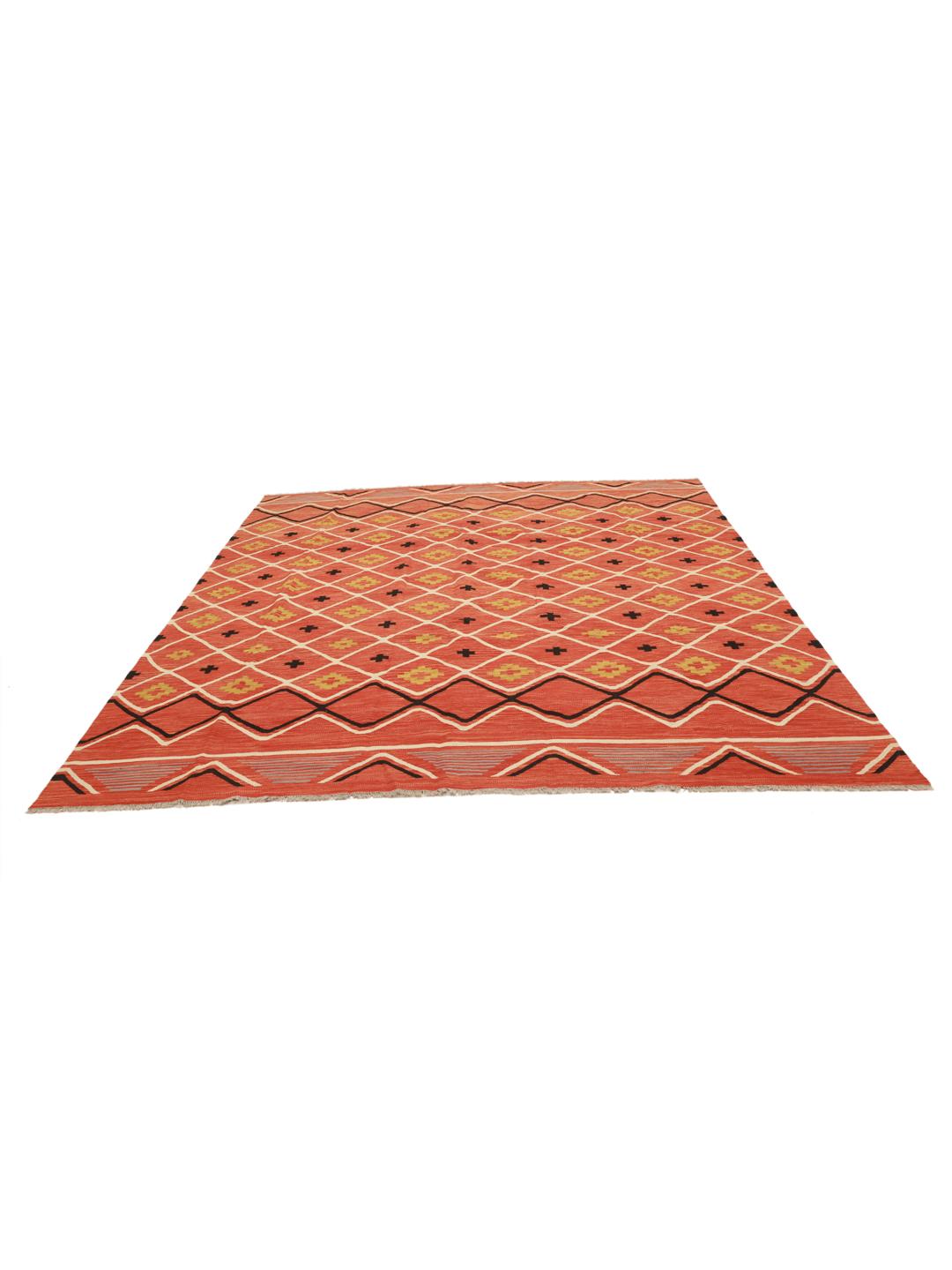
The design of this modern piece uses classic geometric motifs, such as repeating diamonds and protective zig-zag borders. In traditional weaving lore, geometric forms often represented family crests or symbols of good fortune, adapted here into a fresh, contemporary layout.
Owning an authentic Afghan kilim connects your home to an enduring craft heritage. Collectors and design enthusiasts value these pieces for their human quality, natural wool textures, and the knowledge that hand-knotted and handwoven regional textiles carry lasting cultural weight.