Kilim rugs are a storied tradition in Afghanistan, born from the nomadic cultures that have traversed the Middle East for centuries. These flat-woven textiles were originally designed to be lightweight, durable, and versatile, serving as floor coverings, wall hangings, or storage bags for travelling families.
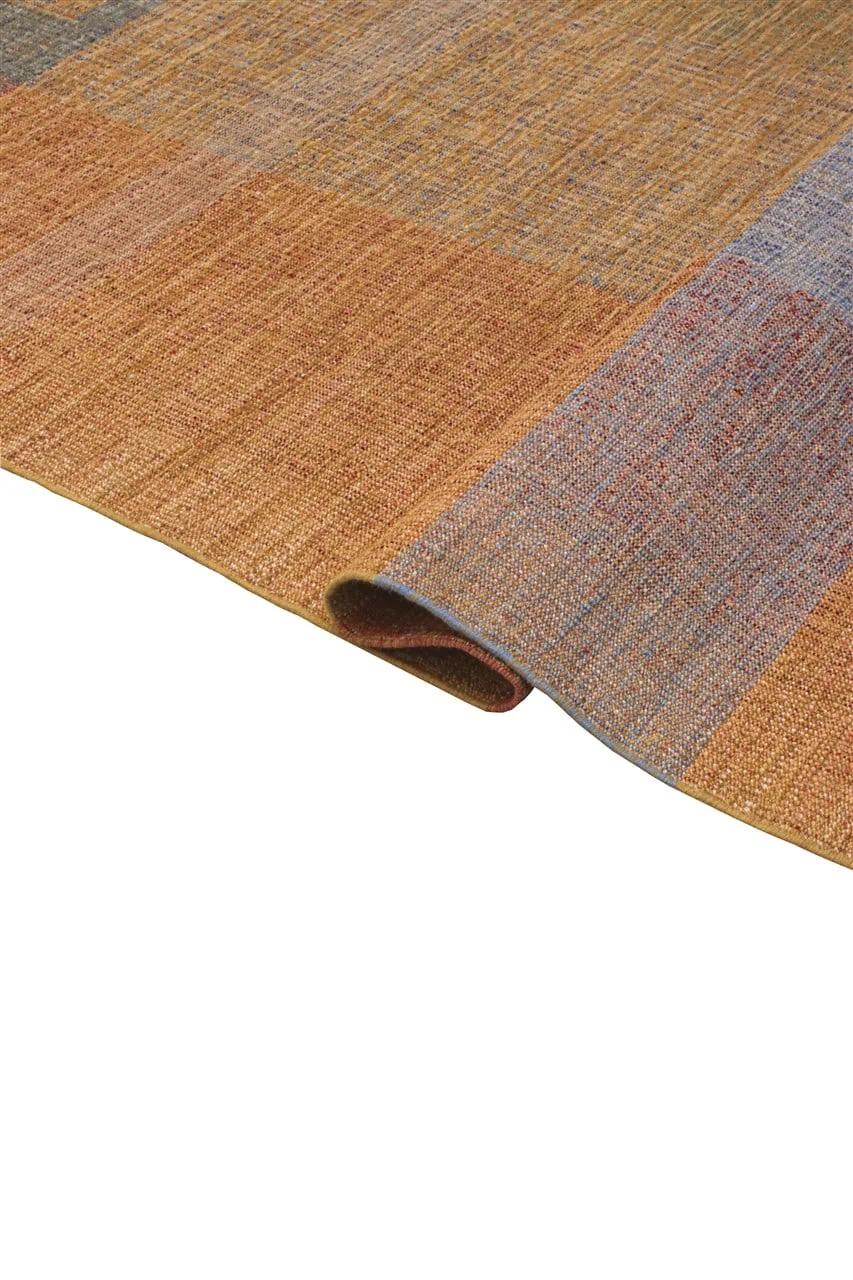
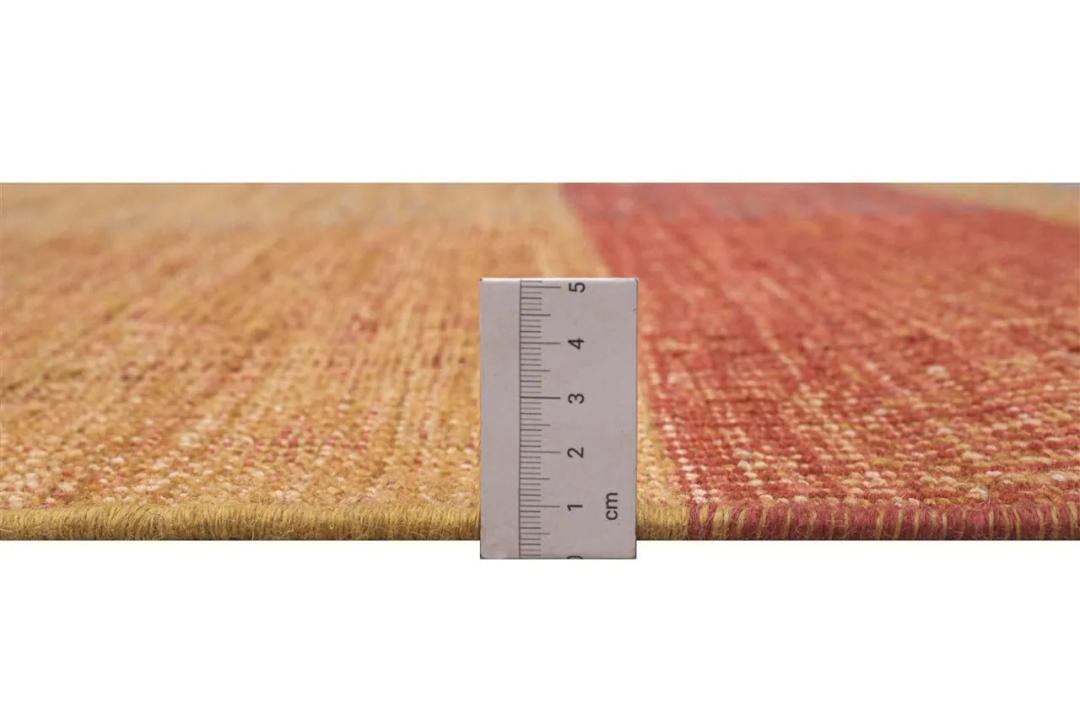
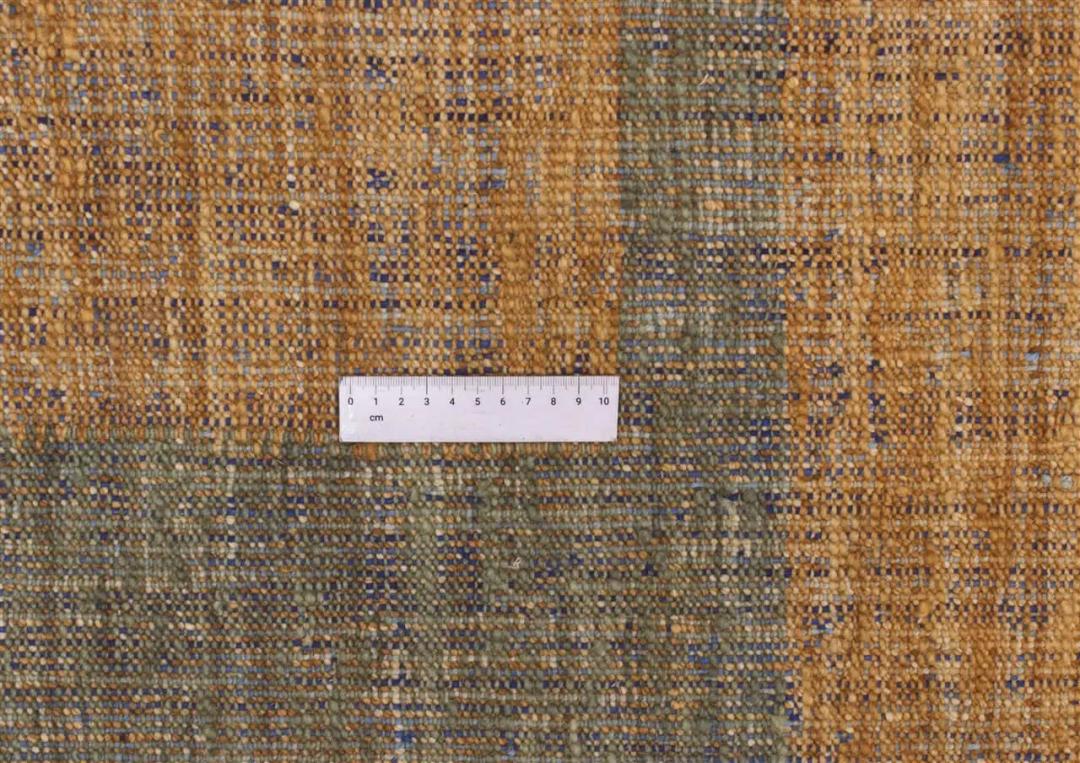
The term kilim refers to the specific slit-weave technique used to create these rugs. Unlike pile rugs, kilims are made by tightly interweaving the warp and weft strands, which creates a durable, reversible fabric. This technique is highly prized for its ability to produce sharp, geometric patterns that remain clear and defined over decades of use.
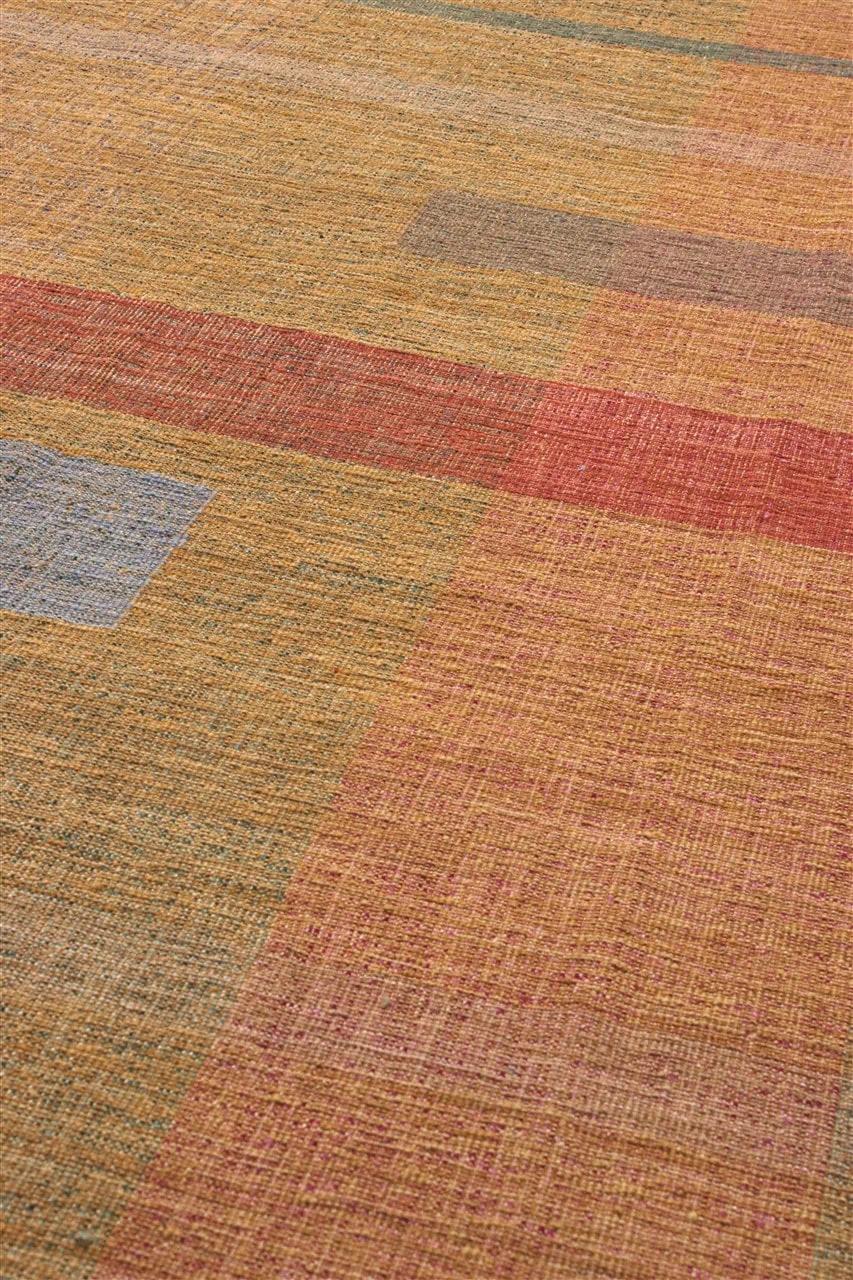
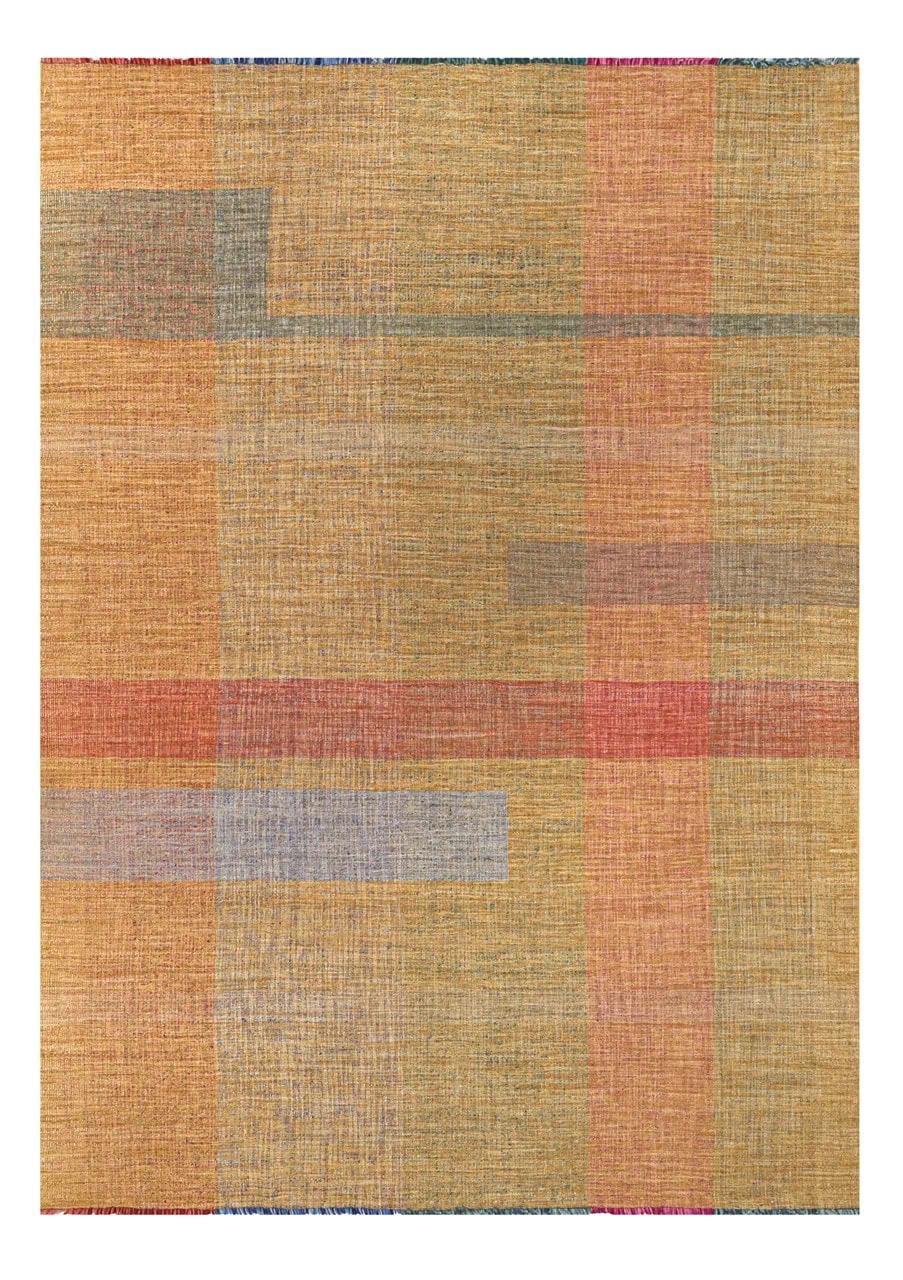
Visually, these rugs are defined by their use of bold, geometric motifs and earthy colour palettes. While traditional kilims often featured tribal symbols, this modern interpretation uses a contemporary grid design to showcase the raw beauty of the Wool. The interplay of colours highlights the natural variations found in hand-dyed fibres, giving the rug a depth that mass-produced items lack.
Collecting a hand-woven Afghan kilim is an investment in cultural heritage and human skill. These rugs carry the legacy of generations of weavers who have refined their craft to create functional art. By choosing this piece, you are supporting a tradition of excellence that values longevity, natural materials, and the unique signature of the individual artisan.