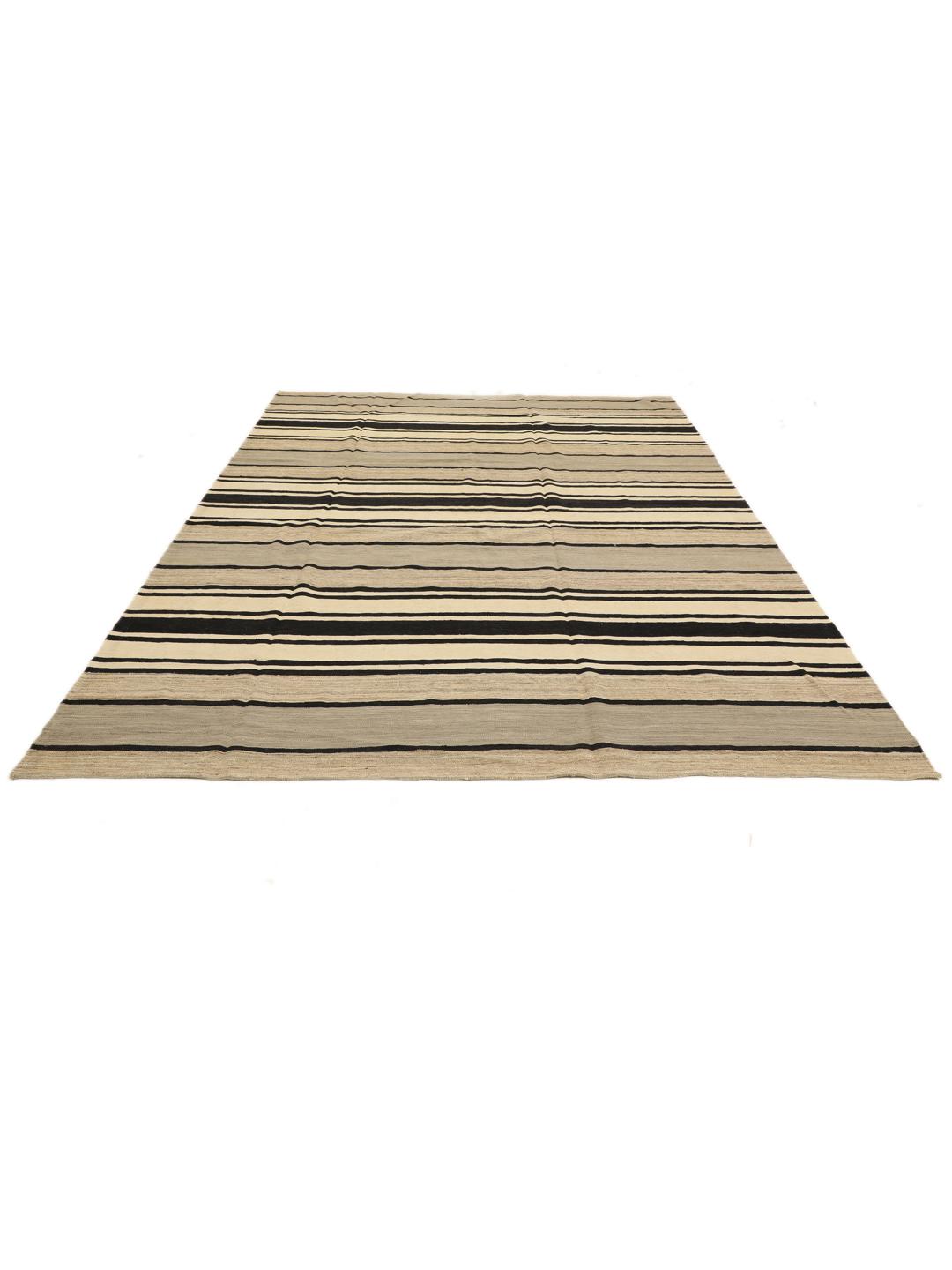
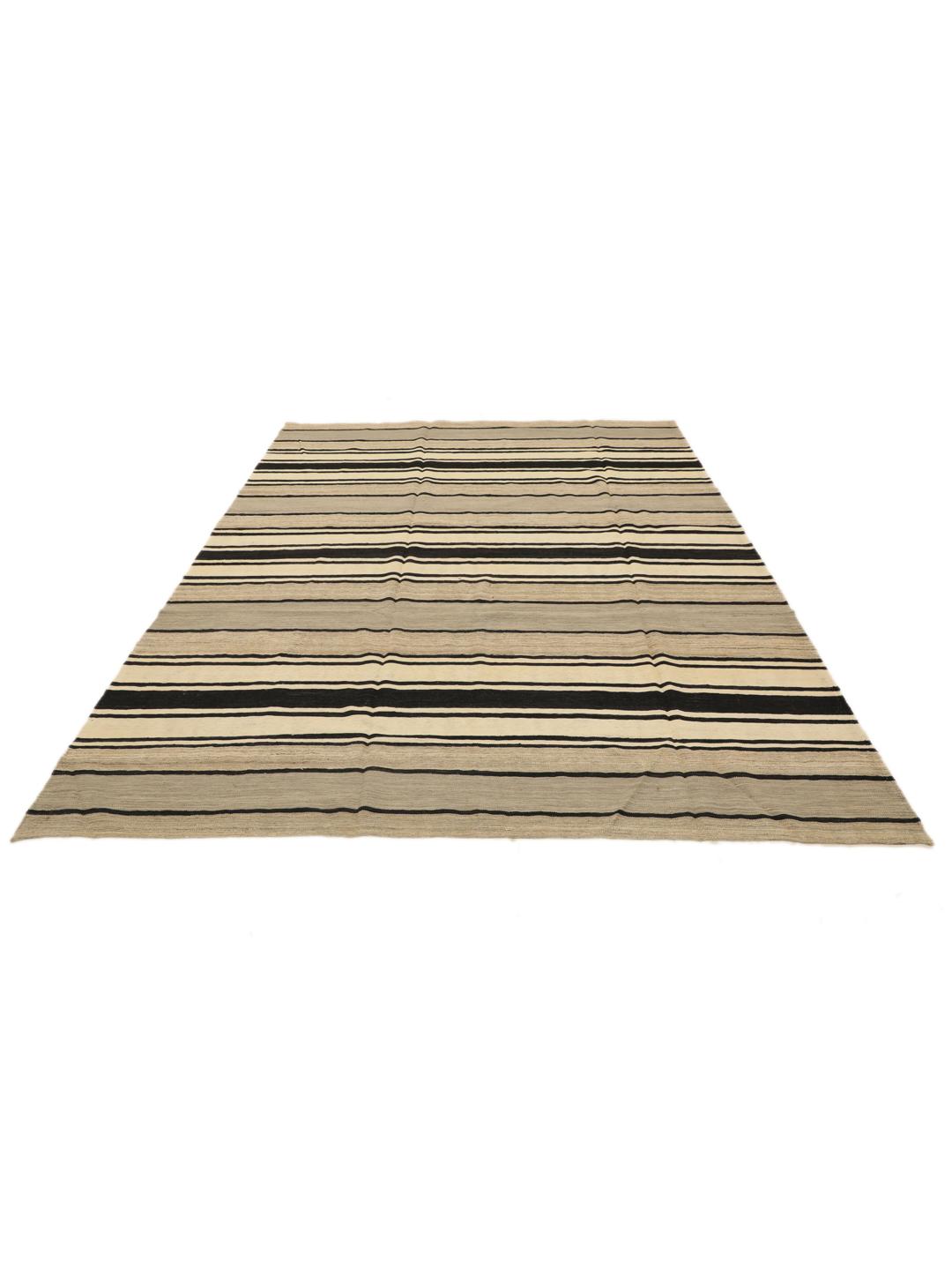
Kilim rugs originate from a long-standing weaving tradition in the Middle East and Central Asia. Historically, these flat-woven textiles were crafted by nomadic and village communities as functional items, serving as floor coverings, tent dividers, and storage sacks, reflecting the practical needs of a mobile lifestyle.
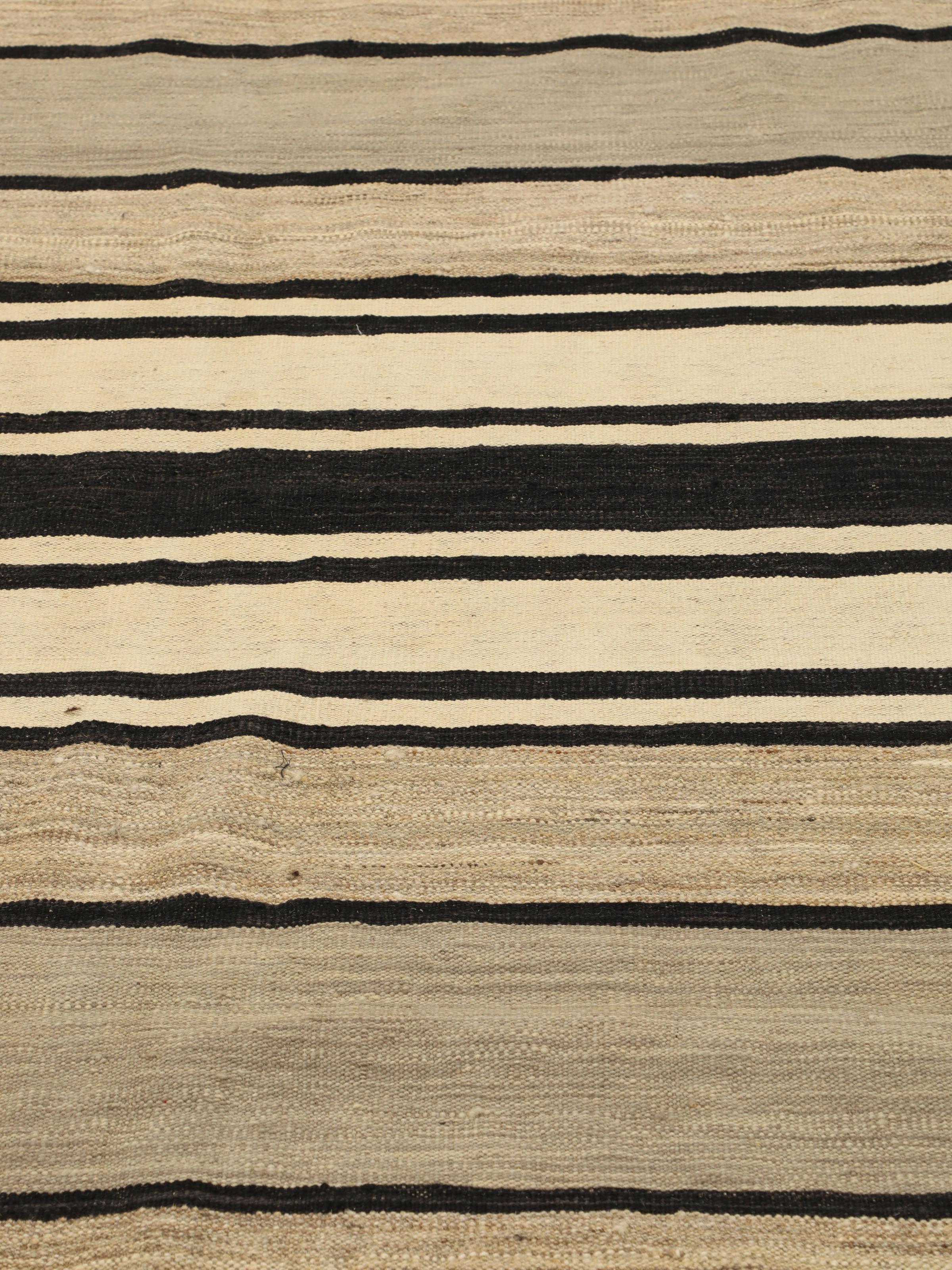
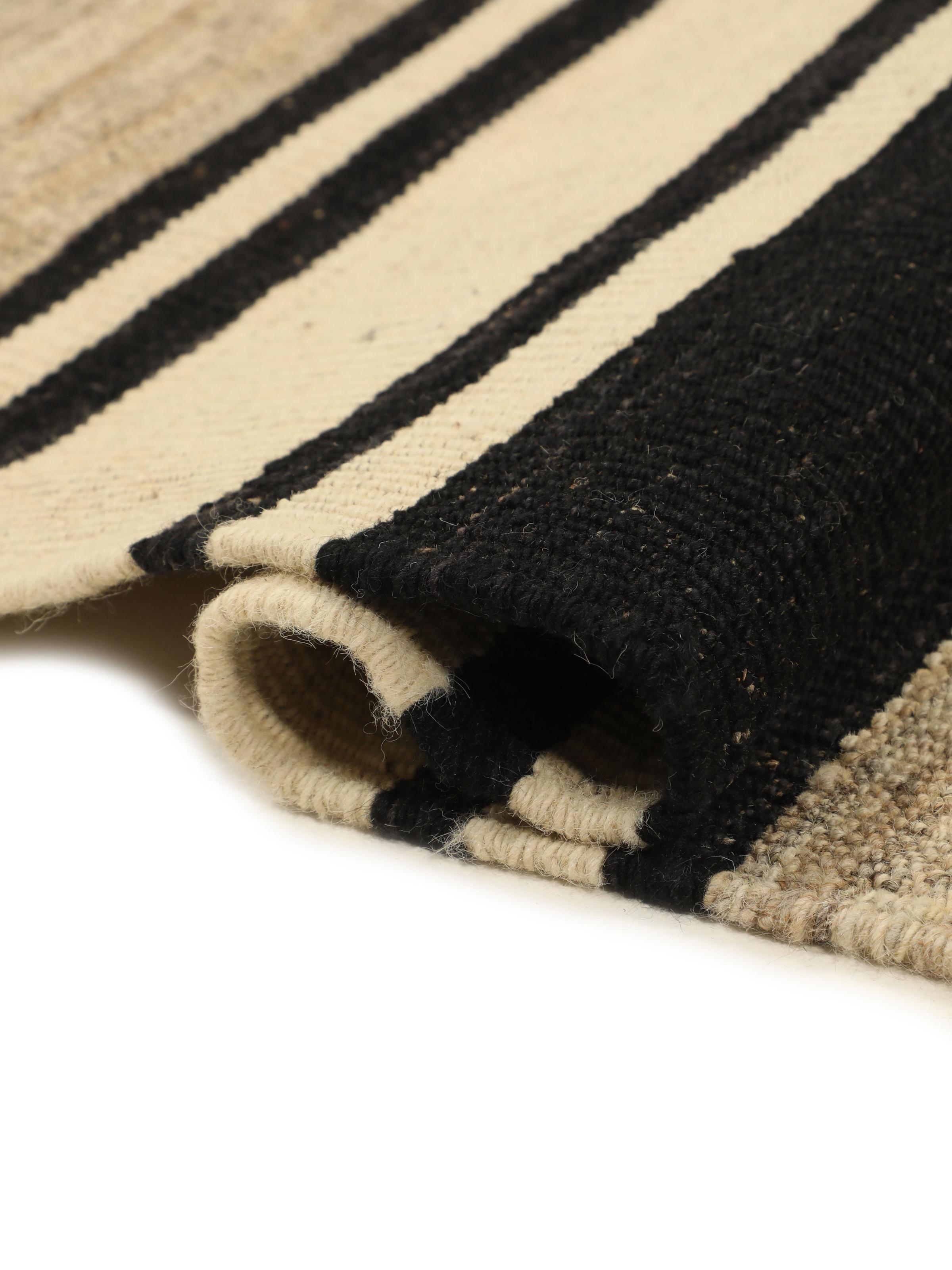
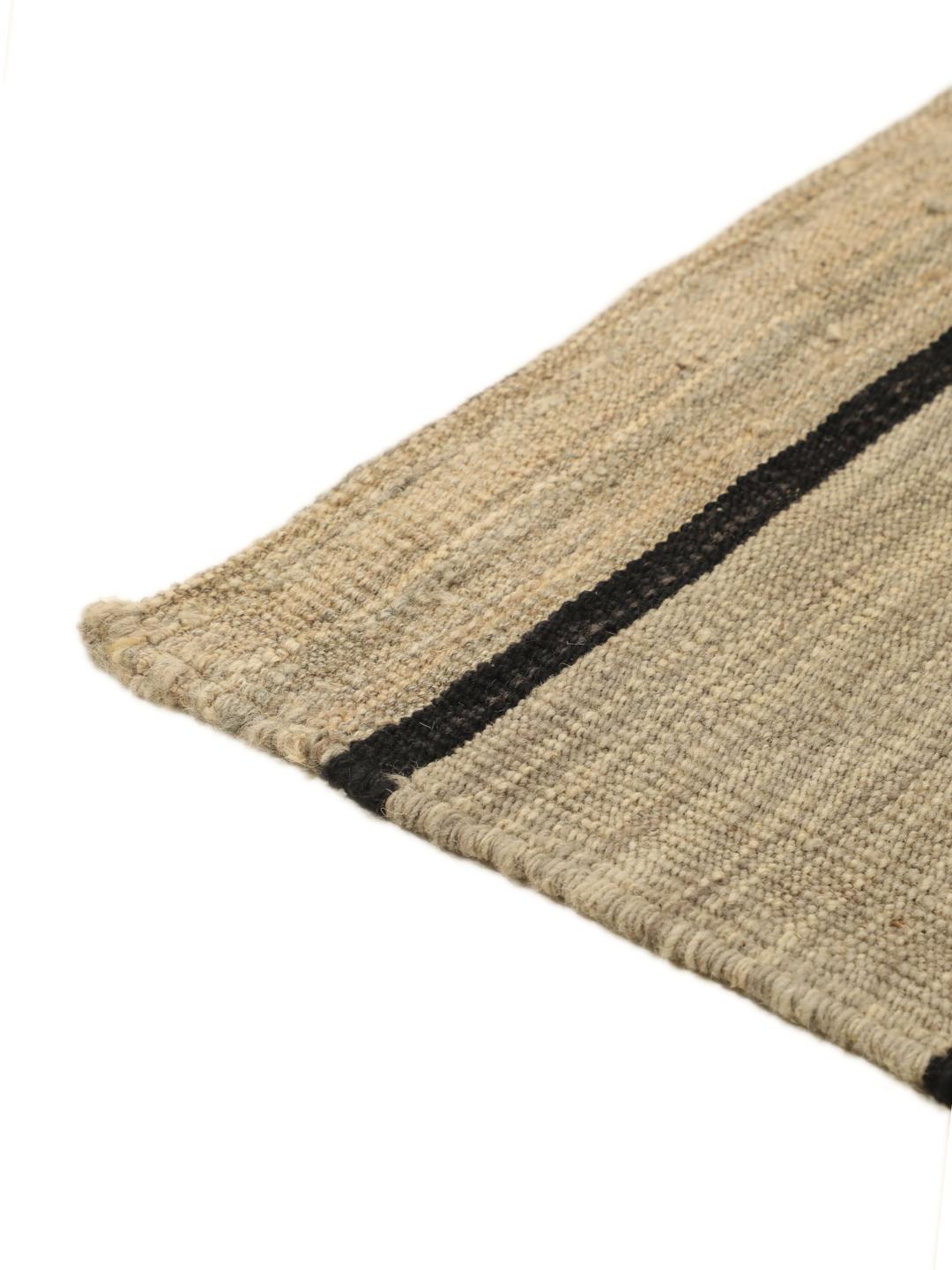
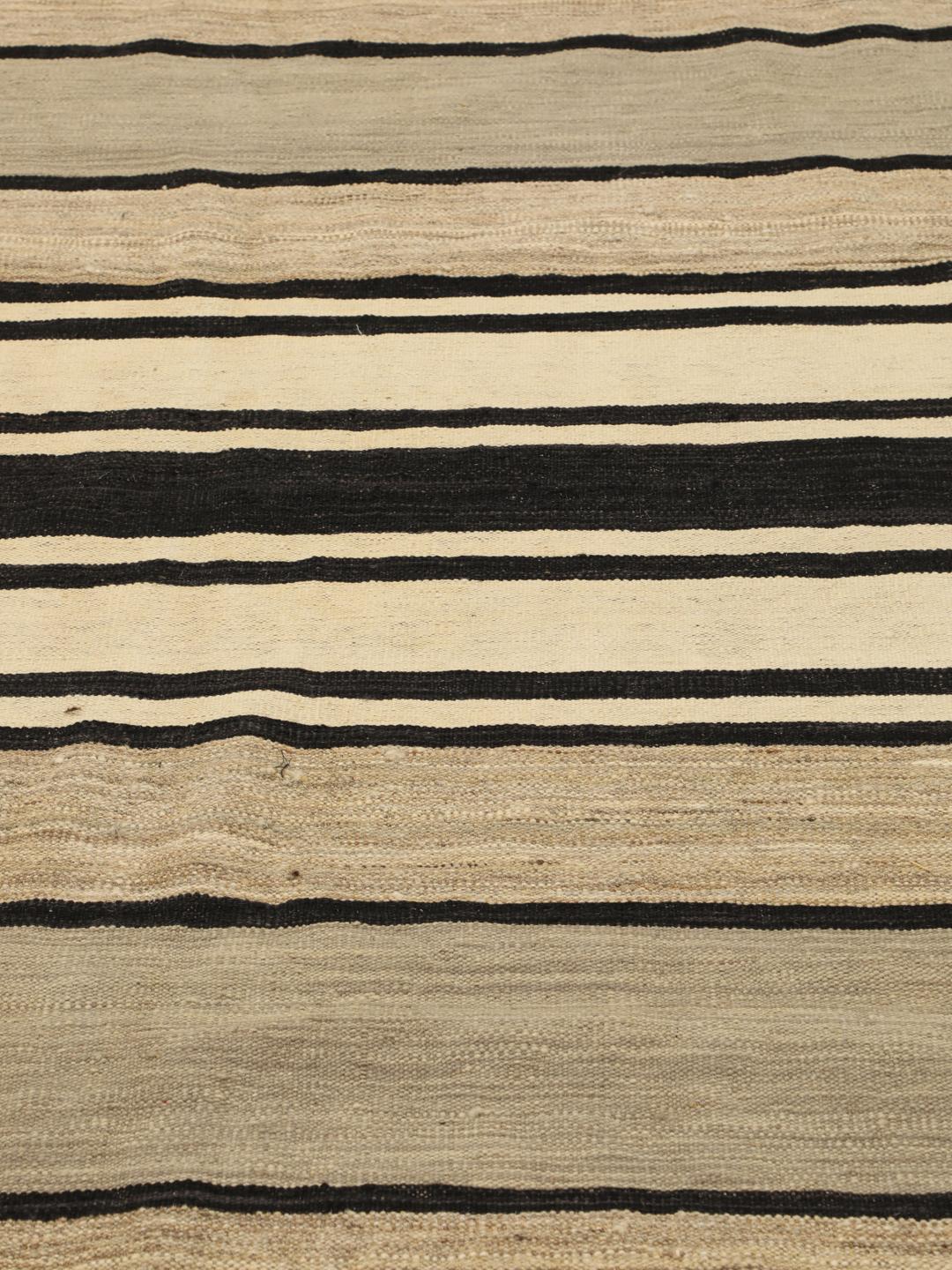
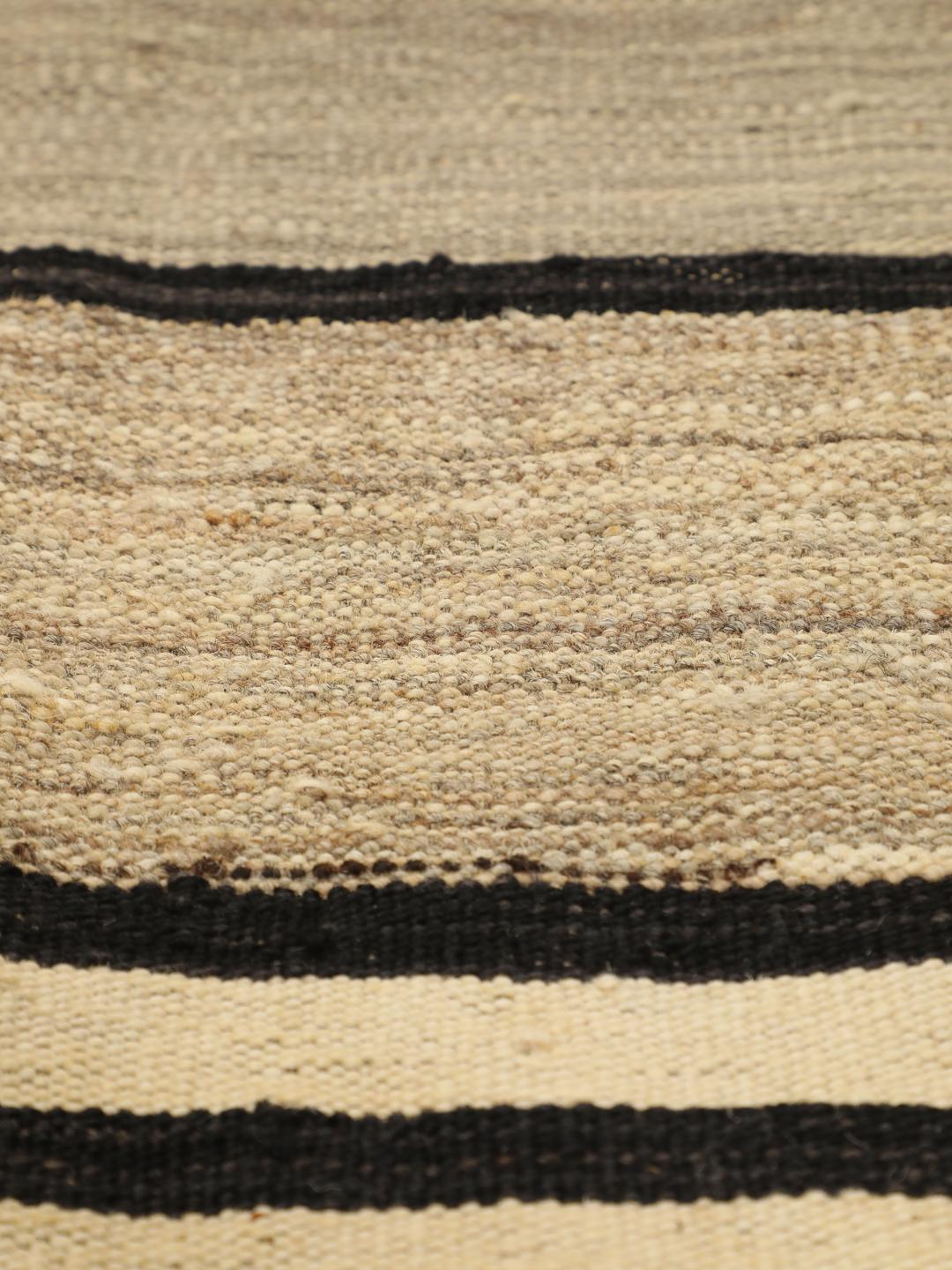
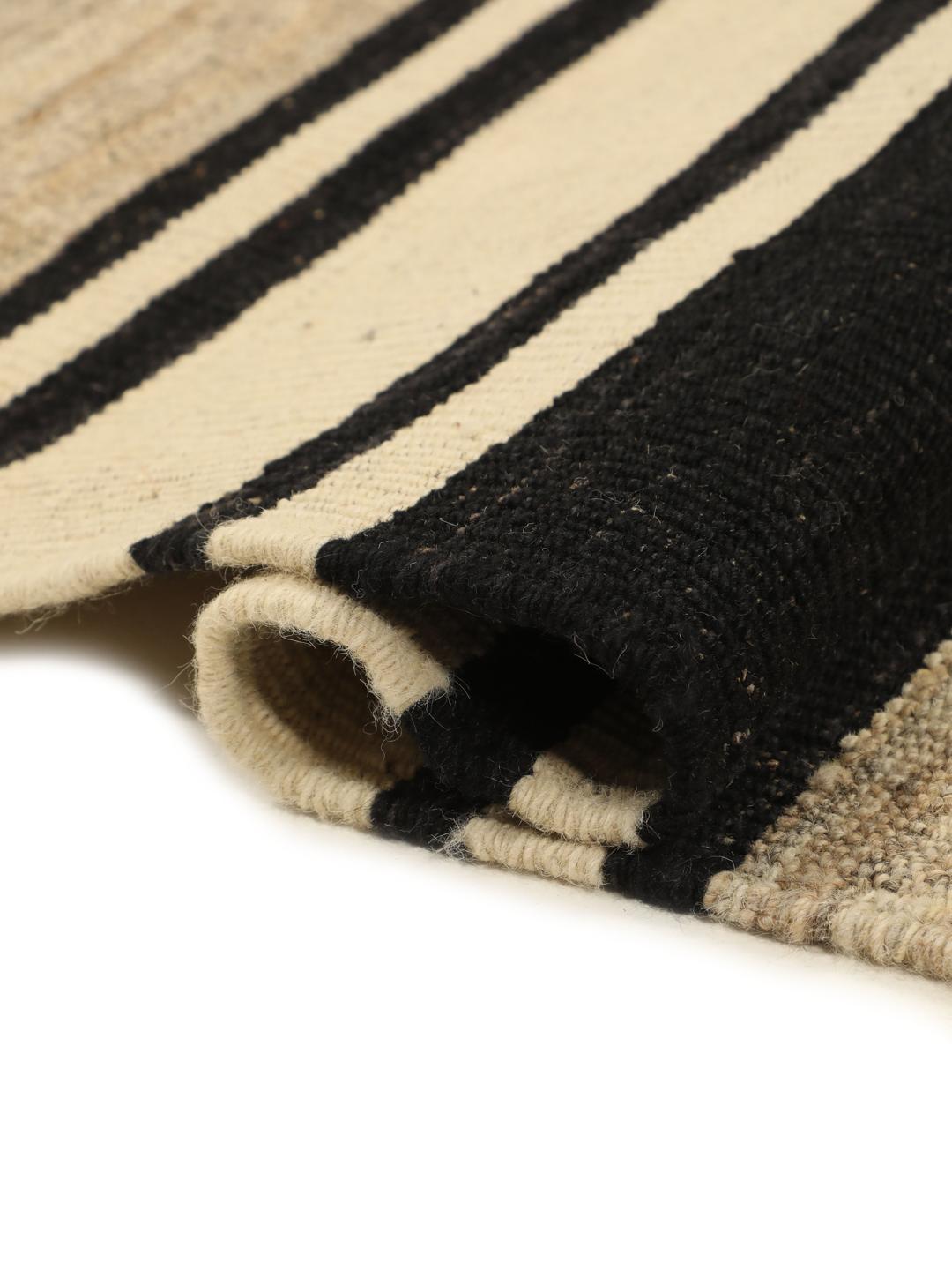
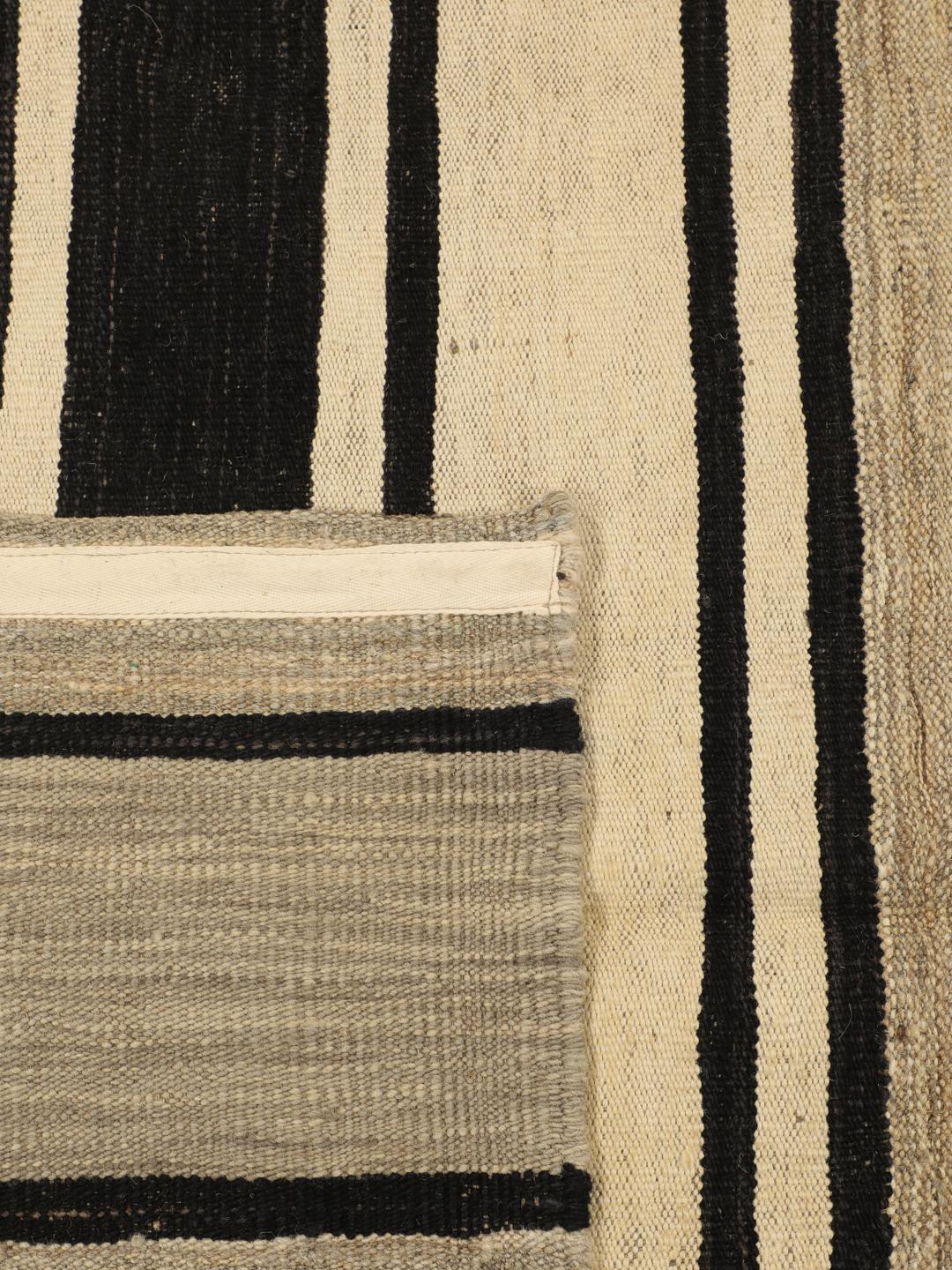
The term Kilim refers to the specific tapestry-weave technique where the weft threads are passed through the warp to create a smooth, pileless surface. This method is highly prized for its versatility and the ability to produce sharp, geometric designs, as the pattern is created directly by the structure of the weave itself.
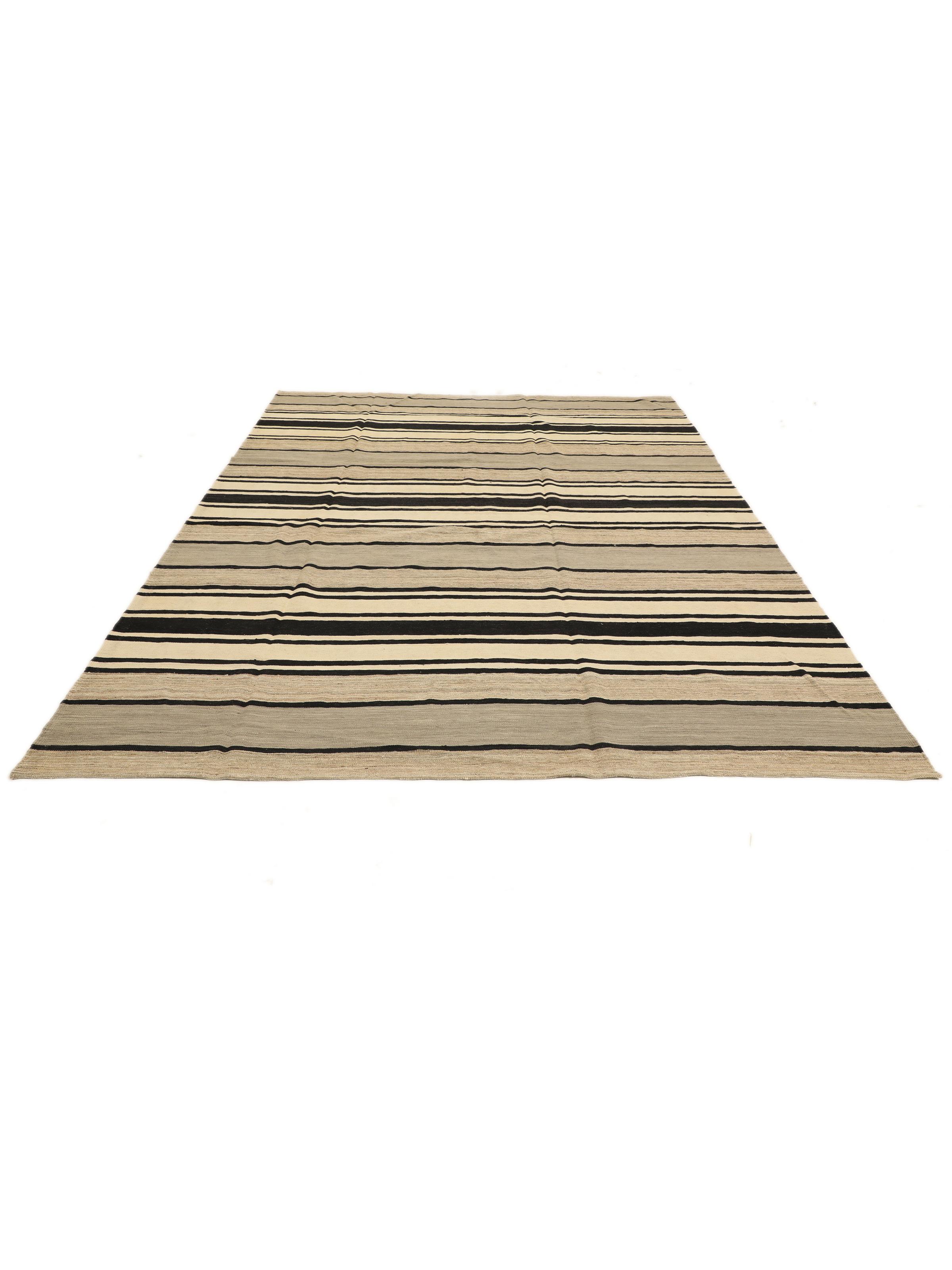
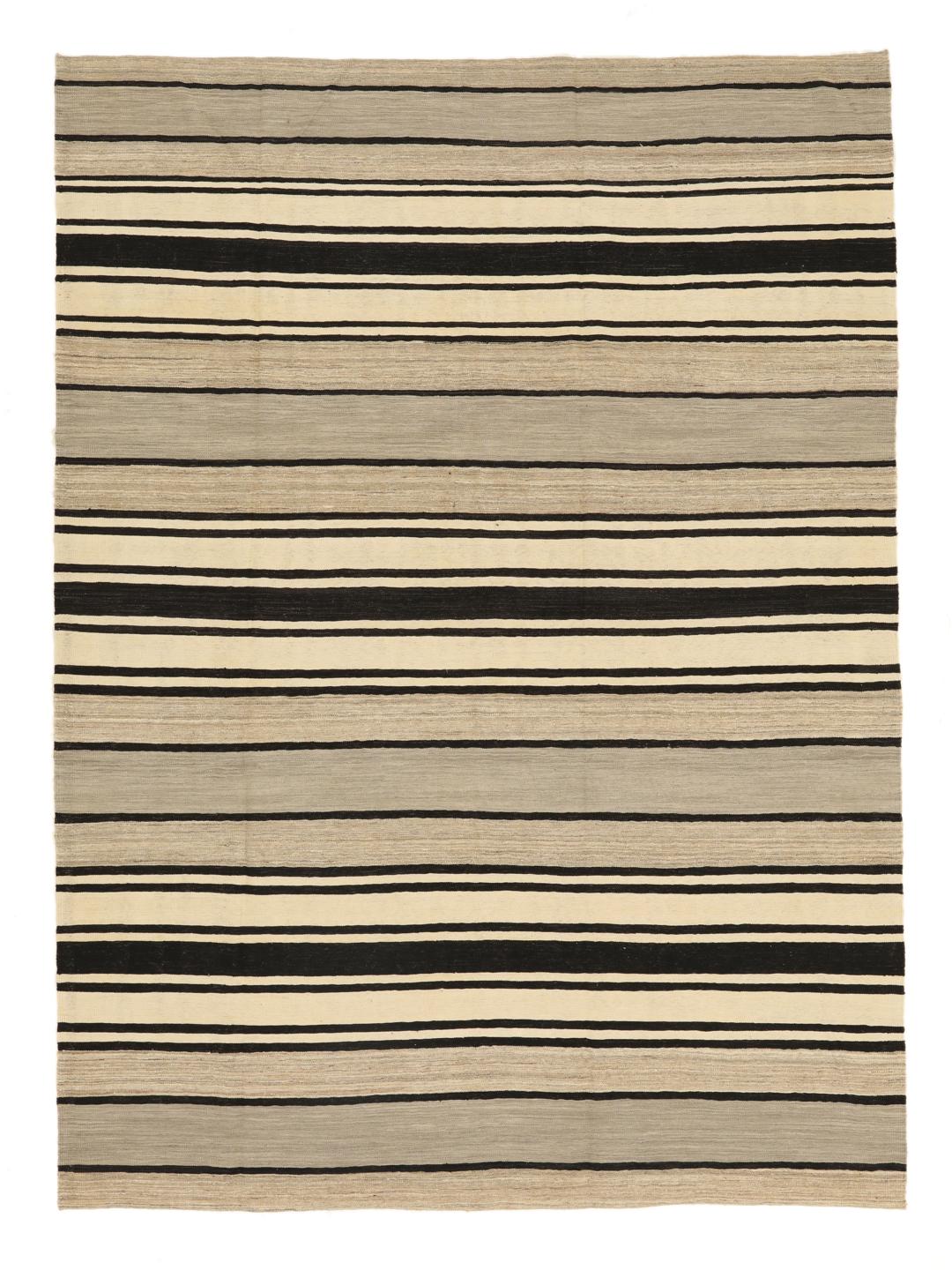
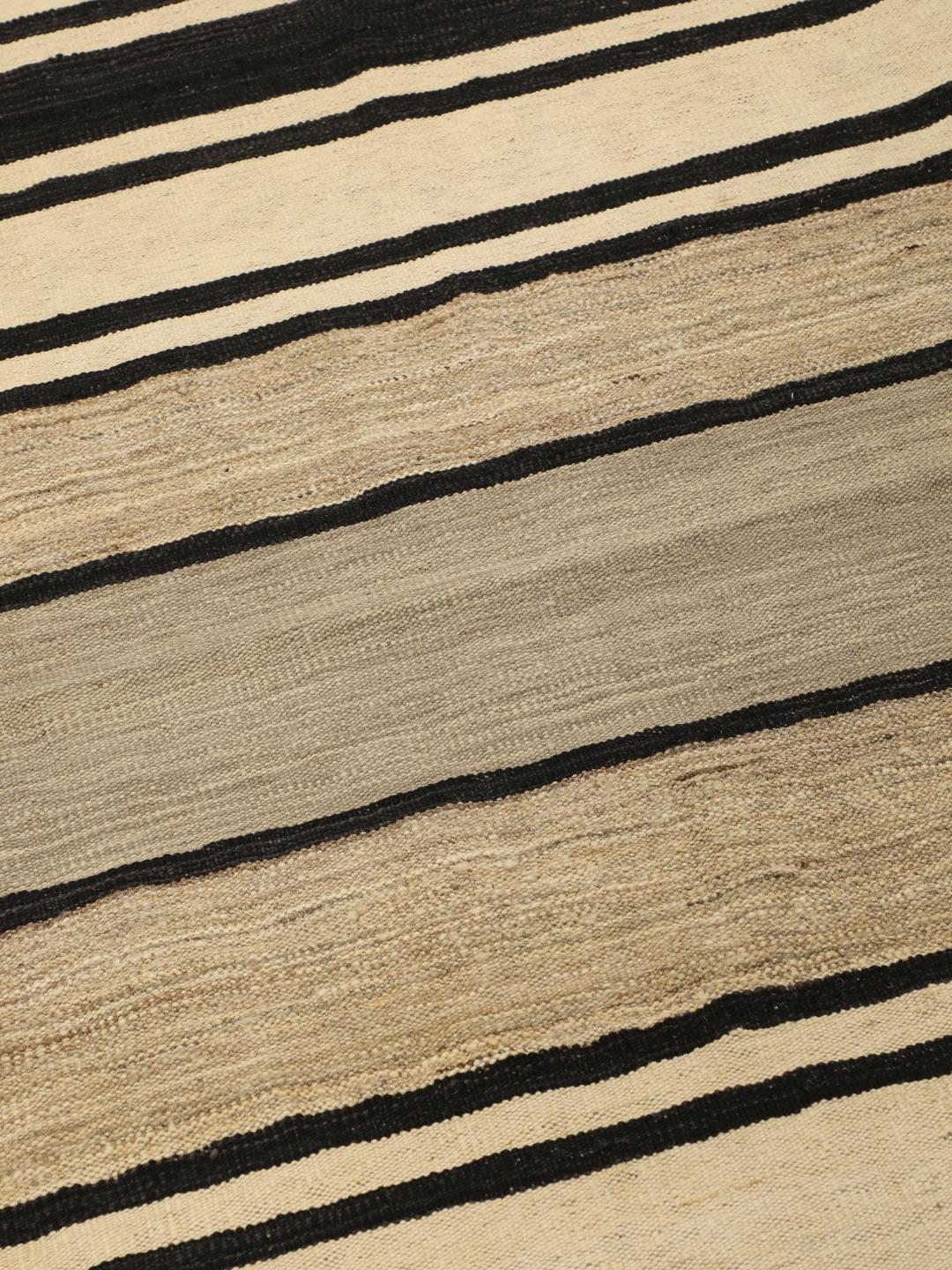
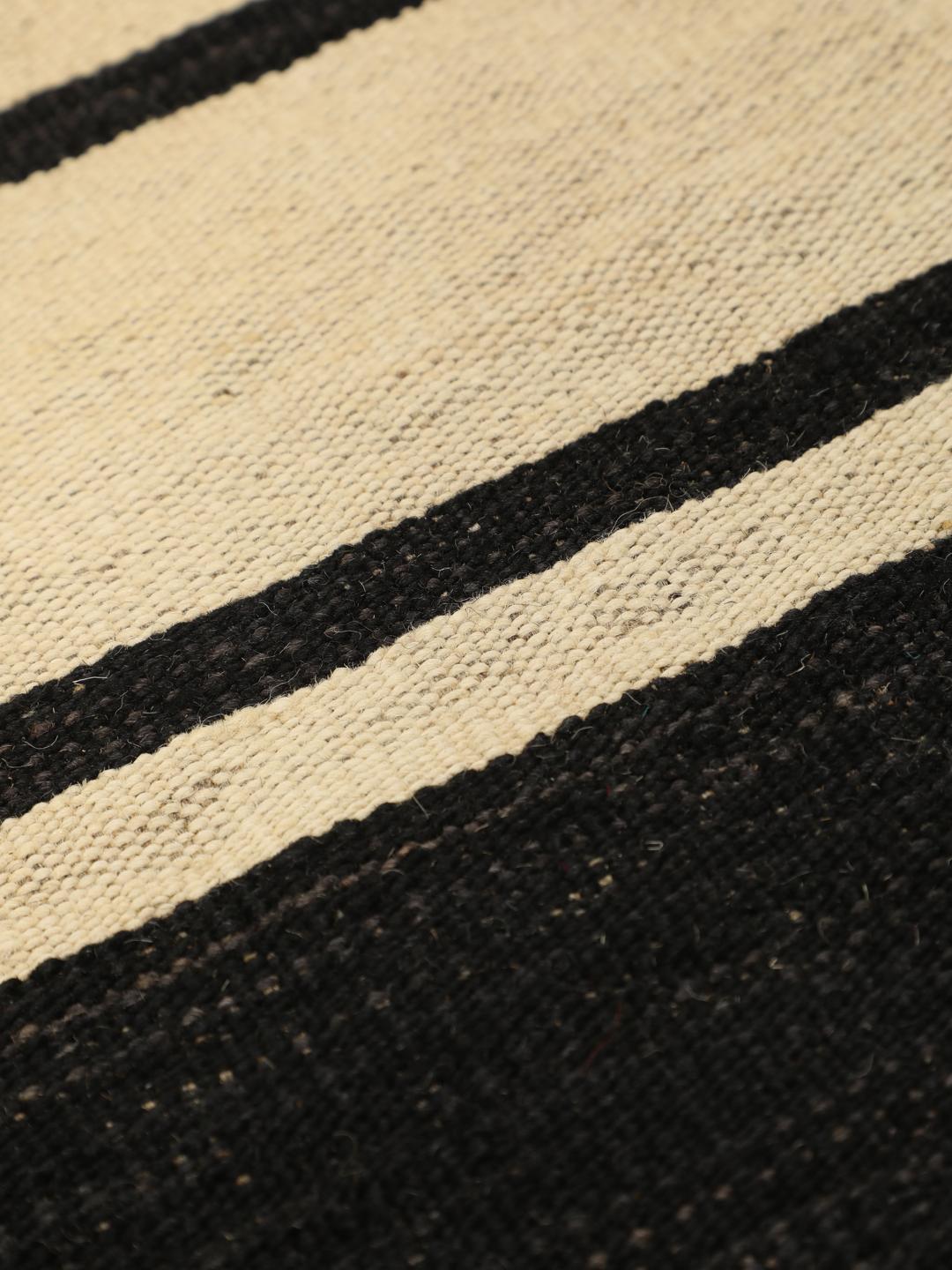
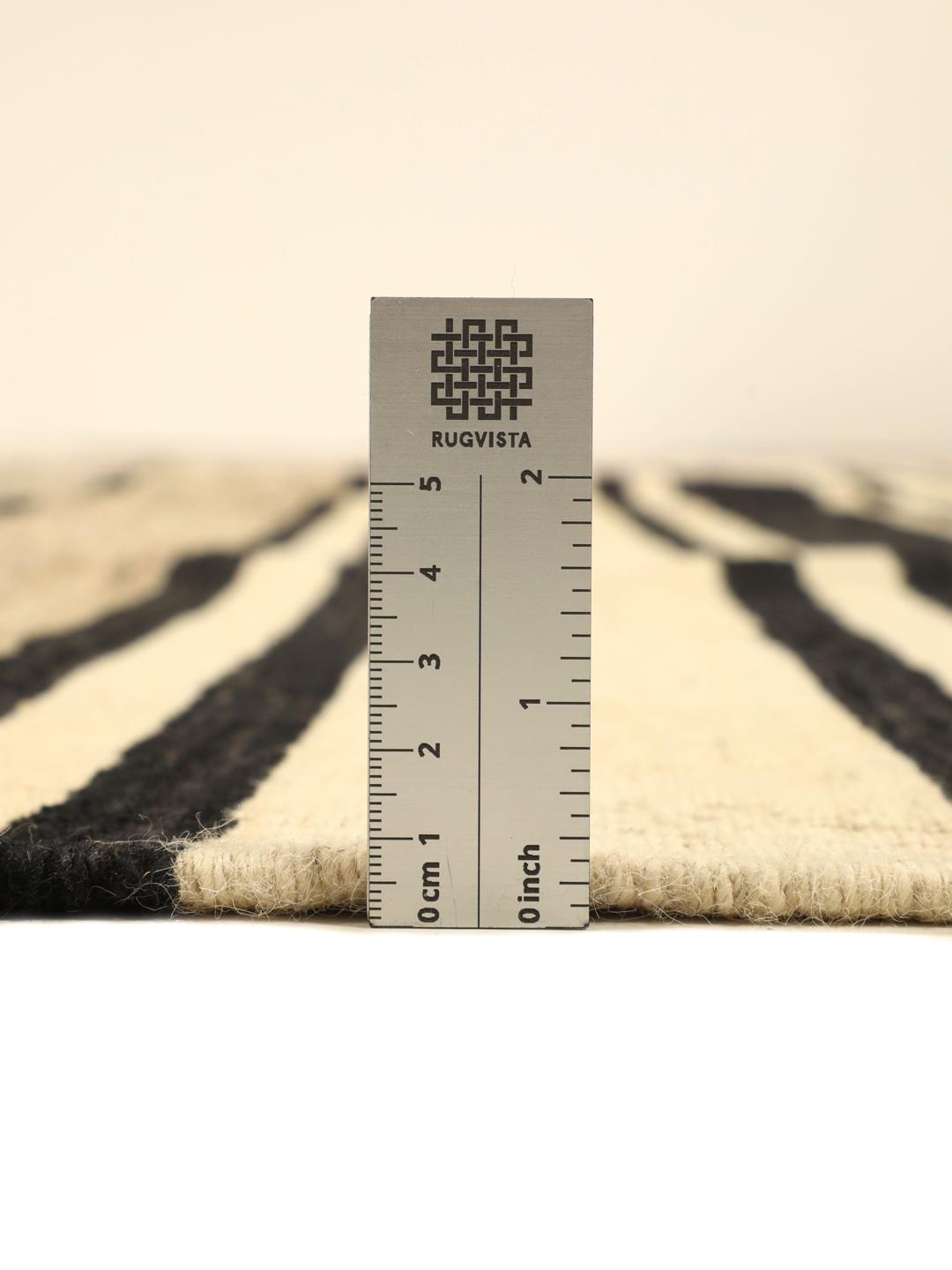
Signature design elements of these rugs often include geometric motifs and bold stripes, which are deeply rooted in the cultural identity of the weaving regions. While traditional kilims often feature vibrant colours and intricate tribal symbols, modern interpretations focus on simplified palettes and clean lines, adapting ancient techniques to fit contemporary home aesthetics.
Valued for their durability and authentic craft, these rugs are sought after by collectors who appreciate the blend of heritage and utility. Owning an authentic, hand-woven Kilim is an investment in a tradition that honours the skill of the artisan and the rich history of textile weaving in the region.