Kilim rugs are a cornerstone of textile history, originating from the nomadic and village cultures across the Middle East and Central Asia. The word Kilim refers to the flat-weaving technique used to create these pieces, which differs from pile rugs by lacking a knotted surface. Historically, these rugs were essential items for nomadic tribes, serving as floor coverings, wall hangings, and storage bags, designed to be durable enough for life on the move while showcasing the weaver's artistic identity.
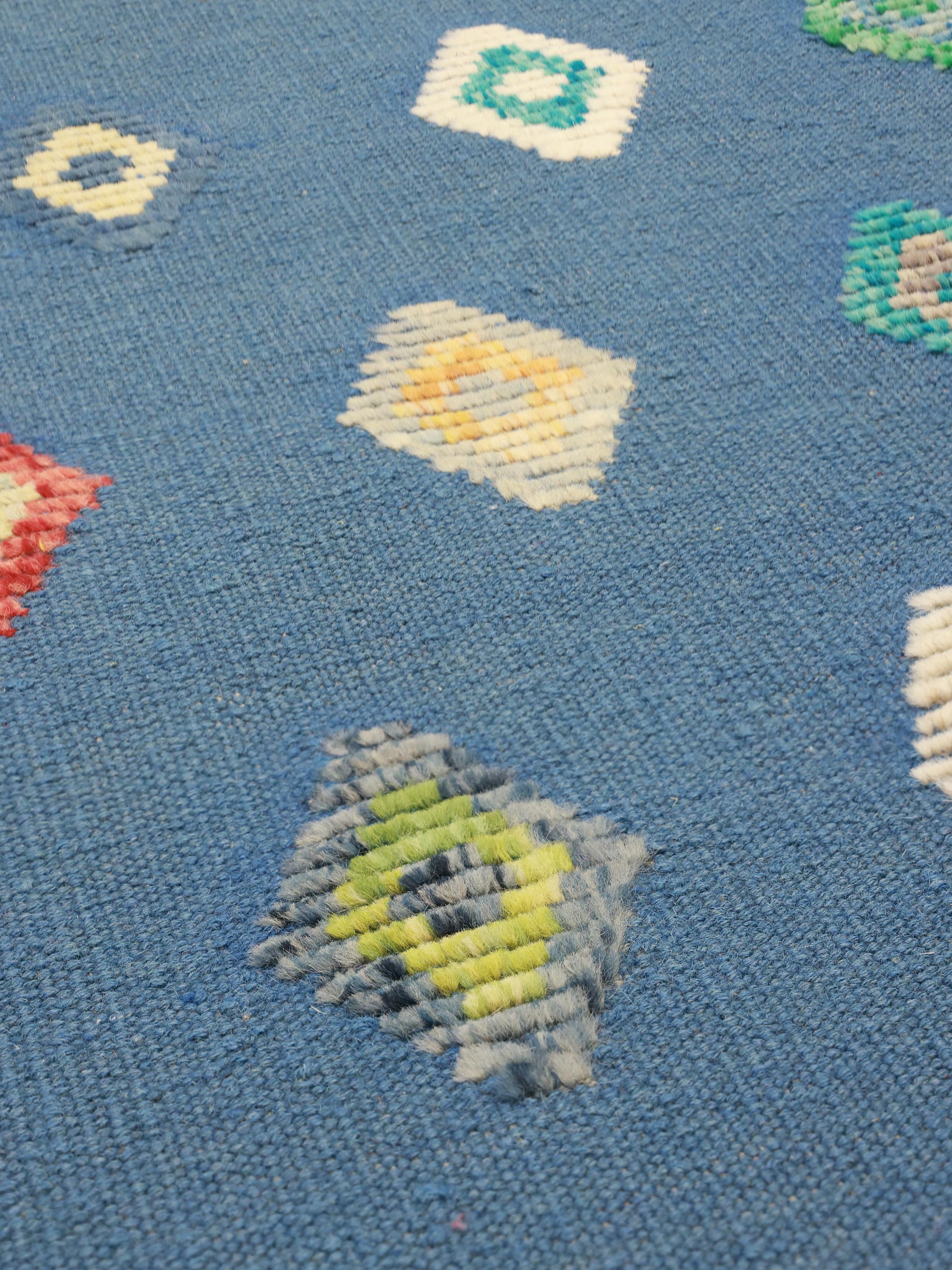
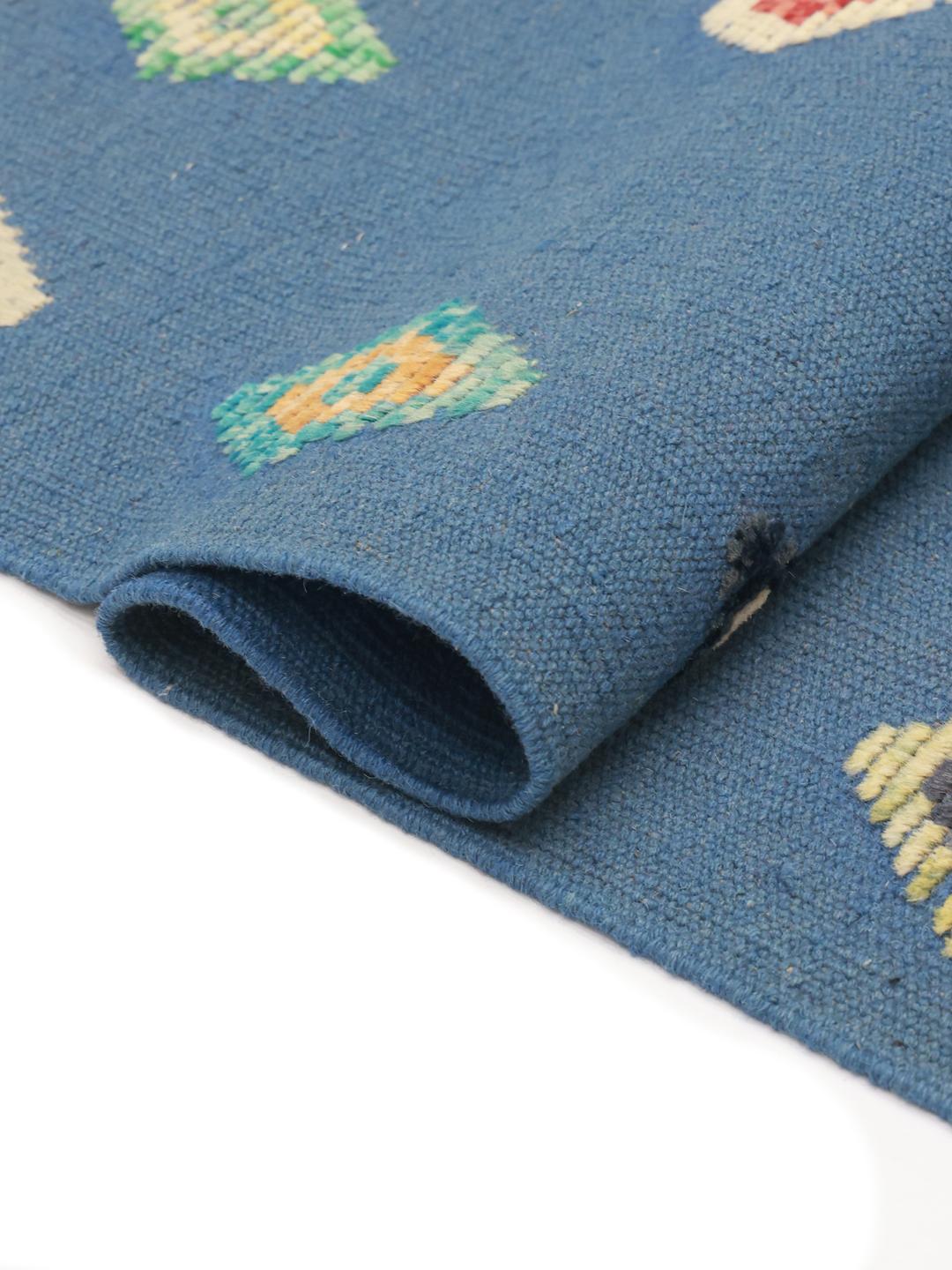
The Nimbaft tradition is a specific and refined style within this broader category, known for its focus on clarity of pattern and consistency of tension. The flat-weave technique is a testament to the artisan's ability to maintain precise alignment across the entire length of the loom. This method results in a reversible rug, a hallmark of high-quality weaving that speaks to the skill required to ensure the design is equally crisp on both sides.
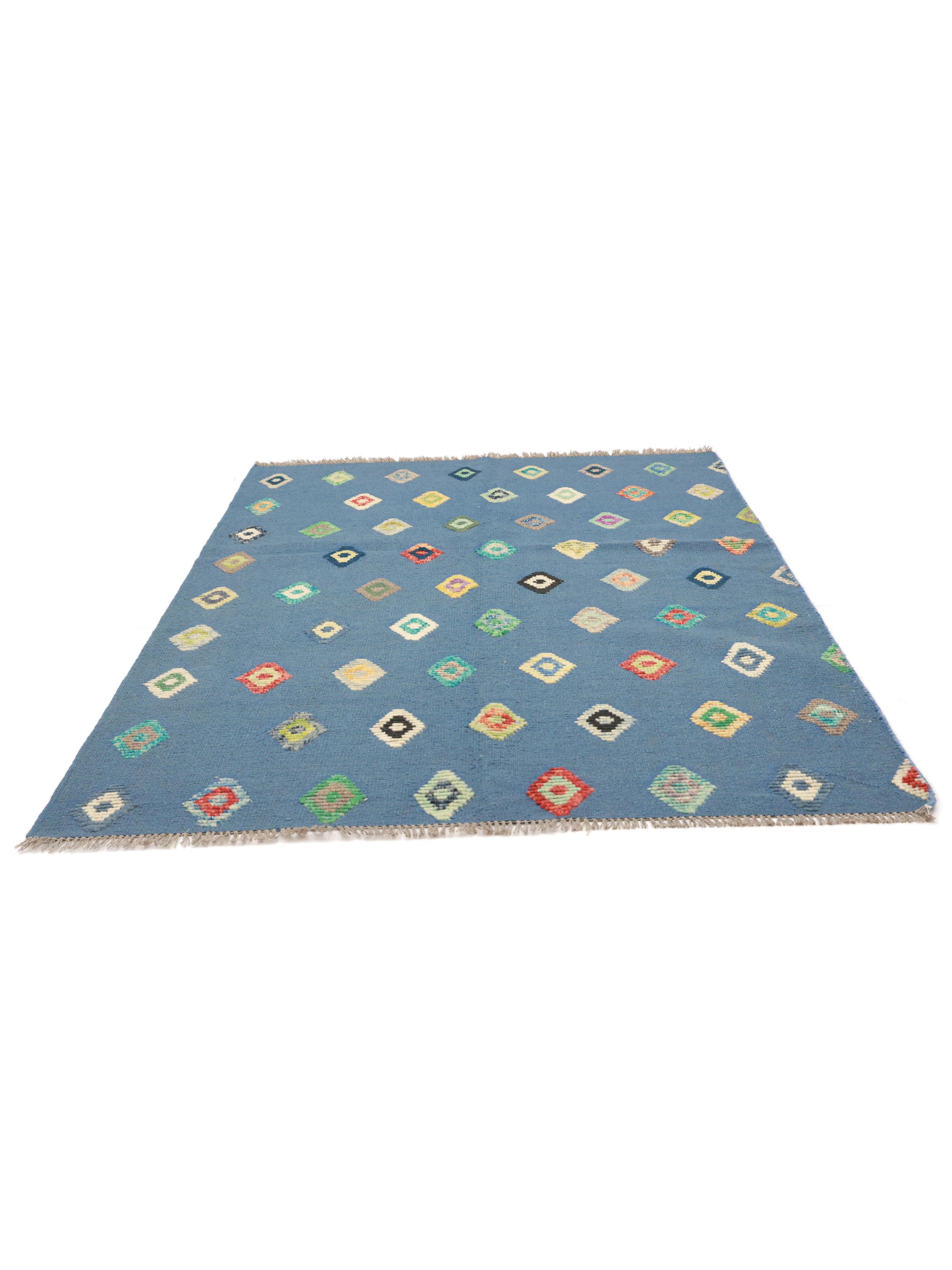
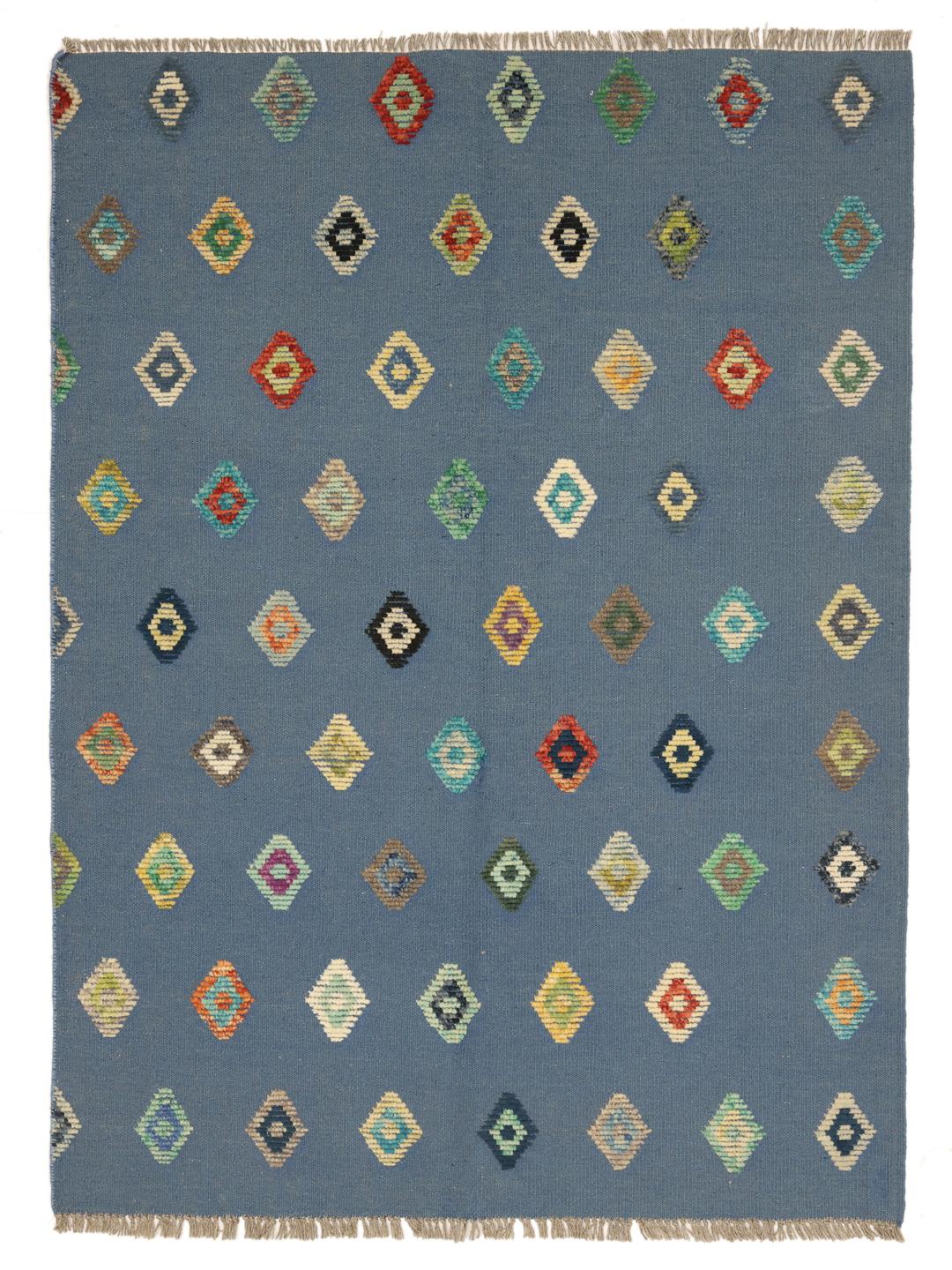
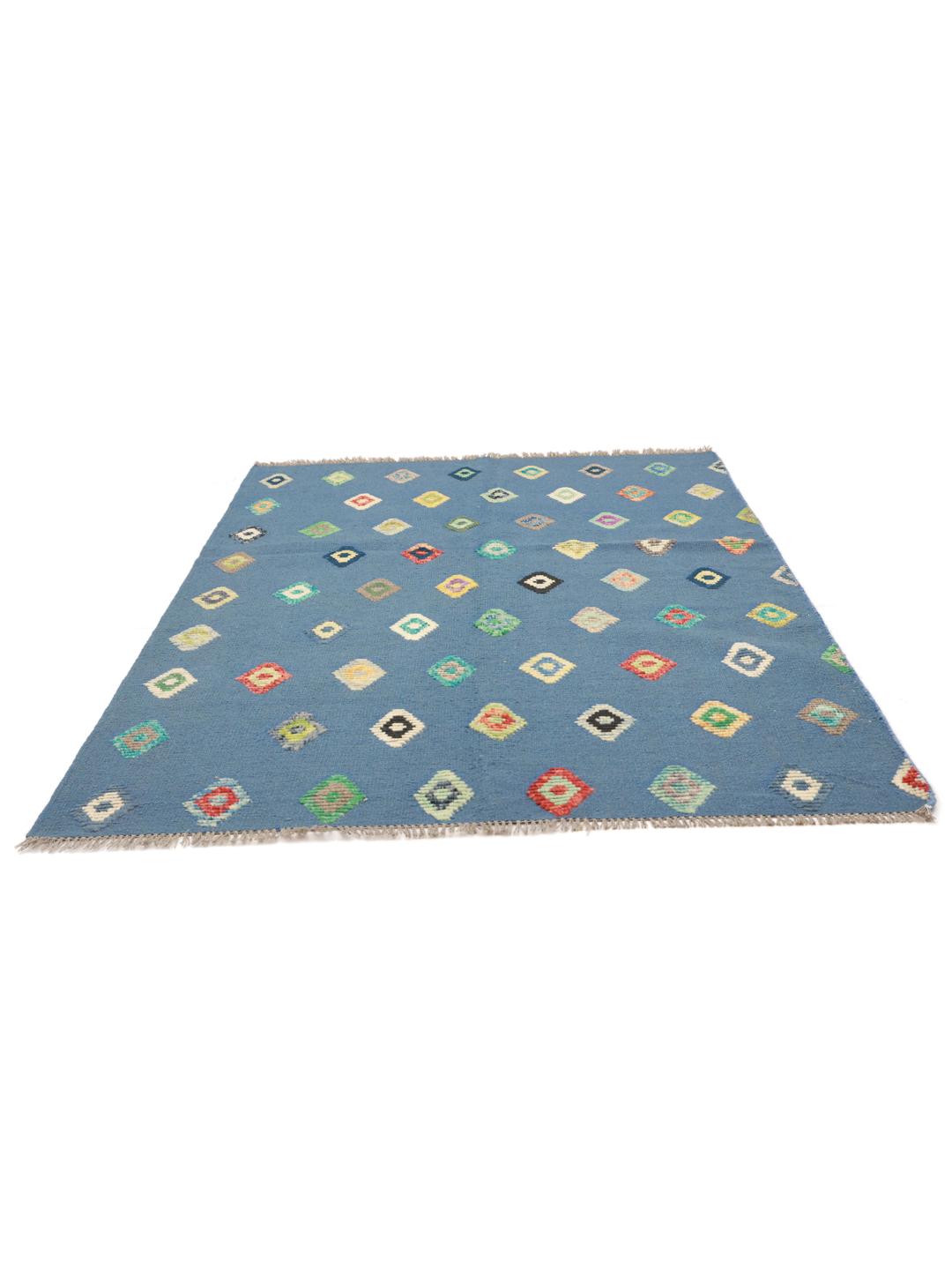
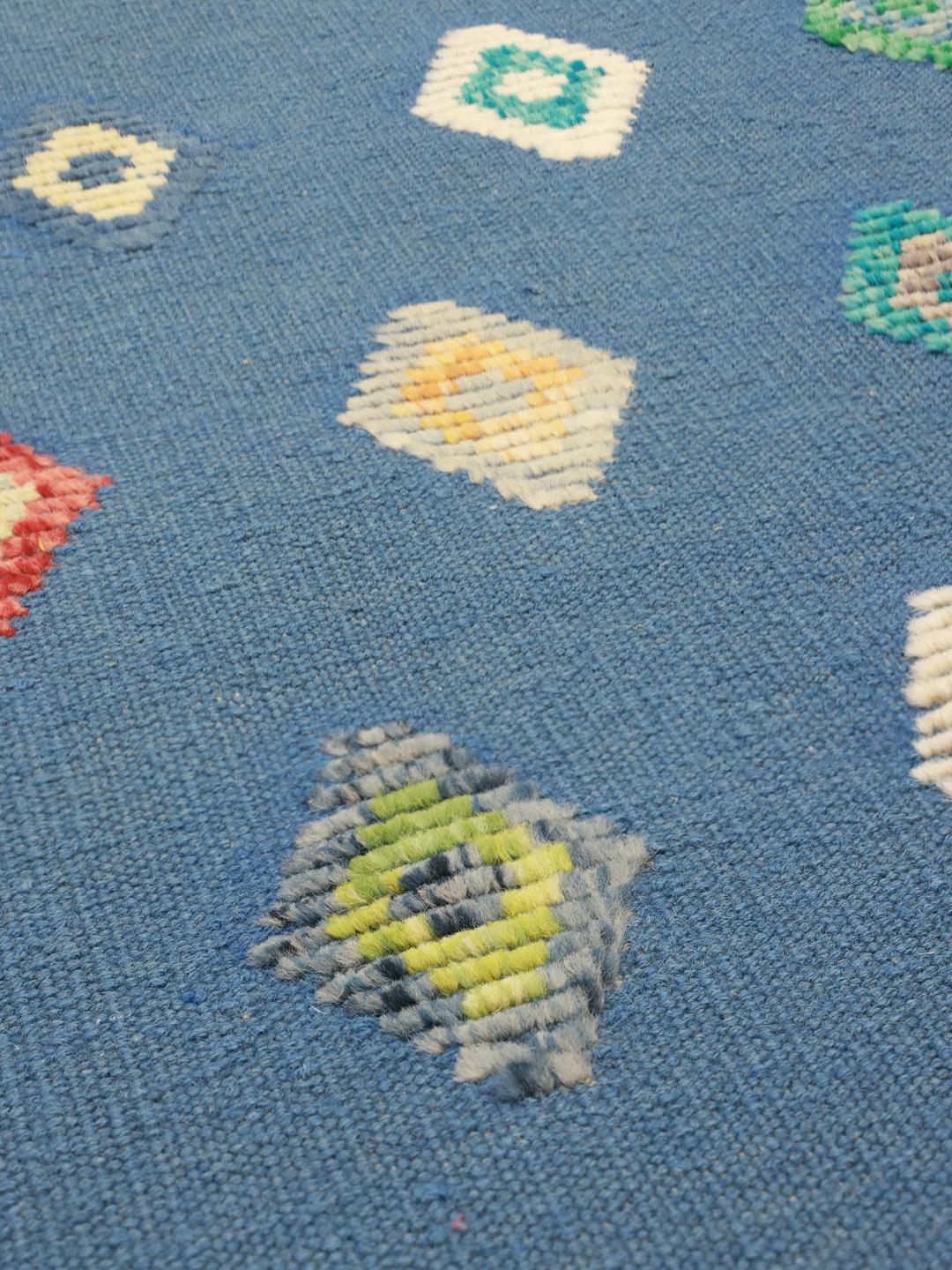
Visual language in Kilim traditions often relies on geometric motifs, which serve as a shorthand for cultural stories, protective symbols, and local landscapes. The diamond motifs seen here are common across many weaving regions, often representing the 'evil eye' or protection, though they also serve as a foundational element for balanced composition. The use of vibrant, contrasting colours against a solid field is a signature of this style, intended to bring light and energy into the home.
Owning a Kilim is an invitation to connect with a practice that has survived for centuries. These rugs are highly valued by collectors not only for their beauty but for the human effort preserved within their threads. By acquiring this piece, you are supporting a lineage of craft that values slow, deliberate work over mass production, ensuring that these traditional skills continue to thrive in the modern world.