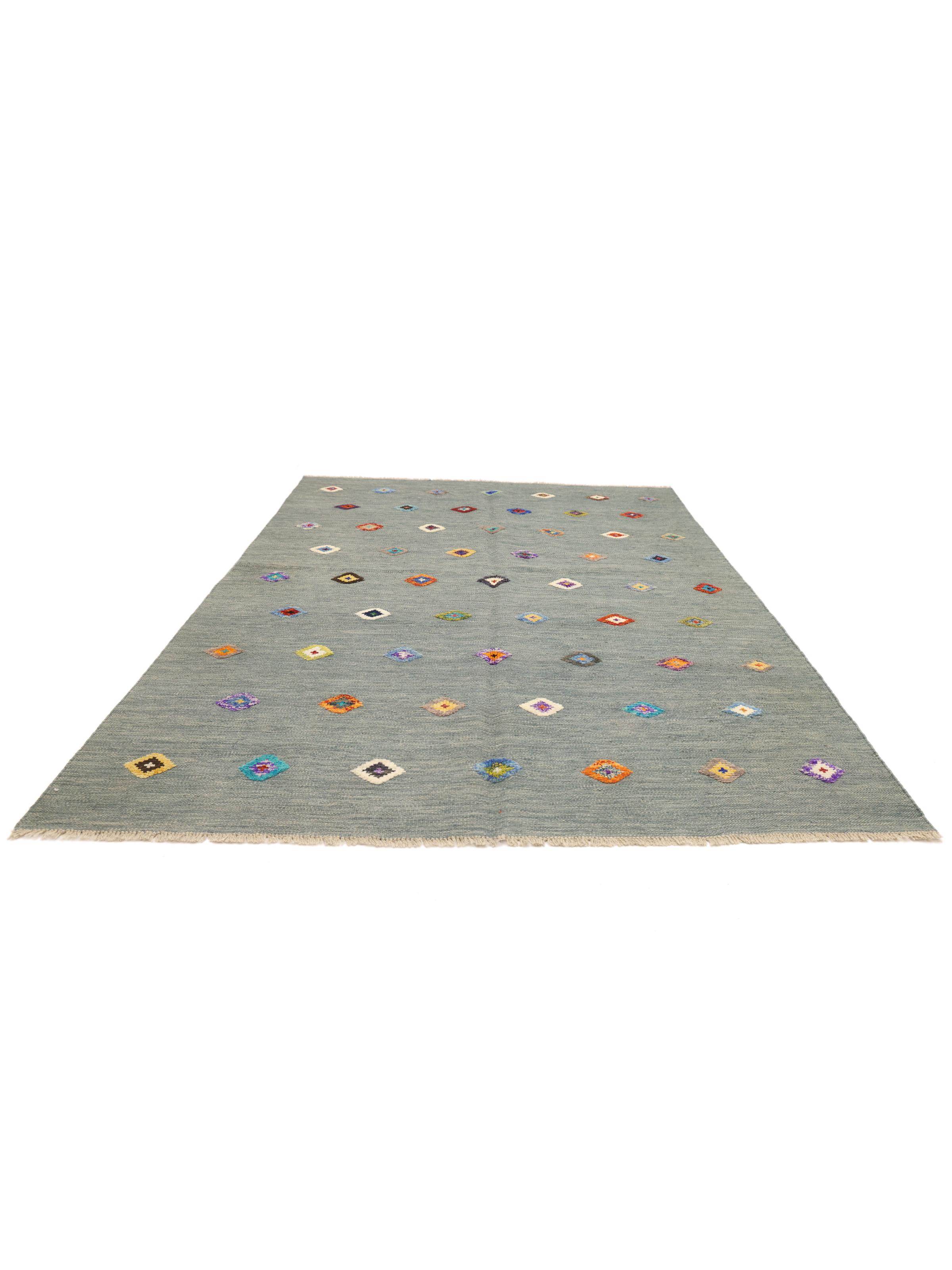
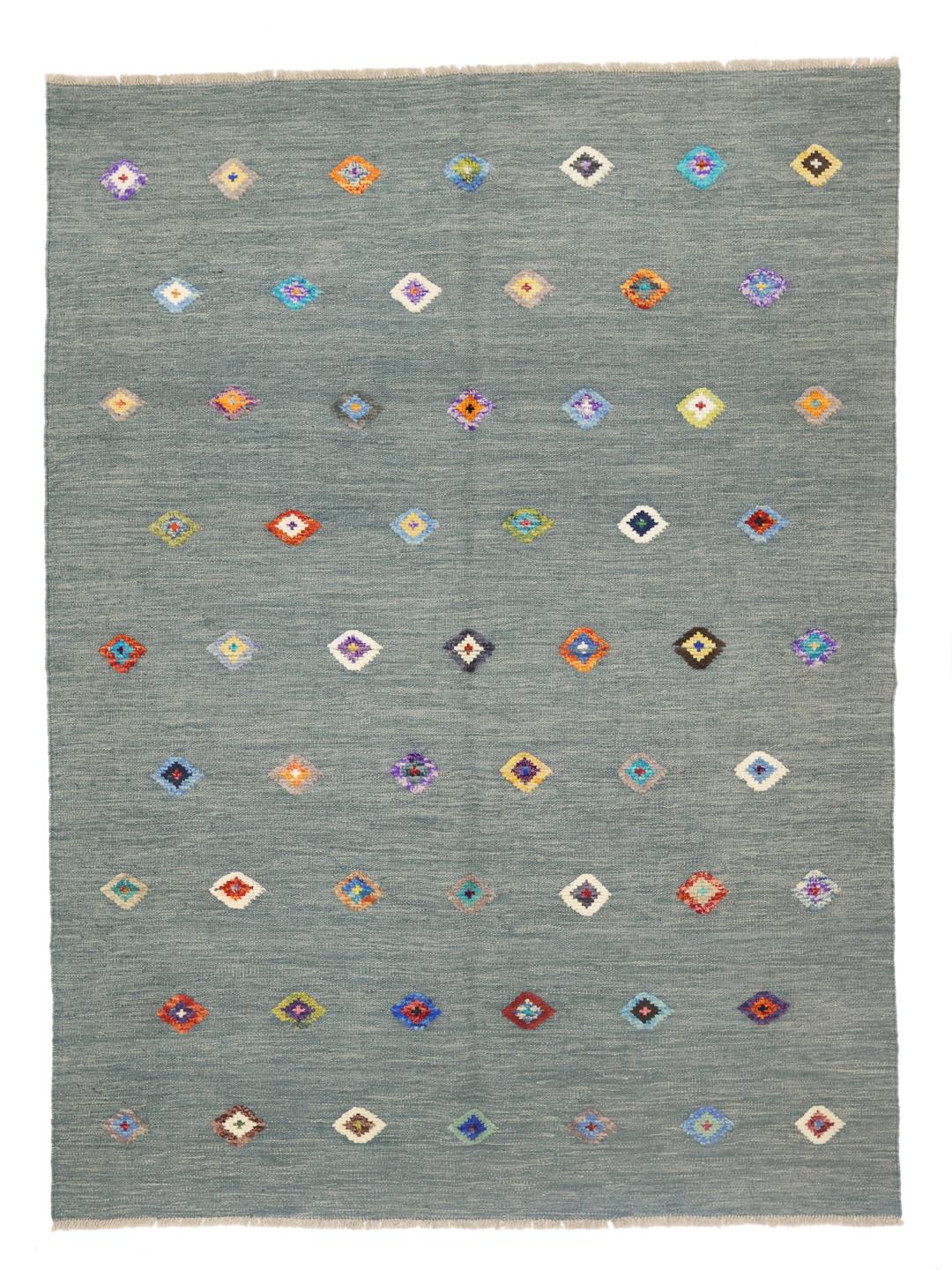
The Nimbaft rug tradition originates from the rugged landscapes of Afghanistan, a region with a deep-rooted history in textile production. These rugs are a subset of the broader Kilim tradition, which is renowned for its flat-woven, pileless construction. For generations, weavers in these communities have refined their craft, passing down distinct patterns and techniques that reflect the geography and cultural identity of the region.
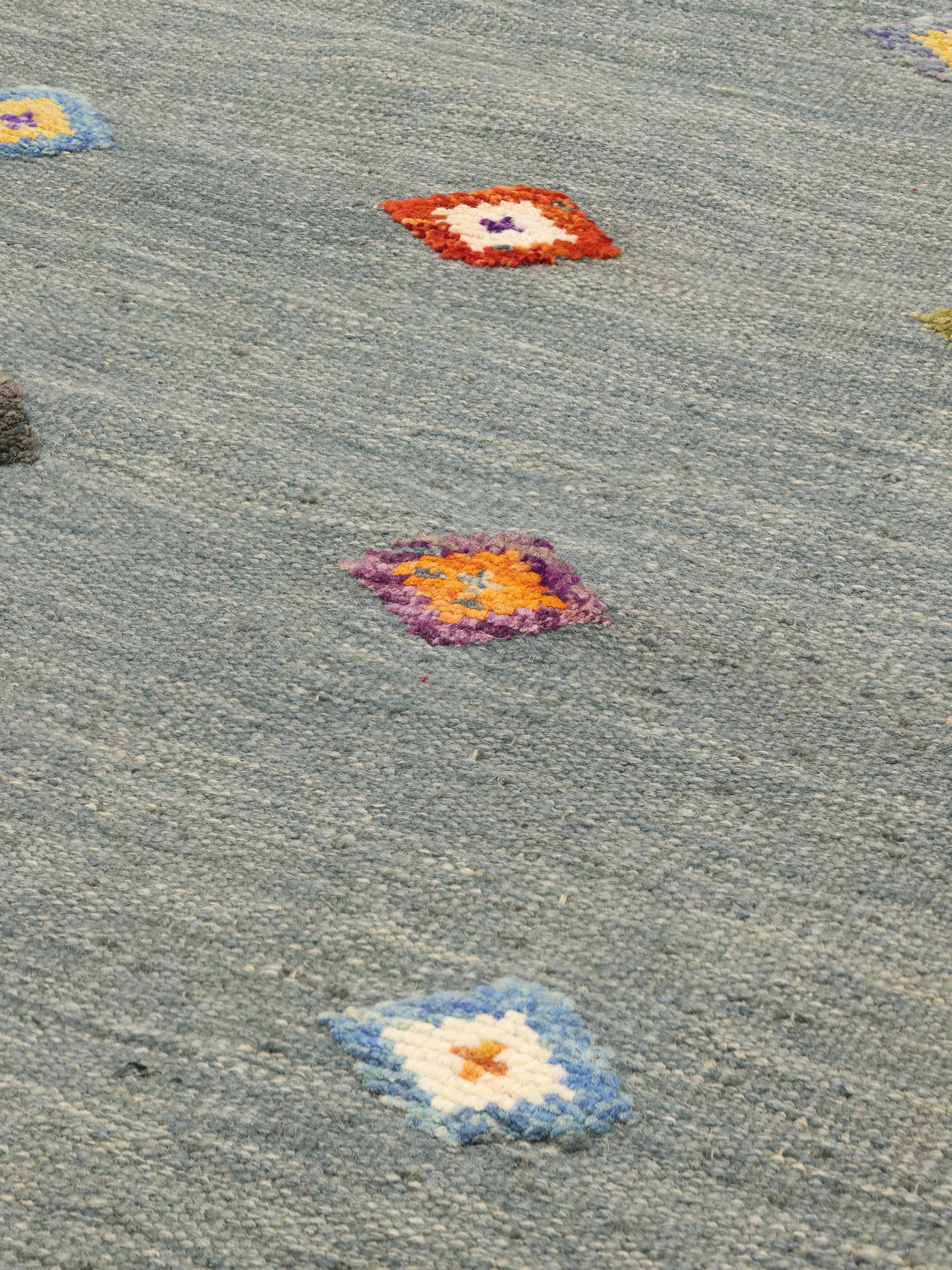
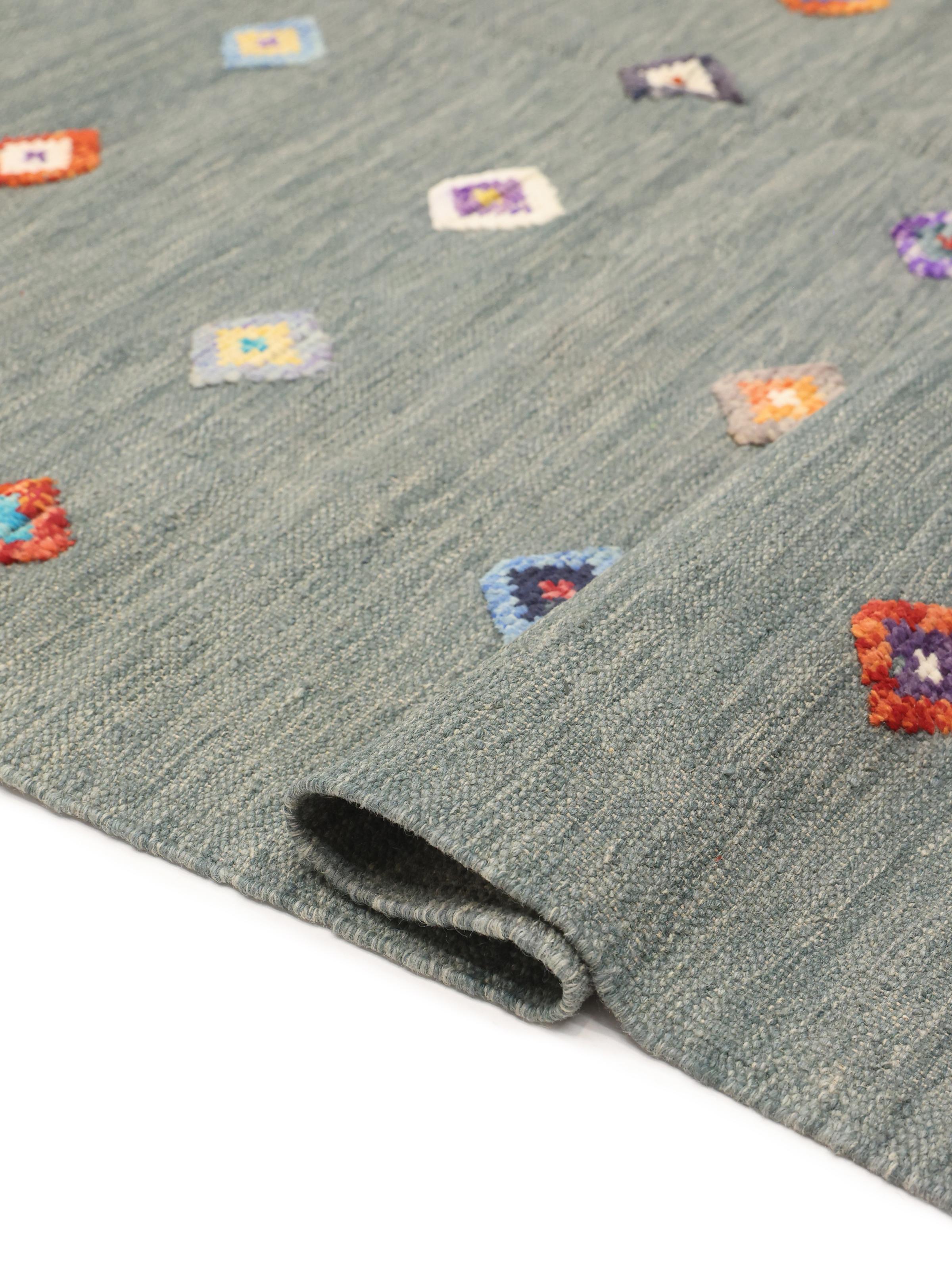
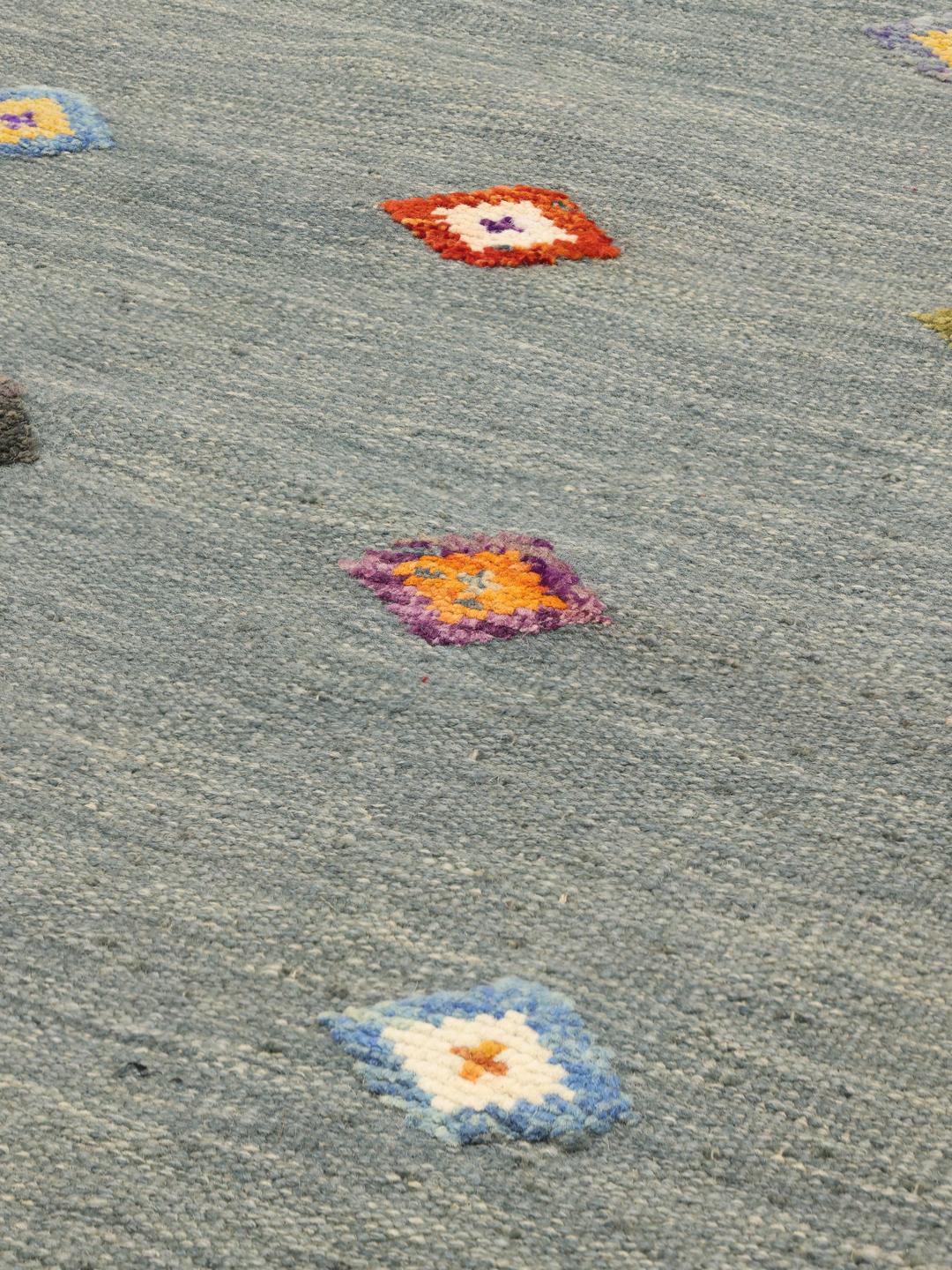
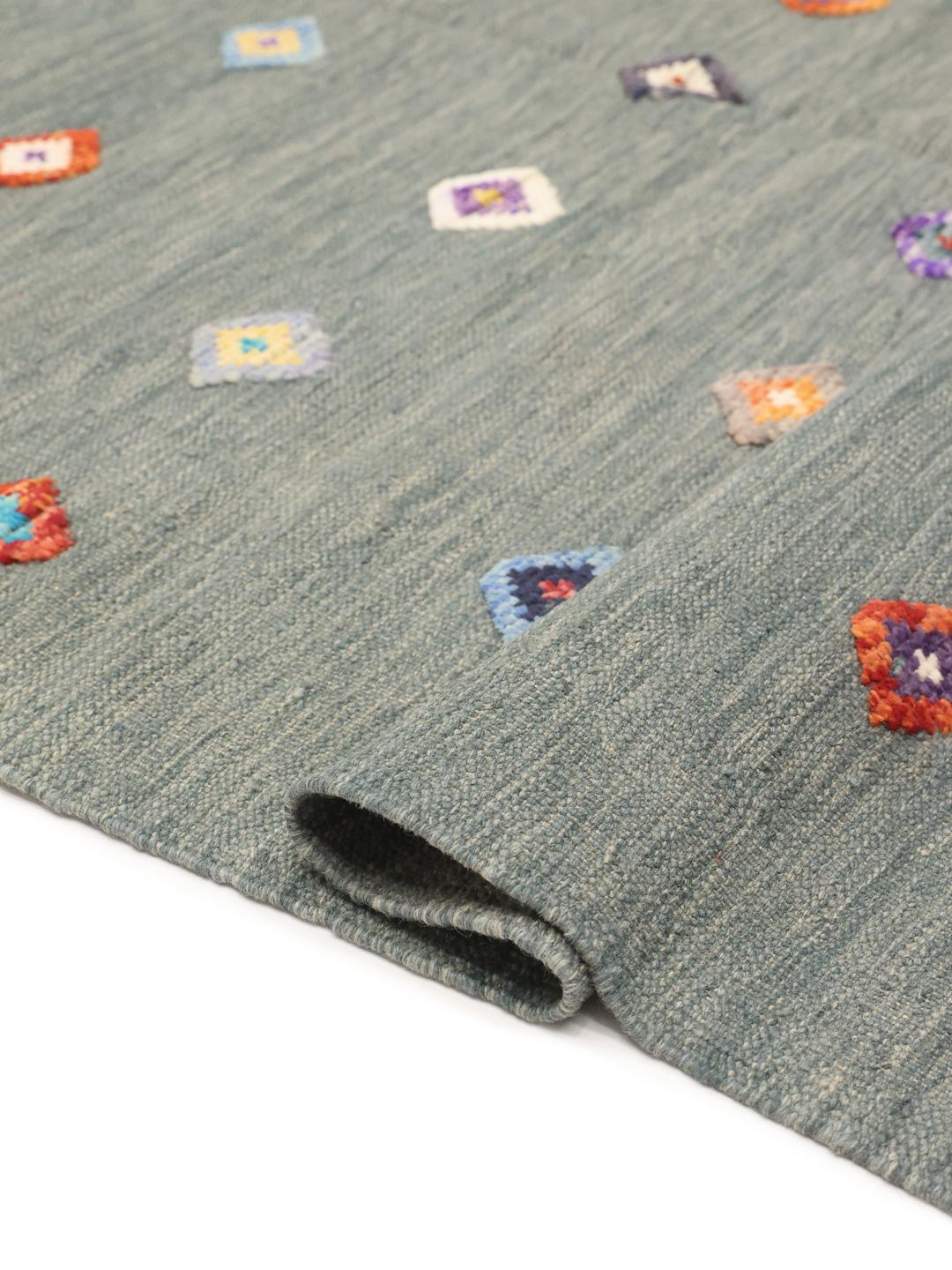
The term 'Kelim' refers to the specific flat-weaving technique where the weft strands are pulled tightly down to cover the warp threads completely, creating a sturdy, reversible fabric. This method is highly valued for its ability to produce intricate patterns with high colour clarity. Because there is no pile to wear down, these rugs are exceptionally durable and maintain their vibrant appearance even after years of use in busy homes.
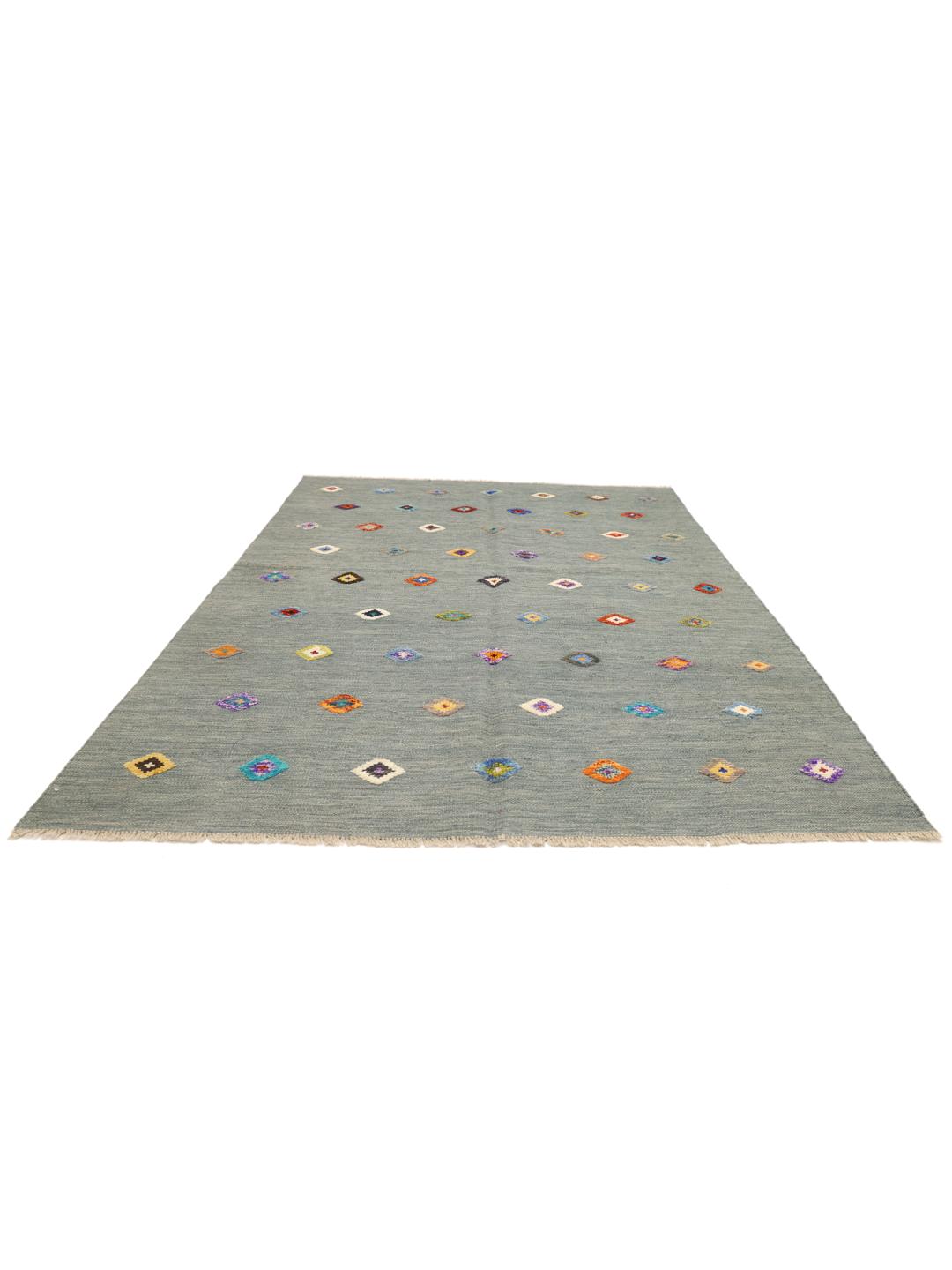
Visually, Nimbaft rugs are characterised by their clean fields and deliberate, often geometric, motifs. While many traditional rugs from the Middle East are known for dense, busy patterns, this style favours a more open, airy composition. The diamond motifs seen here are a classic element of tribal design, representing protection and prosperity within the weaver's community. The subtle variation in the colours of the diamonds is a hallmark of hand-dyed Wool, showing slight shifts in tone that add depth to the overall design.
Collectors and design enthusiasts value these rugs for their raw authenticity and the human story behind every thread. Owning a Nimbaft is more than just a decor choice; it is an acquisition of cultural heritage. These pieces represent a commitment to preserving ancient skills that are increasingly rare in a modern, automated world. By welcoming this rug into your home, you become a custodian of a tradition that honours both the artisan and the natural materials they work with.