The Kelim tradition is deeply rooted in the nomadic and village cultures of the Middle East and Central Asia, where these flat-woven rugs have served as essential, portable, and functional textiles for centuries. The Nimbaft style is a specialized expression of this heritage, often associated with the skilled artisans of Afghanistan who have preserved ancestral weaving techniques through generations of change.
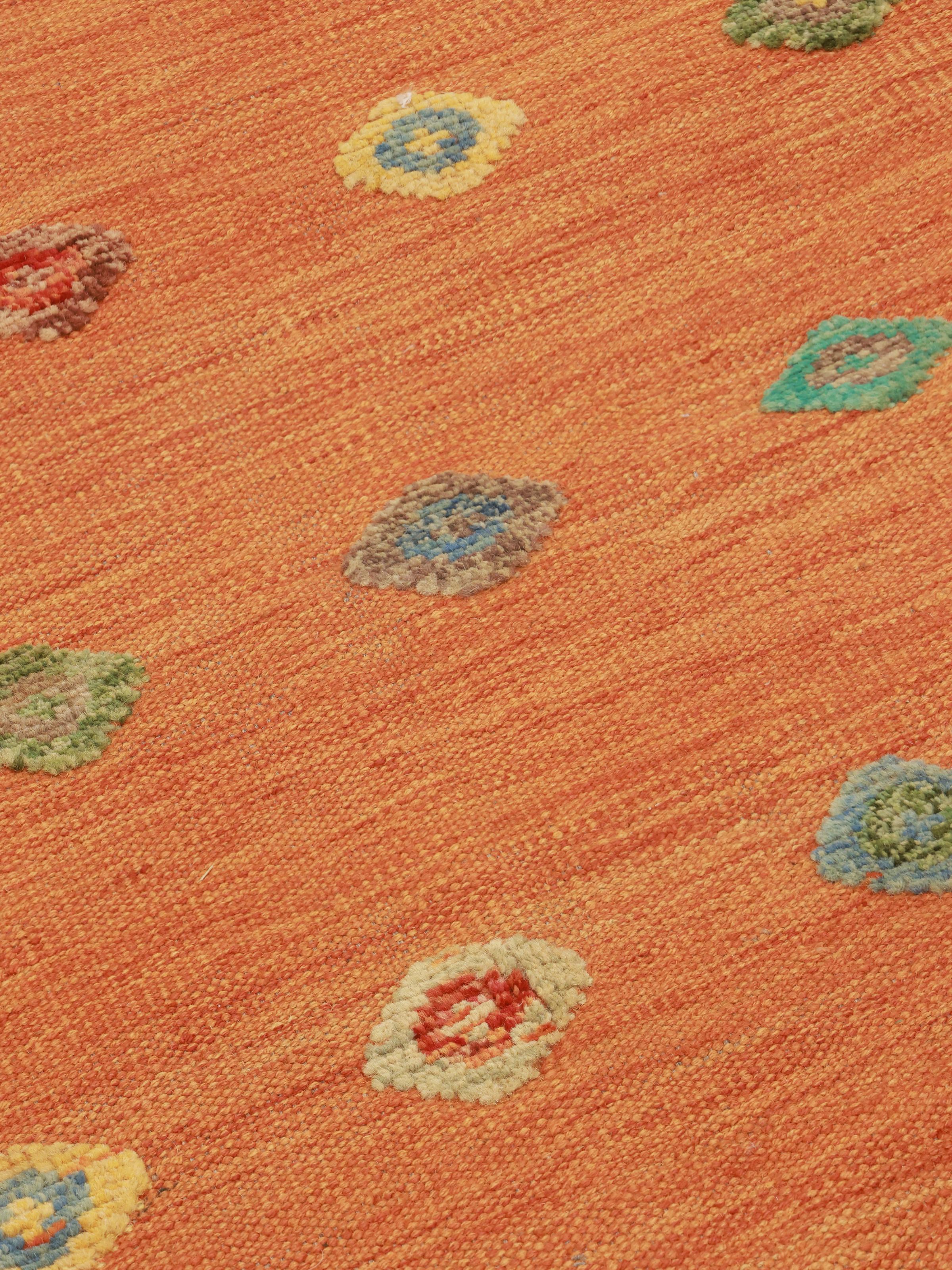
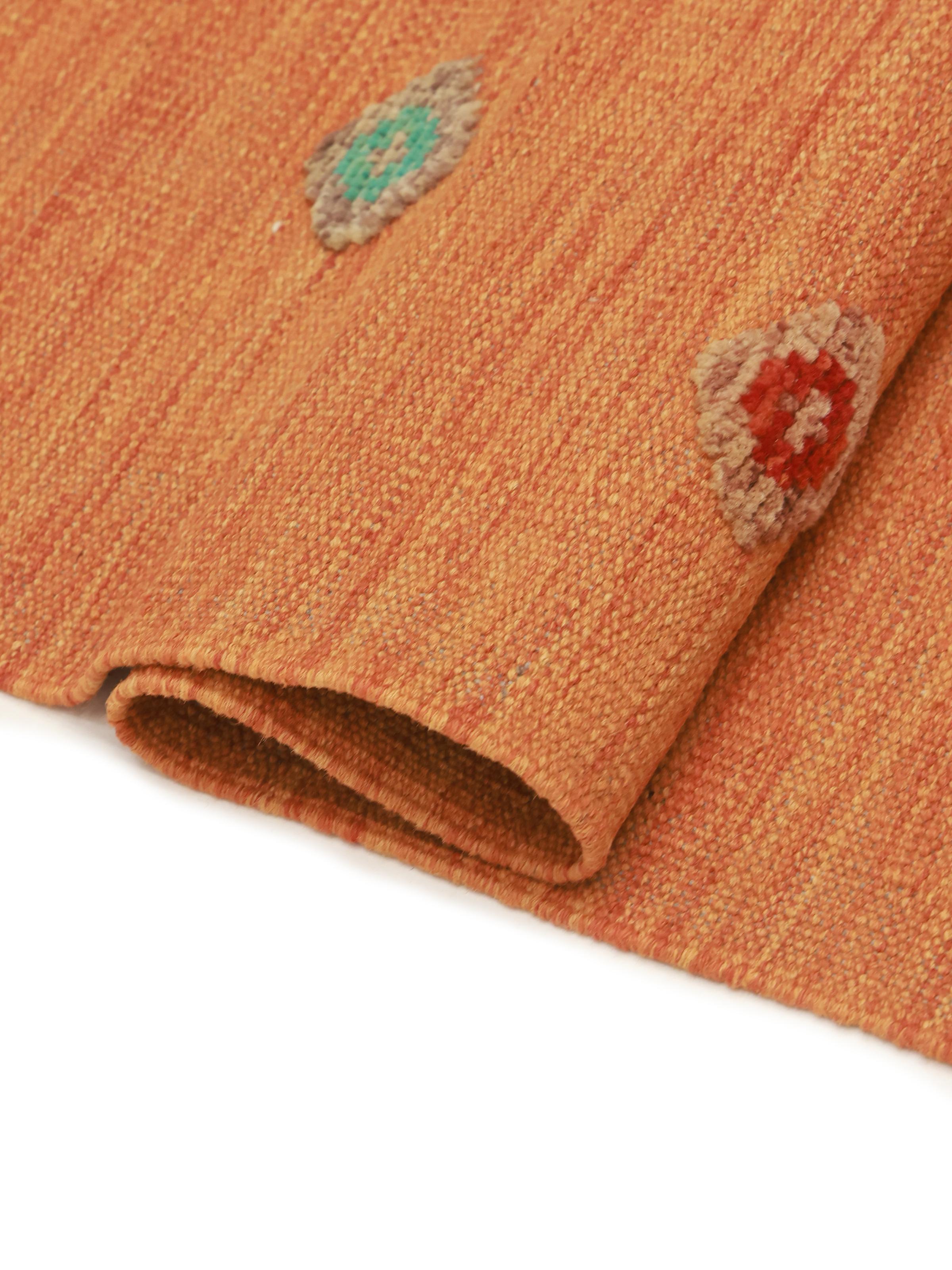
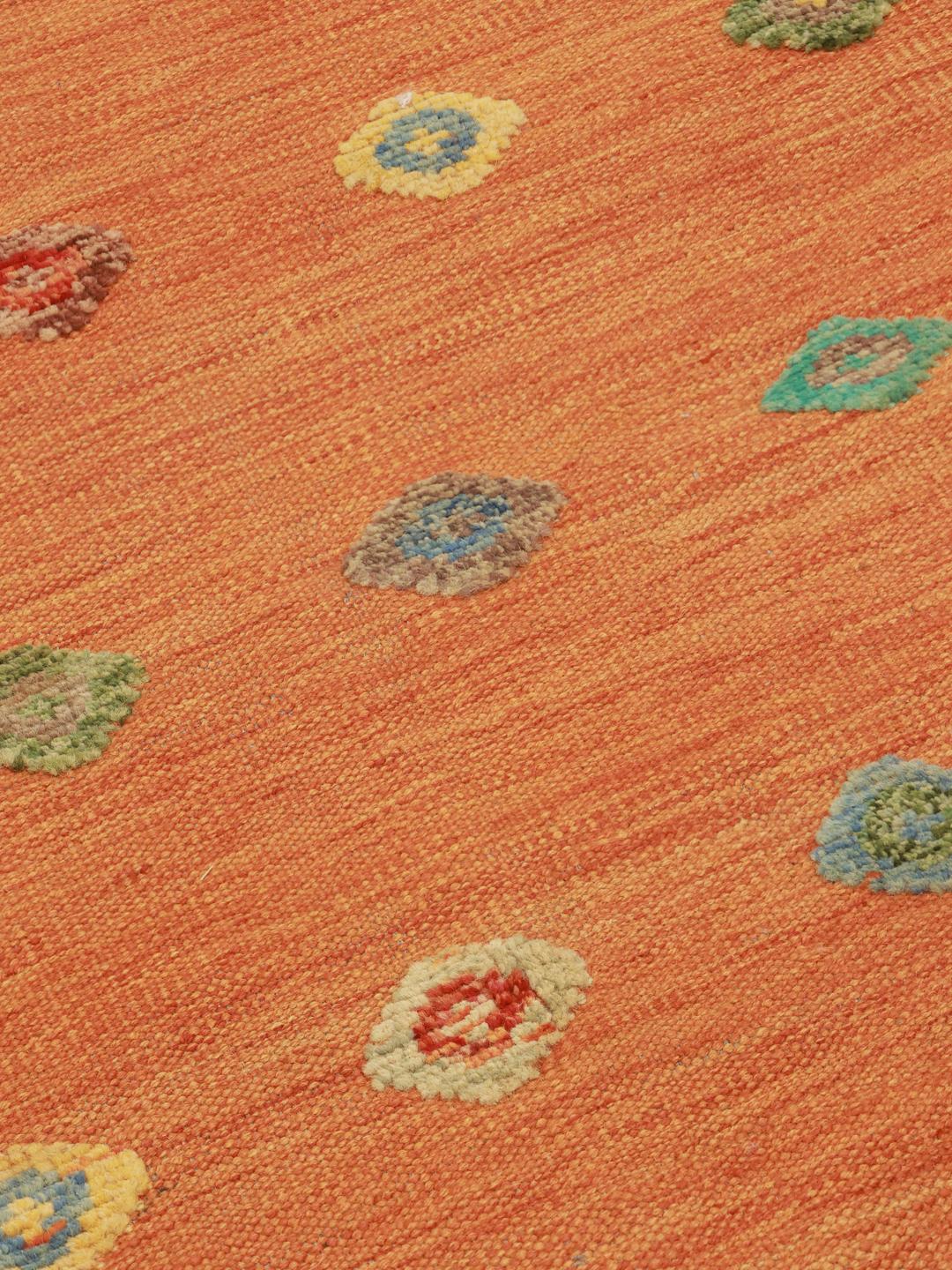
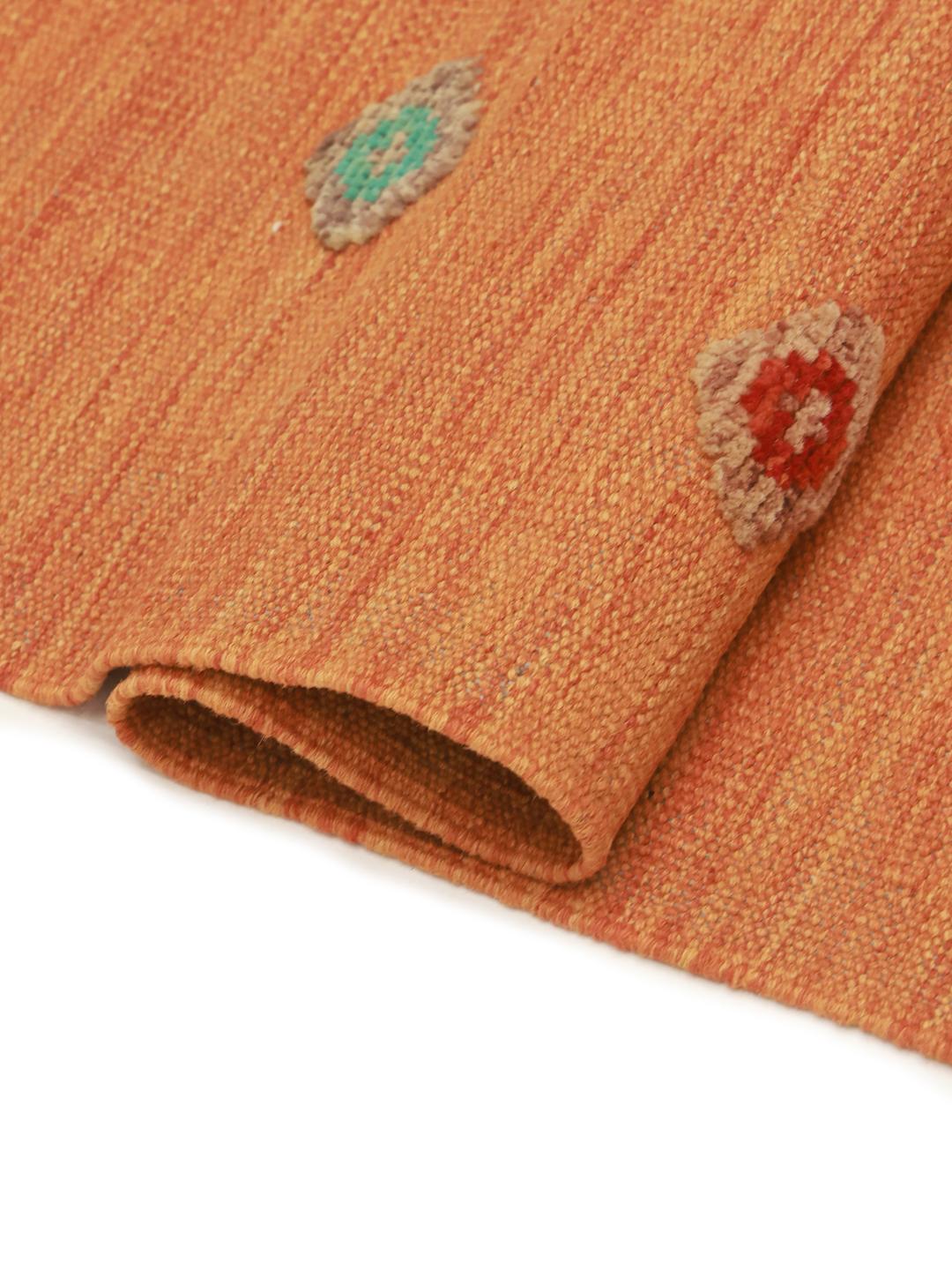
The term 'Kelim' refers to the specific tapestry-weave construction, which distinguishes these rugs from pile rugs. By interlocking the coloured weft threads tightly around the warp, weavers create a smooth, reversible surface that is remarkably strong. This technique allows for the crisp definition of geometric shapes and vibrant colours, as the design is built directly into the structure of the fabric itself.
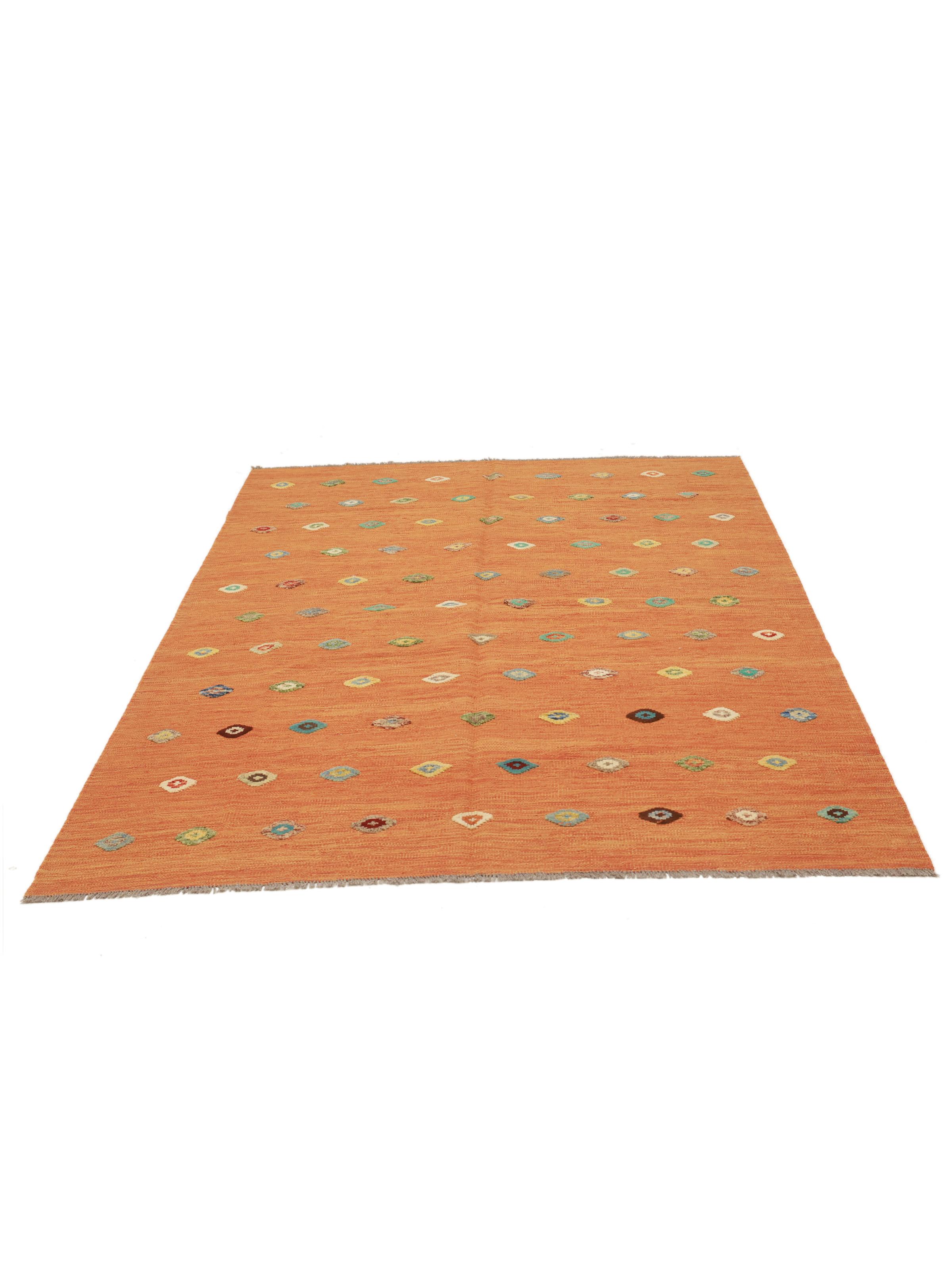
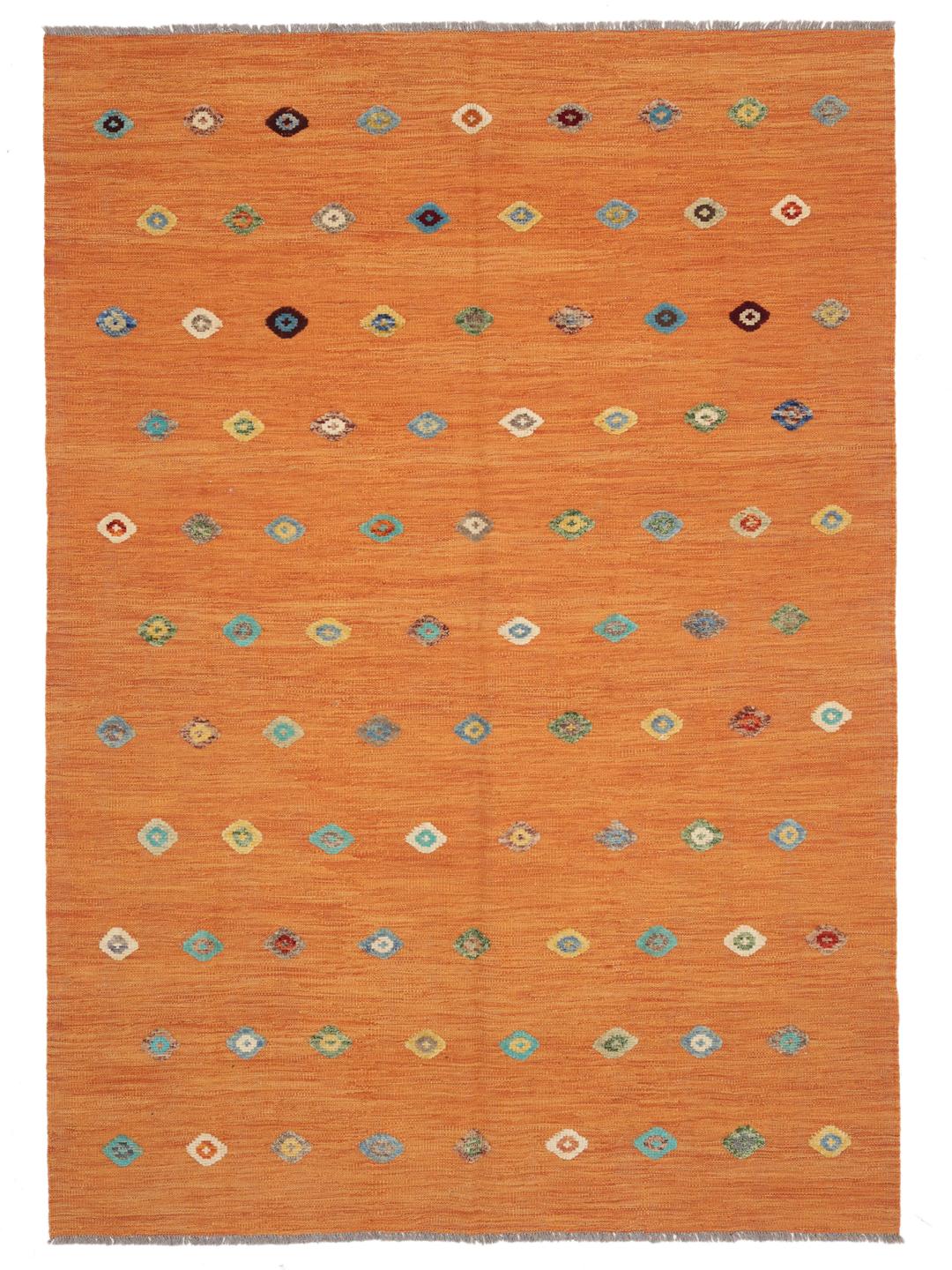
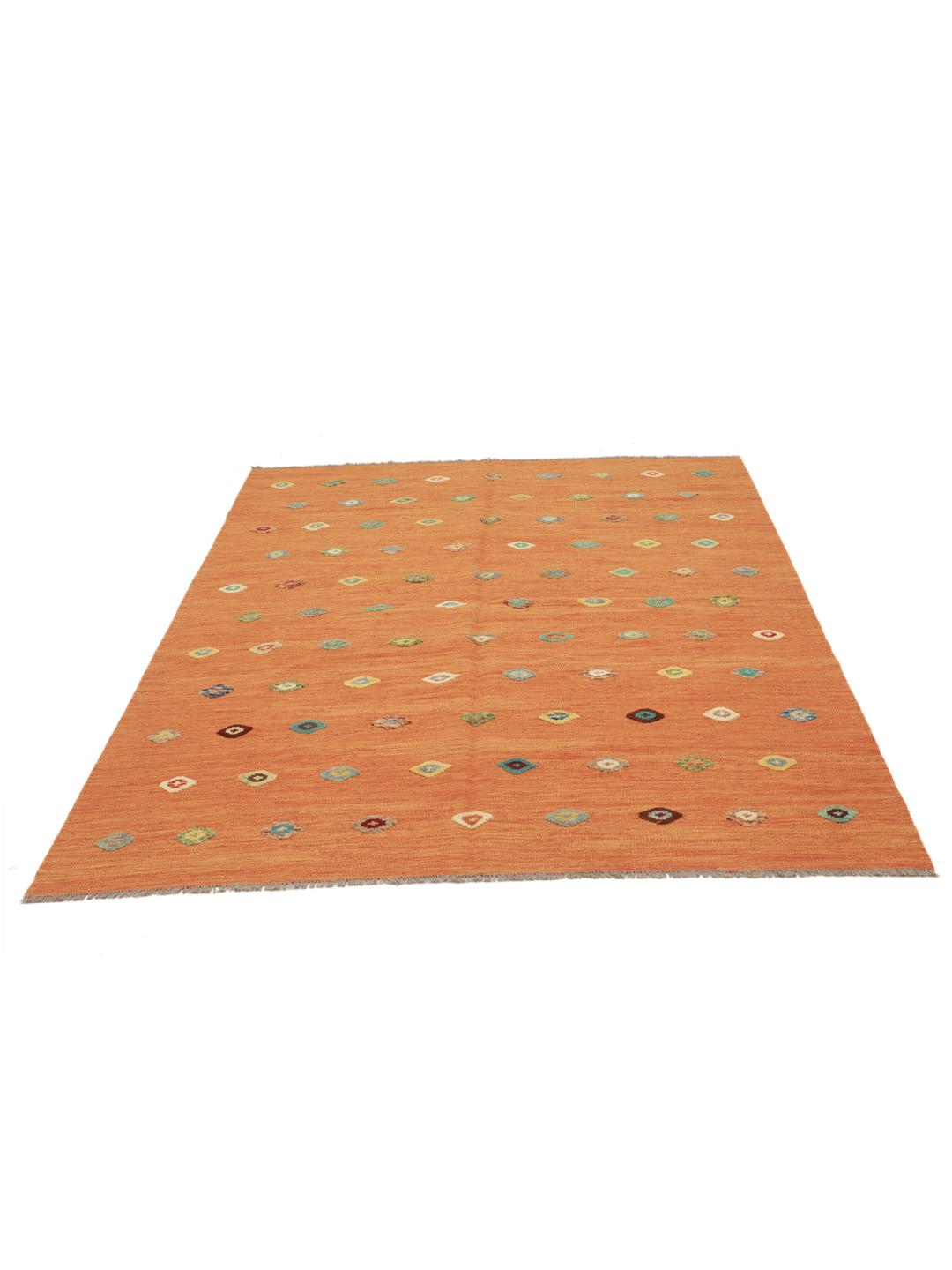
Signature elements of the Nimbaft tradition often include a focus on negative space, allowing the primary colour of the field to breathe while scattered motifs—often small diamonds or stylized symbols—provide visual interest. These motifs are not merely decorative but often carry cultural significance, representing protection, fertility, or the natural landscape, arranged in a rhythmic, organic flow that reflects the weaver’s environment.
Owning an Afghan Kelim is an investment in a storied craft that values the human touch above all else. These rugs are highly sought after by collectors and homeowners alike for their authenticity and the way they bridge the gap between ancient function and modern design. When you bring this rug into your home, you are continuing a legacy of craftsmanship that has survived the test of time.