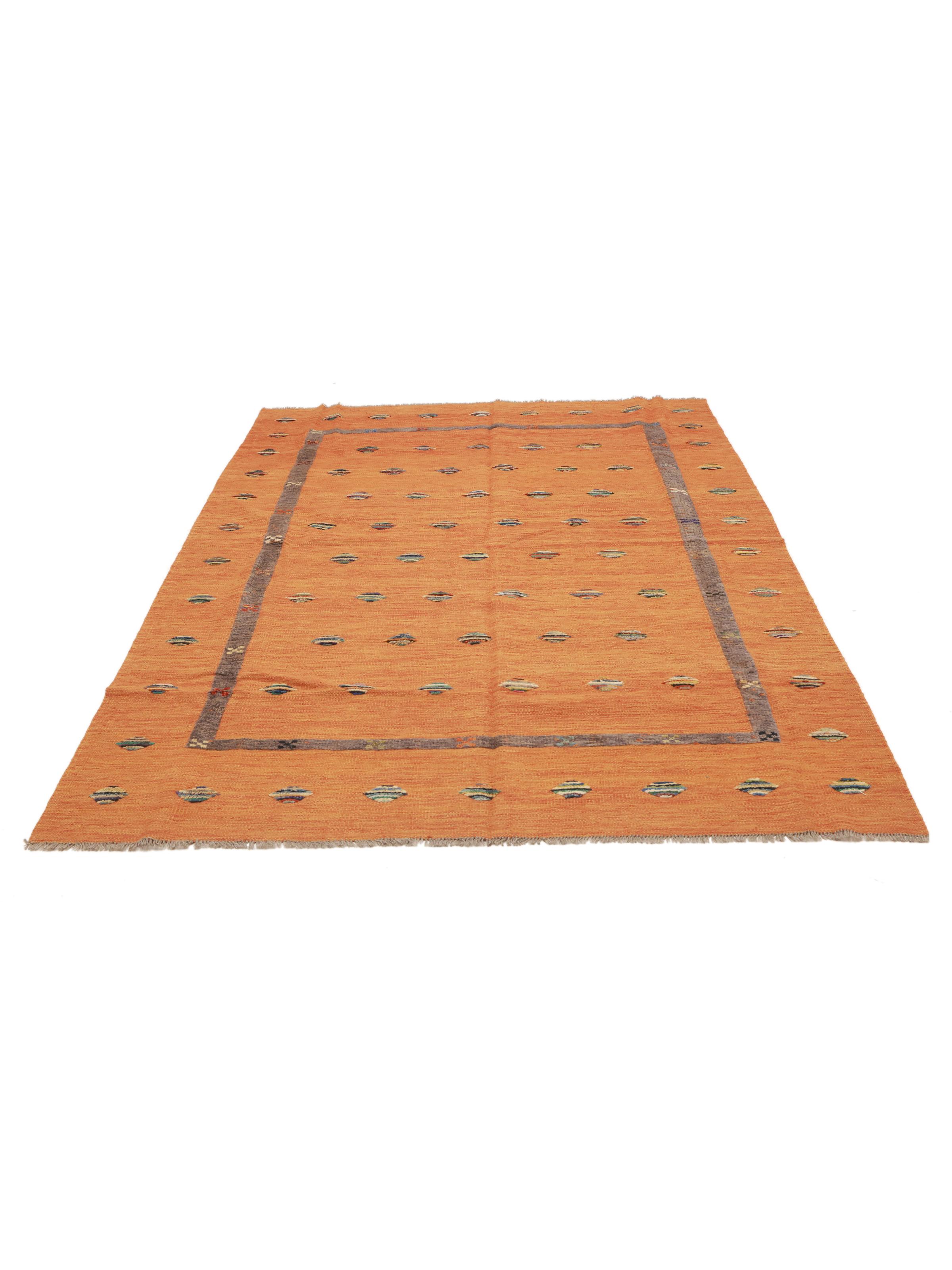
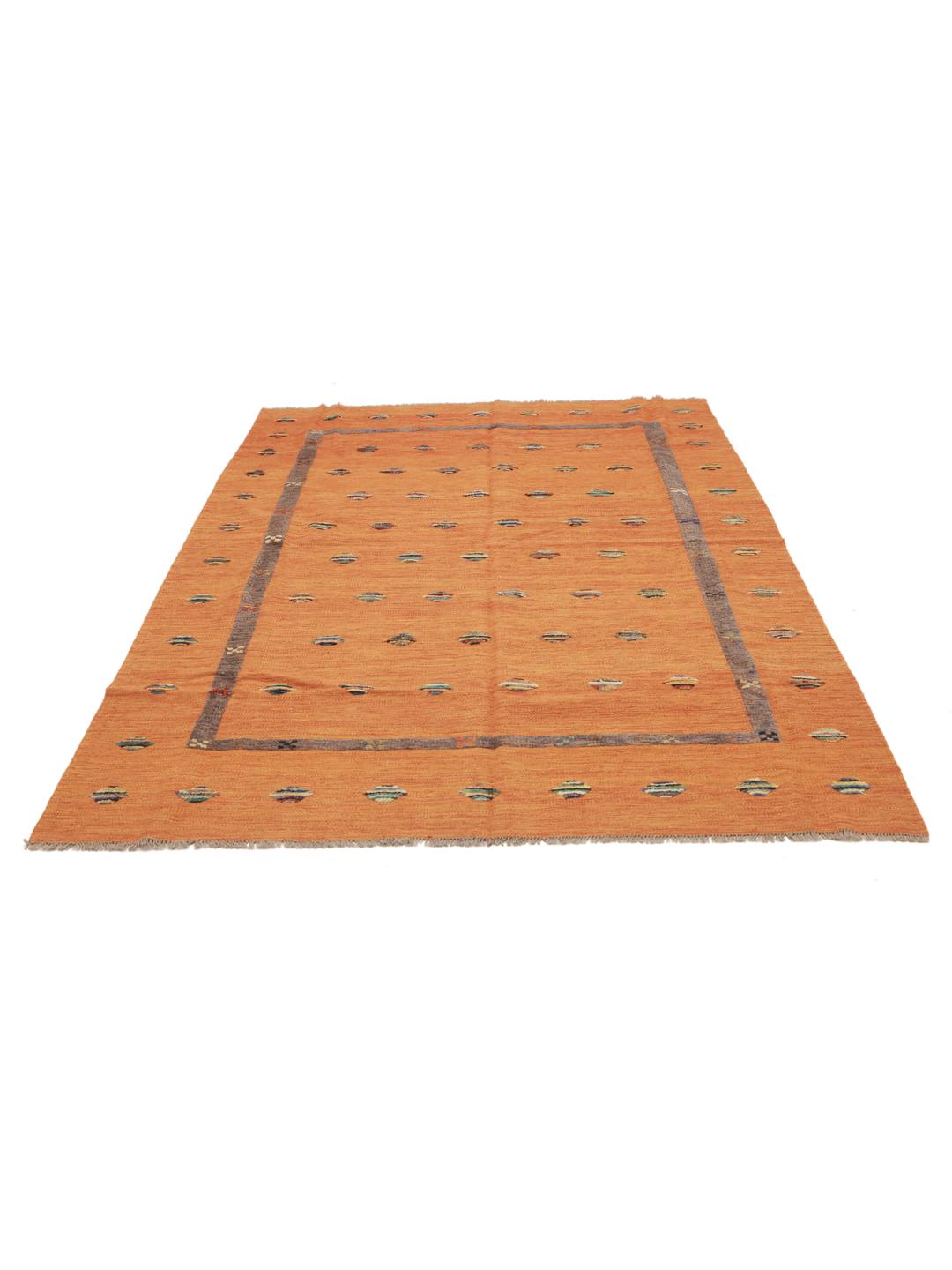
Kilim rugs represent one of the most ancient and celebrated textile traditions in the Middle East and Central Asia. The term 'Kilim' refers to a flat-weaving technique where no pile is created, resulting in a lightweight and versatile textile. These rugs have historically been used by nomadic and semi-nomadic tribes for everything from floor coverings and blankets to saddlebags, serving as essential, multi-functional items in daily life.
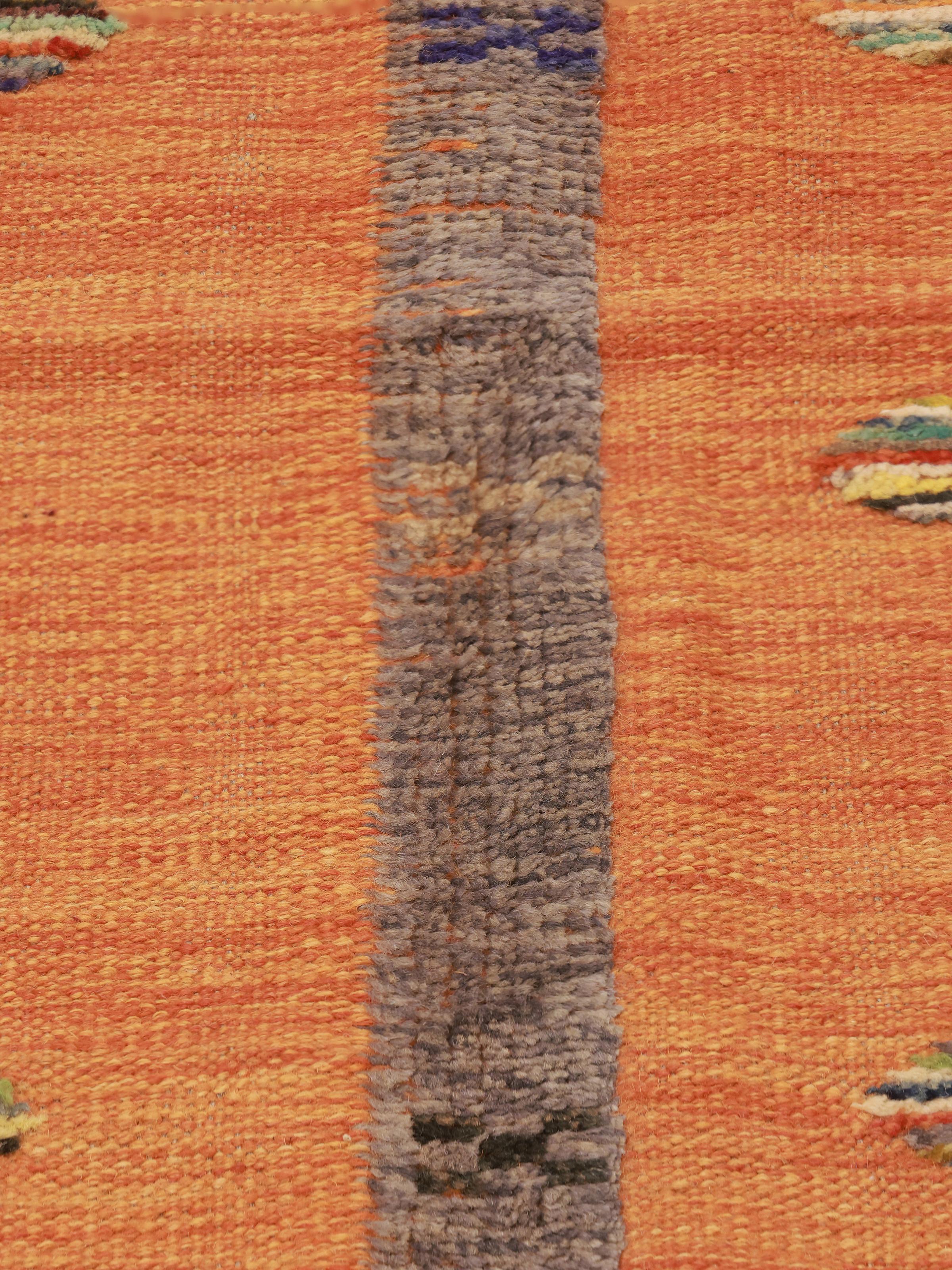
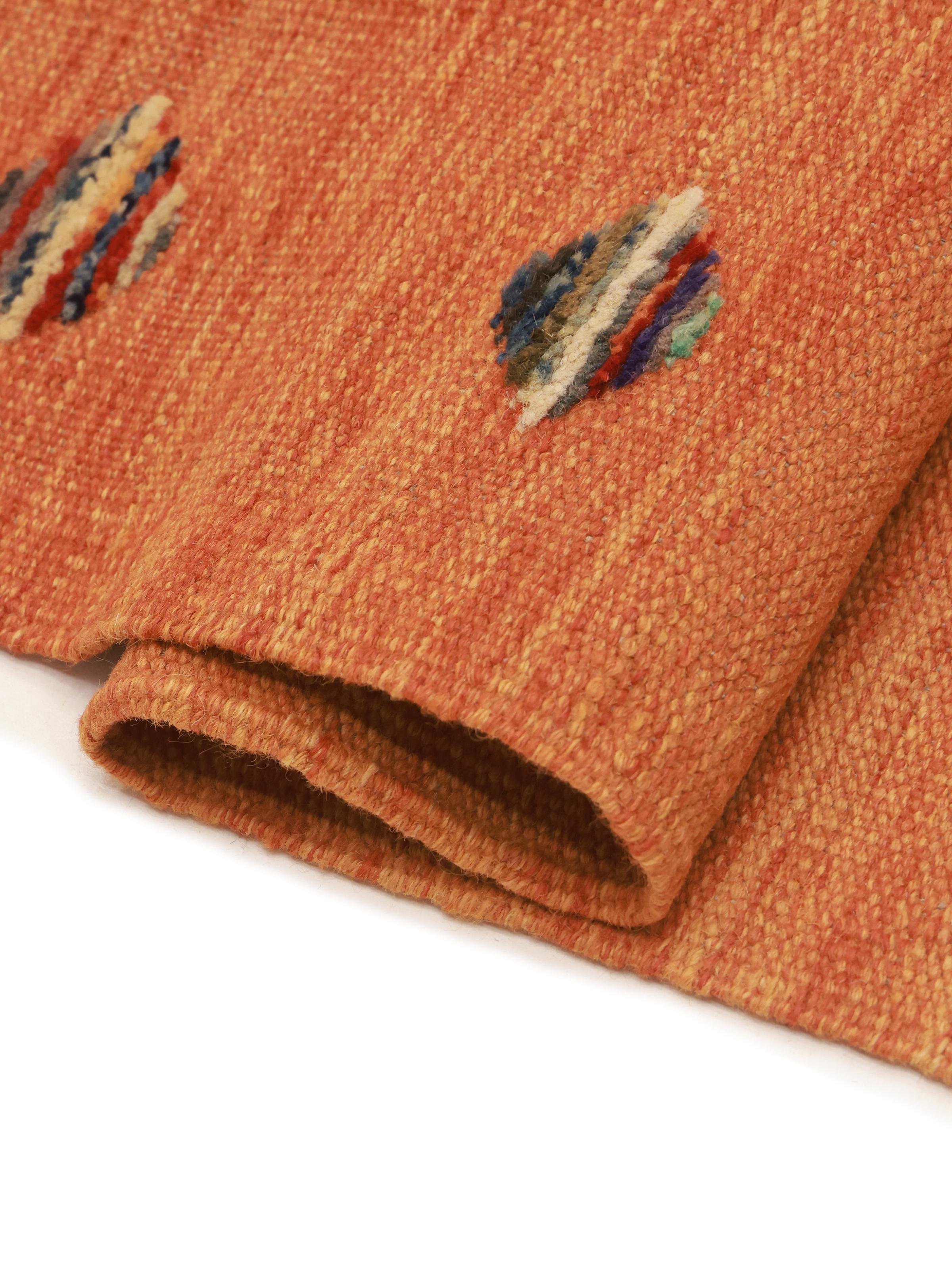
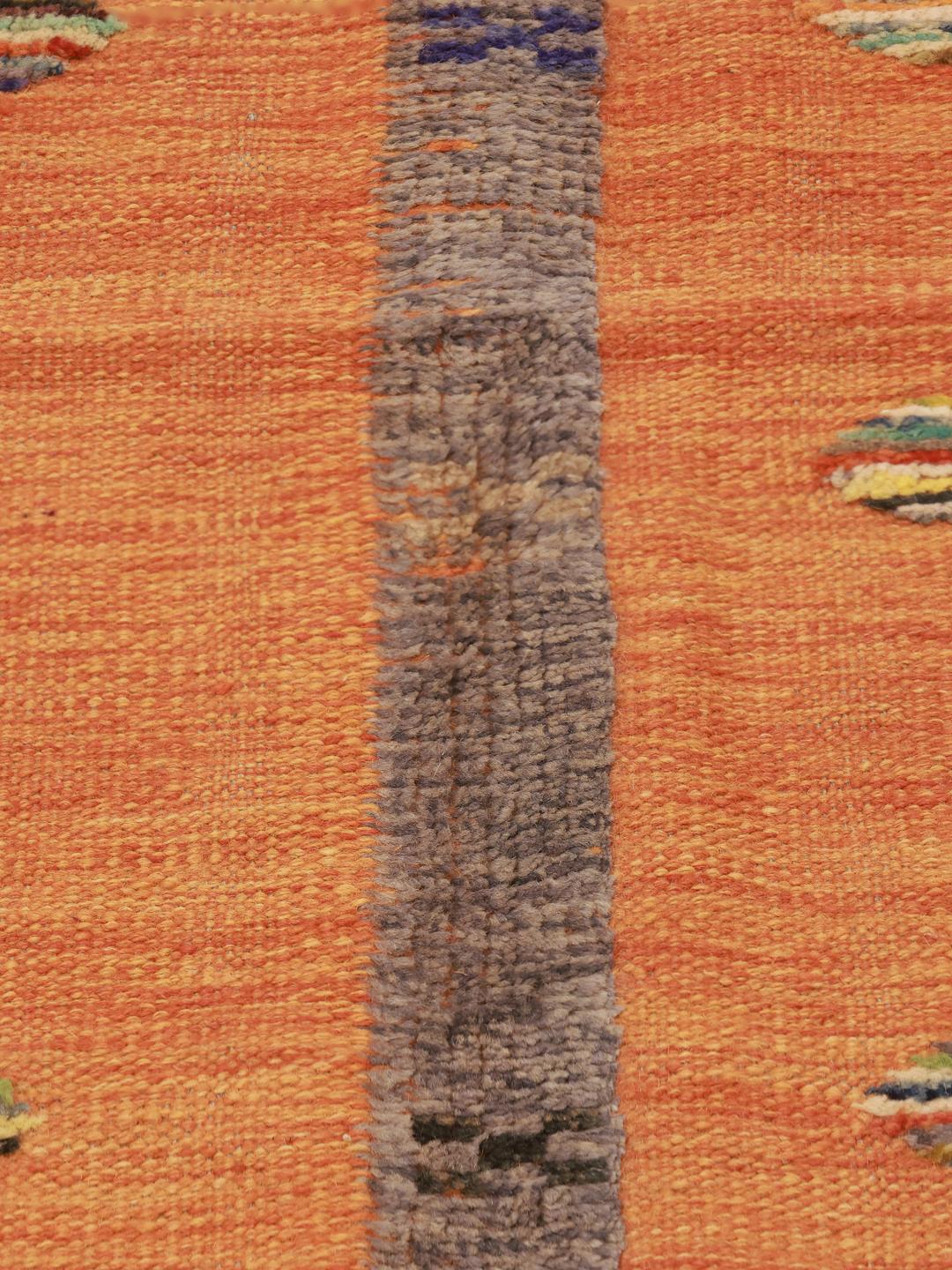
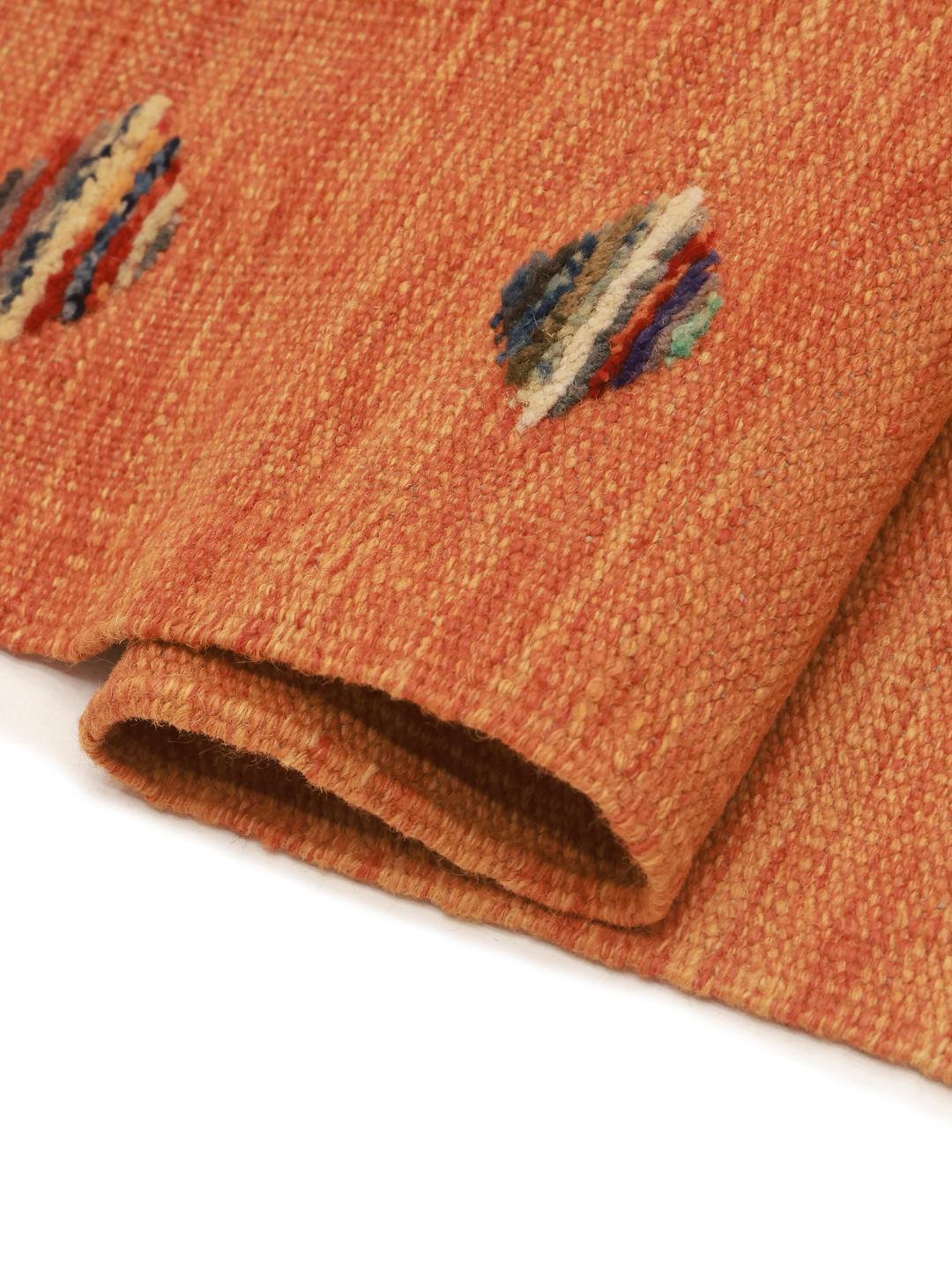
The Nimbaft tradition specifically highlights the refined skill of Afghan weavers. The term itself points to a deliberate, thoughtful weaving process where the tension and thread count are carefully controlled. This focus on technique is what allows for the creation of intricate, clean-lined patterns without the need for a dense, knotted pile, ensuring that the finished product is both long-lasting and aesthetically sharp.
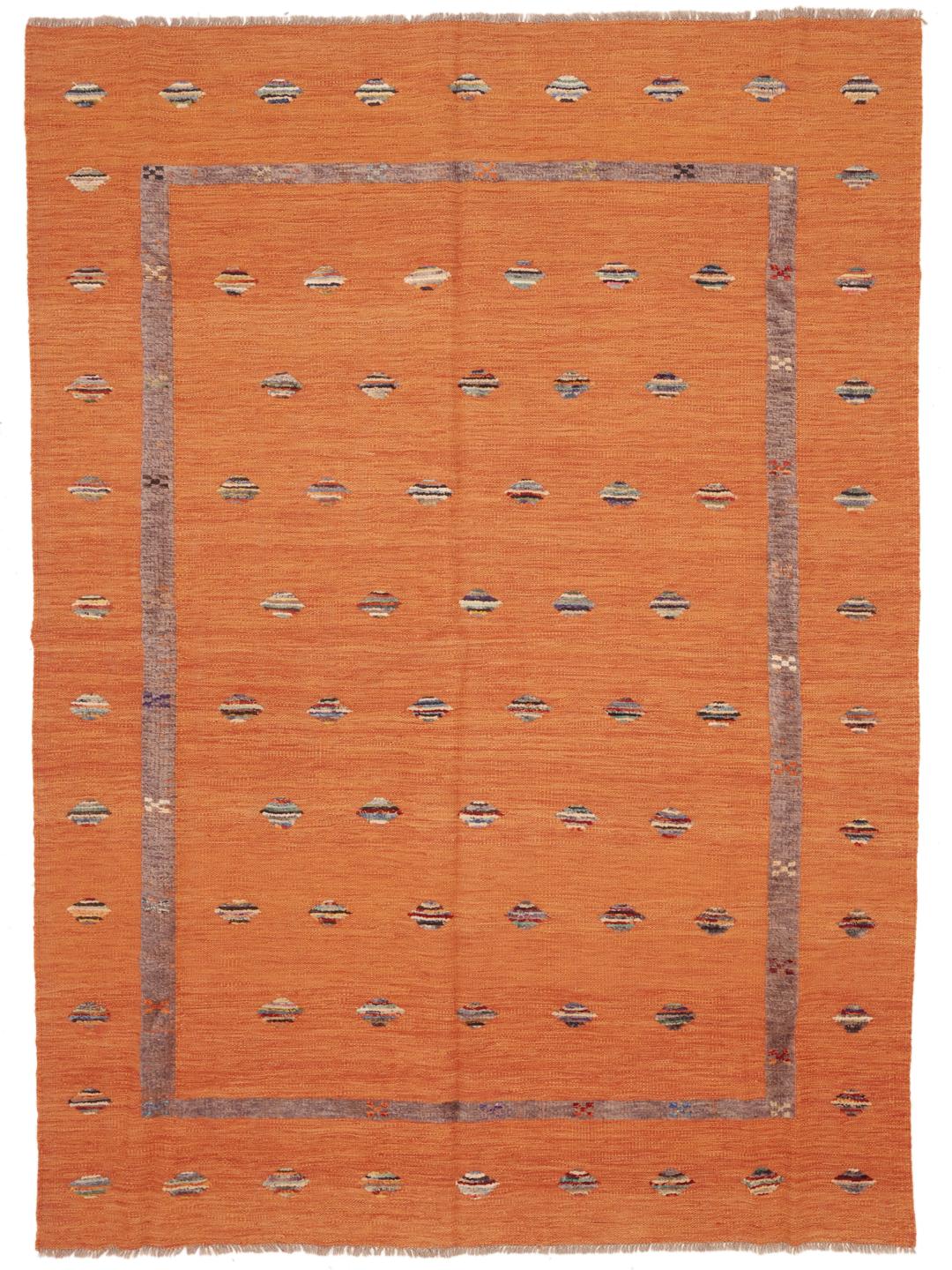
Signature design elements in these rugs often include geometric motifs and stylized representations of the natural world. The use of repeating patterns—often arranged in rows or framed by simple, elegant borders—is a hallmark of the style. These motifs are not just decorative; they often carry regional significance, telling stories of the landscape, family heritage, and the cultural identity of the communities that produce them.
Owning a piece from this tradition is an investment in cultural heritage and human skill. Because these rugs are produced in small batches or as individual commissions, they are highly valued by collectors who look for authenticity and a connection to the weaver. By bringing a Kelim Nimbaft into your home, you are preserving a craft tradition that prioritizes patience, precision, and the beauty of natural materials.