The Kelim tradition is one of the most storied textile arts in the Middle East, with roots that stretch back centuries across the nomadic cultures of the region. These flat-woven rugs were historically essential for nomadic life, serving as floor coverings, blankets, and storage sacks due to their versatility and durability. Over time, the craft evolved into the sophisticated artistic tradition we recognise today, particularly in the weaving centres of Afghanistan.
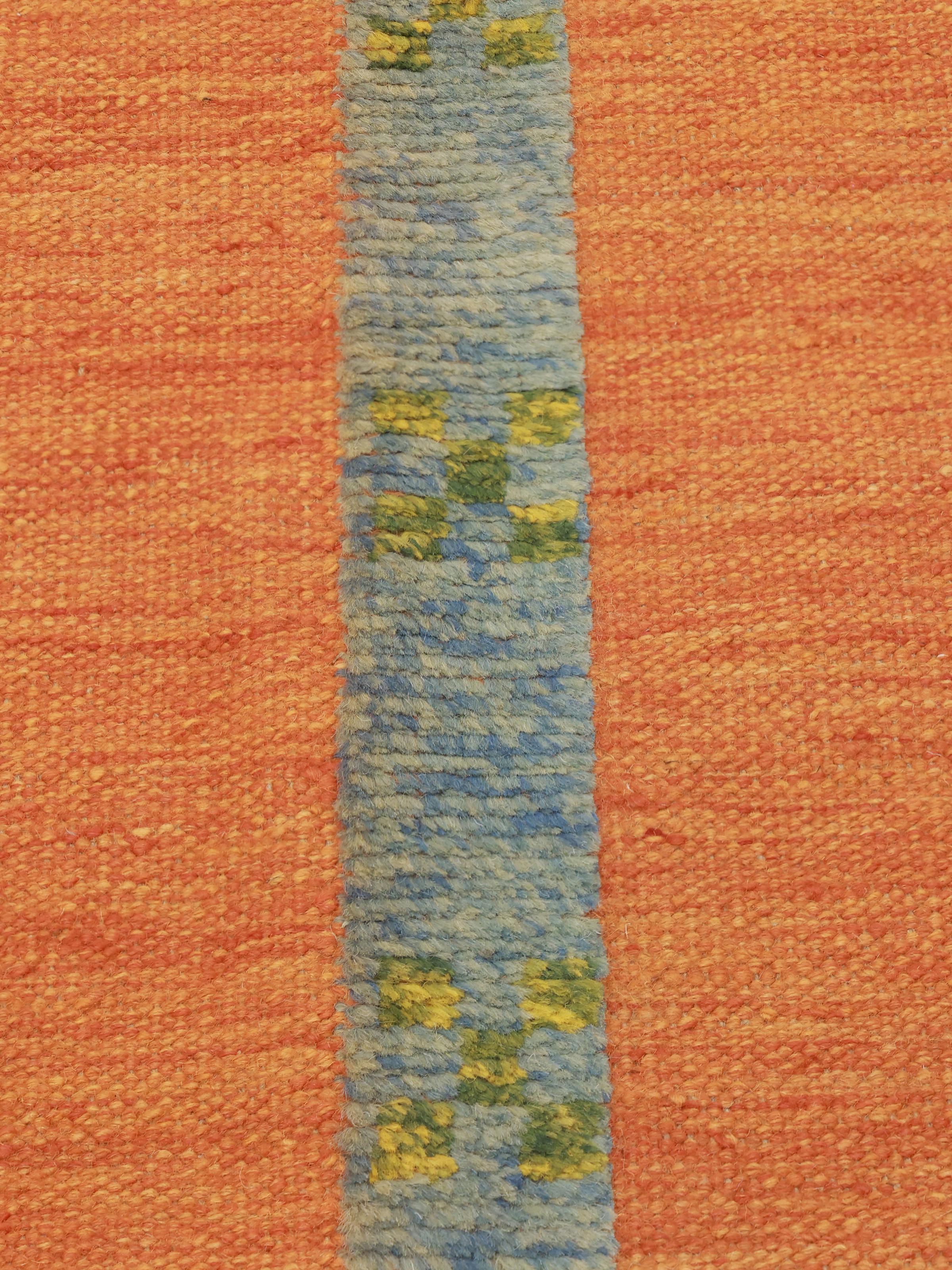
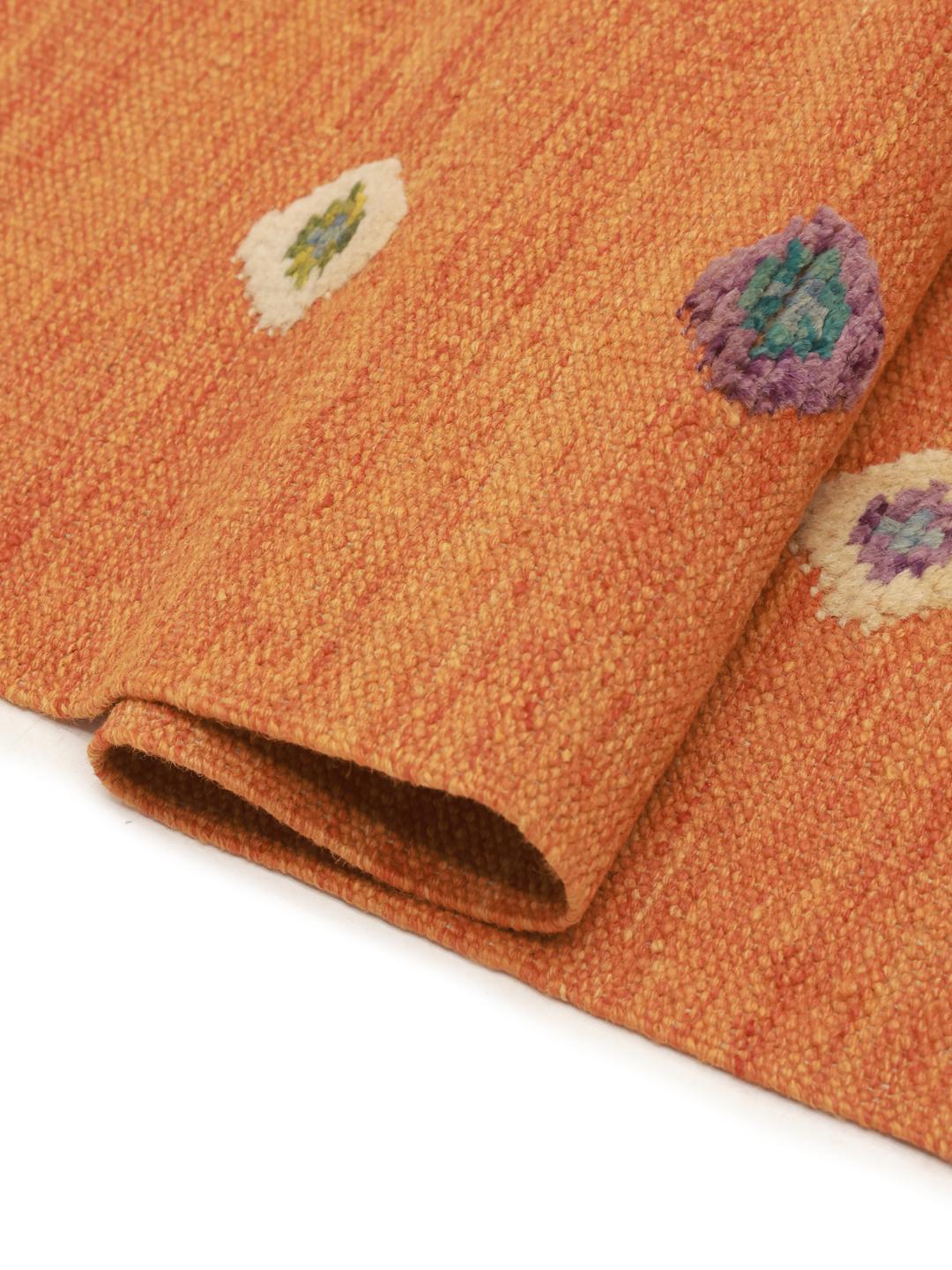
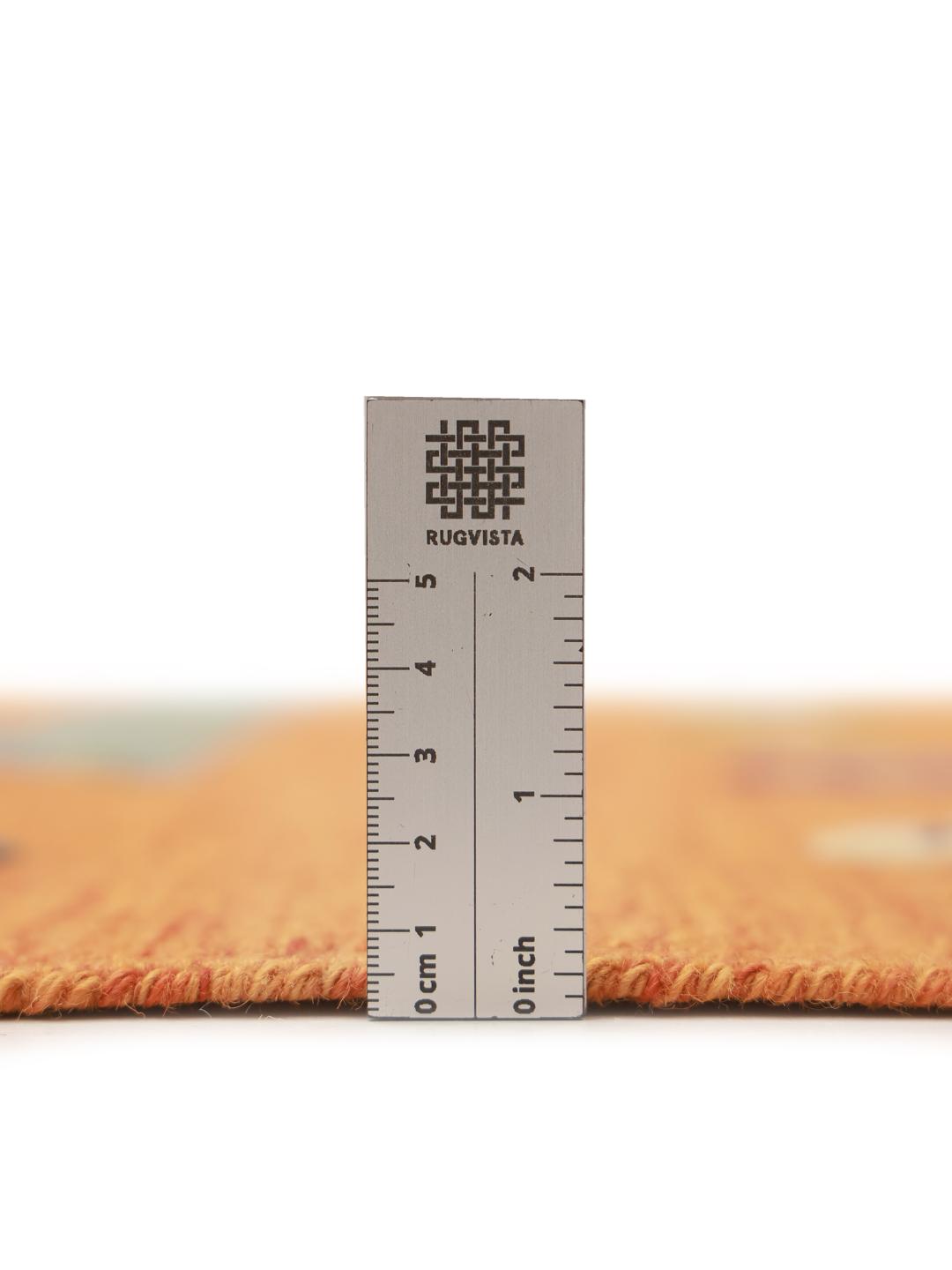
The term 'Nimbaft' refers to a specific, refined approach to the flat-weave technique. Unlike pile rugs, these pieces are created by interweaving the coloured weft threads through the warp, resulting in a thin, reversible rug that is lightweight yet incredibly strong. This technique allows for crisp, sharp geometric patterns that are integrated directly into the body of the rug rather than sitting on top of it, creating a smooth, seamless surface.
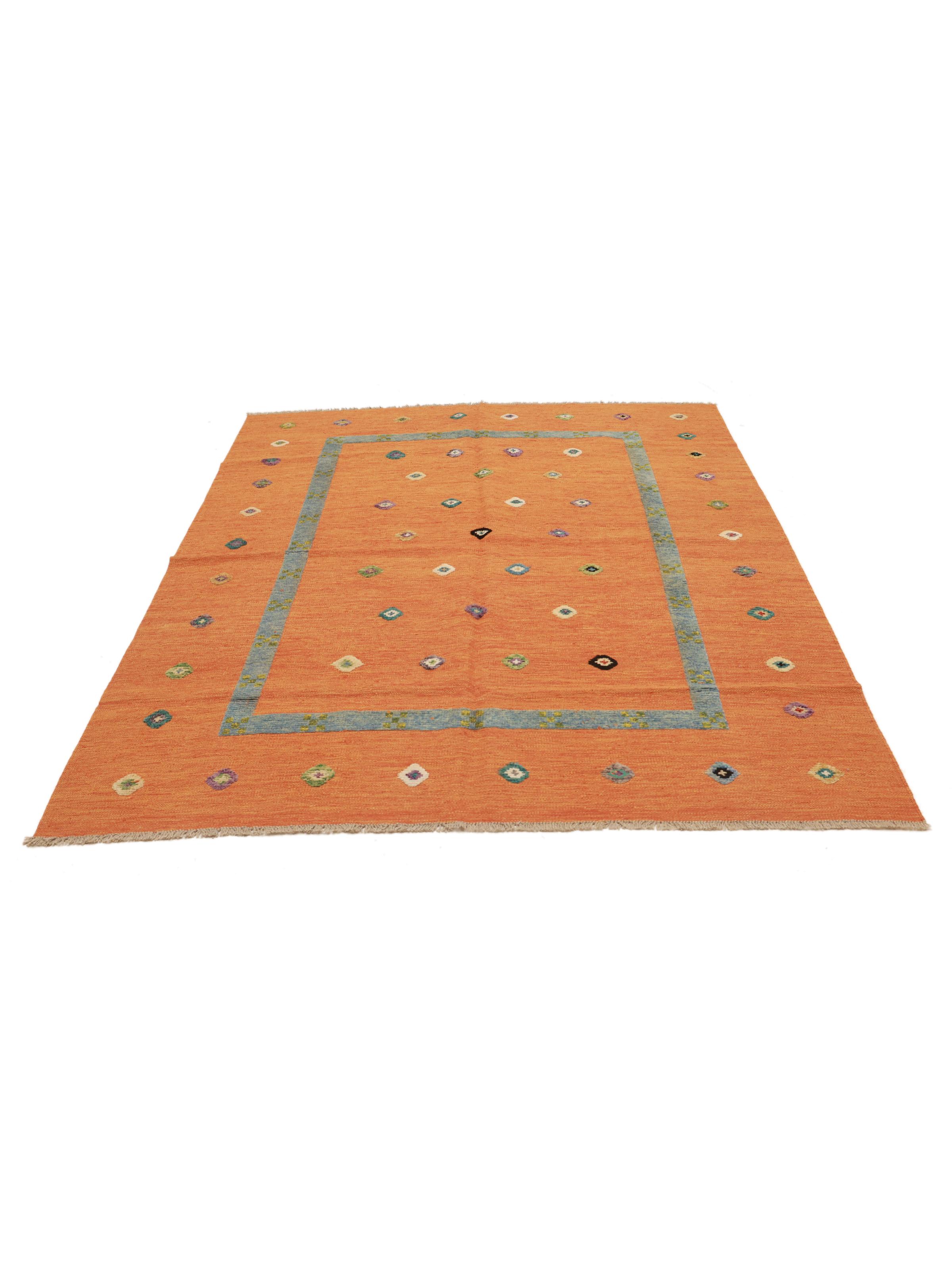
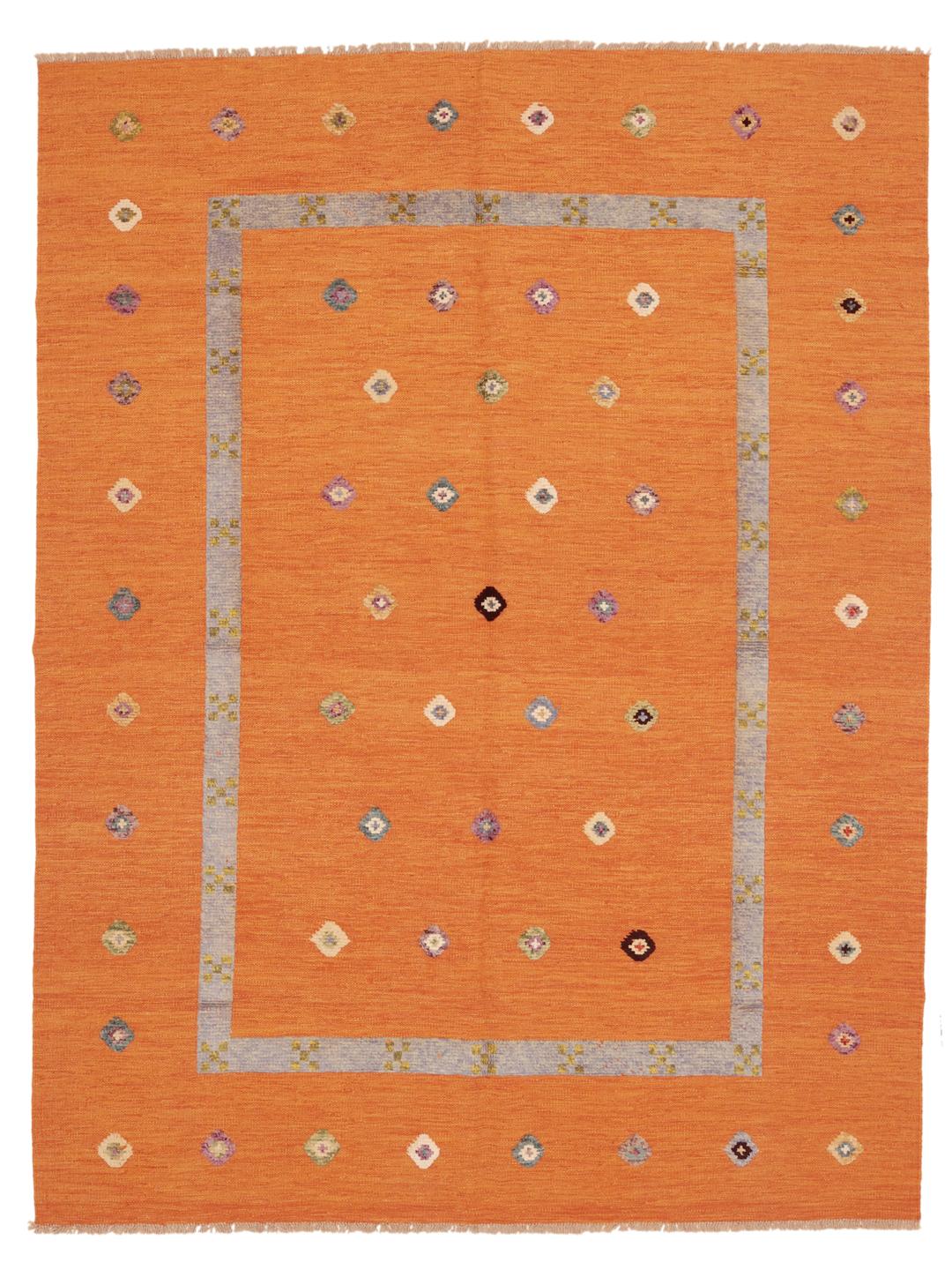
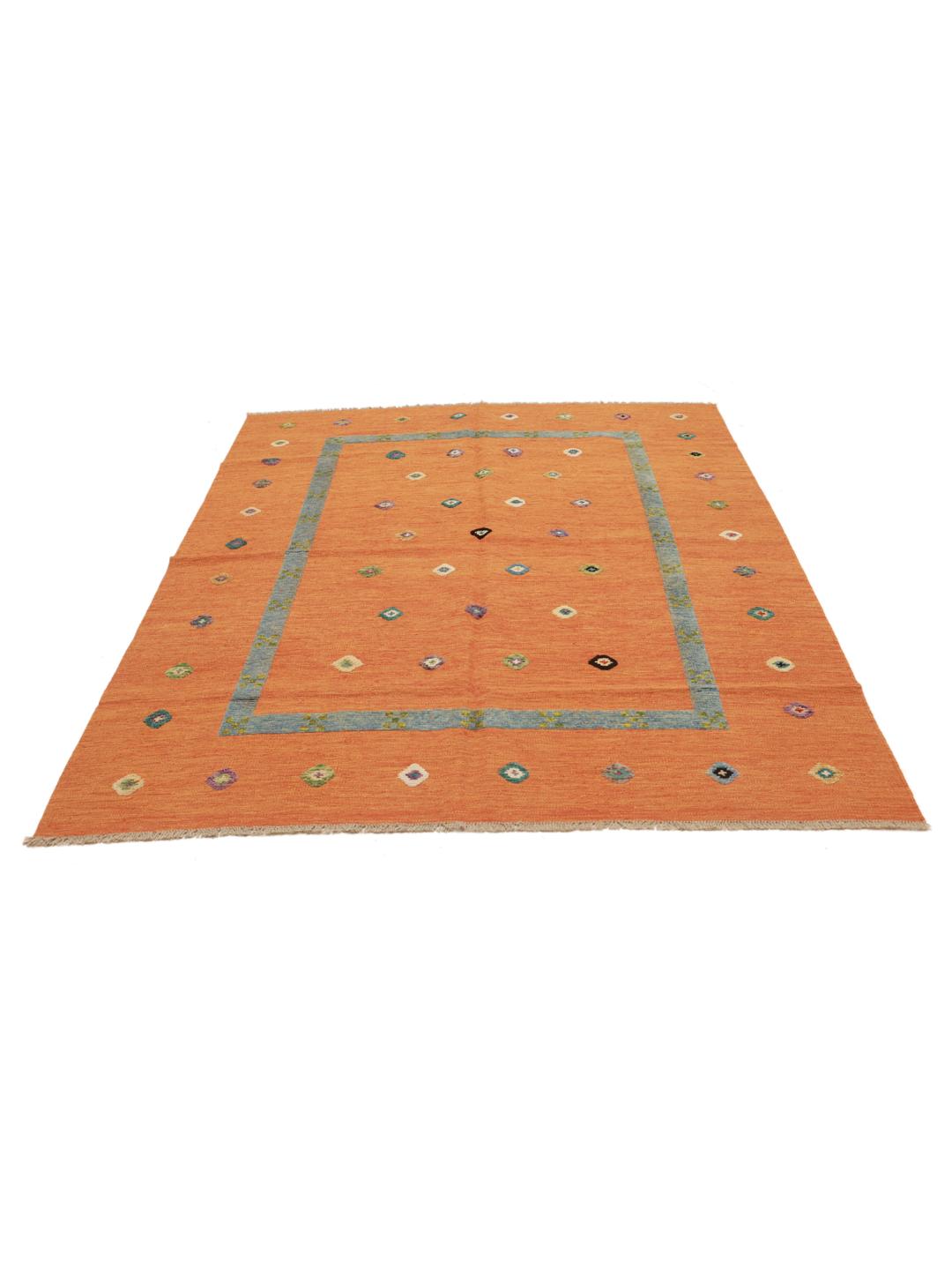
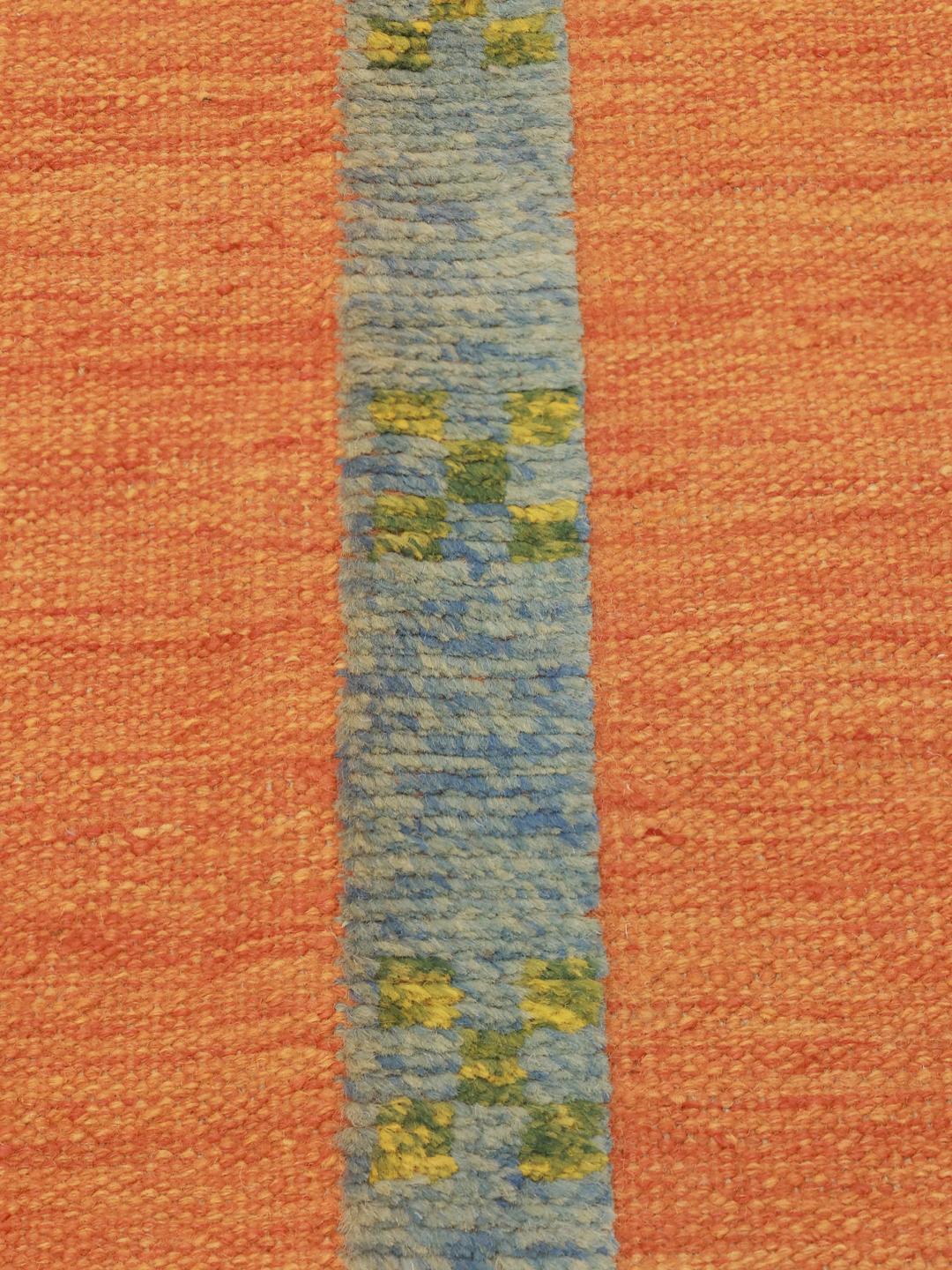
Visually, these rugs are defined by their use of geometric motifs, such as the small, dispersed diamonds seen here. These symbols often hold traditional meanings related to protection, fertility, or the natural world, passed down through generations of weavers. The use of a central field with a distinct, contrasting border is a classic composition that emphasises balance and order, a hallmark of the sophisticated design language found in the best examples of this craft.
Collecting a hand-woven rug from this tradition is an act of preserving a piece of cultural history. These rugs are highly valued not only for their aesthetic beauty but also for the incredible skill required to execute such precise patterns without the aid of modern technology. By bringing a Kelim Nimbaft into your home, you are connecting with a long lineage of artisans and owning a tangible piece of heritage that celebrates human creativity and tradition.