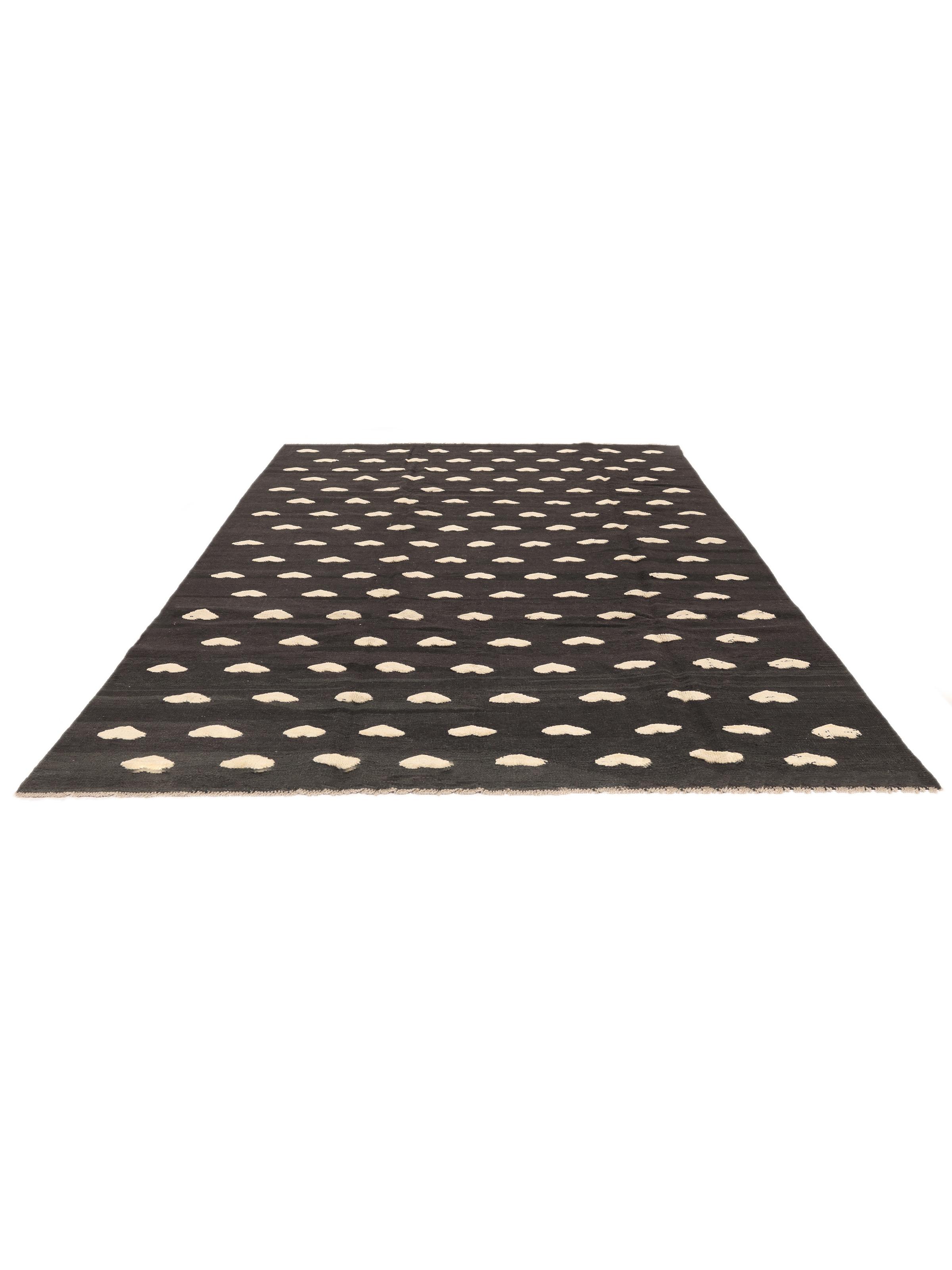
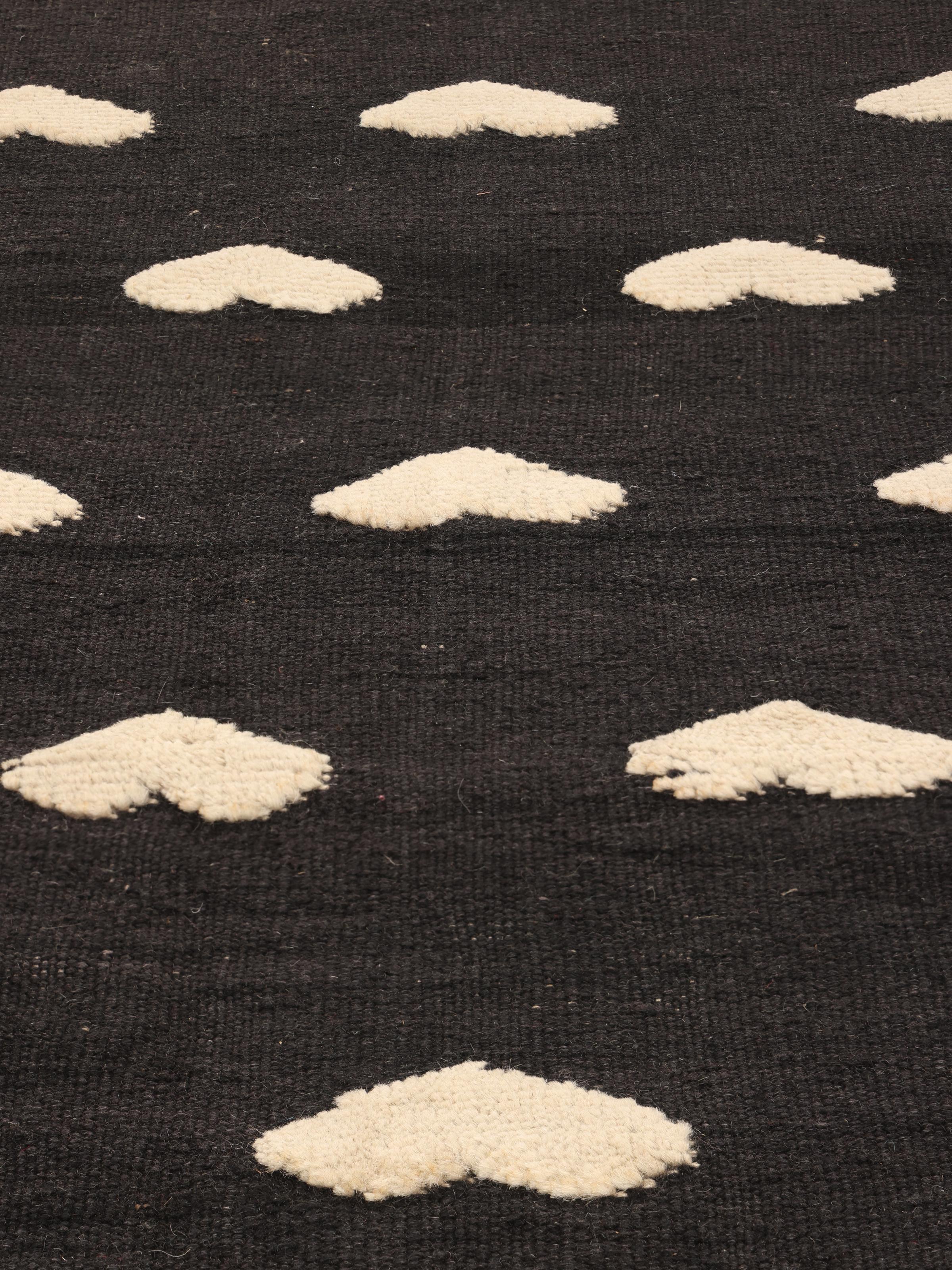
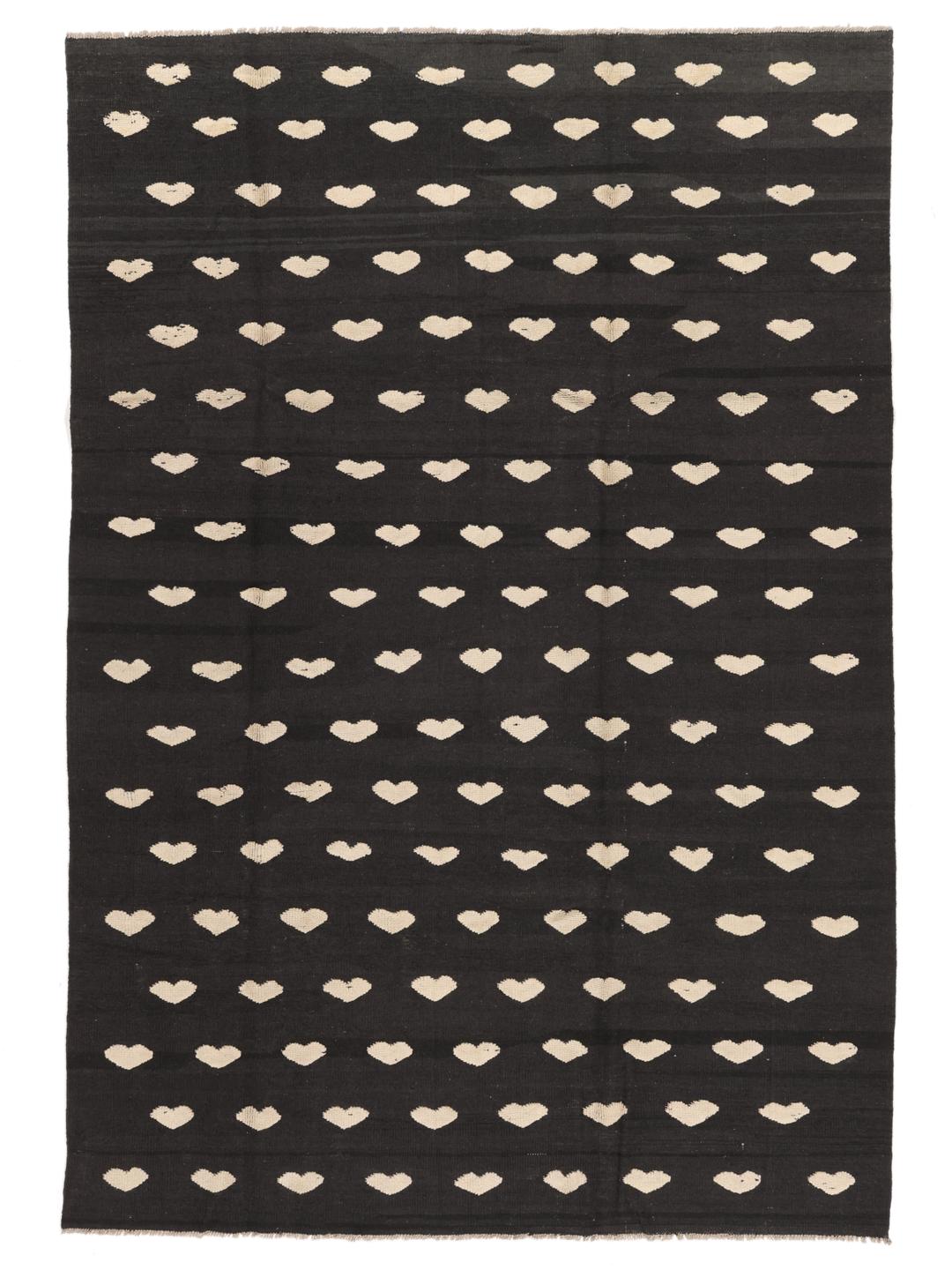
Kelim rugs have a long and storied history across the Middle East, serving as versatile, flat-woven textiles that have been essential to nomadic and village life for centuries. The term 'Kelim' refers to the specific flat-weaving technique where no pile is created, resulting in a lightweight yet incredibly durable rug. Originating from ancient traditions, these textiles were traditionally used as floor coverings, wall hangings, and even as functional bags for storage and transport.
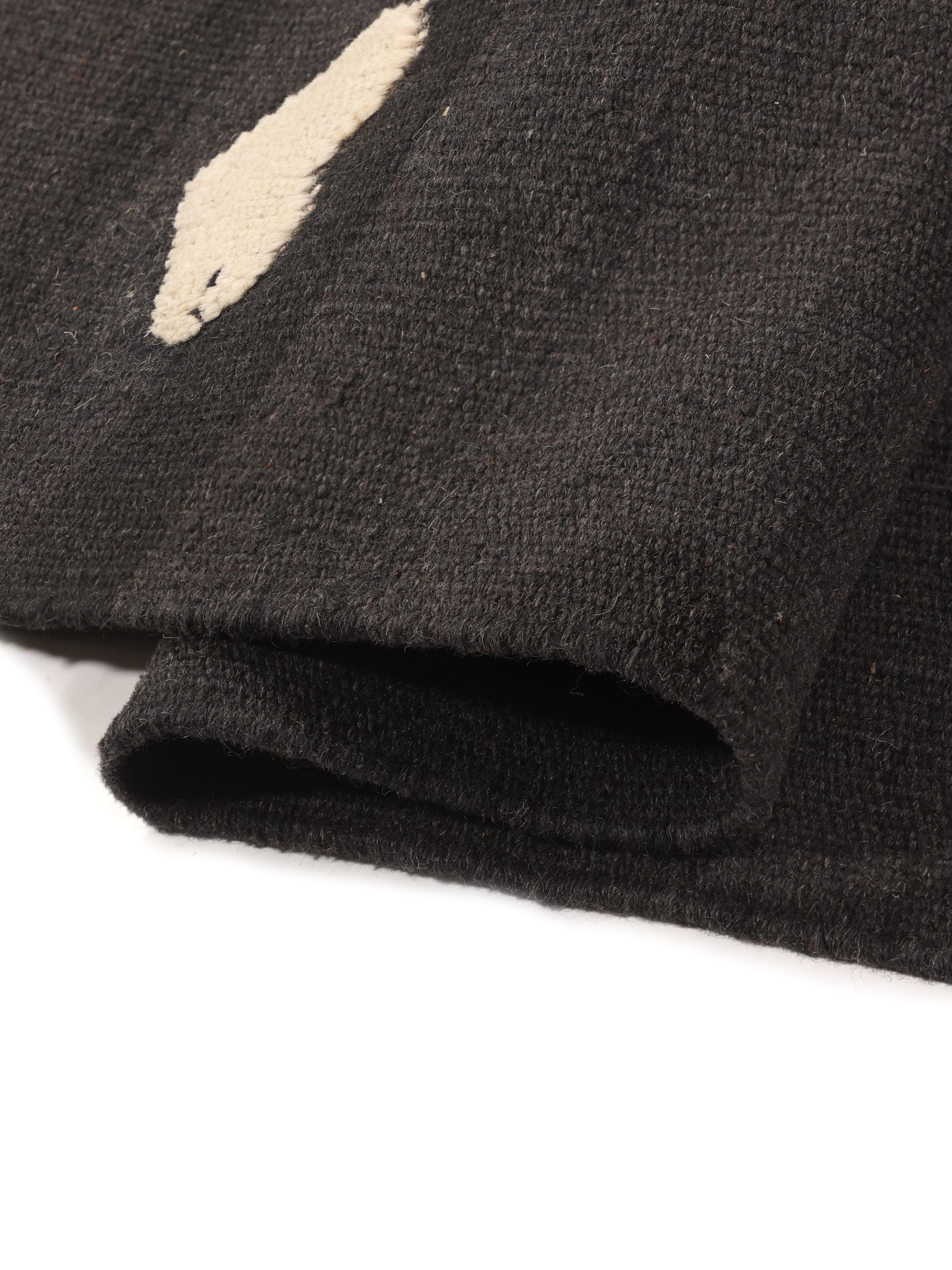
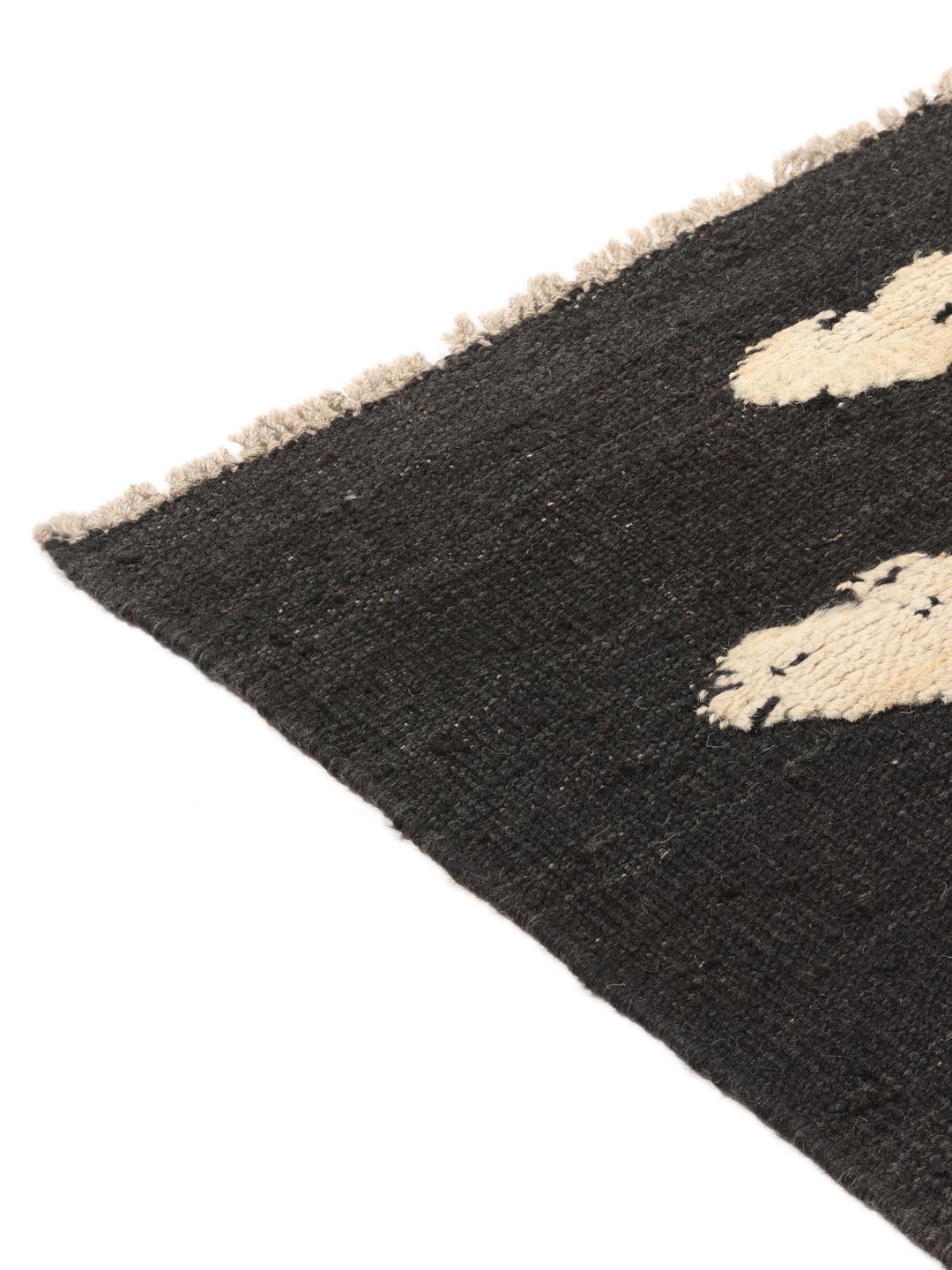
The Nimbaft tradition specifically highlights the skill of Afghan weavers who have refined these techniques over generations. The term signifies a dedication to precise, manual weaving that relies on the weaver's ability to maintain consistent tension without the aid of modern machinery. This technical mastery is what gives the rug its clean lines and structural integrity, ensuring that the finished product remains both flexible and strong.
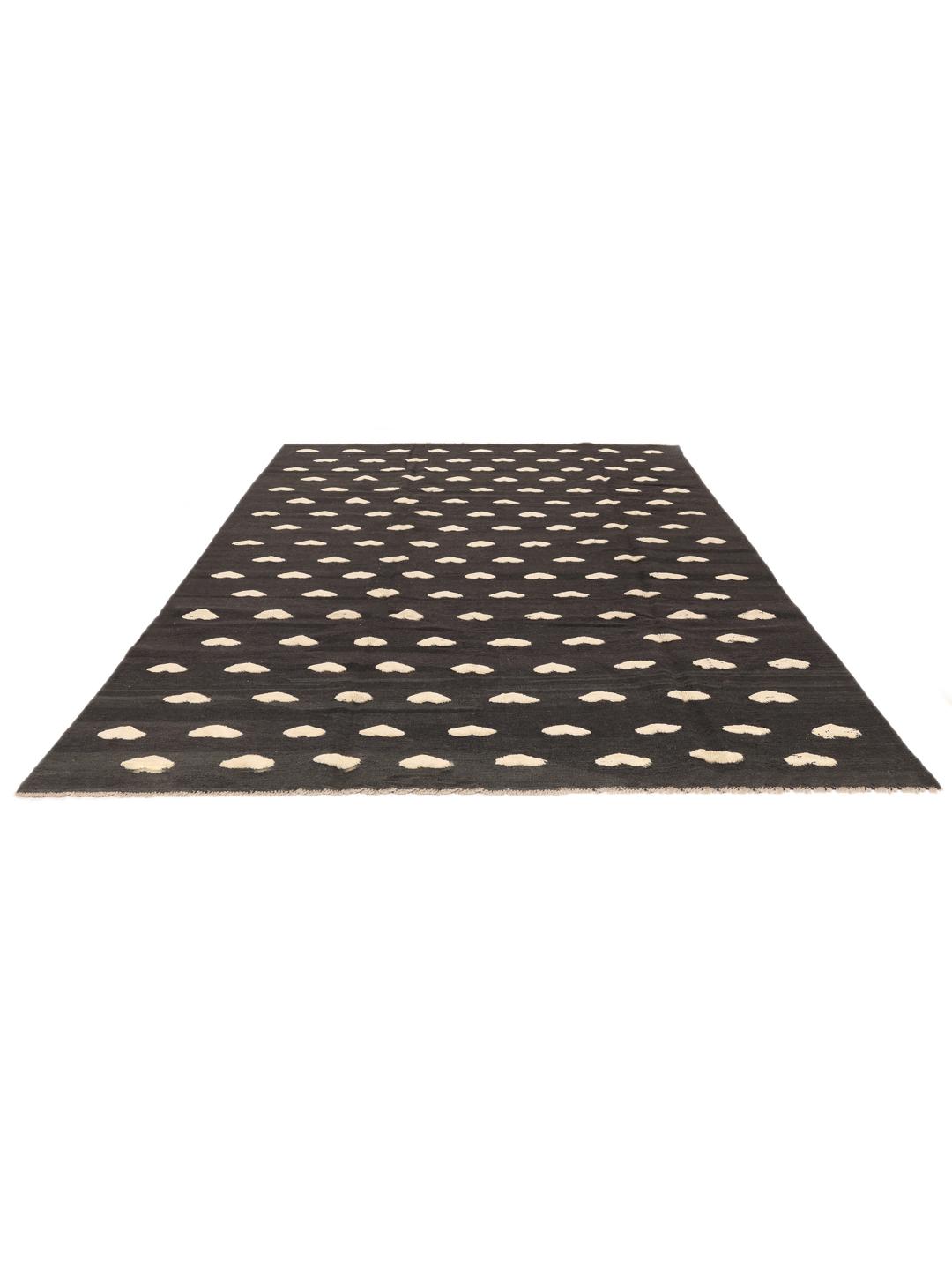
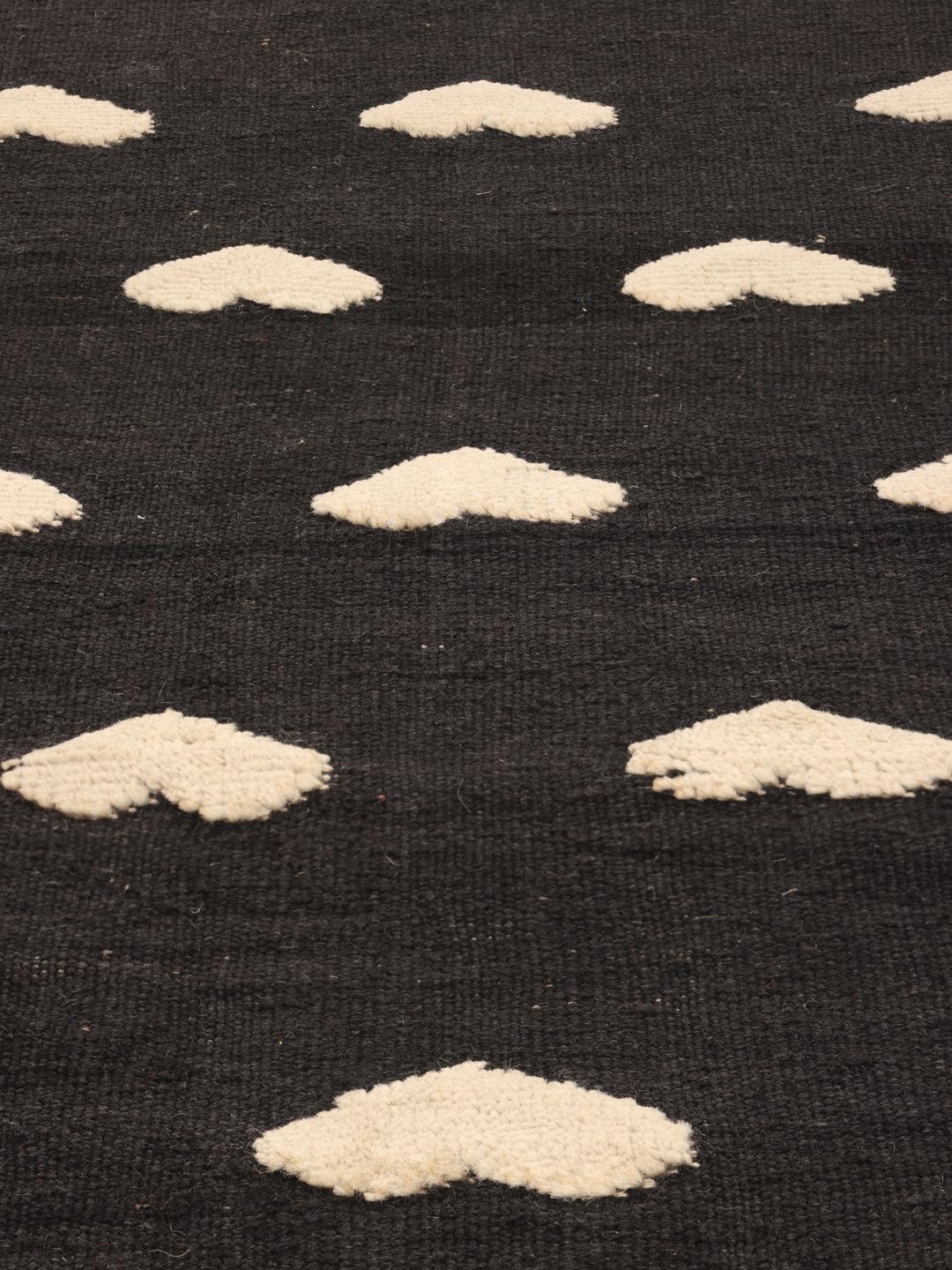
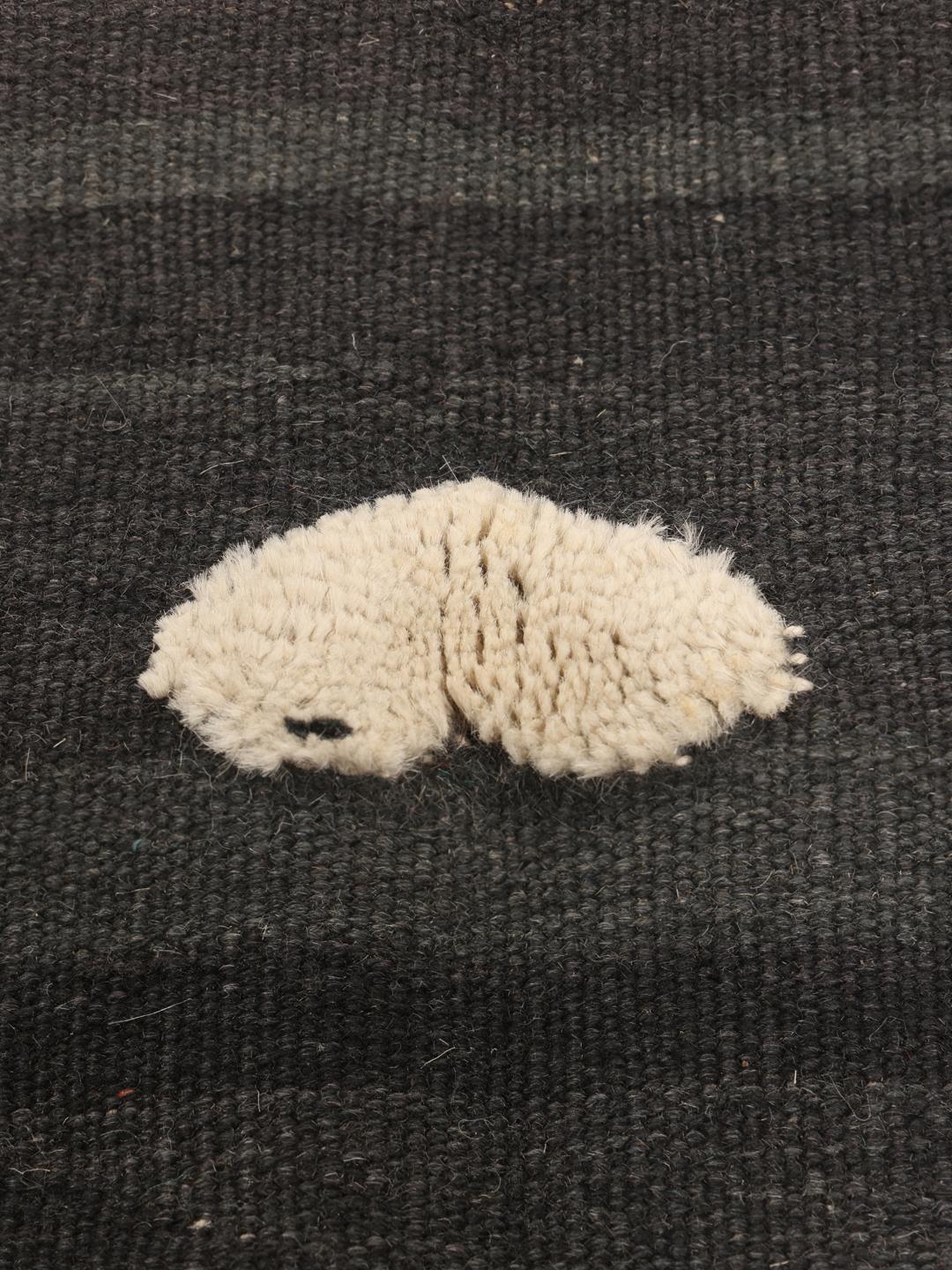
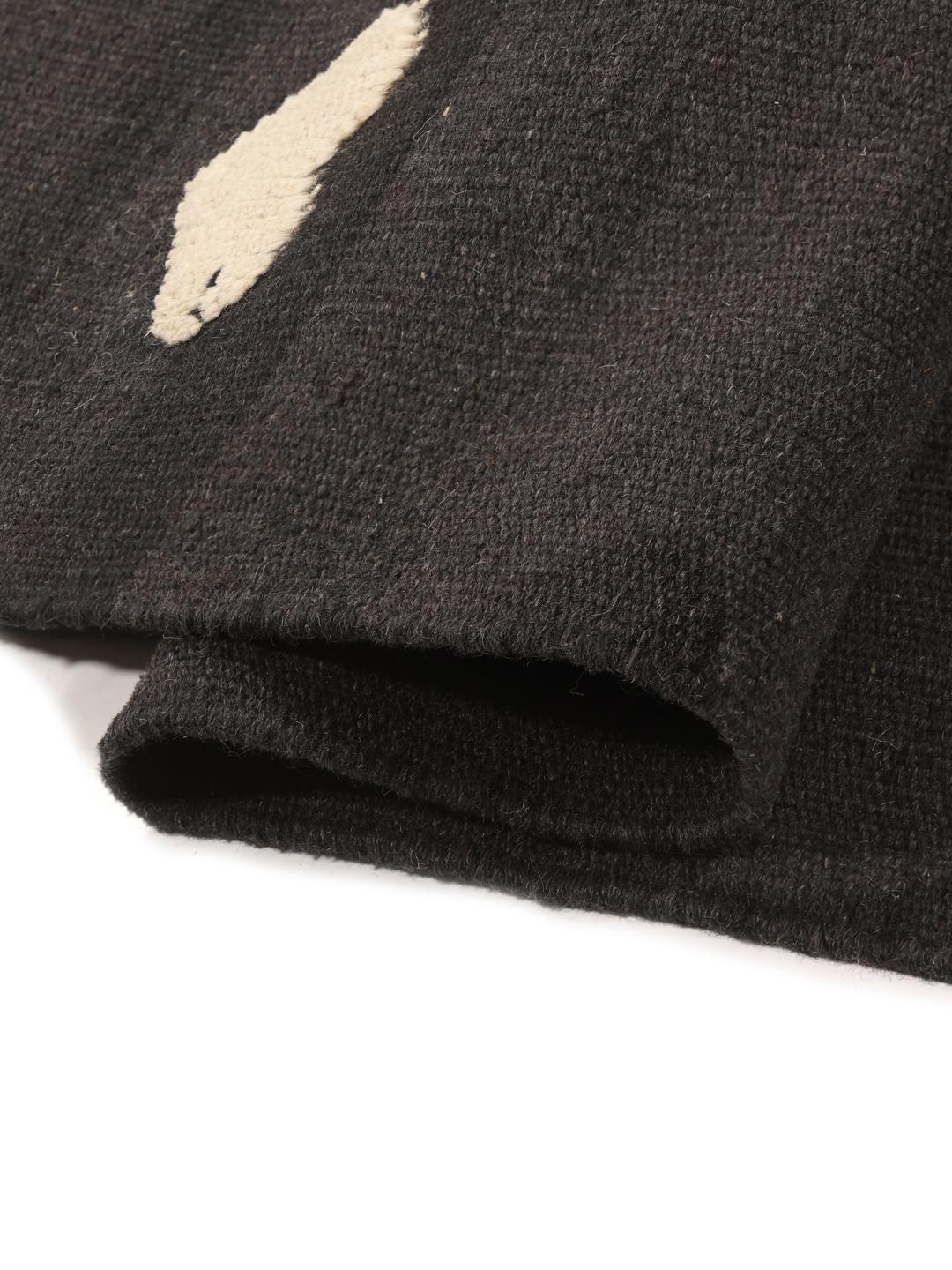
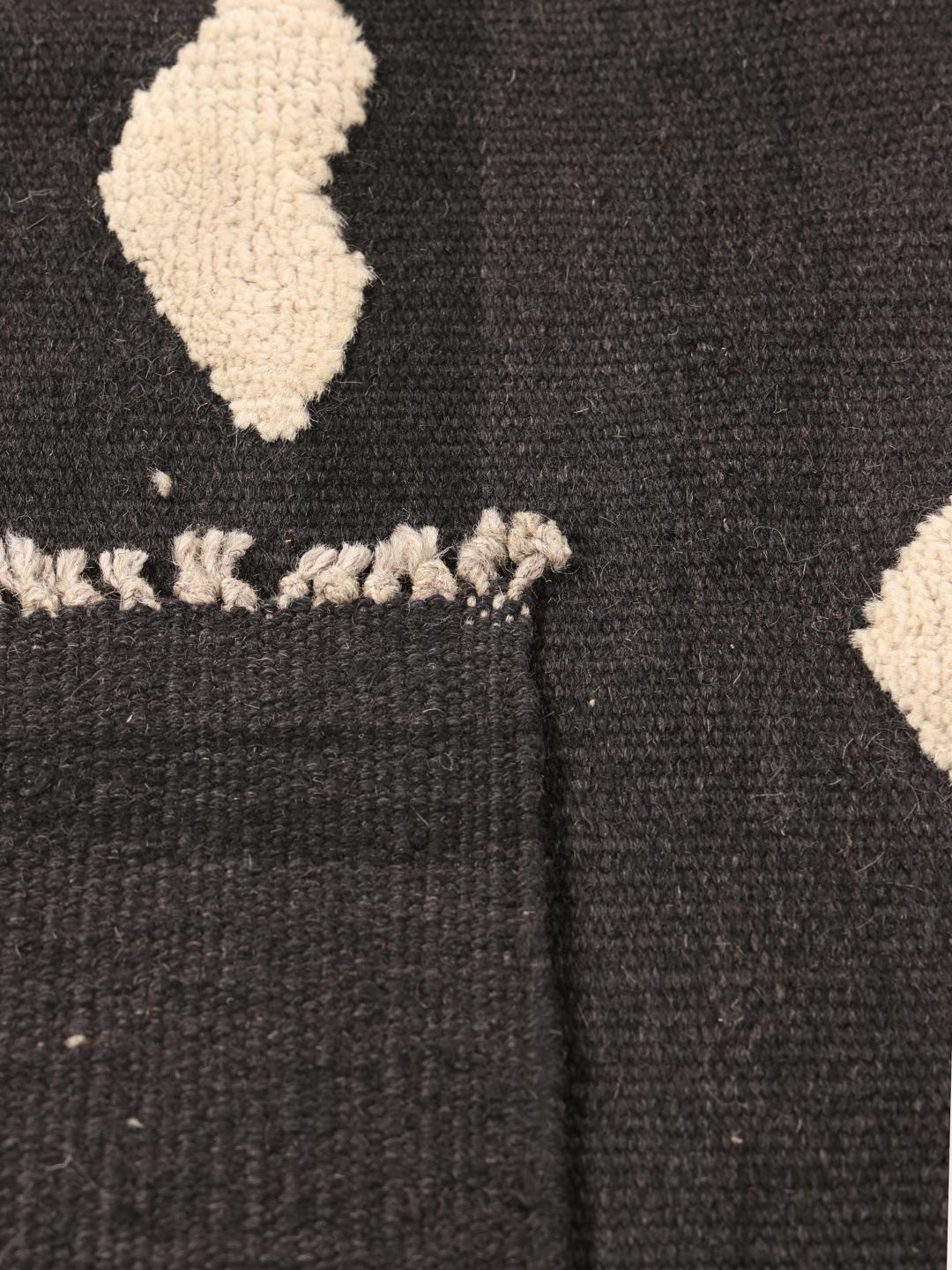
Visually, this rug stands out for its departure from more traditional, complex geometric patterns in favour of a charming heart motif. While many Kilim rugs are defined by intricate tribal symbols and serrated diamonds, the use of a simple, repeated heart pattern showcases the artistic evolution of modern Afghan weaving. The contrast between the dark, rich field and the light-toned motifs creates a bold look that remains grounded in traditional craft methods.
Owning a hand-woven piece from this region is an opportunity to connect with a rich cultural heritage. These rugs are highly valued by collectors and homeowners alike for their authenticity, the immense skill required to produce them, and their ability to bridge the gap between historical craft and contemporary interior needs. By bringing a Nimbaft into your home, you are choosing a piece that embodies both cultural weight and enduring quality.