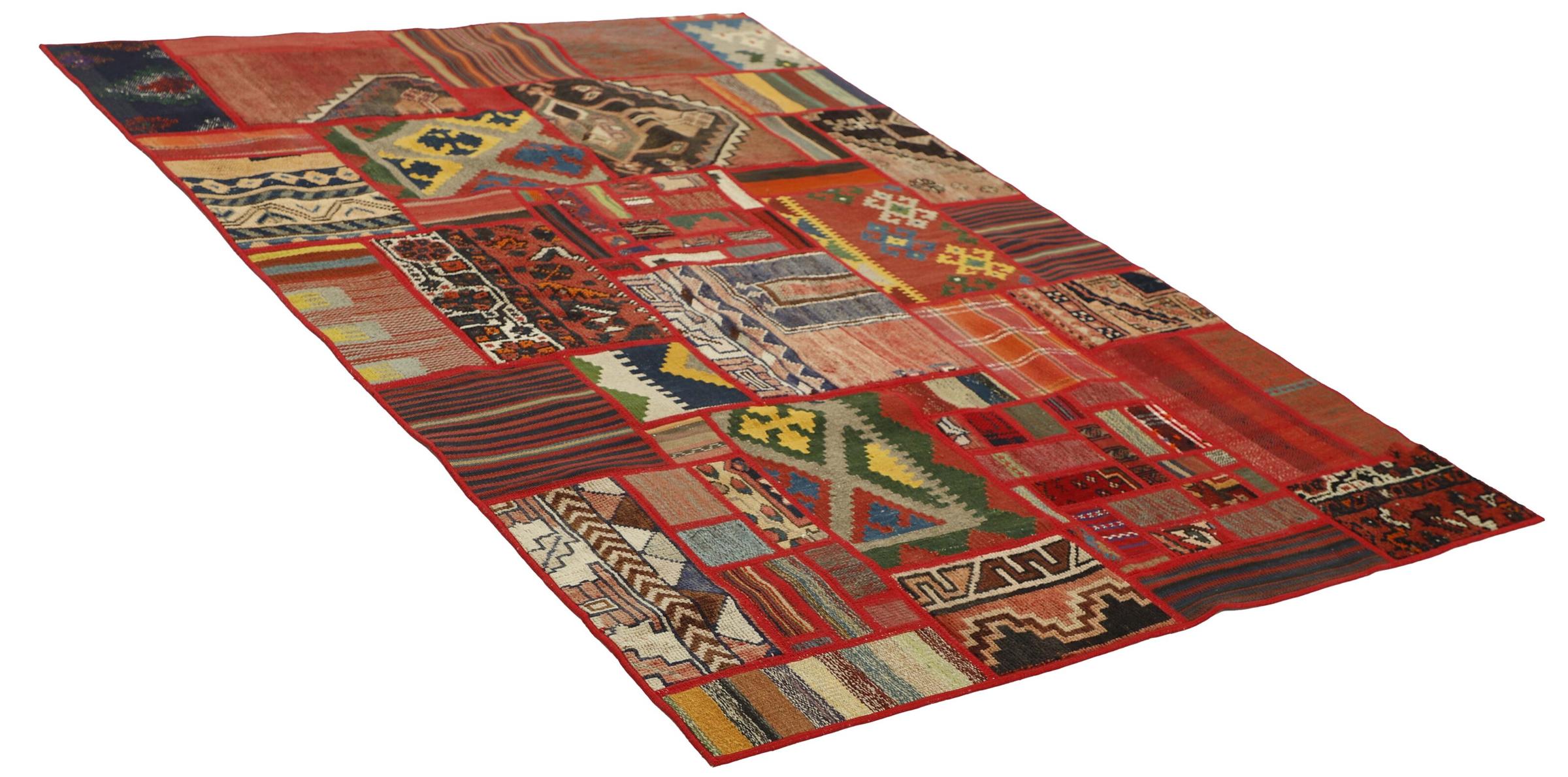
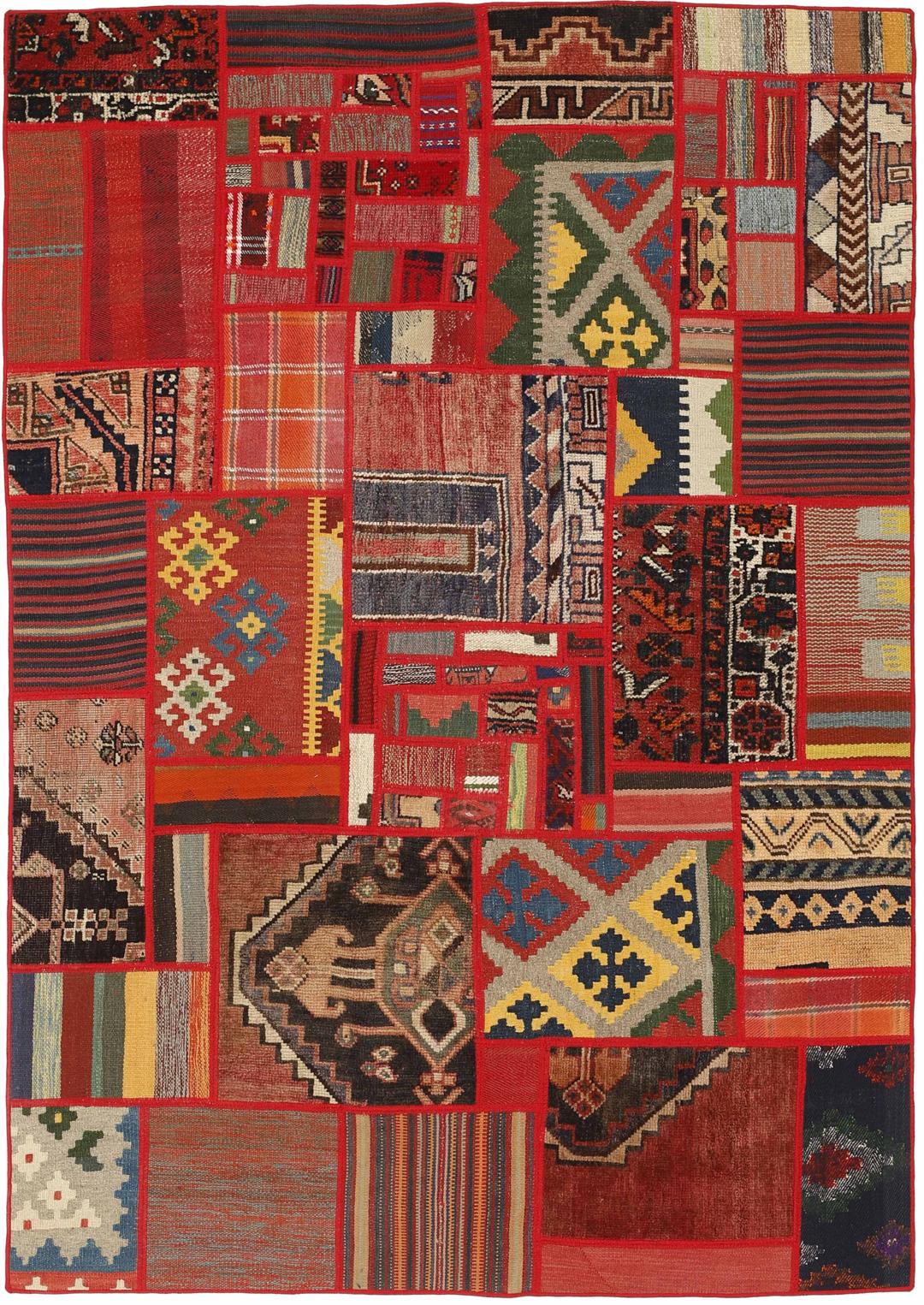
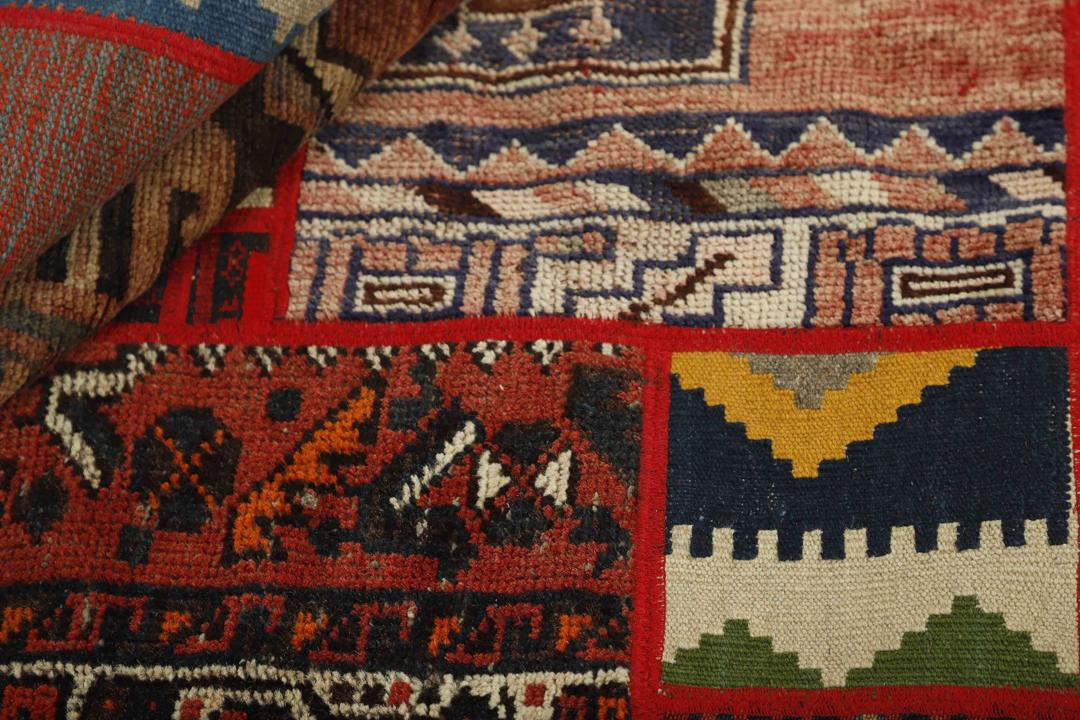
Patchwork rugs draw upon a rich lineage of textile recycling and resourcefulness found across Middle Eastern weaving communities. Historically, when traditional flatwoven kelims suffered wear or damage in specific areas, families would salvage the surviving intact sections to repurpose them into smaller functional items or new floor coverings. This tradition of giving treasured textiles a second life has evolved into a sophisticated craft in its own right, preserving fragments of history that might otherwise have been lost.
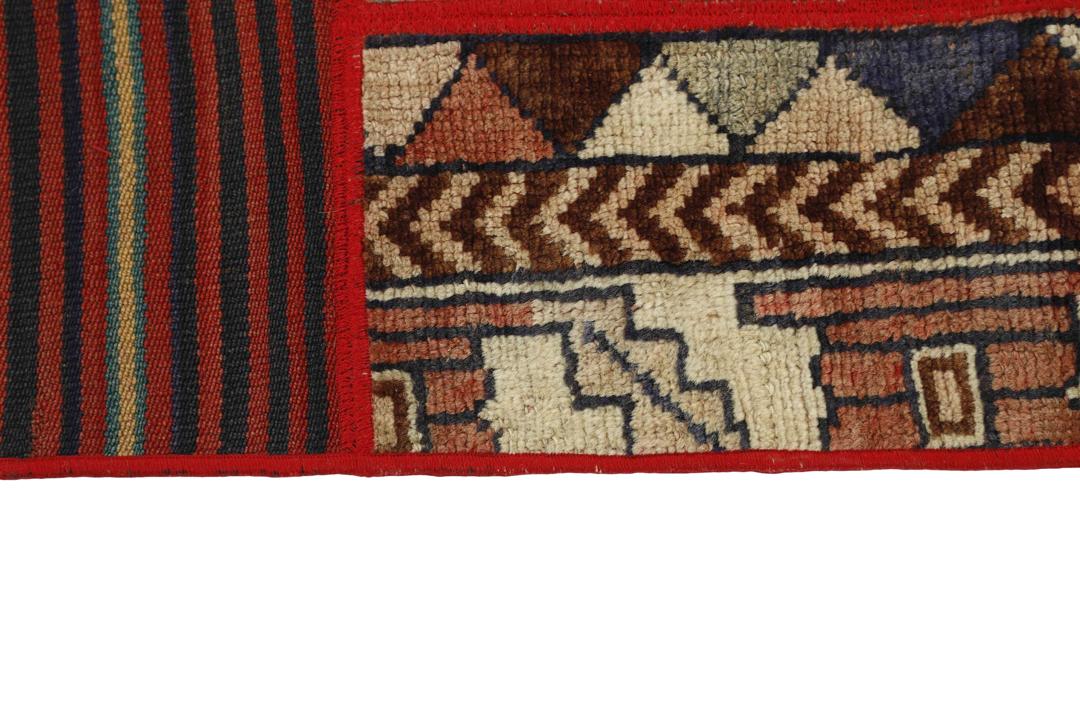
The term flatwoven describes a textile produced without a knotted pile, created instead by tightly interlacing warp and weft threads on a loom to form a smooth, durable fabric. This flat construction method results in a lightweight yet exceptionally sturdy rug that lies flat against the floor. By combining numerous distinct flatwoven panels into a single composition, artisans create a dynamic interplay of textures and weave structures that highlights the versatility of traditional looms.
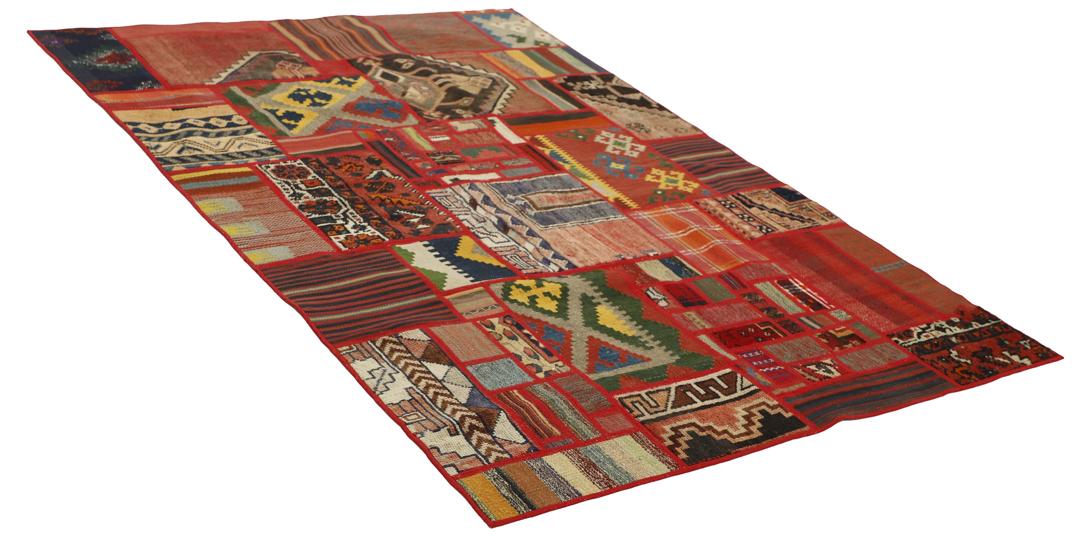
Visually, this rug is a celebration of diverse regional motifs, featuring geometric medallions, striped borders, and symbolic tribal markers borrowed from various nomadic and village weaving traditions. Each patch displays unique dye lots derived from natural sources, resulting in a vibrant palette where earthy reds and deep blues mingle with warm accents. When different regional styles are juxtaposed within one composition, they create a visual dialogue that bridges multiple craft histories.
Collecting a vintage patchwork piece is an appreciation of heritage, sustainability, and human ingenuity. It allows you to invite multiple stories into your home under a single unified design, celebrating the resilience of natural fibers and the resourcefulness of traditional makers. Owning such a textile means preserving a fragment of cultural history while enjoying a deeply individual work of art on your floor.