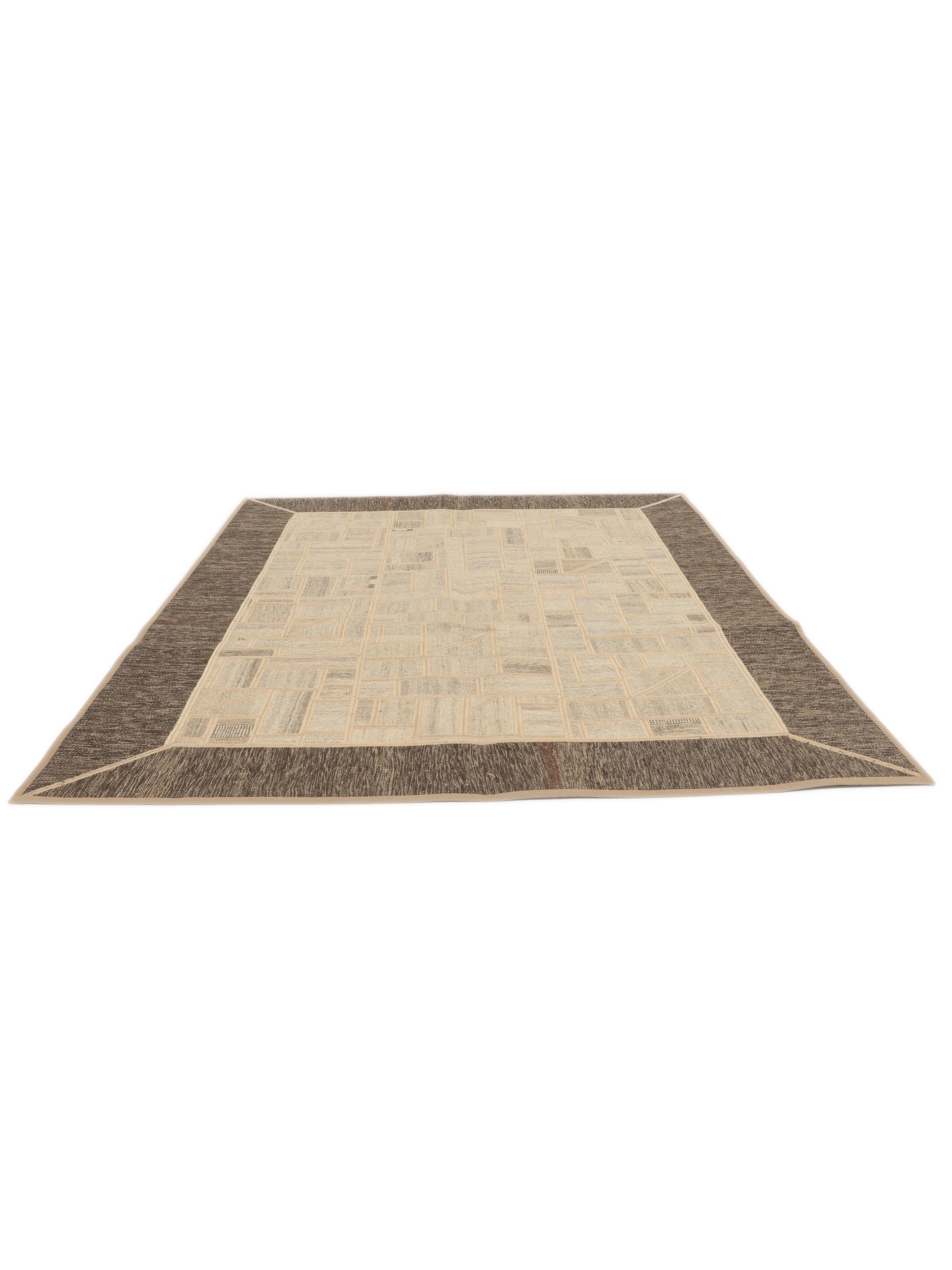
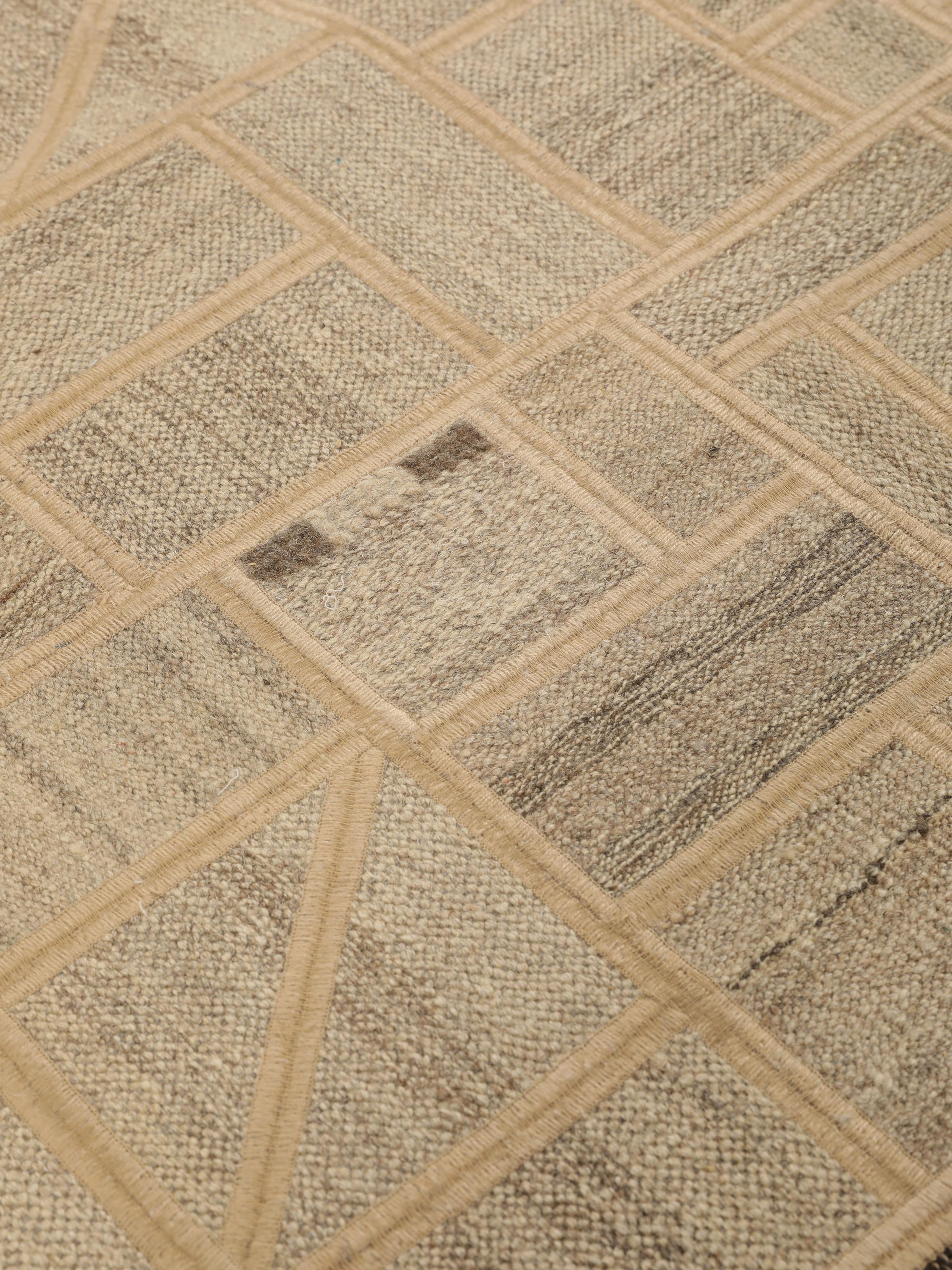
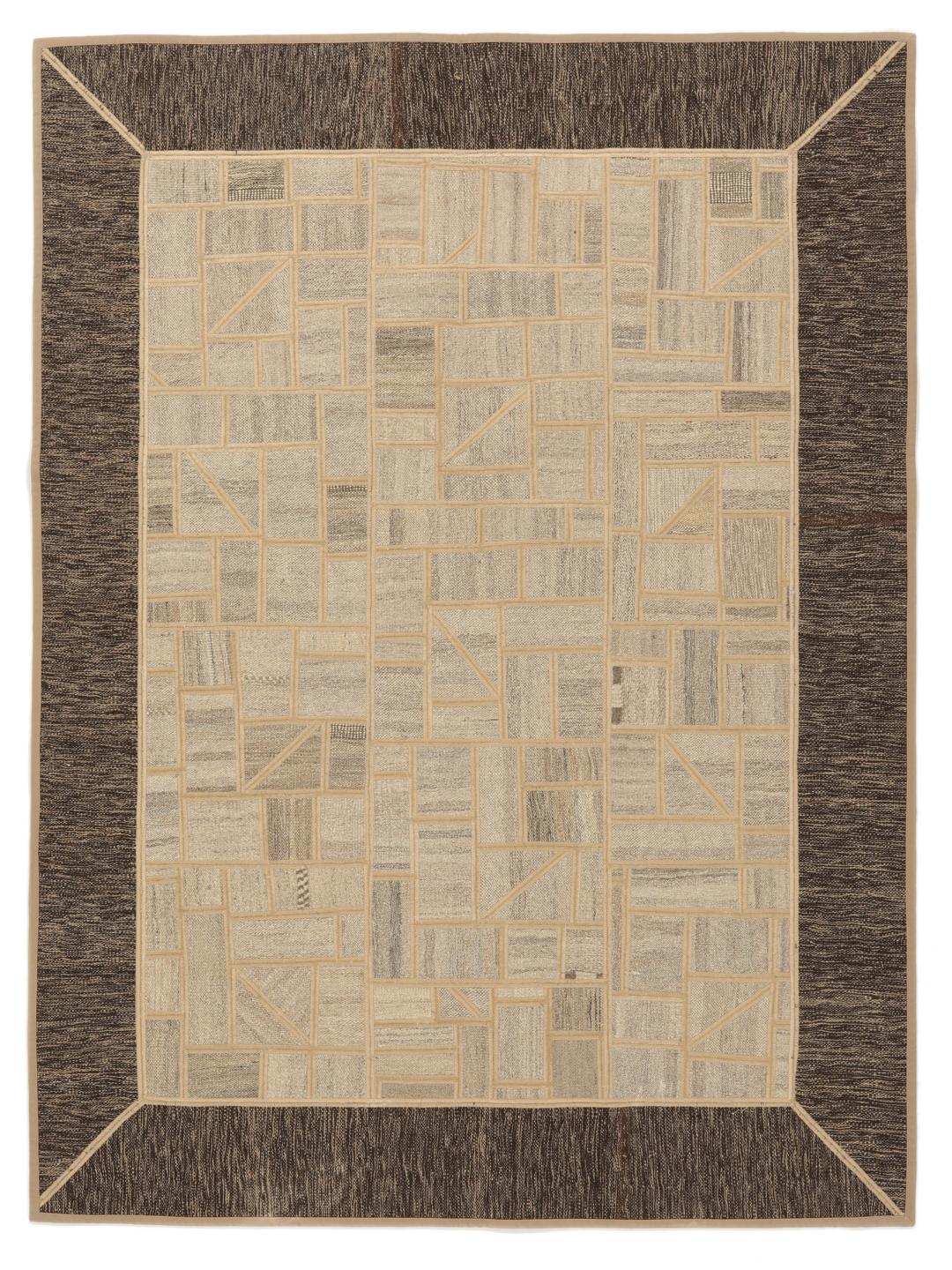
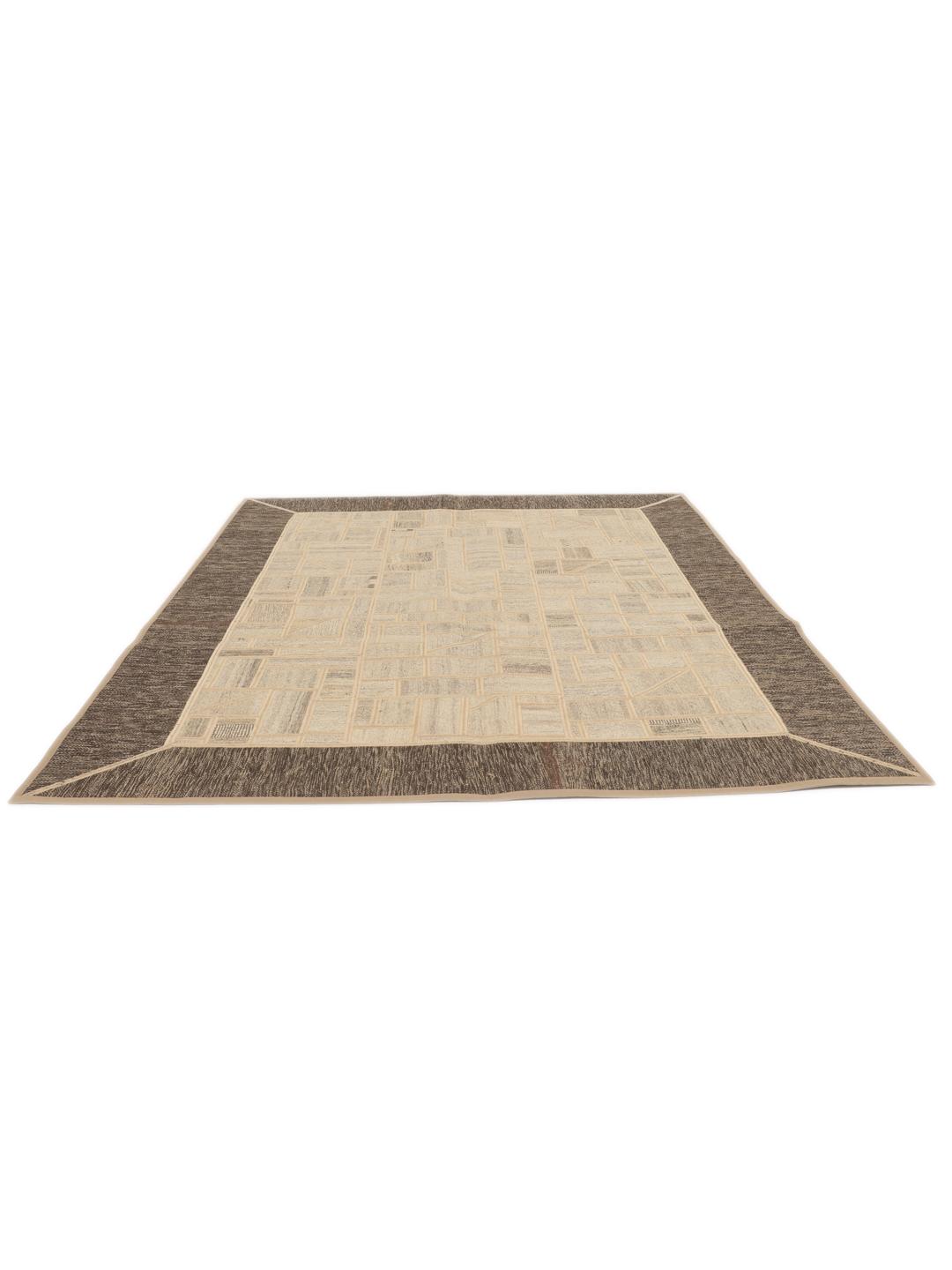
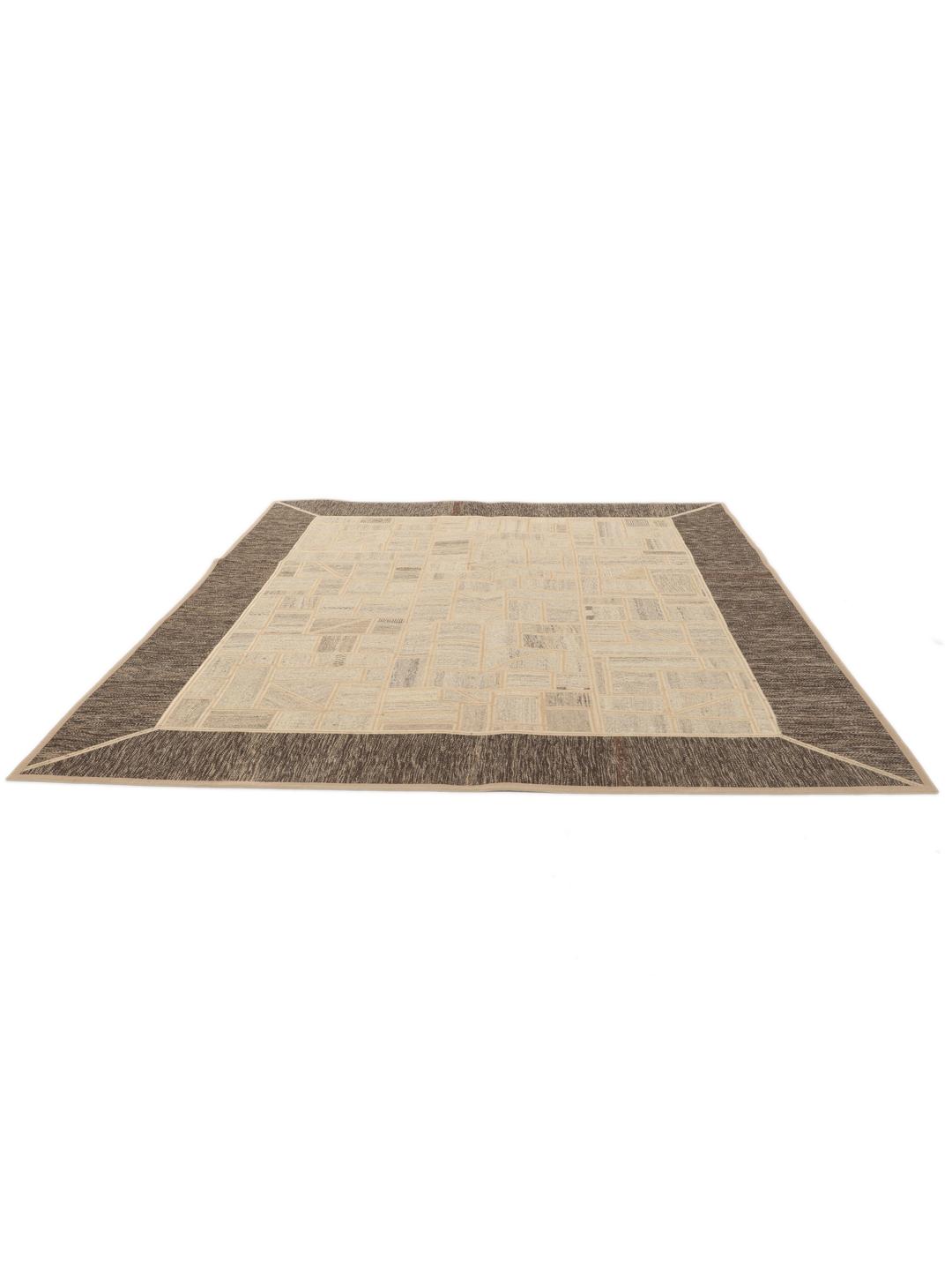
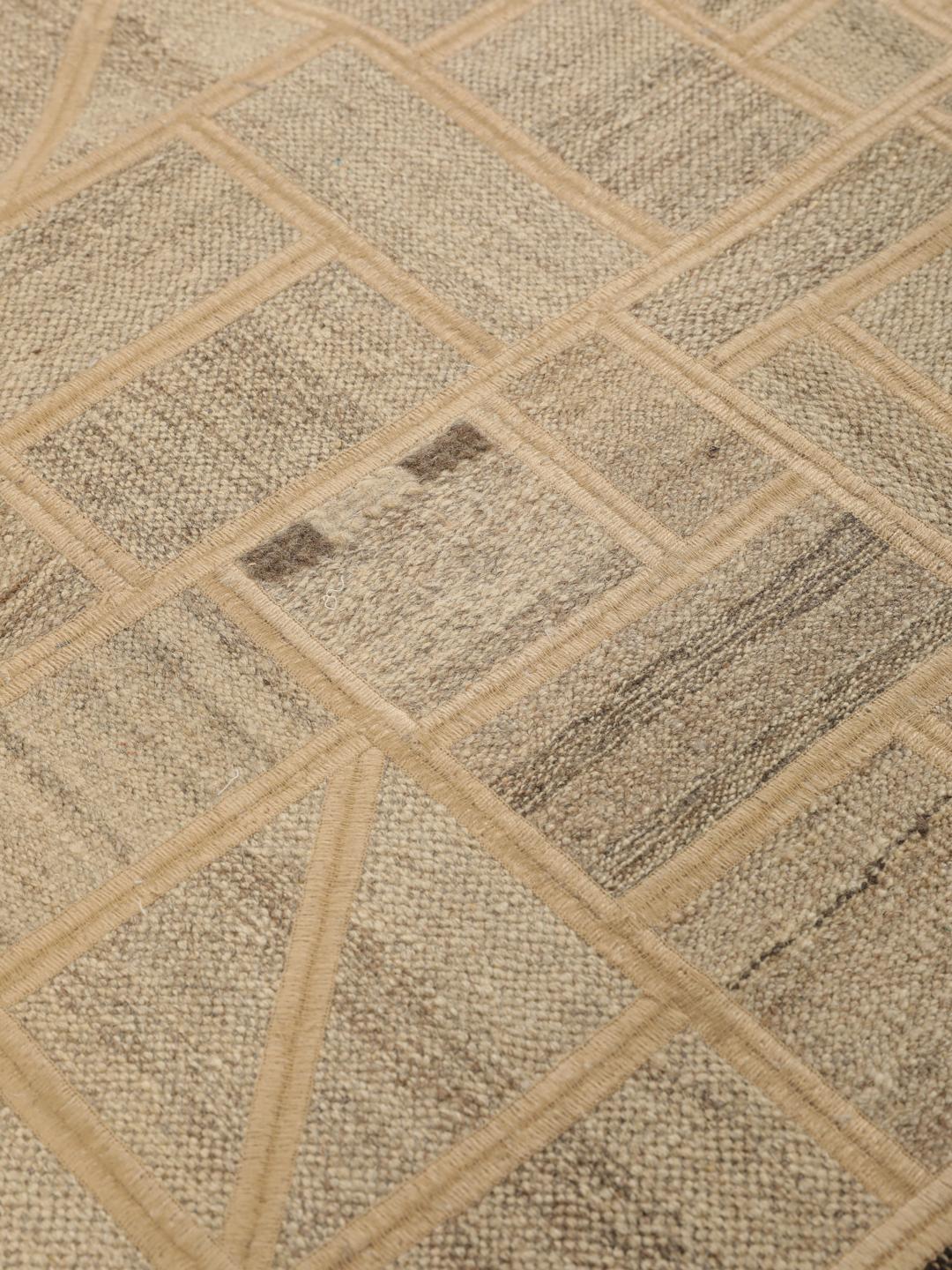
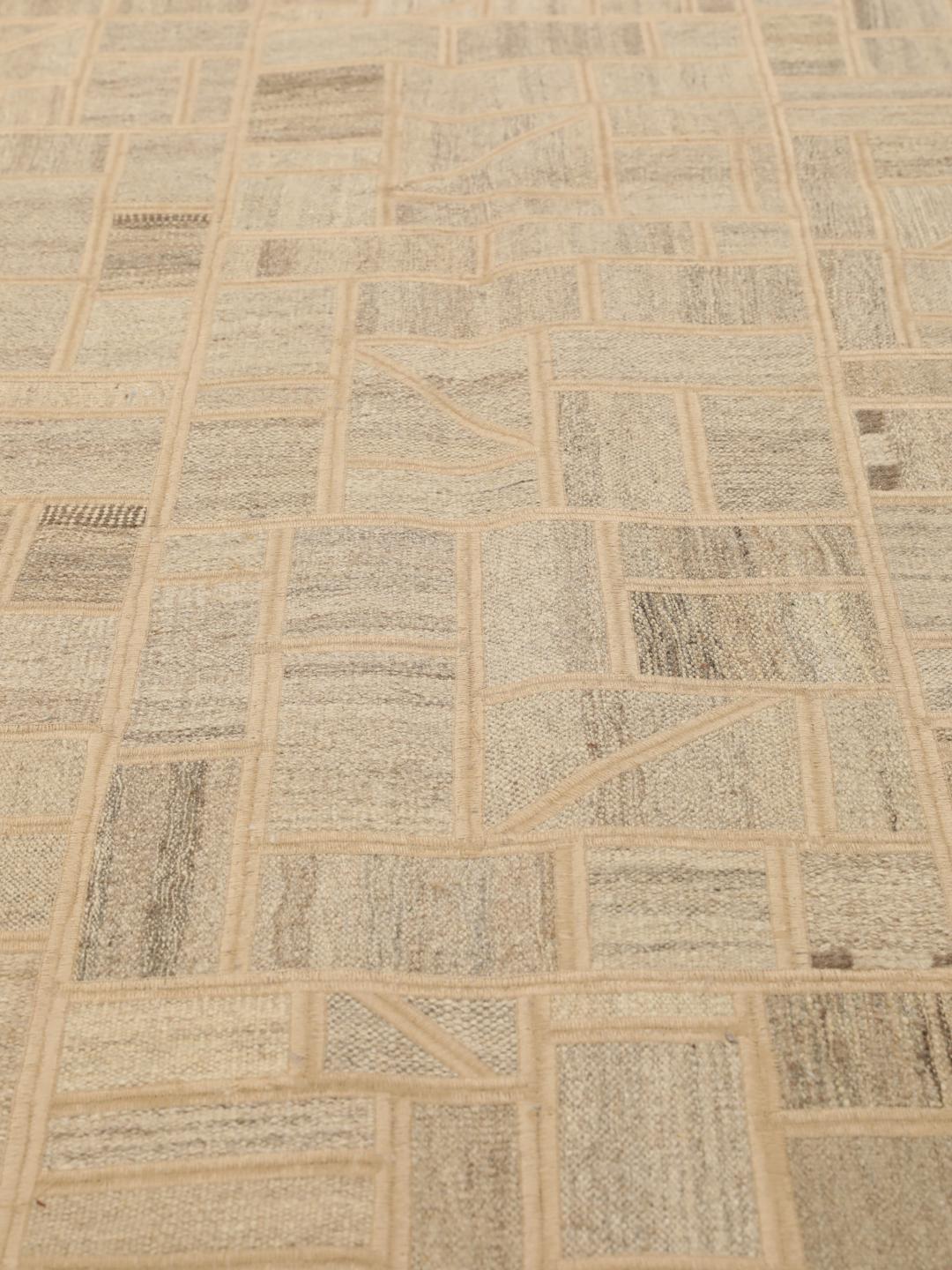
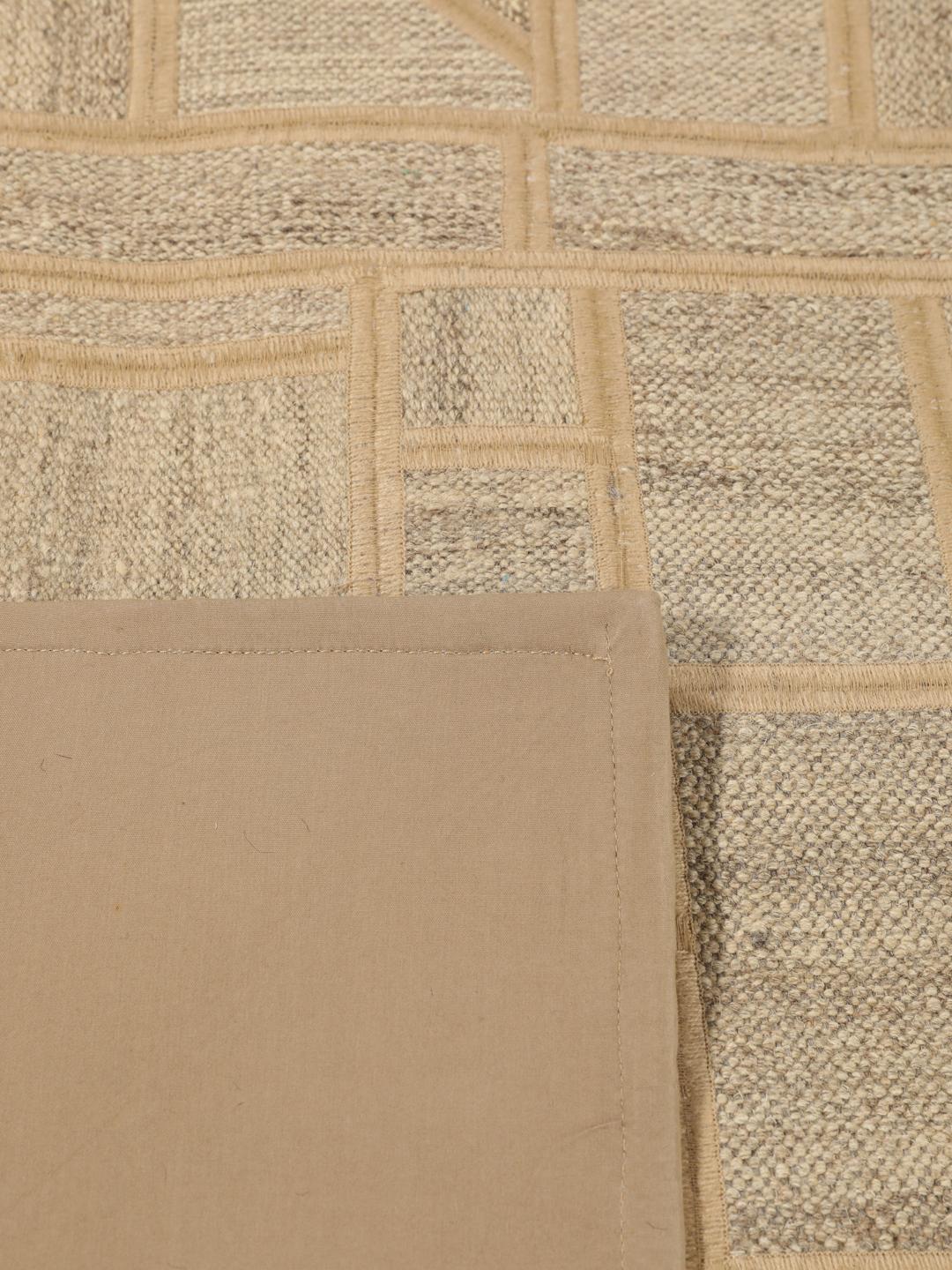
The art of patchwork rug-making is a resourceful and creative tradition that celebrates the longevity of textiles. Rooted in the nomadic and village cultures of the Middle East, this practice involves repurposing fragments of older, hand-woven kilims that have reached the end of their original life but still possess vibrant character. By carefully selecting these remnants, artisans give new purpose to pieces that would otherwise be lost, transforming them into fresh, contemporary designs.
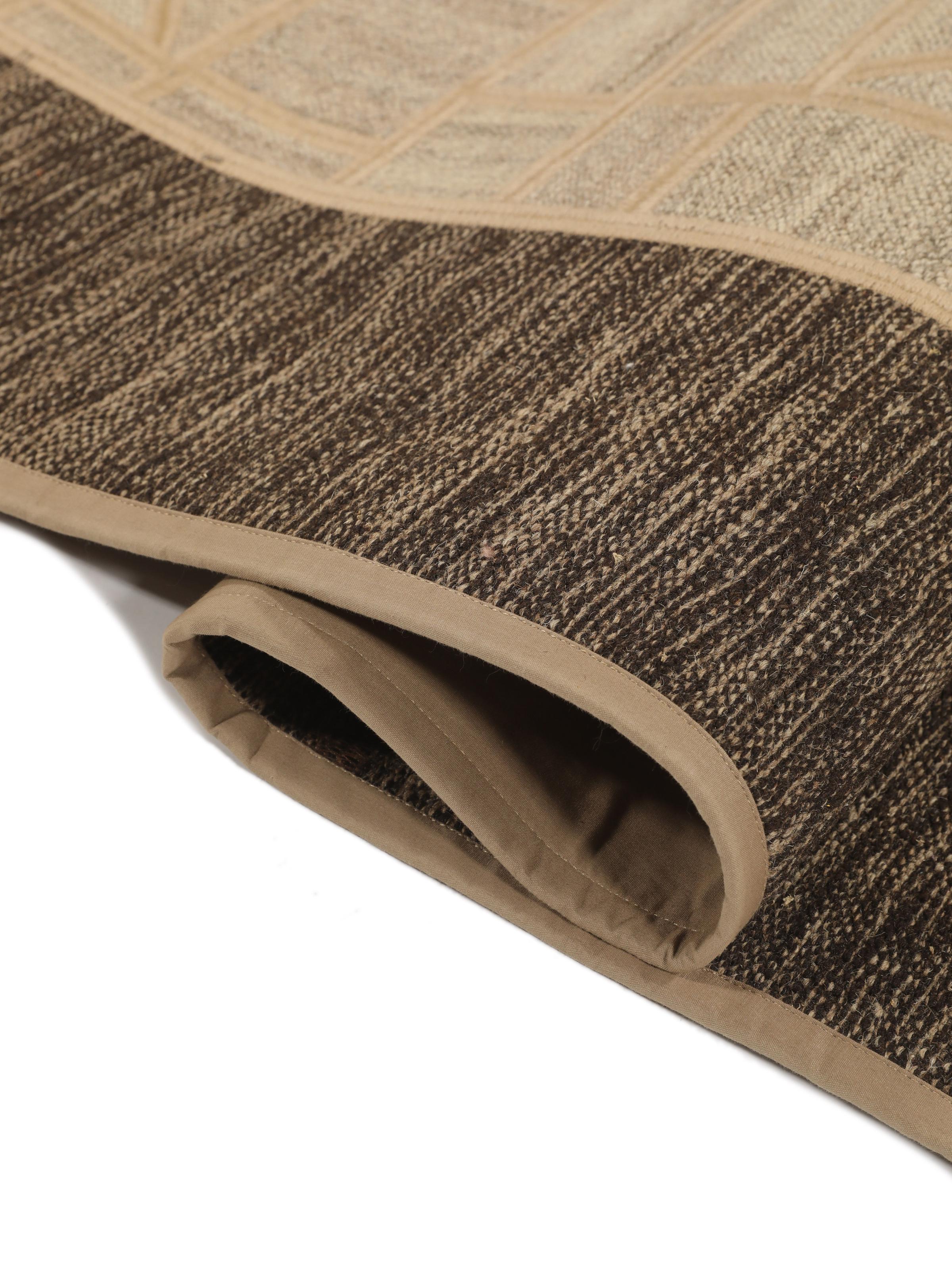
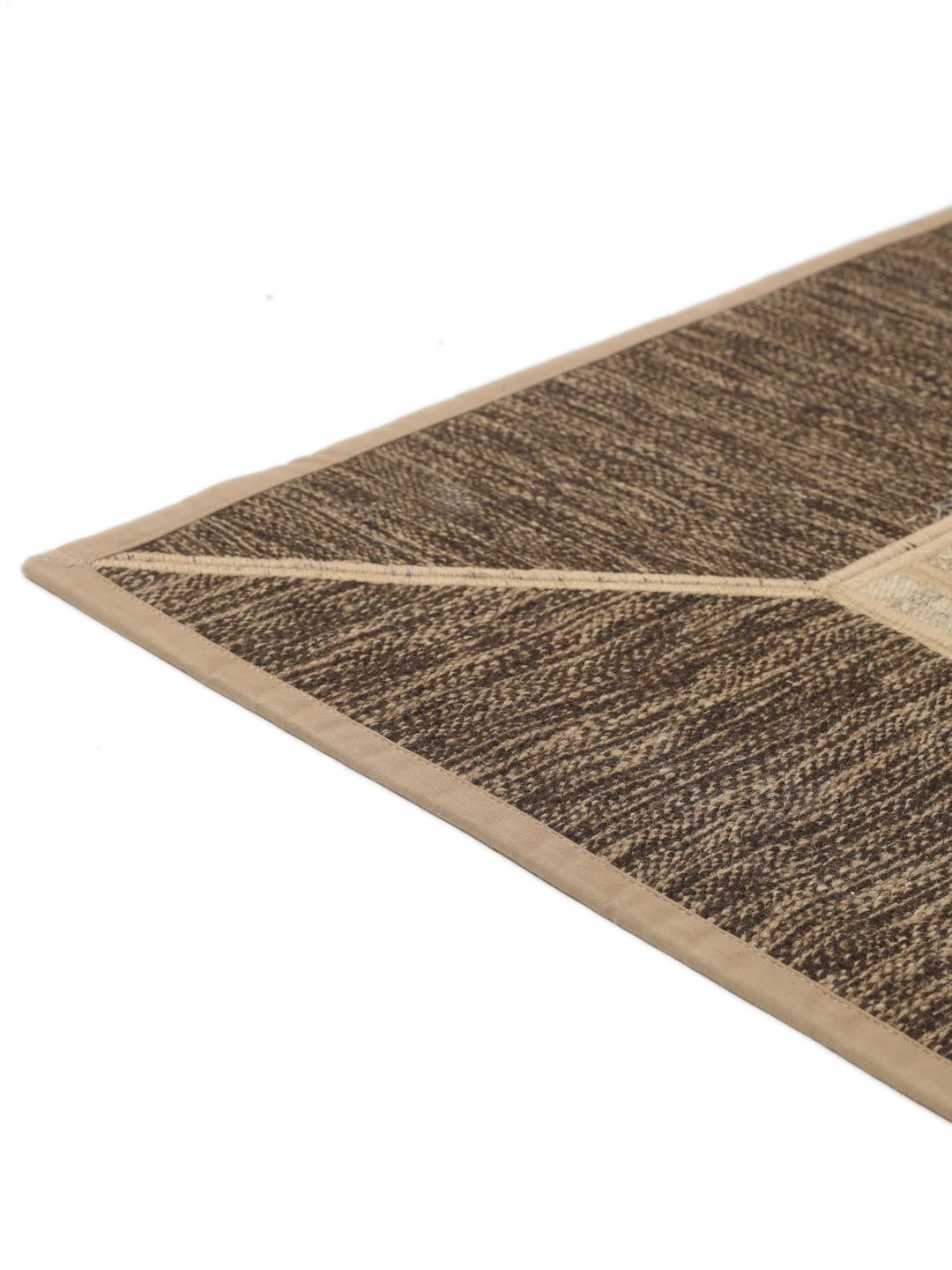
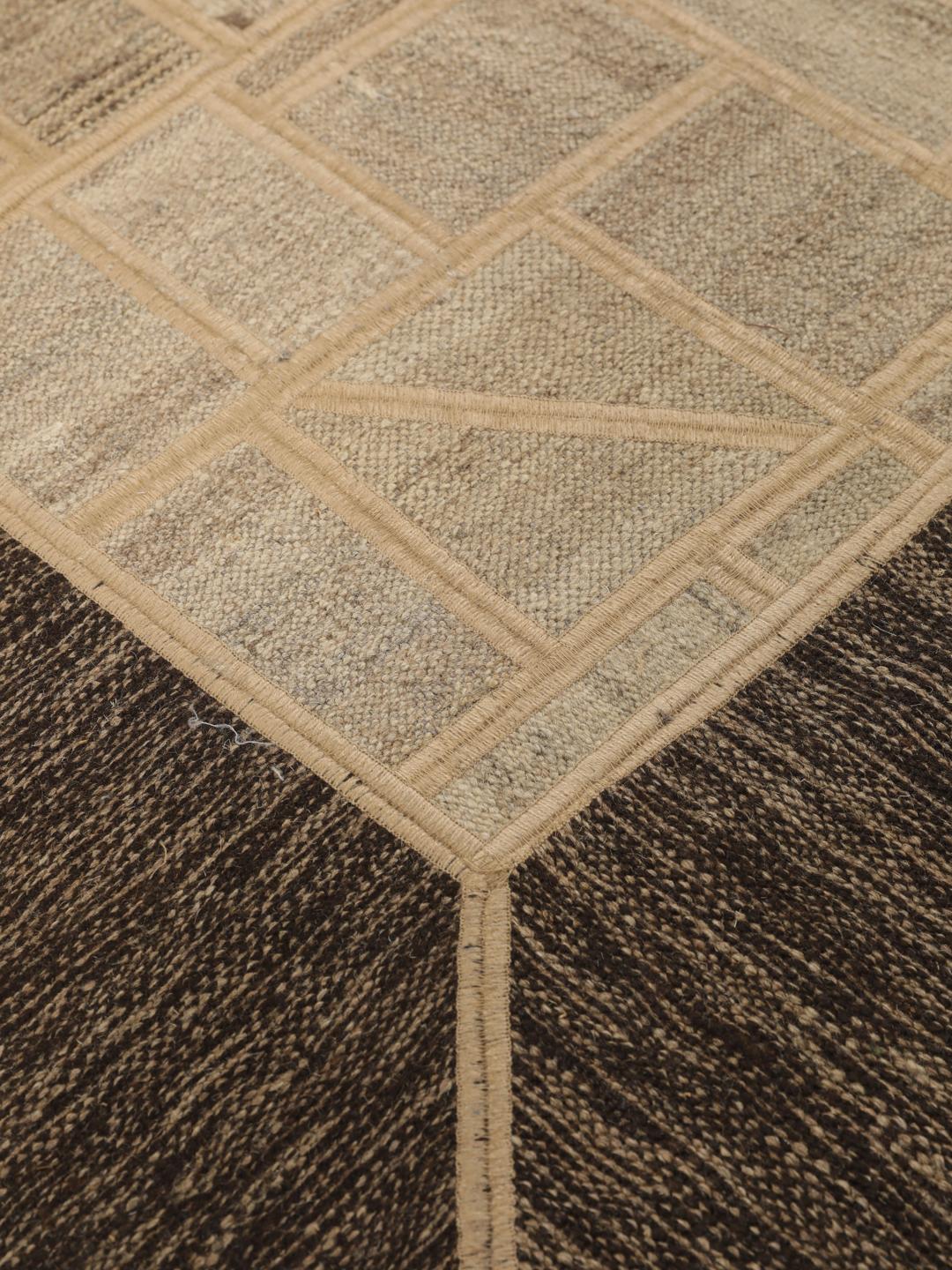
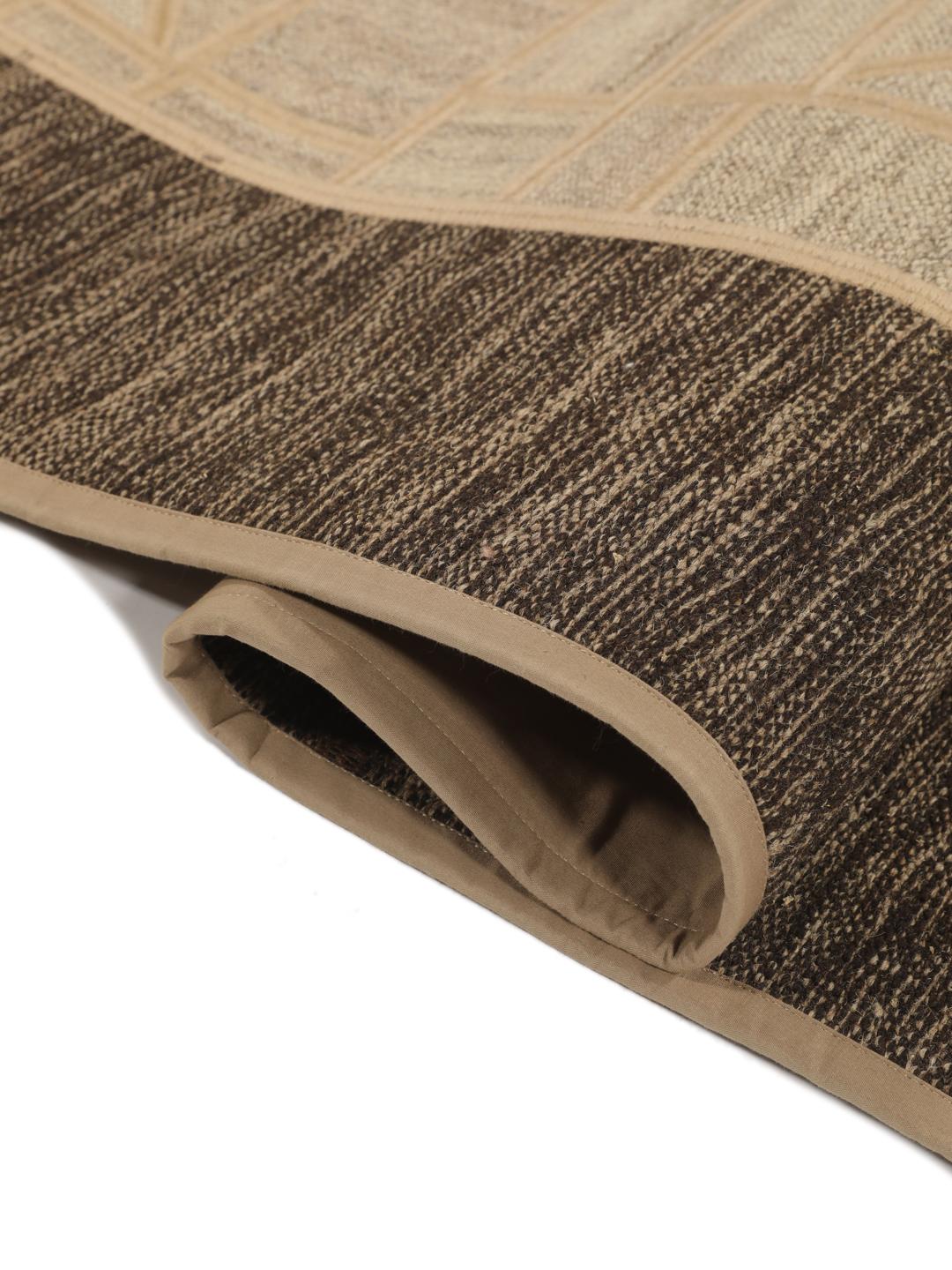
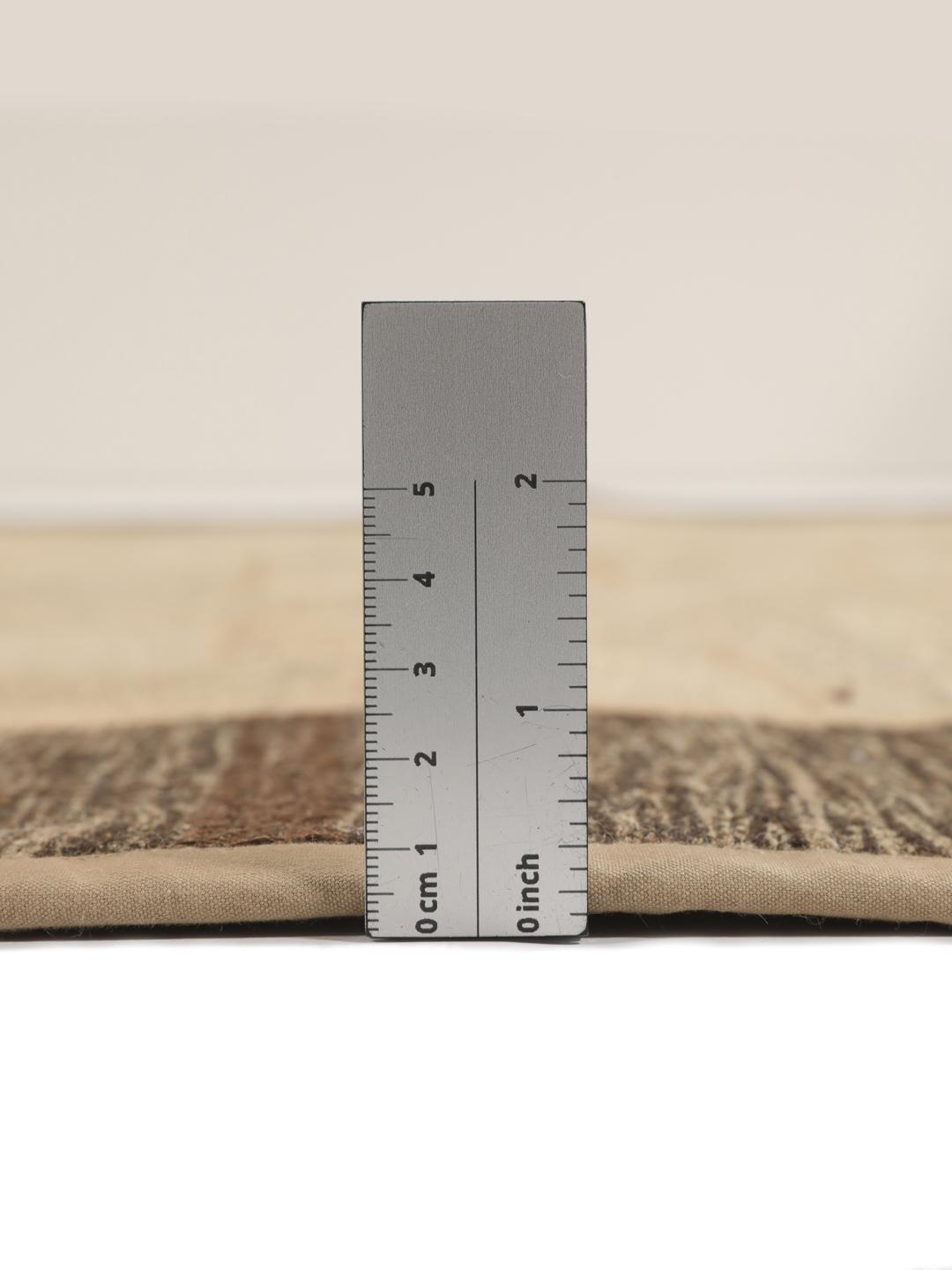
A kilim is a flat-woven textile, meaning it is crafted without the pile typically associated with knotted rugs. This results in a thinner, lighter, and highly versatile piece that has been a staple of Middle Eastern households for generations. The evolution of the patchwork style reflects a modern appreciation for this ancient craft, allowing the intricate, traditional patterns of individual kilim fragments to be appreciated in a new, unified context.
The design language of these rugs is defined by the contrast and juxtaposition of different weaving styles and colour palettes. While each patch may have its own origin and history, the final assembly creates a geometric harmony that feels both intentional and organic. The presence of diverse motifs within a single border creates a visual journey across the surface, highlighting the immense variety of weaving traditions present in the region.
Collecting a patchwork rug is an investment in cultural heritage and sustainable craftsmanship. These pieces are valued not only for their aesthetic uniqueness but for the skill required to curate and assemble them into a balanced composition. Owning one means holding a piece of textile art that bridges the gap between ancient weaving techniques and modern interior design, ensuring that these traditions continue to thrive in contemporary homes.