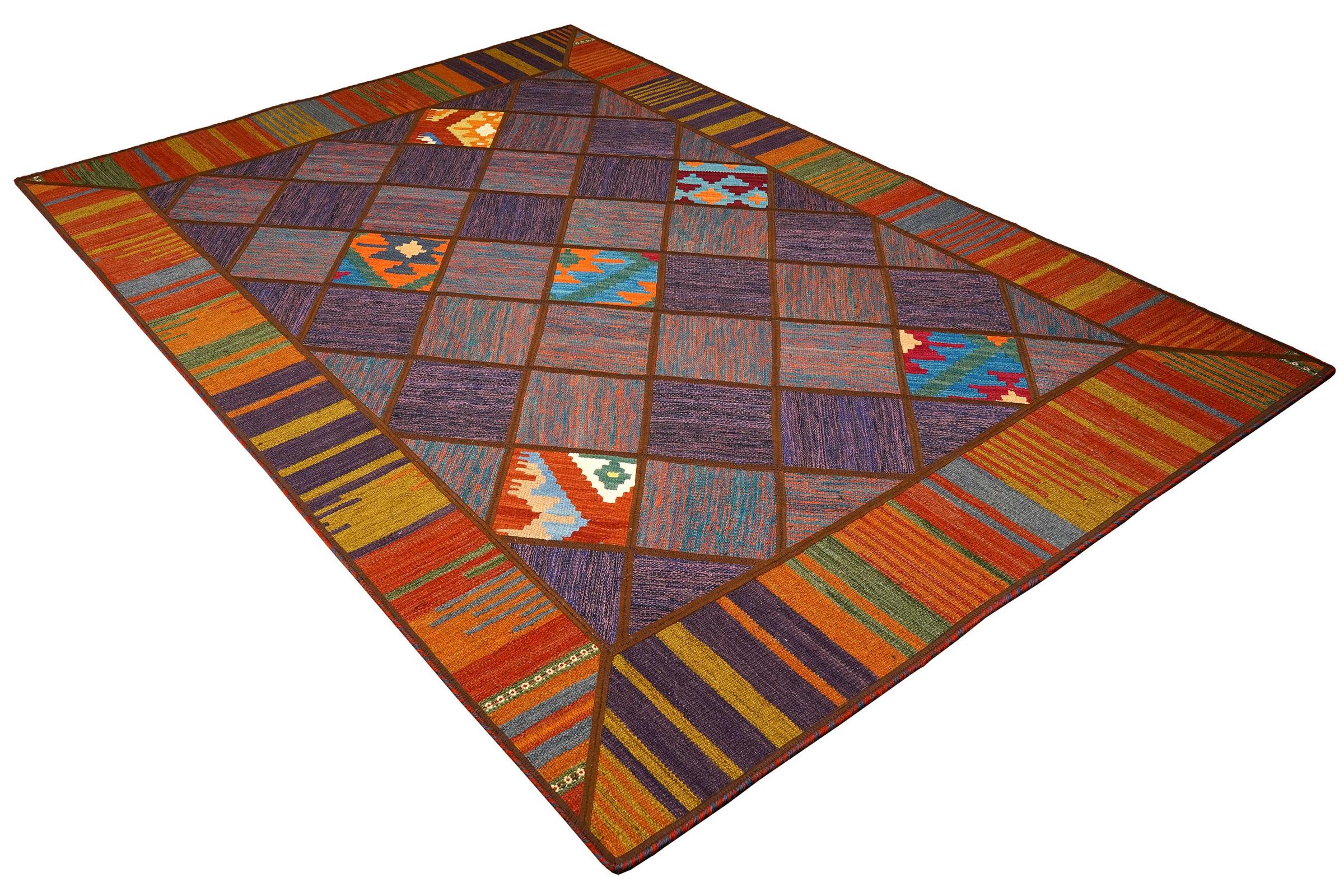
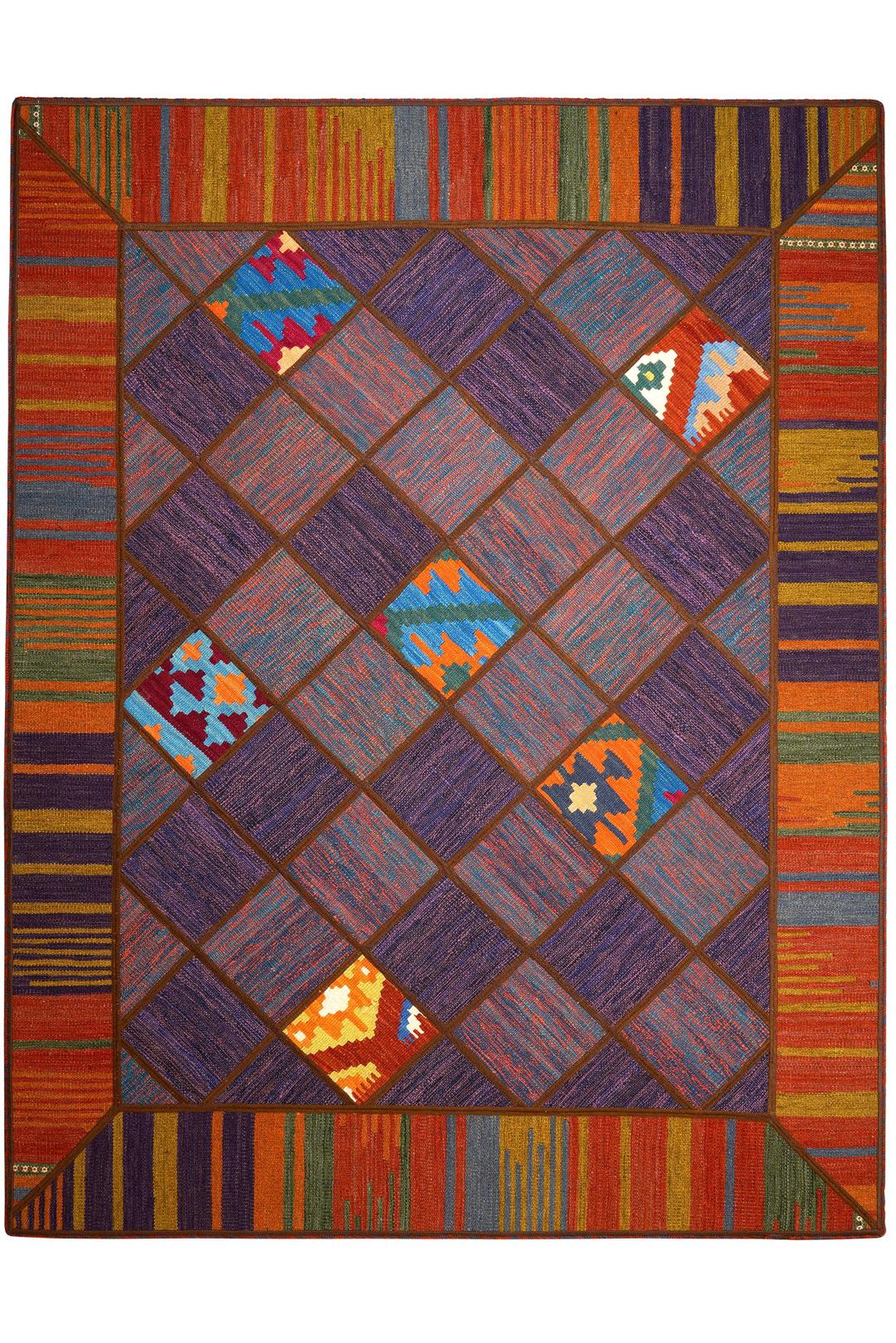
The art of the kilim is deeply rooted in the cultural heritage of Turkey and the broader Middle Eastern region. Historically, these flat-woven rugs were essential functional items for nomadic tribes, used as floor coverings, blankets, and storage sacks. The craft has evolved over centuries, with each region developing its own distinct motifs, colour palettes, and weaving traditions.
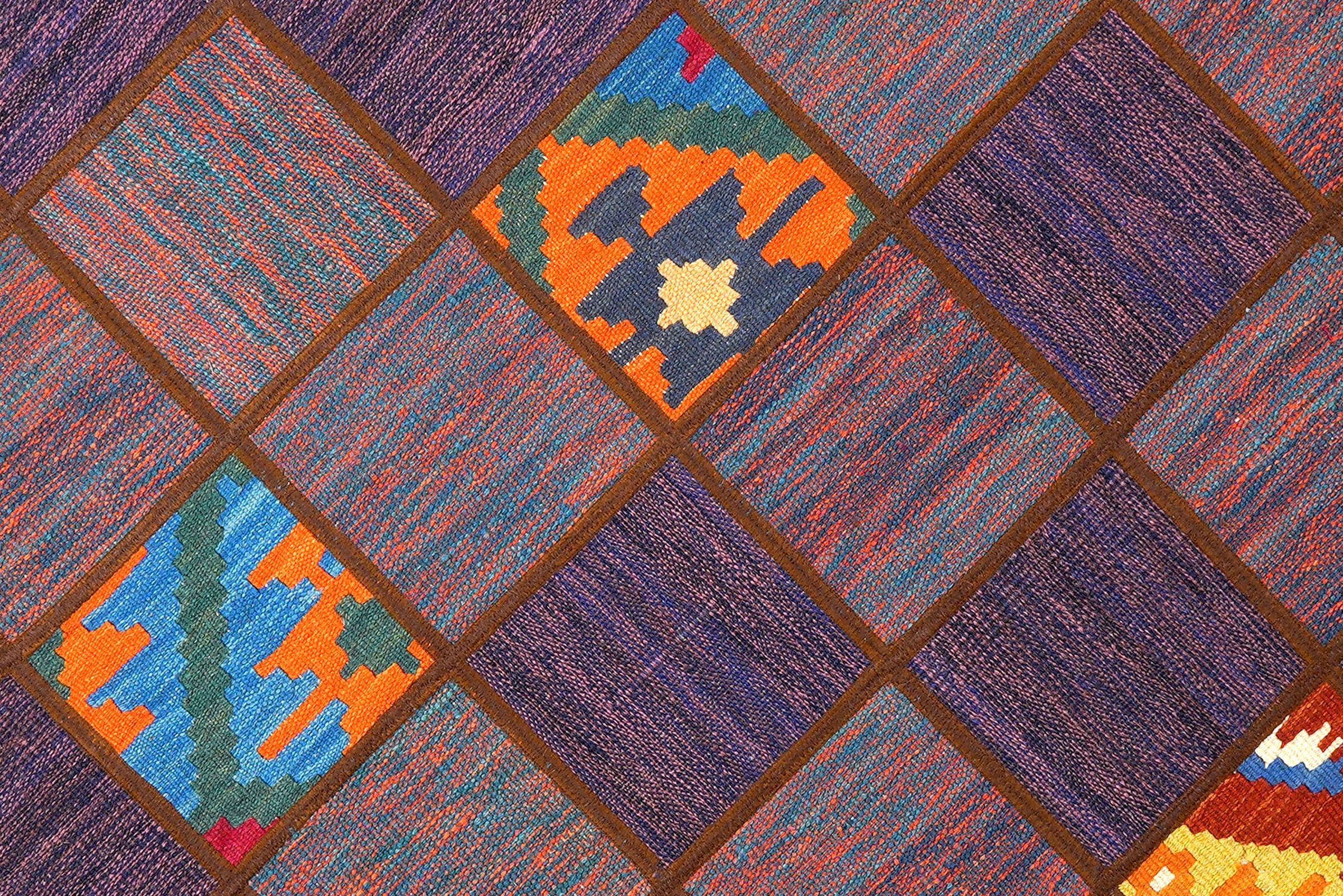
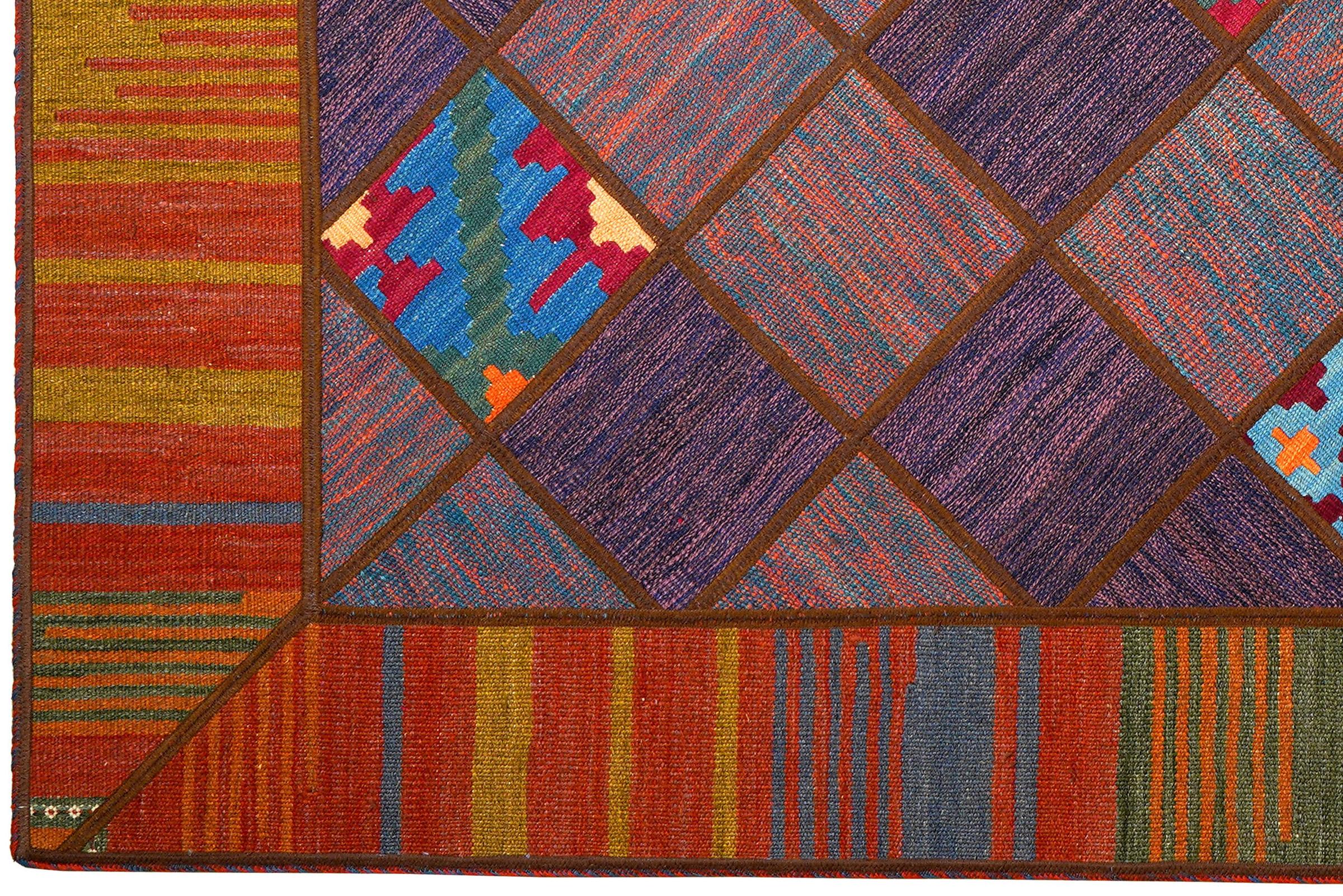
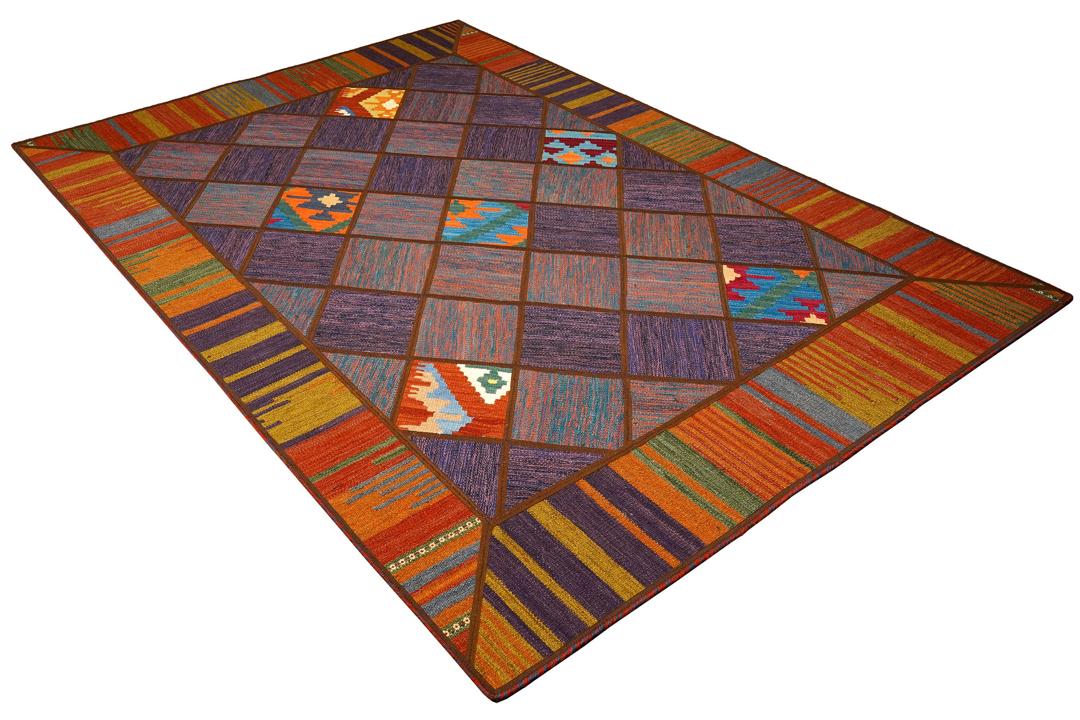
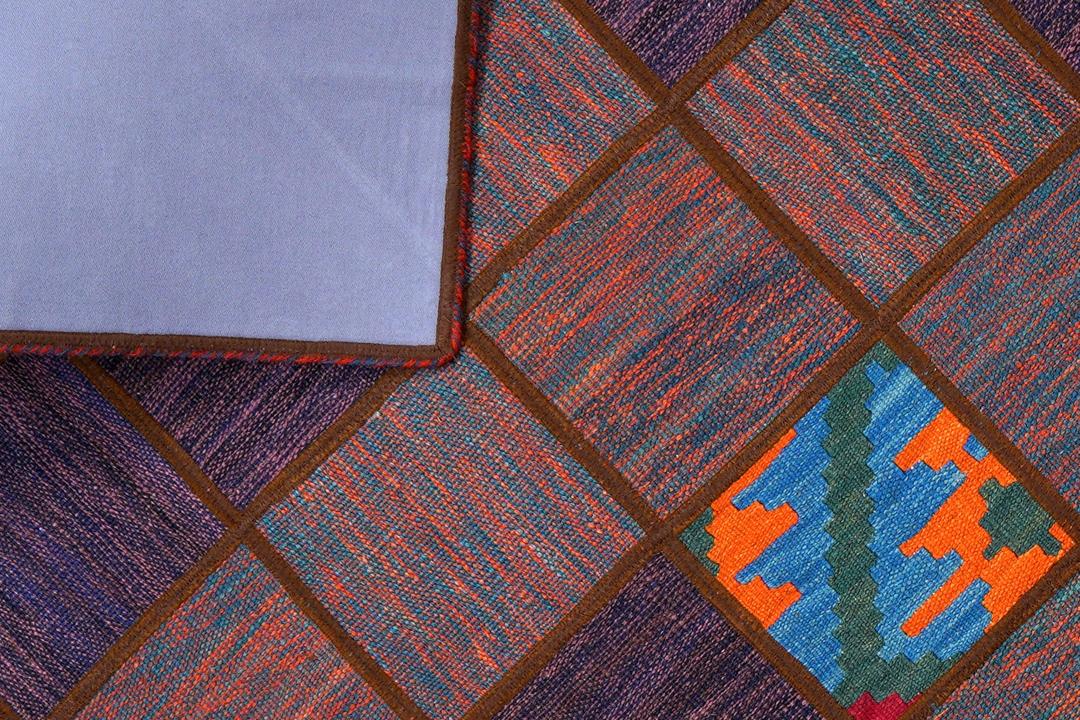
Patchwork rugs represent a modern evolution of this ancient craft. By repurposing fragments of older, hand-woven kilims, artisans are able to preserve historical patterns and techniques that might otherwise be lost. This process not only celebrates the history of the original textiles but also creates a bridge between the traditional past and contemporary interior design.
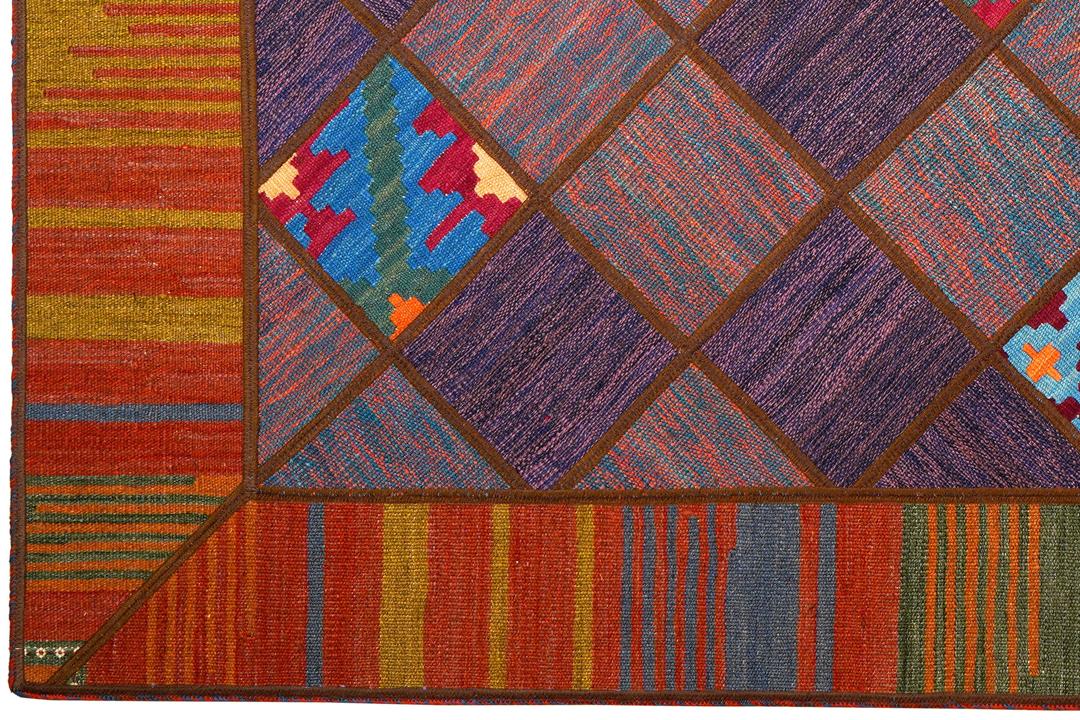
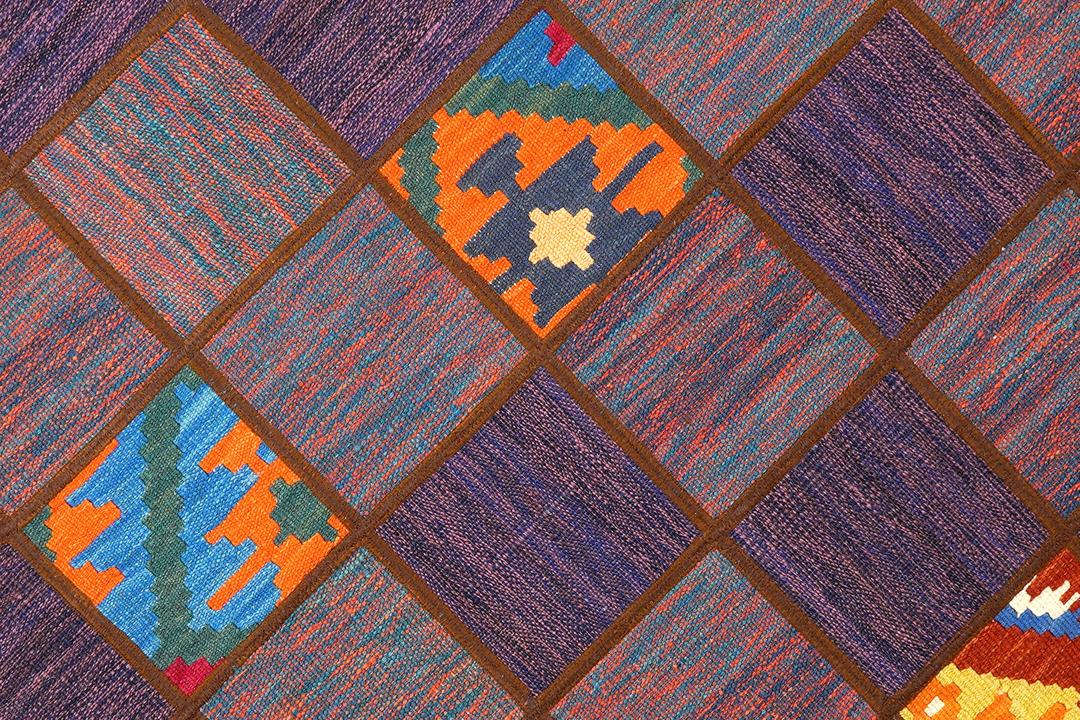
The visual language of these rugs is defined by their bold geometric shapes and rich, natural dyes. Often, the individual patches feature traditional motifs that carry symbolic meanings of protection, fertility, or prosperity. In this specific piece, the use of a vibrant, multi-coloured palette highlights the diversity of these designs, creating a dynamic visual rhythm across the surface.
Owning a patchwork kilim is about more than just decor; it is about holding a piece of history. Collectors value these rugs for their authenticity and the skill involved in their composition. Each patch tells a story of its origin, and when combined, they form a new, cohesive narrative, making the rug a meaningful and culturally significant addition to any home.