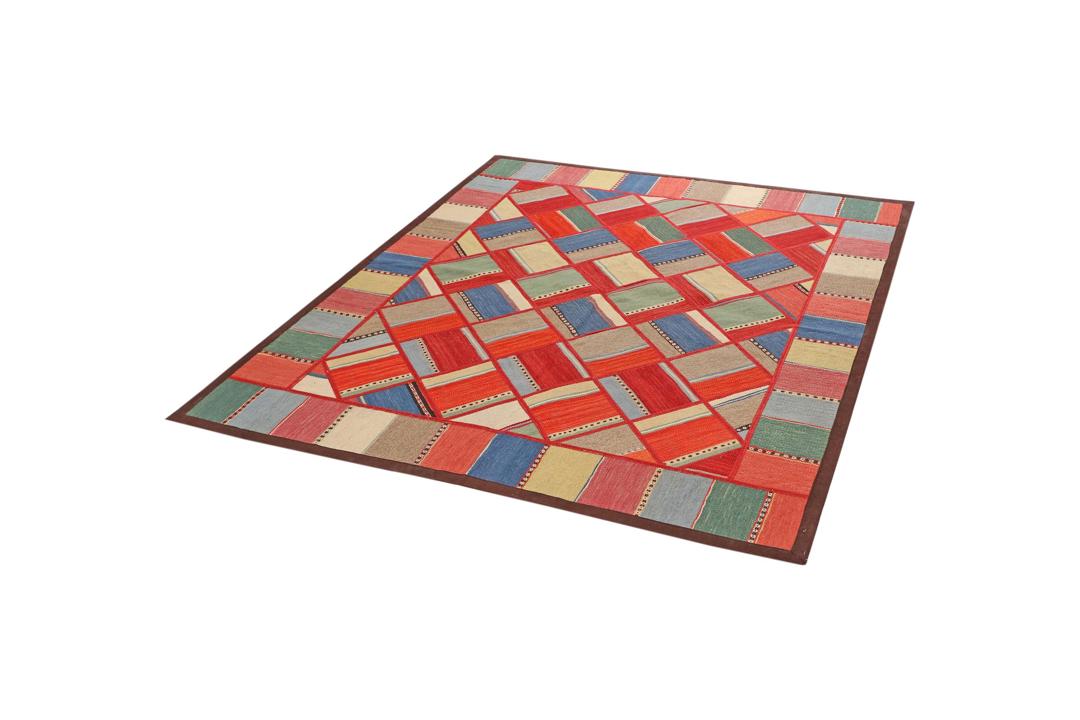
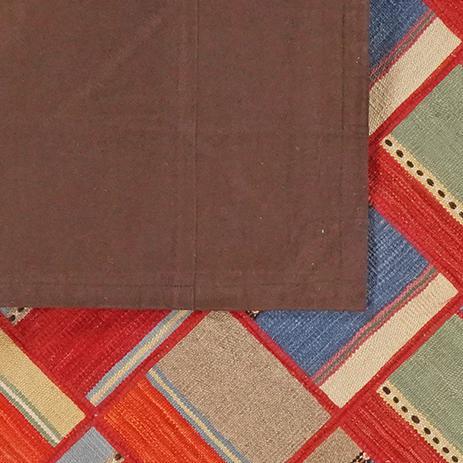
The tradition of Kilim weaving is deeply rooted in the history of the Middle East and Turkey, where these flat-woven textiles have served as essential household items for centuries. Originally crafted by nomadic and village communities, Kilims were designed to be versatile, durable, and easily transportable. Over time, these weaving techniques evolved into a sophisticated art form, with each region developing its own distinct colour palettes and symbolic motifs.
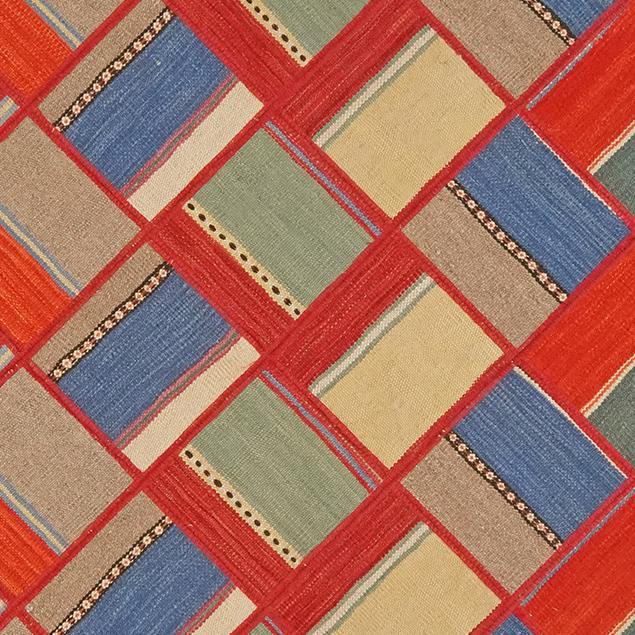
The term 'Kilim' refers to the specific technique of interweaving warp and weft strands to create a flat, pileless surface. This method results in a lightweight yet incredibly strong fabric that is highly valued for its crisp, clean lines and defined patterns. Because the design is formed during the weaving process itself, rather than added on top, the patterns are equally vibrant on both sides, showcasing the technical mastery required to execute such intricate work.
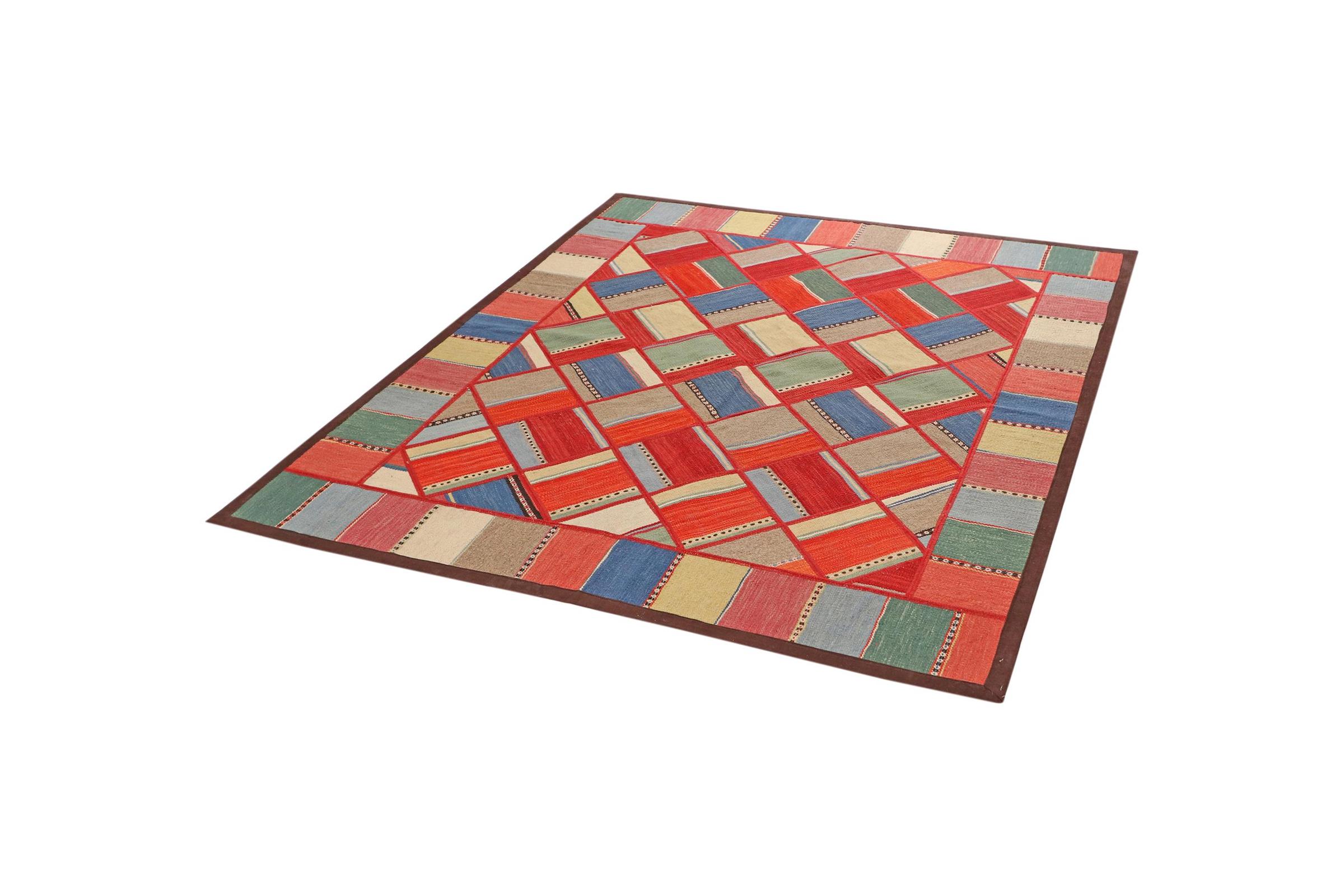
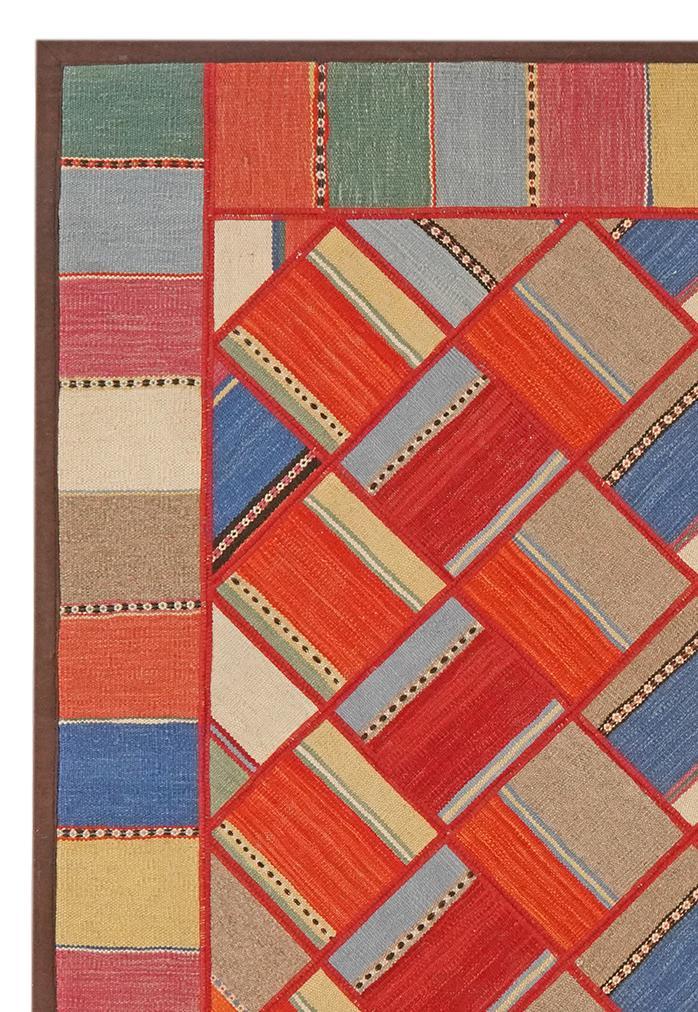
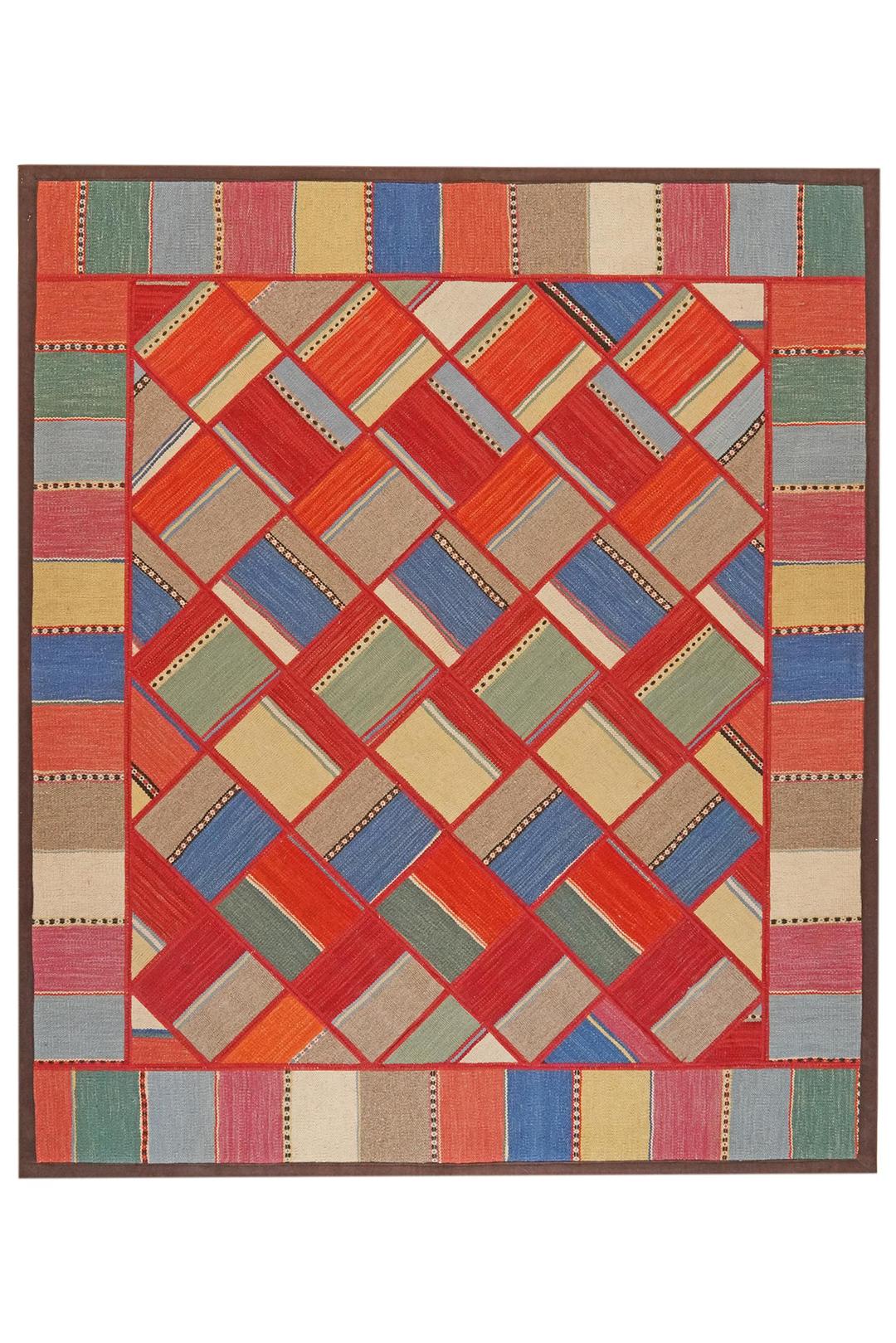
Patchwork rugs represent a creative evolution of this heritage. By repurposing segments of vintage or carefully woven Kilims, artisans give new life to older textiles, honouring the skill of the original weavers while adapting the aesthetic for contemporary homes. The resulting design often features a rhythmic, mosaic-like arrangement that highlights the diversity of colours and patterns inherent in the traditional weaving process.
Owning a patchwork rug from this tradition is a way to preserve a piece of textile history. These rugs are highly sought after by collectors and interior enthusiasts alike for their cultural weight and the singular stories they tell. By integrating such a piece into your home, you are not only adding a functional item but also celebrating a legacy of craft that spans generations and continents.