The tradition of patchwork rugs originates from a resourceful and creative approach to textile preservation in the Middle East. Historically, weavers would collect fragments of older, worn-out kilims that still retained their beautiful patterns and colours. By cleaning and carefully reassembling these pieces, they created new, functional art, ensuring that no quality material went to waste while honouring the history embedded in each fragment.
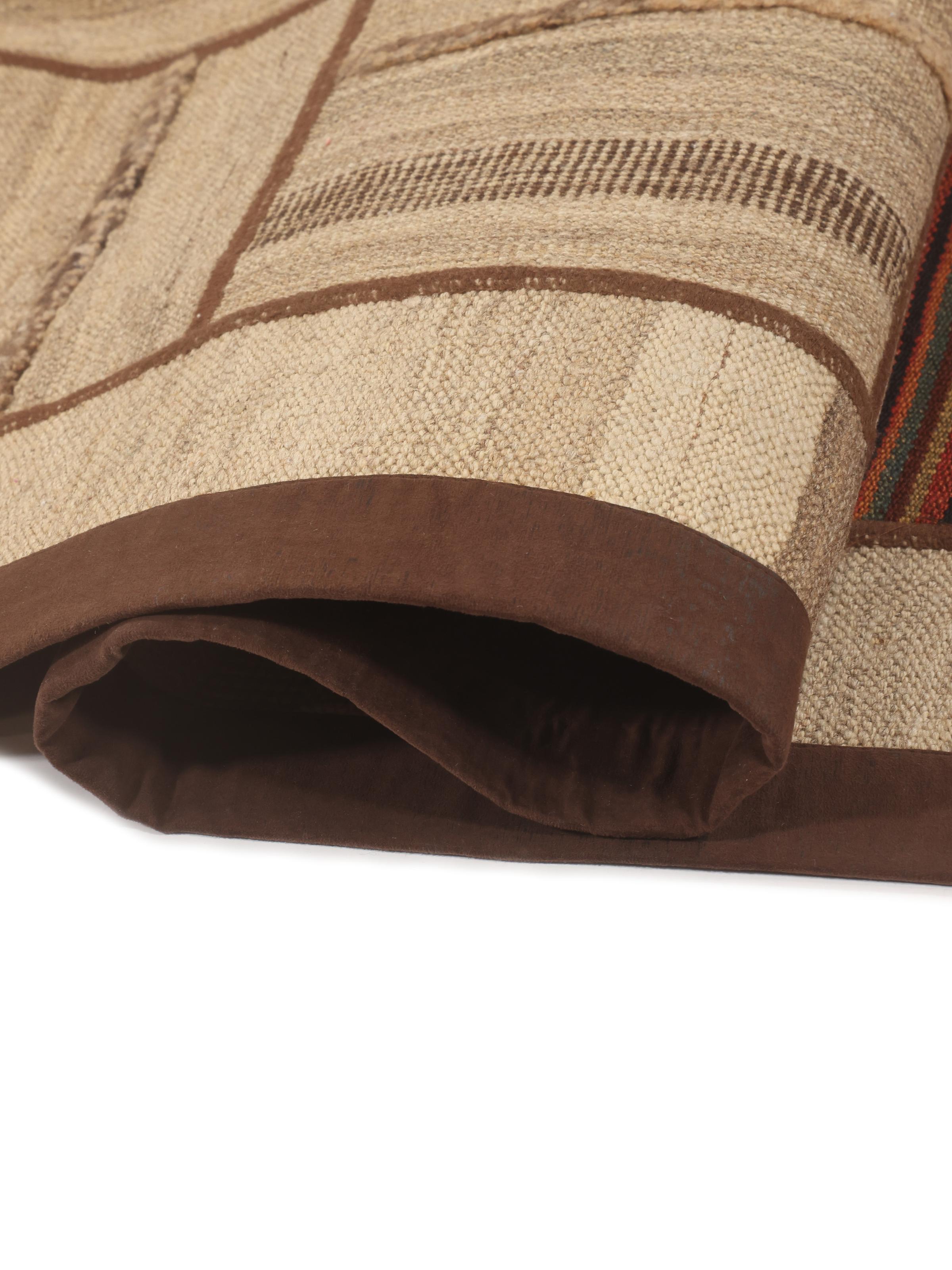
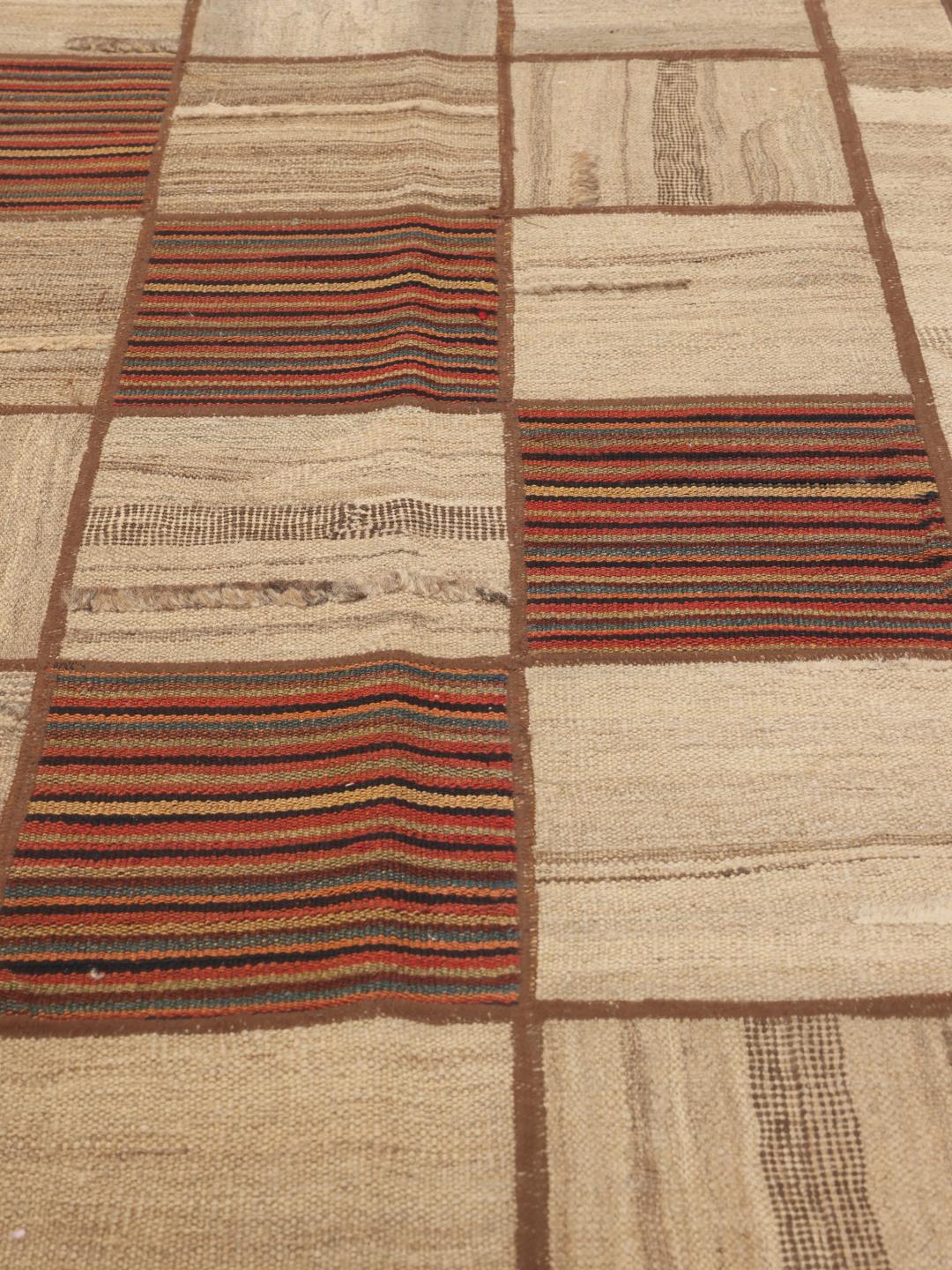
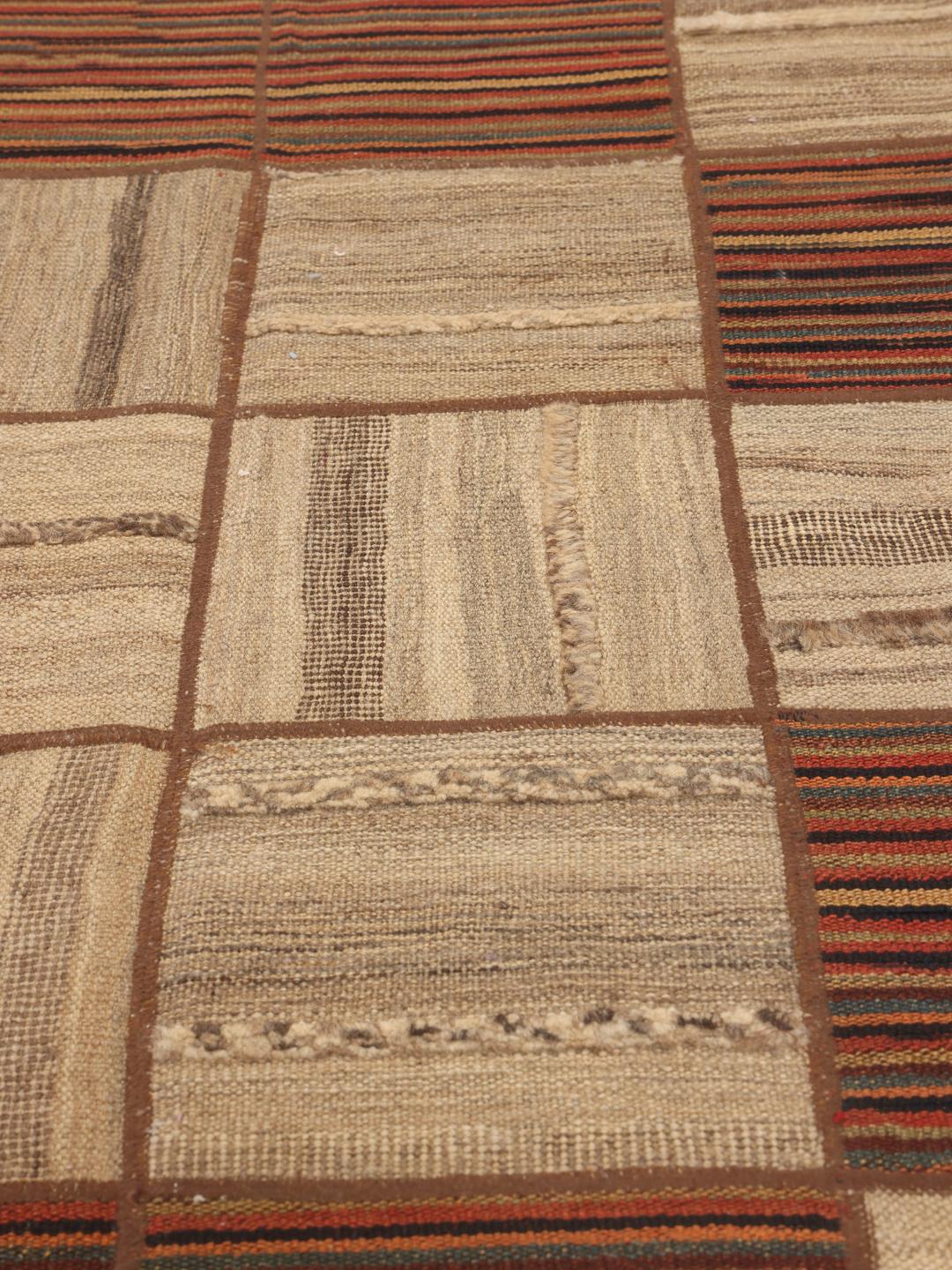
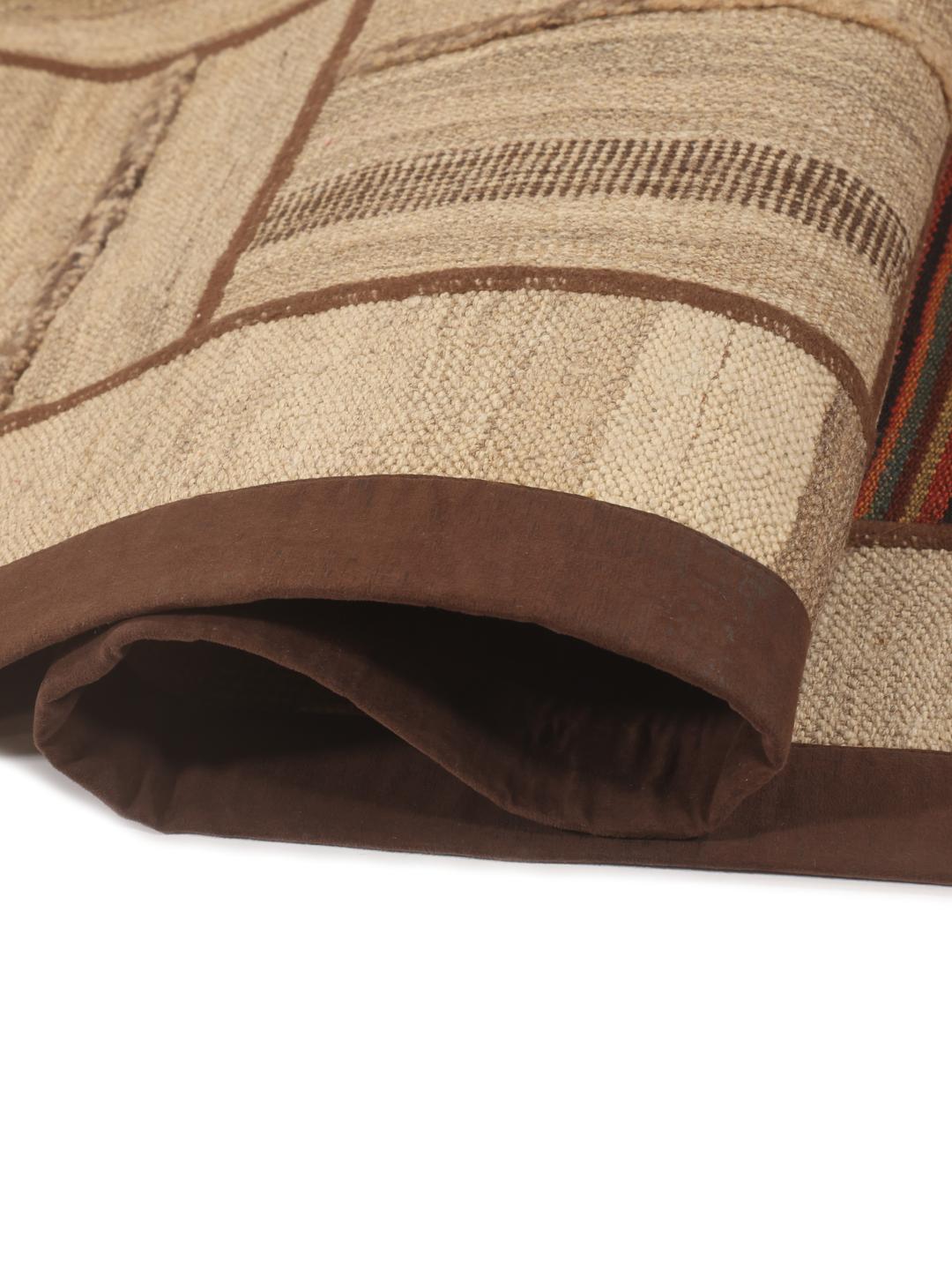
A kilim is a flat-woven textile, meaning it lacks the knotted pile found in traditional carpets. This technique results in a thinner, more versatile rug that is prized for its portability and clean, graphic lines. The patchwork variation takes this tradition further, transforming individual woven panels into a complex, mosaic-like surface that highlights the diversity of textures and patterns inherent in the original weaves.
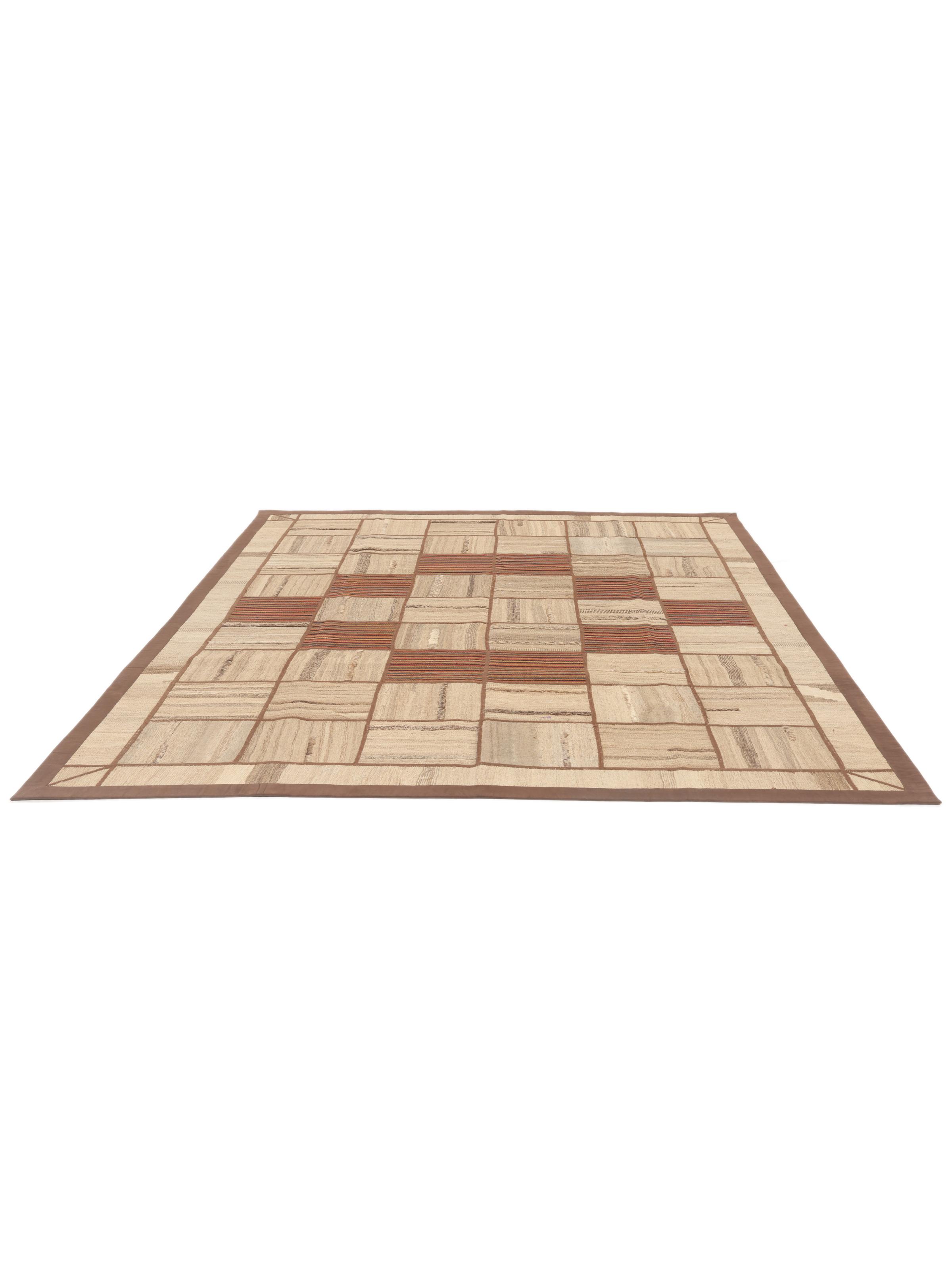
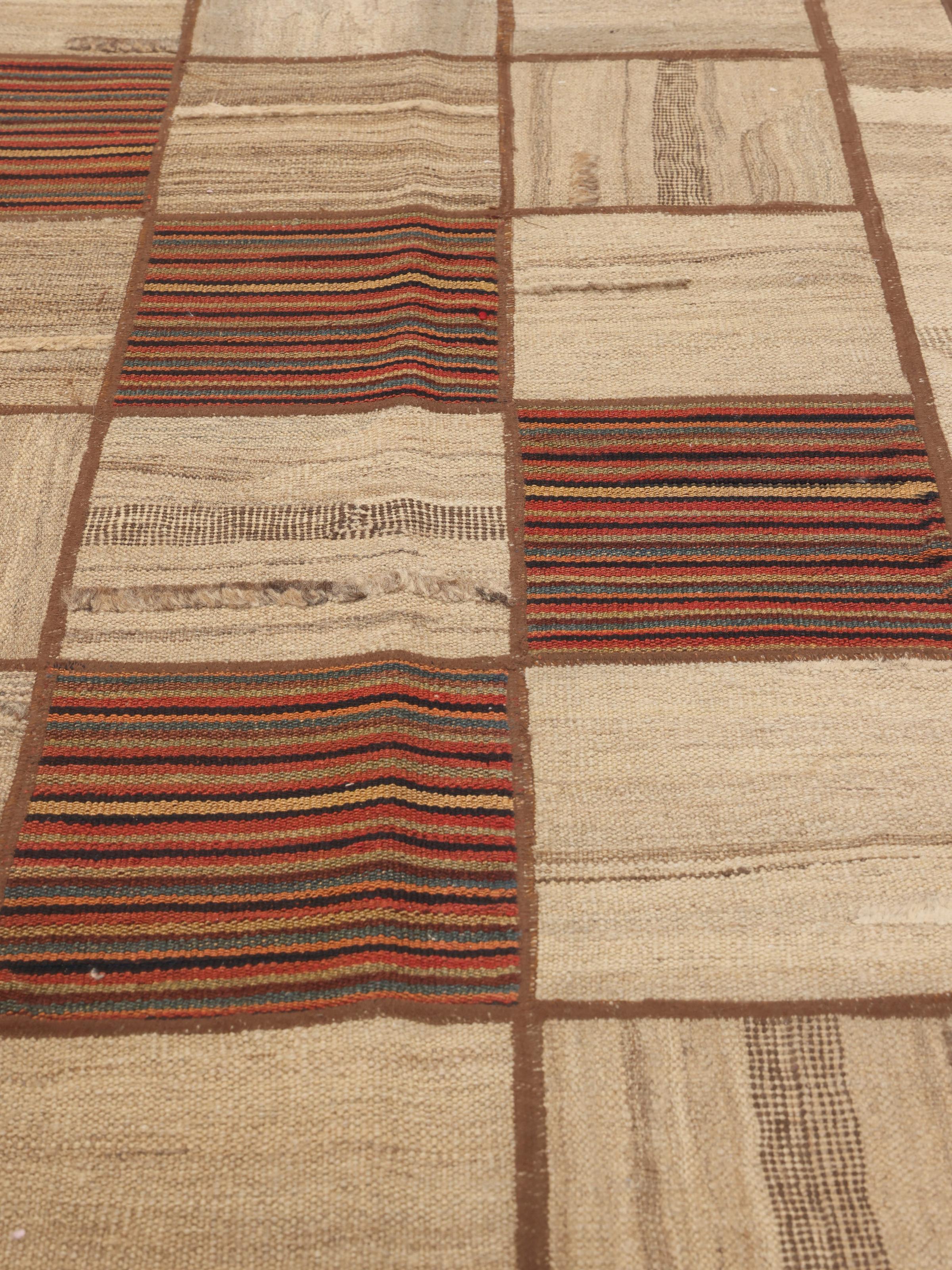
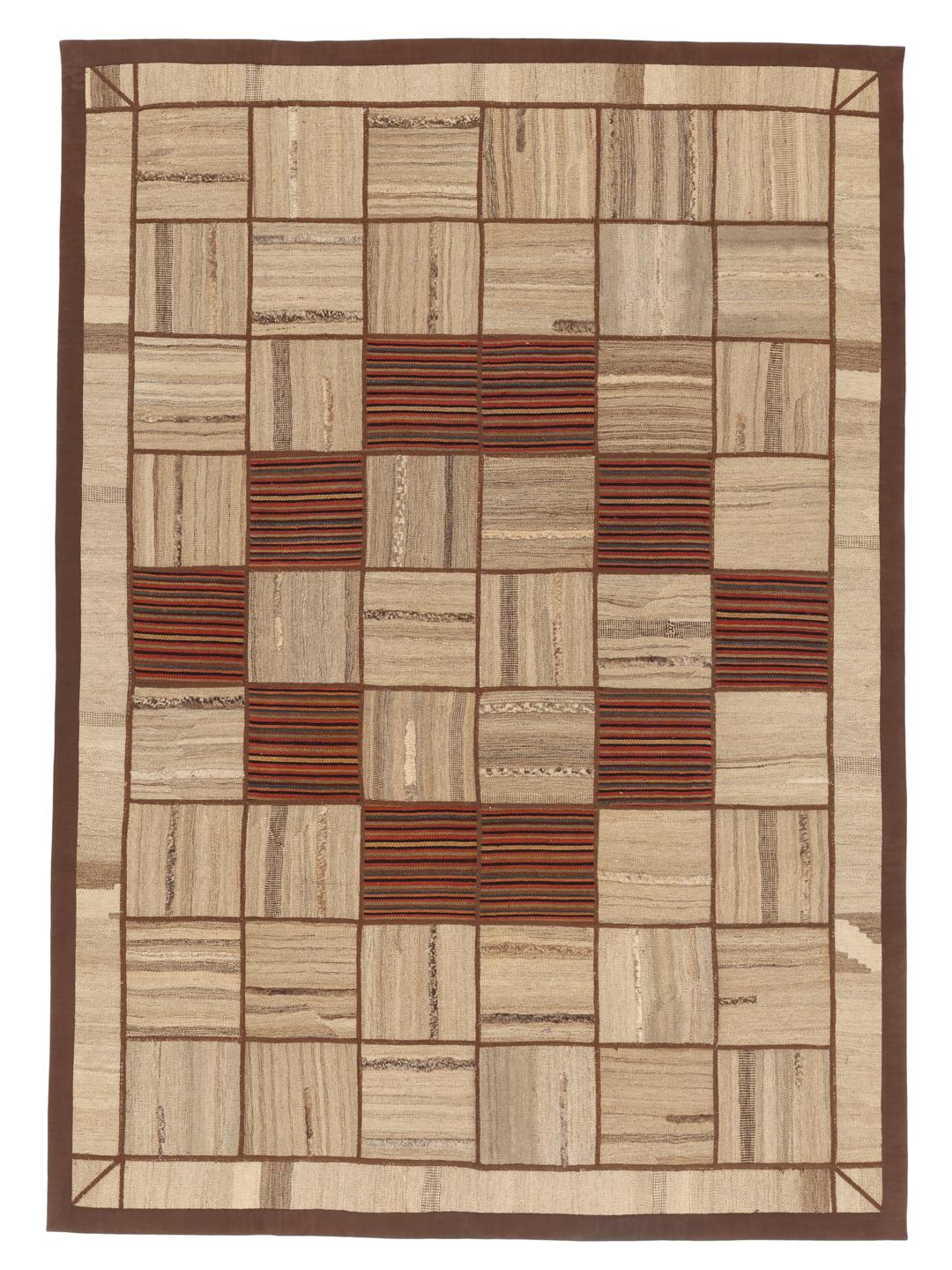
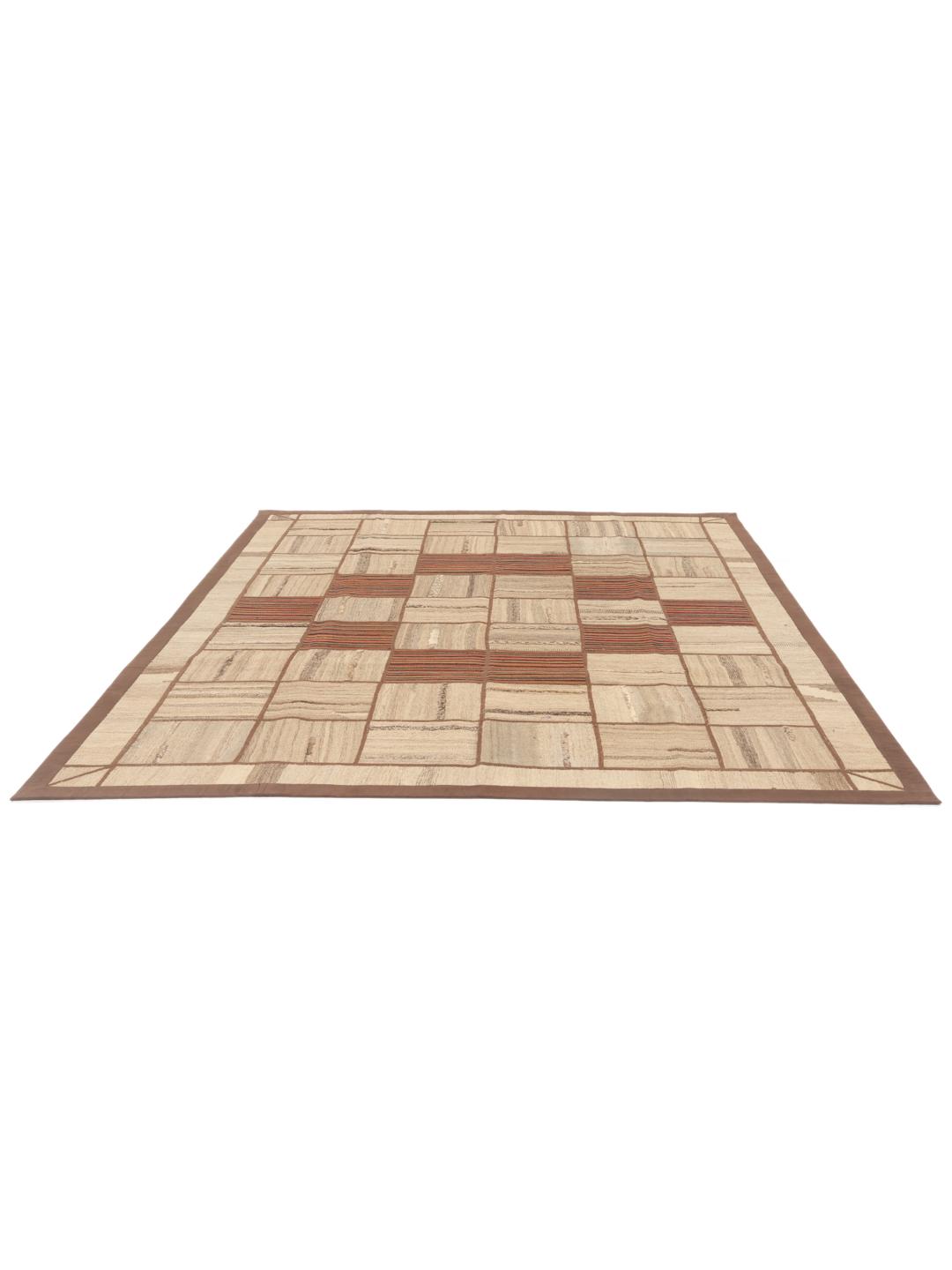
Visually, these rugs are defined by their geometric structure and the vibrant, often earth-toned palette of the original textiles. The grid-like arrangement of this piece is a classic expression of the style, where the rhythm of the squares creates a balanced composition. The inclusion of subtle, repeating patterns within the patches showcases the diverse skill sets of the original weavers who crafted the source materials.
Today, these rugs are highly sought after by collectors and interior designers who value sustainability and authentic craft. Owning a patchwork rug is an act of preserving cultural heritage, as every piece tells a story of past traditions and the evolution of textile art. It represents a commitment to enduring quality and a rejection of the disposable nature of modern manufacturing.