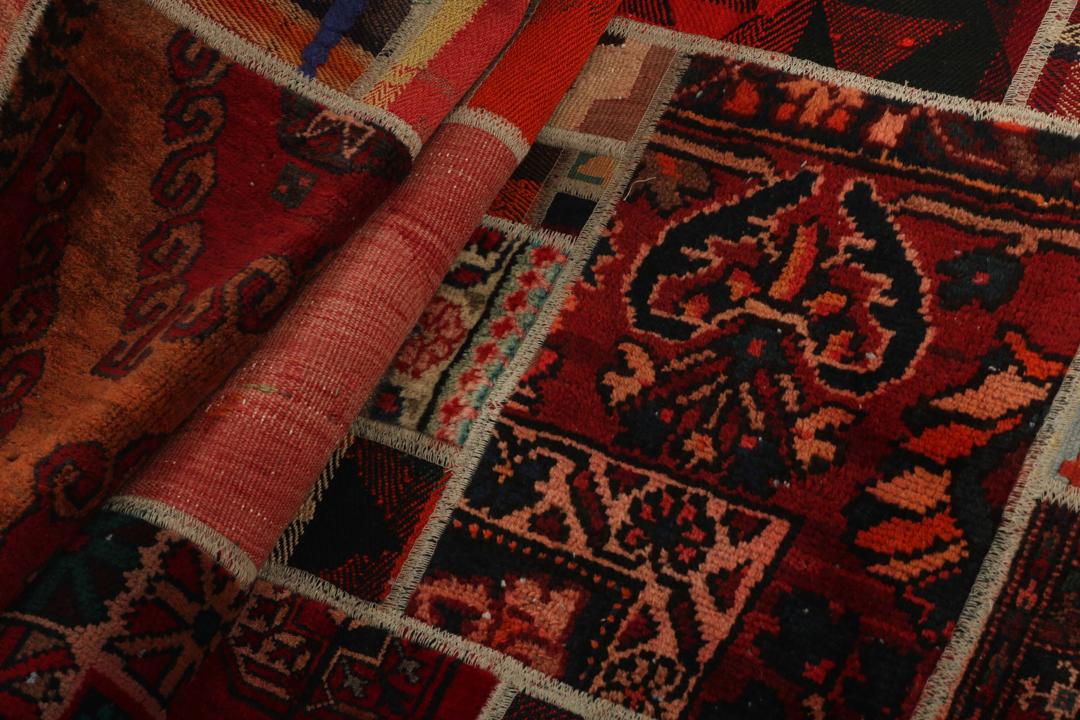
Patchwork rugs draw upon a long-standing tradition of textile recycling and resourcefulness found across nomadic and village communities in the Middle East. Historically, when a treasured flatwoven rug became worn or damaged in parts, the remaining undamaged sections were carefully salvaged rather than discarded. These cherished fragments were often repurposed into smaller functional items or preserved to be integrated into new creations.
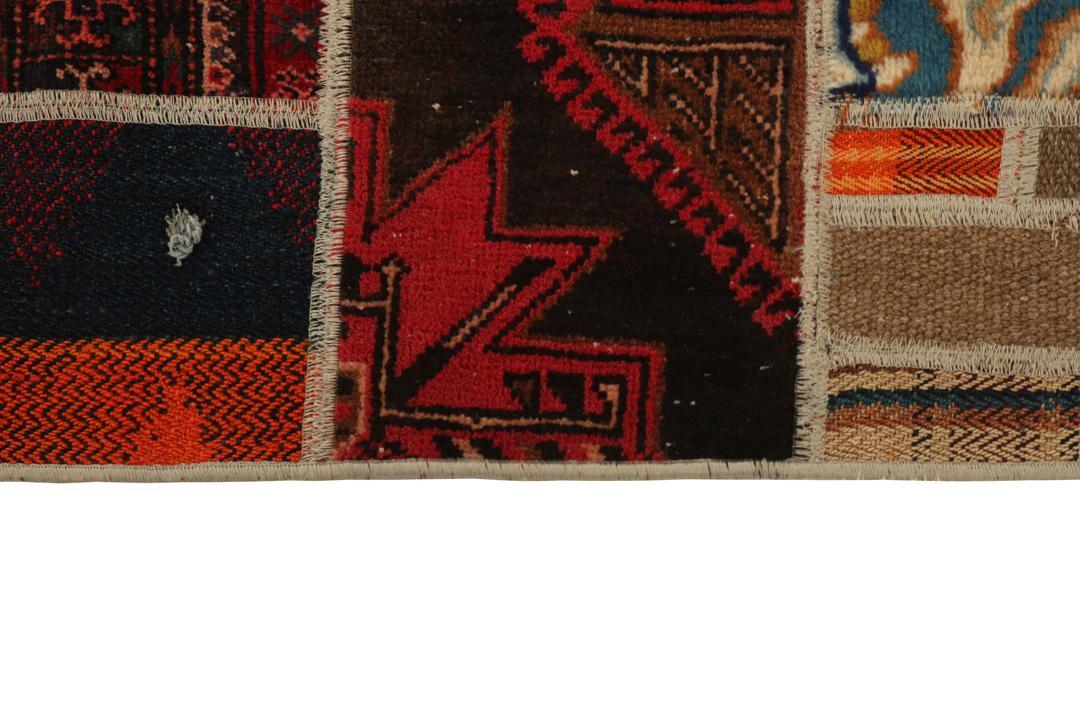
The technique relies heavily on the art of flatweaving, known locally as kelim work. Unlike pile rugs, kelims are woven without knots by tightly interlocking the warp and weft threads together. This creates a lightweight, durable textile with a smooth surface on both sides, allowing the intricate geometric patterns and motifs to remain crisp and distinct.
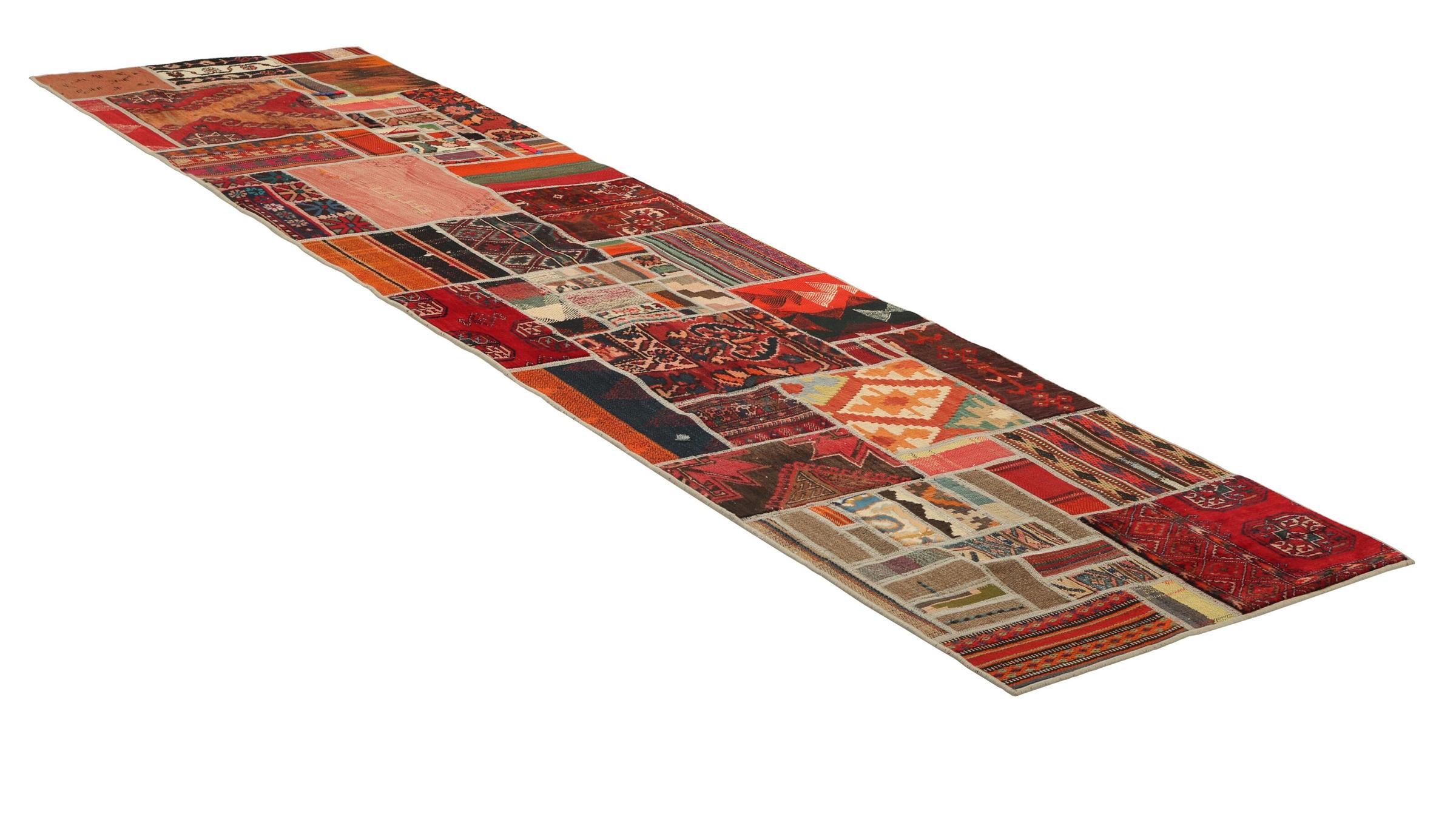
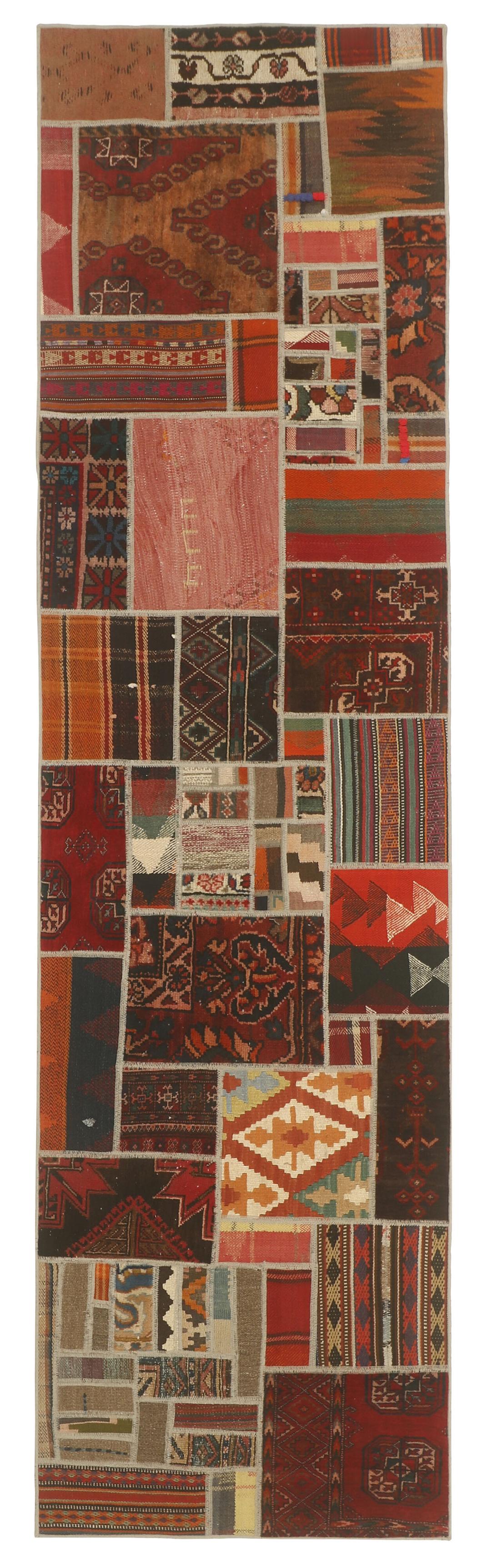
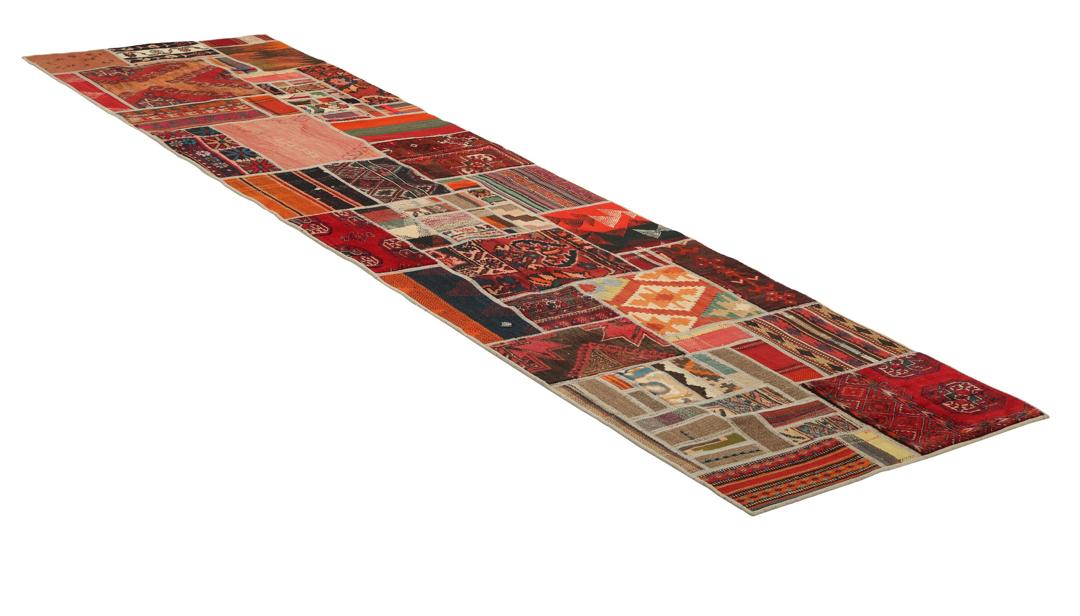
The visual language of this runner is a rich mosaic of traditional motifs, including tribal medallions, stepped diamonds, and geometric borders. Each individual patch reflects the aesthetic vocabulary of the specific weavers who originally created the textile, often telling stories of local folklore, family heritage, or the natural world through symbolic patterns and regional colour palettes.
Collecting a patchwork piece of this nature means preserving a living lineage of textile artistry. It bridges the gap between past and present, offering modern homes a connection to centuries-old craft methods while celebrating the beauty of sustainable, hand-crafted design.