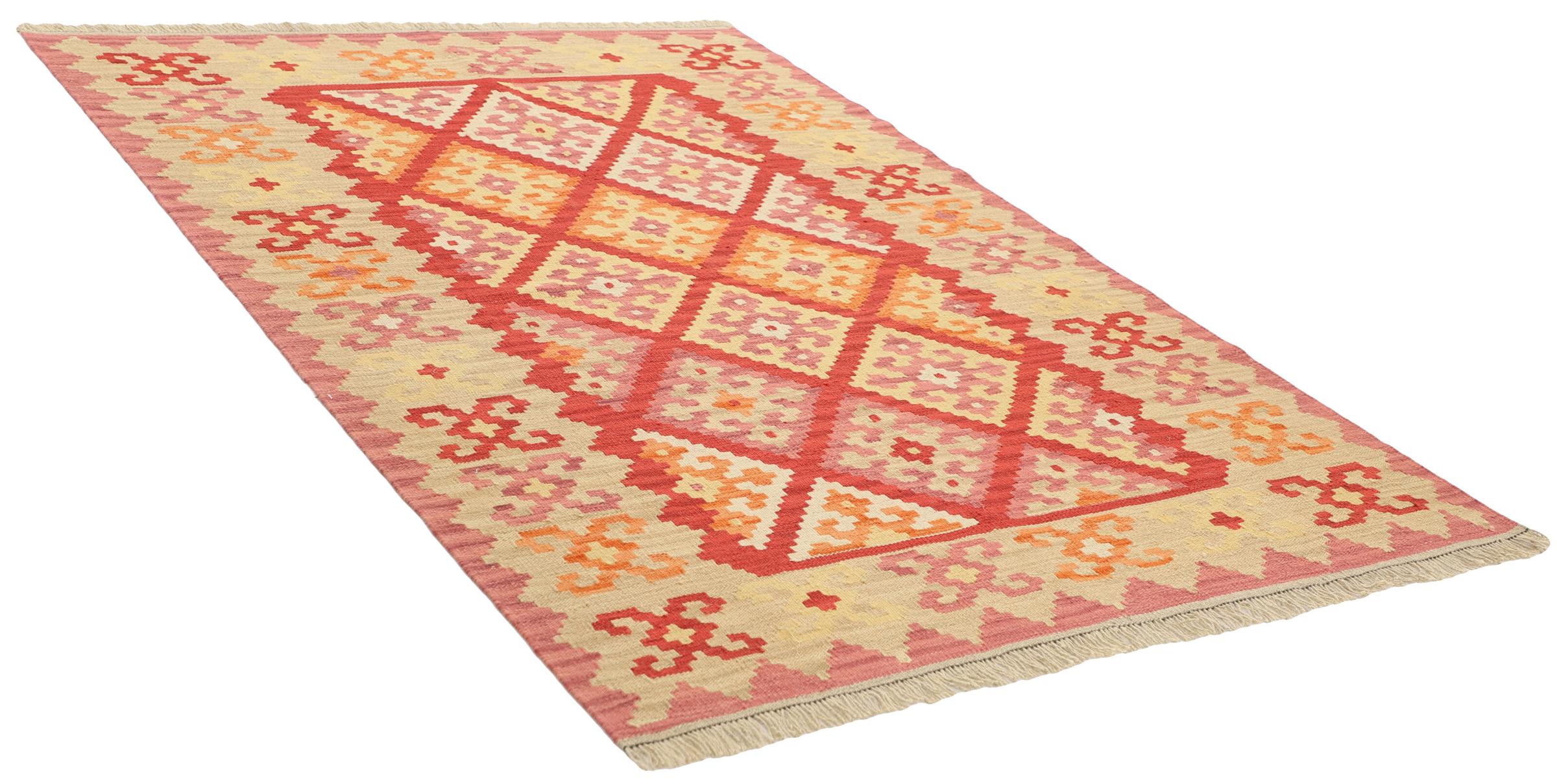
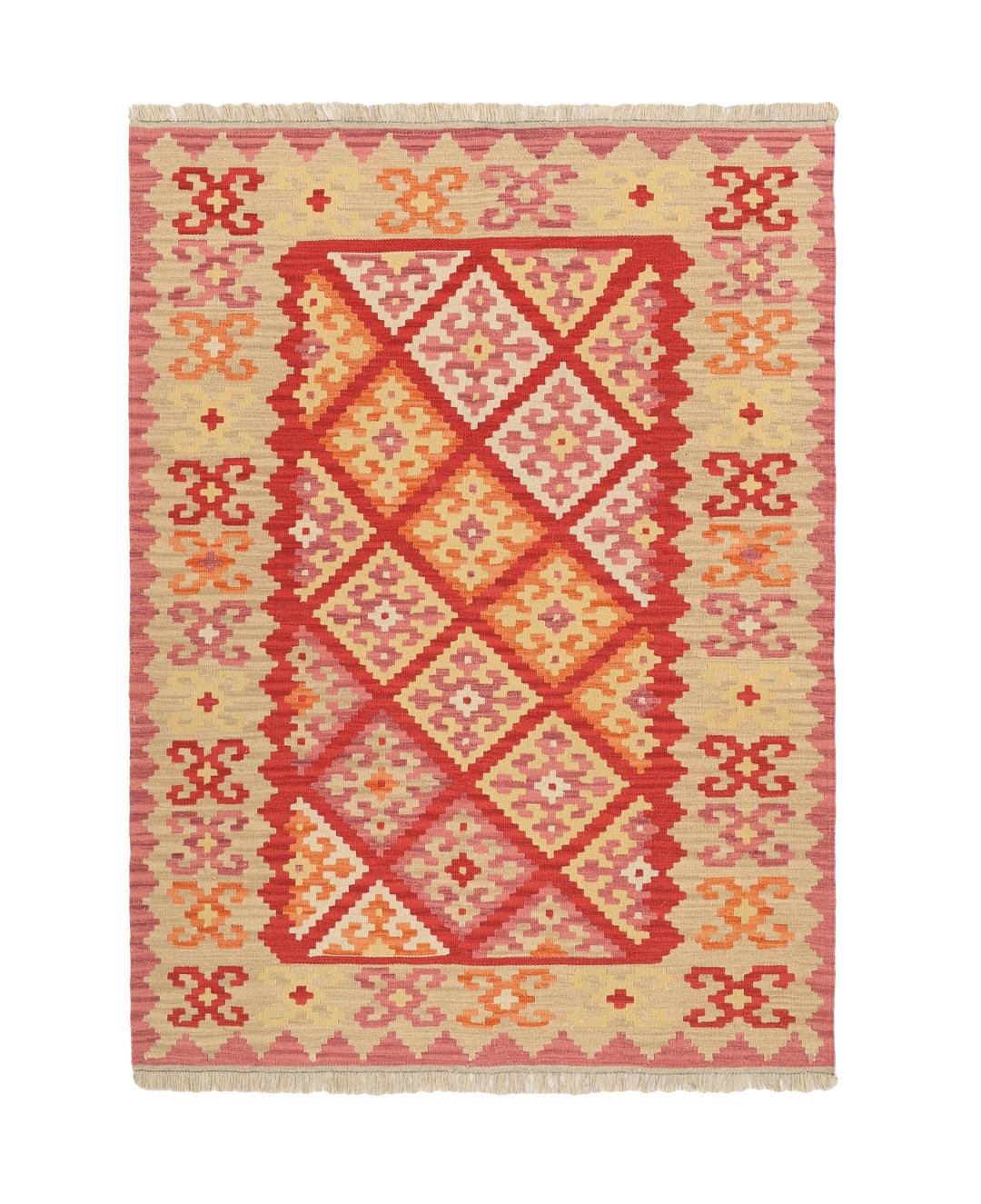
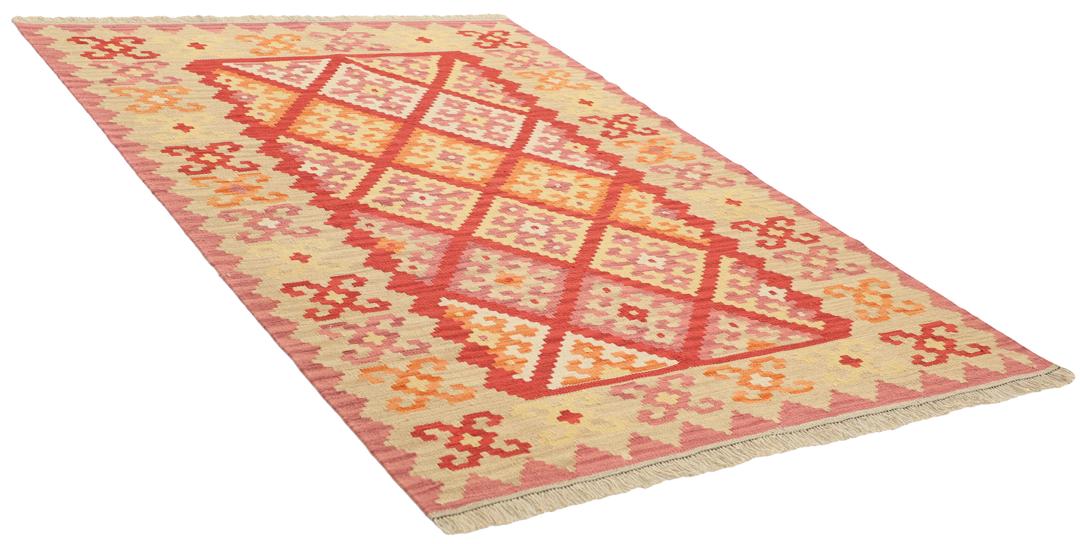
The Kelim Ghashghai rugs originate from the nomadic tribes of the Middle East, a region with a deep-rooted history of textile artistry. For centuries, these communities have used weaving as both a functional necessity and a form of cultural expression, passing down techniques through generations to create textiles that reflect their environment and tribal identity.
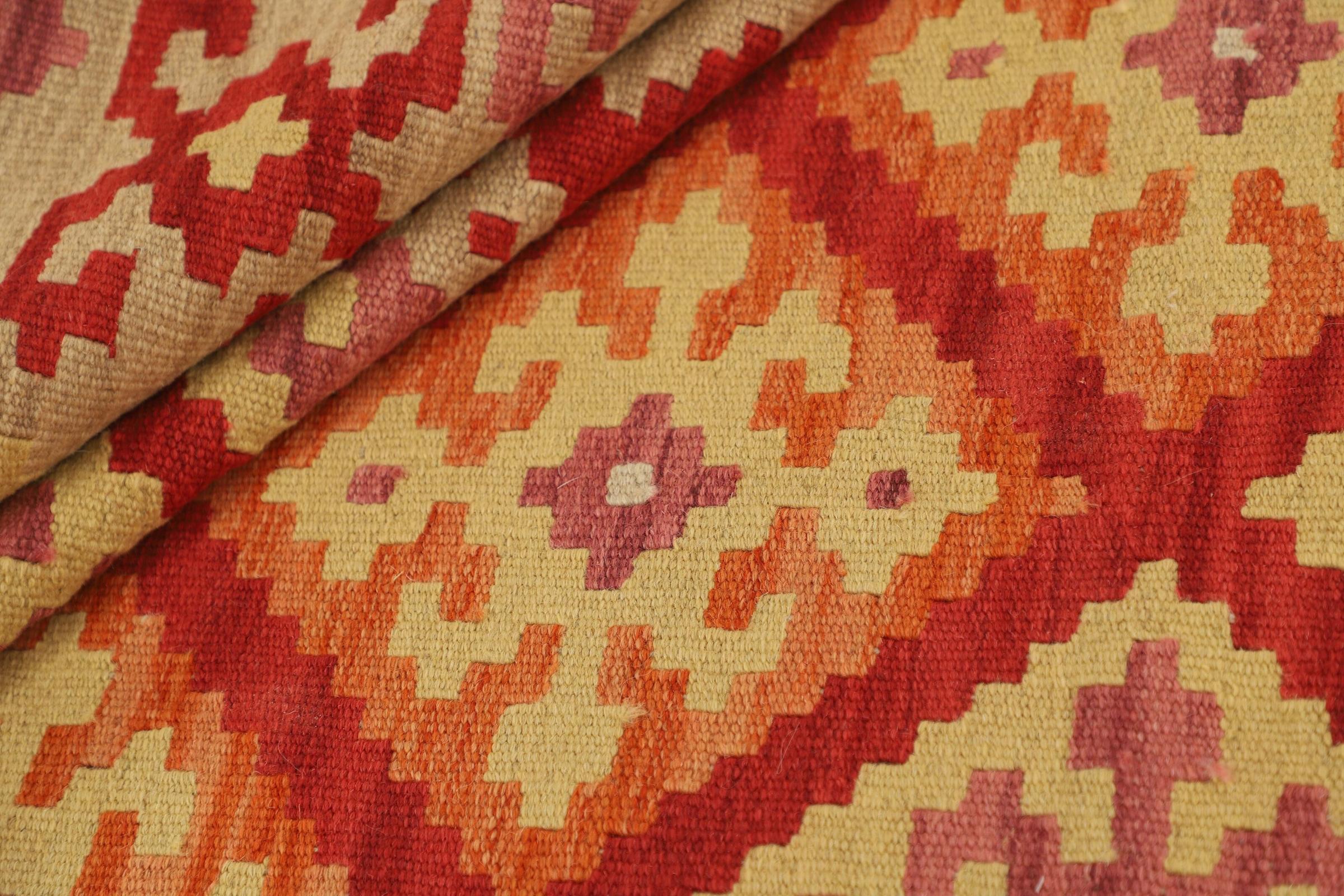
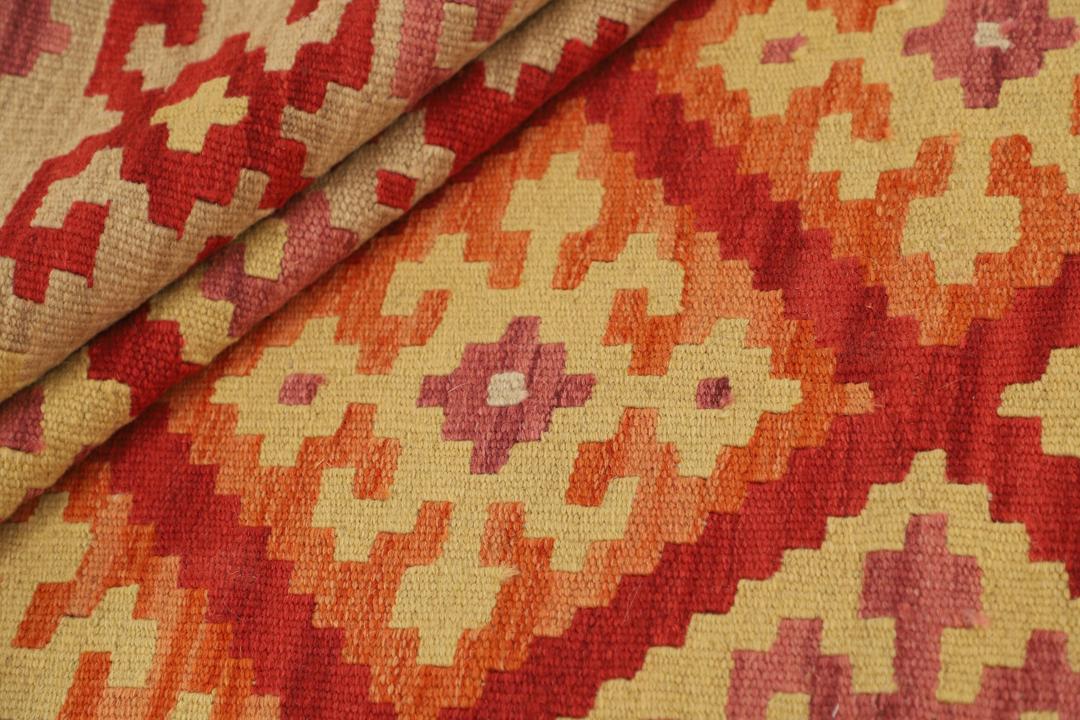
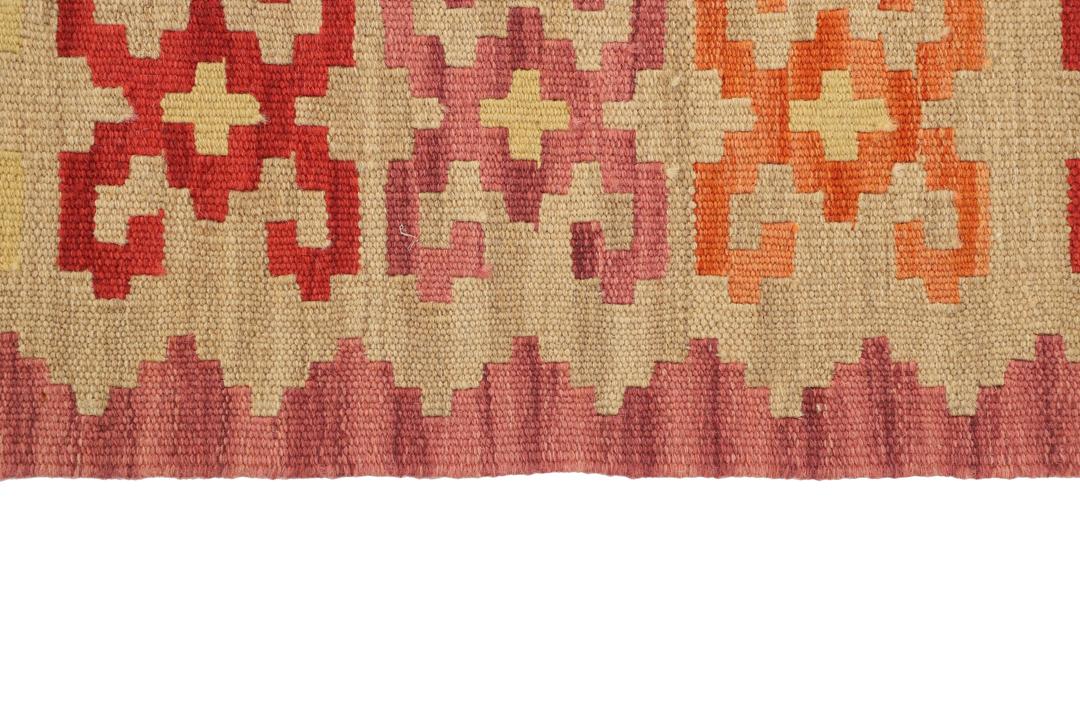
The term kelim refers to a flat-weaving technique where the weft threads are passed through the warp threads to create the pattern, resulting in a rug that is identical on both sides. This method is highly prized for its clarity of design and the way it highlights the quality of the Wool. Because there is no pile, the integrity of the weave is paramount, demanding a high level of precision from the weaver.
The visual language of the Ghashghai tradition is defined by bold geometric motifs, often featuring stylised diamonds, medallions, and intricate borders. These designs are not merely decorative but are deeply symbolic, often representing tribal heritage or local natural elements. The use of vibrant, contrasting colours is a hallmark of this style, intended to bring light and energy into the home.
Owning a piece from this tradition is a way to connect with a long-standing heritage of craftsmanship. These rugs are highly valued by collectors for their authenticity, the skill required to produce them, and the fact that each piece represents a unique artistic moment. By choosing a hand-woven Kelim, you are preserving a craft that has survived for centuries as a vital part of nomadic culture.