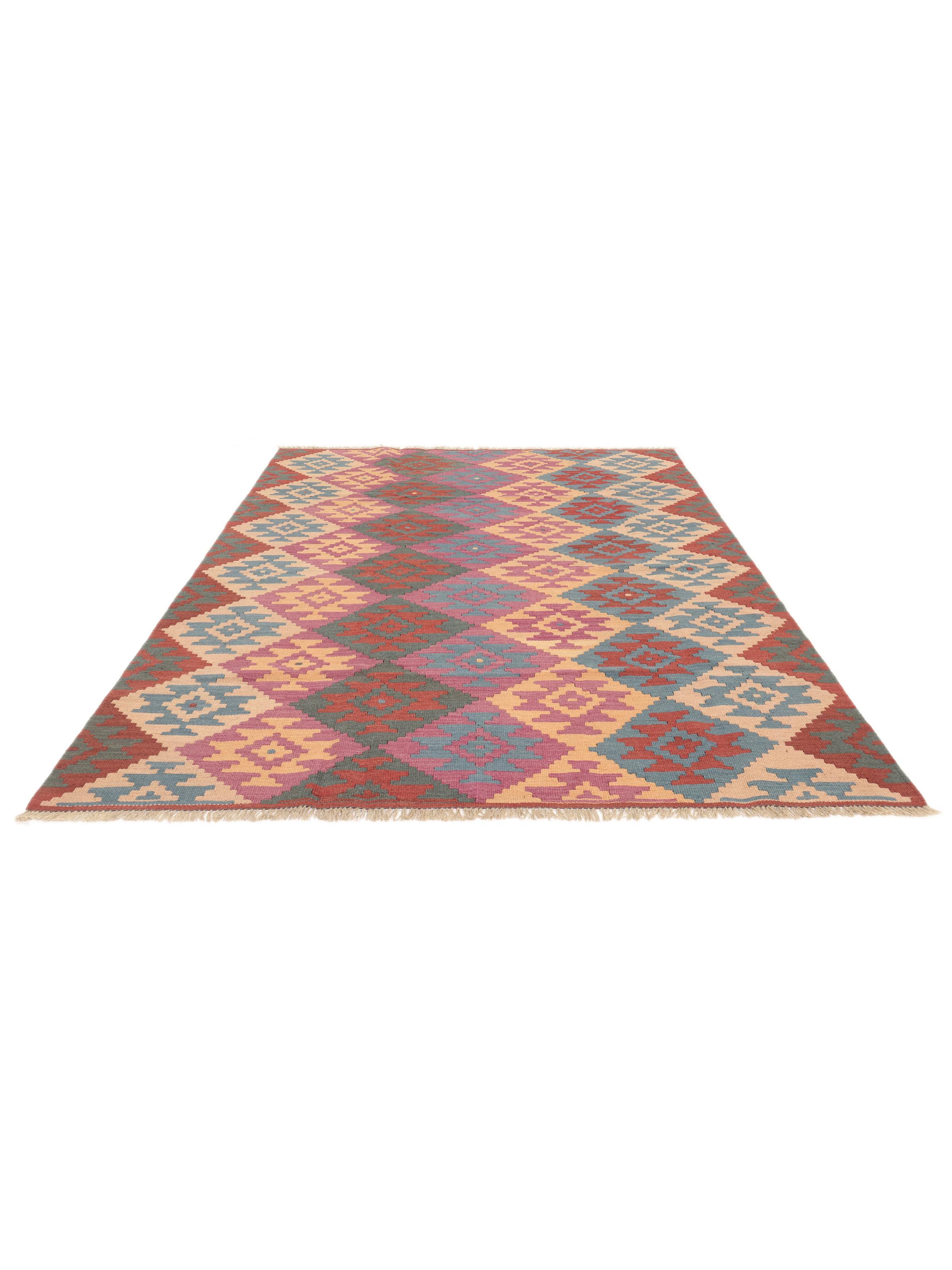
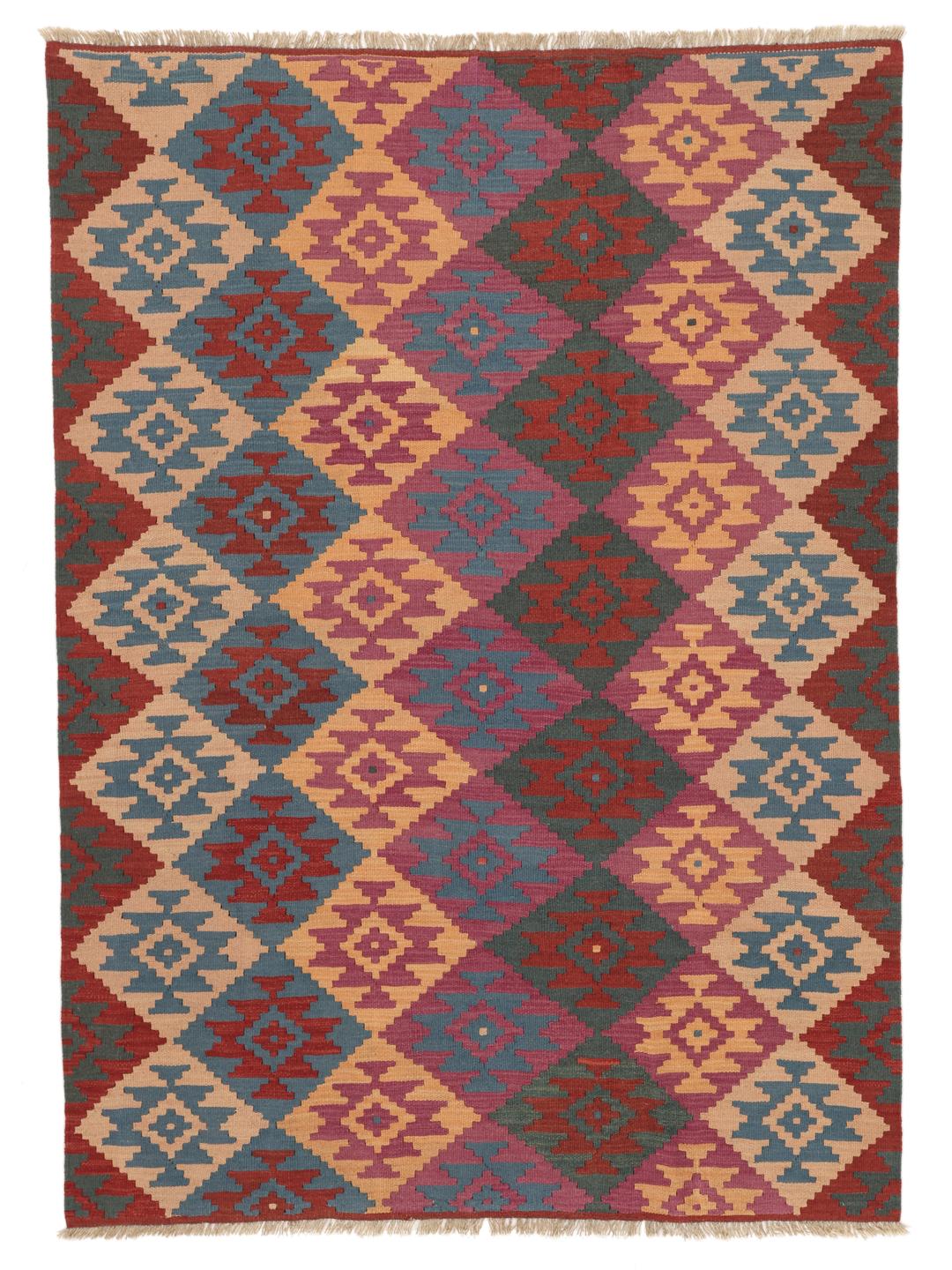
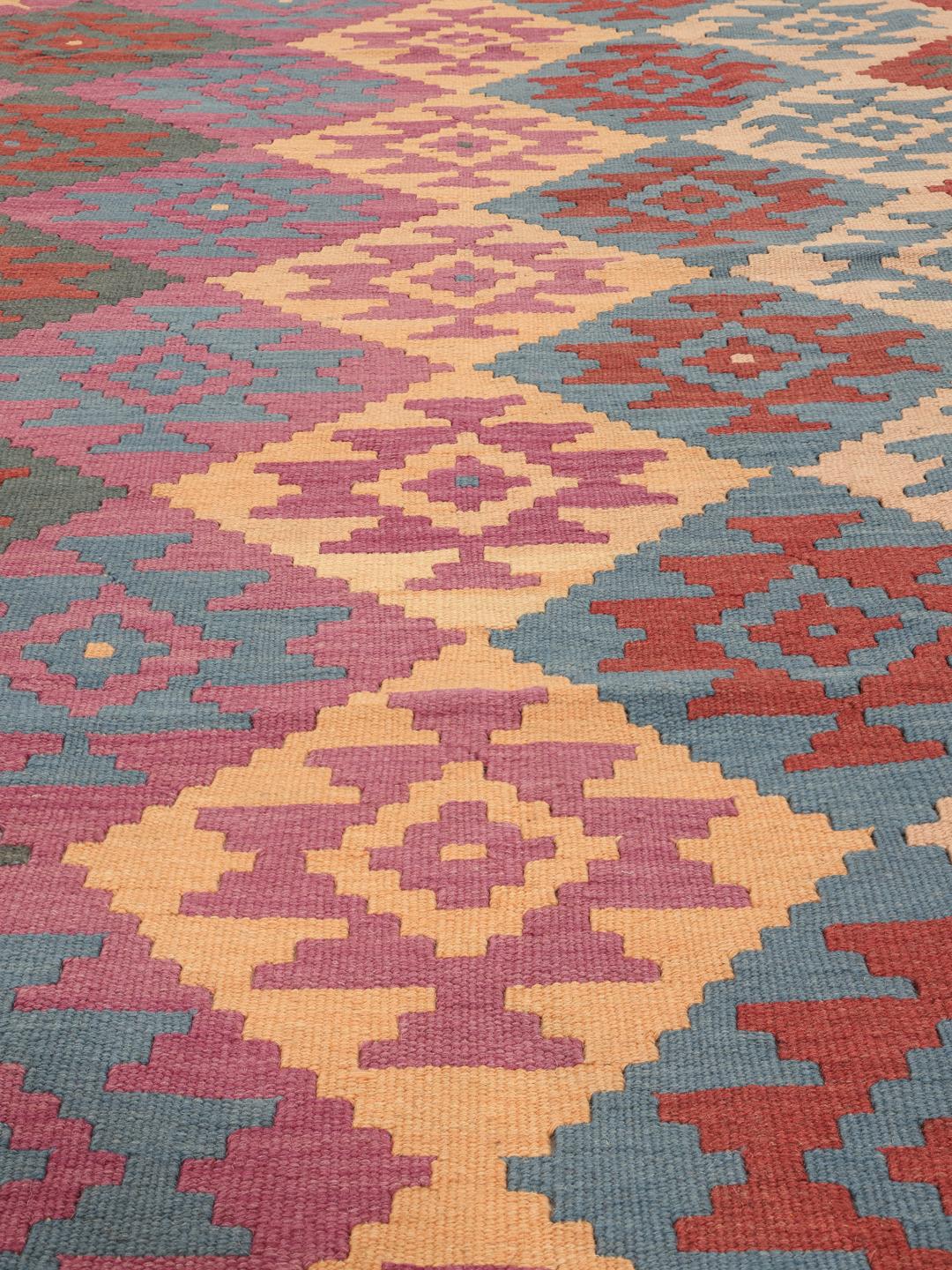
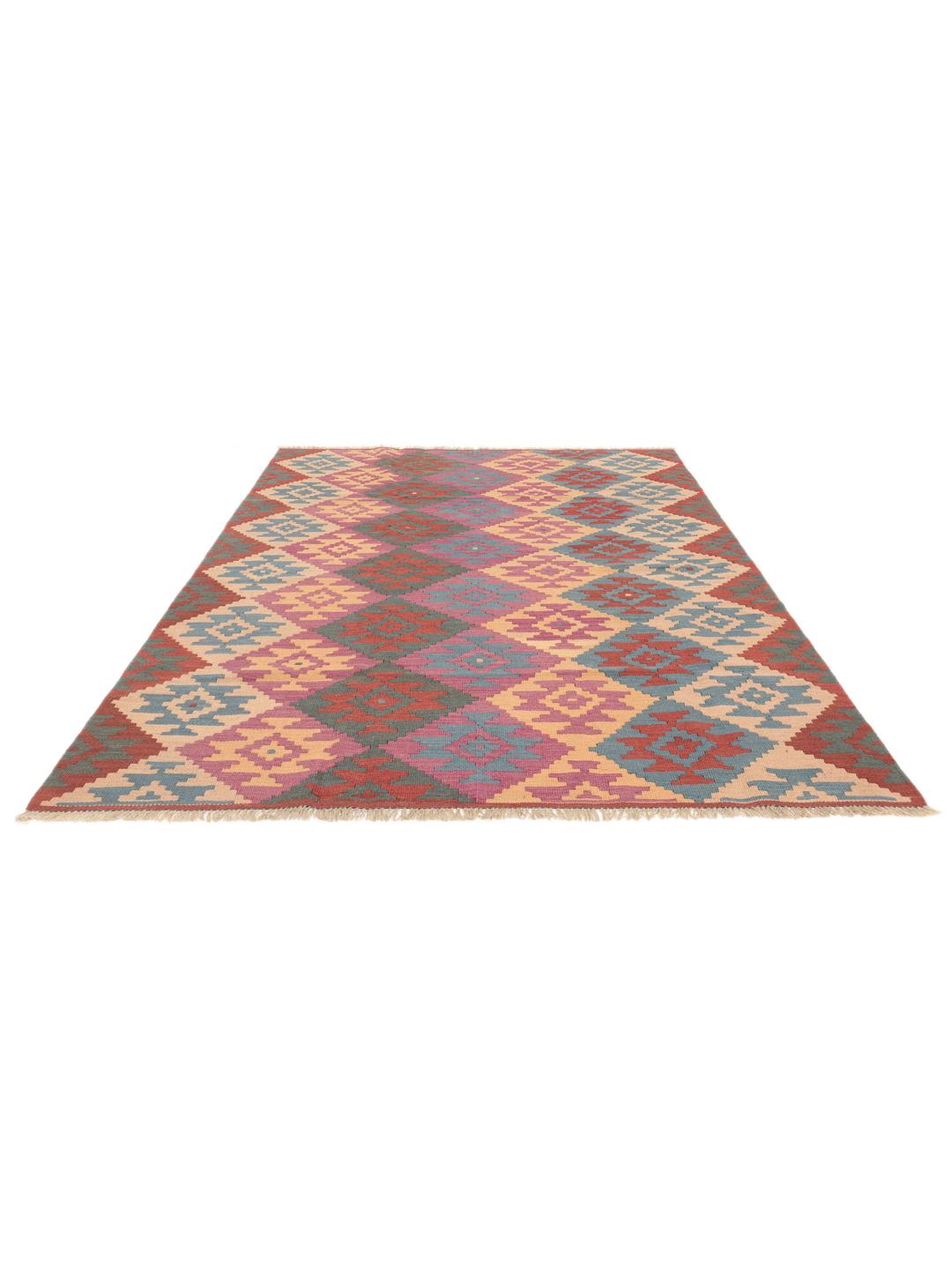
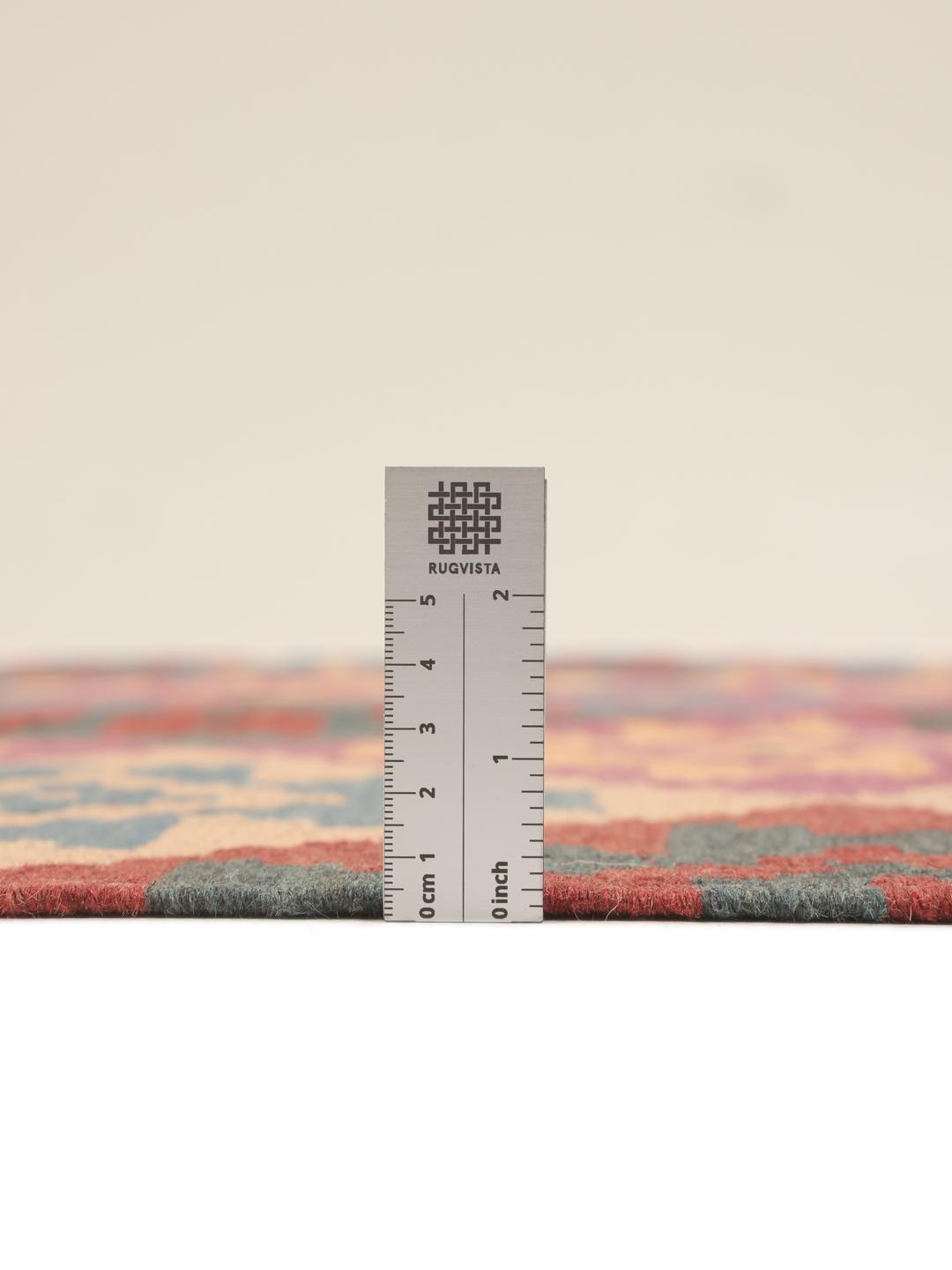
The Ghashghai people are nomadic tribes from the Middle Eastern region who have a long and storied history of weaving. Their craft is deeply tied to their lifestyle, with rugs designed to be versatile and durable enough to withstand the demands of travel while serving as essential, decorative elements within their tents.
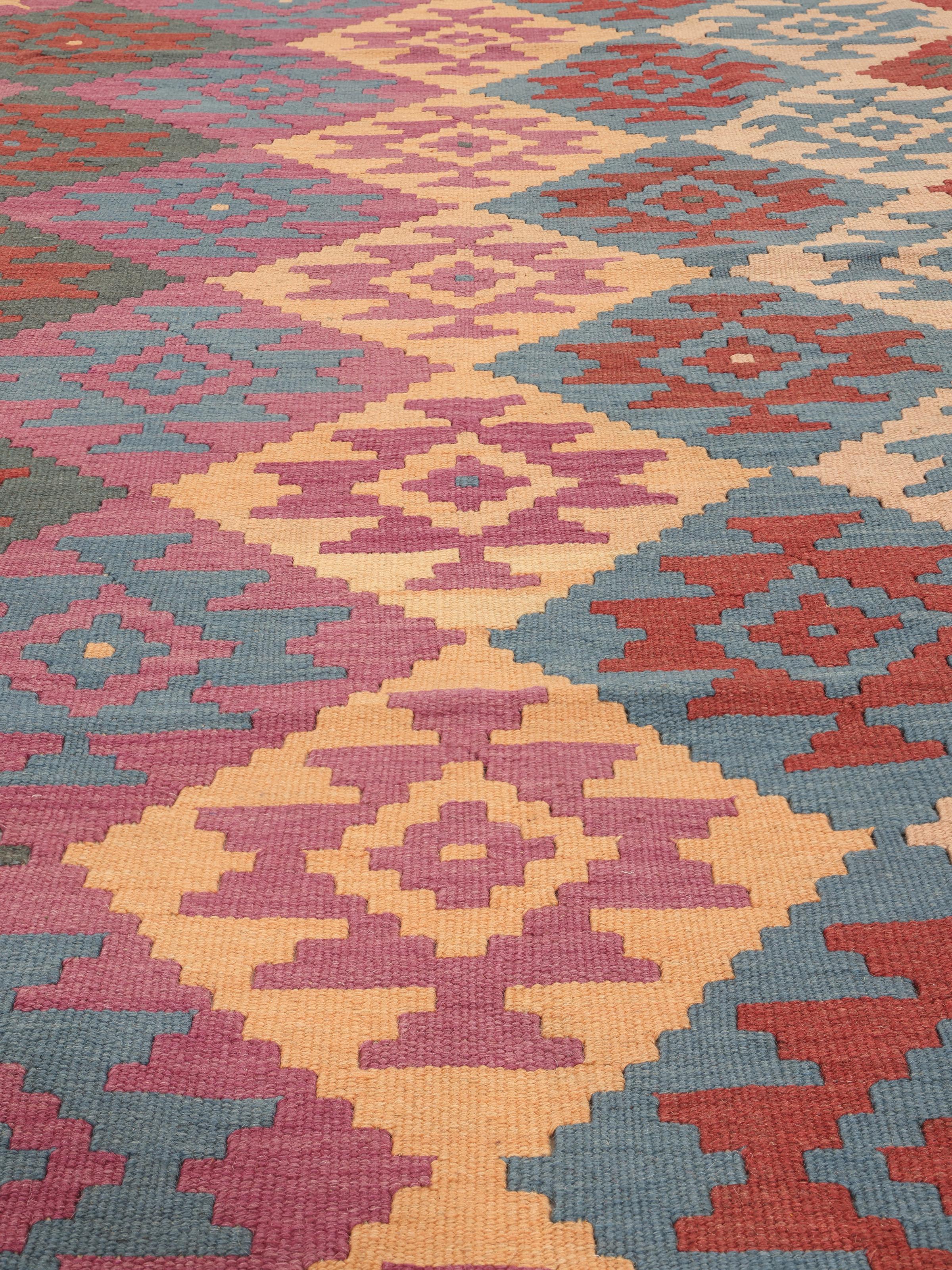
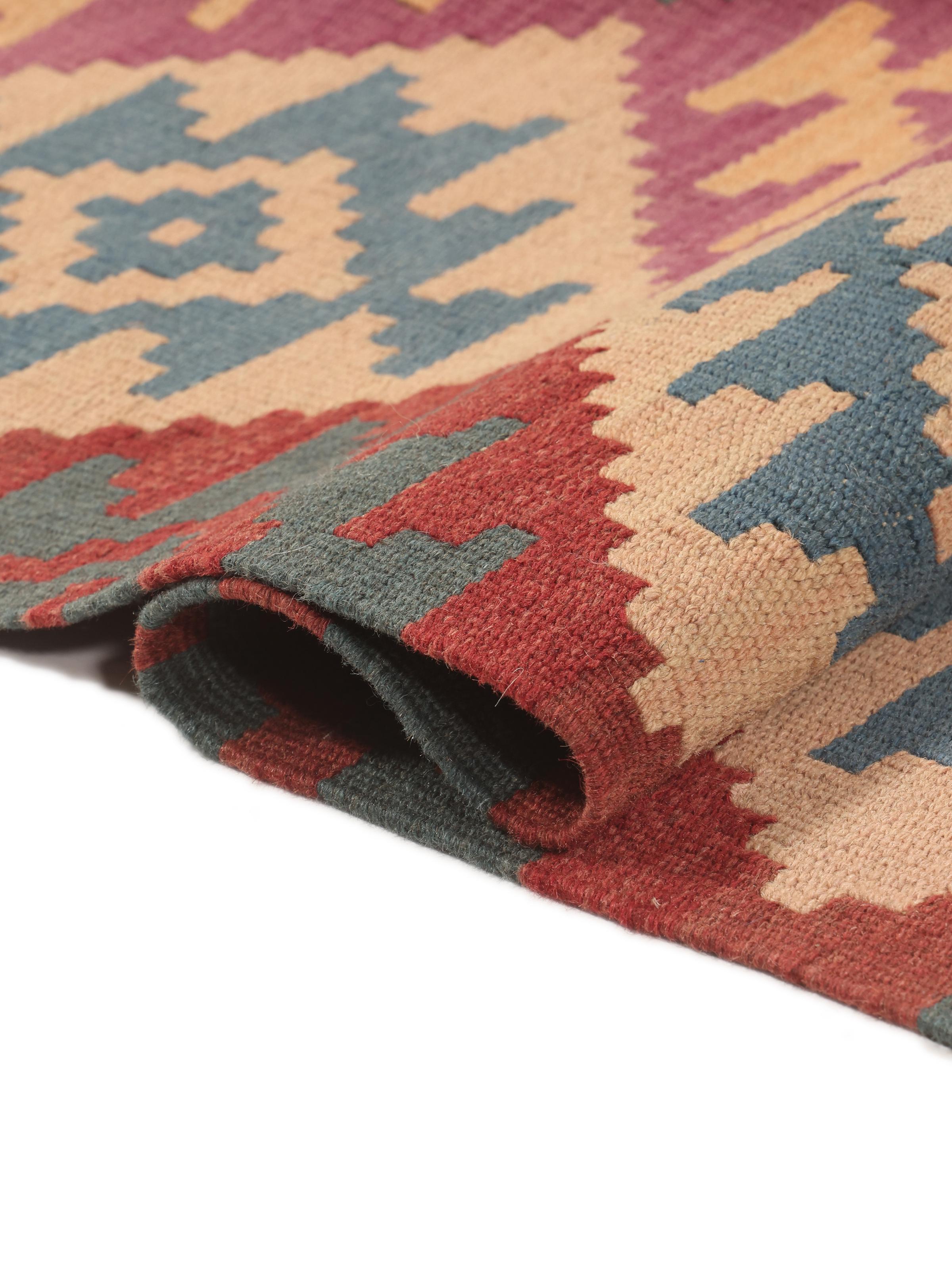
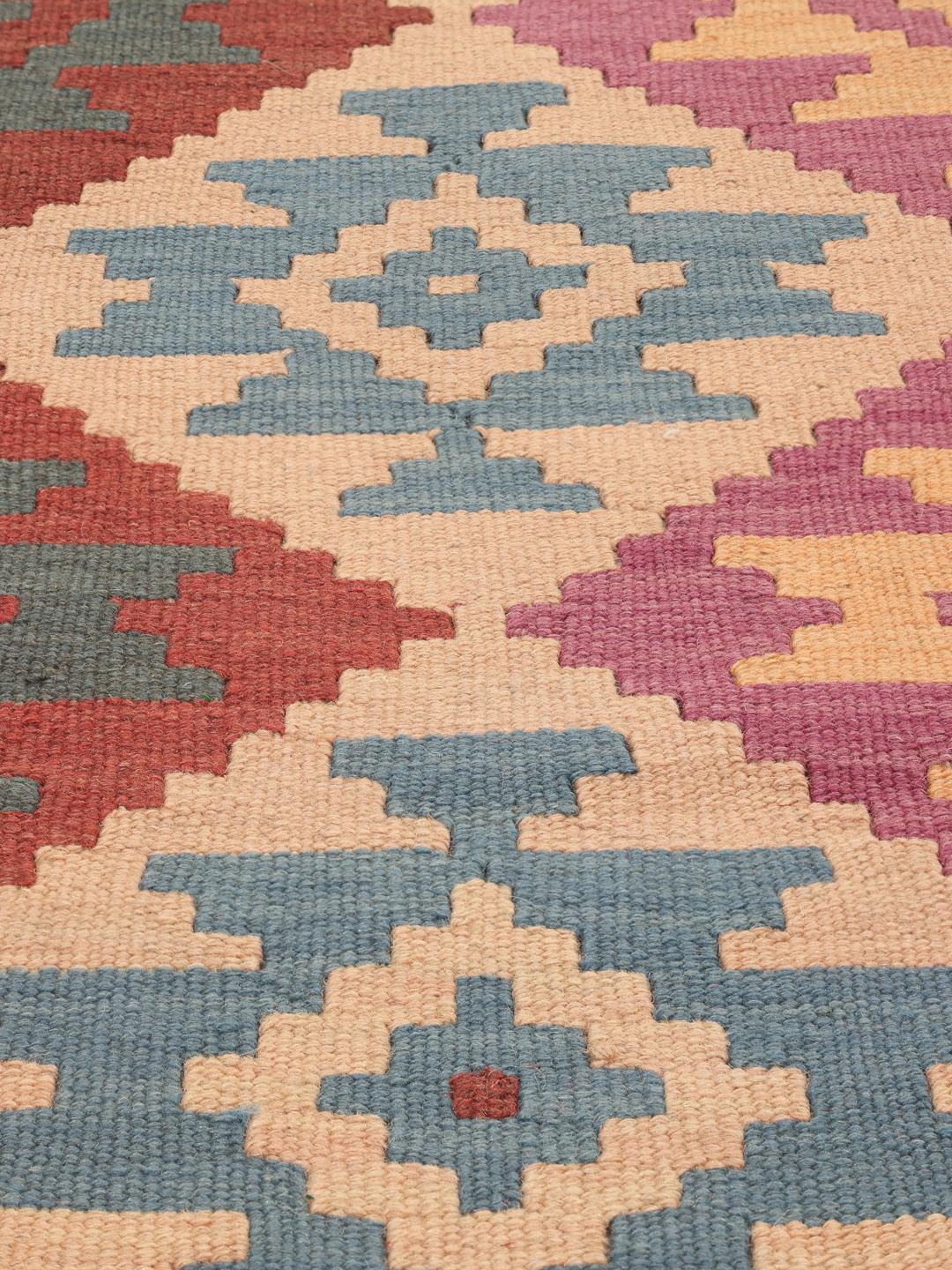
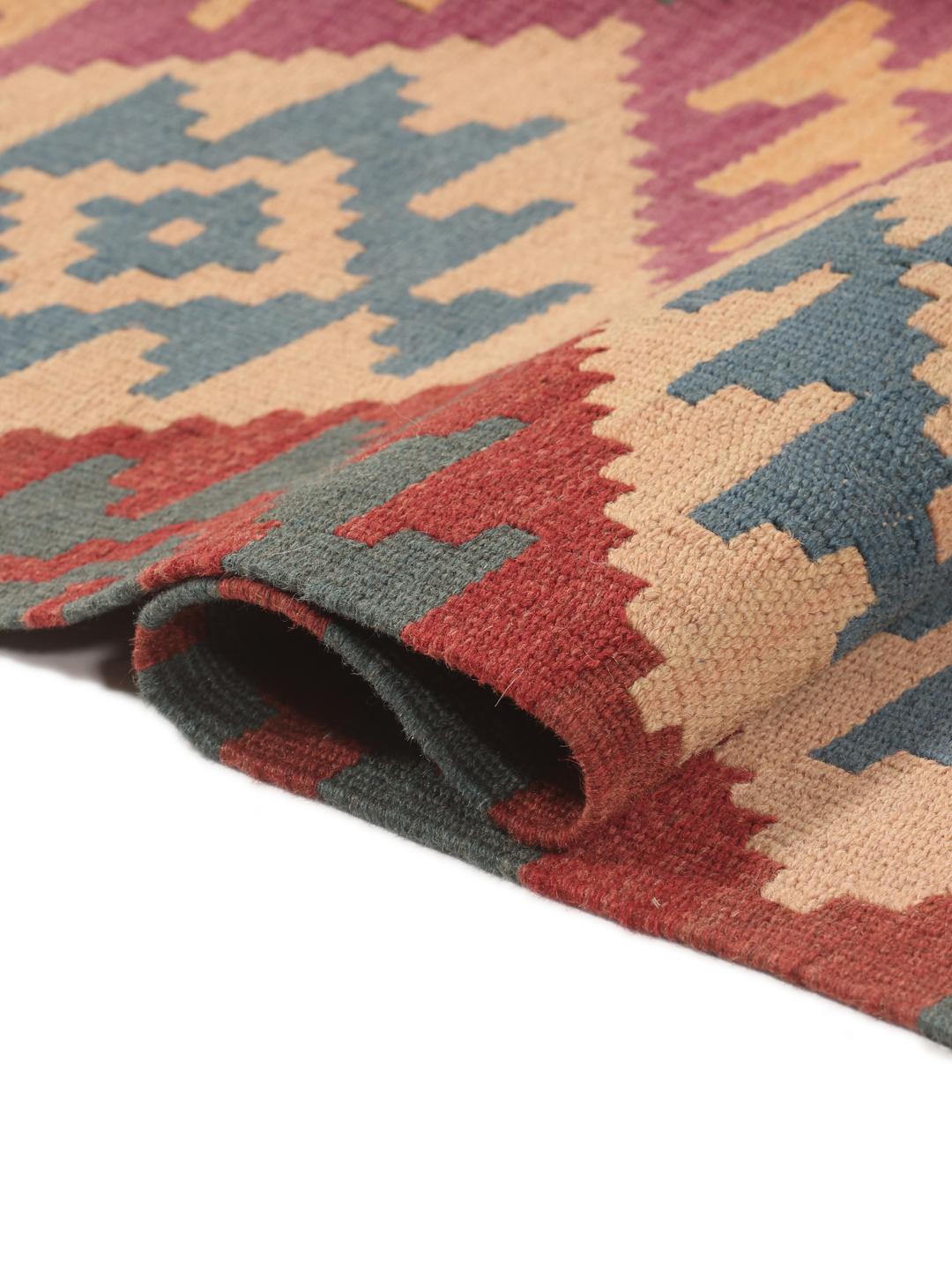
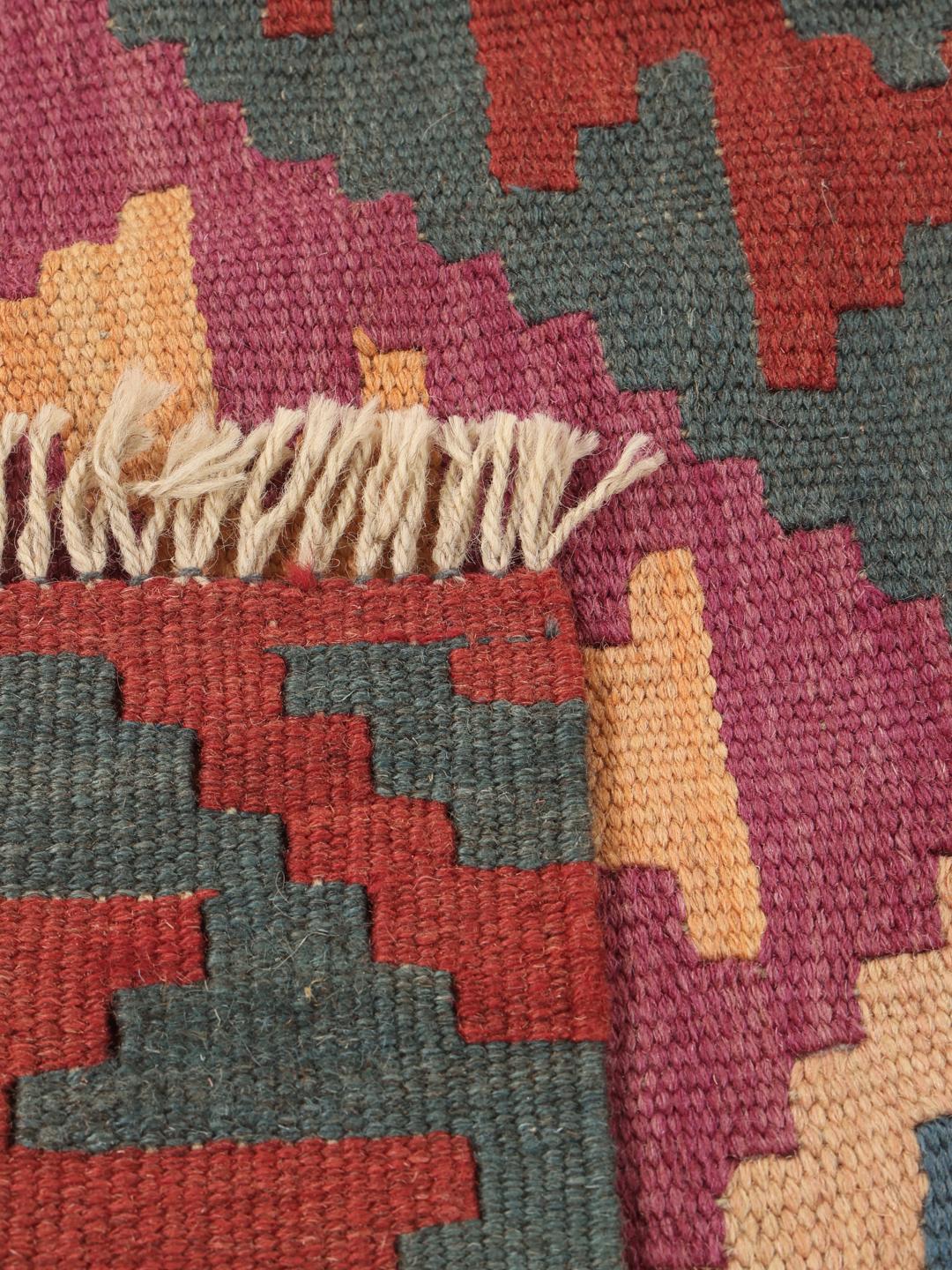
A kilim is defined by its flat-weave construction, which differentiates it from pile rugs. This method of weaving involves passing the weft threads through the warp threads to create the pattern, which creates a rug that is thin, reversible, and incredibly sturdy. This technique requires an immense amount of precision, as the weaver must manage the tension of every thread to ensure the symmetry and integrity of the final piece.
The signature design language of the Ghashghai tradition often features bold, repeating geometric motifs such as diamonds and stylized floral elements. These patterns are not merely decorative but are deeply symbolic, often representing the environment, tribal identity, or protective motifs passed down through generations. The use of vibrant, contrasting colours is a hallmark of this style, intended to bring brightness and joy to the domestic sphere.
Owning a Ghashghai kilim is an investment in cultural history and artisan skill. These rugs are highly valued by collectors for their authenticity and the human story woven into every inch of fabric. By bringing one into your home, you are continuing a legacy of nomadic artistry that has been refined over centuries, keeping a living tradition alive in your own space.