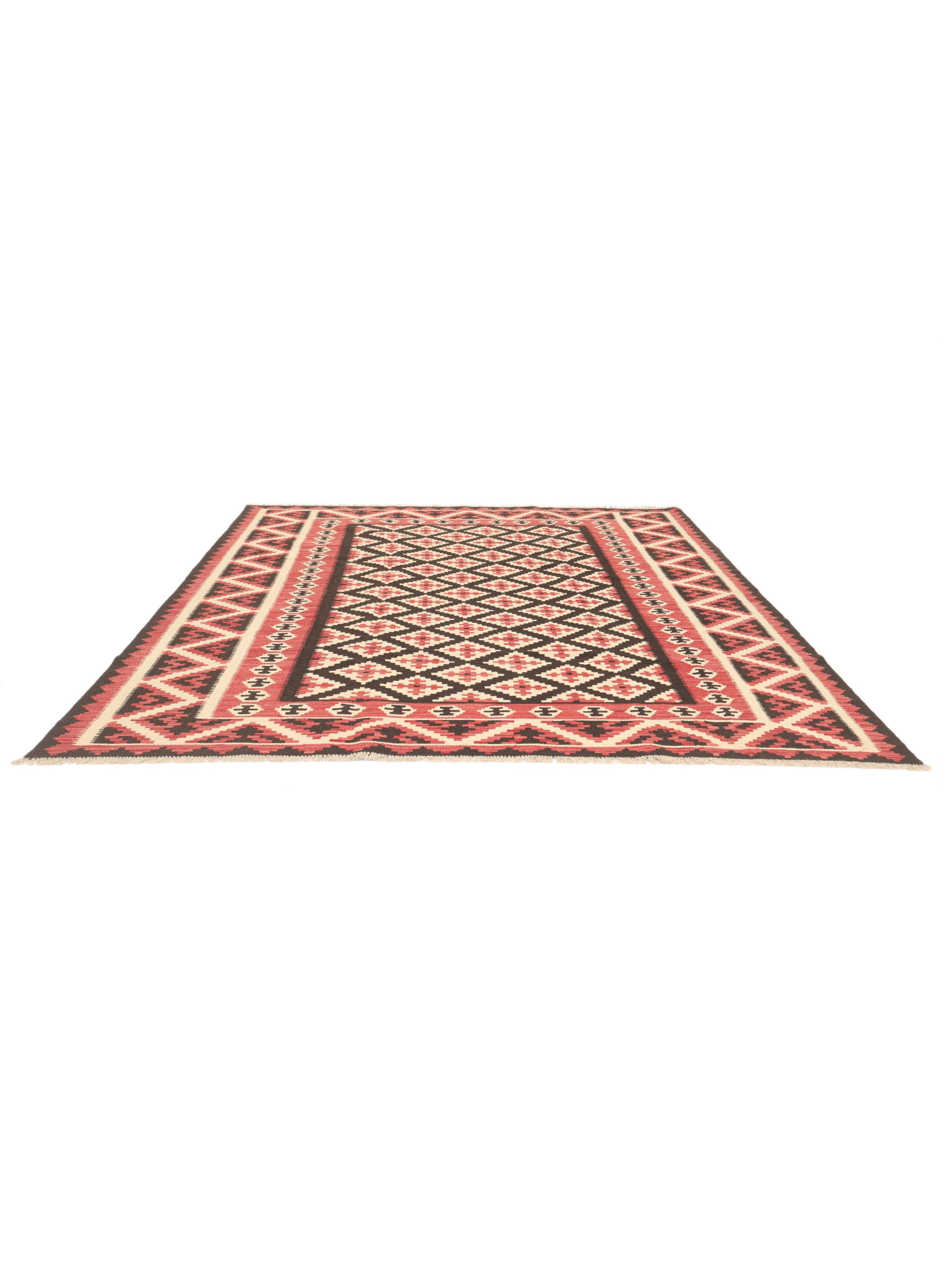
The Ghashghai people are a nomadic confederation from the Middle Eastern region known for their long-standing tradition of weaving. Their craft has been passed down through generations, with each generation refining the techniques used to create these distinctive flat-woven rugs. Historically, these pieces were essential to nomadic life, serving as floor coverings, blankets, and storage bags, which necessitated a construction that was both portable and incredibly robust.
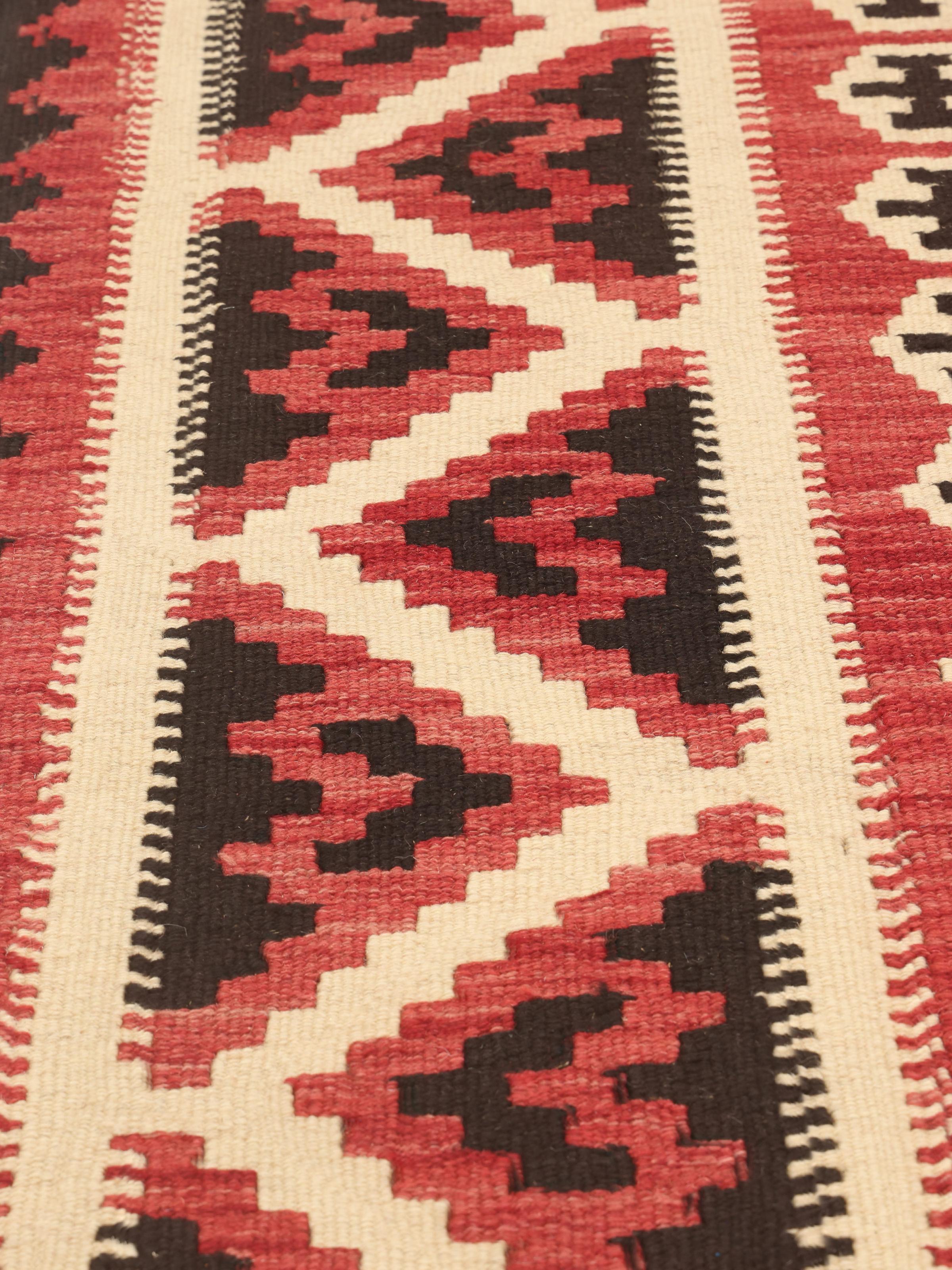
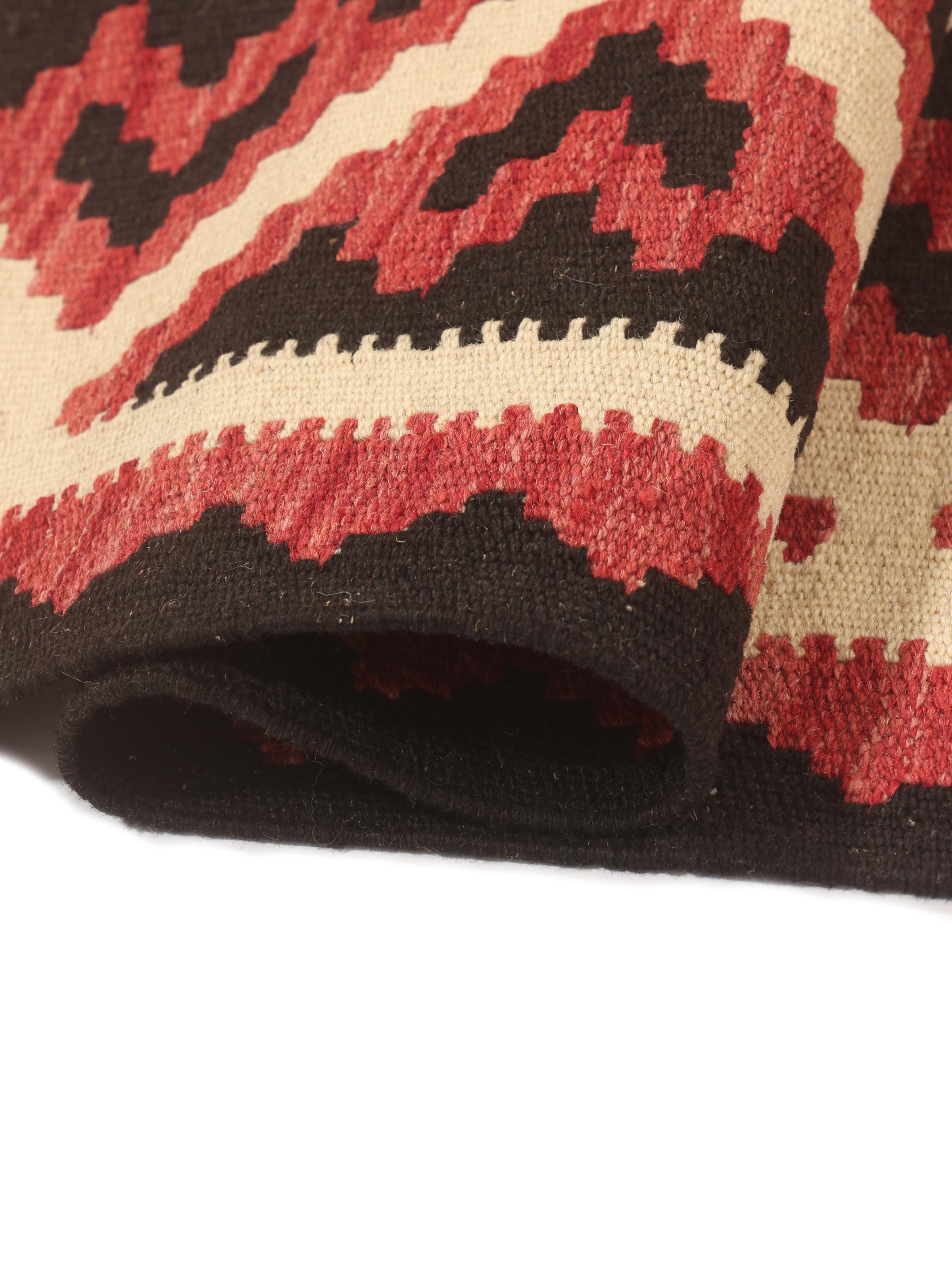
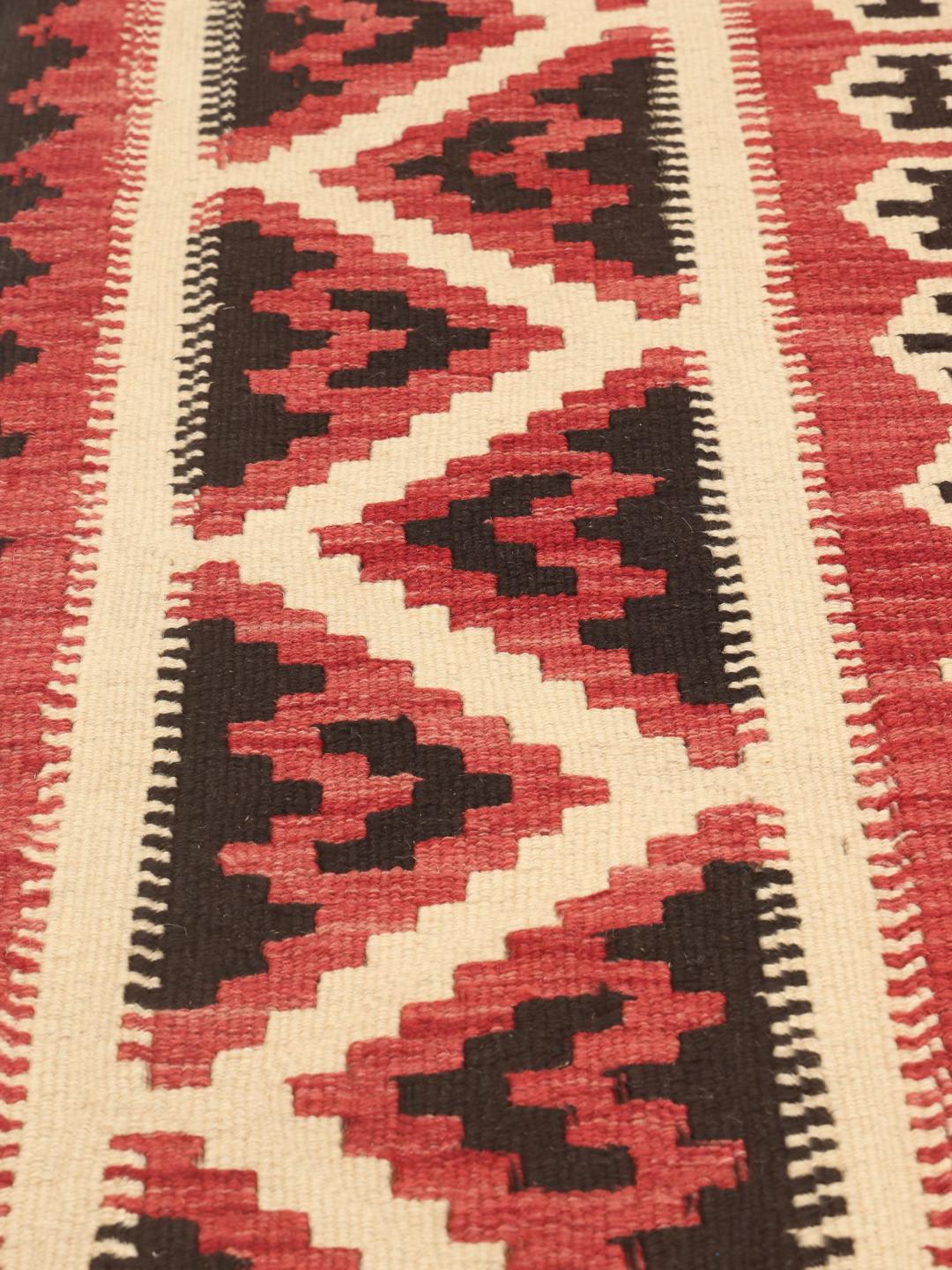
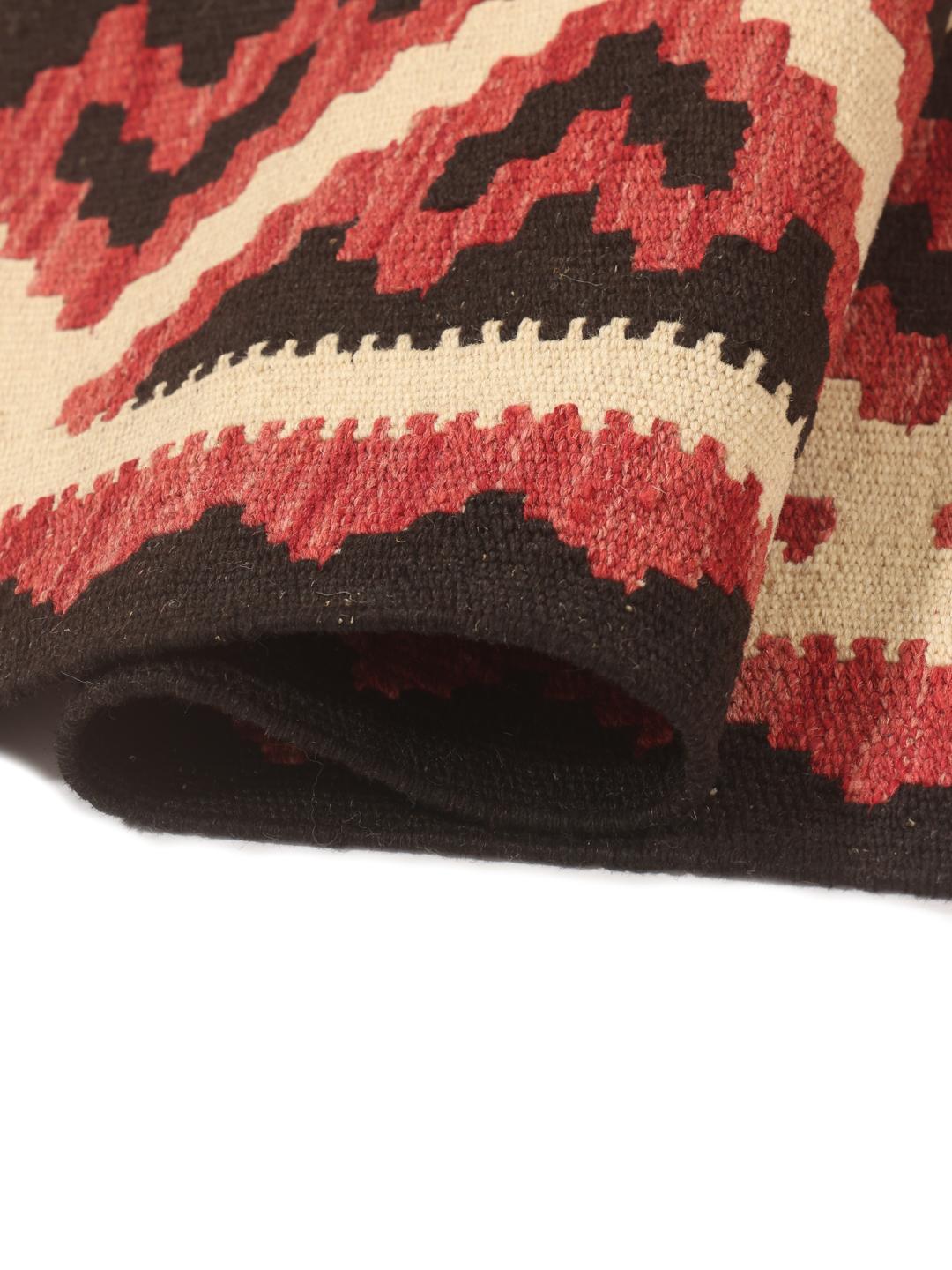
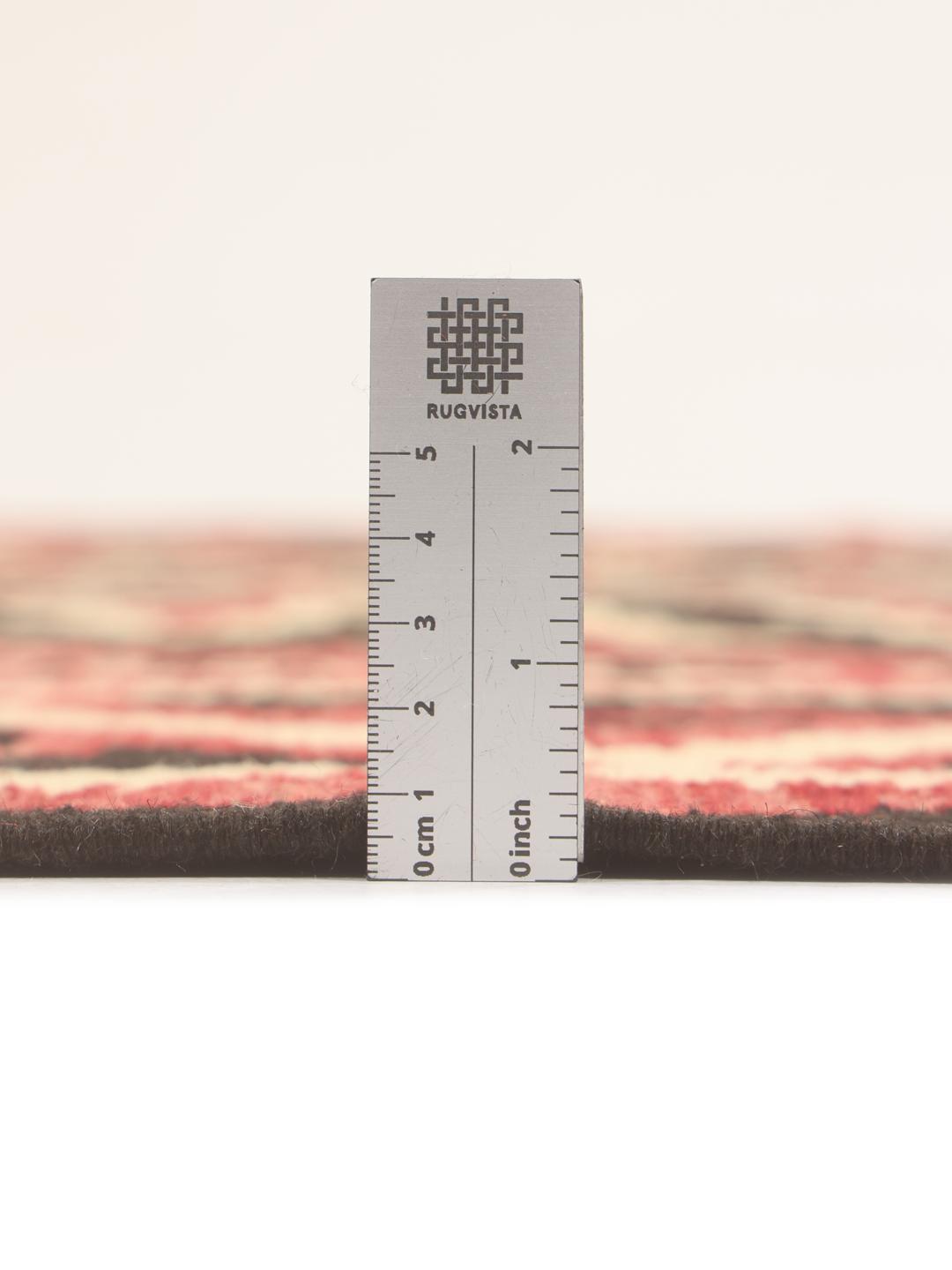
A Kelim is defined by its flat-woven construction, which means it lacks a raised pile. This technique is achieved by interweaving the warp and weft threads to create a smooth, reversible surface. Because the patterns are created by the weave itself rather than being knotted into a foundation, the resulting rug is lightweight yet surprisingly strong. The absence of pile allows the geometric designs to appear exceptionally crisp and sharp, showcasing the weaver's mastery of tension and color placement.
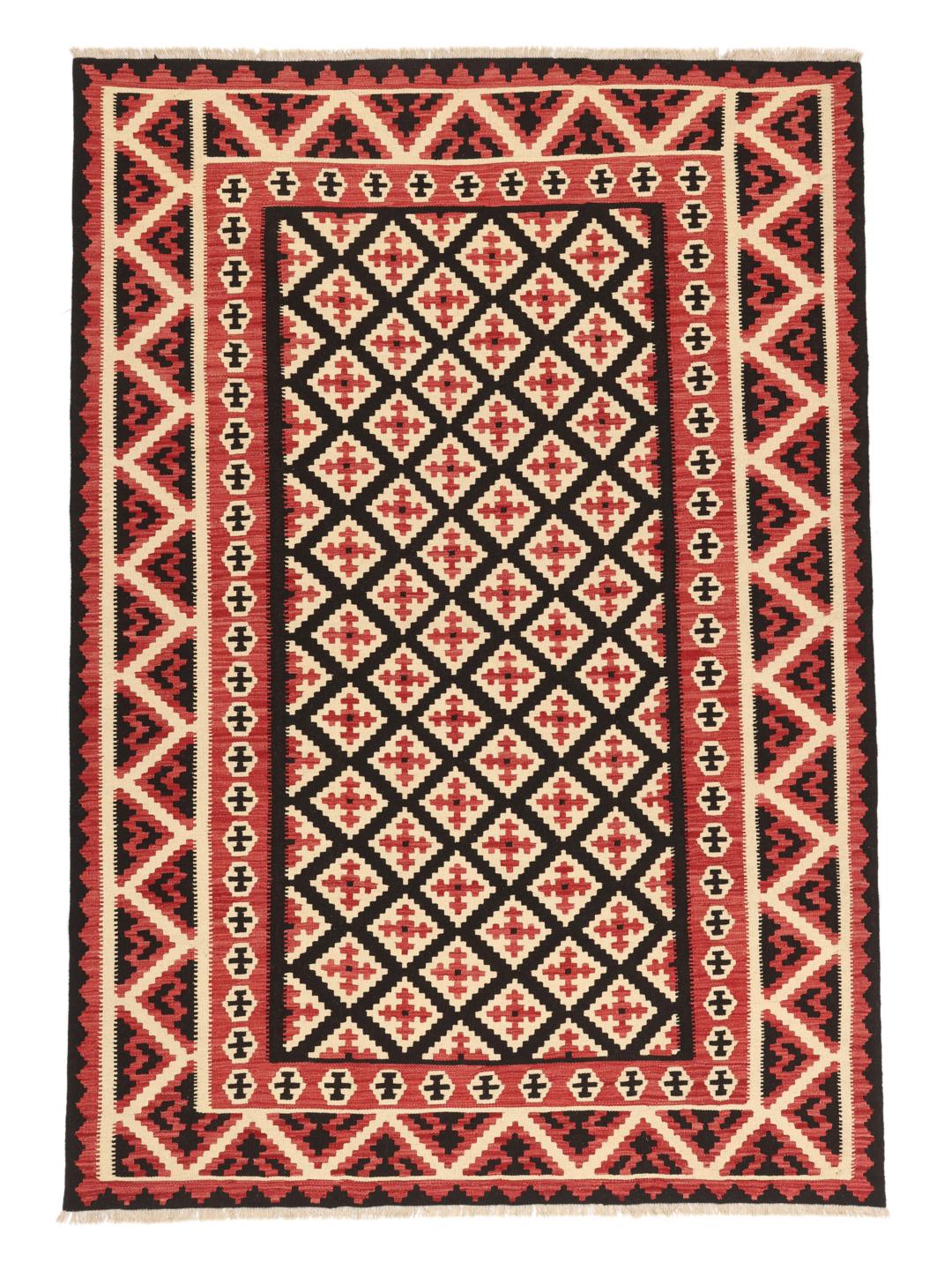
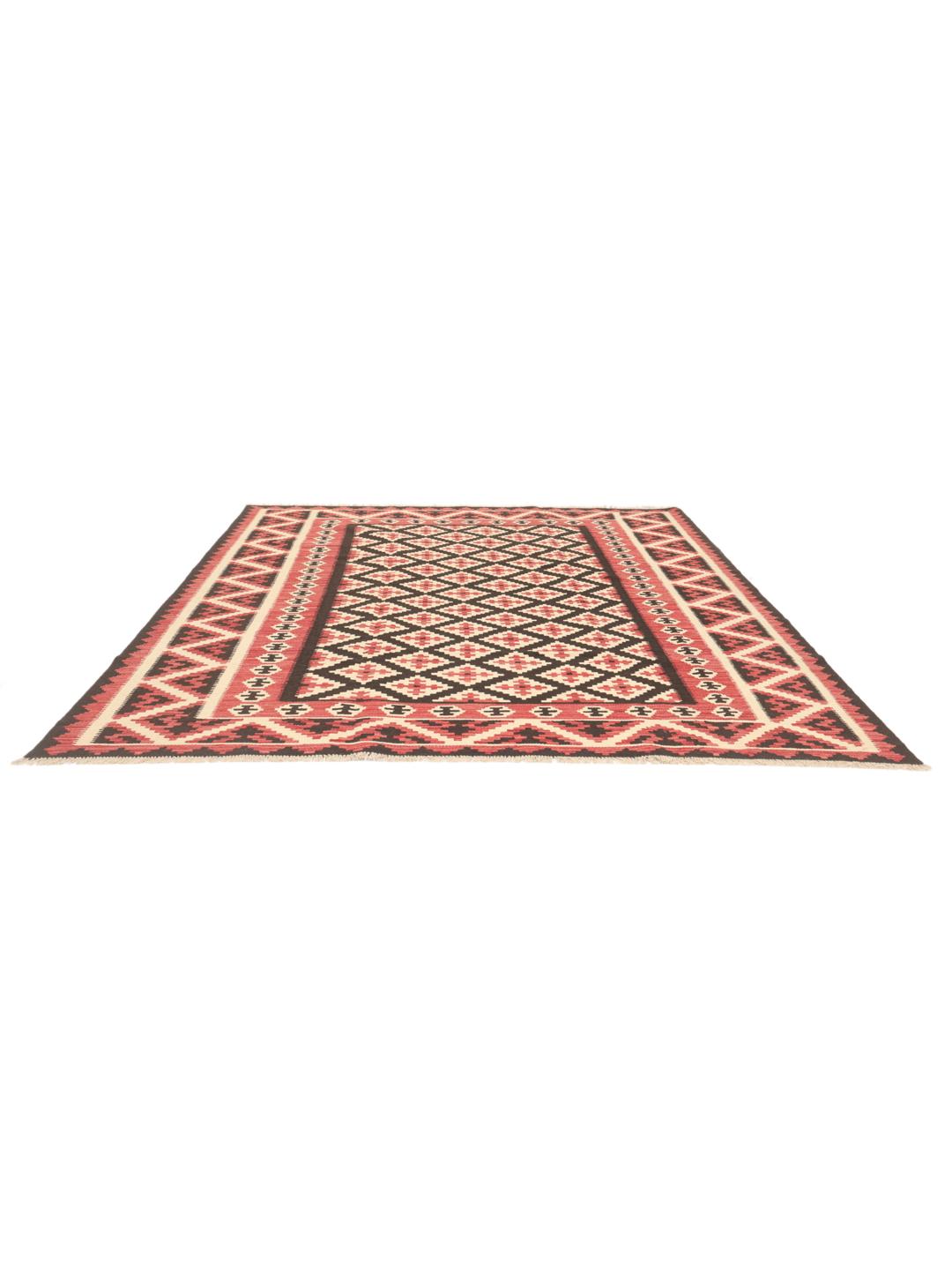
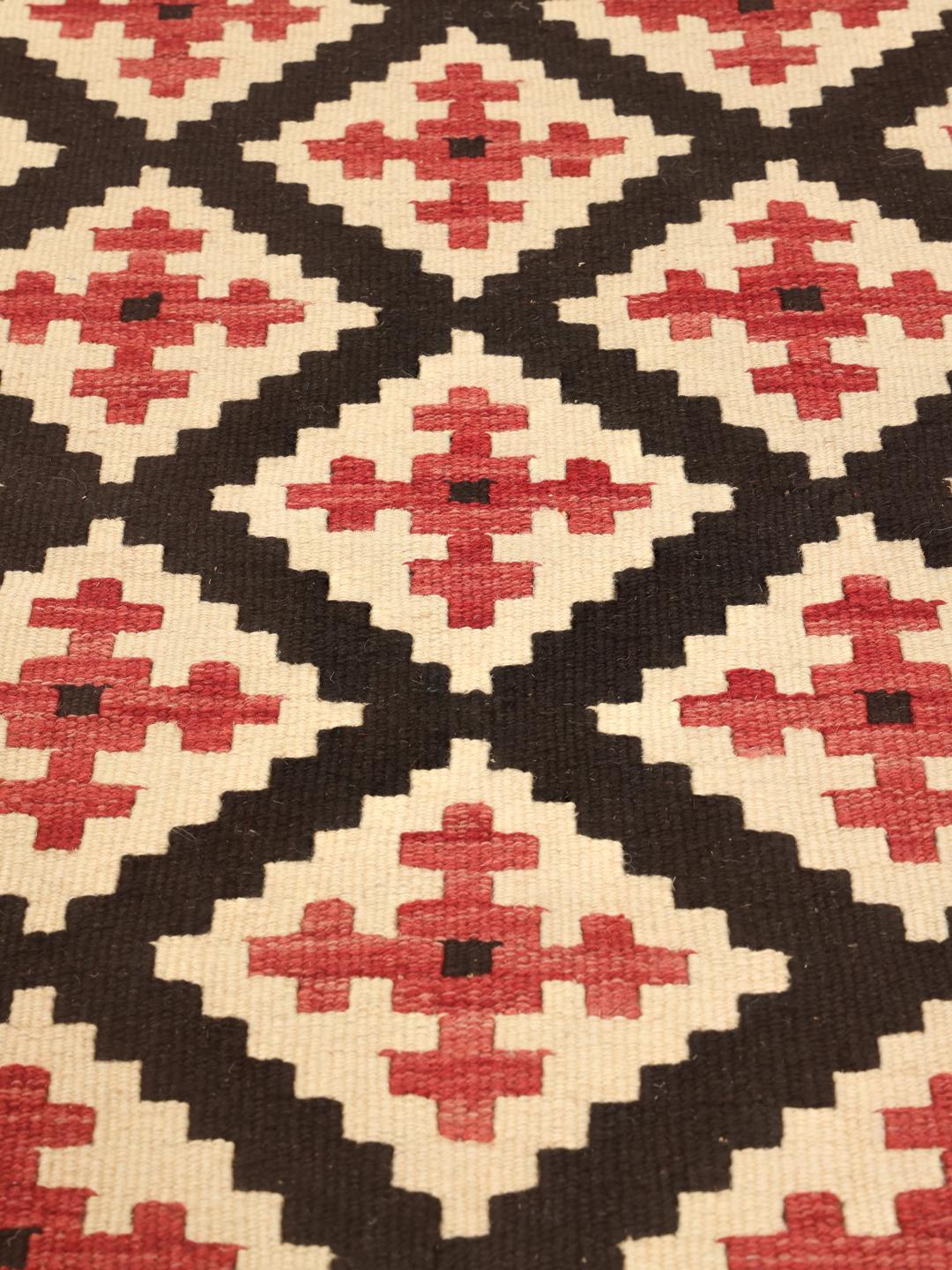
The visual language of Ghashghai rugs is deeply symbolic, often featuring geometric medallions, diamonds, and stylized floral motifs that reflect the natural world and the cultural identity of the tribe. The borders are typically framed by intricate, repeating patterns that enclose the central field, providing a balanced and symmetrical look. The use of bold, saturated colours—traditionally derived from natural dyes—gives these rugs their vibrant, energetic presence that has remained popular for centuries.
Owning a hand-woven Kelim Ghashghai is an invitation to hold a piece of cultural history. These rugs are highly prized by collectors and enthusiasts for their authentic representation of tribal art and the high level of skill required to produce them. By choosing a piece from this tradition, you are supporting a legacy of craftsmanship that values individuality, storytelling, and the preservation of ancient techniques in a modern world.