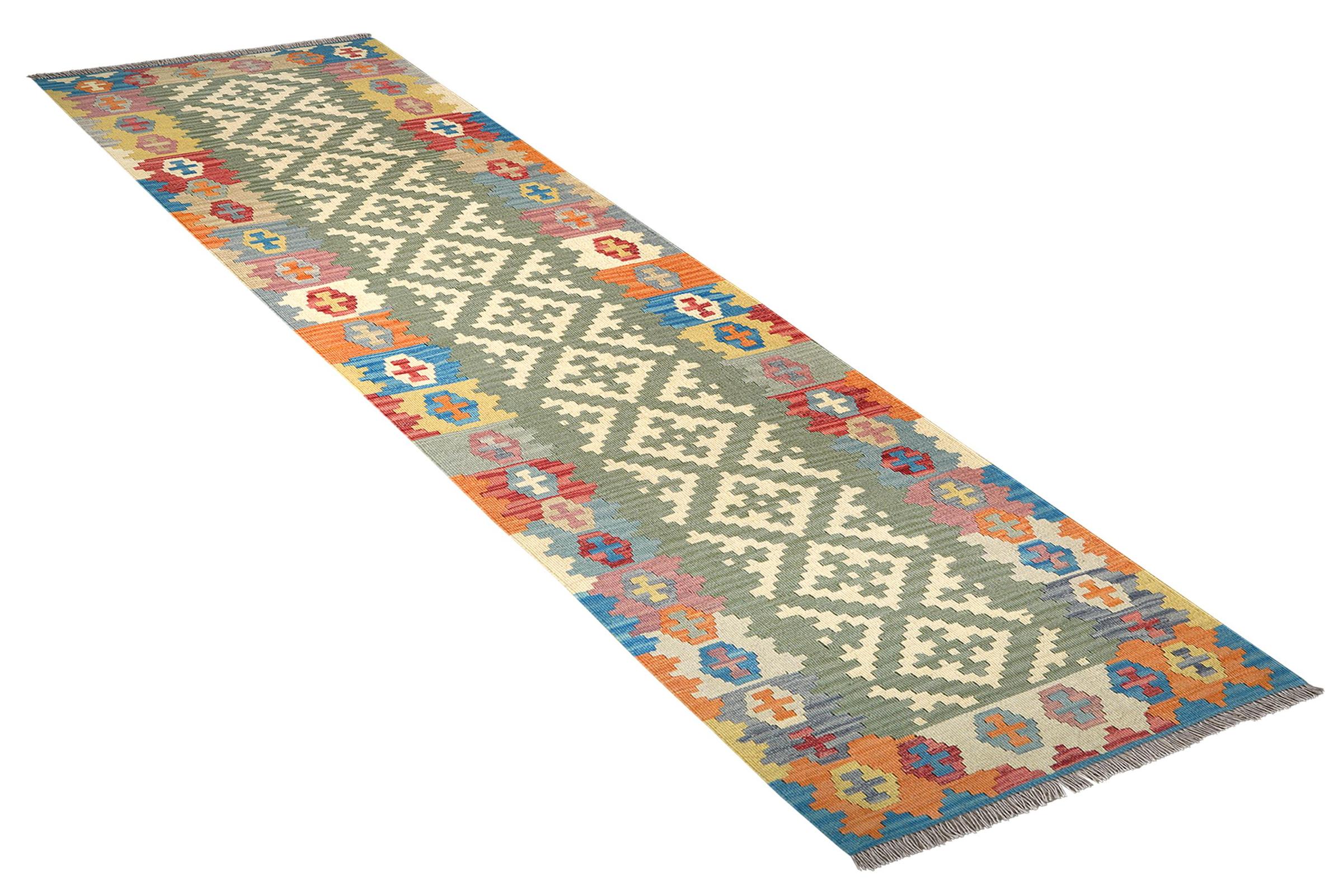
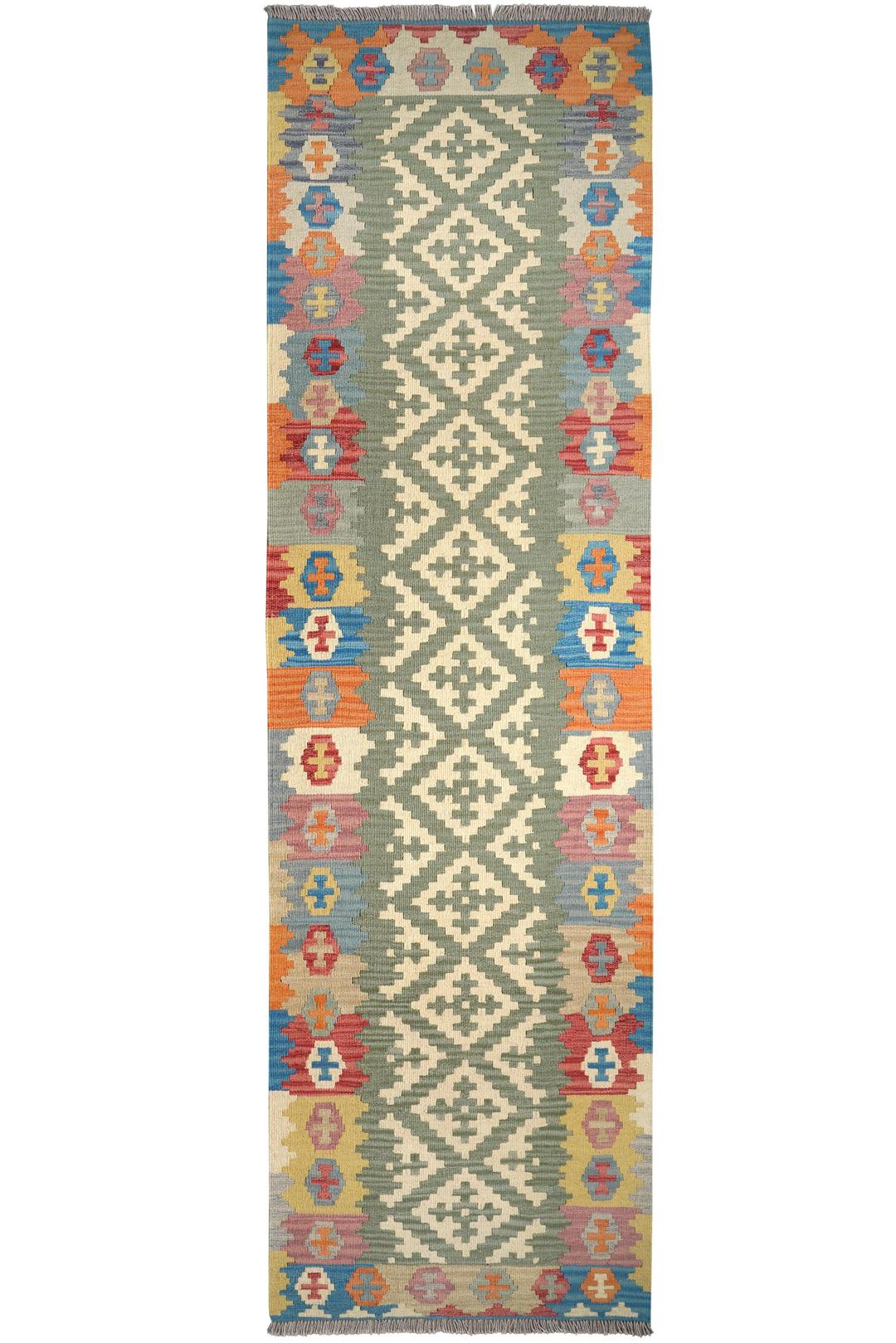
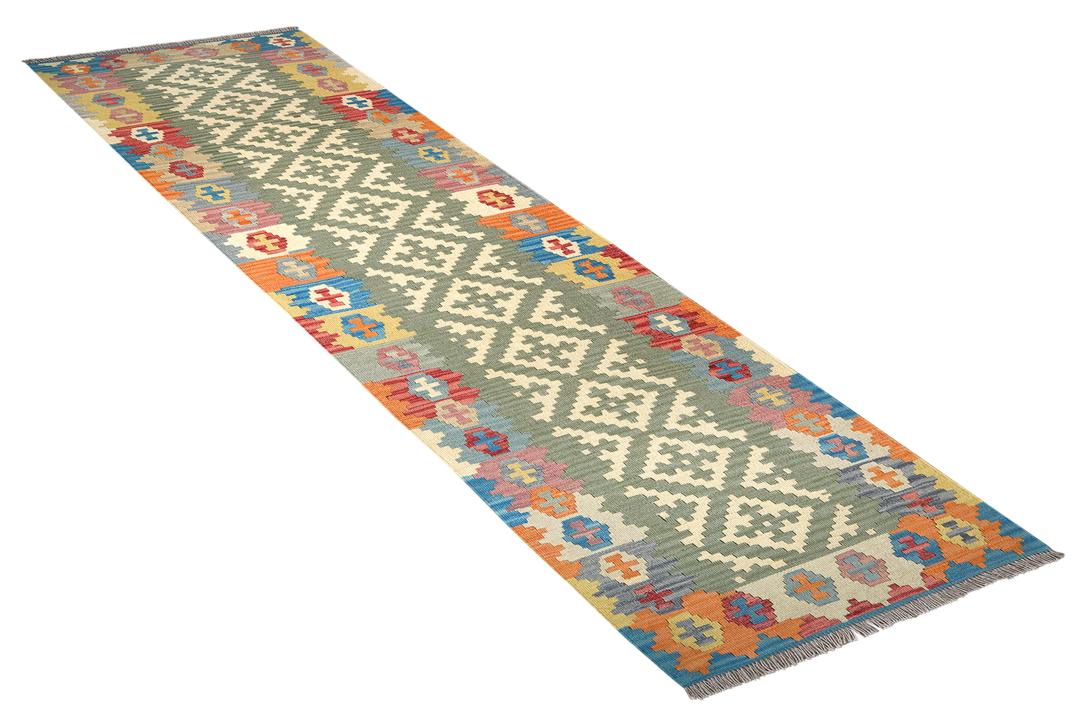
Ghashghai kilims originate from the nomadic and semi-nomadic Ghashghai tribes of south-western Middle East. Historically, these weavers moved across vast distances, crafting lightweight flatwoven textiles for daily use in tents, as storage bags, bedding, and floor coverings suited to a mobile lifestyle.
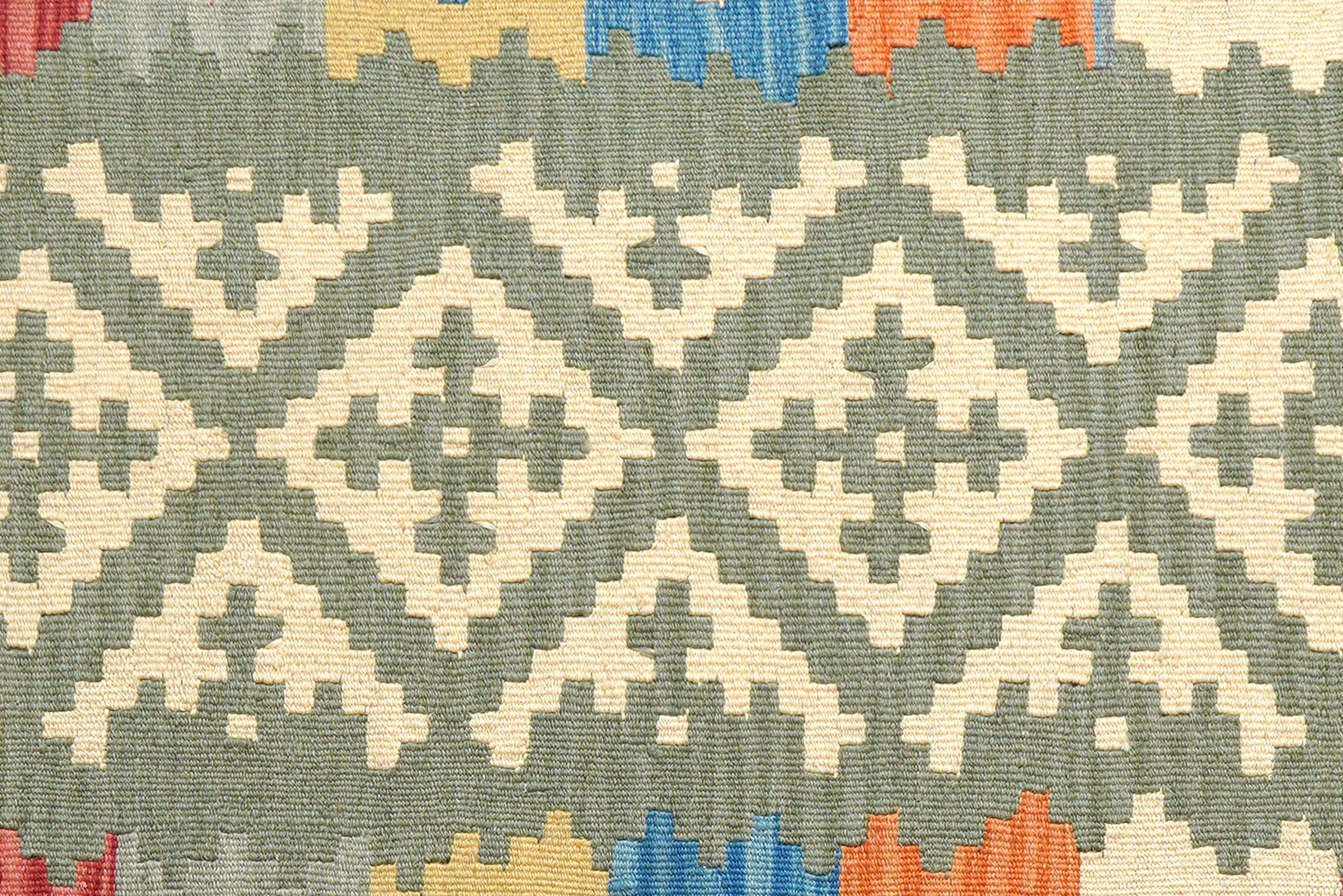
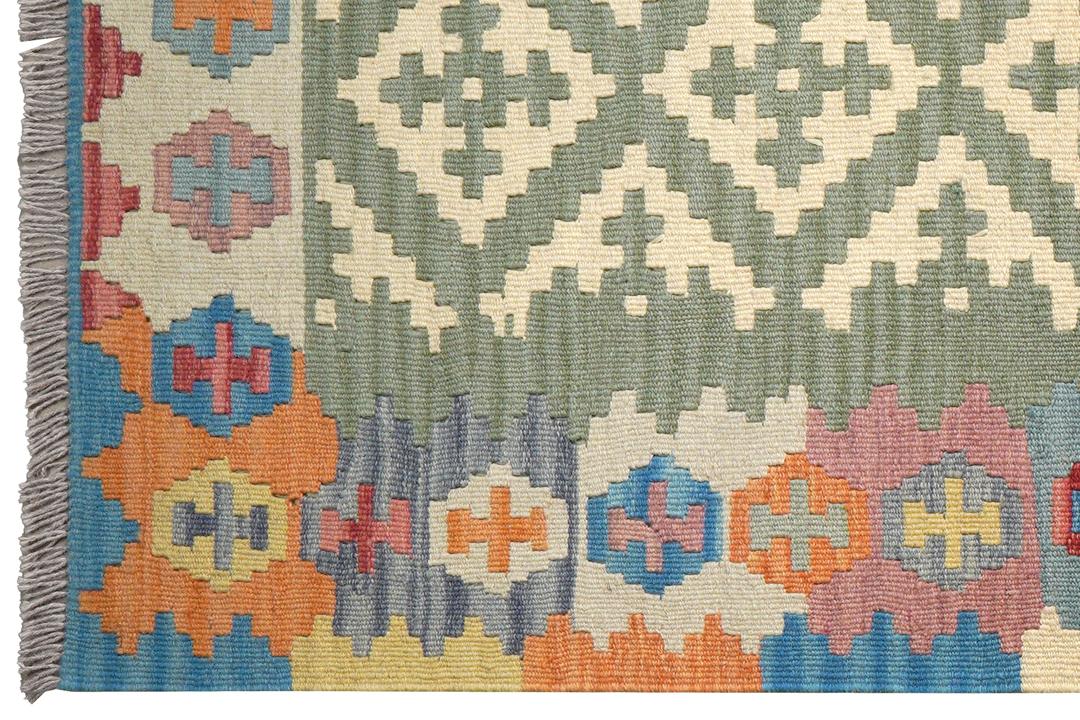
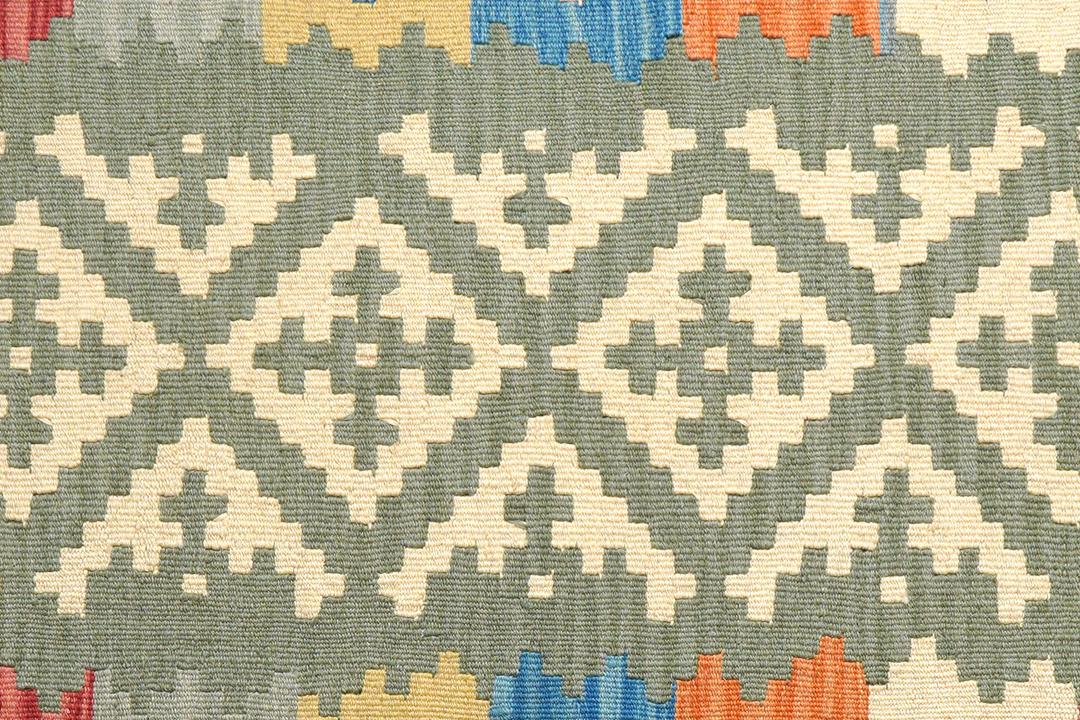
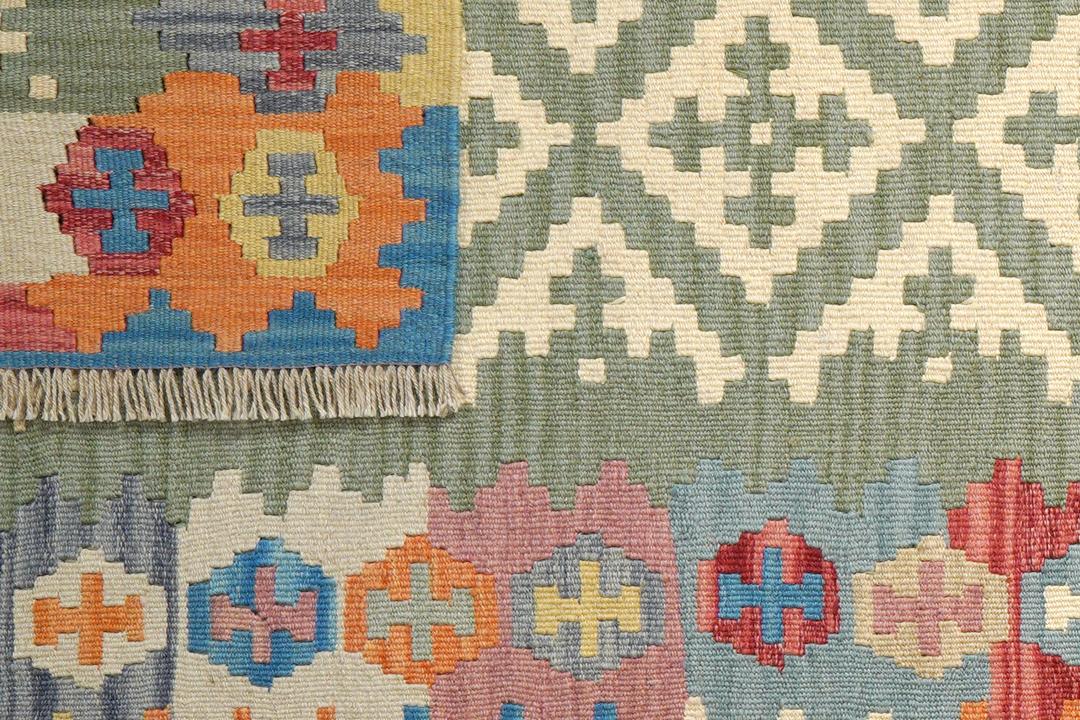
Unlike pile carpets, kilims are constructed using a flatweaving technique where the colored weft strands are woven directly through the structural warp threads. This creates a reversible, pileless fabric with sharp geometric lines and a clean, tactile surface that sits flat against the floor.
The visual language of Ghashghai weaving is deeply symbolic, featuring stylized diamond medallions, hooked motifs, and geometric borders. Patterns are traditionally recalled from memory rather than copied from drawn charts, allowing individual weavers to introduce personal variations and subtle shifts in color.
Ghashghai textiles are globally sought after by collectors for their expressive composition, vibrant color palettes, and strong connection to authentic tribal life. Owning a piece from this tradition means bringing a living fragment of nomadic textile culture into the modern home.