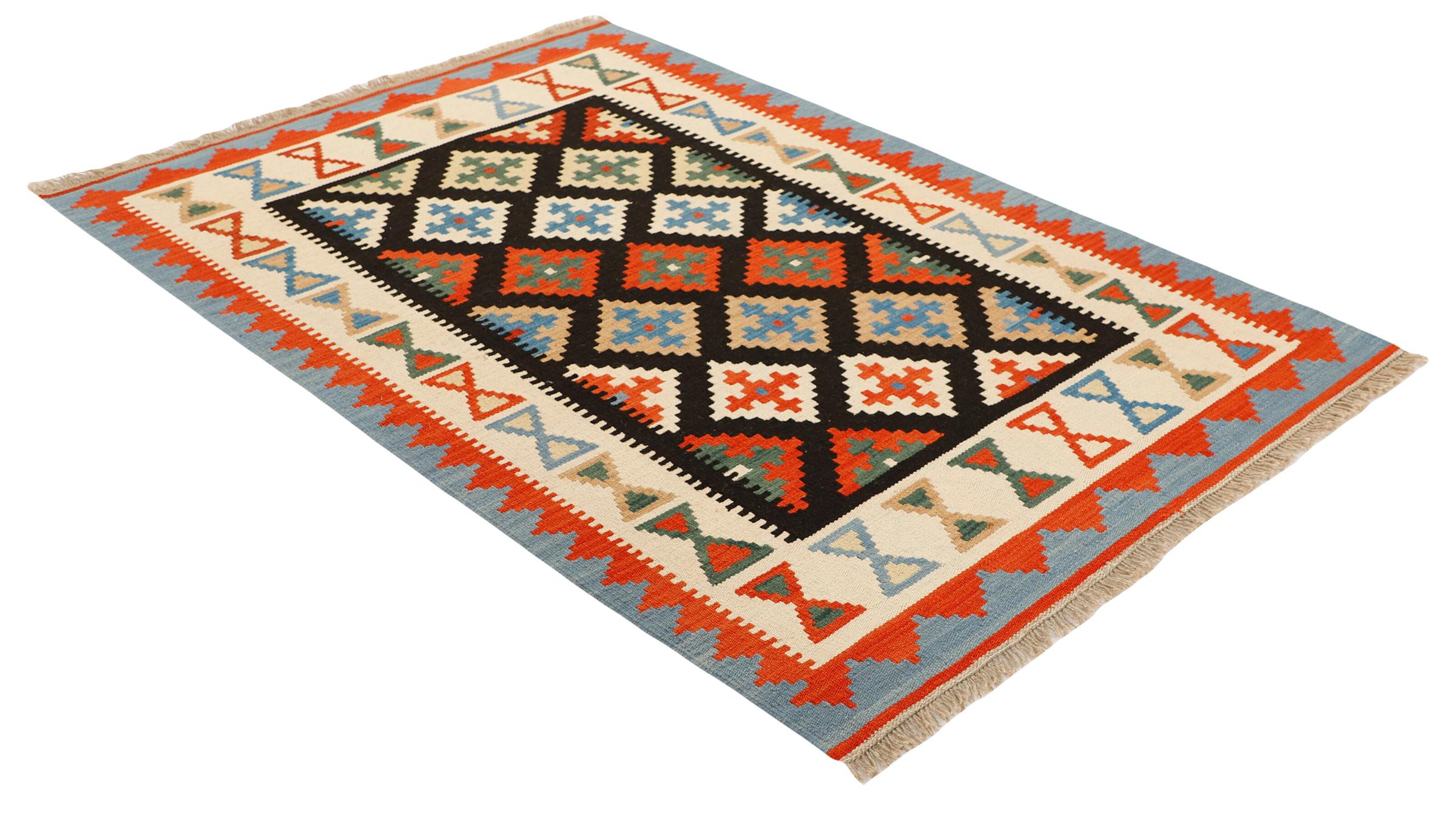
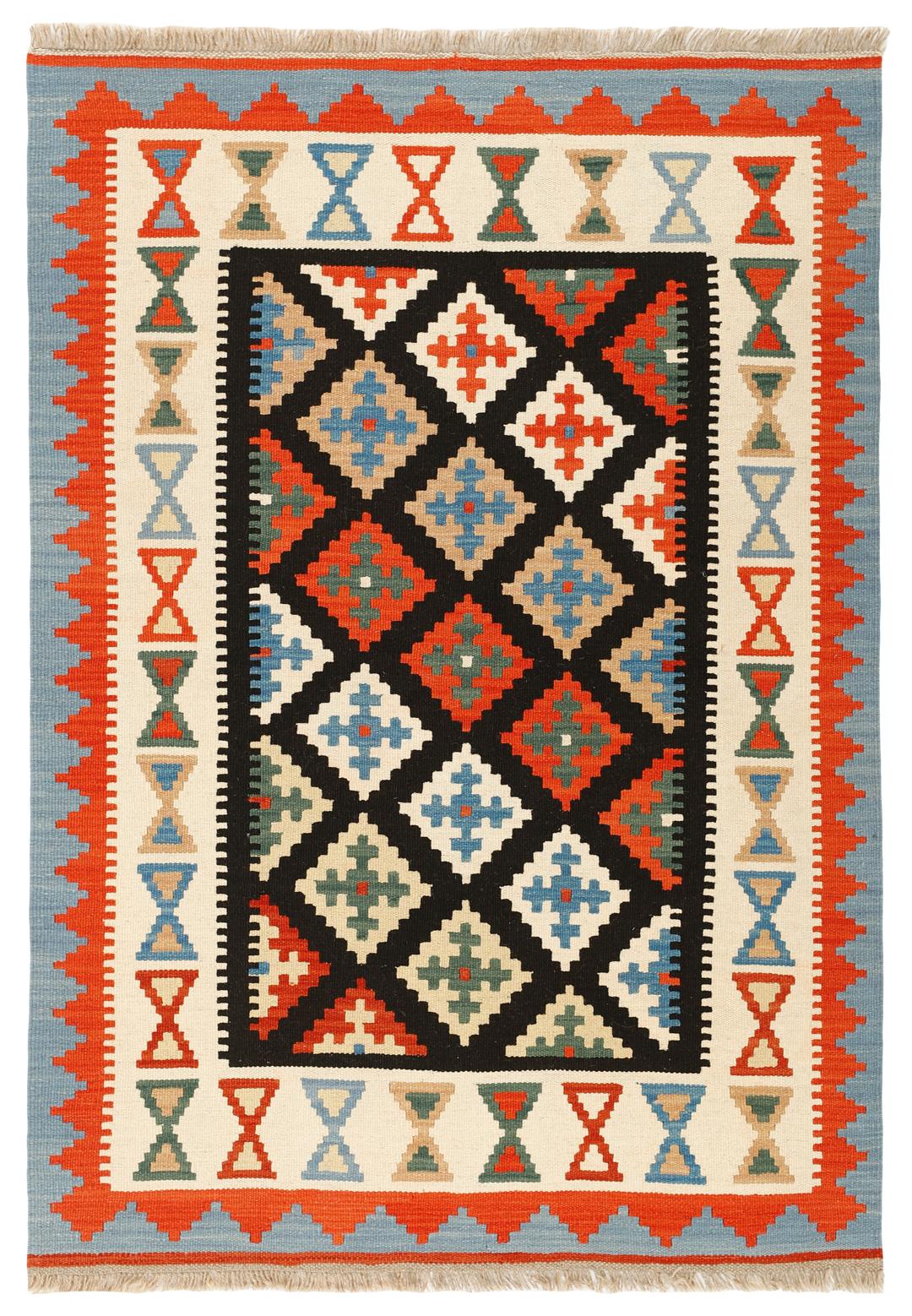
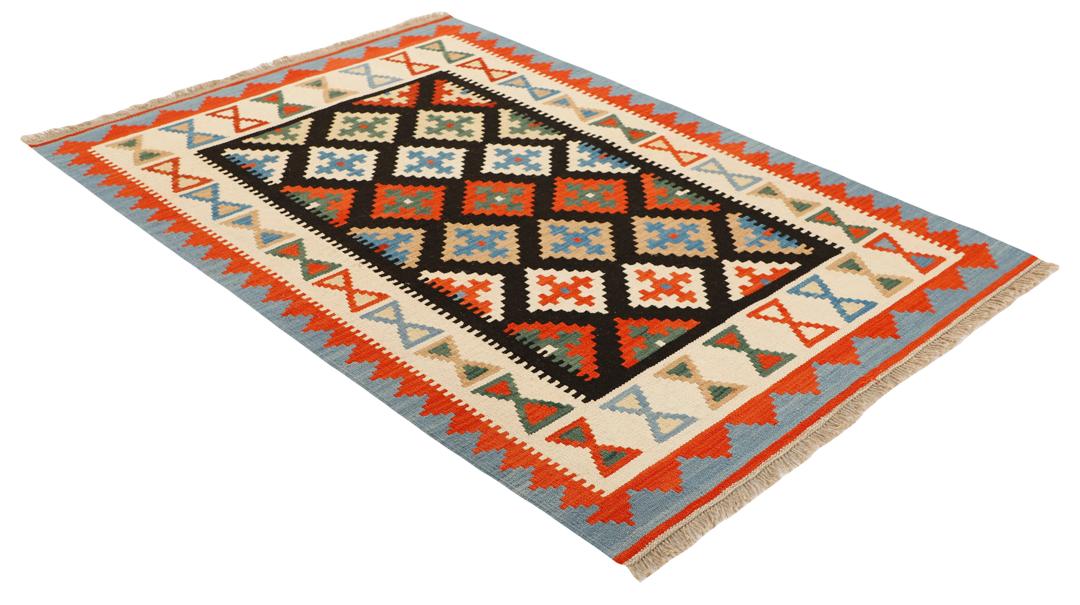
Kilim rugs are a cornerstone of textile history, originating from the nomadic and village cultures of the Middle East. For centuries, these flat-woven rugs have served as essential functional items for tent floors, wall hangings, and storage bags, reflecting the nomadic lifestyle where portability and durability were paramount to daily survival.
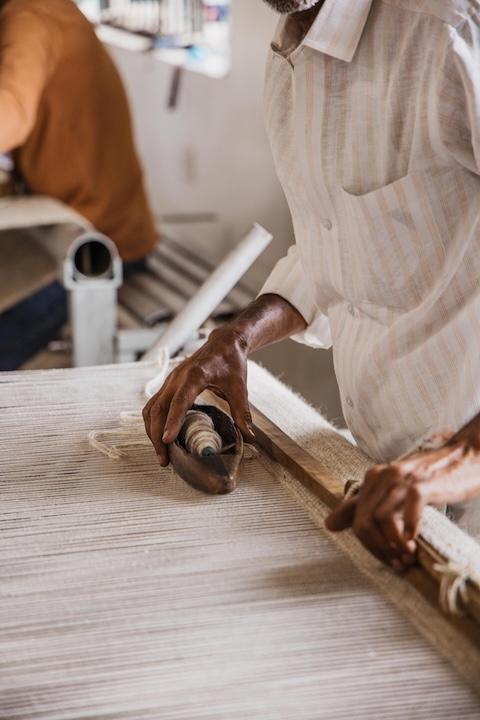
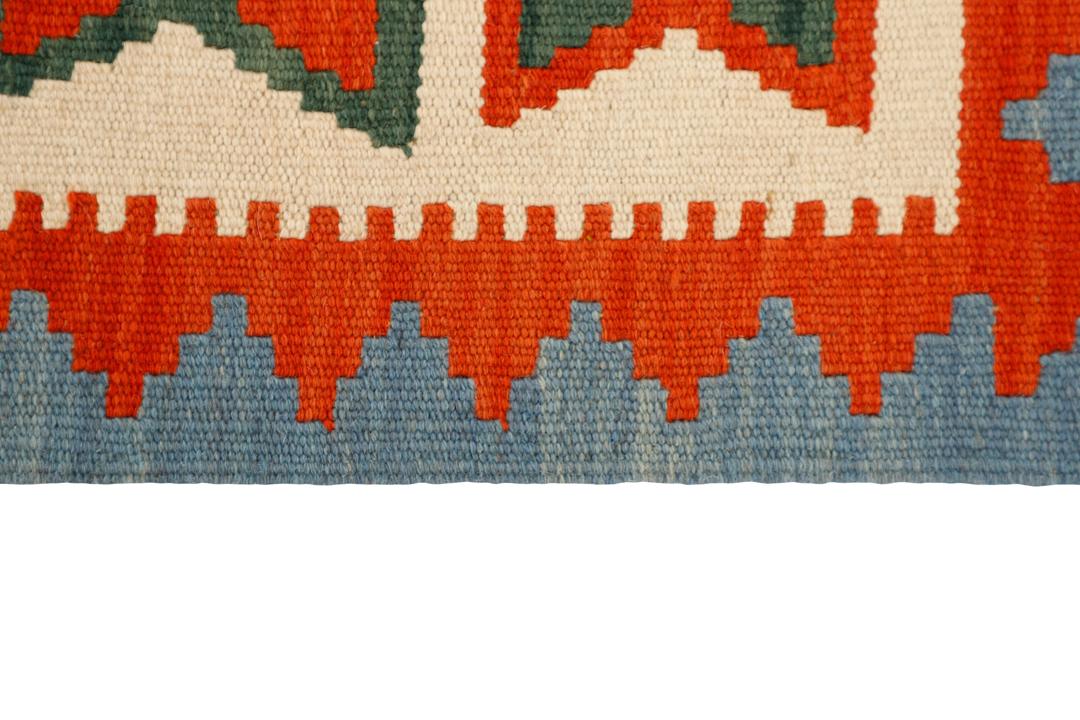
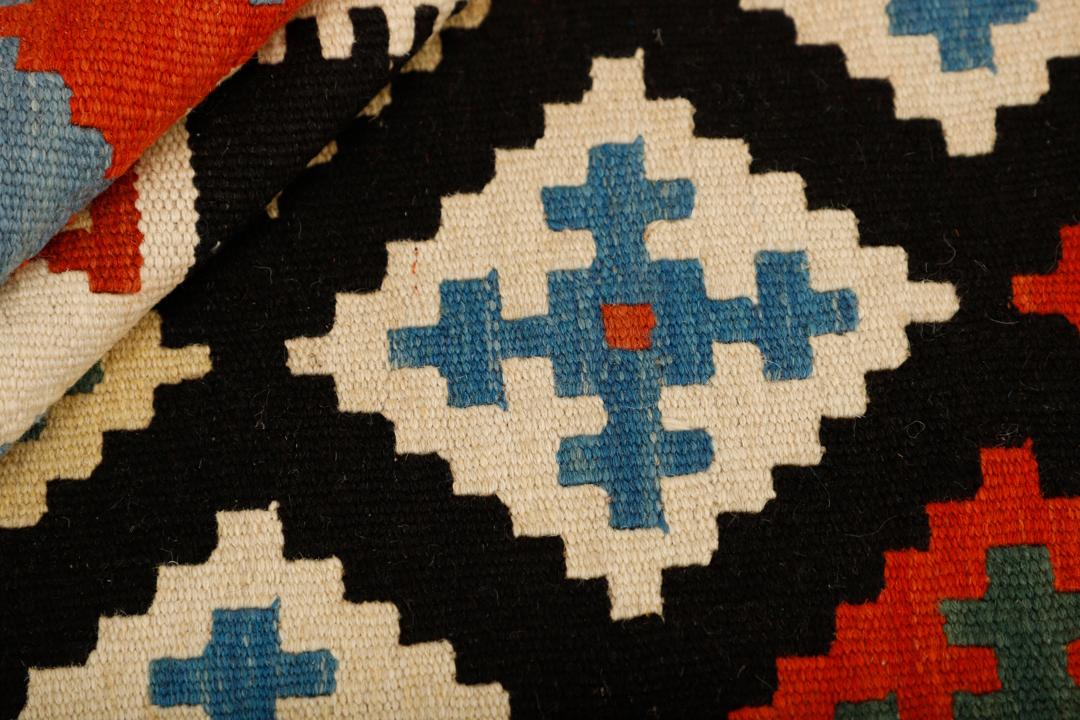
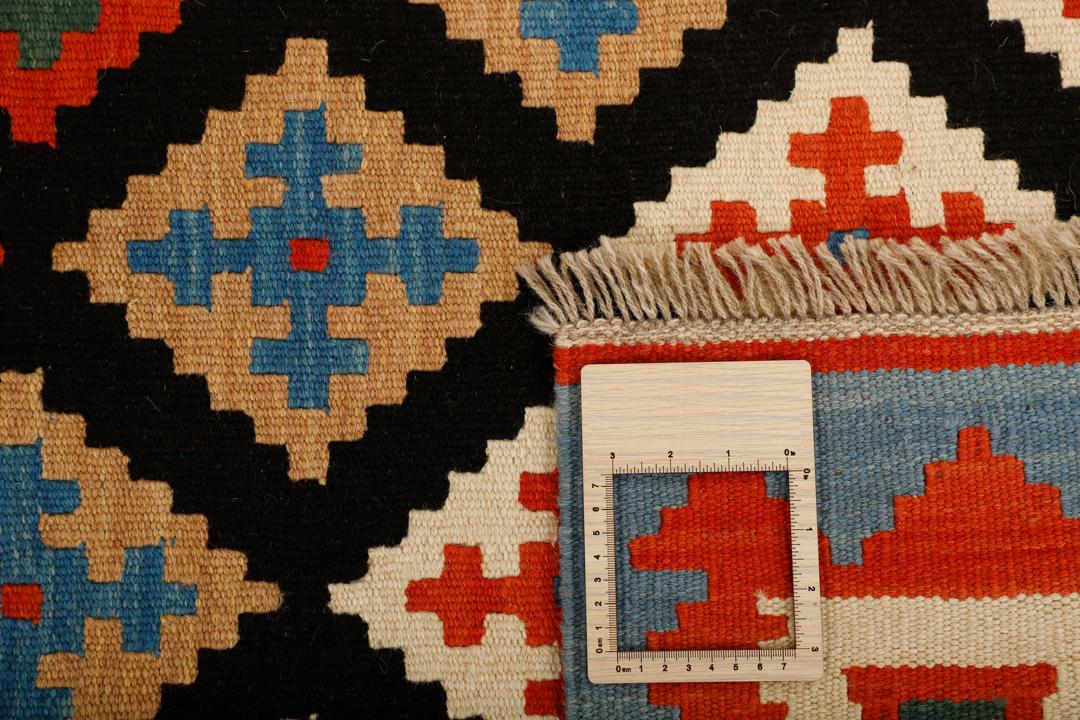
The term 'Kilim' refers specifically to the tapestry-weave technique, where the design is created by interweaving the coloured weft threads through the warp. This process results in a rug with no pile, which accounts for their characteristic thinness and lightweight nature. This construction method allows for incredibly sharp, crisp geometric patterns that are easily recognisable to collectors and enthusiasts.
The design language of this tradition is rooted in symbolic geometry, with motifs often representing protection, prosperity, or fertility. The bold, repeated shapes seen here are classic examples of the regional aesthetic, where weavers rely on a long-standing visual vocabulary passed down through generations. These patterns are not merely decorative but are deeply connected to the cultural identity of the region.
Today, these rugs are highly valued by collectors for their authenticity and the sheer skill required to produce them without the aid of a loom's mechanical assistance. Owning a Kilim is an opportunity to connect with a storied past, as each piece serves as a physical record of the weaver's heritage and the enduring legacy of Middle Eastern craftsmanship.