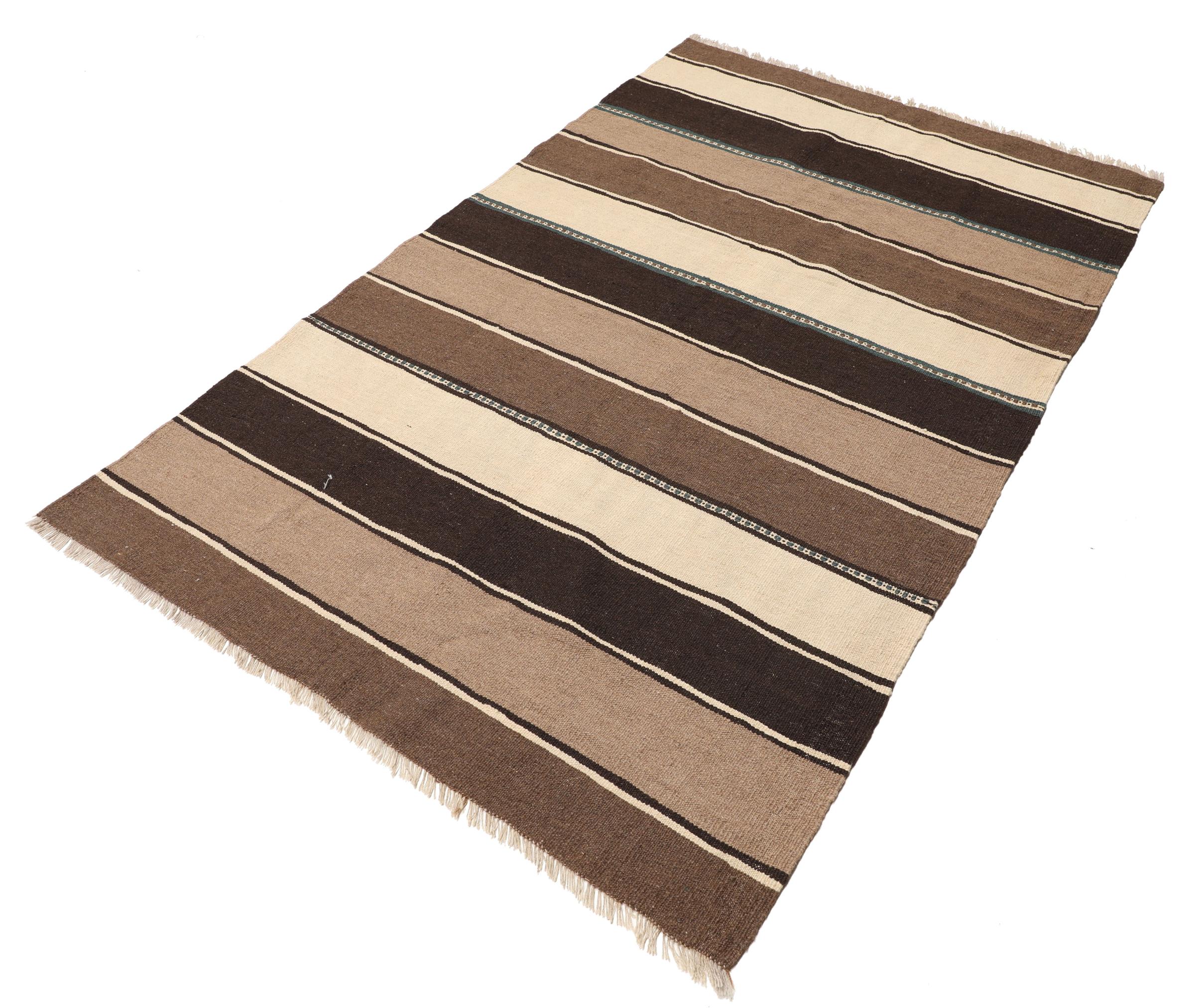
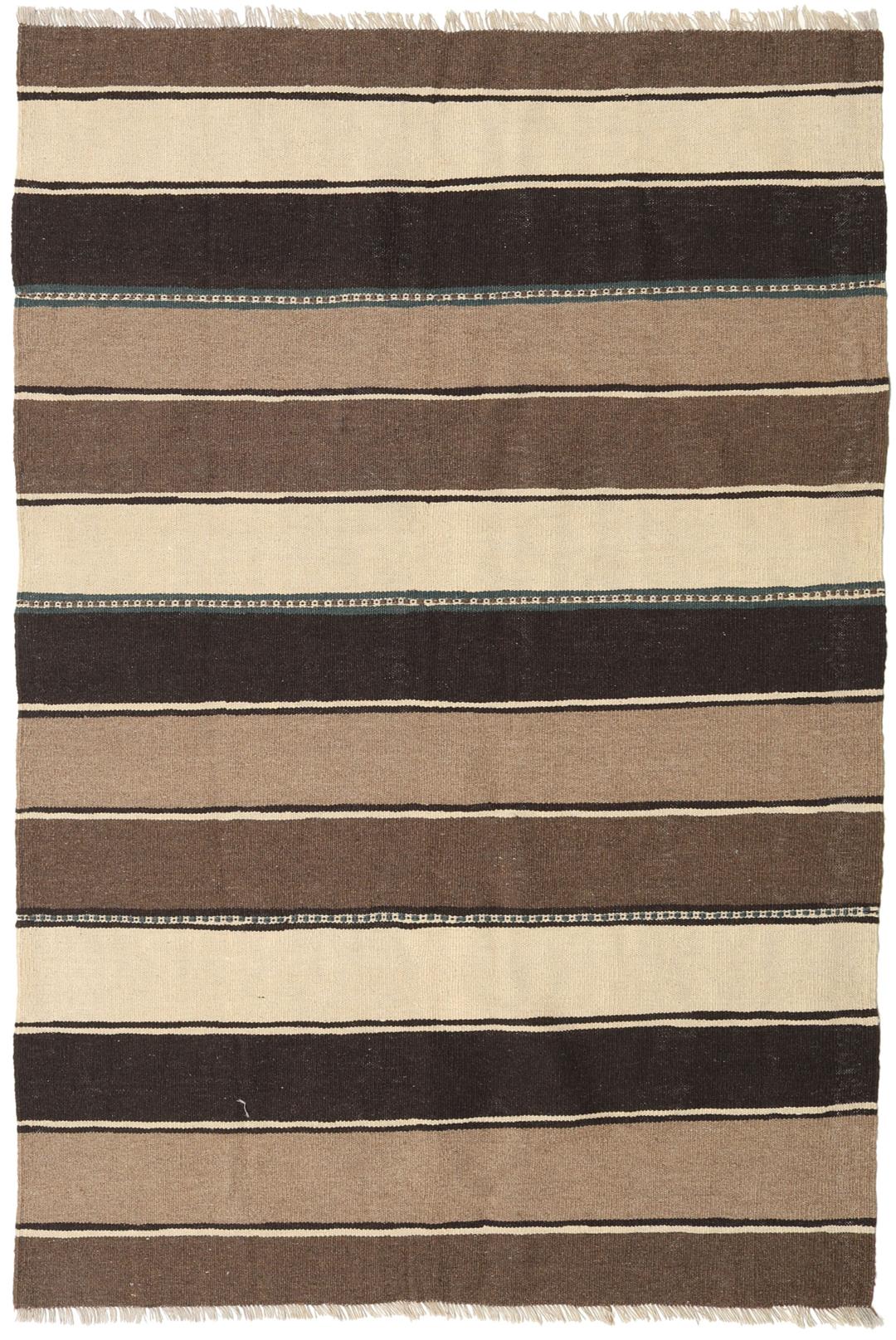
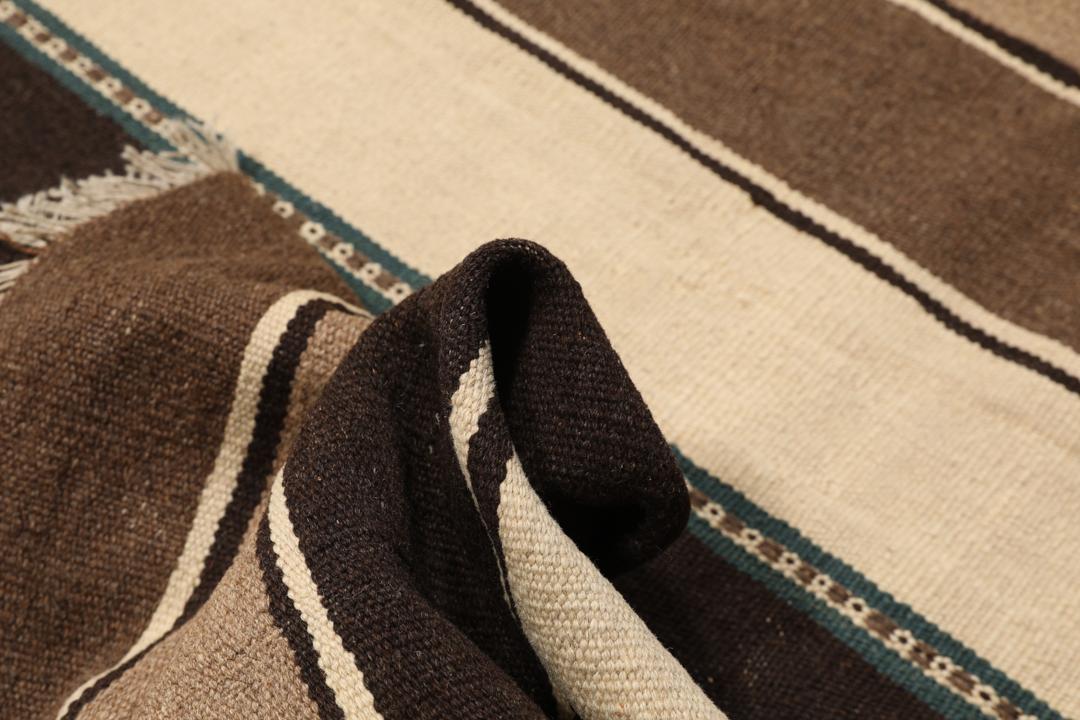
Kilim rugs originate from a long-standing tradition of flat-weaving in the Middle East and Central Asia. Historically, these rugs were essential nomadic textiles, prized for their portability, durability, and versatility as floor coverings, wall hangings, or even saddlebags.
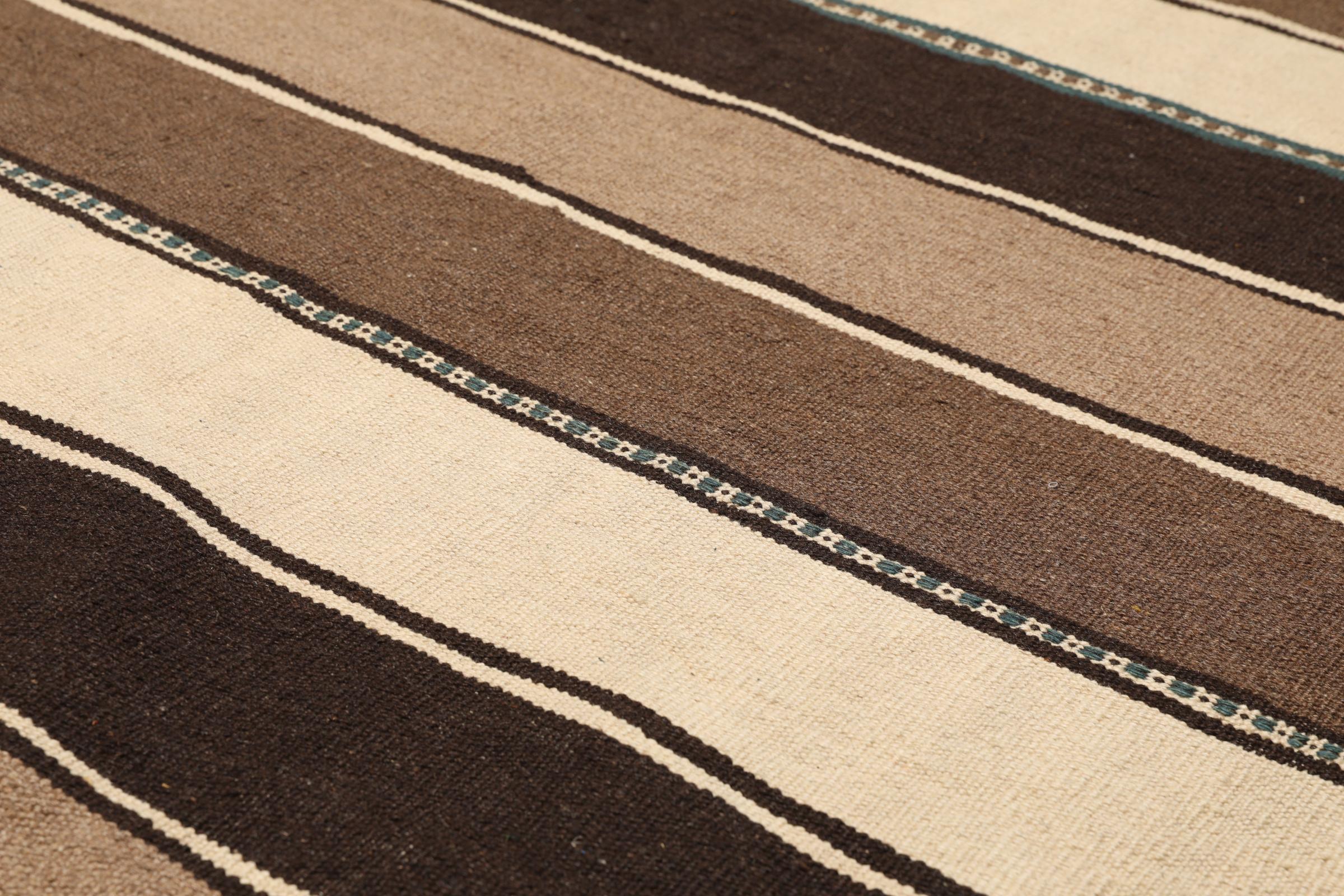
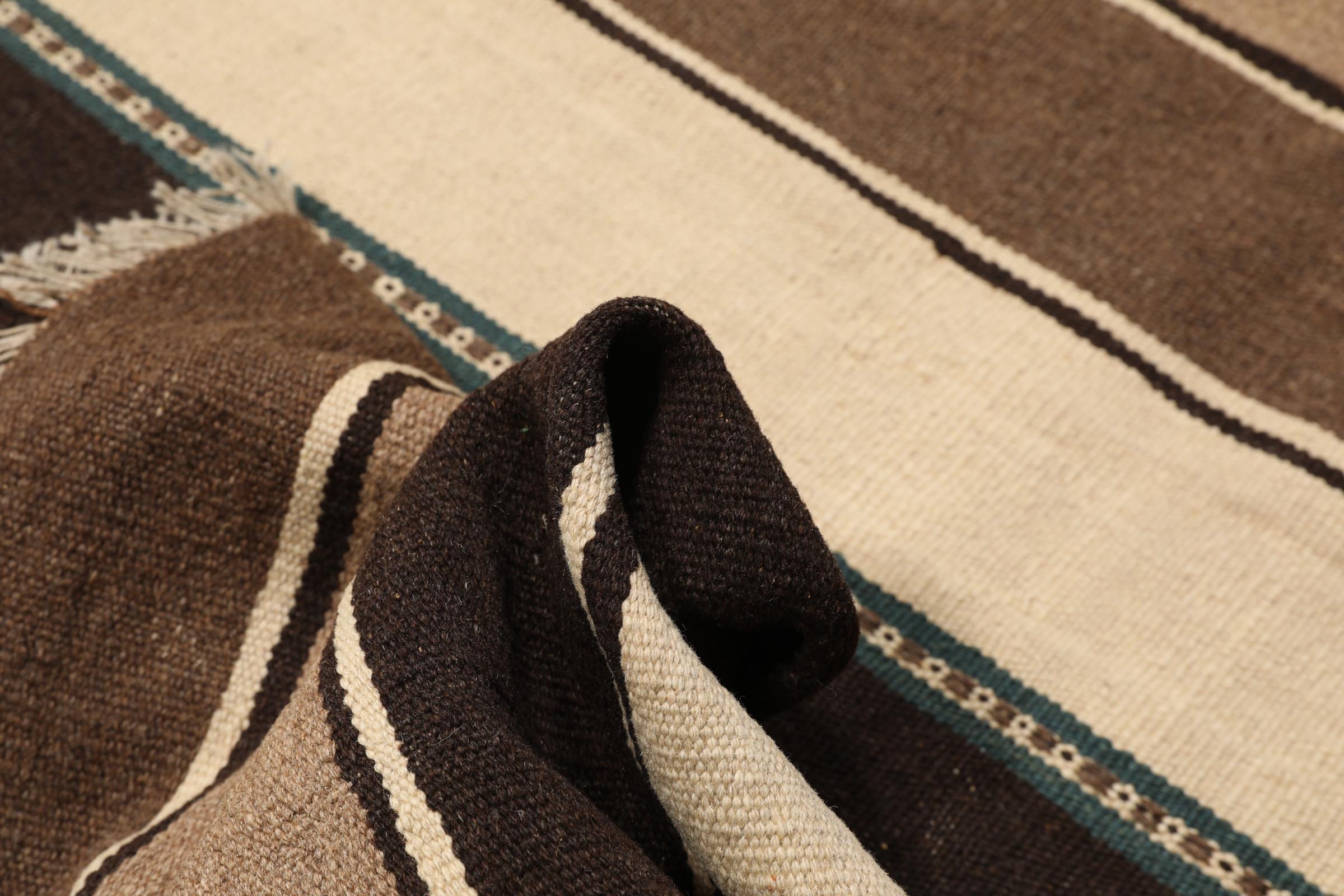
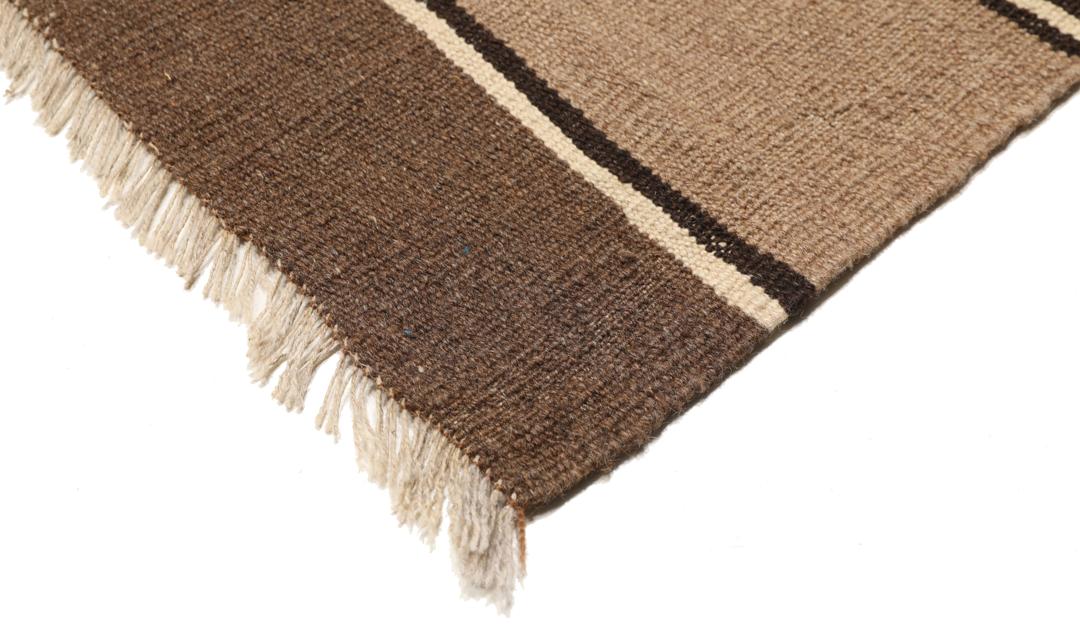
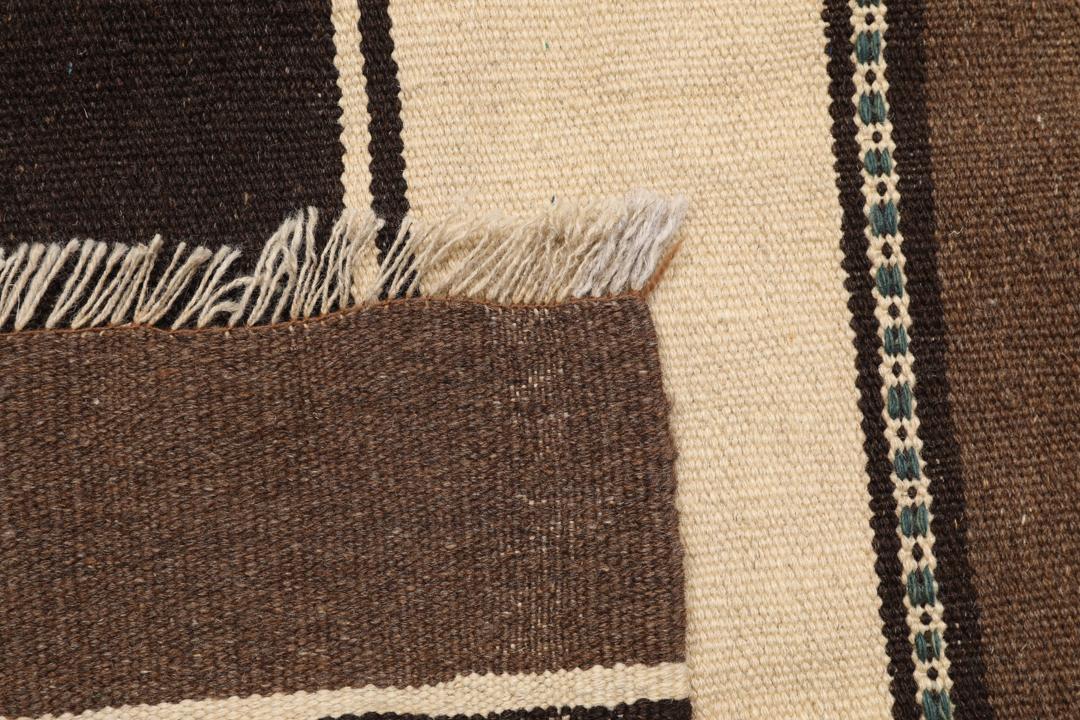
The term 'Kilim' refers specifically to the tapestry-weaving technique where the weft threads are pulled tightly to cover the warp threads entirely. This method produces a thin, reversible rug without a pile, which is why they are often referred to as flat-weaves. This construction is what gives them their signature crisp, clean lines and lightweight feel.
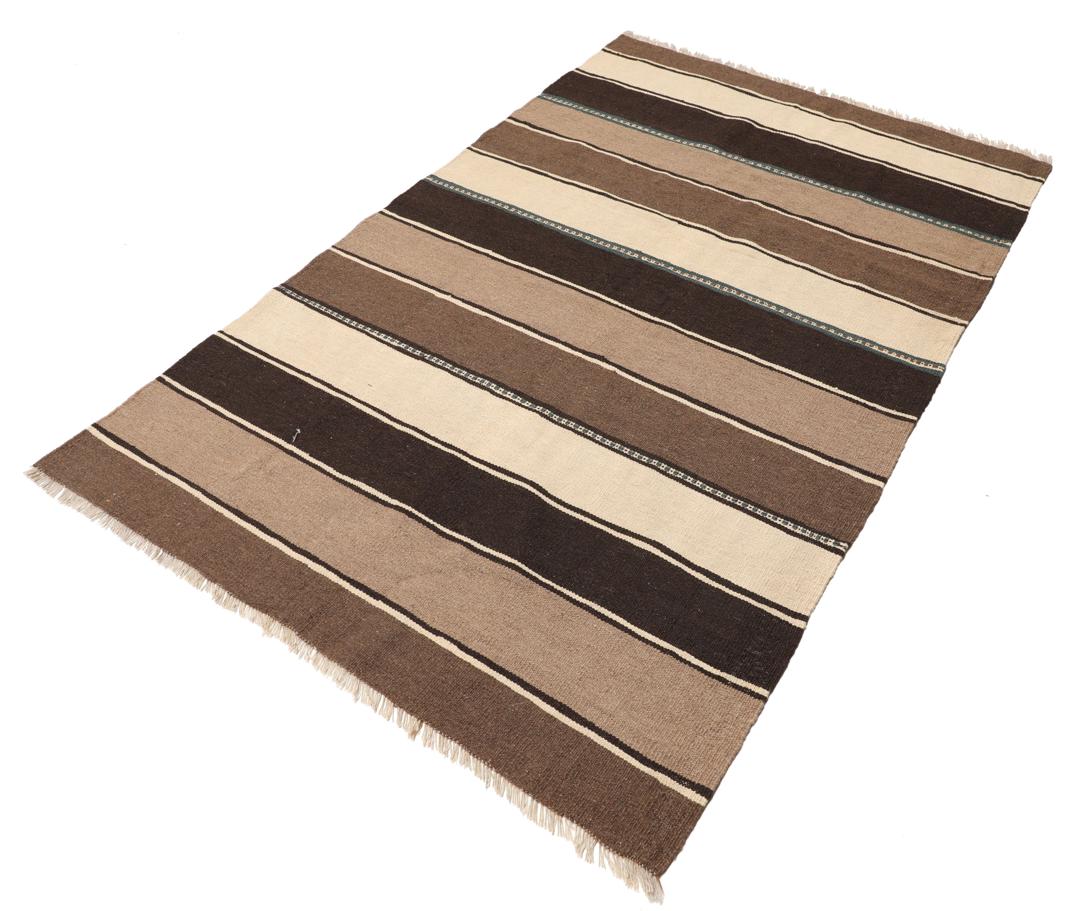
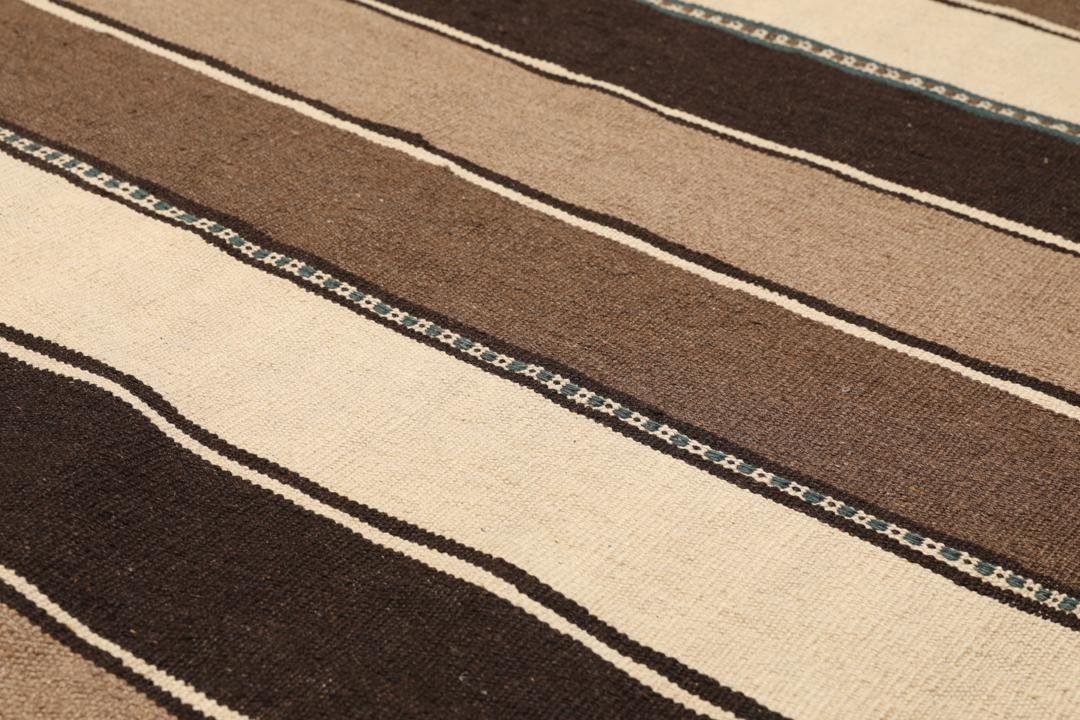
Design-wise, Kilims are famously characterised by geometric motifs and bold stripes. While many traditions feature elaborate tribal symbols, the striped style is a quintessential expression of the weaver’s ability to create harmony through rhythm and colour. These stripes often represent the landscape or the simple, orderly life of the nomadic communities where the tradition began.
Today, these rugs are highly valued by collectors for their cultural significance and the incredible human skill required to produce them. Owning a Kilim is more than just a decor choice; it is an investment in a storied craft tradition that has been passed down through generations, representing a connection to a simpler, more authentic way of life.