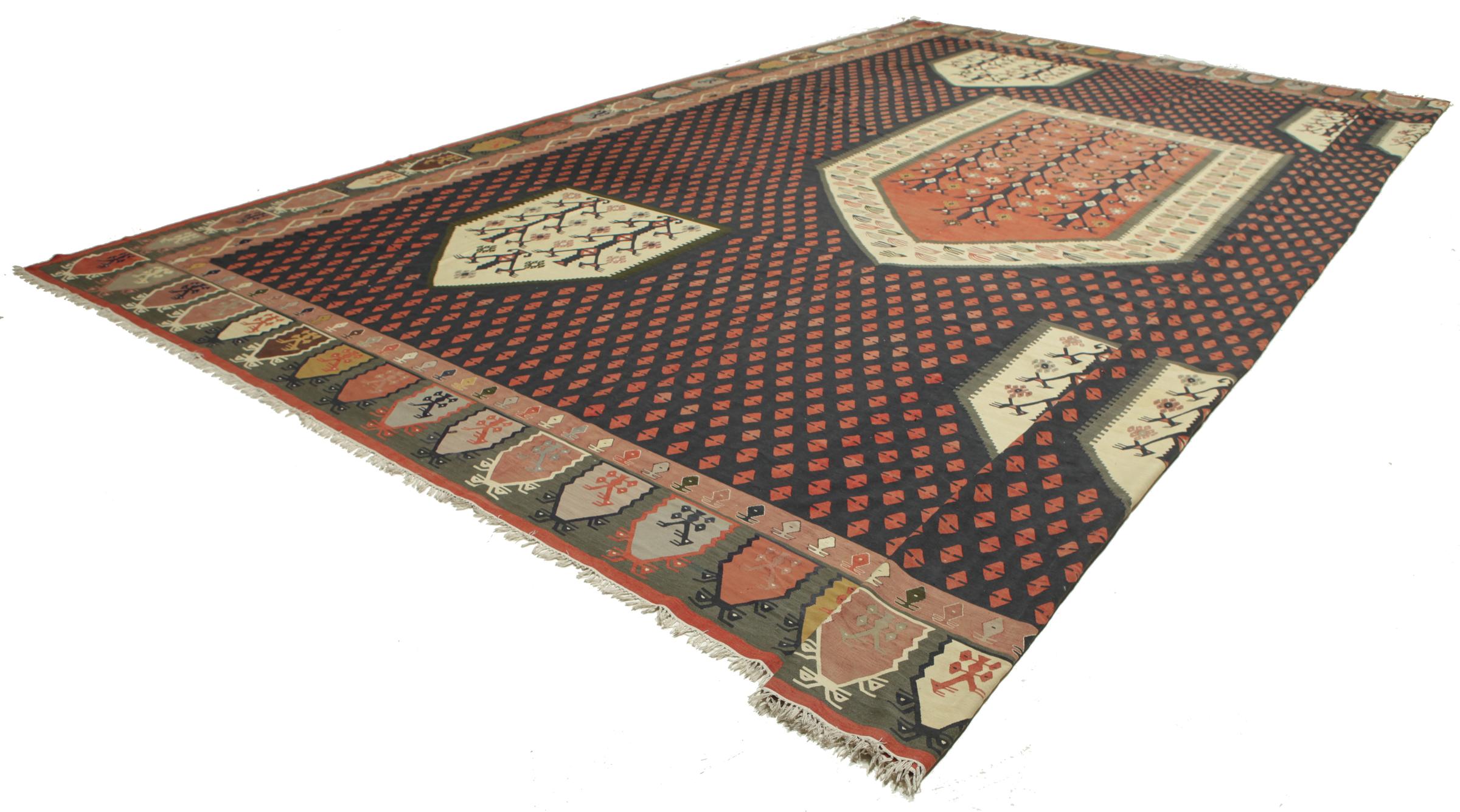
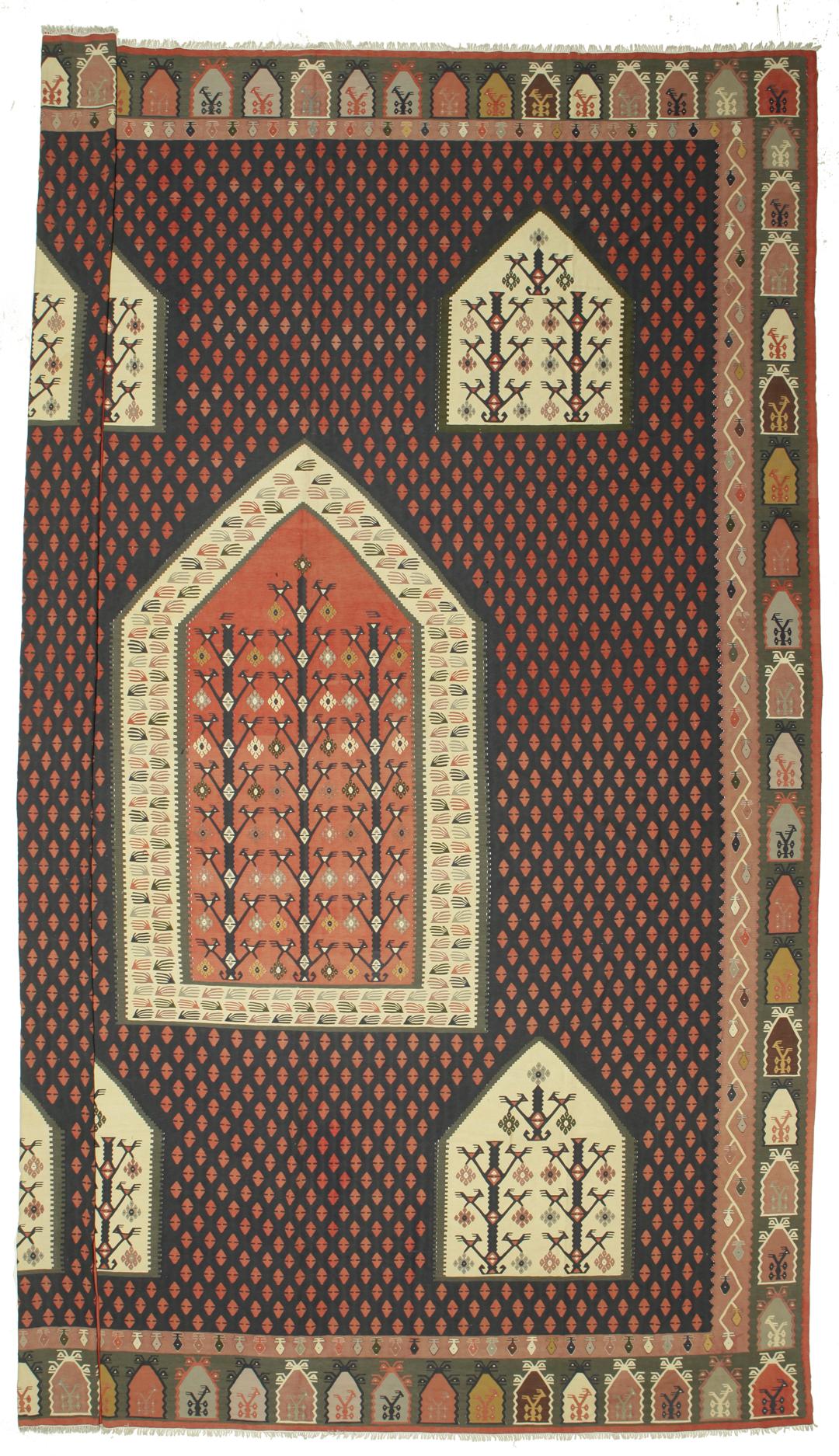
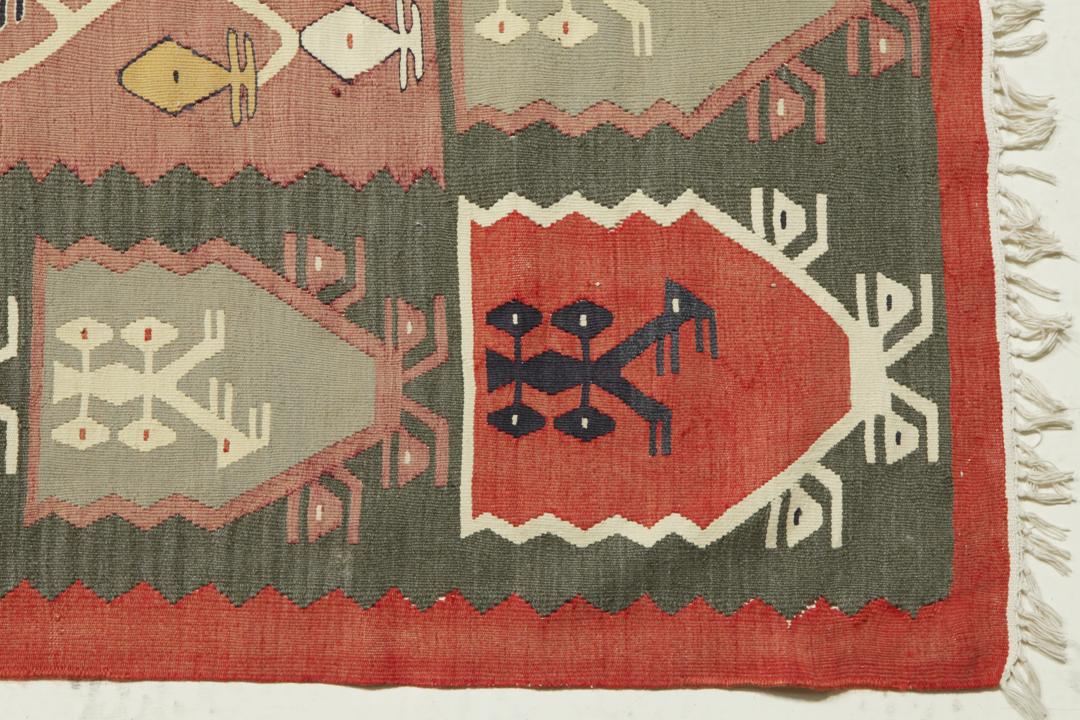
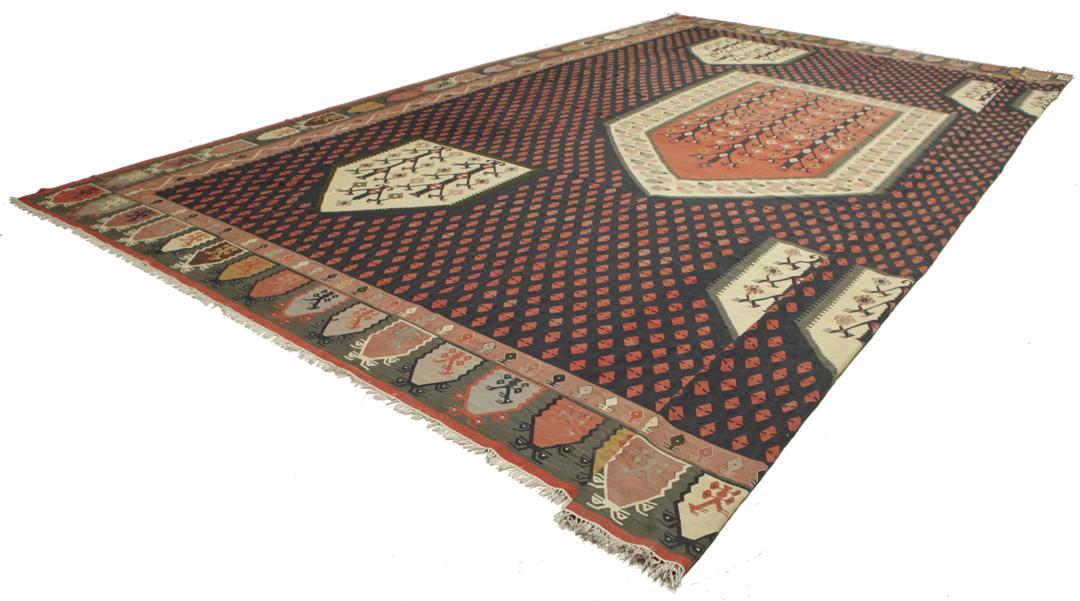
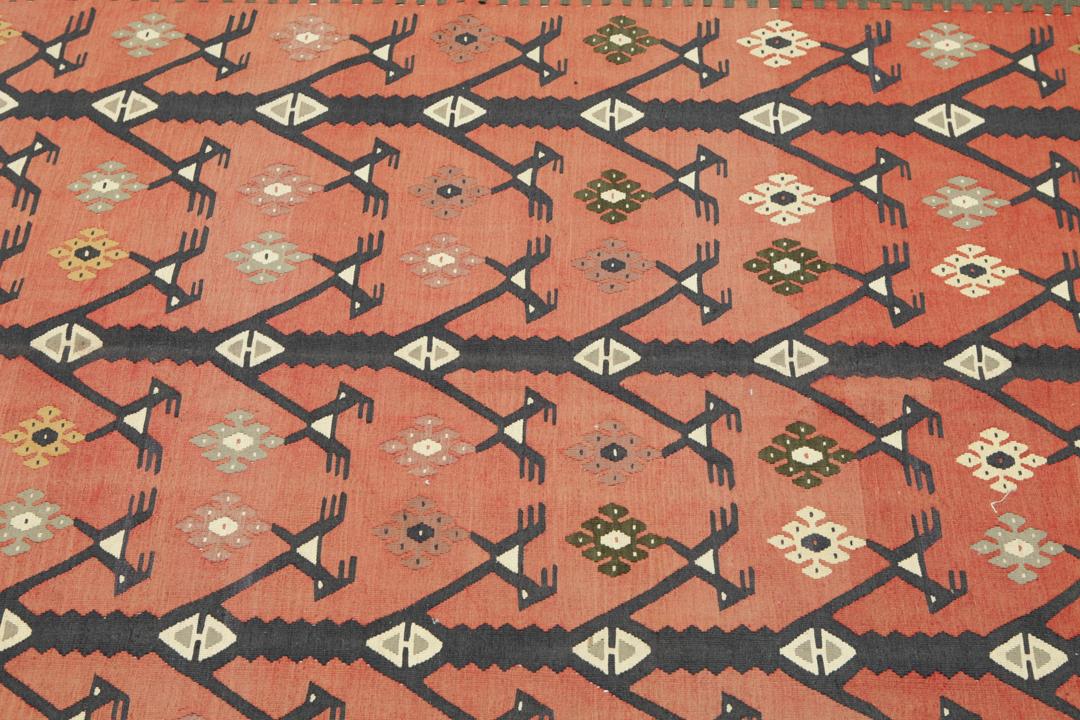
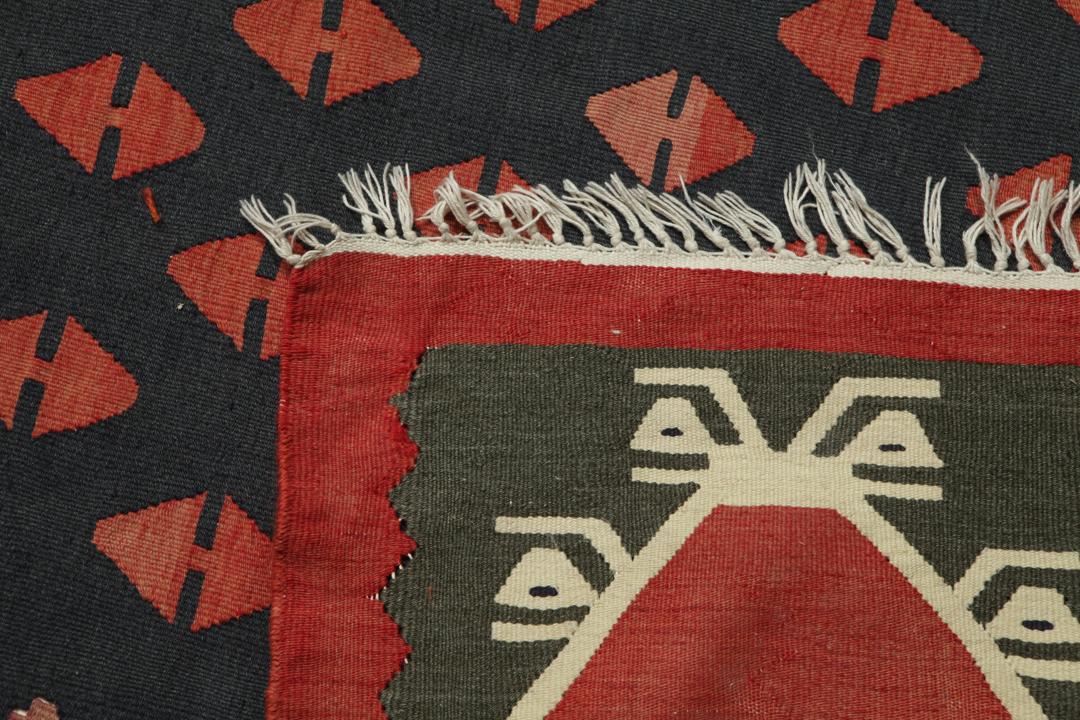
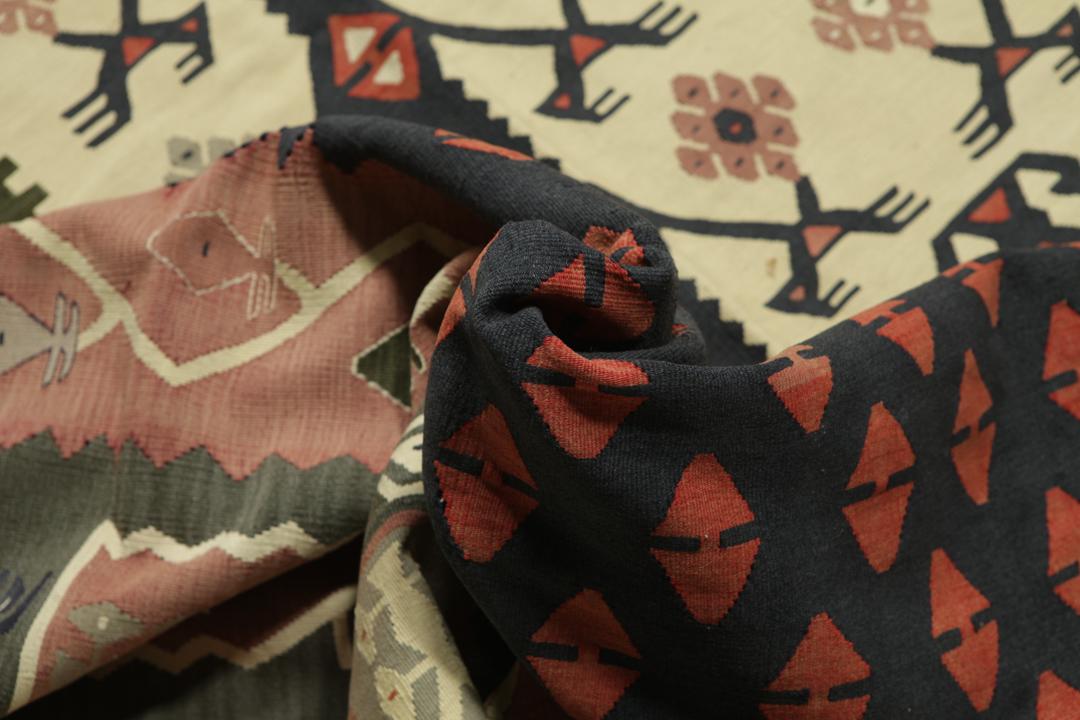
Turkish kilims are among the most storied textiles in the Middle East, with a tradition that stretches back centuries. These flat-woven rugs were historically created by nomadic and semi-nomadic tribes for practical use as floor coverings, blankets, and storage bags. The transition from utilitarian object to celebrated interior art reflects the enduring appeal of these nomadic designs.
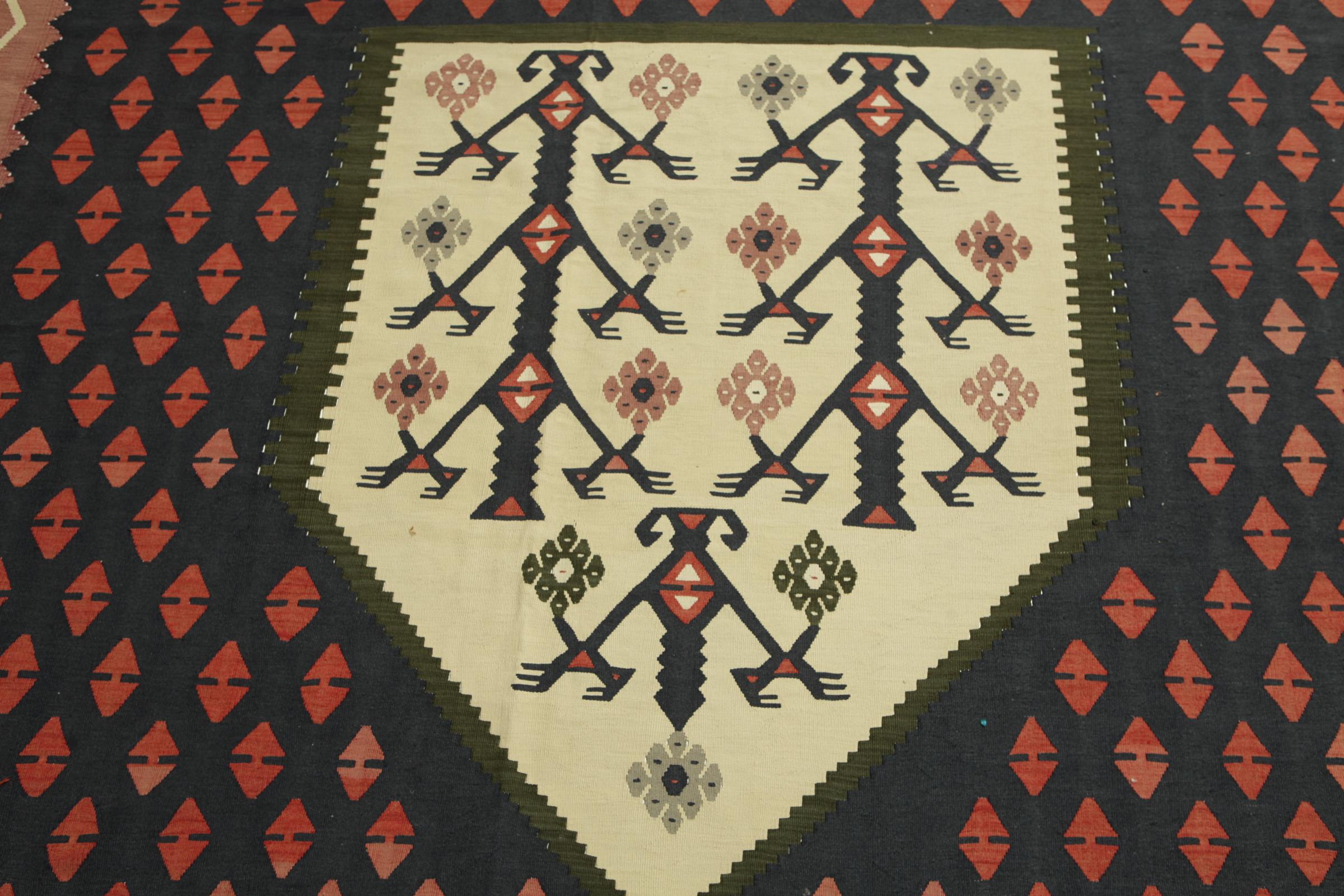
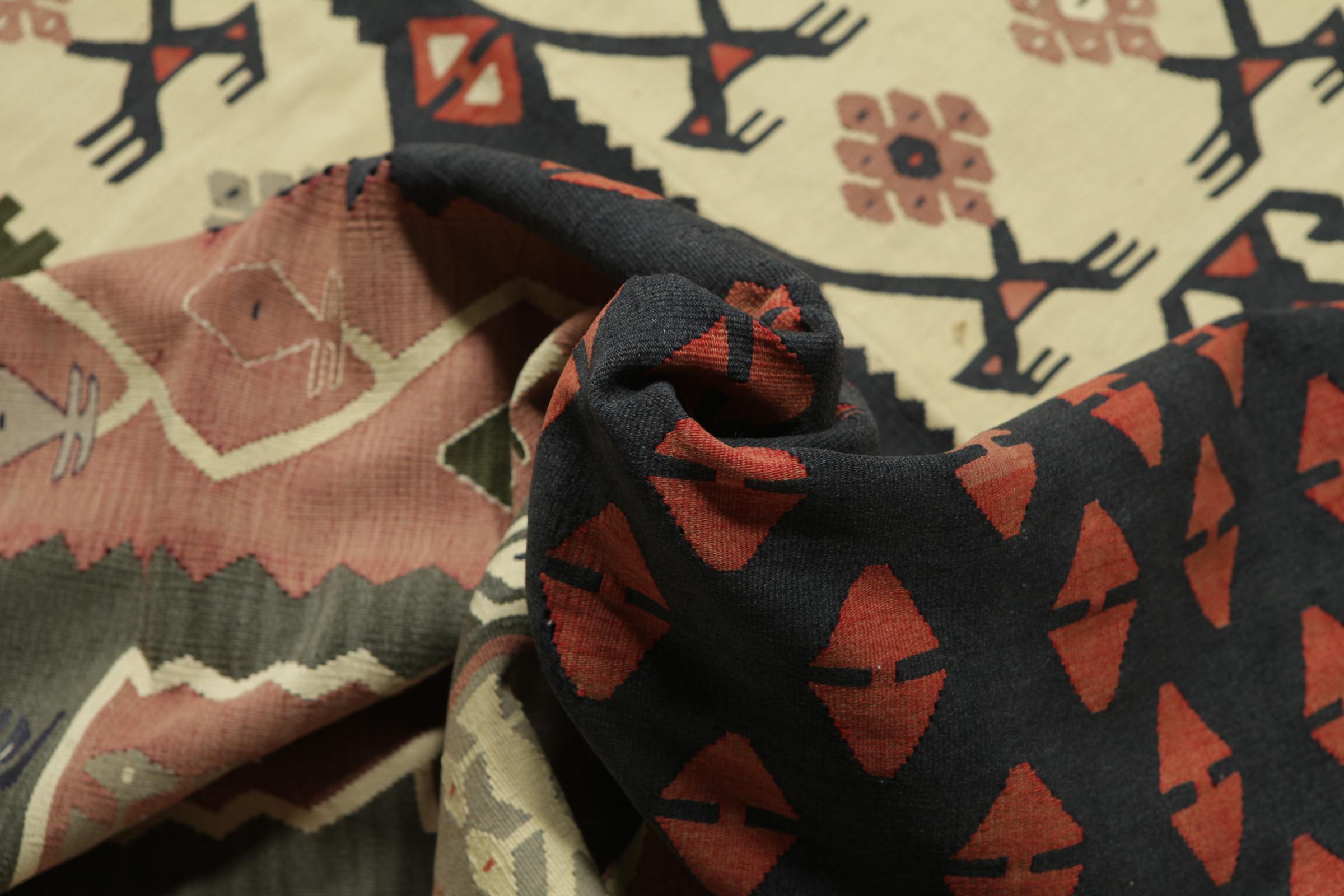
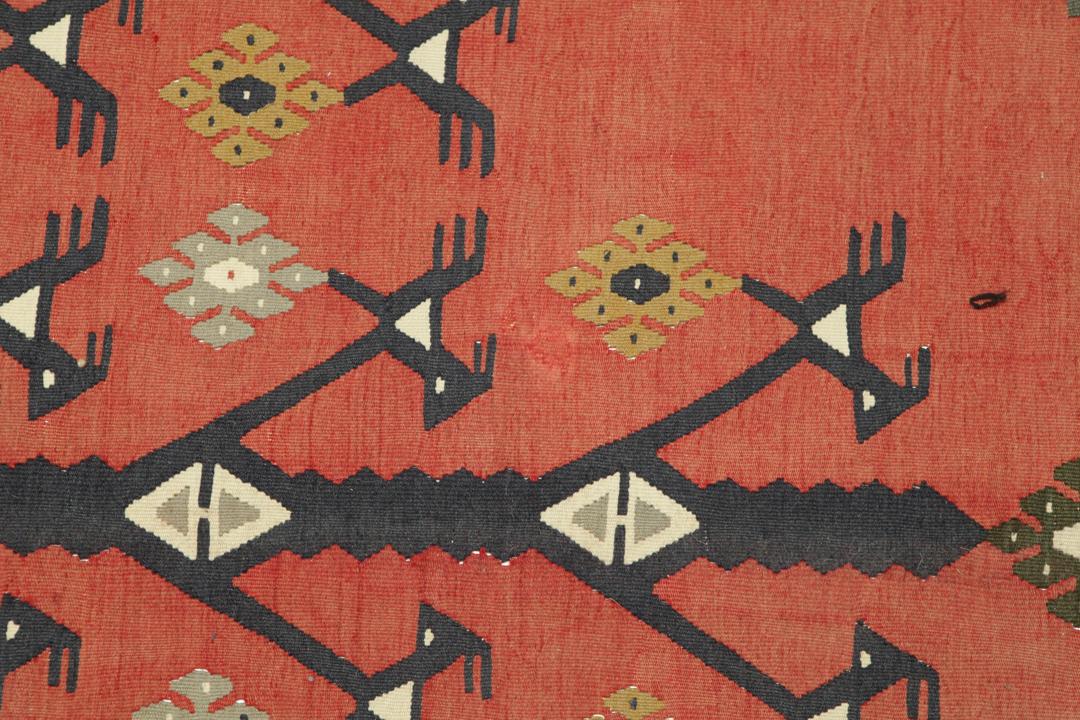
The term kilim refers specifically to the tapestry-weave technique where the weft threads are pulled tightly over the warp threads to hide them completely. This method creates a flat, durable surface that is prized for its clarity of pattern. Unlike pile rugs, kilims do not have a raised surface, which allows for sharp, crisp geometric lines that are characteristic of the Turkish weaving tradition.
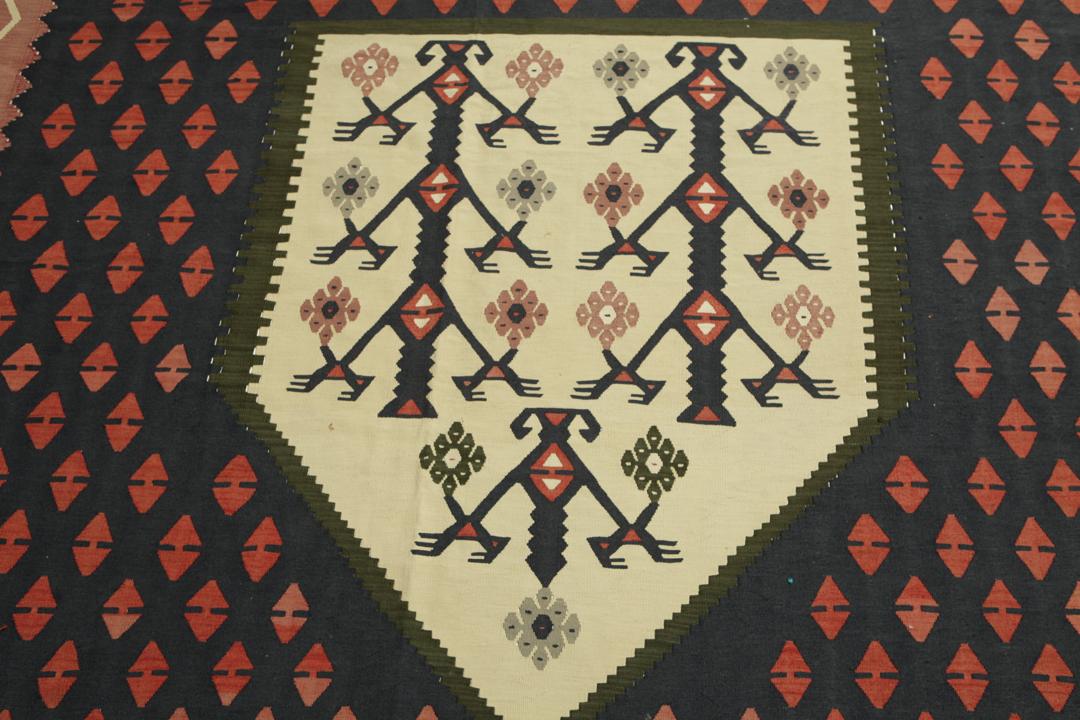
Signature design elements in Turkish kilims often include symbolic motifs passed down through generations. You will frequently see geometric shapes, stylized floral elements, and protective talismans integrated into the field. The use of natural dyes and the specific way the weaver interpreted traditional patterns make each rug a unique cultural document, telling a story of the region and the family that produced it.
Collecting semi-antique kilims is a way to preserve cultural heritage while adding genuine character to a modern home. These pieces are valued for their age, the quality of their Wool, and the authenticity of their design. Owning one is an investment in a craft tradition that values patience and precision, ensuring that the legacy of these weavers lives on in your own space.