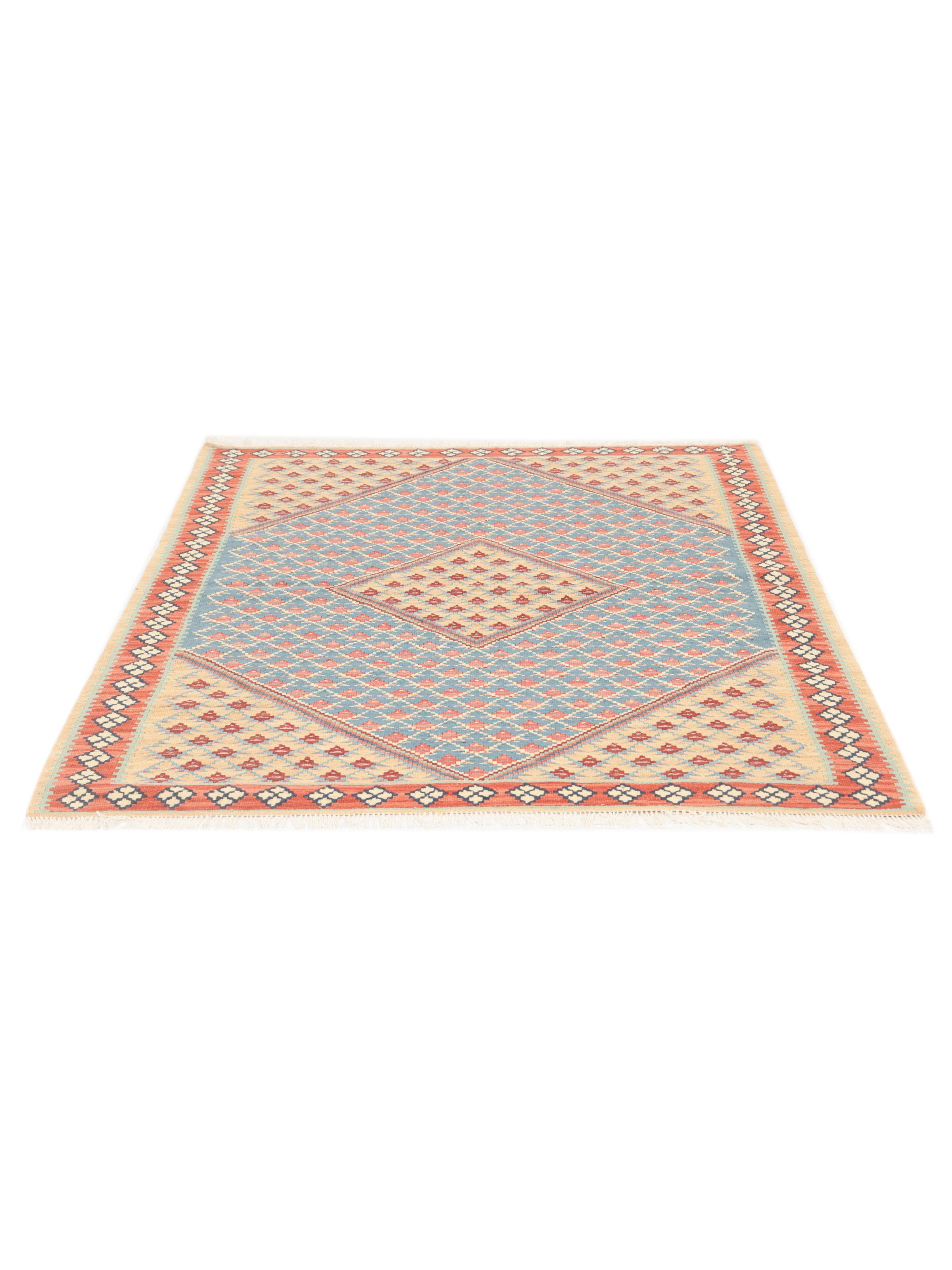
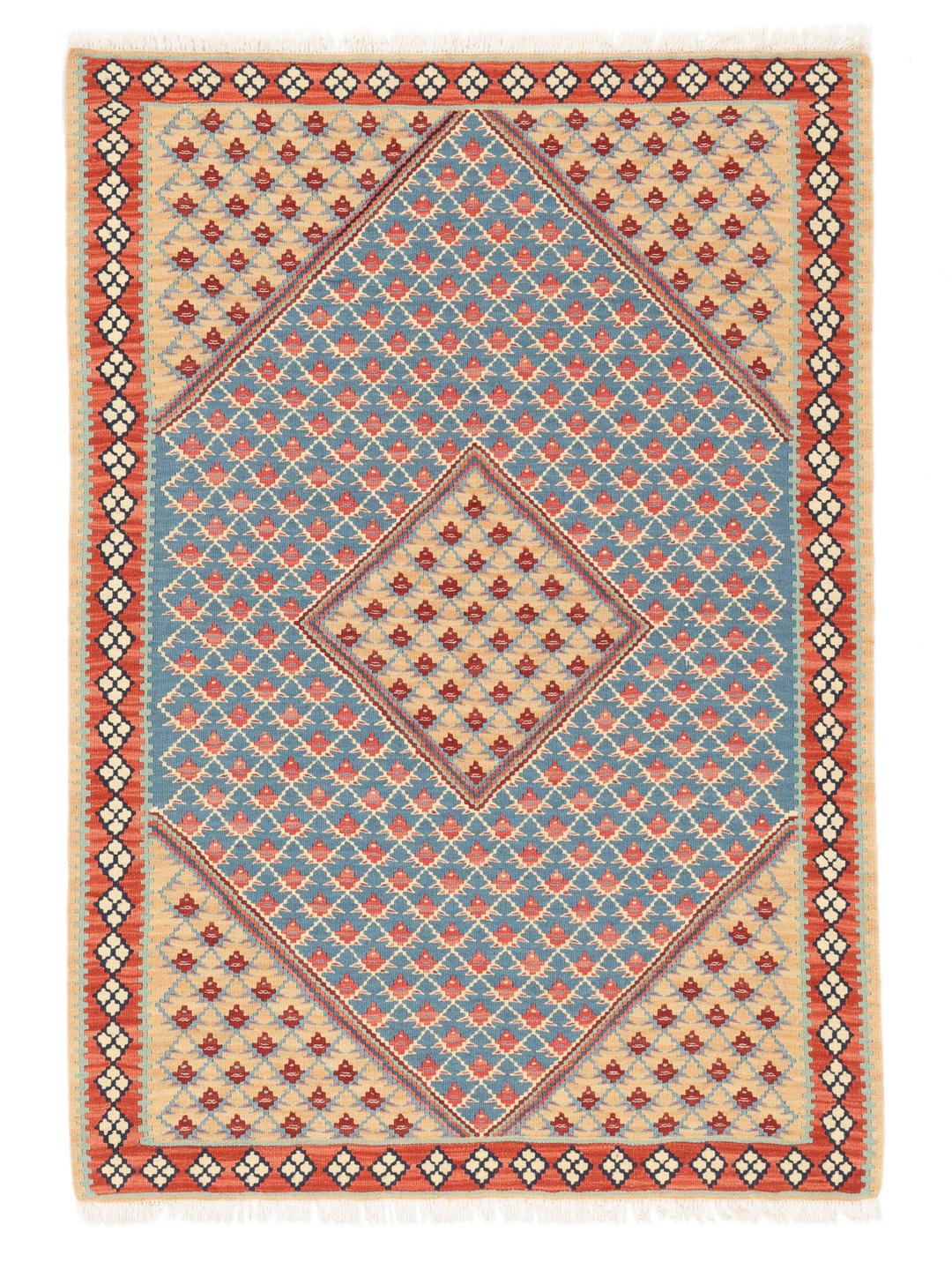
The Senneh tradition hails from a region in the Middle East long celebrated for its exceptional textile artistry. Historically, these kilims were prized for their refined, sophisticated designs that often differed from the bolder, more tribal styles found in neighbouring areas. The craft has evolved over generations, with artisans constantly refining their techniques to produce flatter, more intricate surfaces that showcase a mastery of geometry.
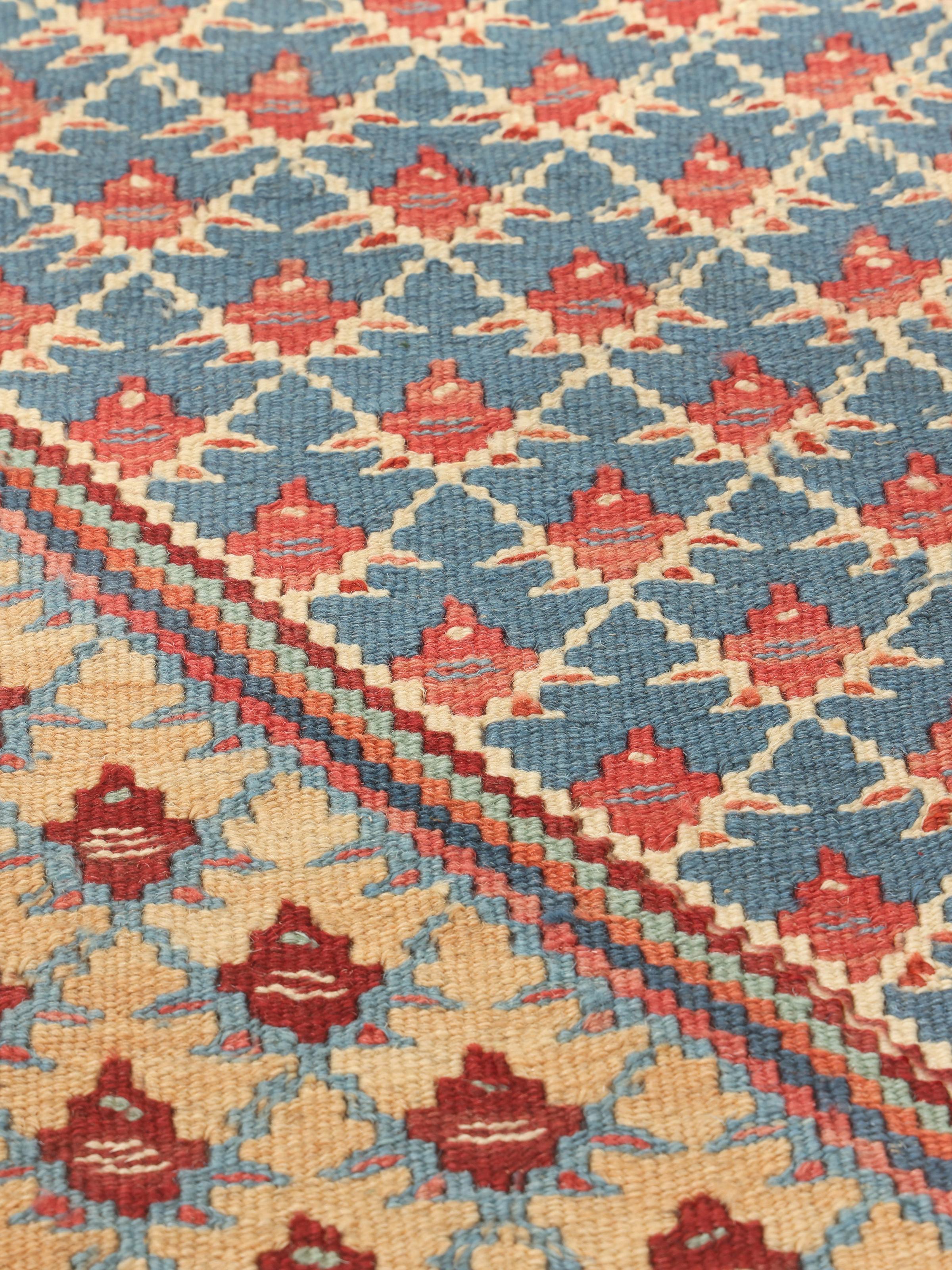
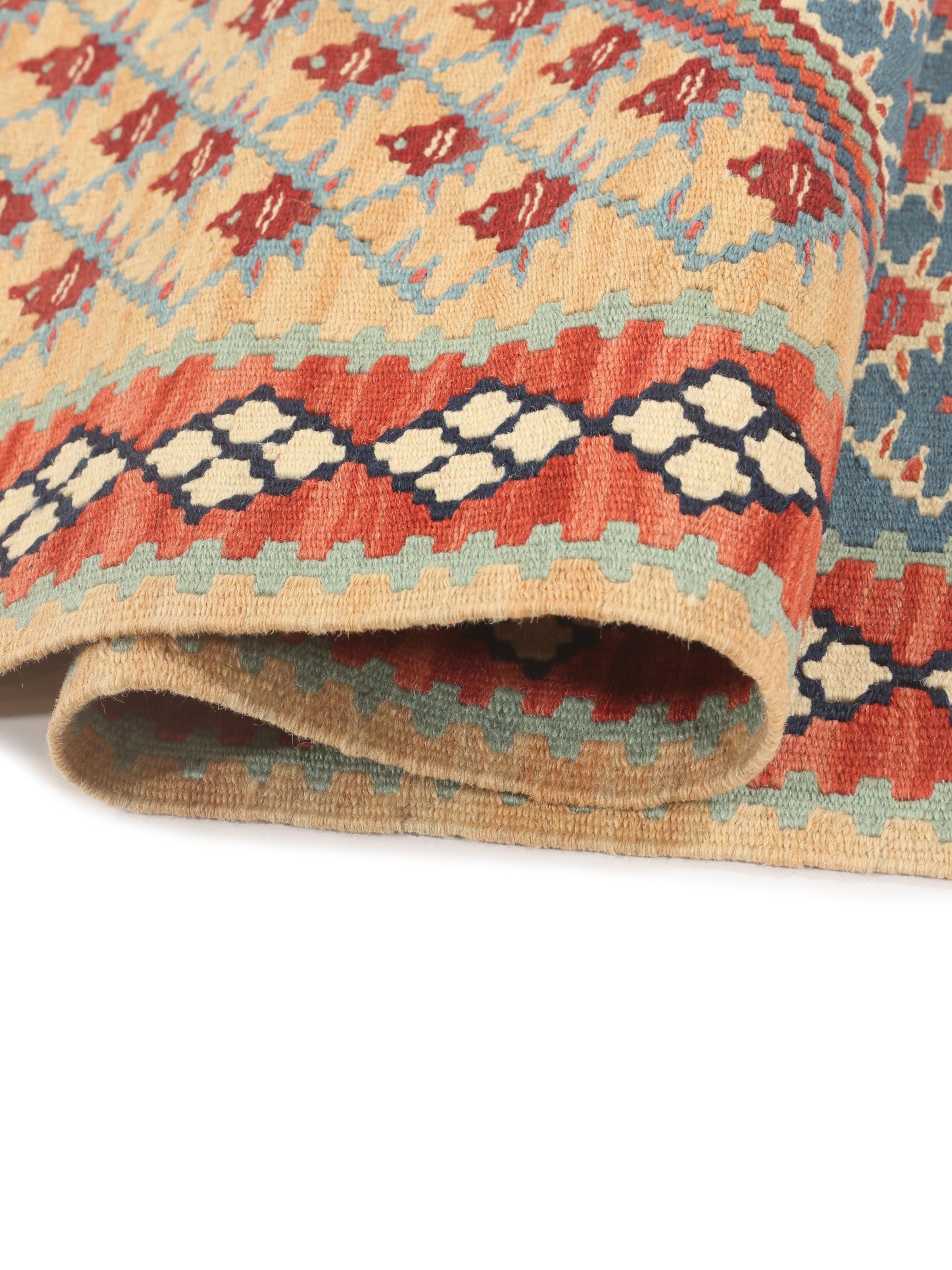
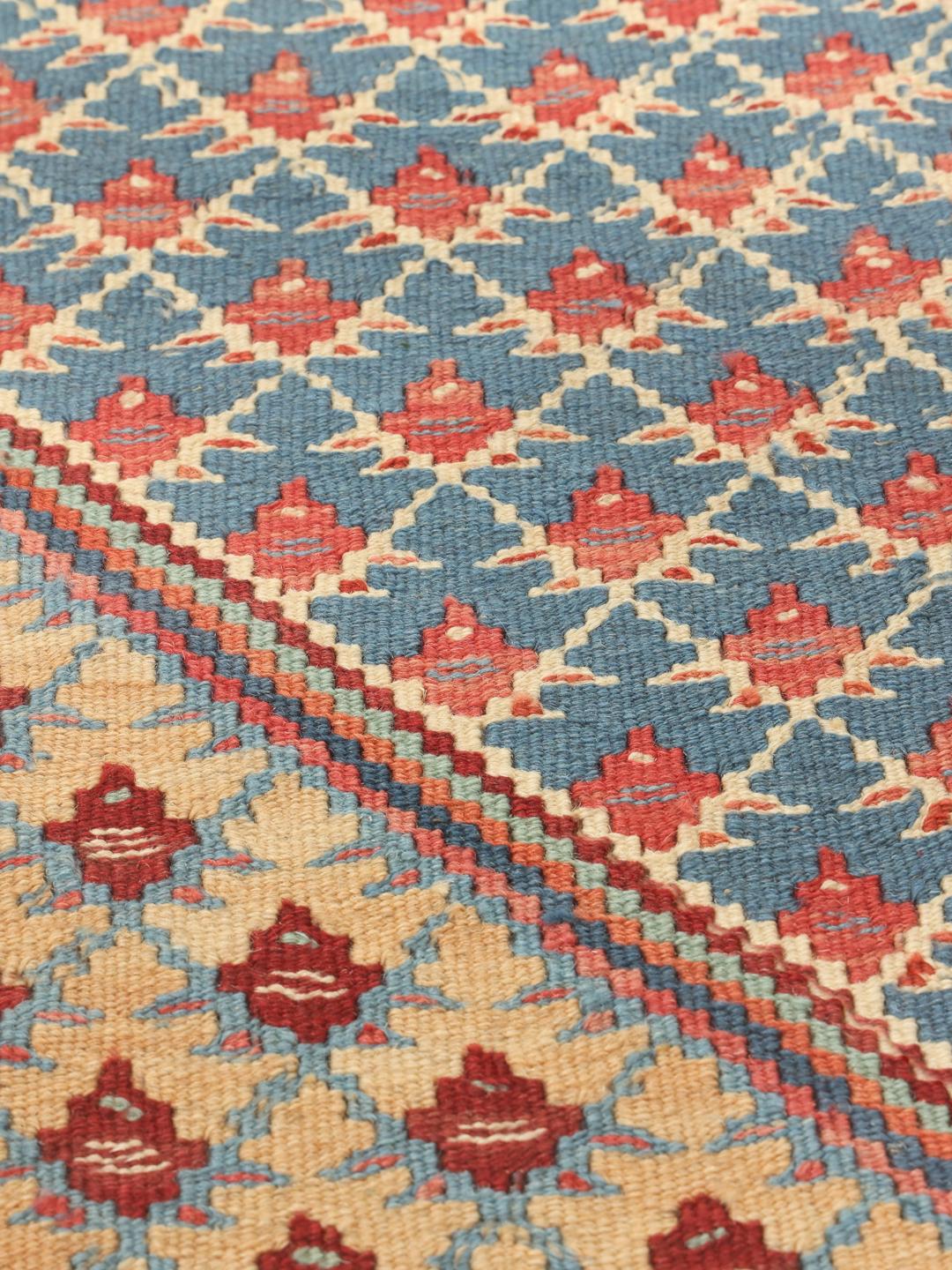
In the context of kilim weaving, the term 'fine' refers to the density and precision of the weave. Unlike thicker, coarser rugs, a fine kilim is woven with a tighter interlacing of materials, which allows for smaller, more complex motifs and a cleaner finish. This technical approach is vital because it creates a more durable and visually sharp product that maintains its pattern integrity even after years of use.
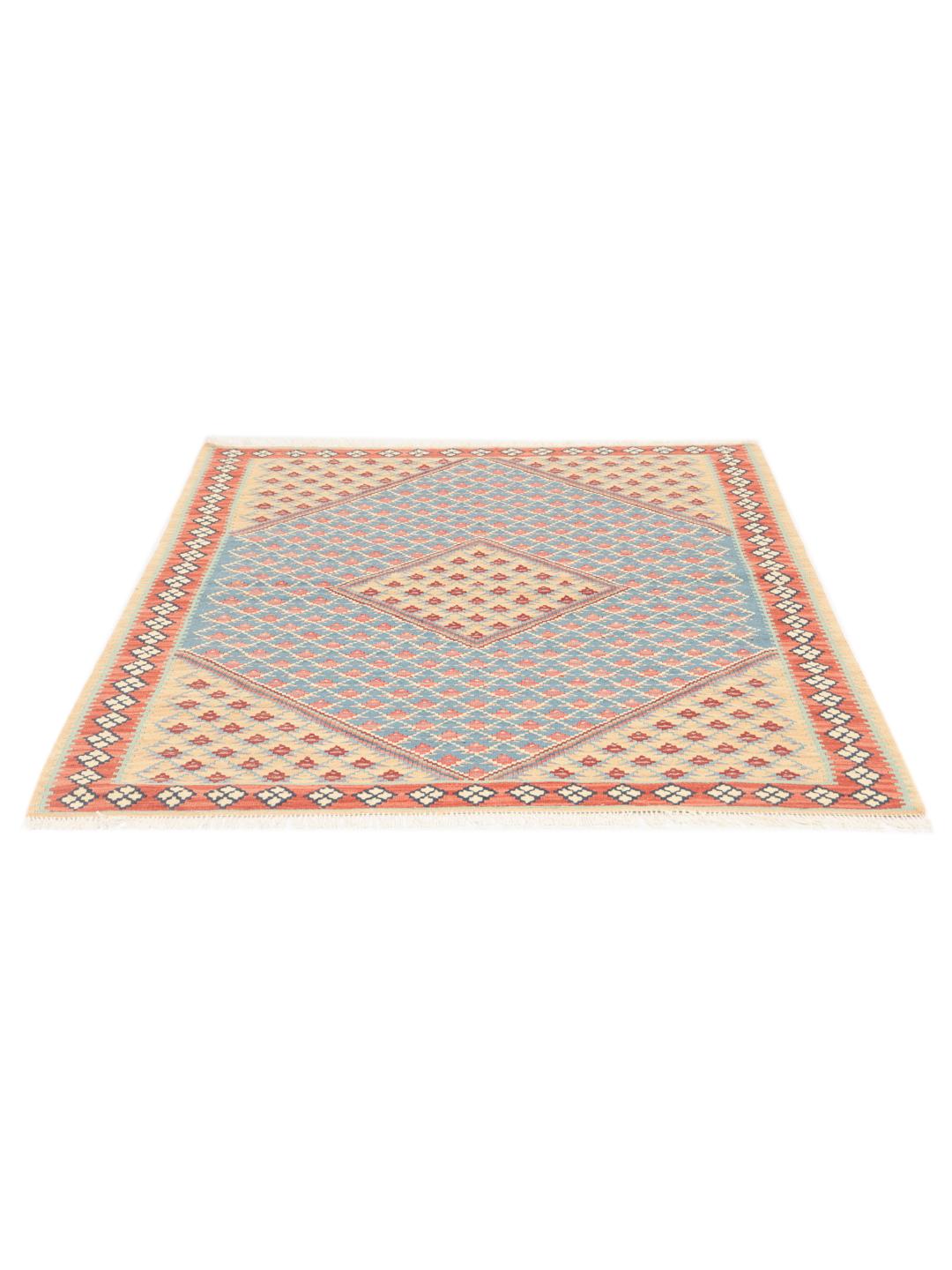
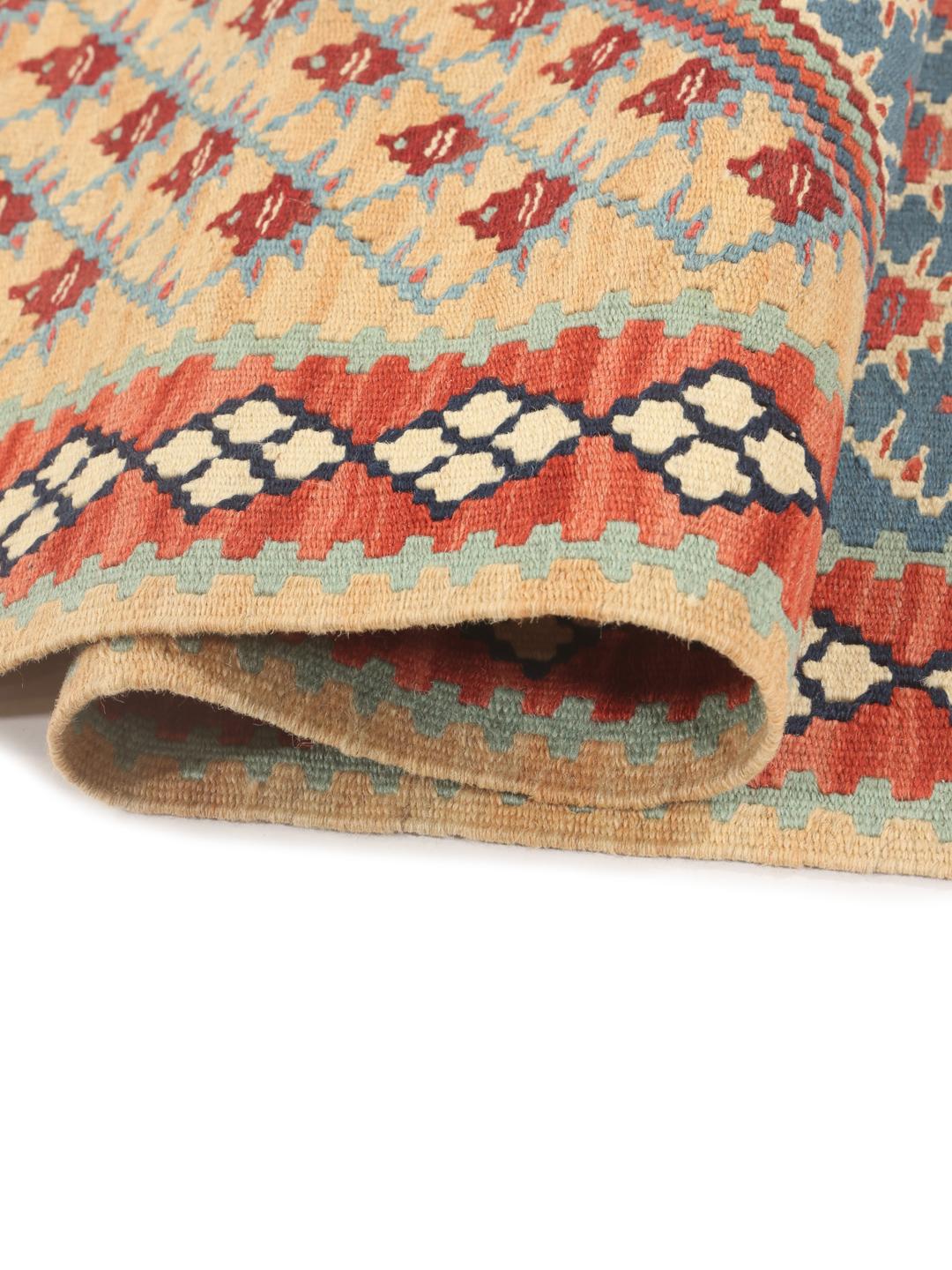
Signature design elements of the Senneh style often centre on delicate, repeating geometric figures, such as the diamonds seen here, which are meticulously arranged across the field. These patterns are frequently framed by intricate borders that serve to contain the energy of the central design. The use of traditional colour palettes, often featuring deep blues and reds, provides a sense of harmony and balance that is synonymous with this storied tradition.
Collecting a piece from this tradition is an investment in human skill and cultural continuity. These rugs are valued not only for their aesthetic beauty but also for the stories they tell through their motifs. Owning such a piece means preserving a fragment of a long-standing creative practice, ensuring that the dedication of the original weaver continues to be appreciated in a modern home environment.