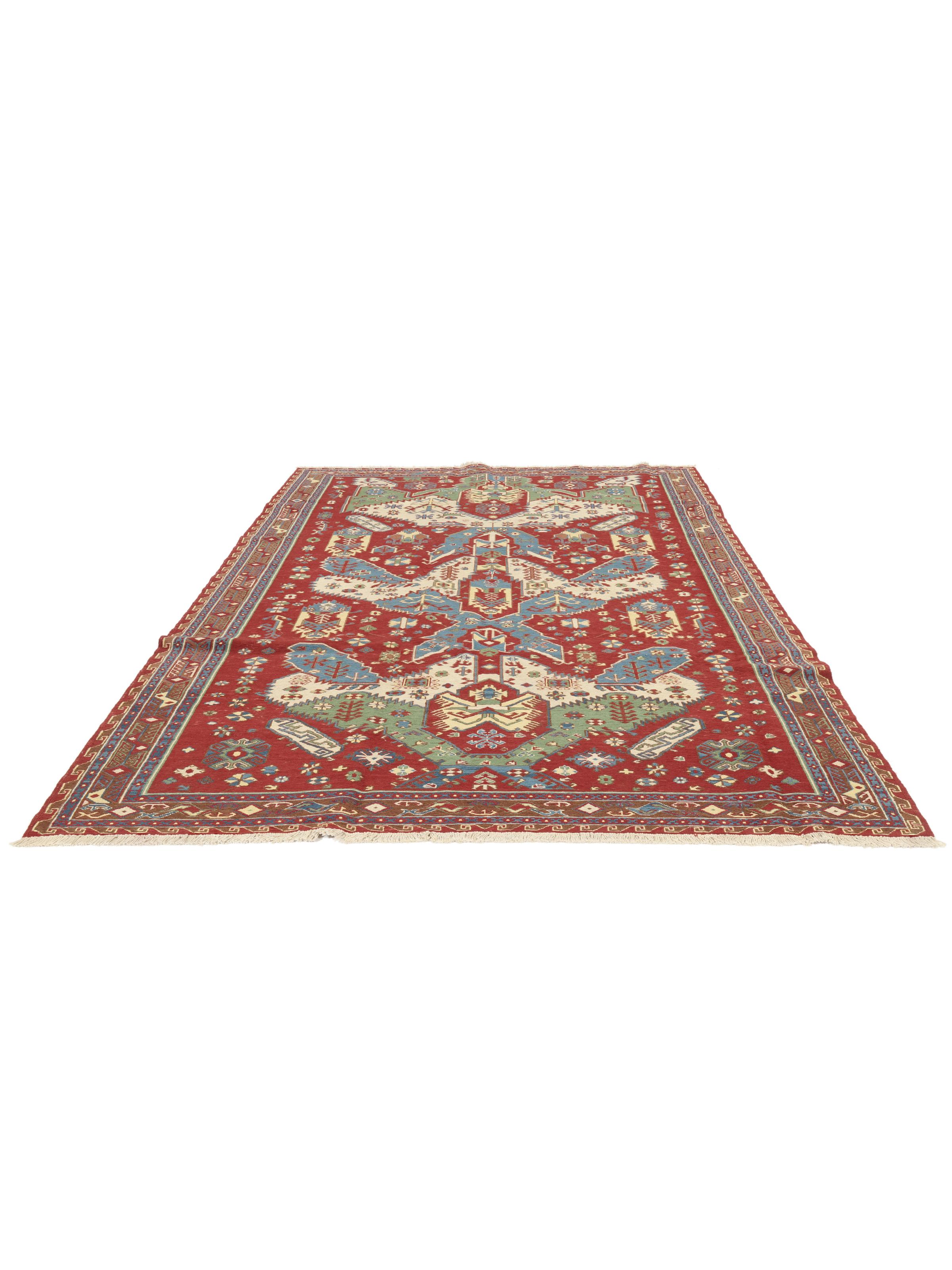
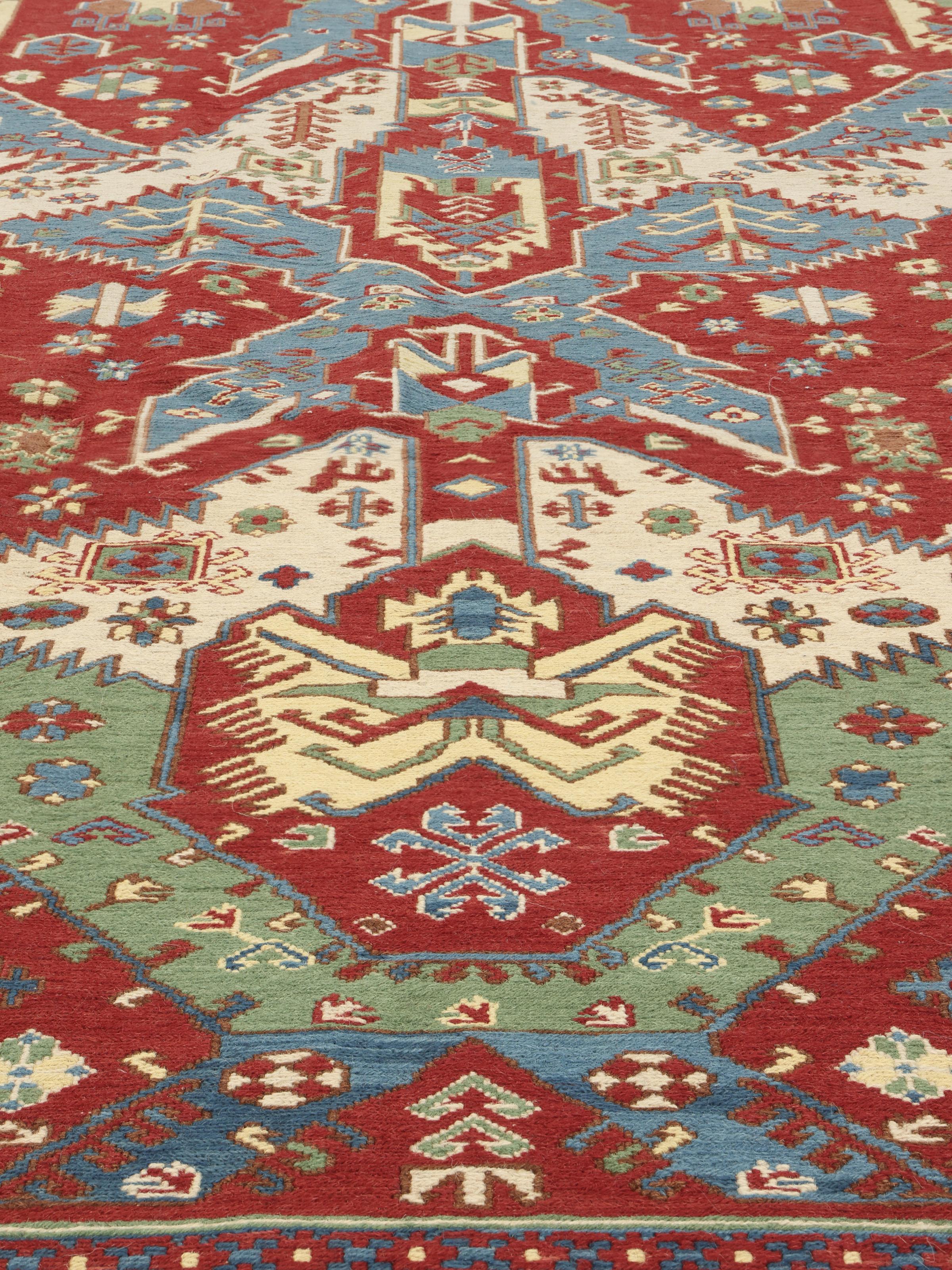
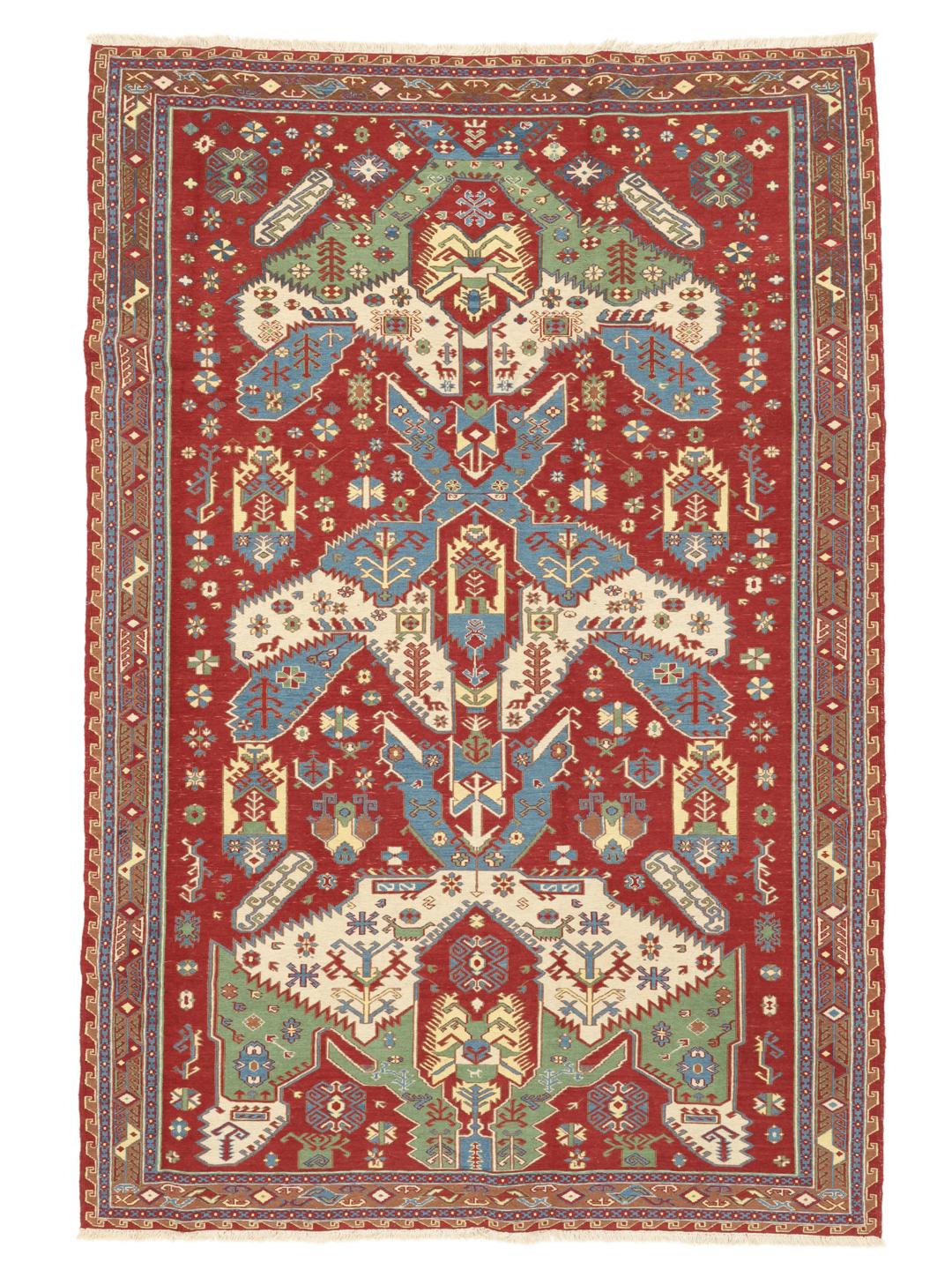
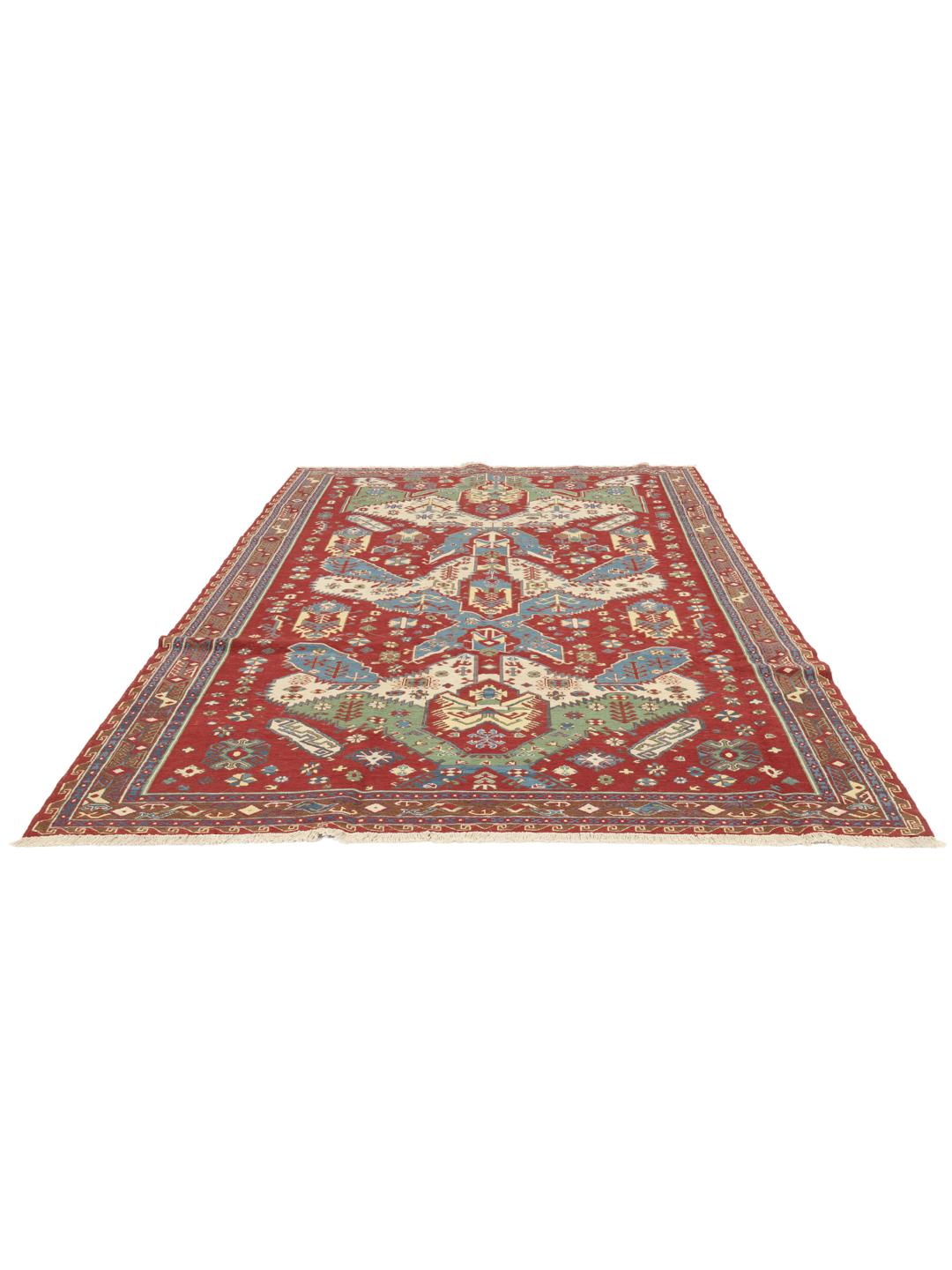
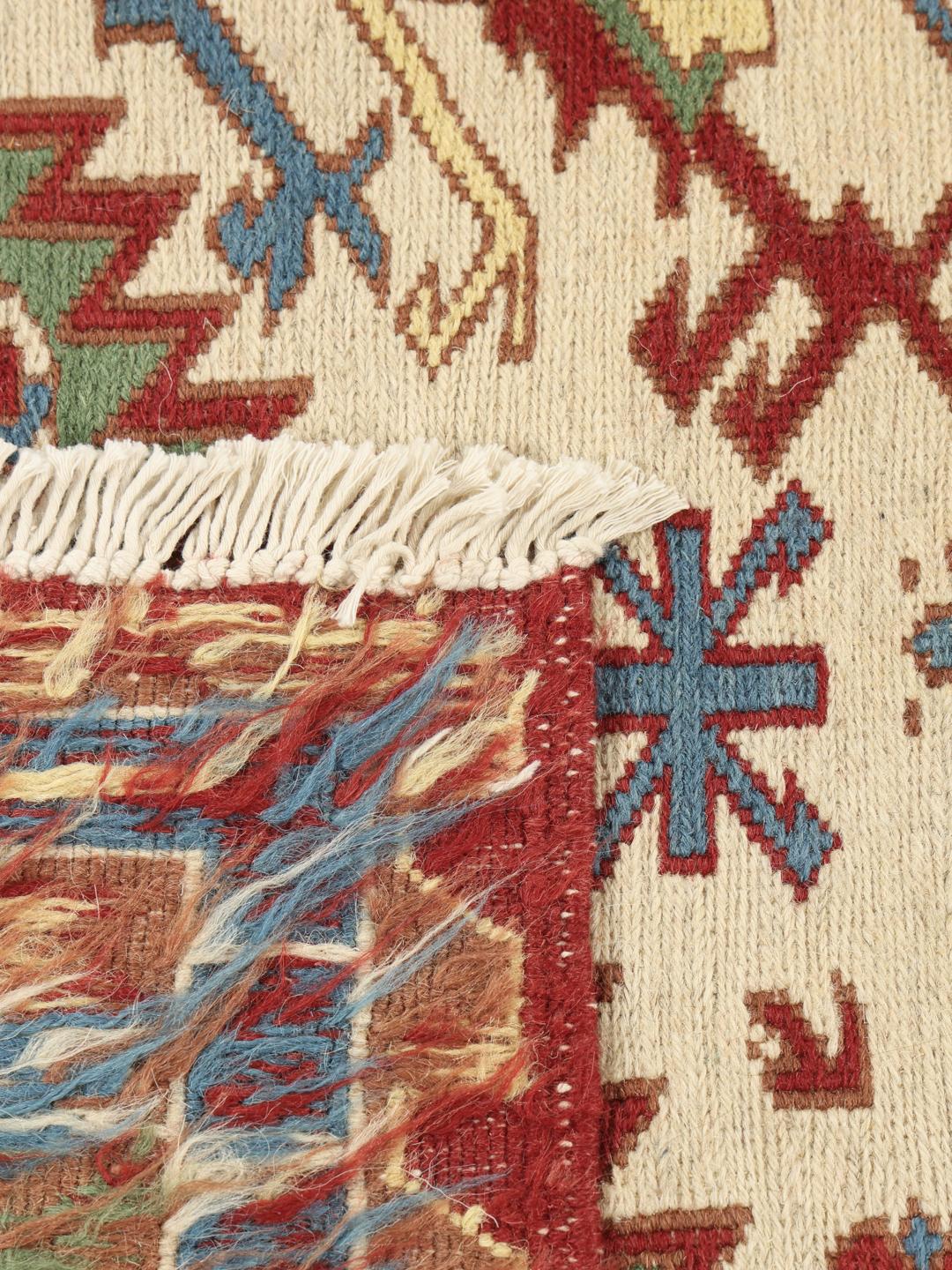
The art of the Kelim, or flat-woven rug, has roots that stretch deep into the history of the Middle East and Central Asia. Historically, these textiles were essential to the nomadic lifestyle, serving as versatile floor coverings, wall hangings, and storage bags. Today, Afghanistan remains a vital hub for this craft, where weavers continue to honour ancient techniques that have been passed down through countless generations.
The term 'Suzani' refers to a style of needlework or weaving that is traditionally heavily influenced by floral and botanical imagery. In the context of these rugs, it signifies a design language that prioritises organic, flowing shapes and intricate medallions. This specific style is celebrated for its ability to transform simple Wool into complex, narrative-driven patterns that reflect the natural world.
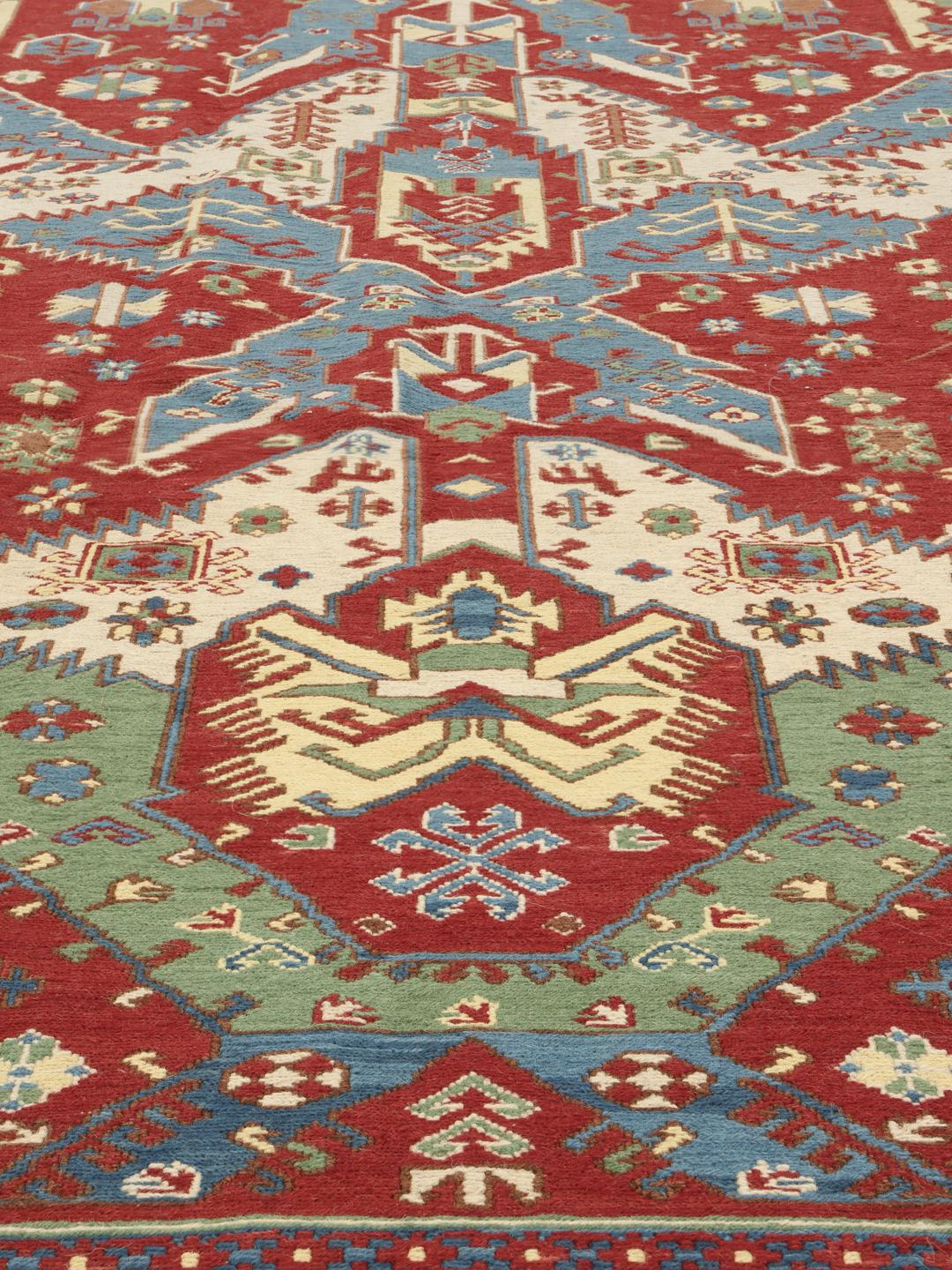
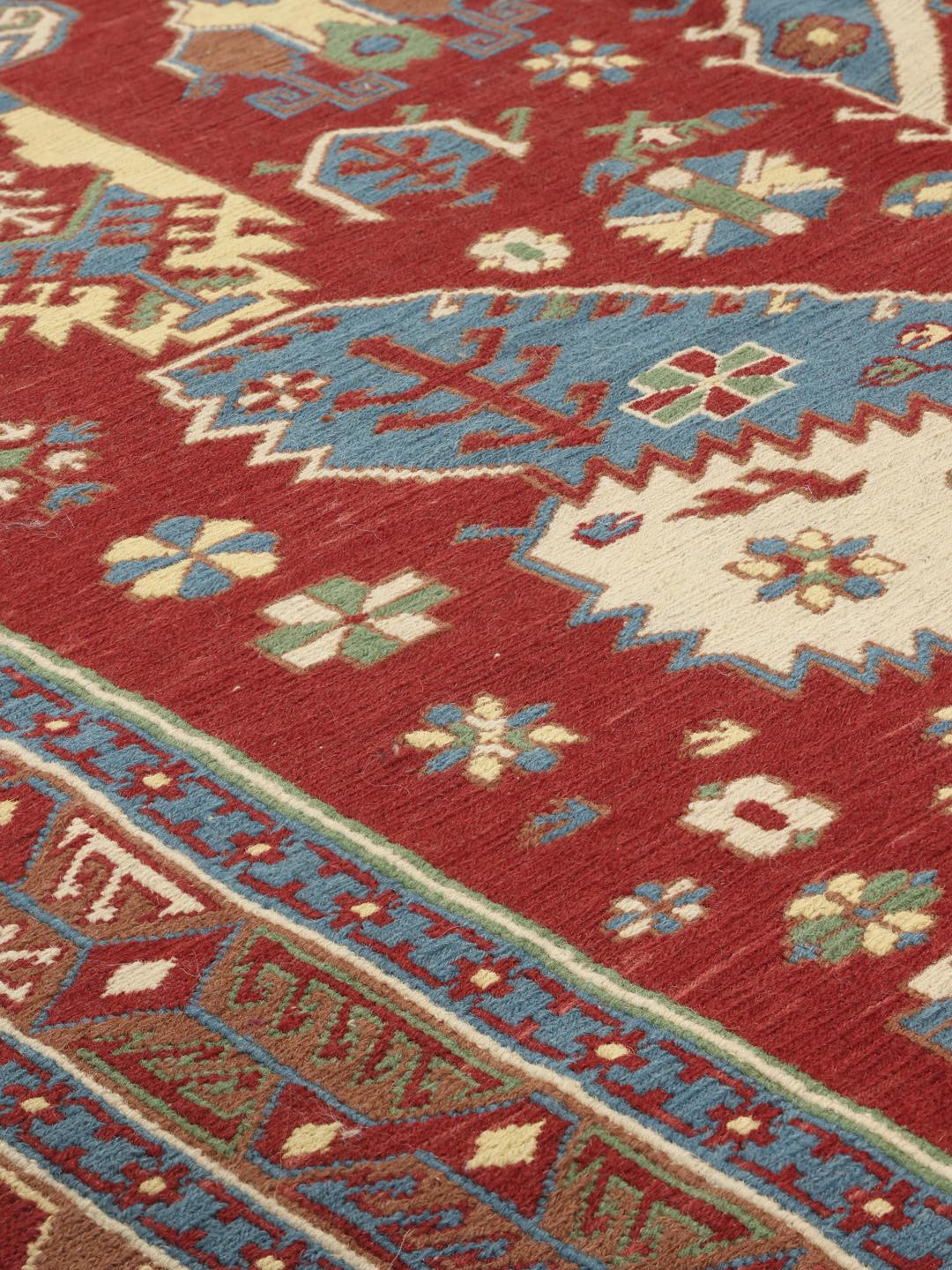
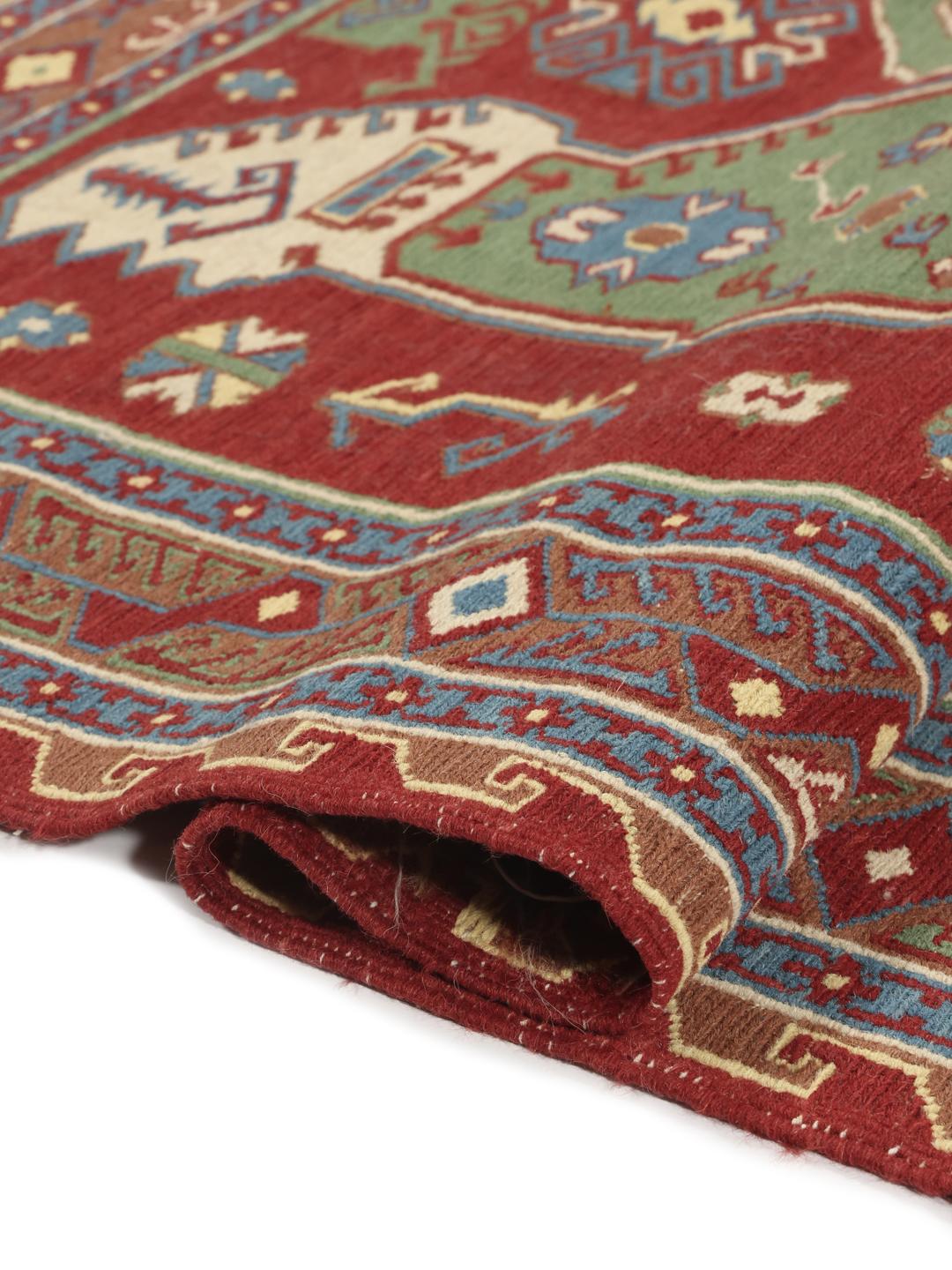
Visually, this tradition is known for a bold and harmonious use of colour. The motifs often include stylised flowers, vines, and geometric symbols that act as a visual shorthand for local cultural values and regional history. While the designs follow a recognisable framework, the individual weaver's choice of colours and slight variations in pattern ensure that each rug remains a unique expression of their personal skill and environment.
Collecting a Kelim Suzani is an investment in a living cultural tradition. These rugs are highly valued not only for their aesthetic beauty but for the immense human effort required to complete each piece. Owning such a rug is a testament to an appreciation for heritage, manual skill, and the lasting quality that only hand-woven textiles can provide.