Kilim rugs represent one of the oldest and most respected weaving traditions in the Middle East and Central Asia. Originally created by nomadic tribes for practical use—as floor coverings, saddlebags, and tent hangings—these flat-woven textiles are celebrated for their portability and durability. Over centuries, the craft evolved from essential nomadic gear into a highly refined art form, with each region developing its own distinct visual vocabulary.
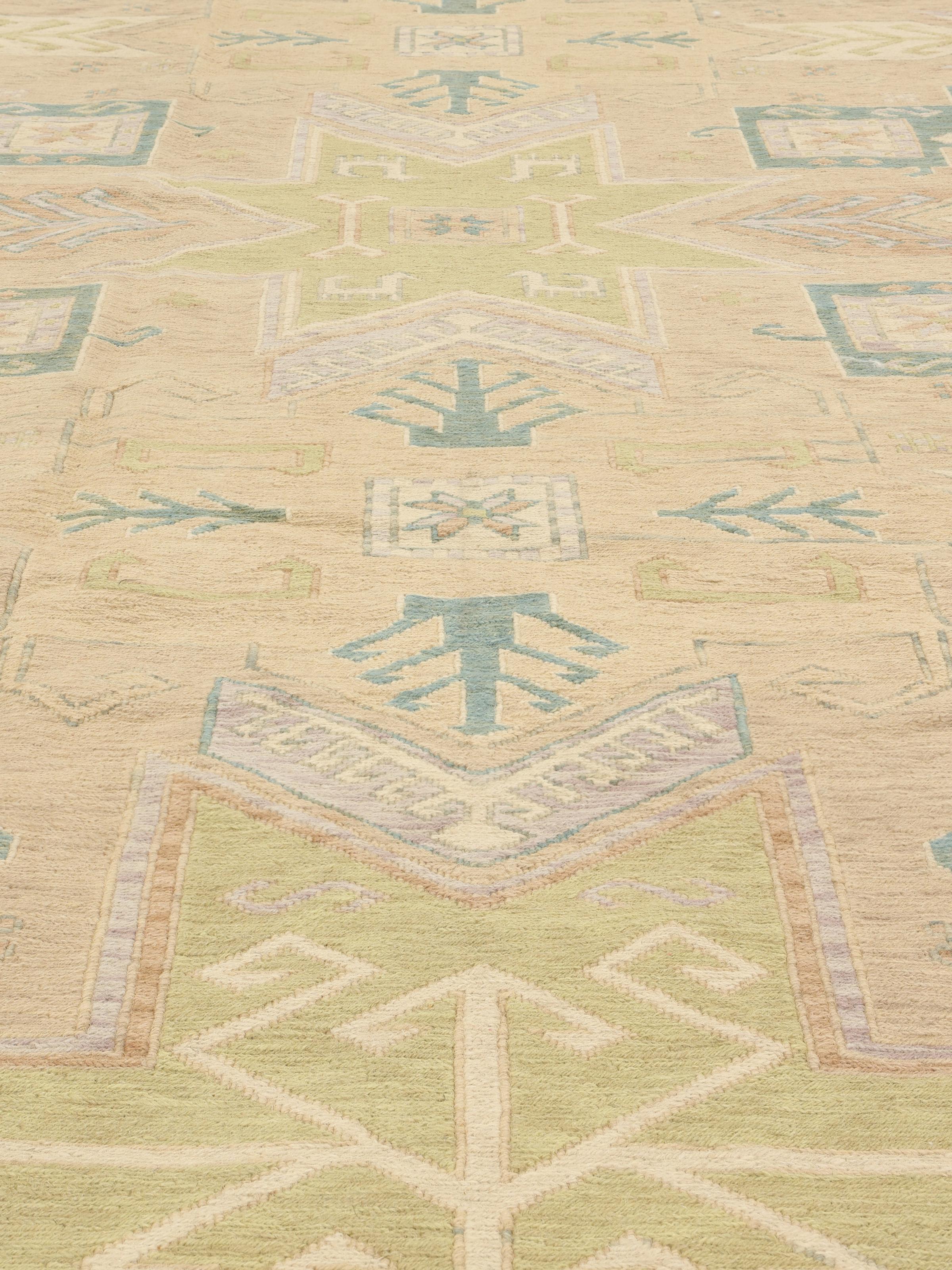
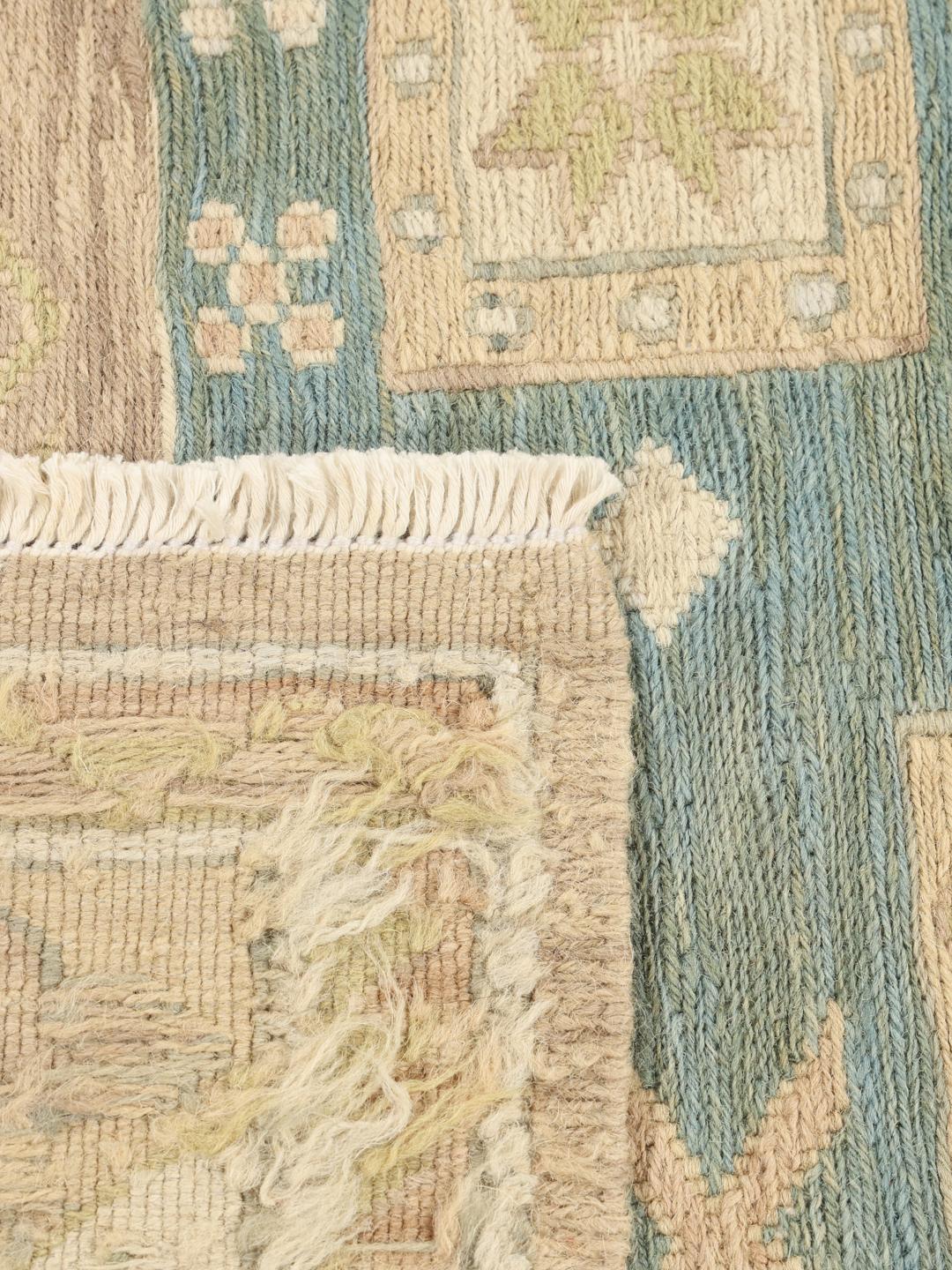
The term 'Kilim' refers specifically to the slit-weave technique, where the weft threads are pulled tightly to conceal the warp, resulting in a flat, pileless surface that is incredibly strong. This technique allows for sharp, geometric pattern definition that is characteristic of the style. The 'Suzani' influence often found in these rugs refers to traditional needlework, inspiring patterns that are both bold and deeply symbolic.
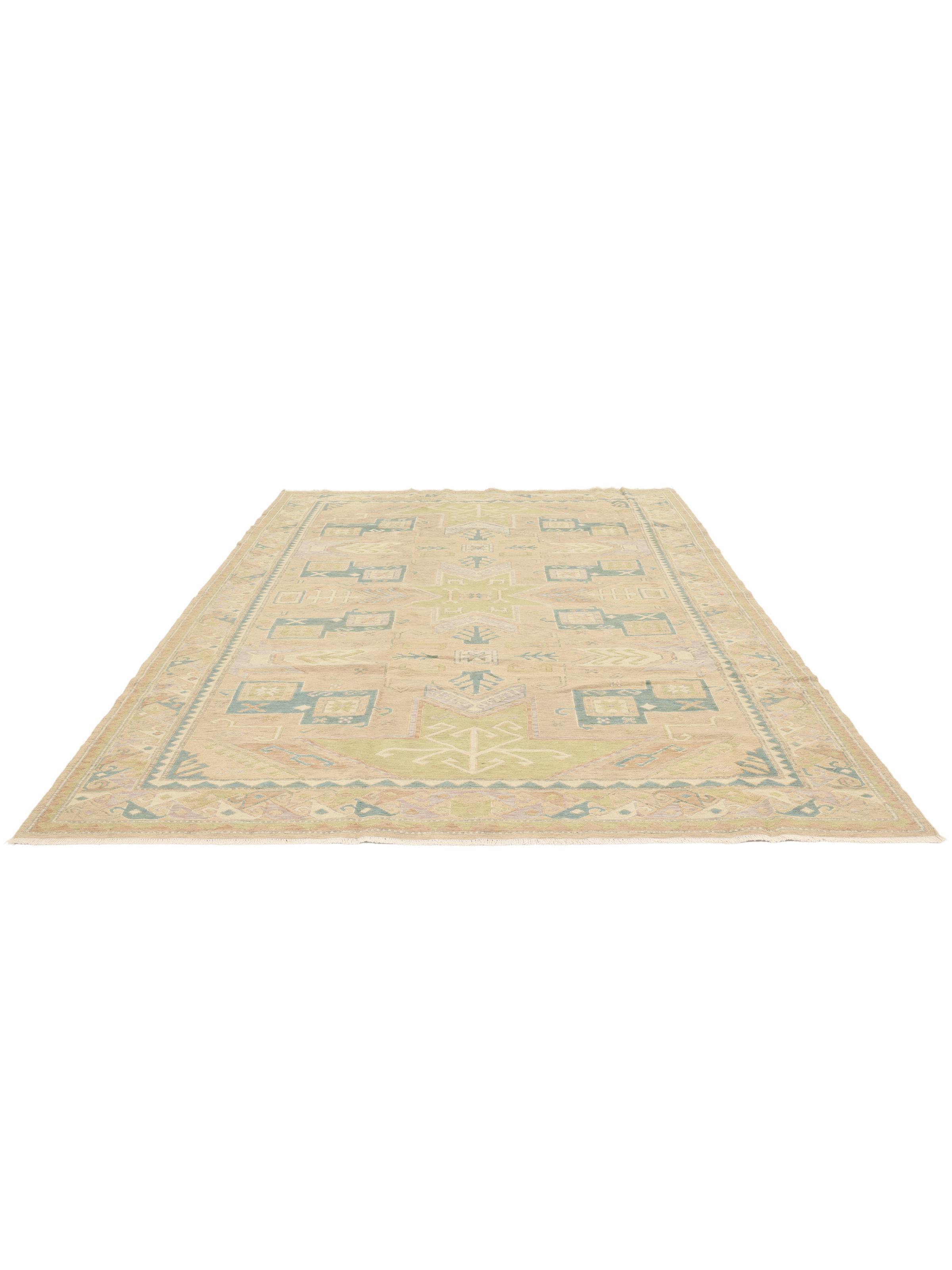
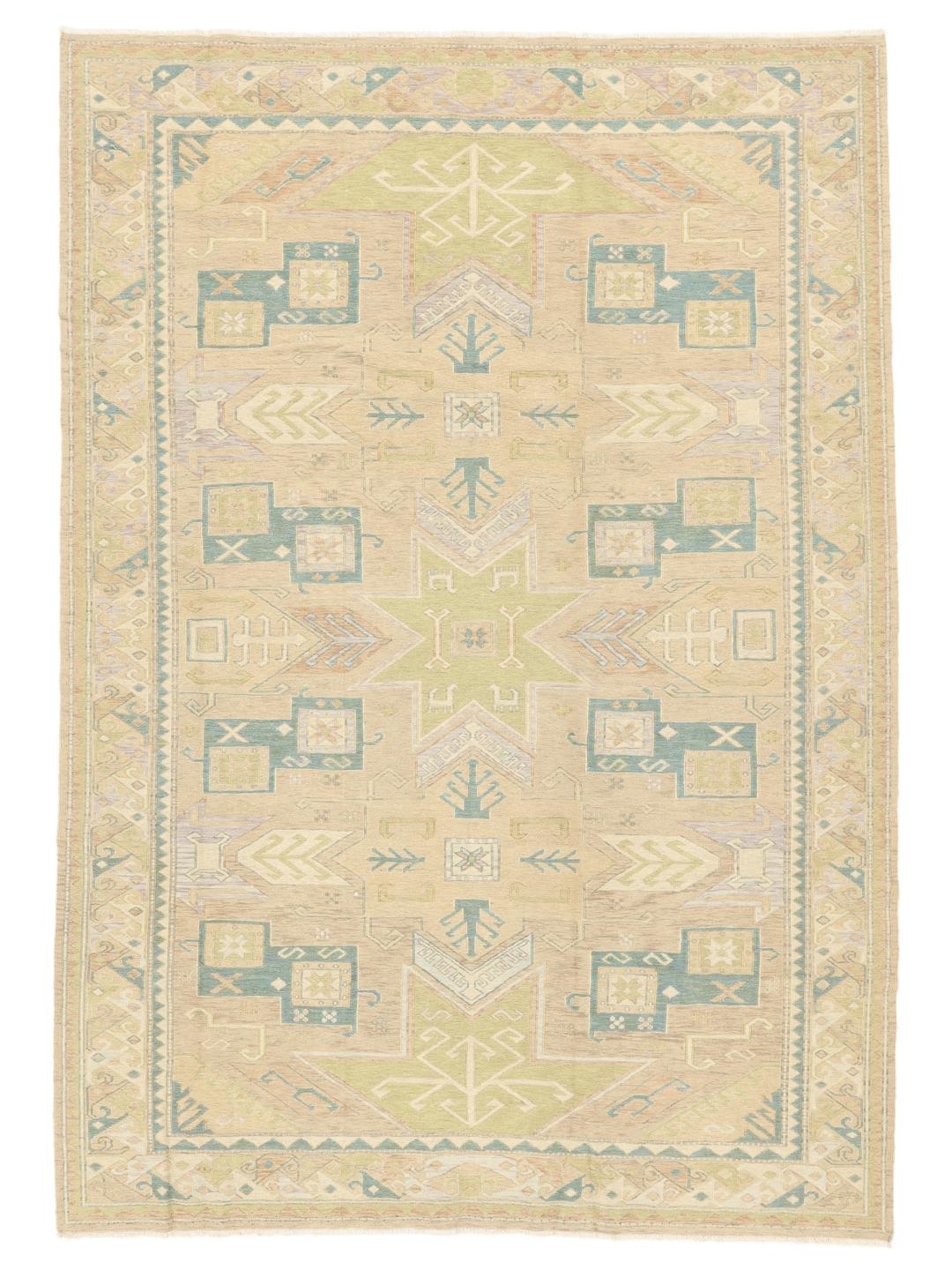
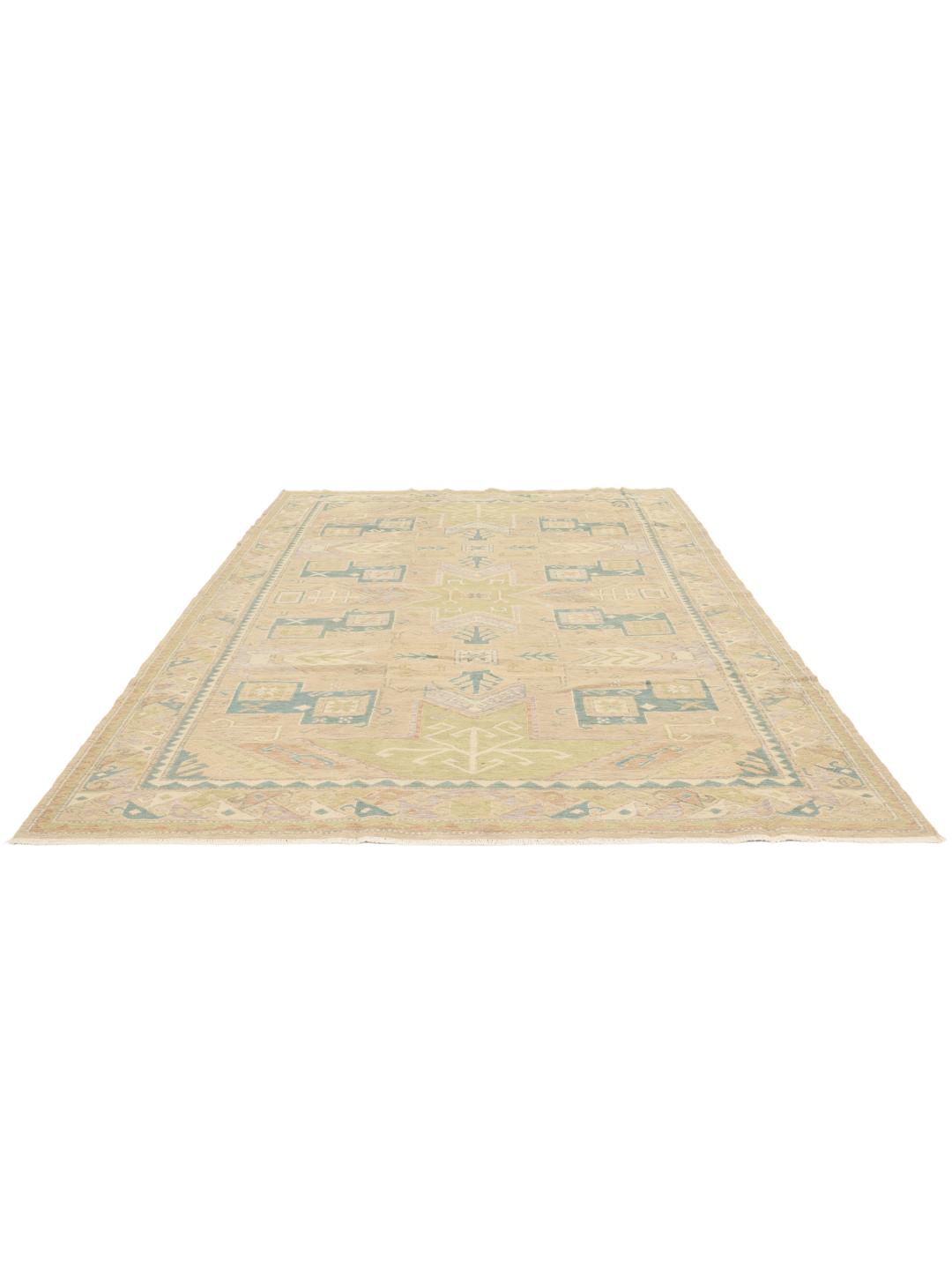
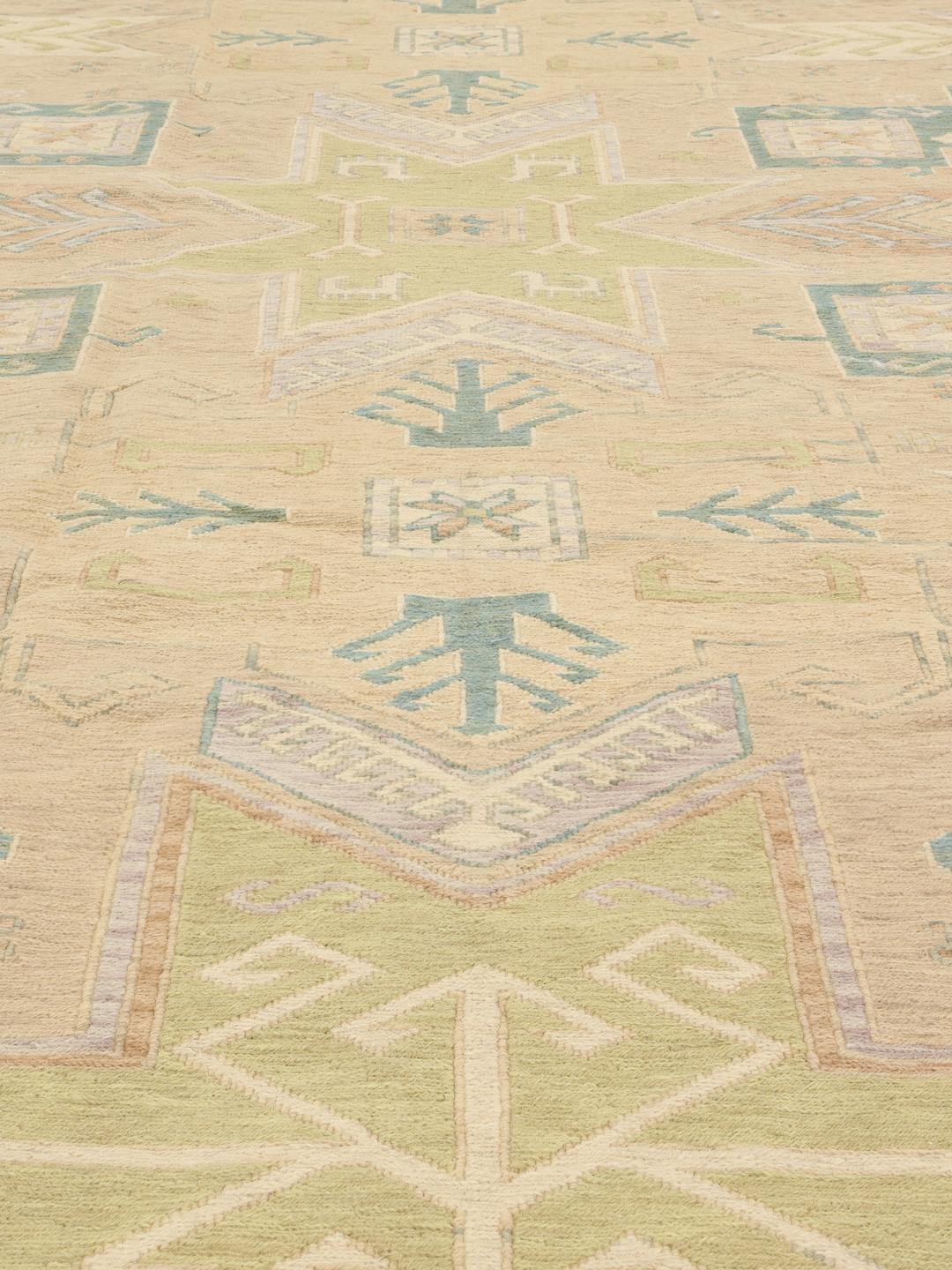
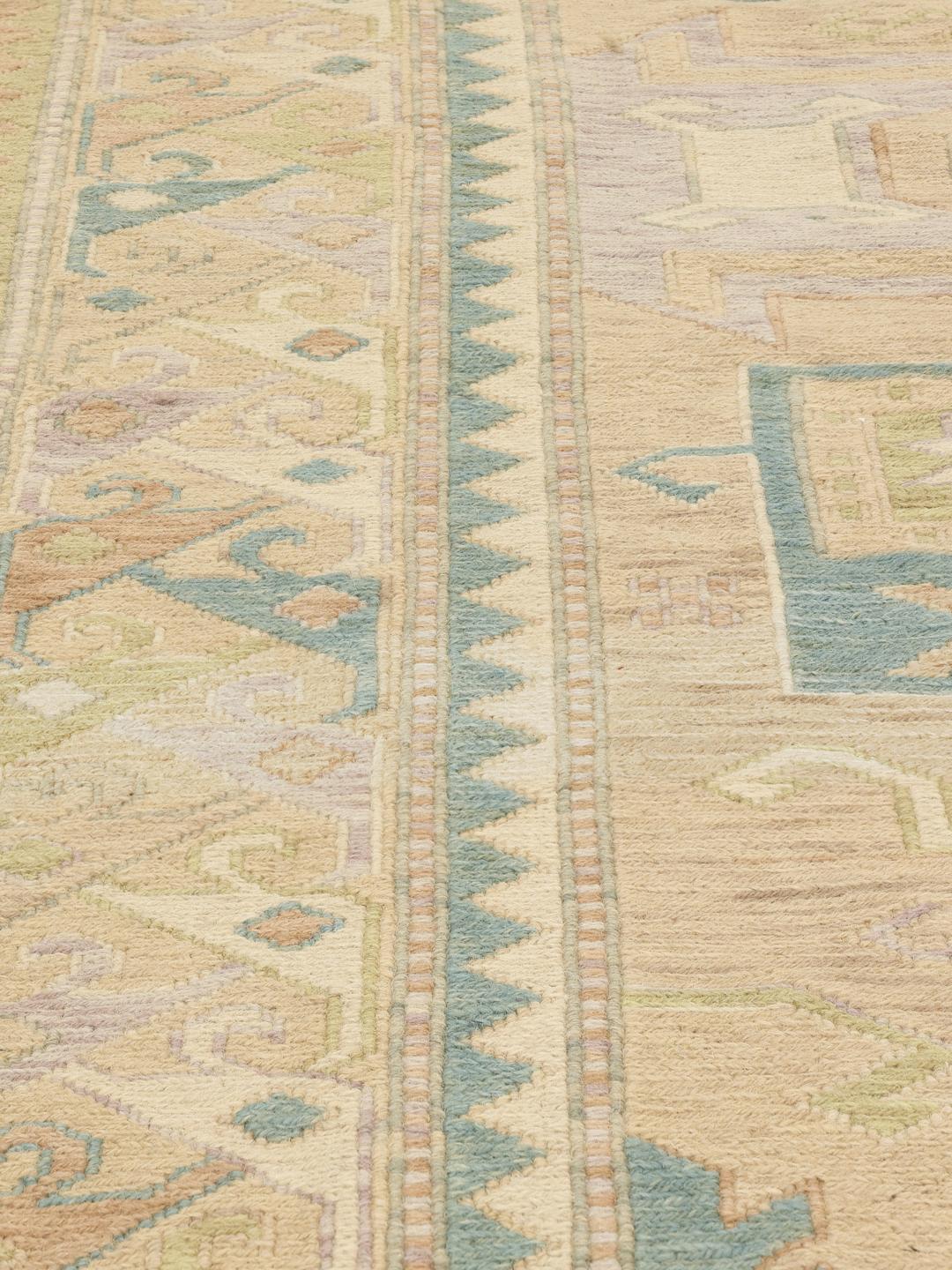
Design elements in these rugs often feature geometric medallions, stylized floral motifs, and symbolic borders that tell stories of the weaver's environment and heritage. The patterns are rarely purely decorative; they often carry cultural meanings related to protection, fertility, or family history. The use of a muted, natural colour palette in this particular piece highlights the sophisticated interplay between these ancient motifs and modern design sensibilities.
Collecting these rugs is an opportunity to preserve a piece of living history. Because they are produced in limited quantities and reflect the unique perspective of the artisan, they are highly valued by those who appreciate the intersection of heritage, skill, and personal expression. Owning a Kilim is more than just a decor choice; it is an act of supporting a cultural legacy that continues to thrive in the modern world.