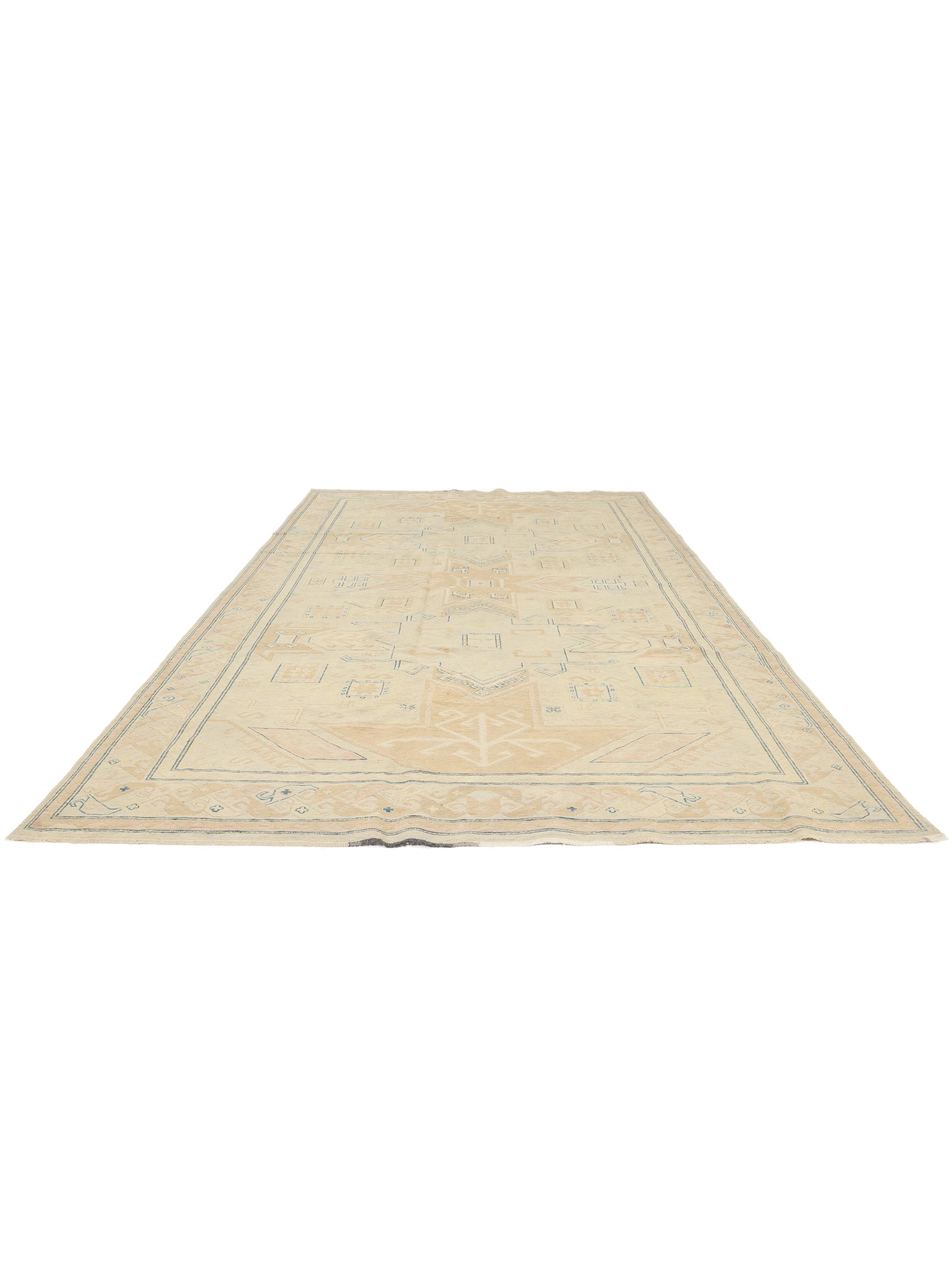
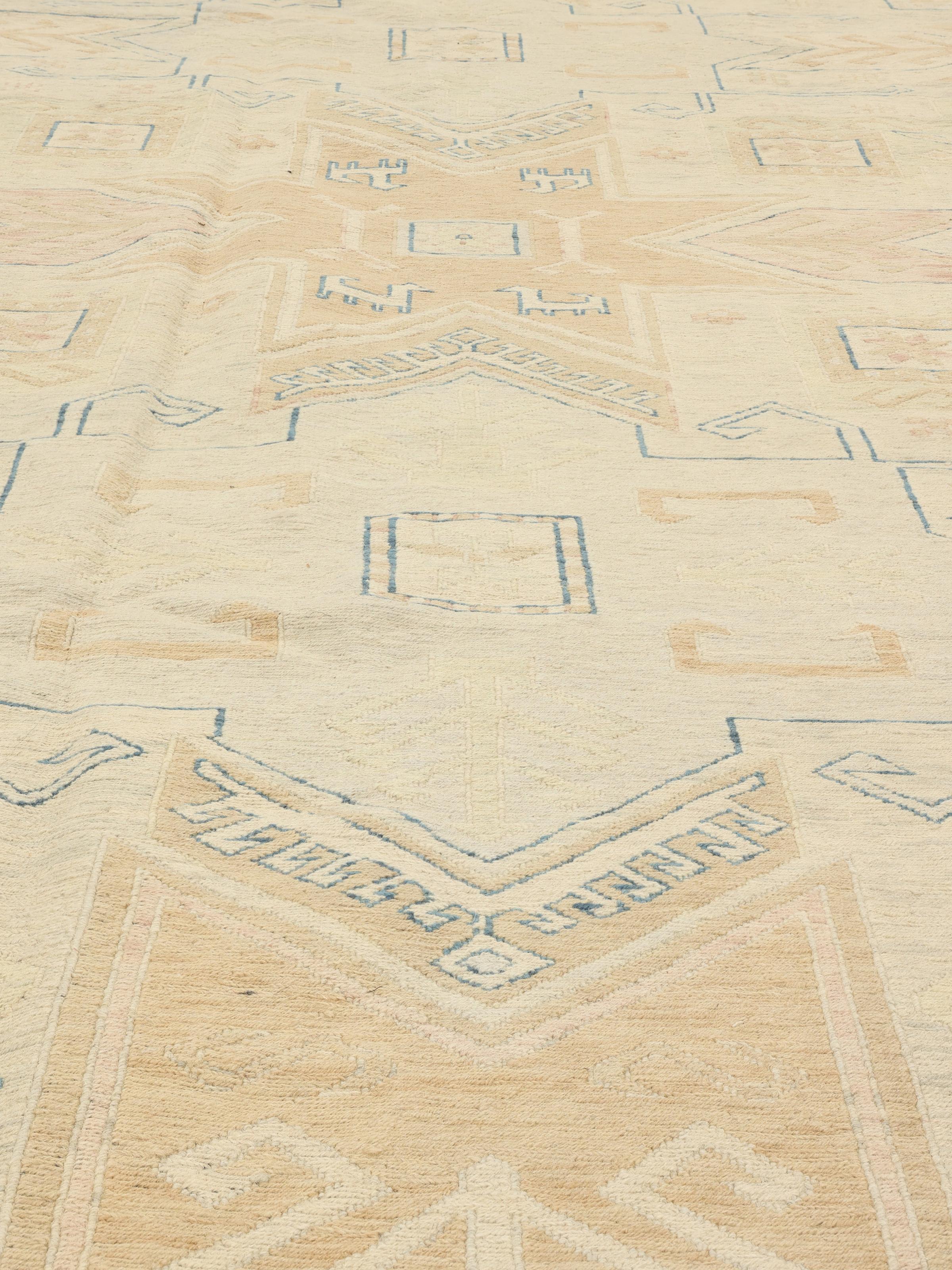
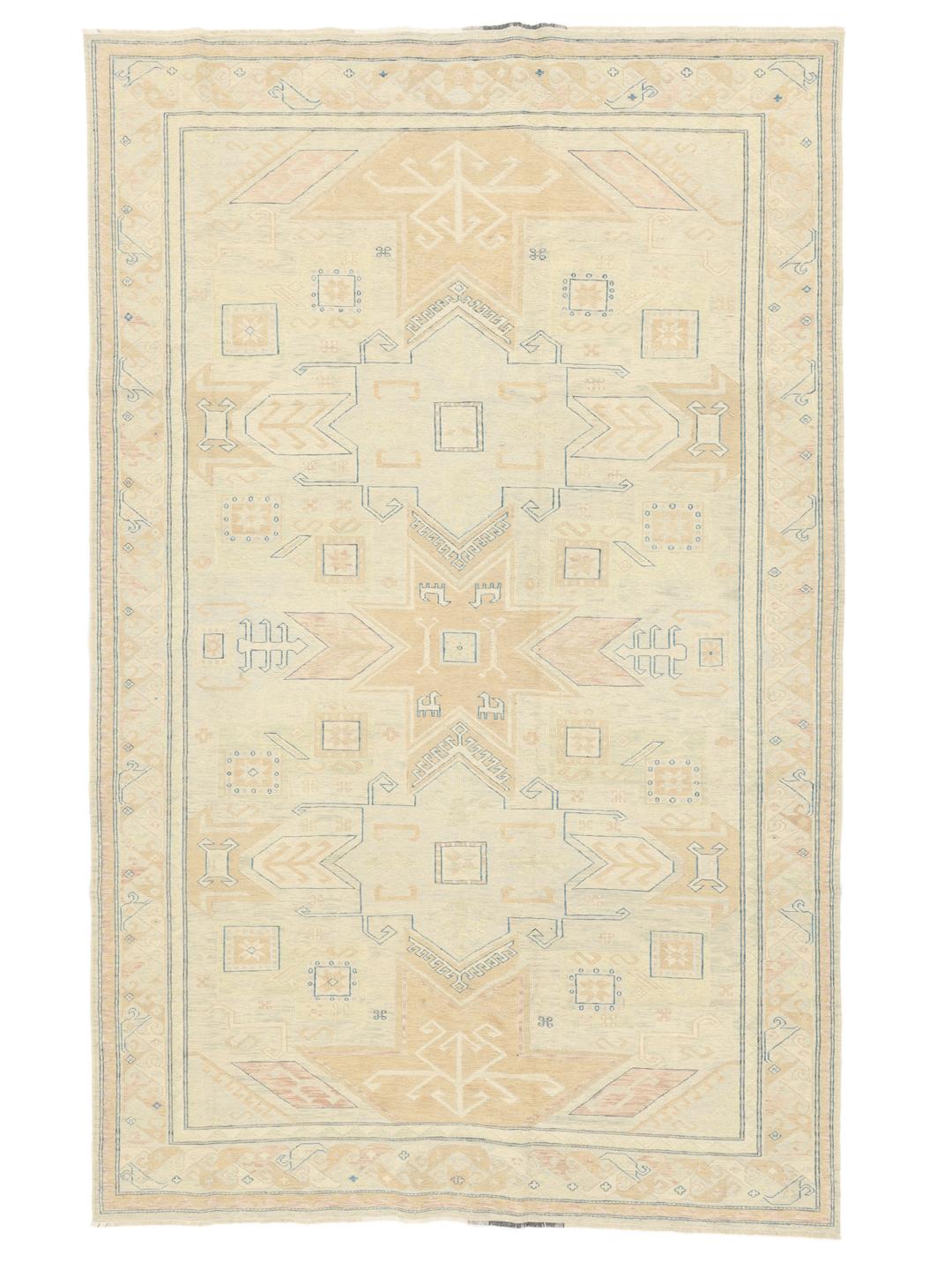
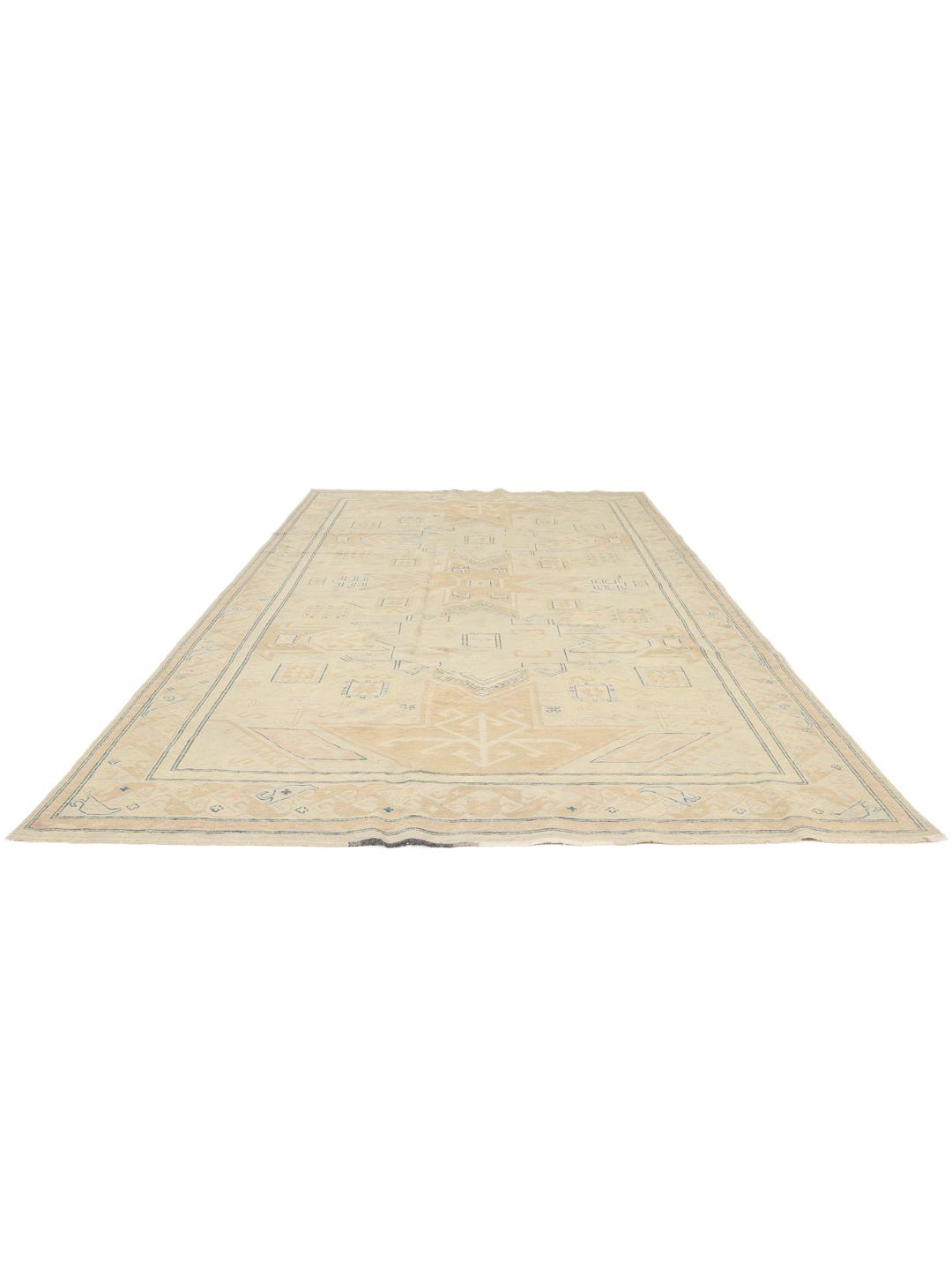
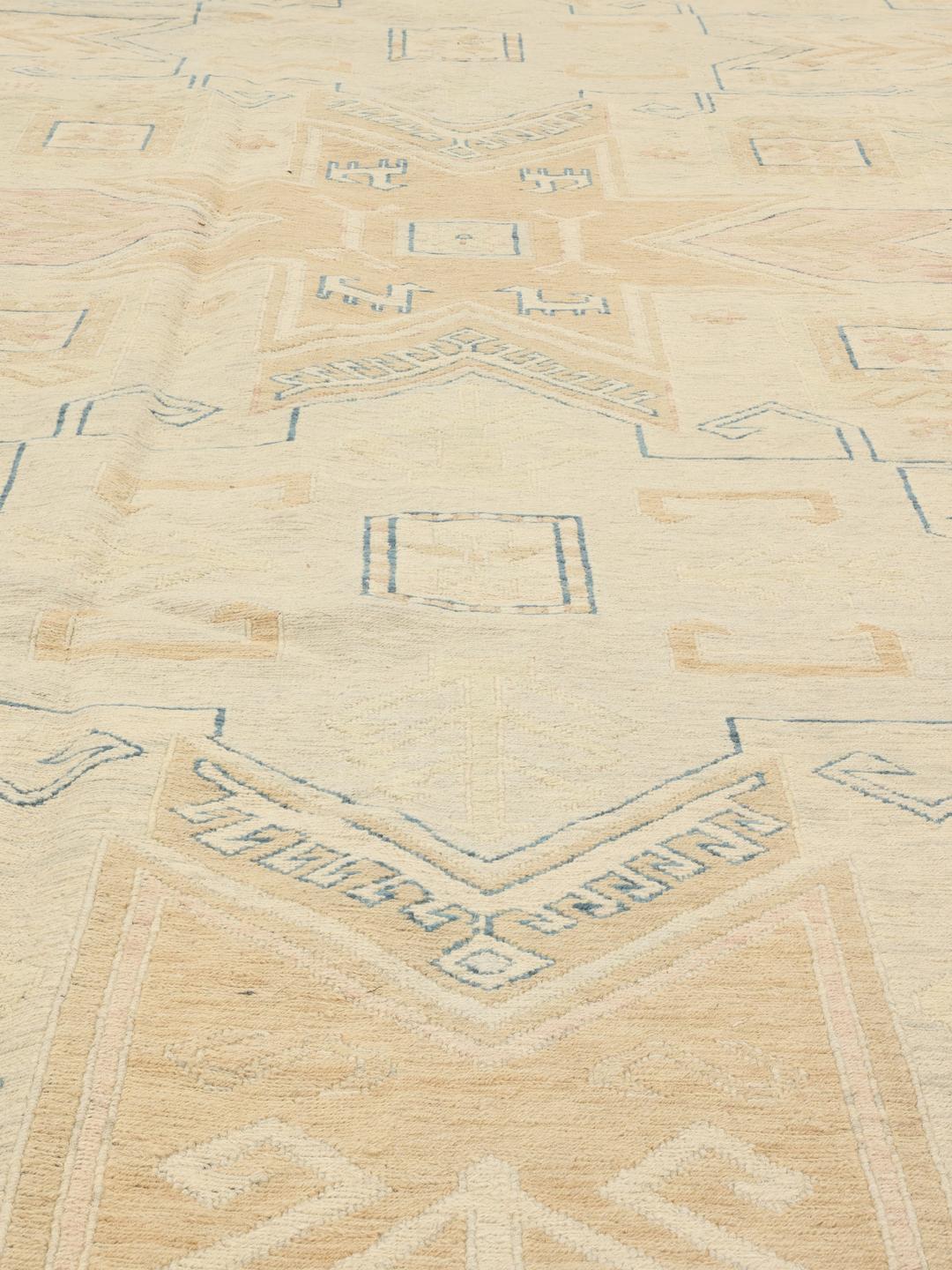
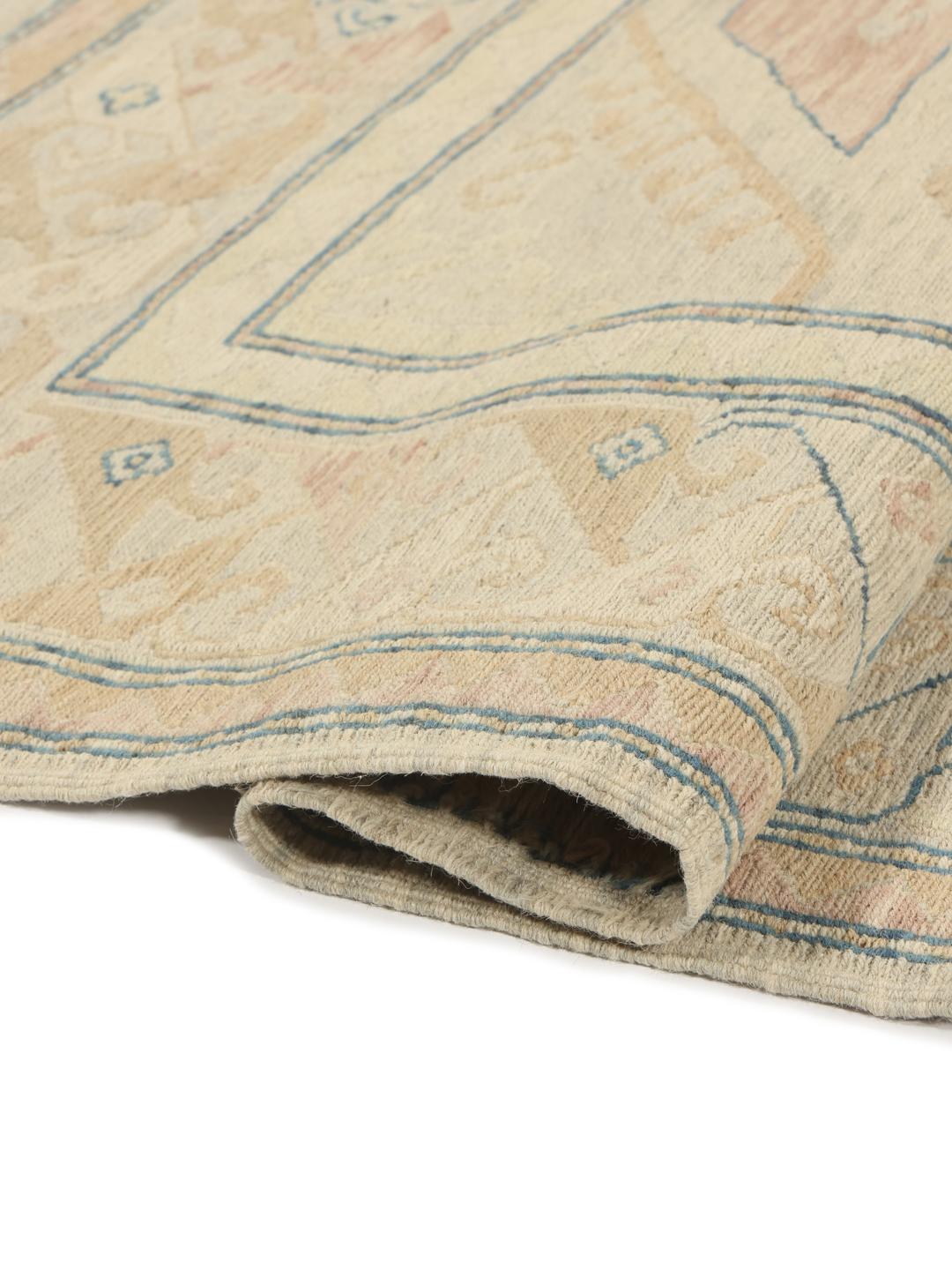
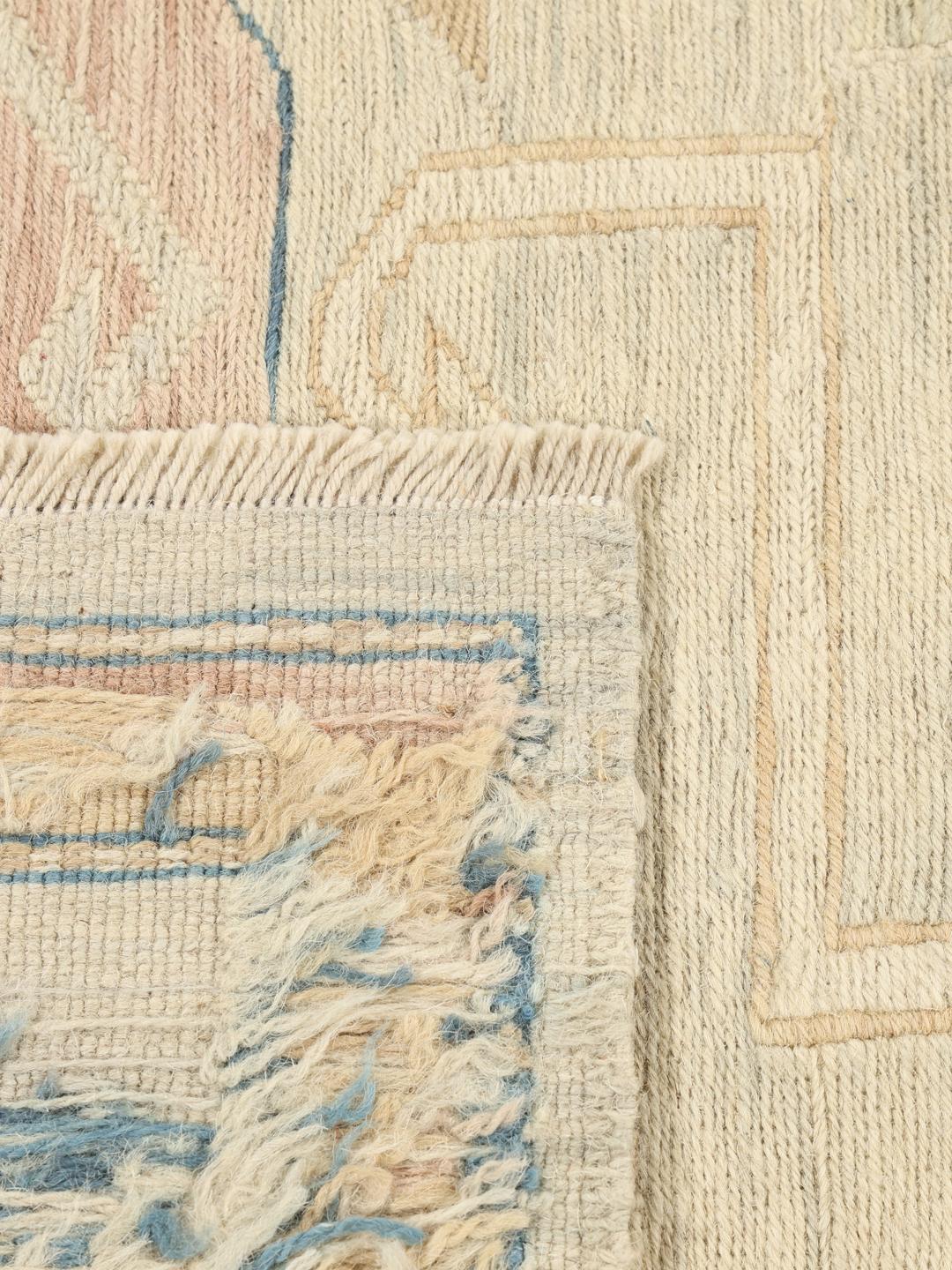
The tradition of the Kelim, or flatweave, is deeply rooted in the nomadic cultures of the Middle East and Central Asia. These rugs were historically created by tribal weavers as functional, portable floor coverings and wall hangings, designed to withstand the rigours of a migratory lifestyle while serving as canvases for cultural expression and storytelling.
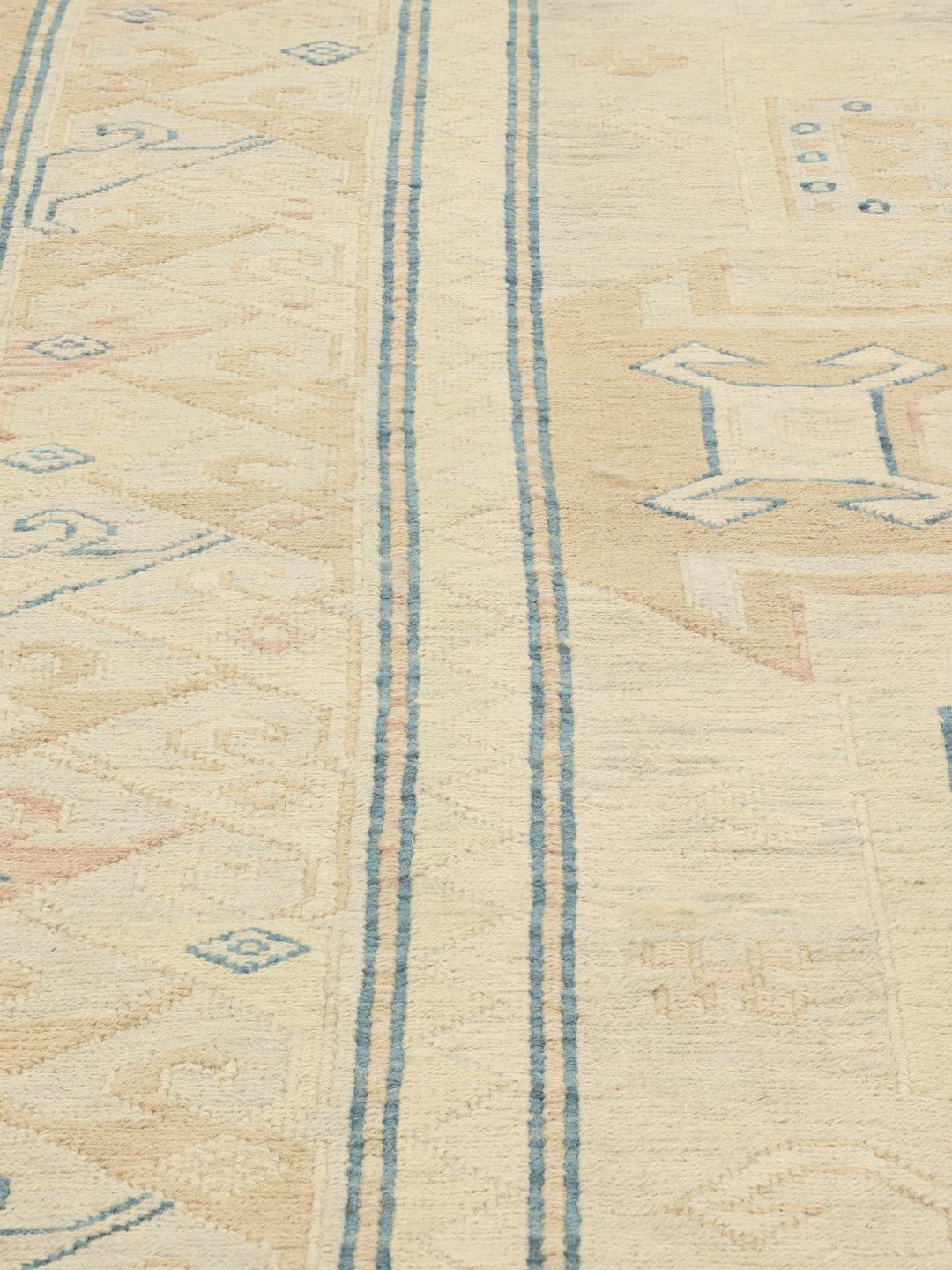
The term 'Suzani' often refers to decorative, needle-worked textiles, and when applied to Kelim rugs, it denotes a design style that mimics these intricate, ornate embroidery patterns. This fusion of techniques creates a visual language where geometric symbols and floral motifs are woven directly into the fabric, resulting in a refined, tapestry-like appearance that is highly prized by collectors.
Signature elements of this tradition include the use of bold, symbolic geometry and a specific palette derived from local natural dyes. While traditional designs often lean into vibrant reds and deep blues, modern interpretations frequently embrace softer, neutral tones, allowing the ancient patterns to feel at home in contemporary living spaces while maintaining their historical integrity.
Owning a hand-woven Afghan Kelim is more than just a decorative choice; it is an act of preserving a heritage of skill that has been passed down through generations. These rugs are valued not only for their durability but for the human connection they represent, offering a link to the nomadic spirit and the enduring artistry of the Afghan weaving tradition.