Kilim weaving is one of the oldest textile arts in Anatolia, deeply rooted in the daily lives of nomadic and village weavers across Turkey. Unlike pile carpets, flatwoven kilims were originally created for practical household use, serving as floor coverings, wall hangings, and storage bags designed to withstand frequent travel and everyday life.
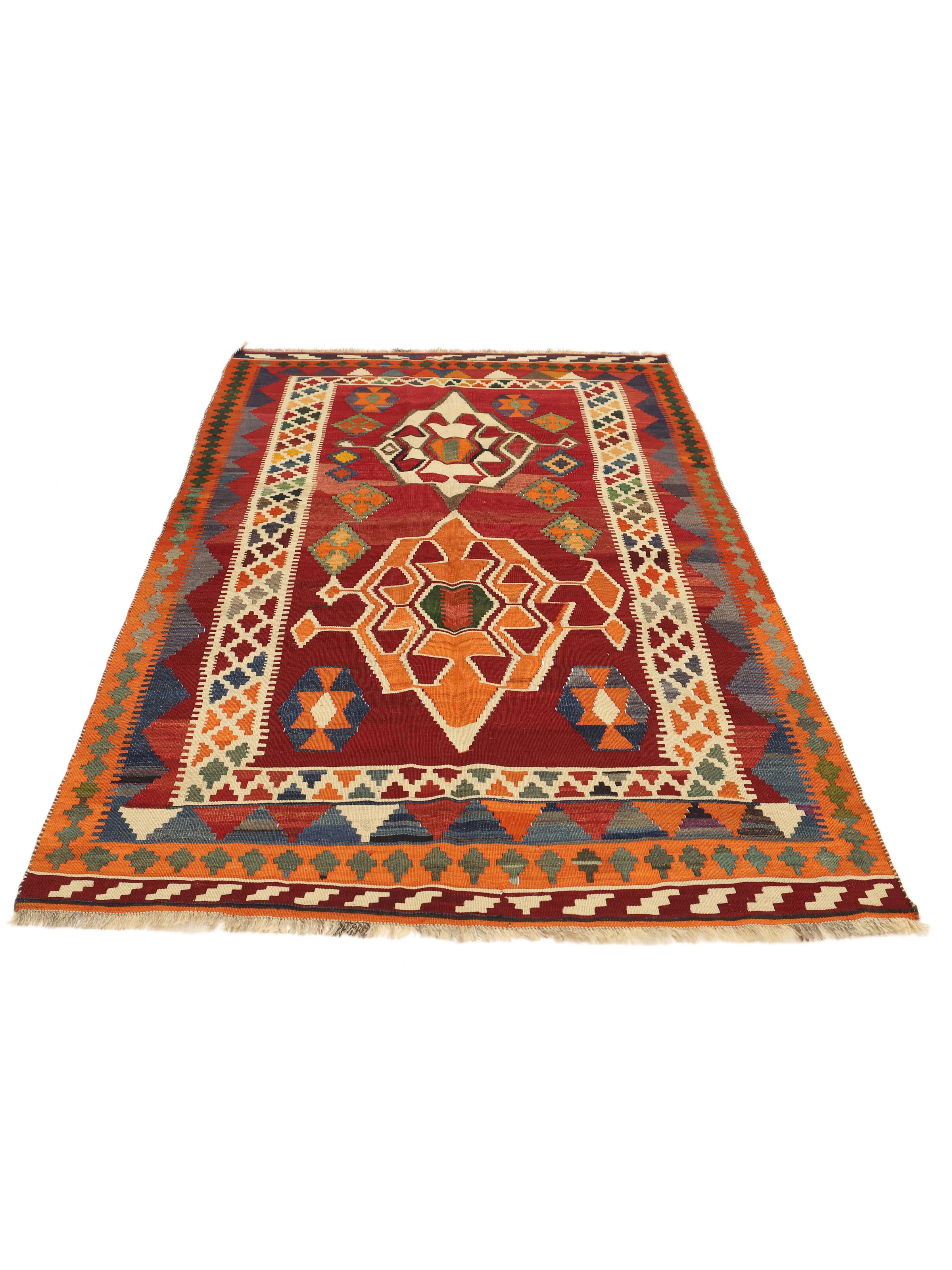
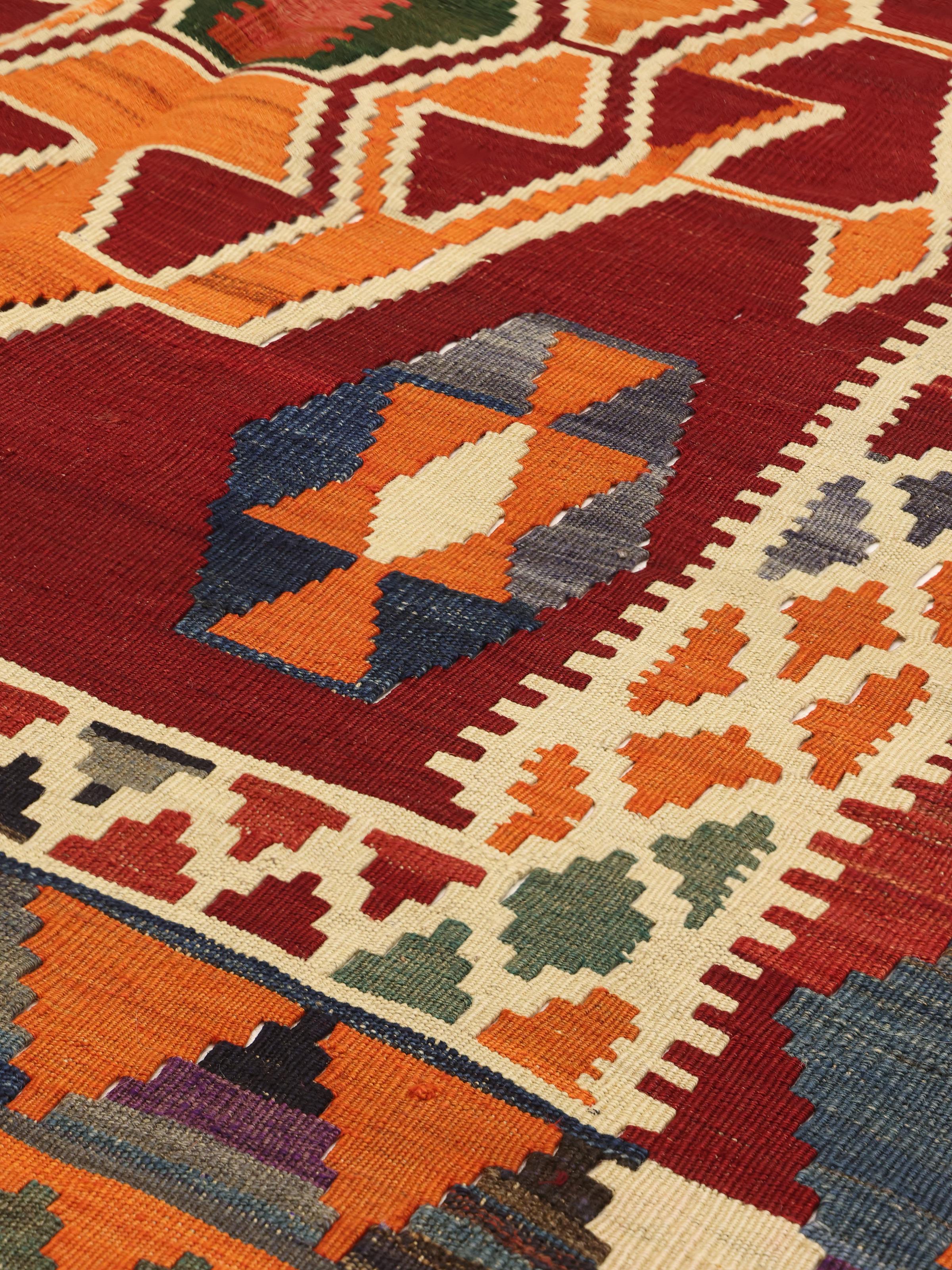
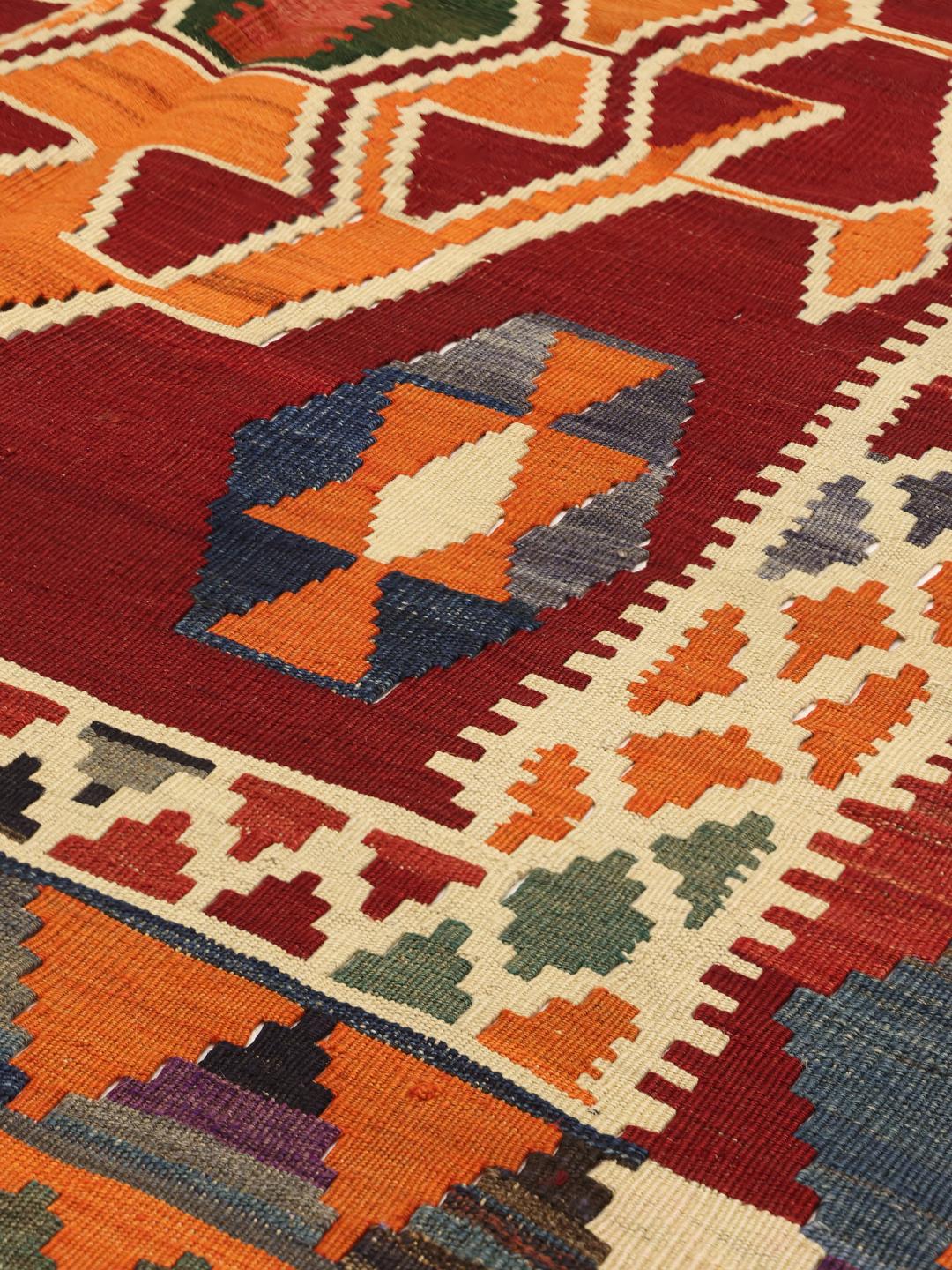
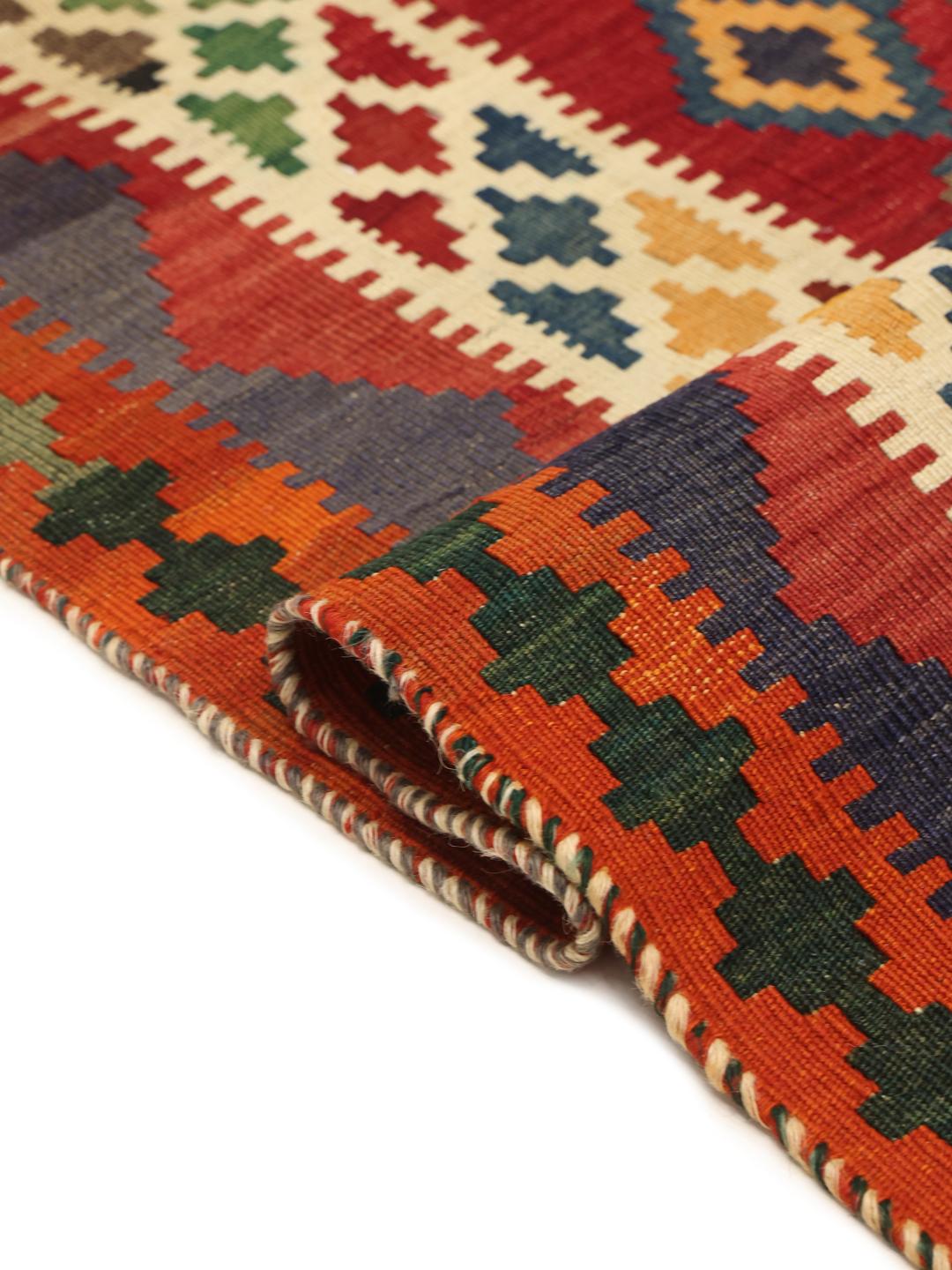
The flatweave technique creates a tapestry-like texture where the design is integral to the rug's structural framework. This method relies on slit-weave construction, leaving crisp, clean geometric lines where contrasting color blocks meet. The result is a lighter, highly durable fabric that showcases the natural texture of the wool while maintaining a sleek, minimal profile.
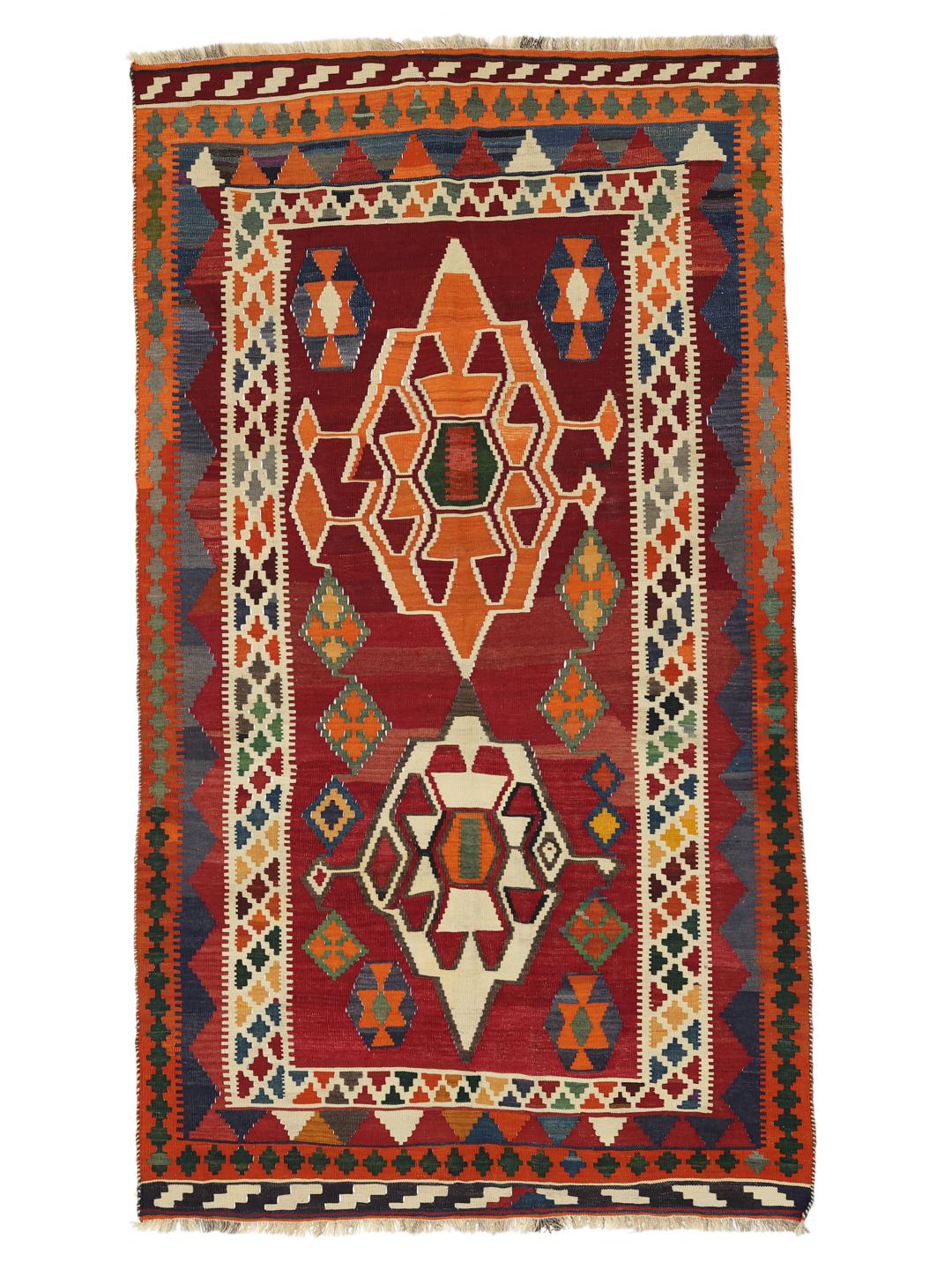
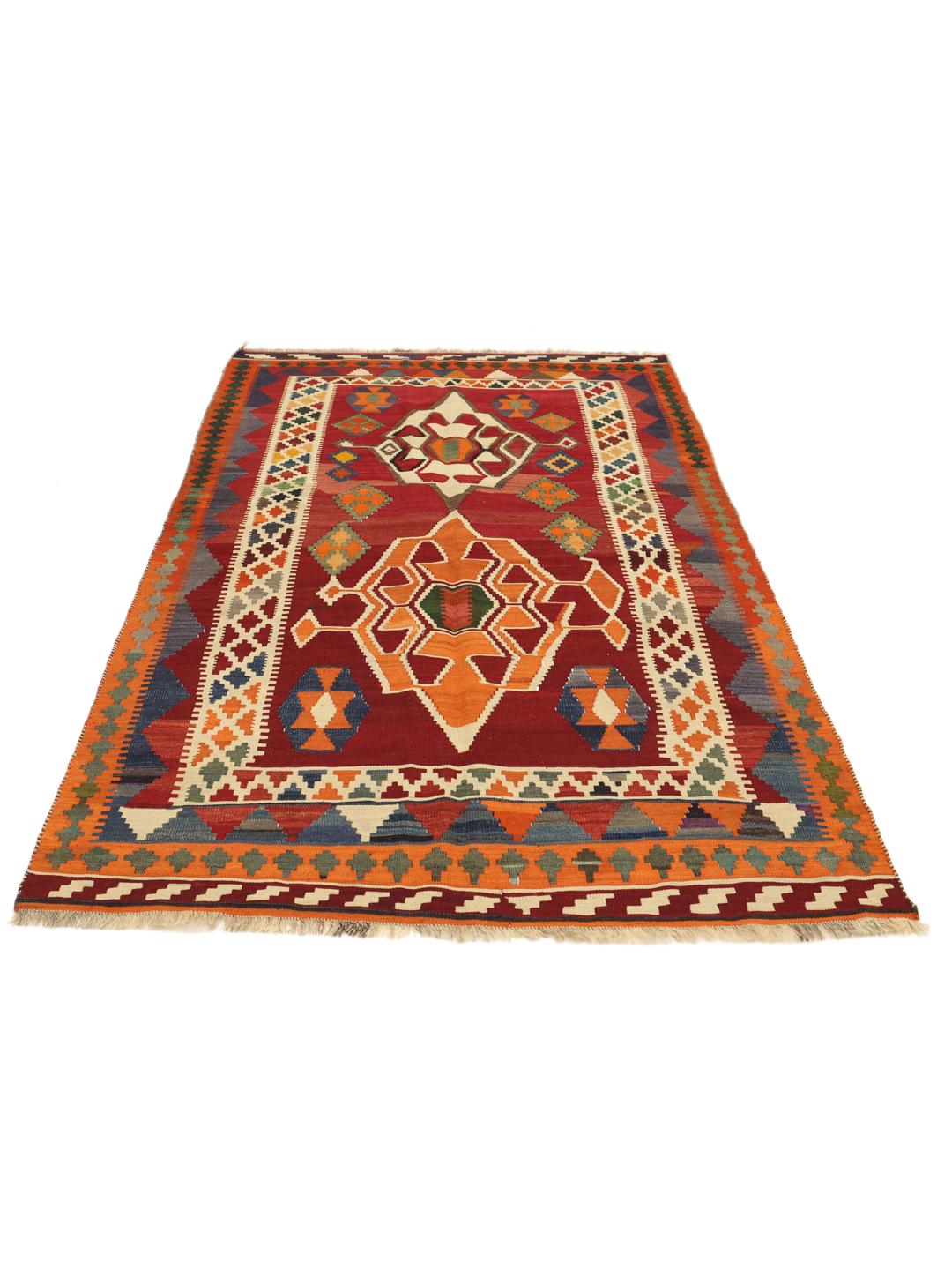
Visually, Turkish kilims are famous for their bold geometric language. Large central diamond medallions, protective border symbols, and repeating tribal motifs were traditional expressions of local culture, family identity, and personal storytelling. The combination of deep reds, warm oranges, and contrasting blue bands highlights the classic color palette of regional Anatolian weaving.
Today, vintage kilims aged between 20 and 50 years are sought after for their refined beauty and historical authenticity. Decades of gentle use allow the natural wool dyes to soften gracefully, giving each piece an irreplaceable patina that makes it both a functional interior accent and a lasting piece of woven heritage.