Kilim flatweaves have a long history across Anatolia and the broader Middle East, traditionally created by nomadic and village weavers for daily home life. Rather than serving purely as decorative floor coverings, these pieces were originally crafted as blankets, floor mats, or storage bags, carrying deep regional identity in every stitch.
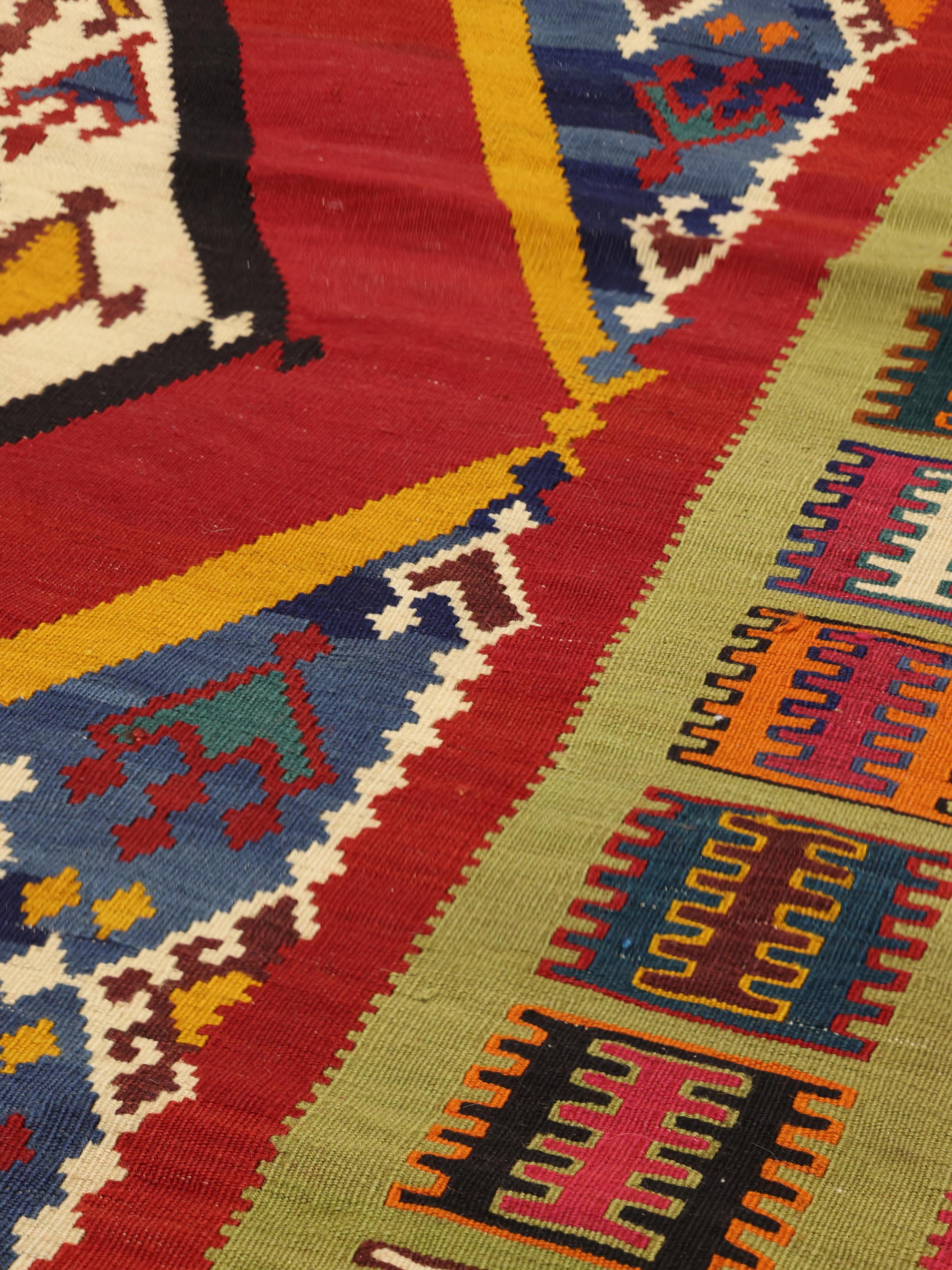
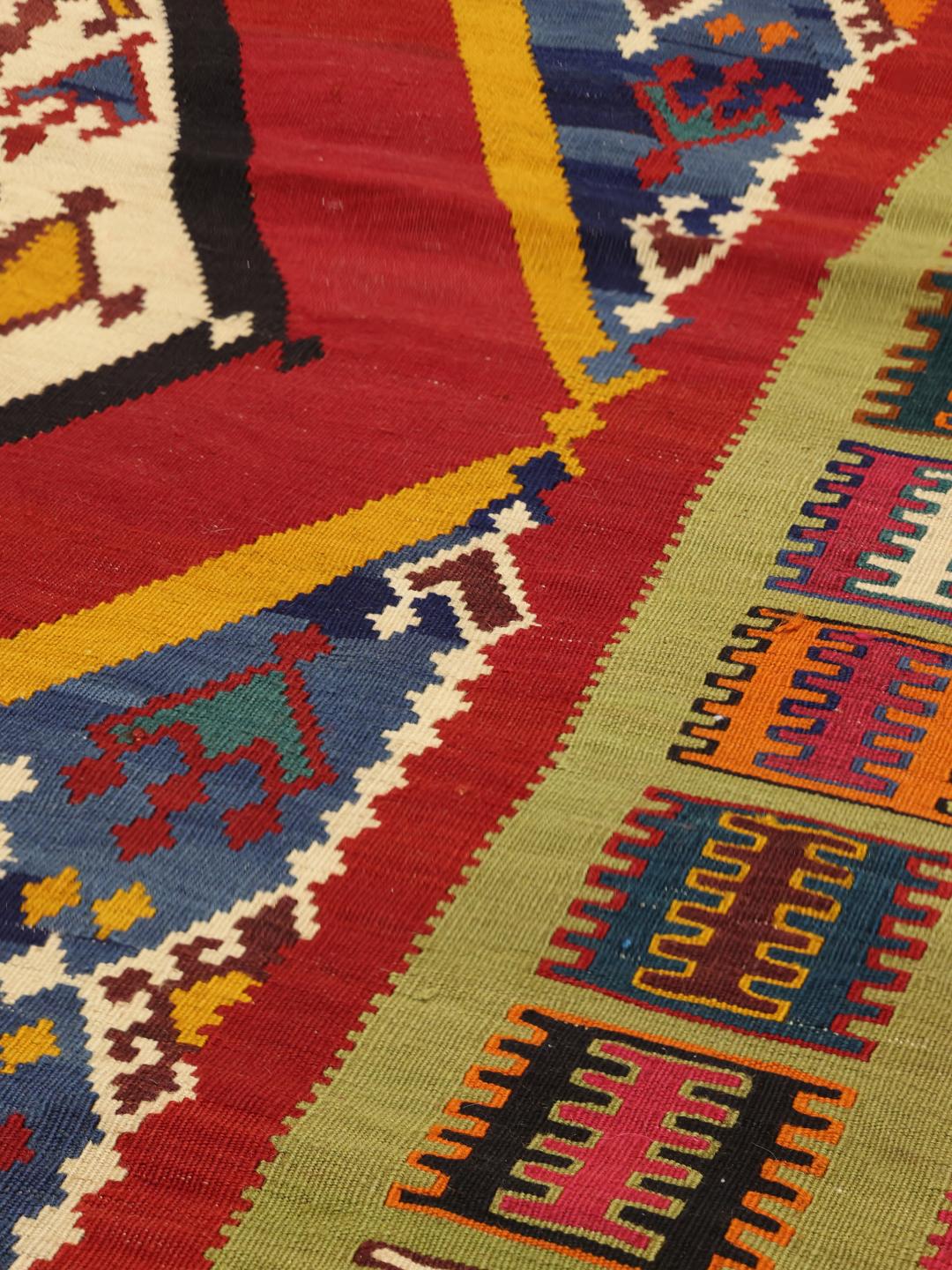
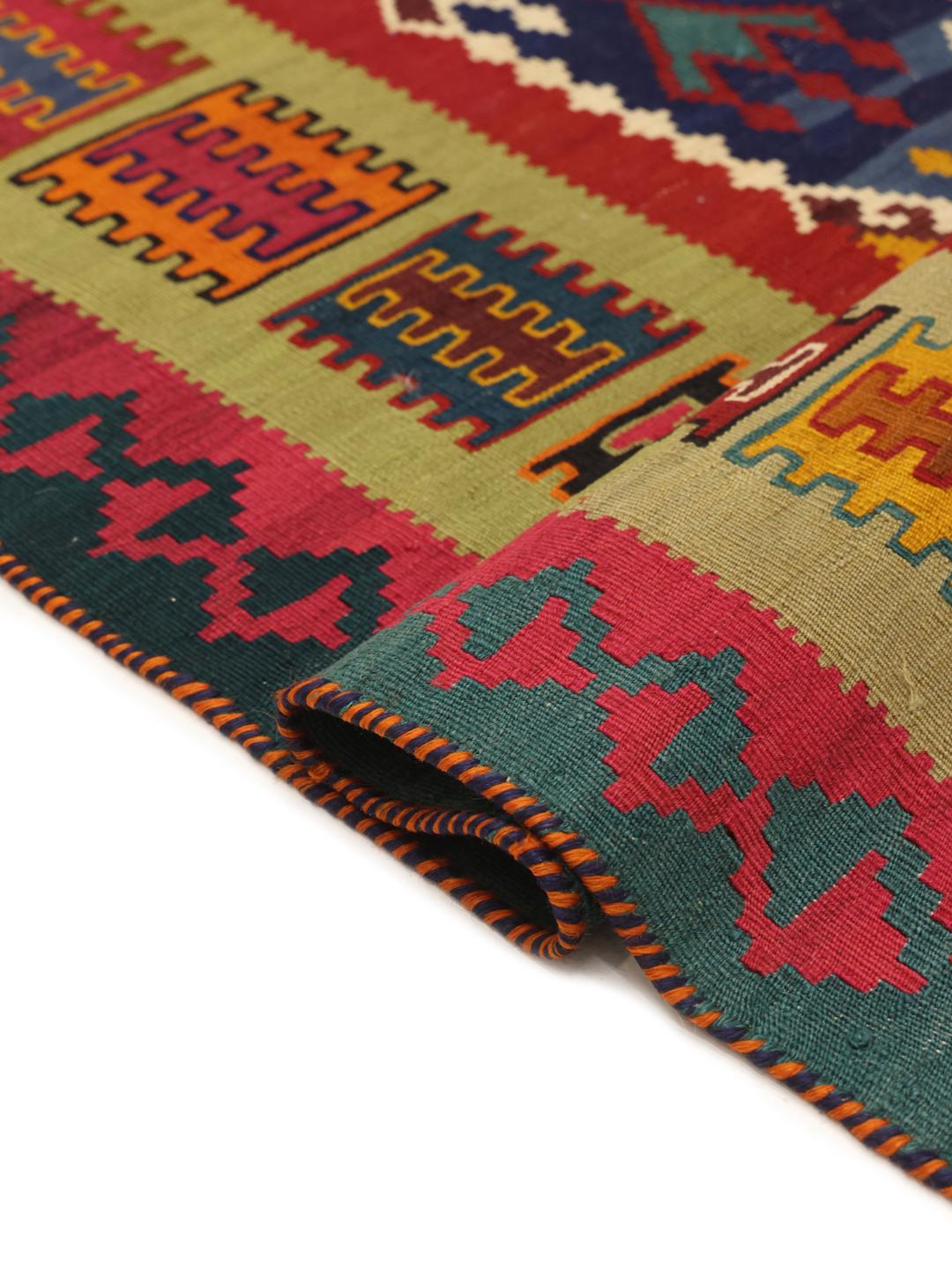
Unlike pile rugs, Kilims are made using a flatweave technique where warp and weft threads are tightly interwoven. This produces a smooth surface with no raised pile, making the rug light, reversible, and structural while allowing intricate geometric patterns to be rendered with clean edges.
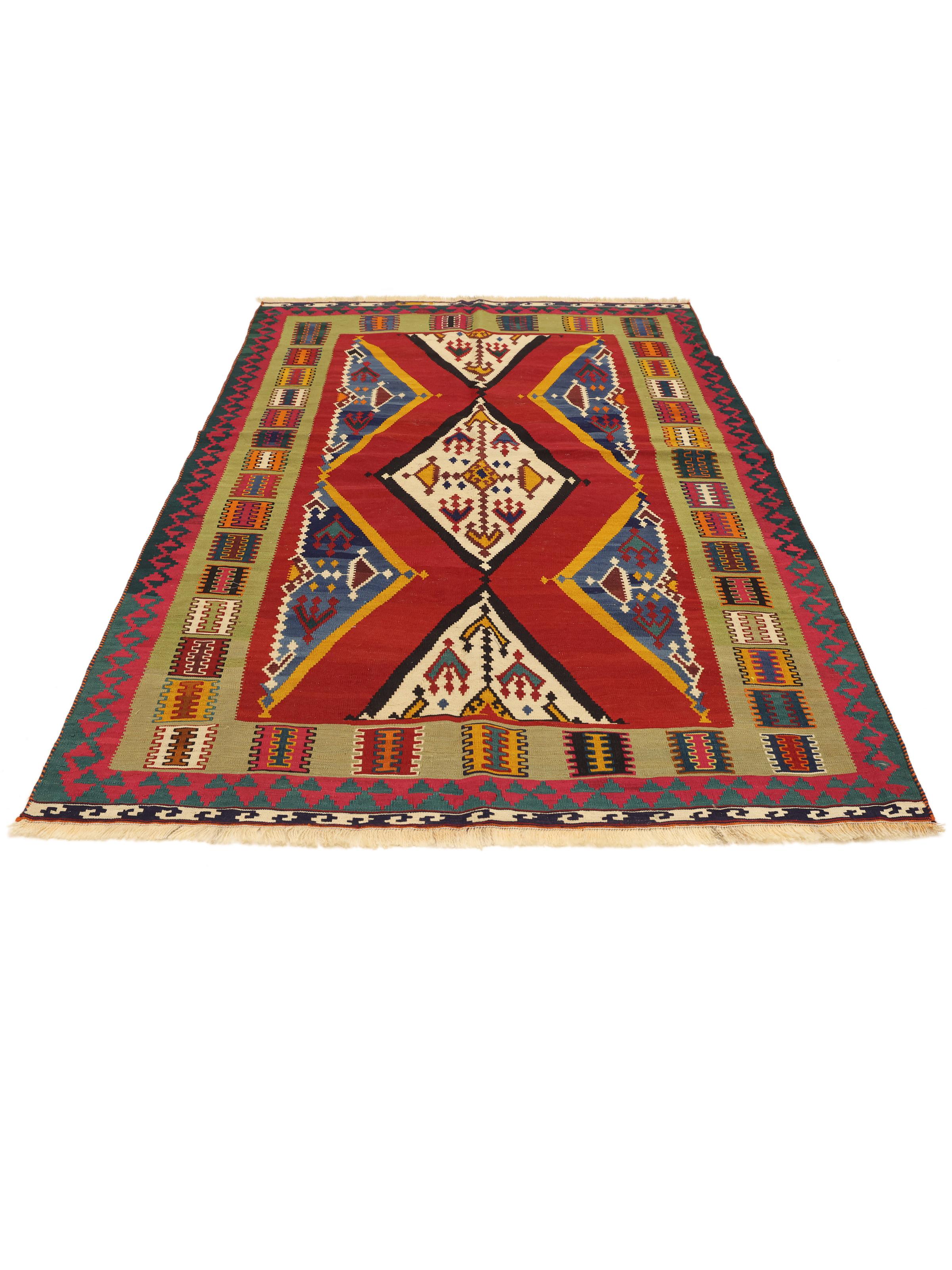
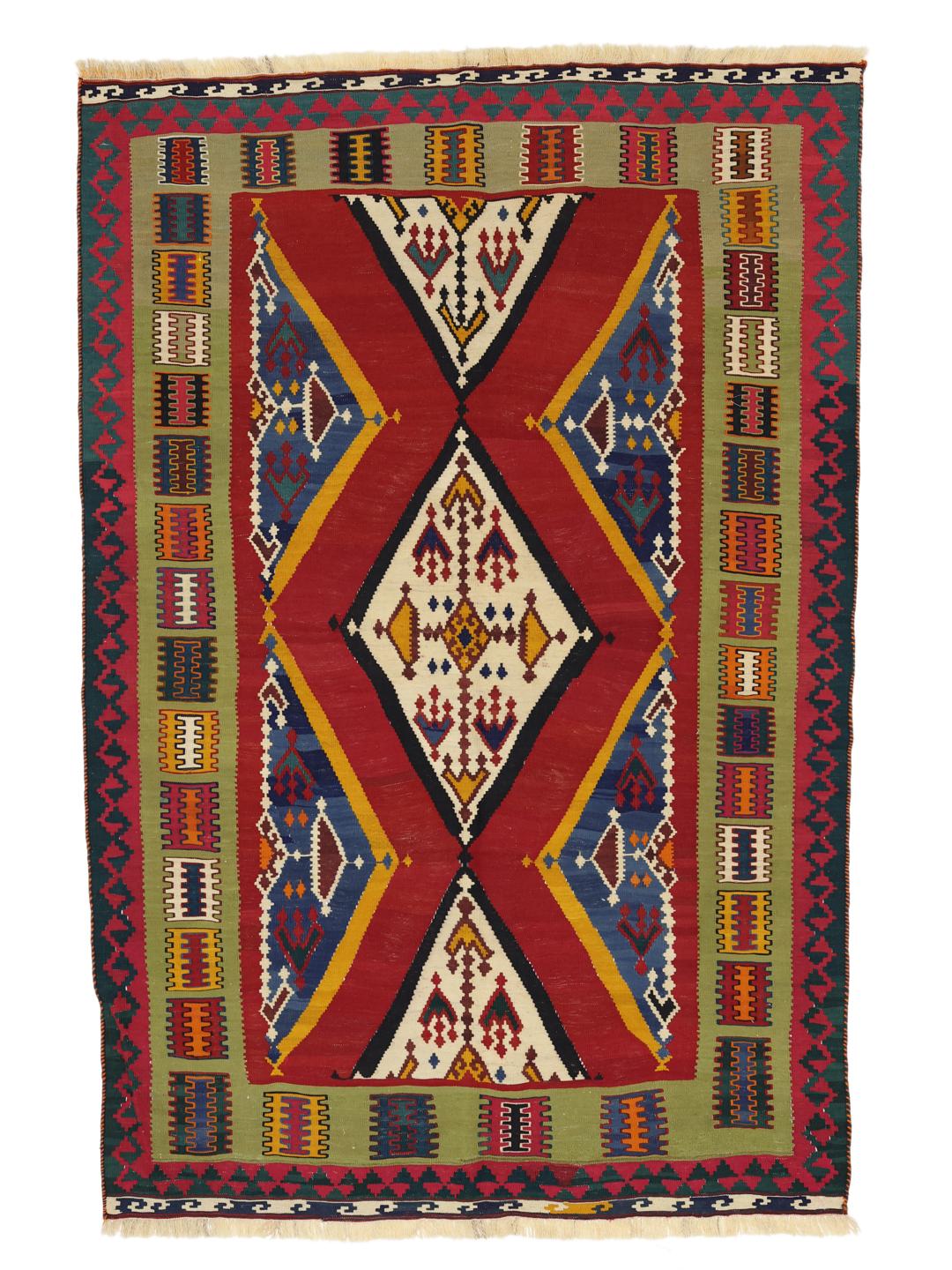
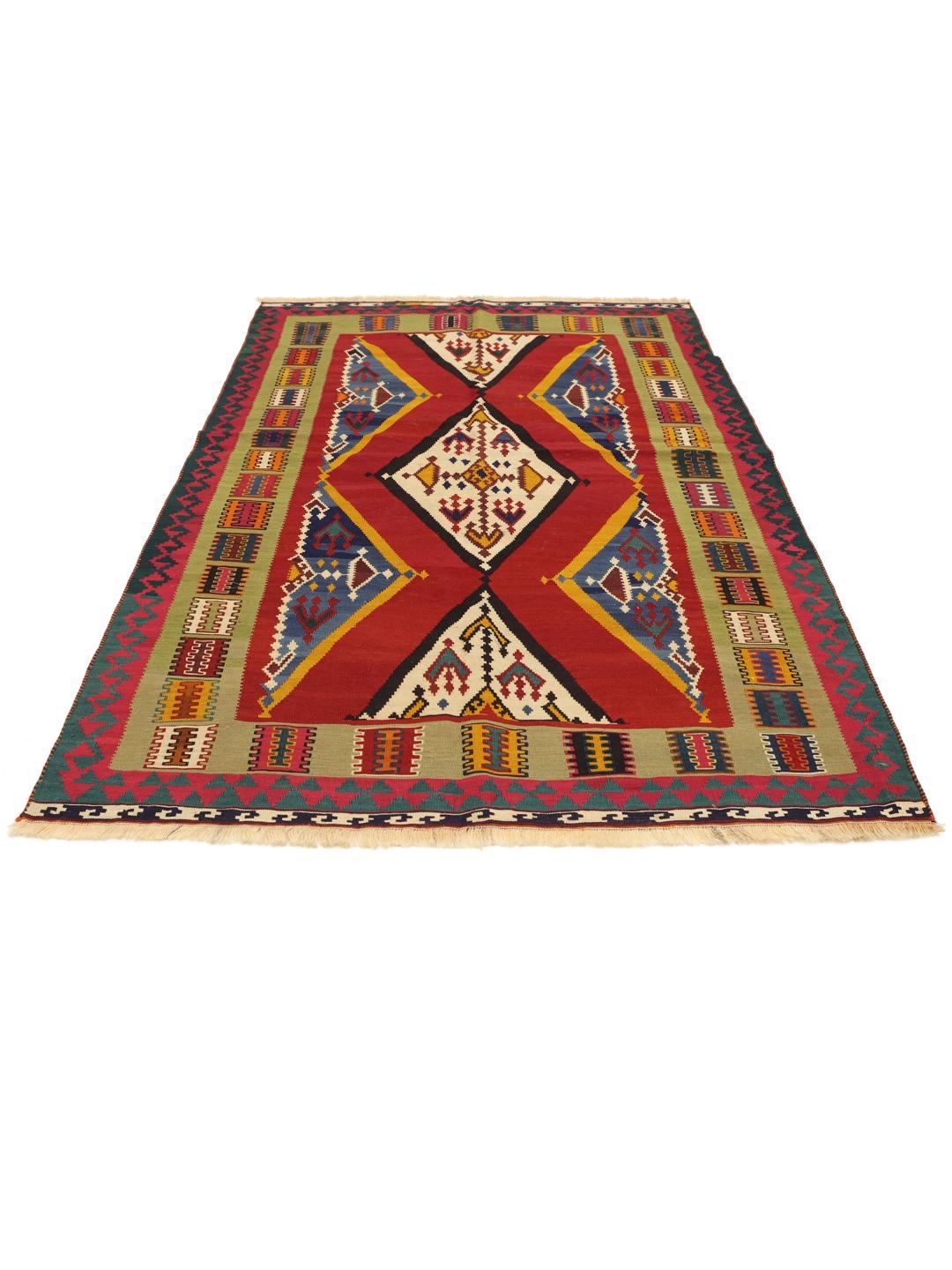
The visual language of Turkish Kilims relies on symbolic motifs passed down through generations of artisans. Repeating diamonds, triangles, and intricate decorative borders are woven directly into the field, using bold contrast to highlight the symmetry and balance of the layout.
Vintage Kilims between 20 and 50 years old are increasingly prized by collectors for their softened hues and natural patina. Owning a vintage flatweave means bringing a durable, authentic piece of woven heritage into your contemporary living environment.