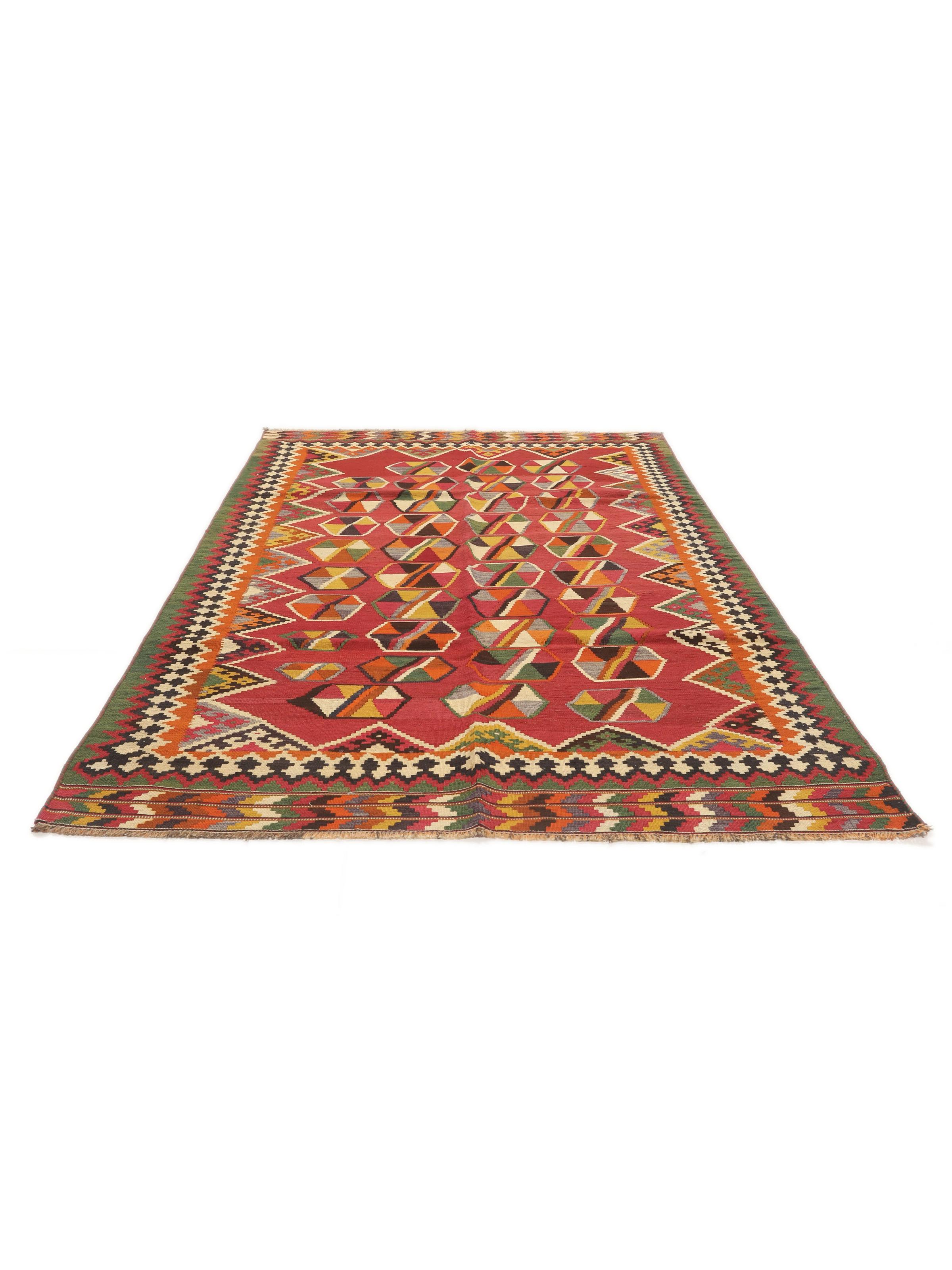
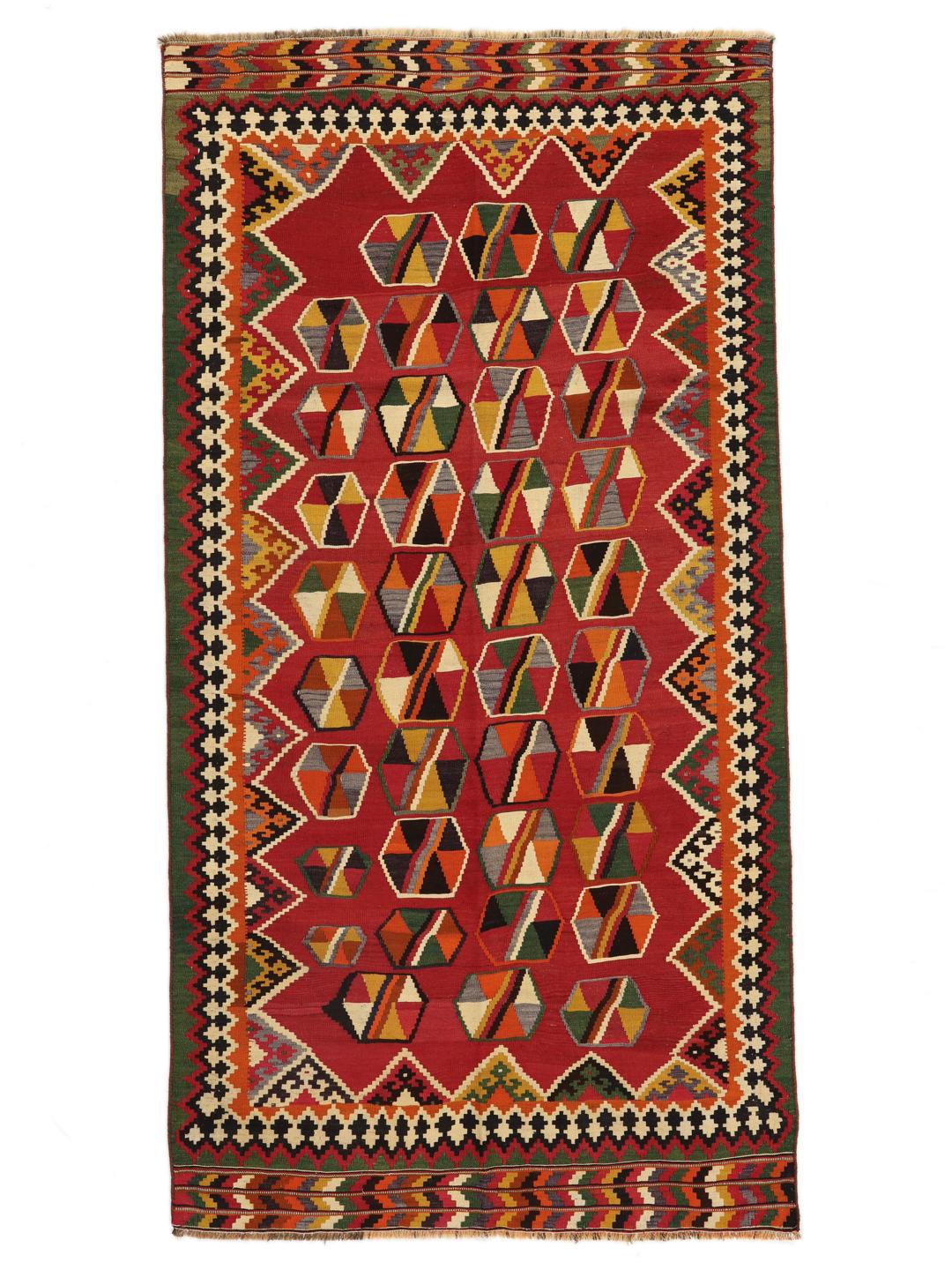
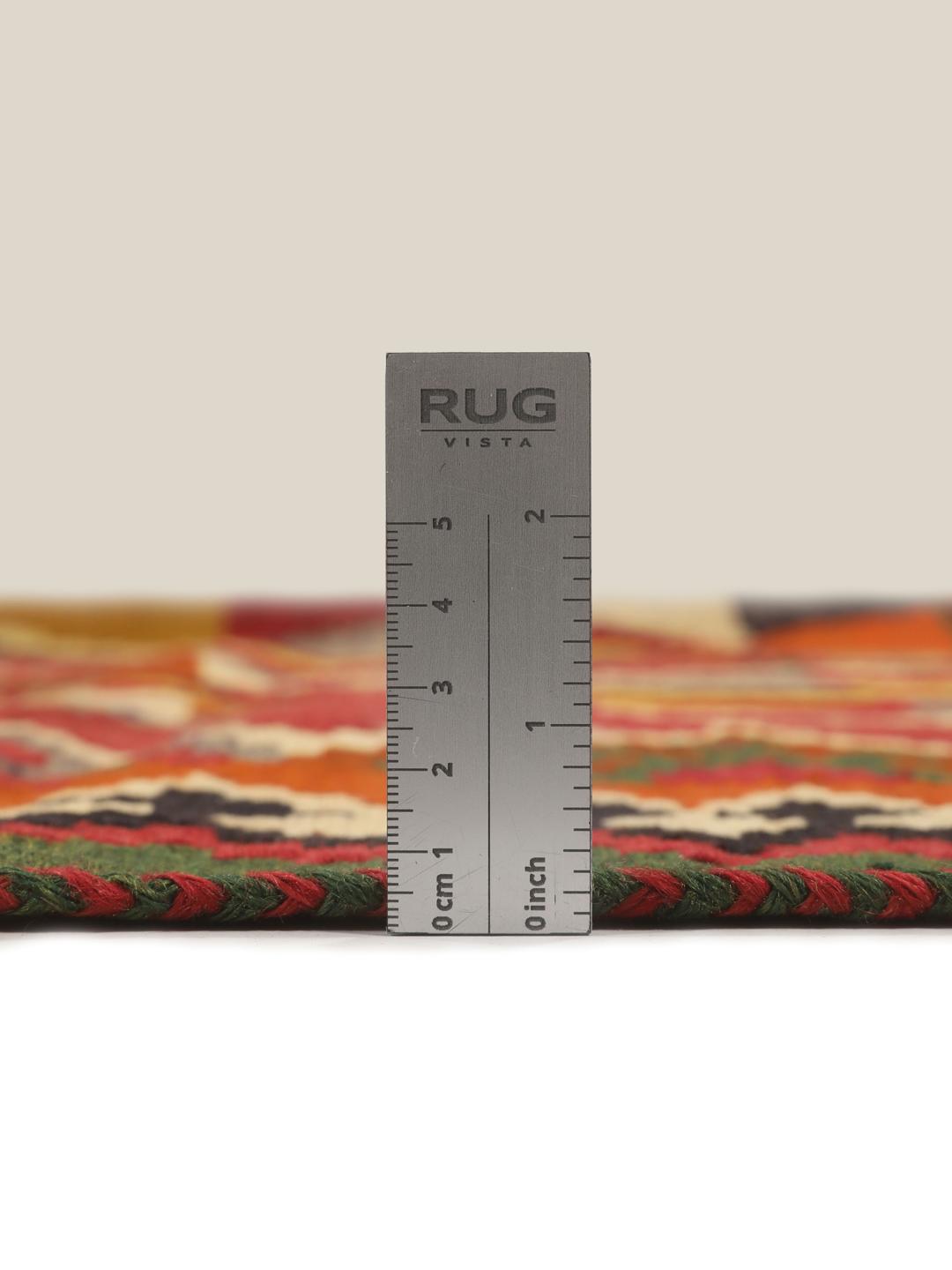
Kilim rugs are a cornerstone of textile heritage in the Middle East, representing a tradition of flat-weaving that dates back centuries. These rugs were historically created by nomadic tribes and village weavers as versatile, functional items, serving as floor coverings, blankets, and storage bags during seasonal migrations.
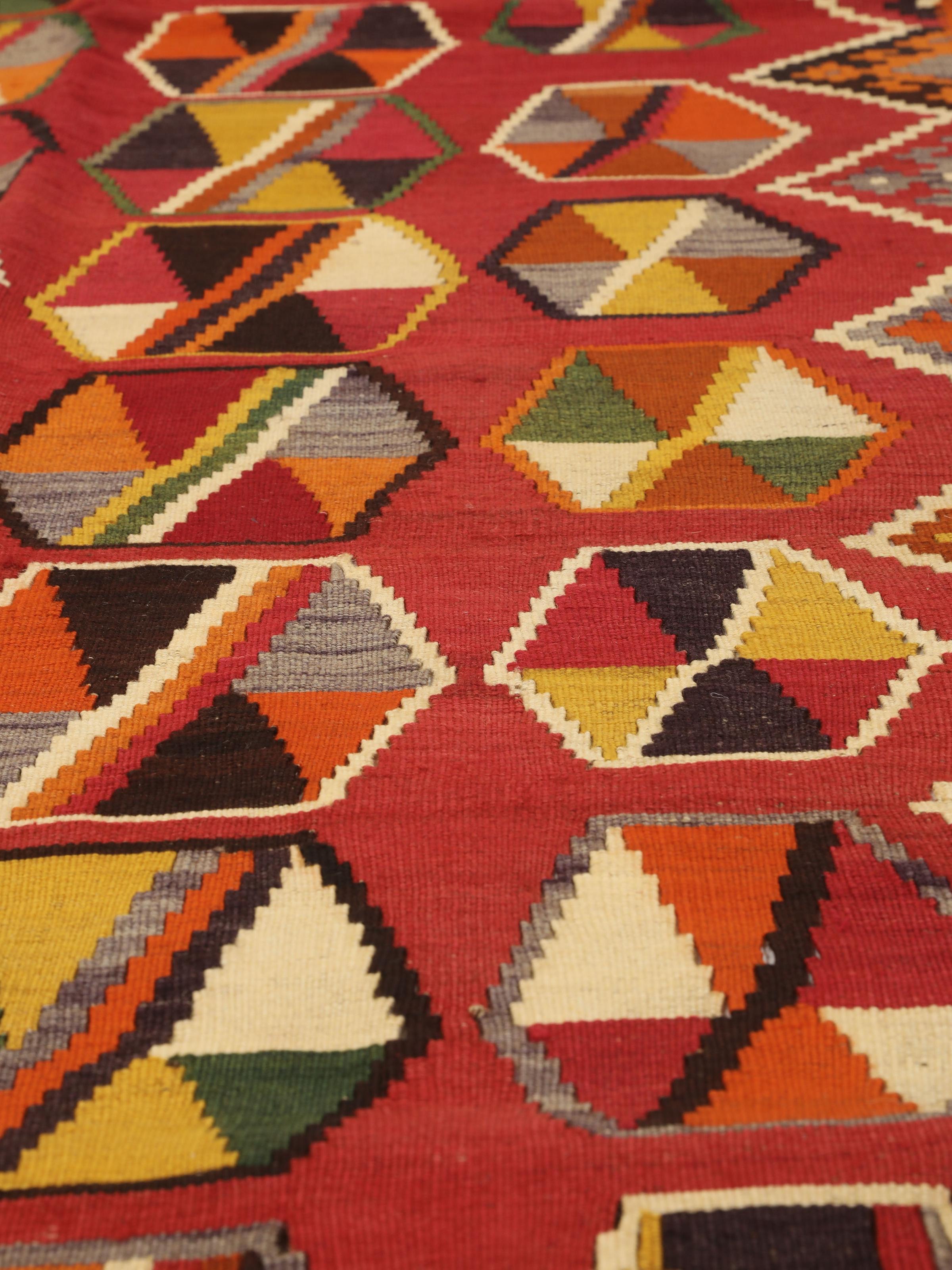
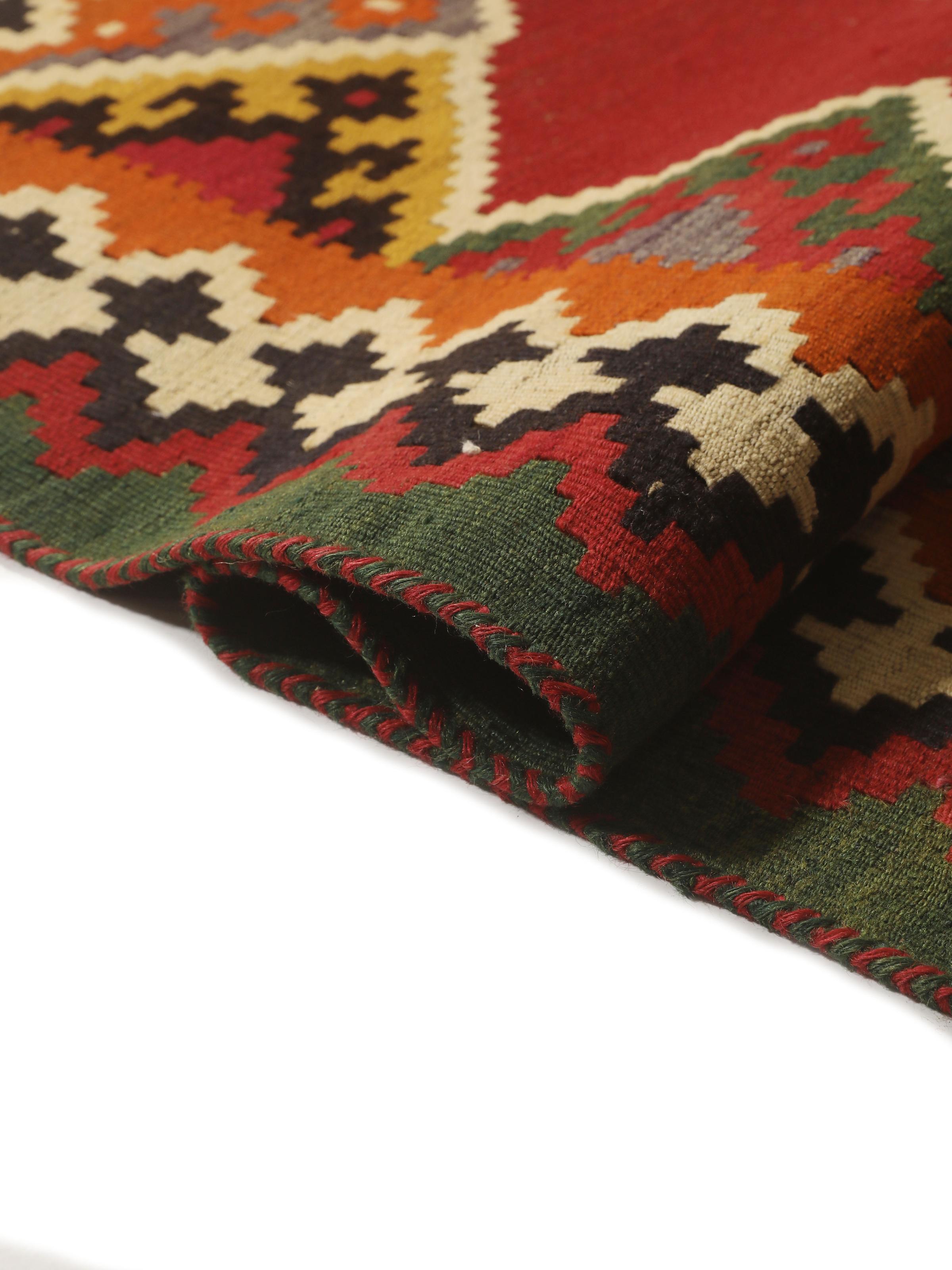
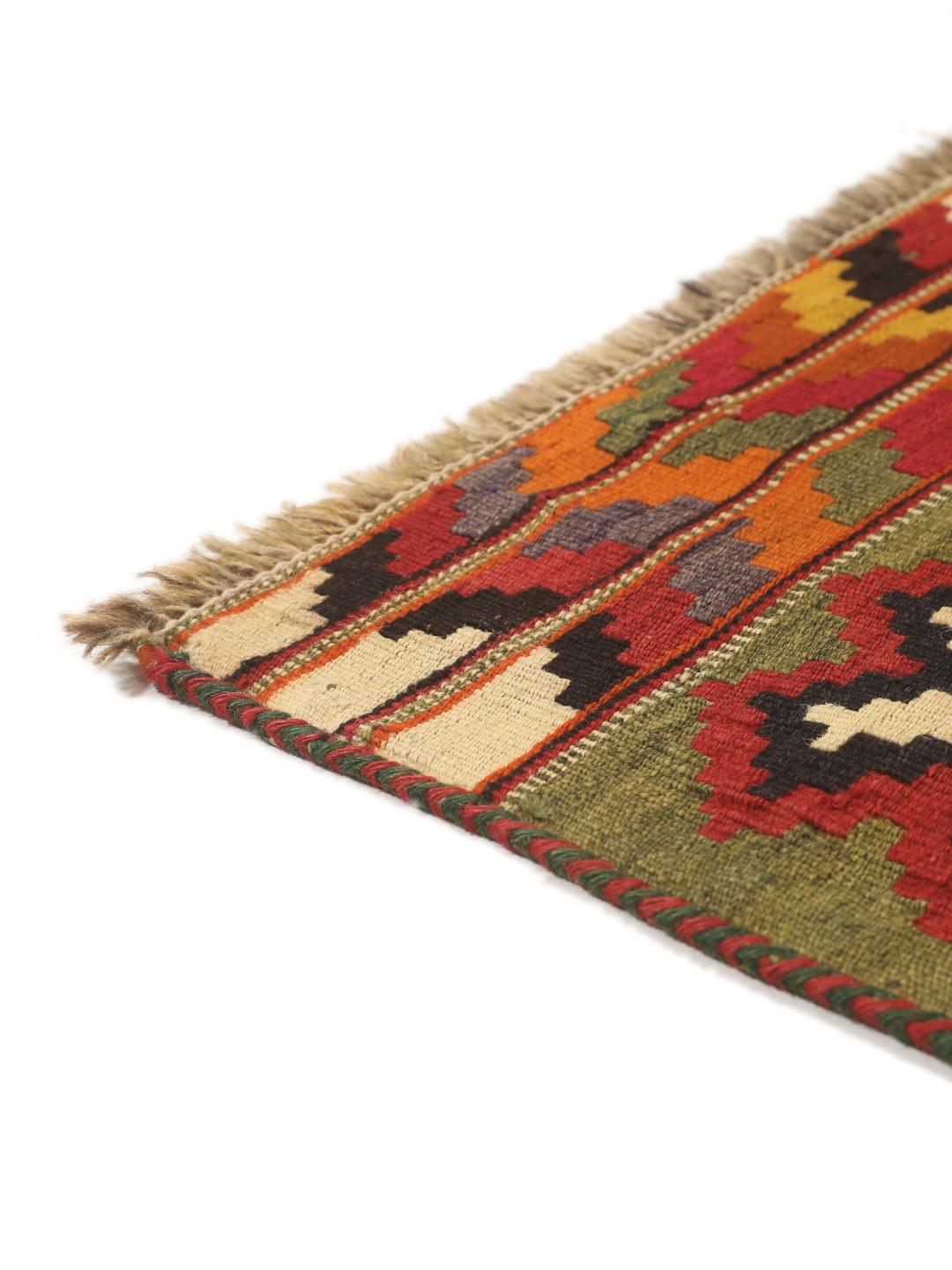
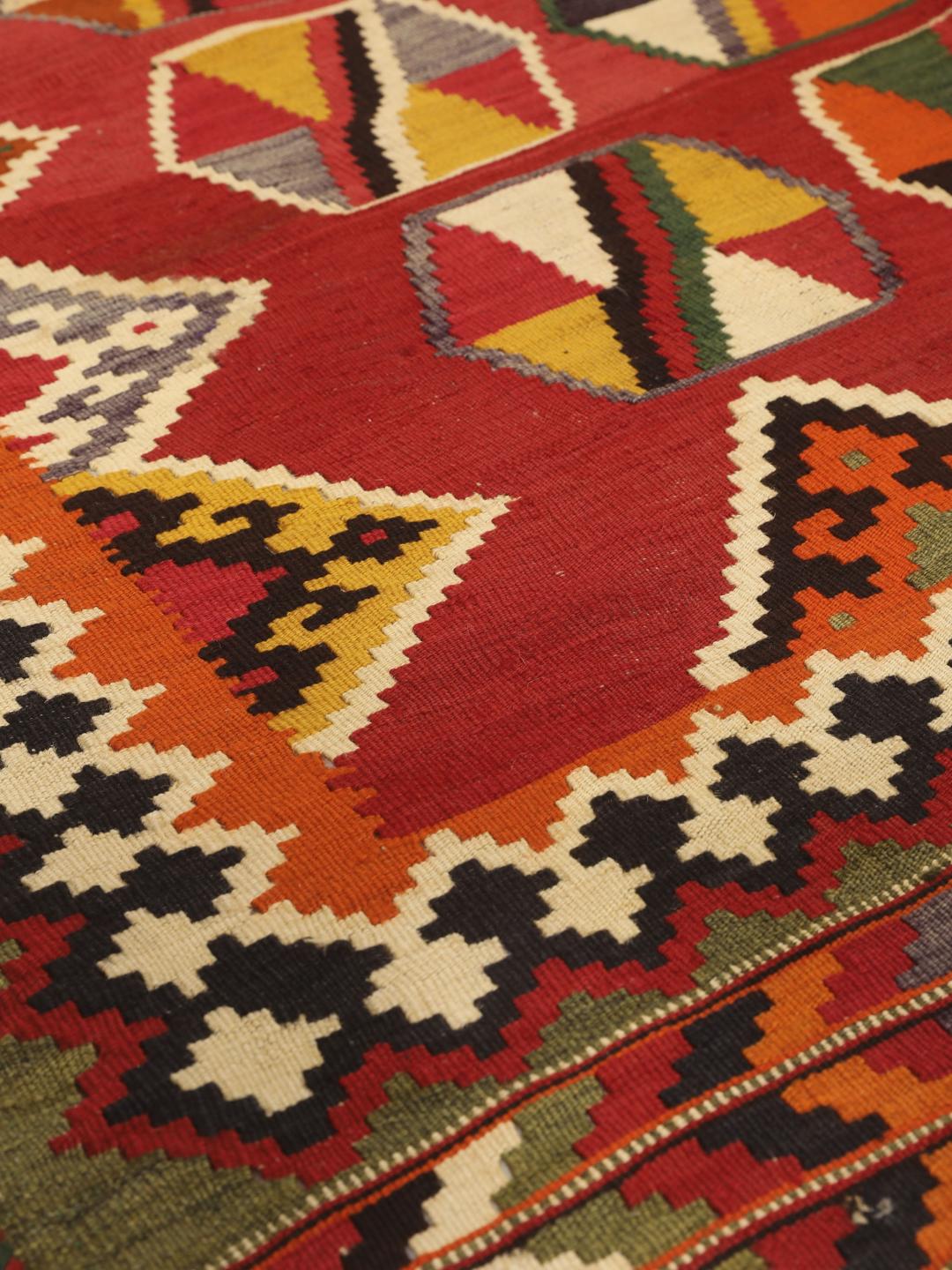
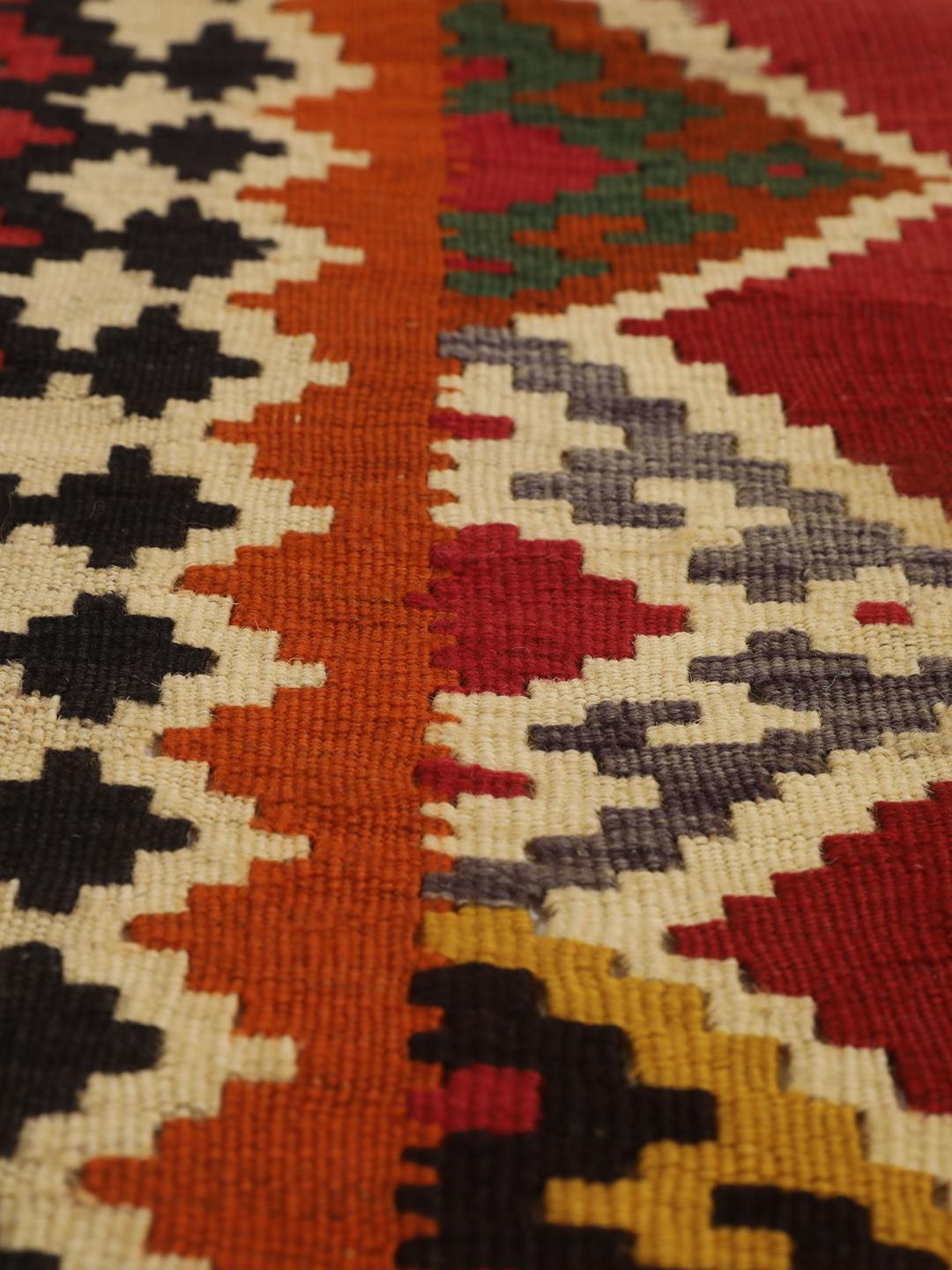
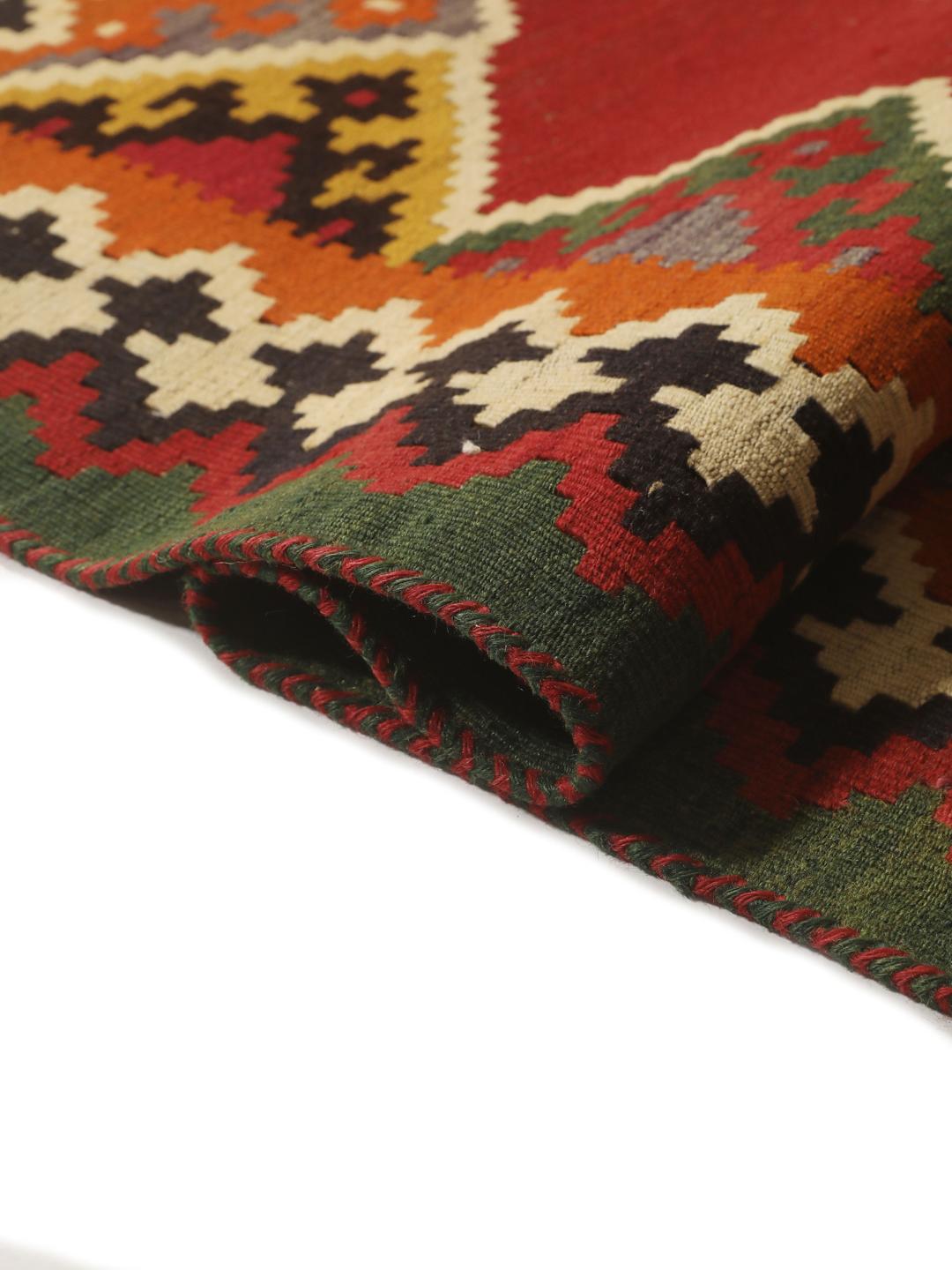
The term 'kilim' specifically refers to the slit-weave technique used to create them. By leaving small gaps or 'slits' between different colour blocks, the weaver achieves clean, crisp lines for geometric designs, a hallmark of this style that gives the rugs their iconic look and structural strength.
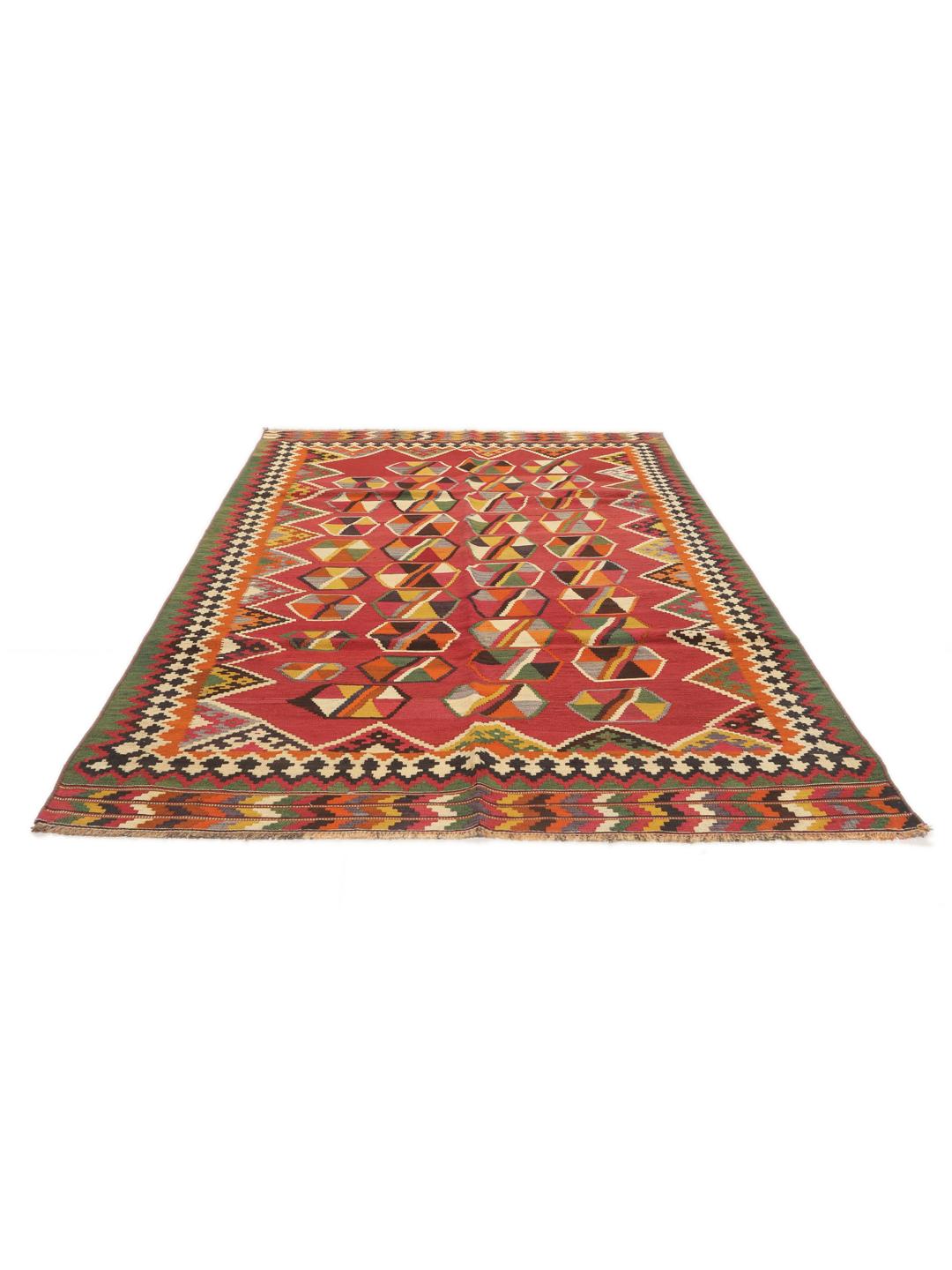
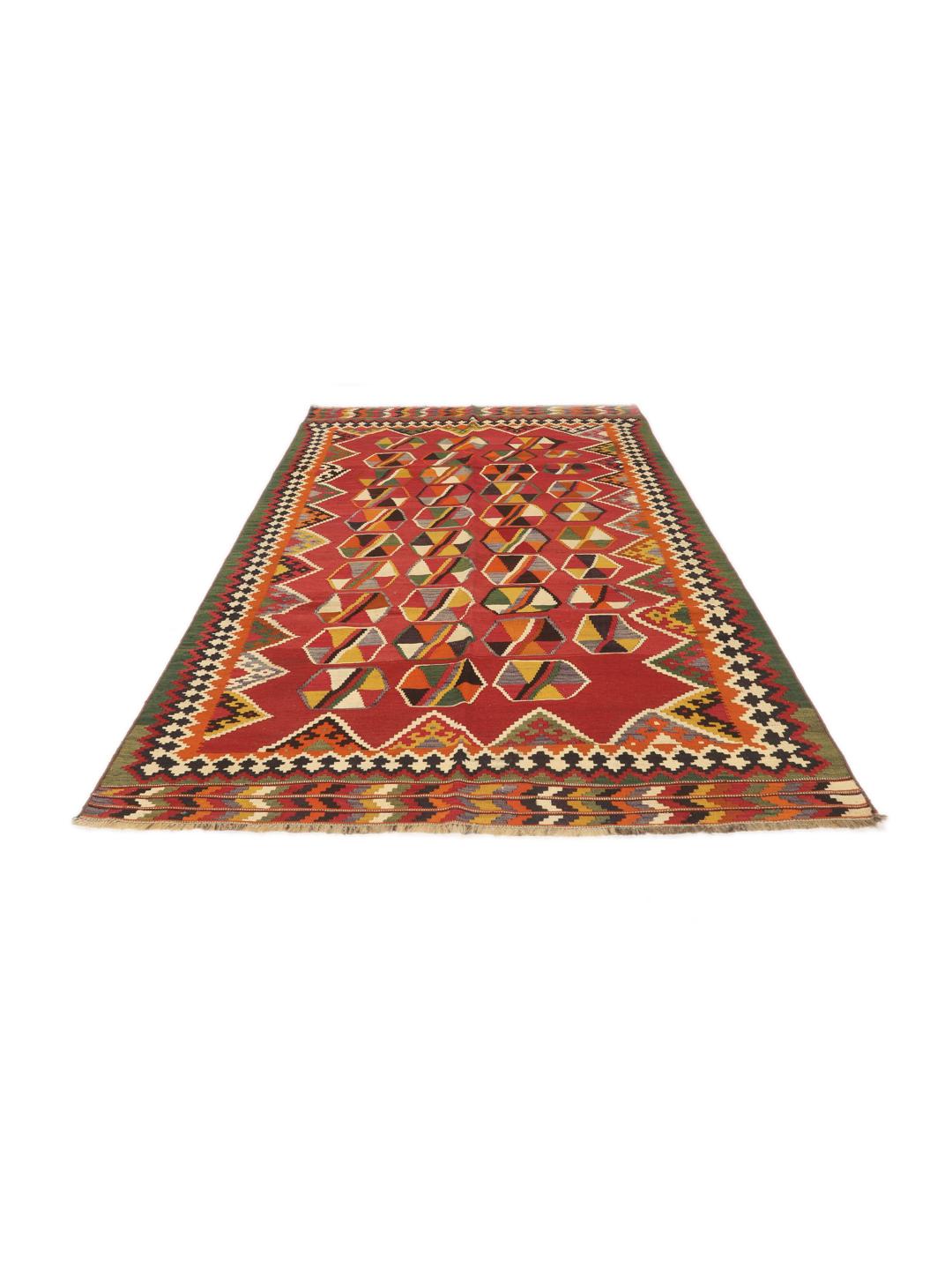
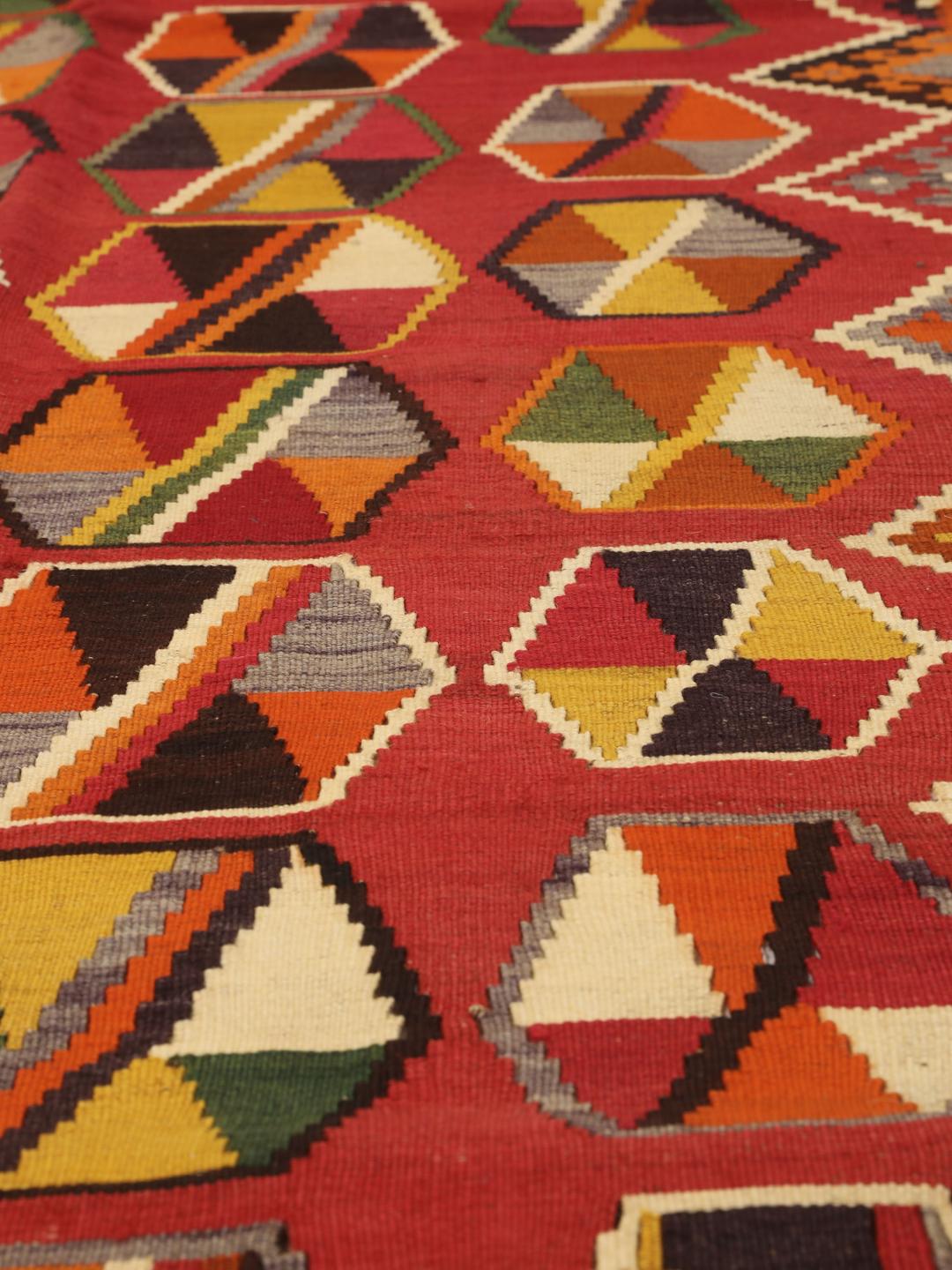
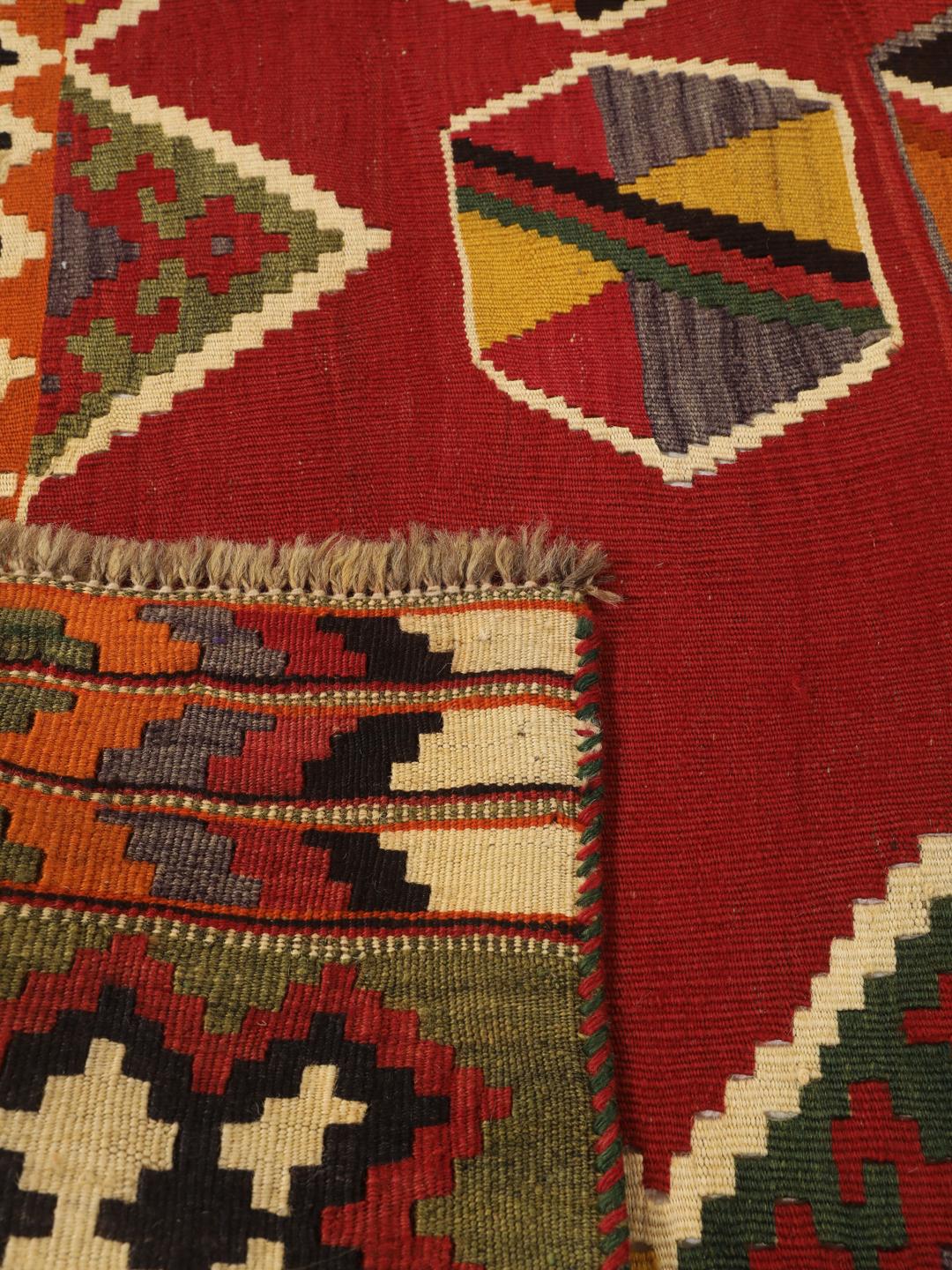
Visually, these rugs are defined by a language of symbols and motifs, often passed down through generations. The repeating medallions seen here are characteristic of the bold, graphic style favoured in many regional weaving traditions, where each shape often carries a meaning related to protection, fertility, or the natural landscape.
Collecting vintage kilims is a way to preserve a living history of artistry and skill. Each rug is a record of the specific environment and the individual weaver's creative choices, making them highly prized by those who value the human touch and the cultural weight inherent in traditional, hand-crafted textiles.