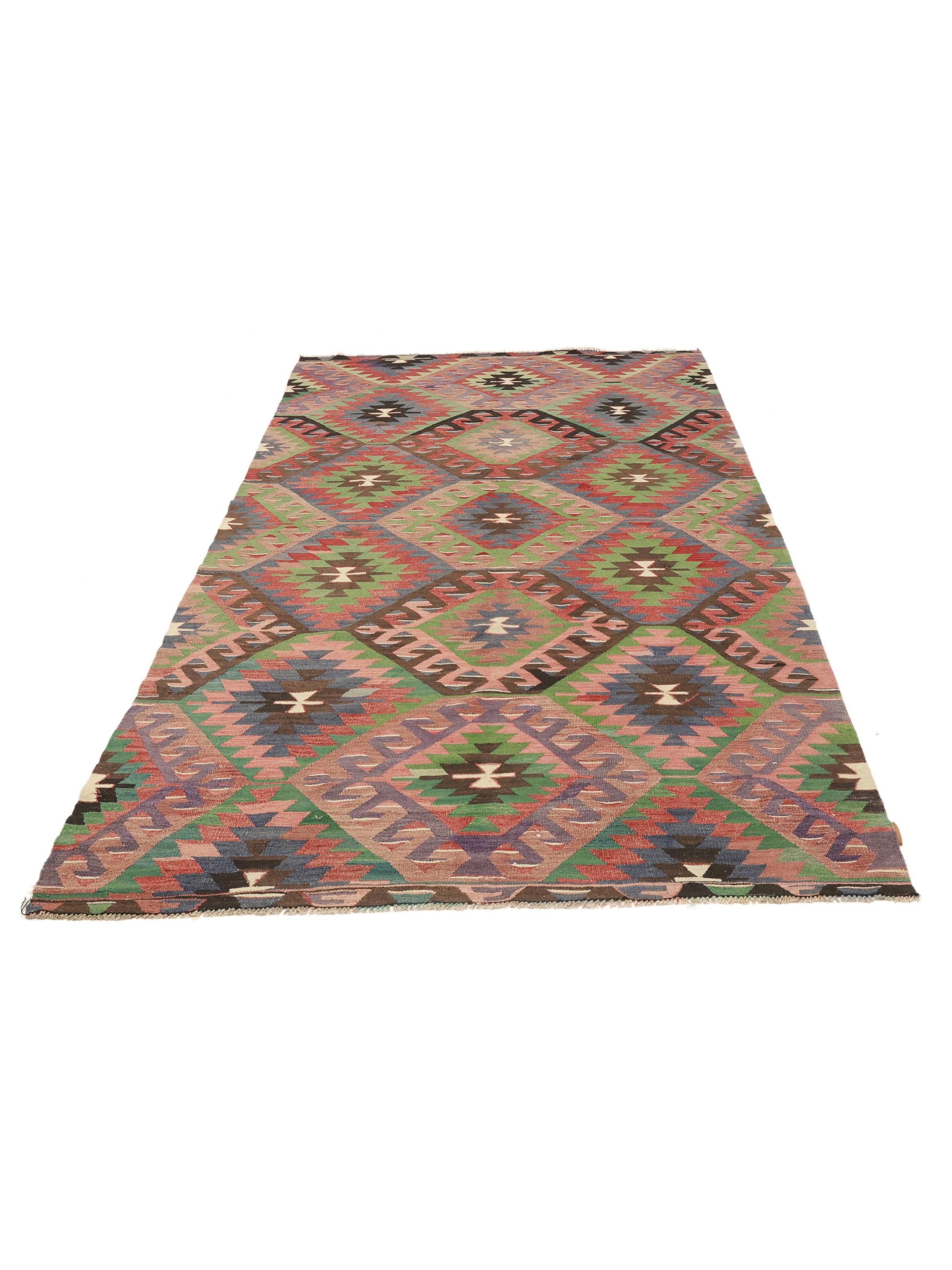
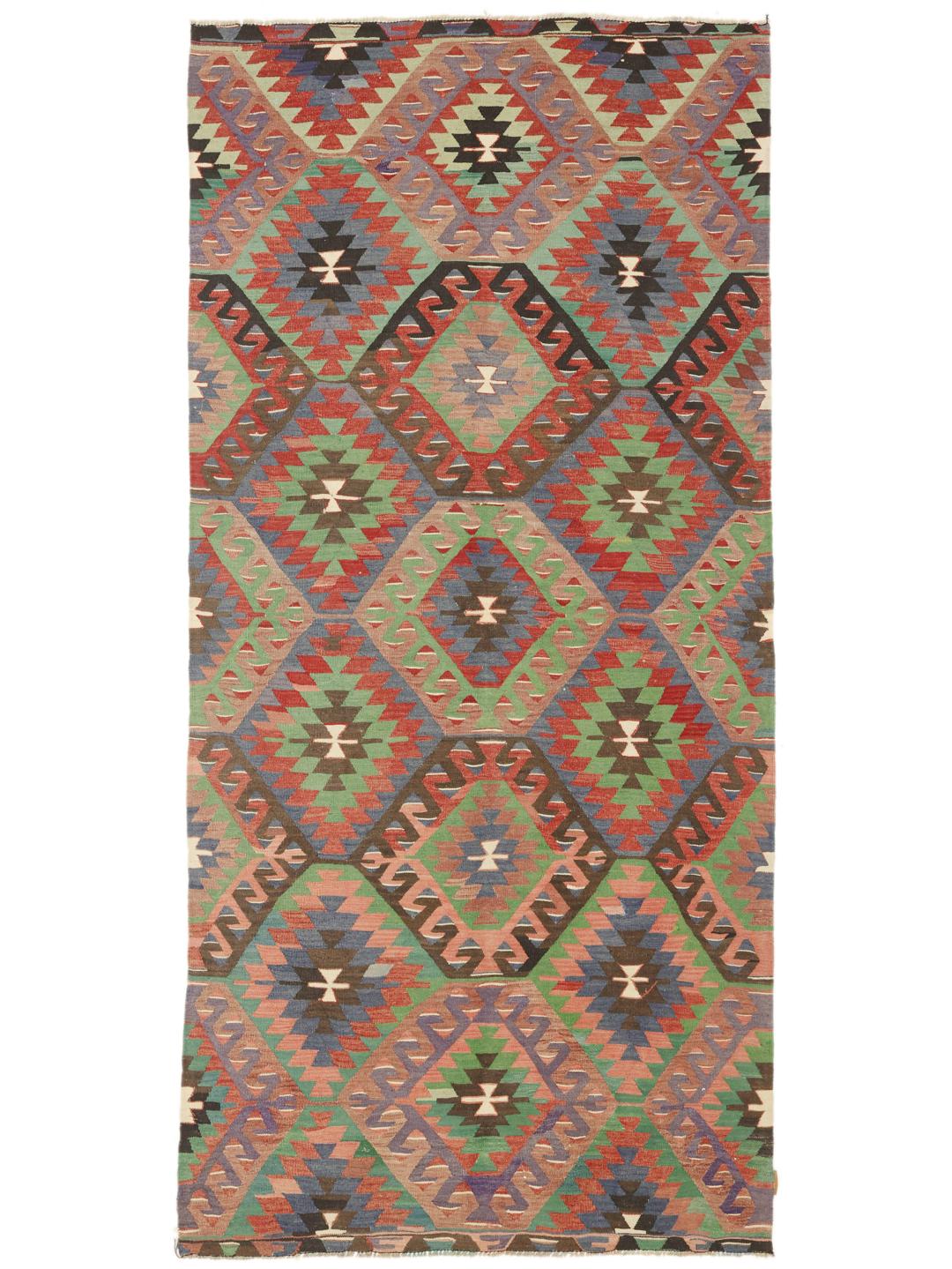
Kilim rugs are a quintessential part of Middle Eastern and Central Asian textile history, with a tradition that dates back centuries. These flat-woven rugs were historically used by nomadic and semi-nomadic tribes for practical purposes, serving as floor coverings, wall hangings, and even as storage bags, making them essential tools for a mobile lifestyle.
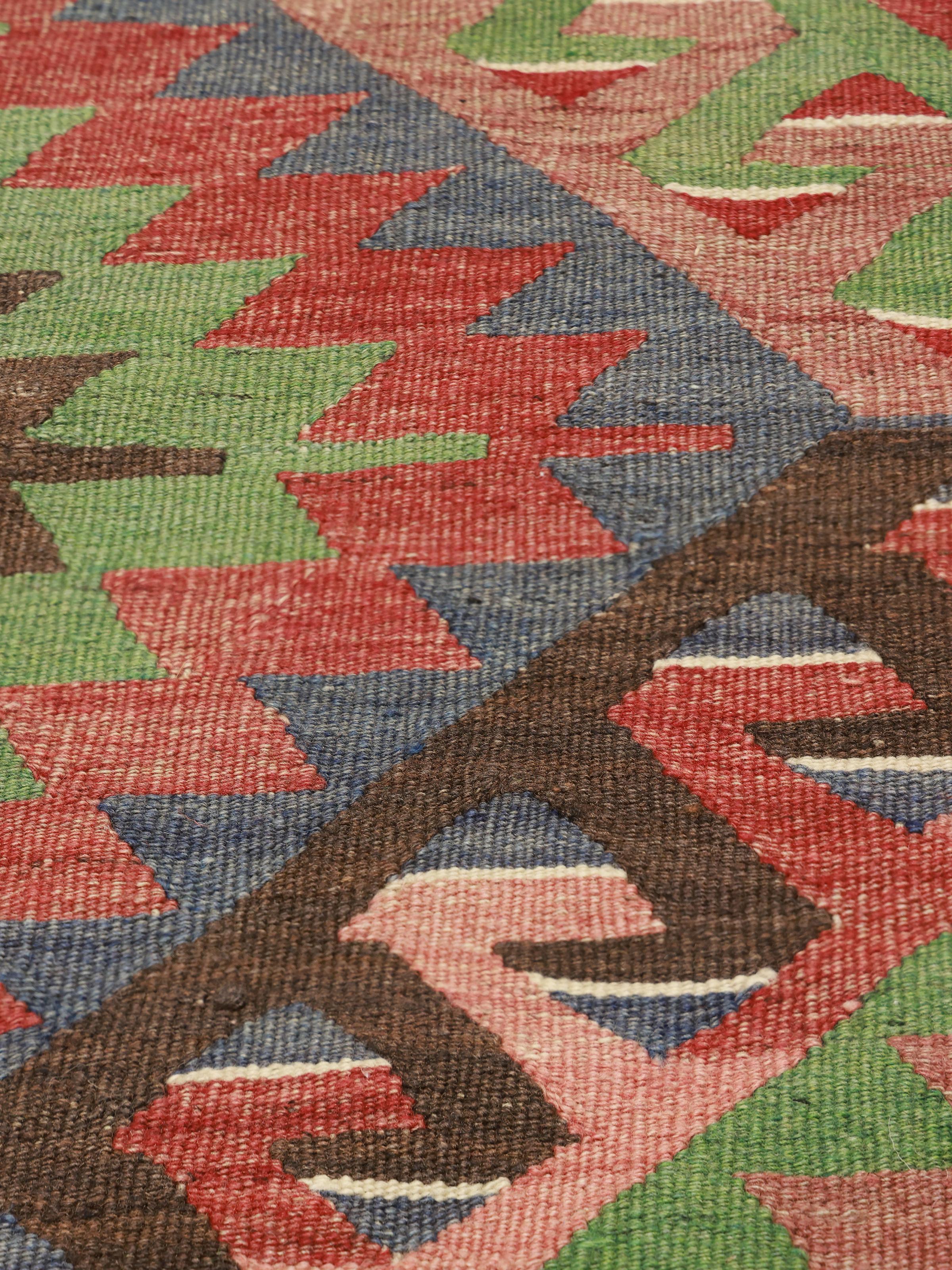
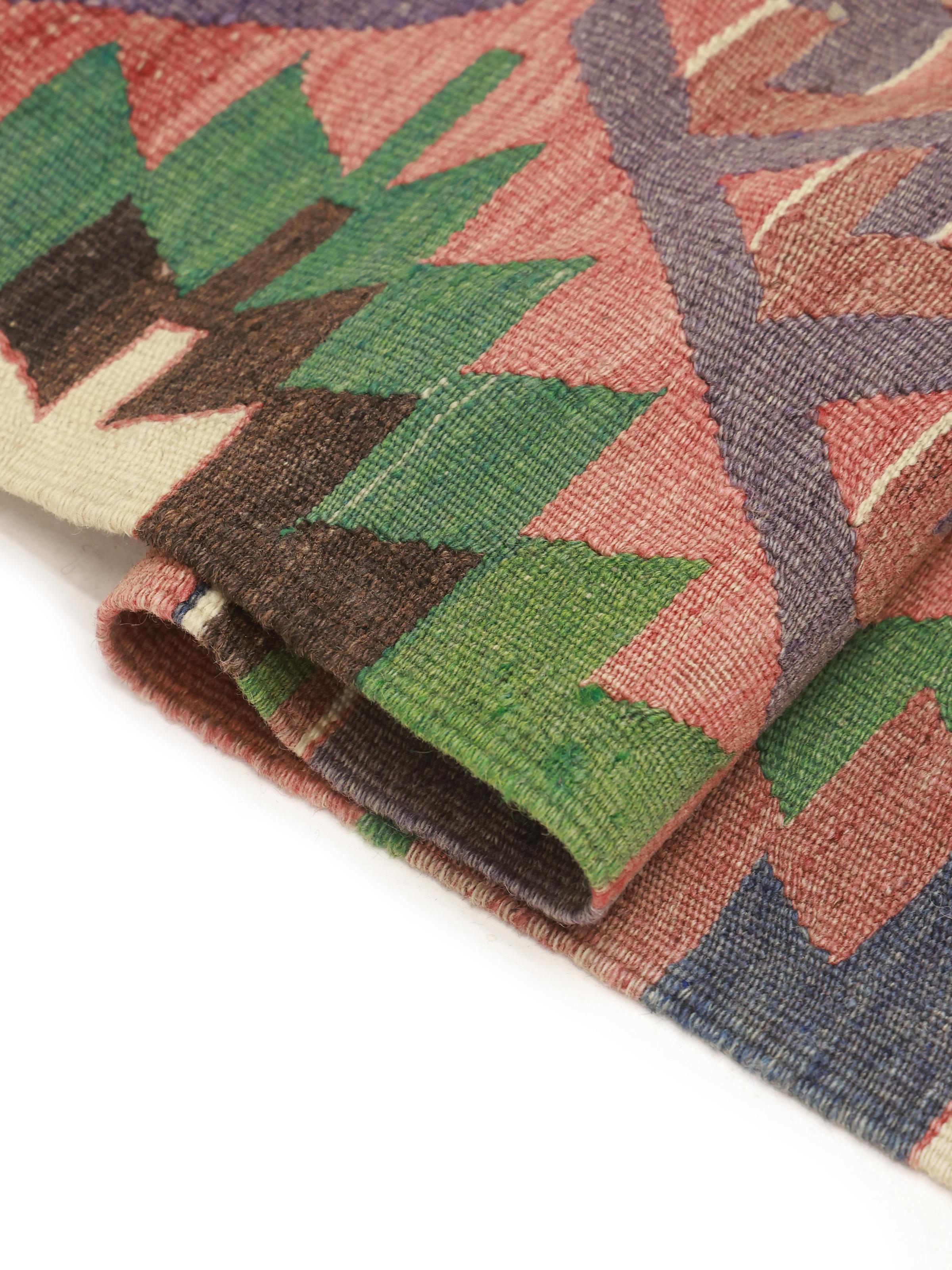
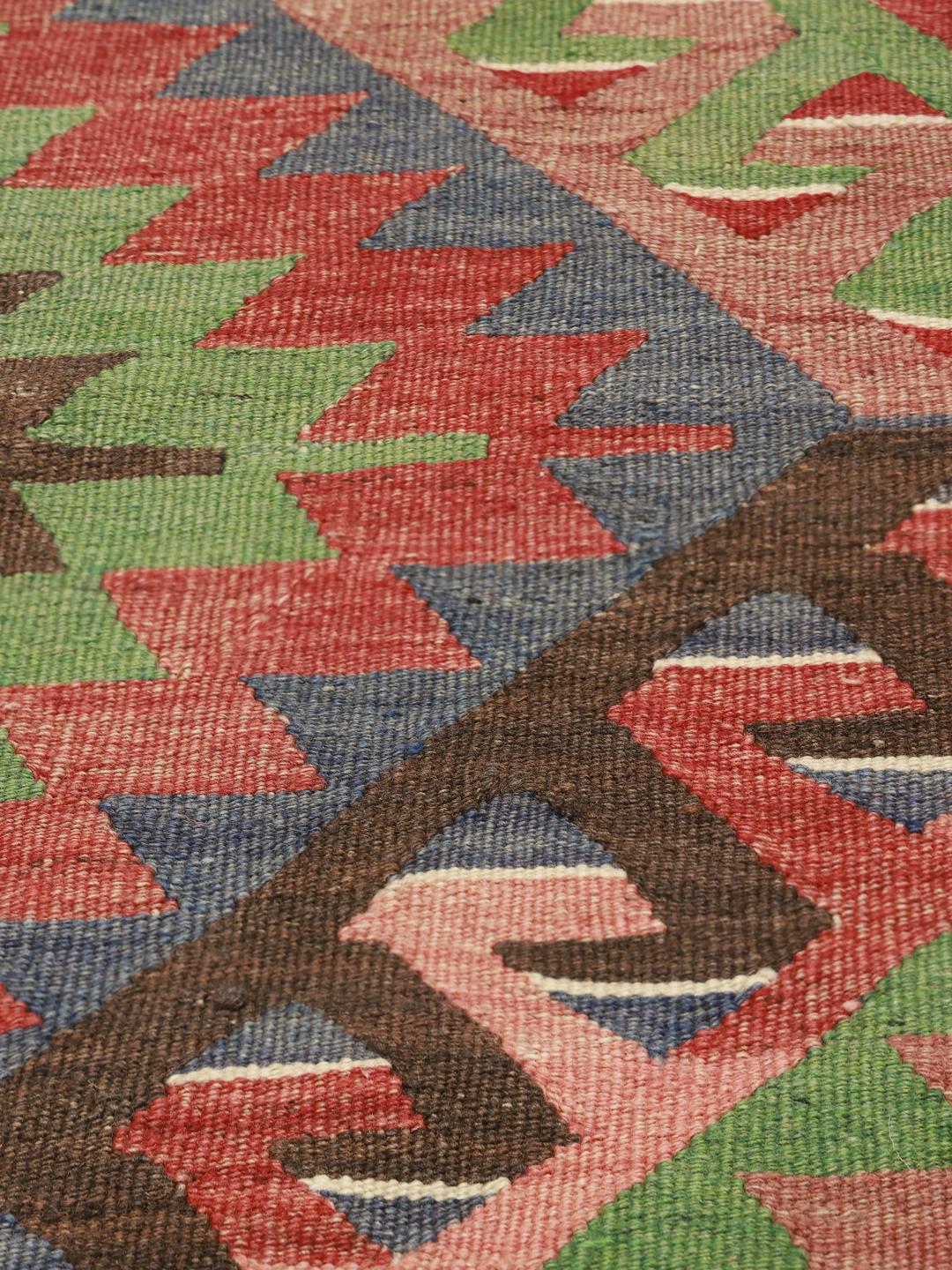
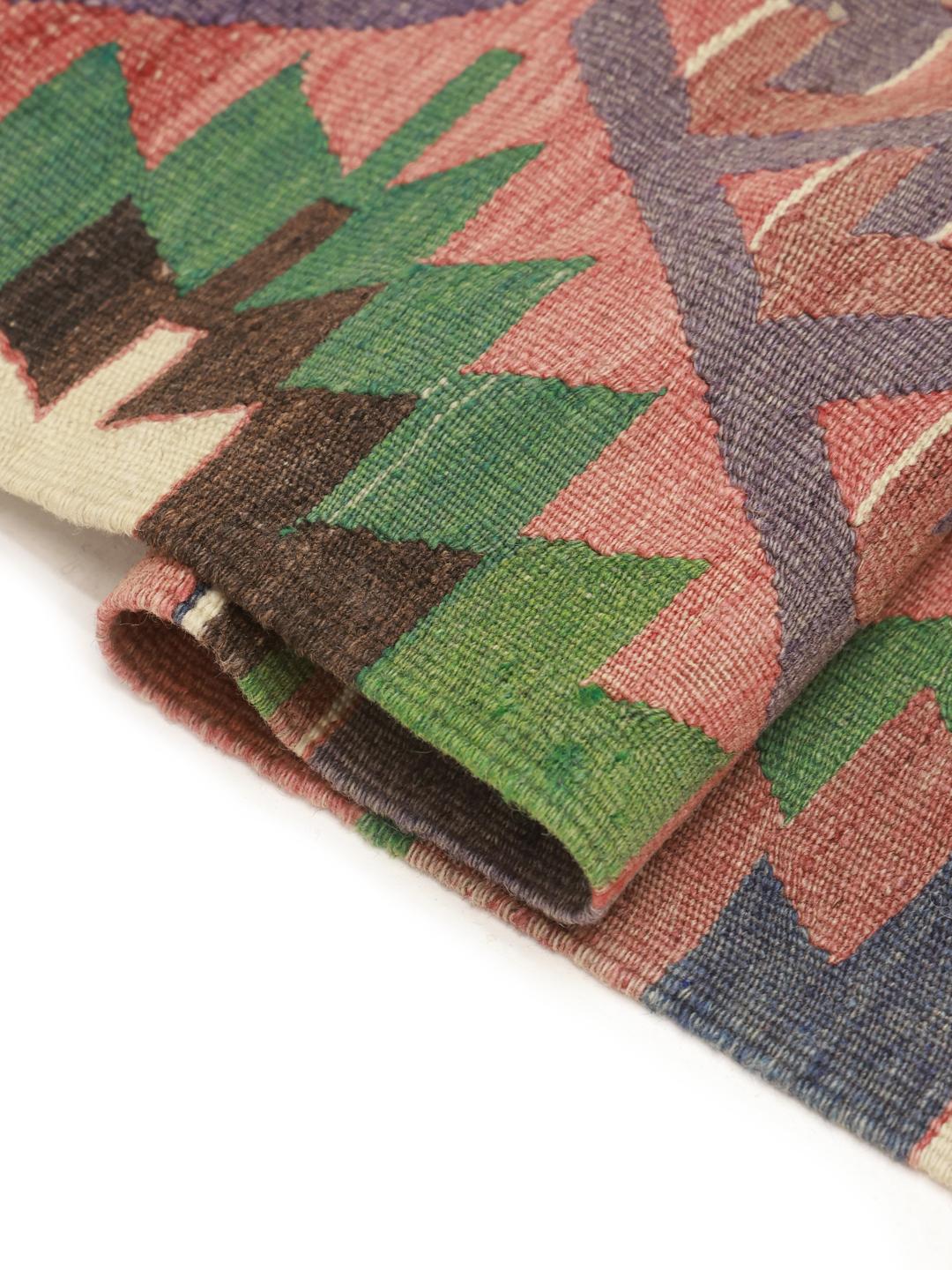
The term Kilim refers specifically to the tapestry-weave technique, which is distinct from knotted pile rugs. In this process, the coloured weft threads are woven back and forth over the warp threads, creating a clean, flat surface that displays the design on both sides. This technique allows for sharp, crisp geometric lines that are iconic to the style.
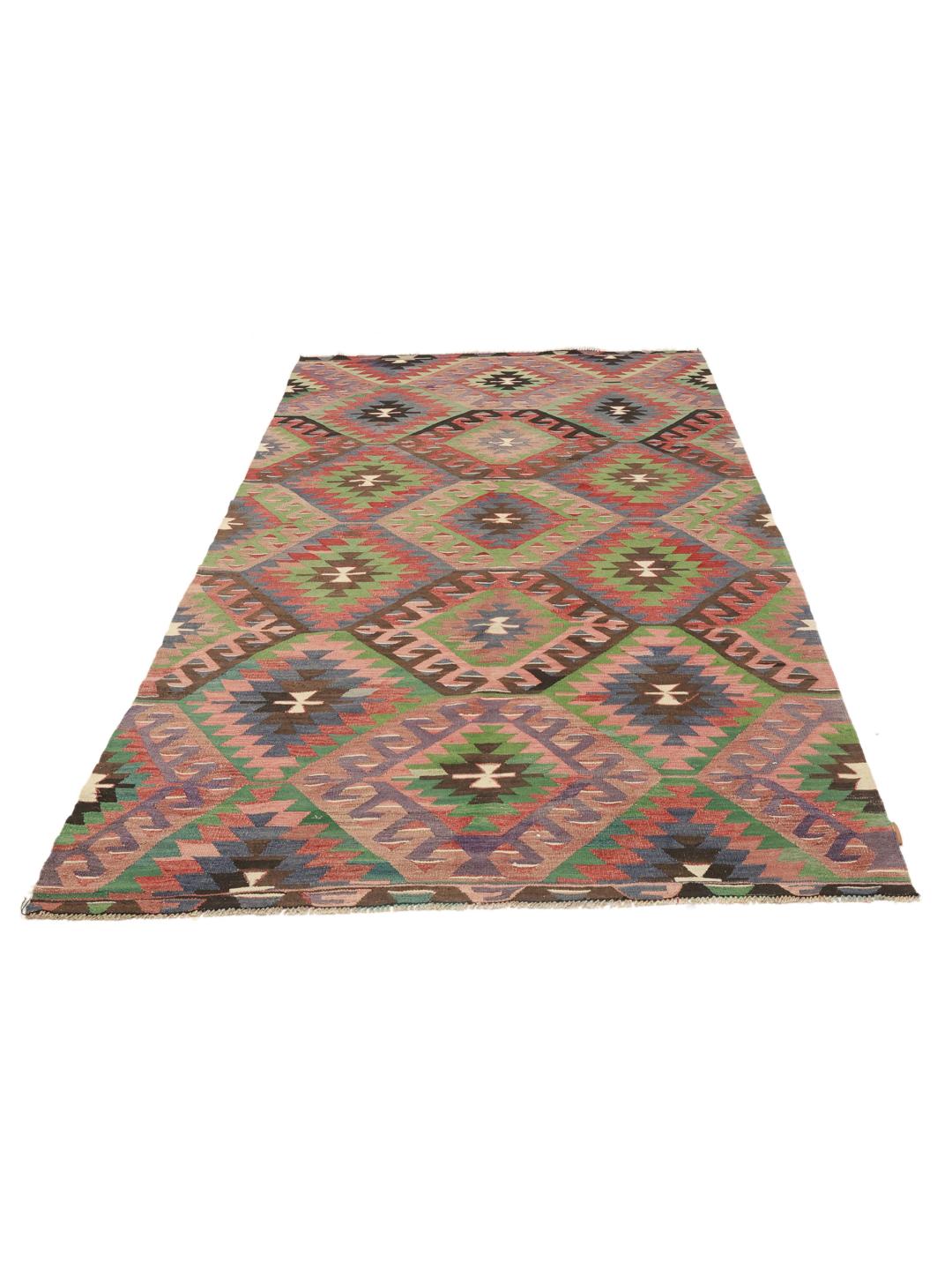
Signature design elements of Turkish Kilims typically include bold geometric motifs such as diamonds, triangles, and stylized floral or tribal symbols. These patterns often hold symbolic meaning, sometimes representing protection, fertility, or the weaver's personal history. The use of vibrant, contrasting colours is a hallmark of the Turkish tradition, reflecting the local natural resources available for dyeing the Wool.
Owning a vintage Kilim is an opportunity to preserve a piece of cultural heritage. These rugs are highly sought after by collectors not only for their aesthetic beauty but for the skill and tradition embedded in every thread. They are viewed as functional art, representing a bridge between ancient craftsmanship and contemporary living, and are valued for their ability to bring a sense of history into a modern home.