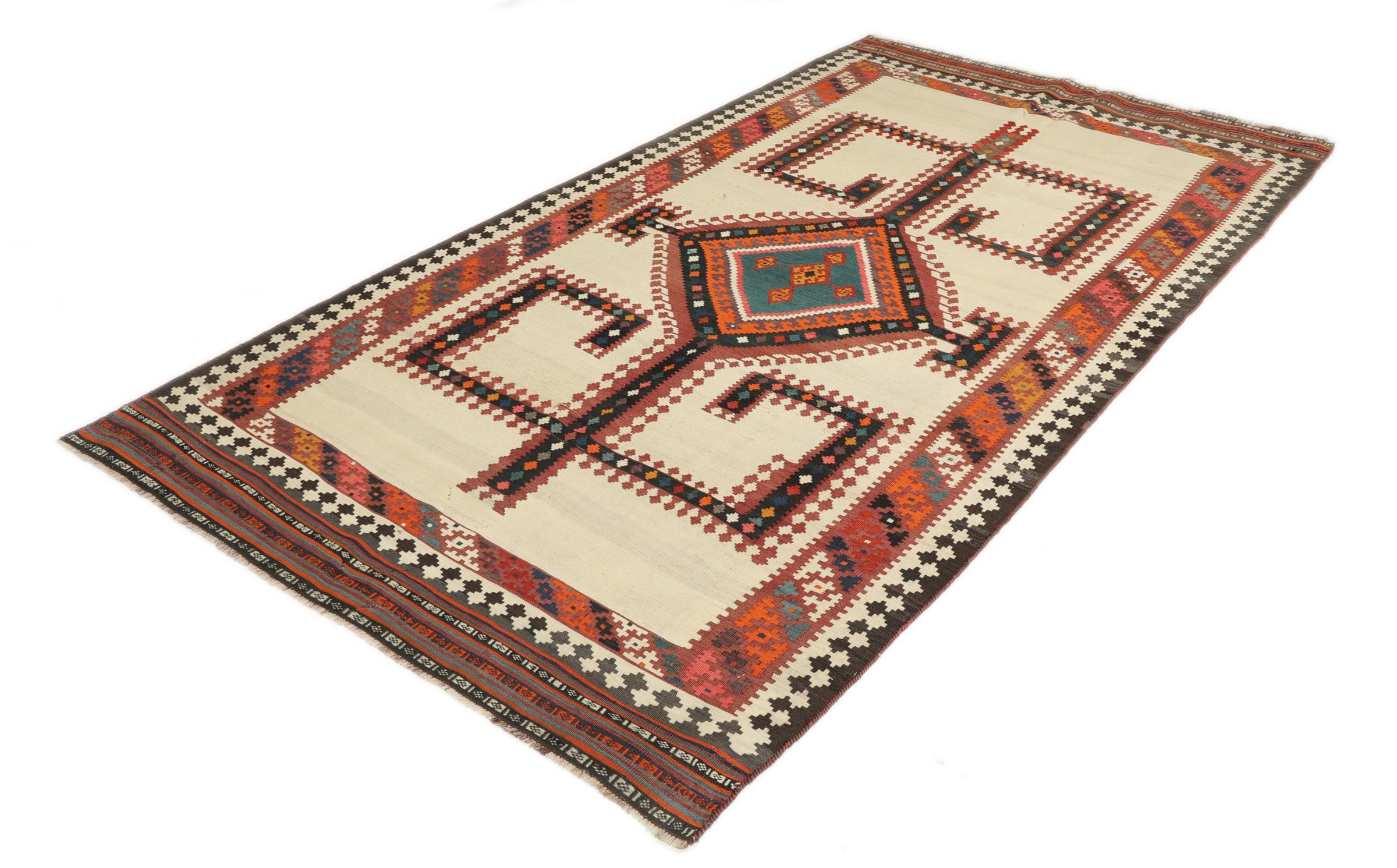
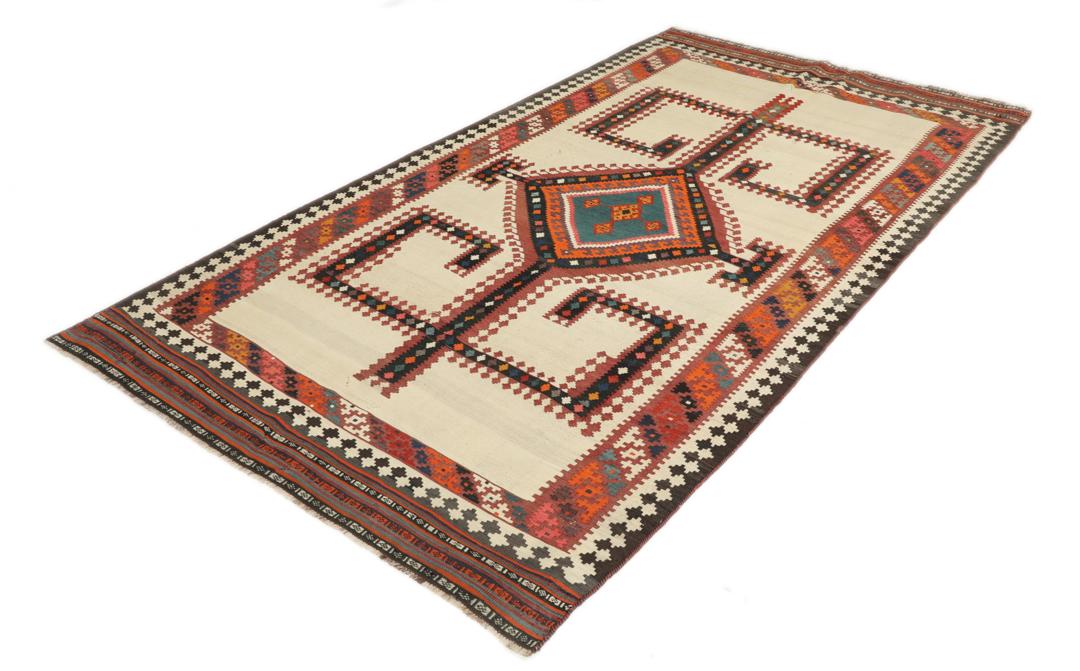
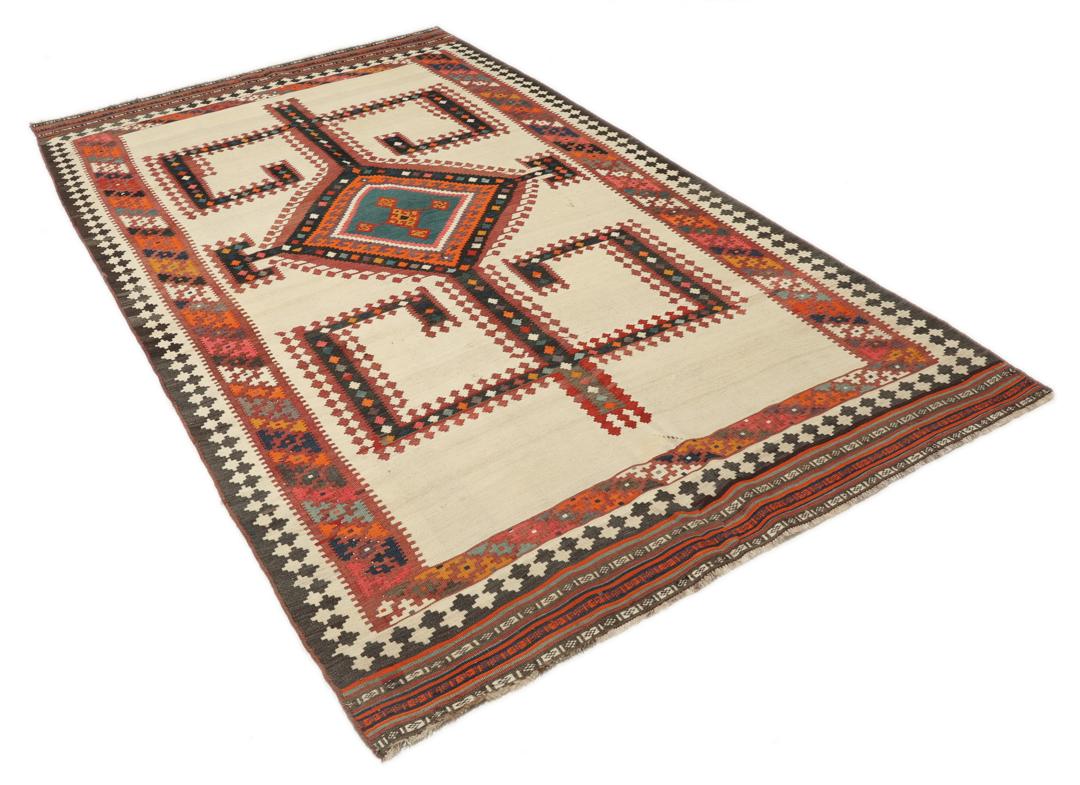
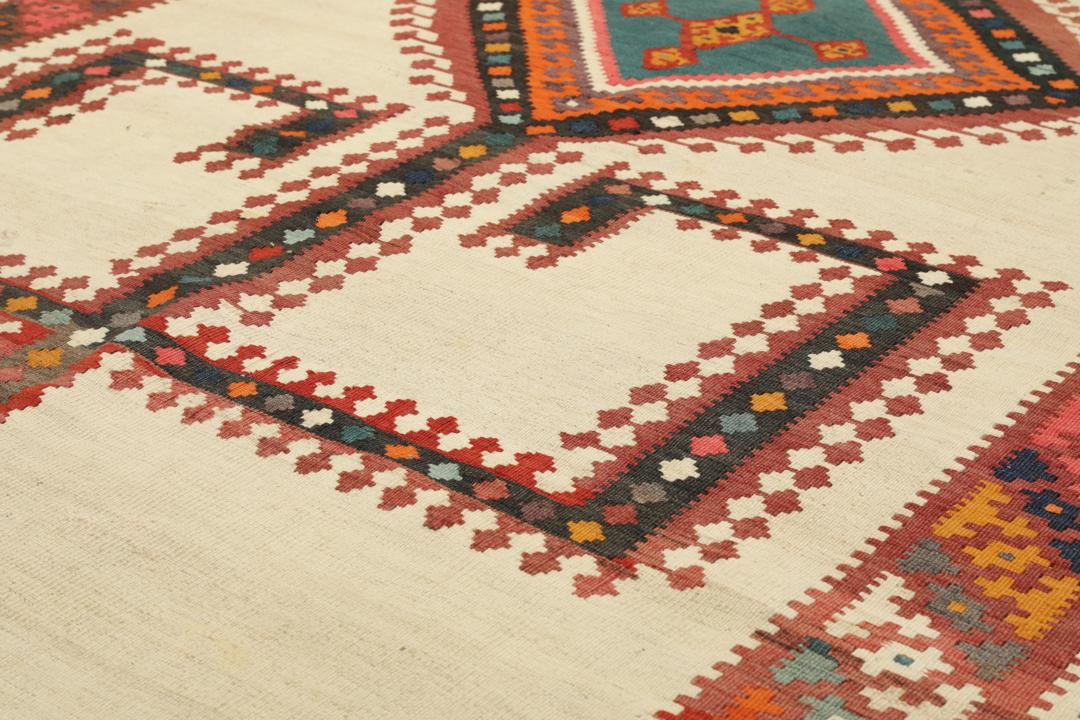
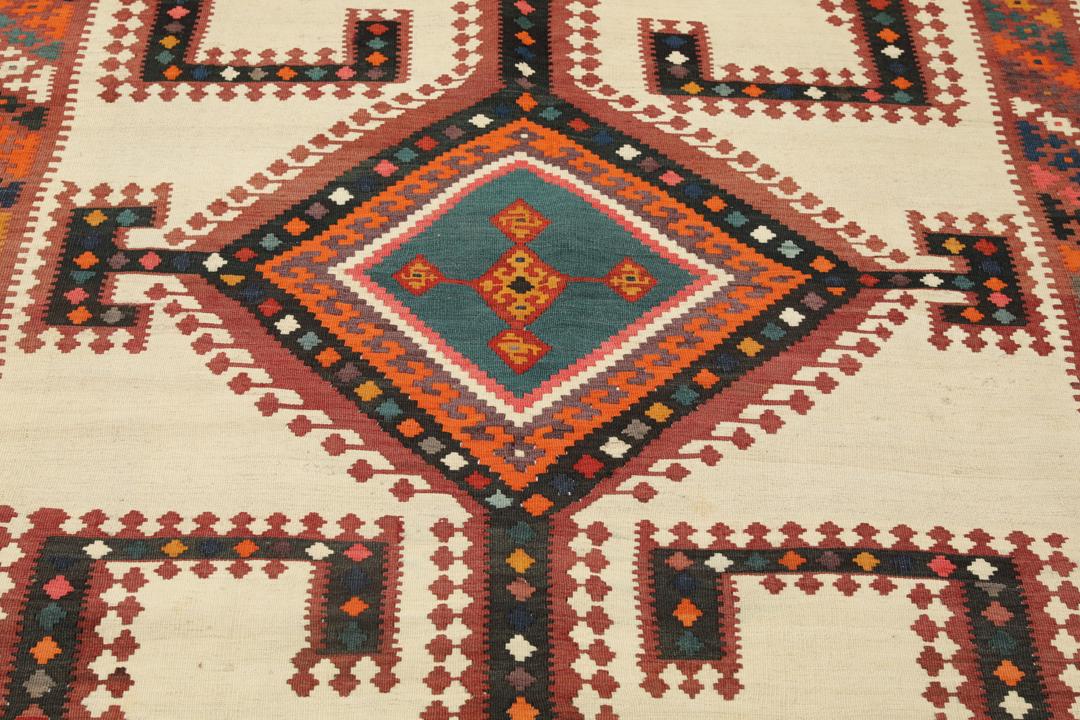
Kilim rugs represent one of the most storied traditions in Middle Eastern textile history. These flat-woven masterpieces have been created for centuries by nomadic and village communities, serving not only as floor coverings but as essential functional items for tents, blankets, and storage bags. The tradition is deeply rooted in the cultural identity of the region, where weaving skills were passed down through generations.
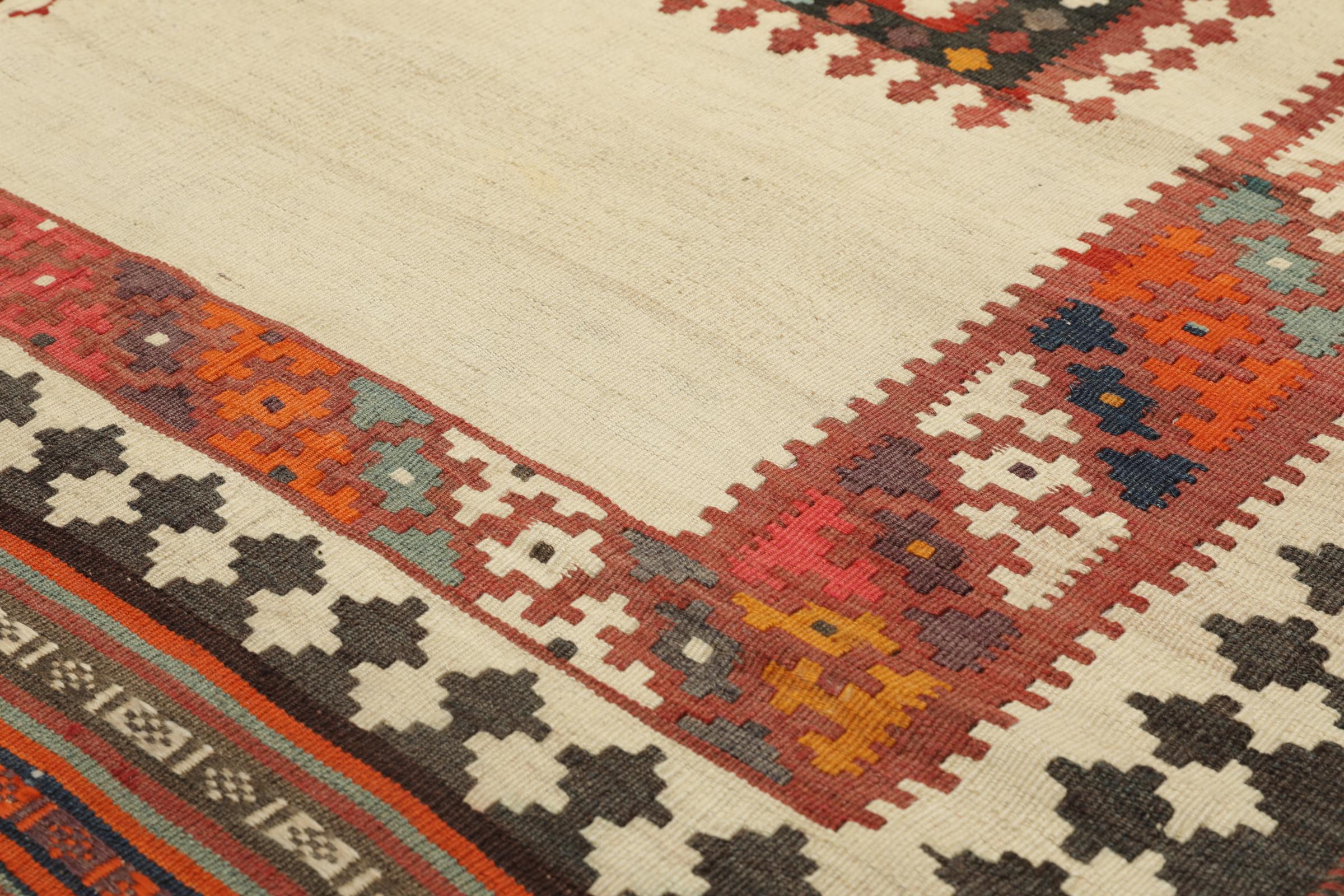
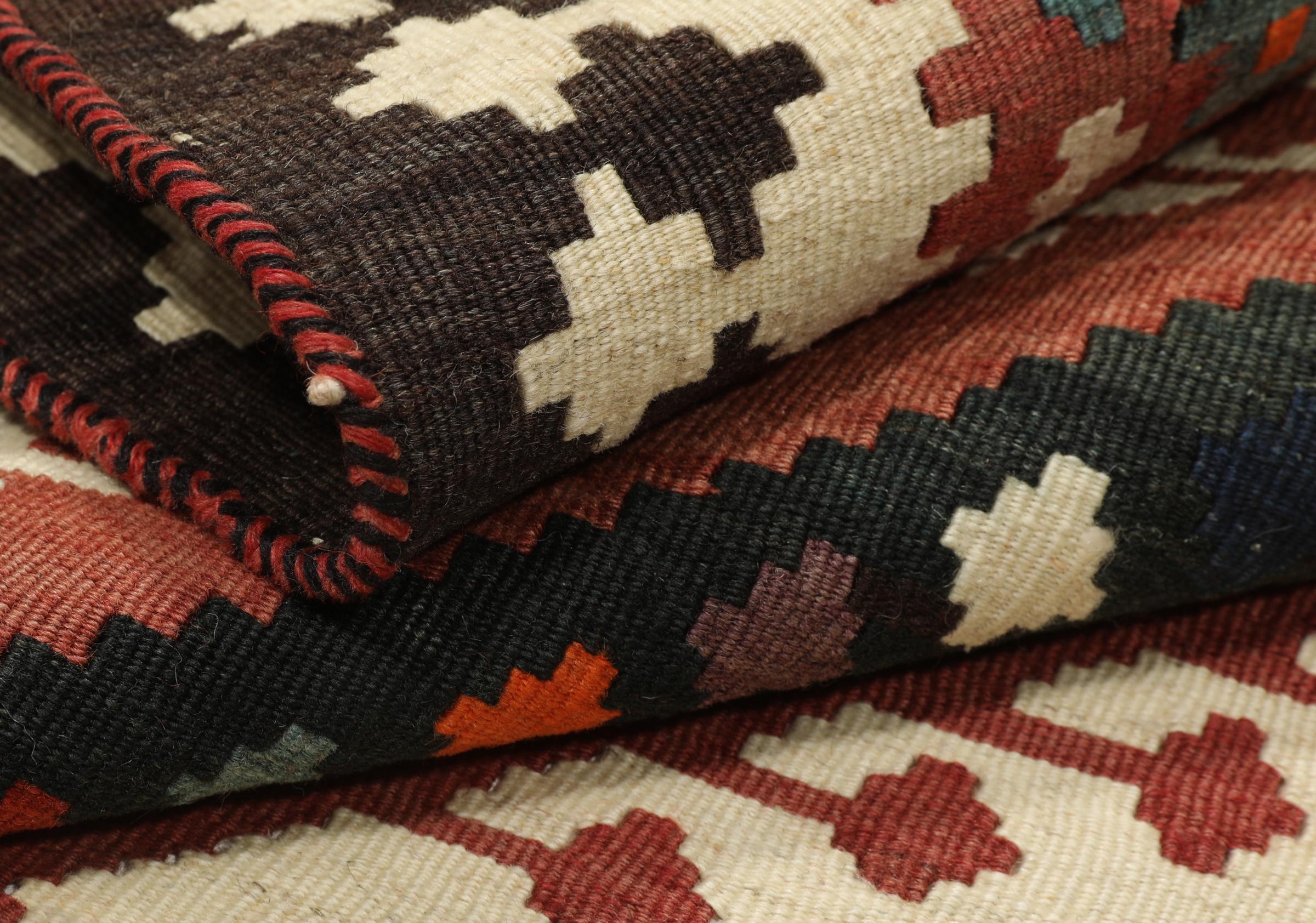
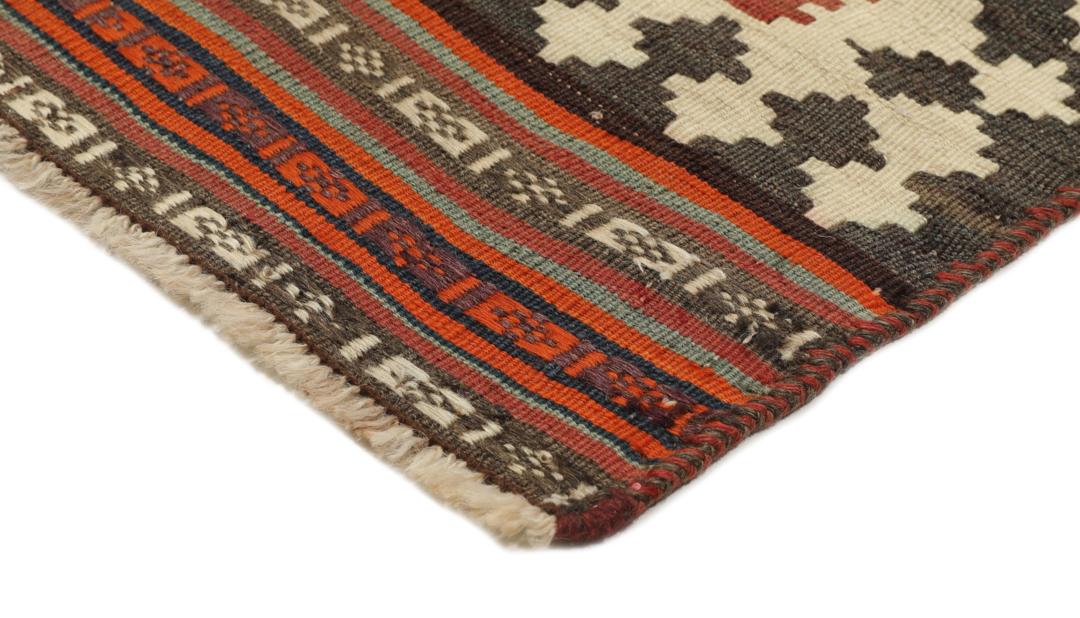
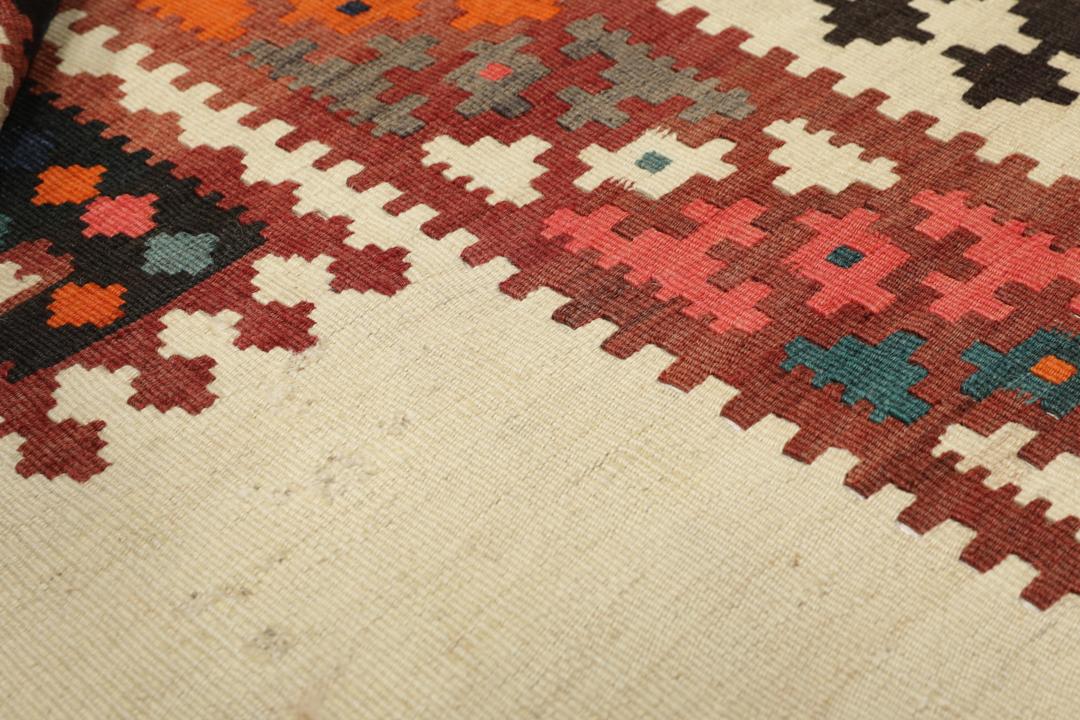
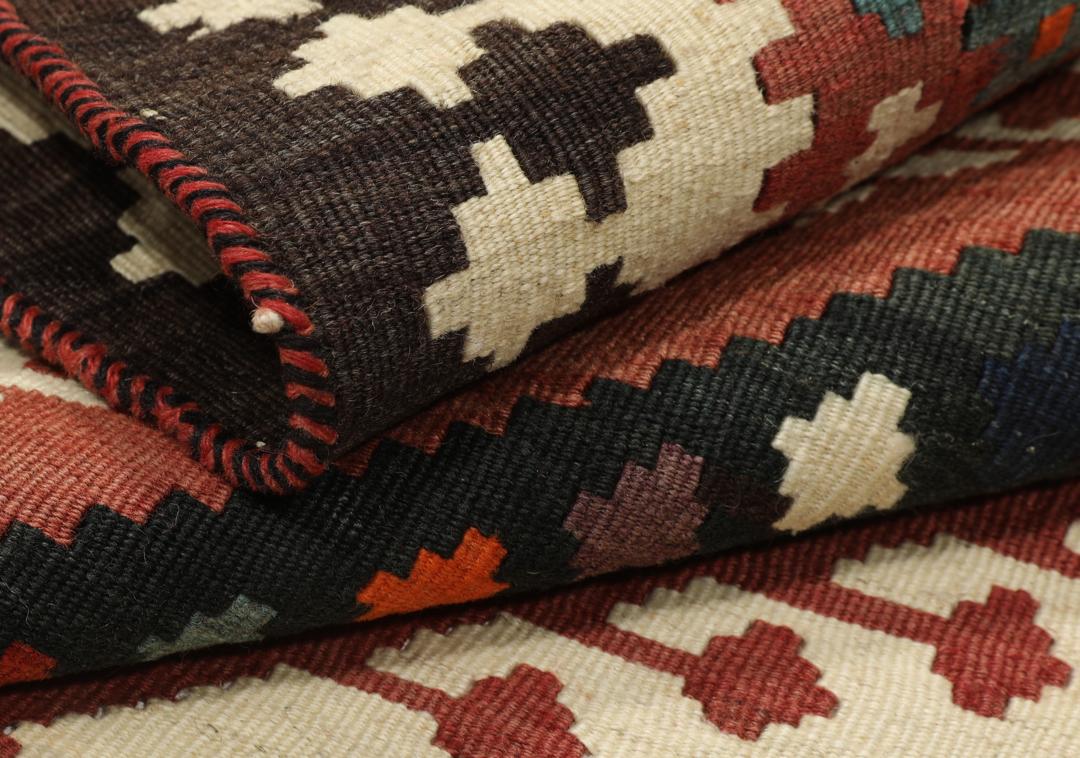
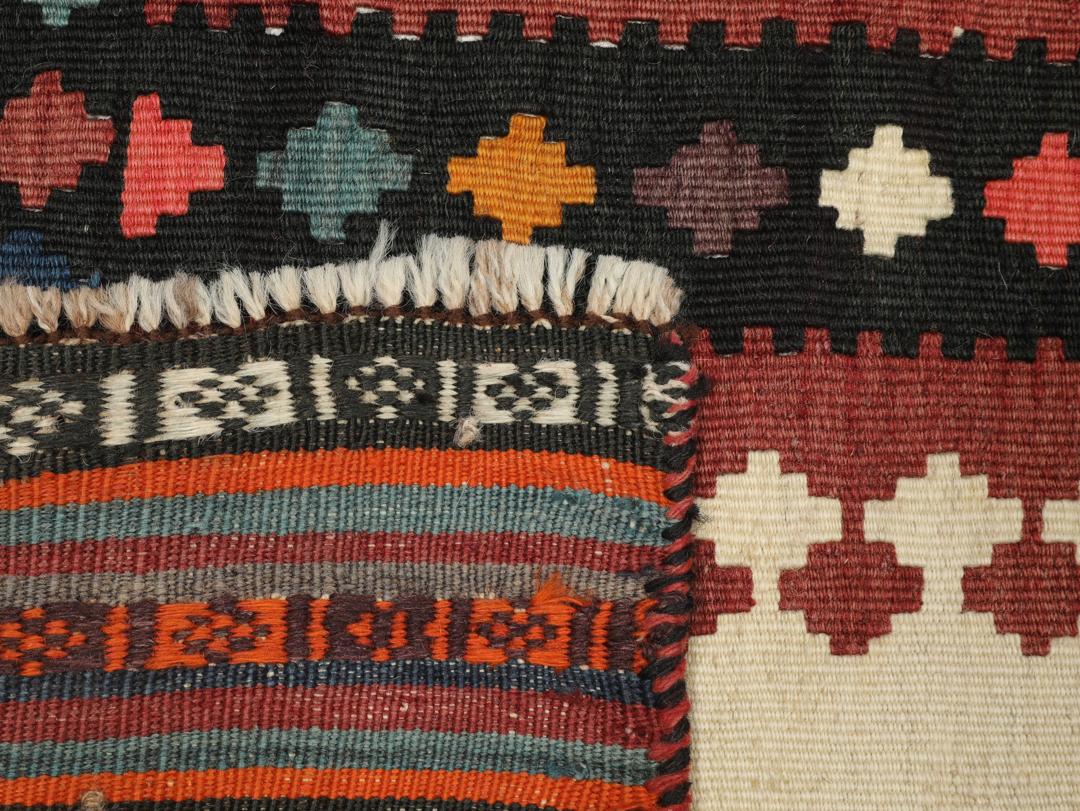
The term 'Kilim' refers specifically to the slit-weave technique used in their production. This method involves the weaver passing weft threads back and forth between the warp threads, creating distinct, sharp-edged patterns that are visible from both sides of the rug. This lack of pile makes the rugs lighter and more portable, reflecting their historical origins in nomadic life where ease of travel was paramount.
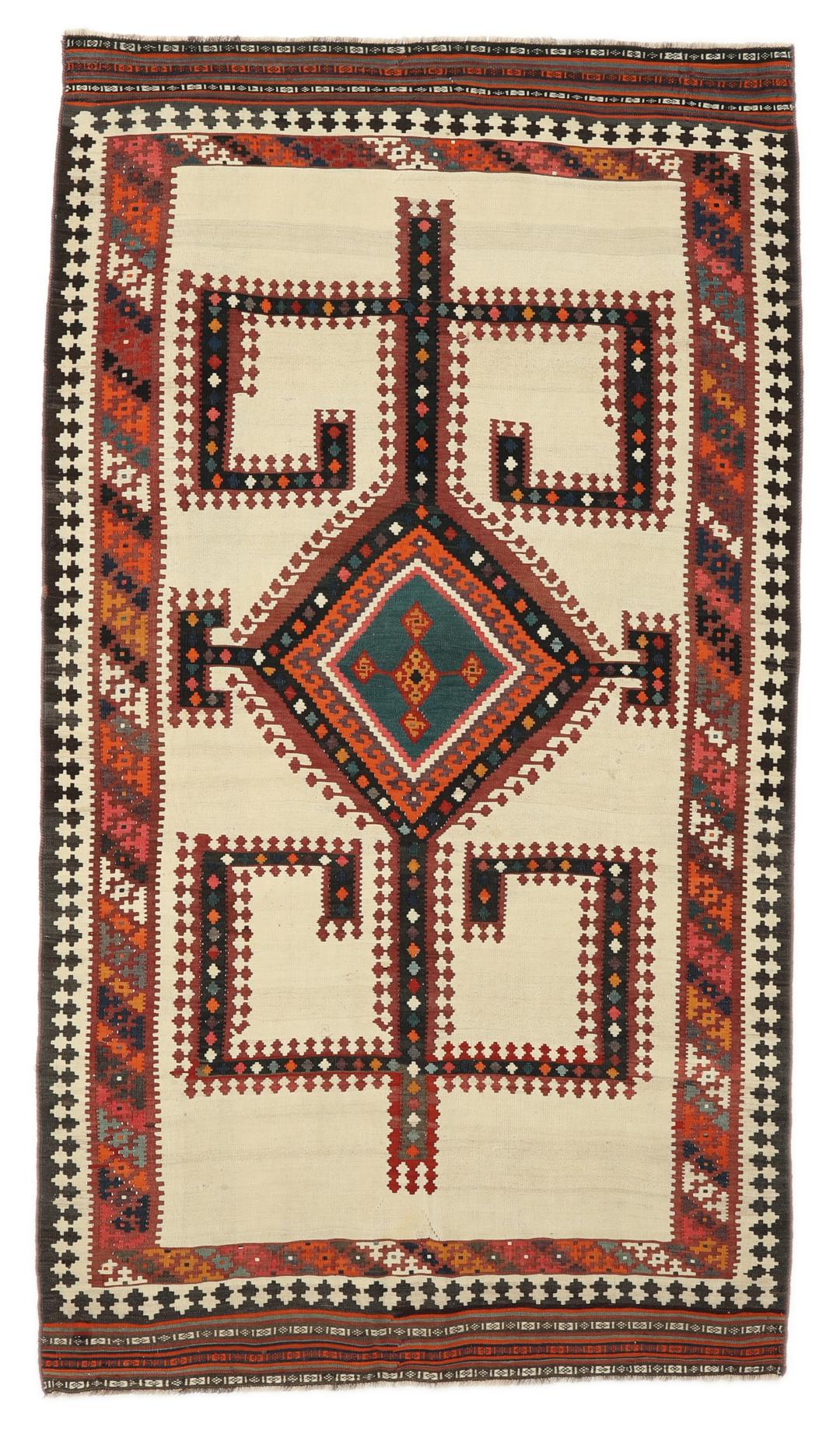
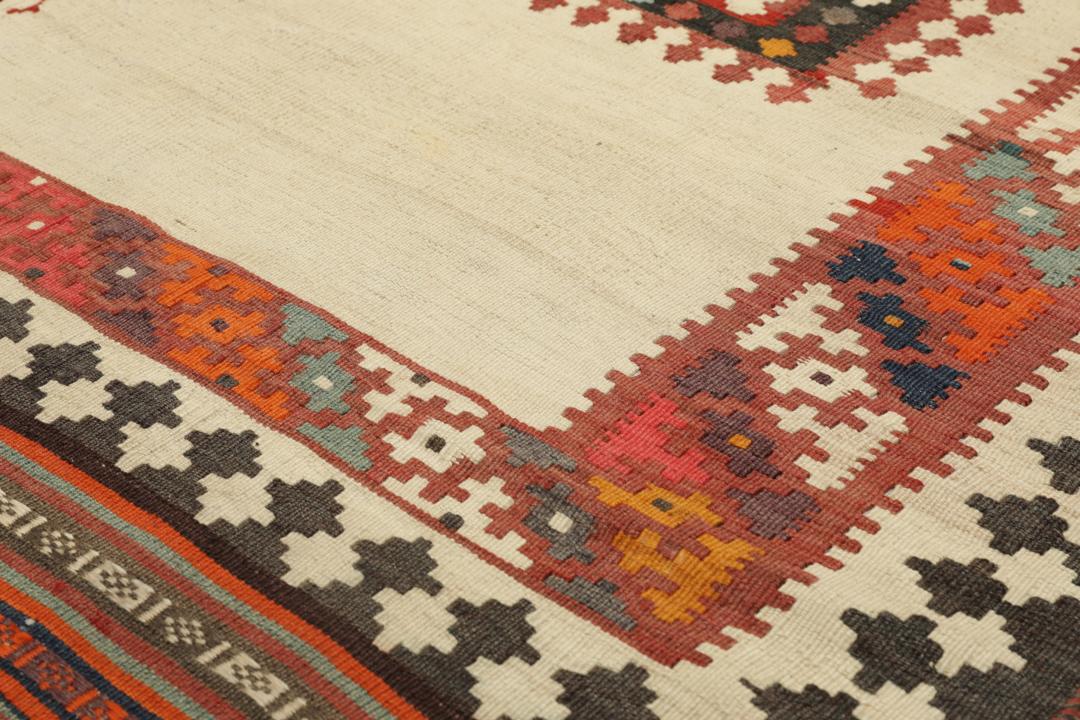
The design language of these rugs is defined by symbolic, geometric motifs. Often, these patterns are stylised representations of nature, tribal identity, or protective symbols meant to bring good fortune to the household. The borders are frequently elaborate, framing the central field and creating a cohesive, structured look that has influenced textile design across the globe.
Today, vintage Kilims are highly sought after by collectors for their authenticity and the unique character that age imparts. Owning a vintage piece connects you directly to the history of the artisans who crafted it. It is an investment in human skill, representing a bridge between the ancient traditions of the Middle East and the modern, curated home.