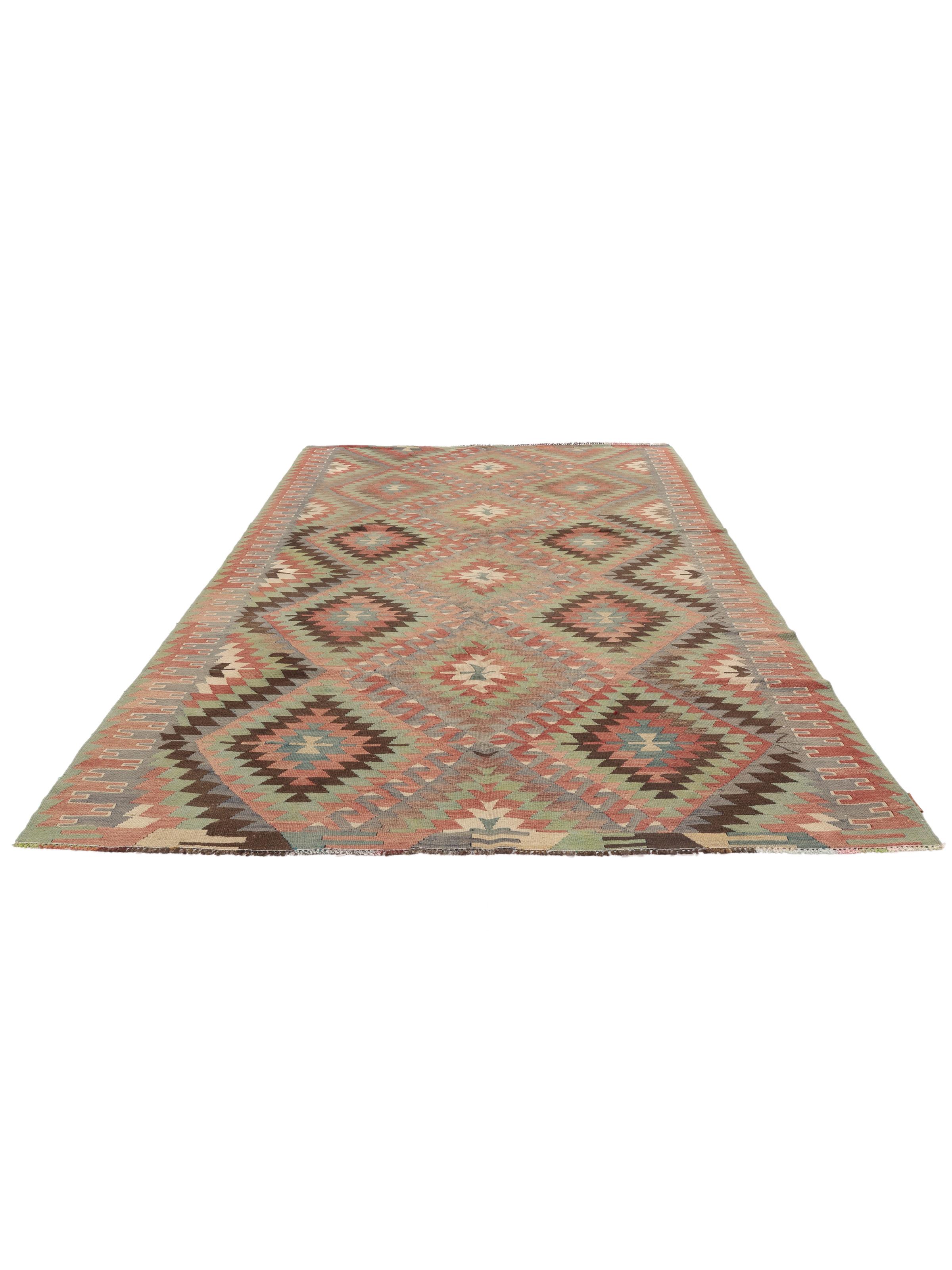
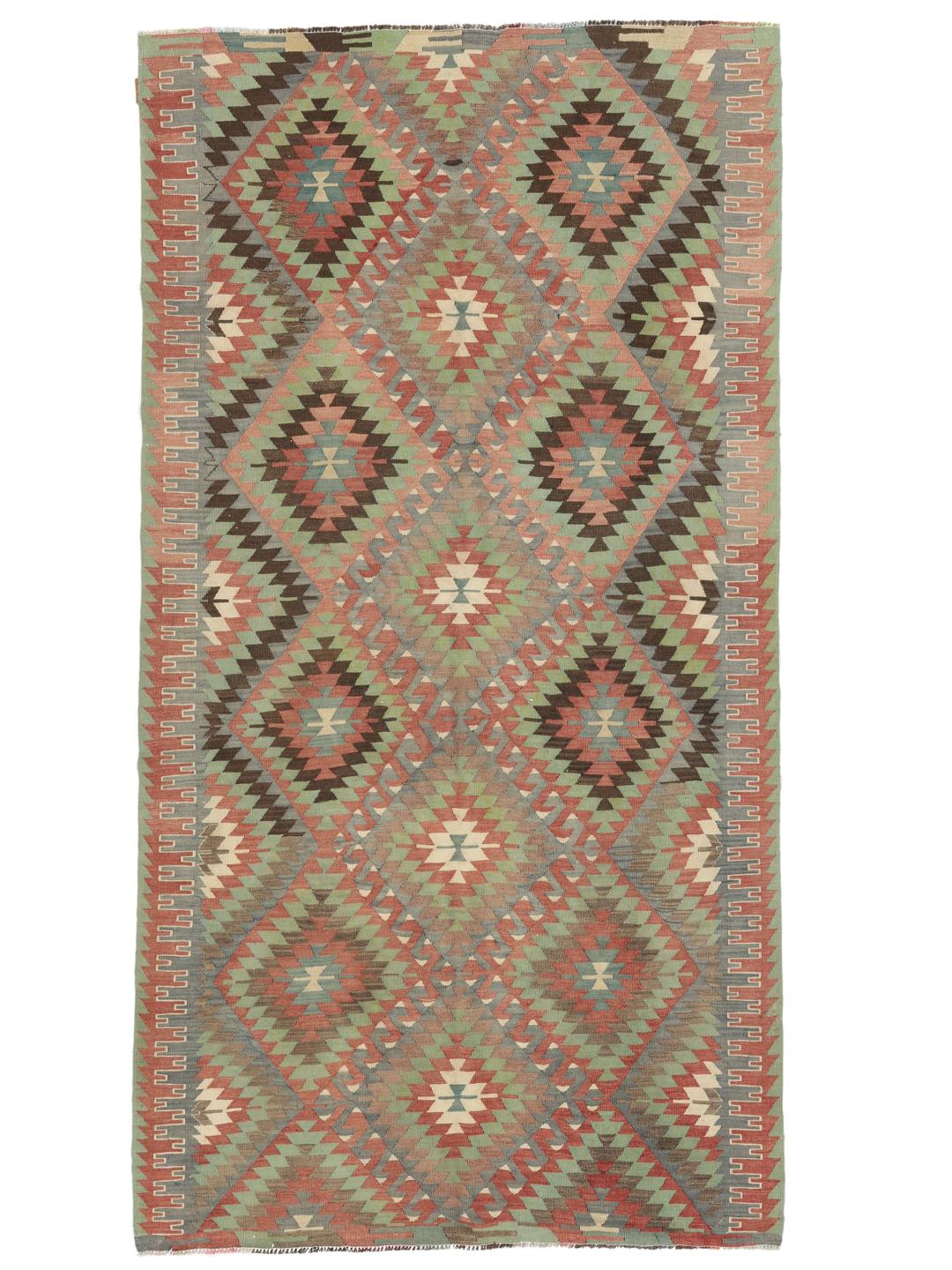
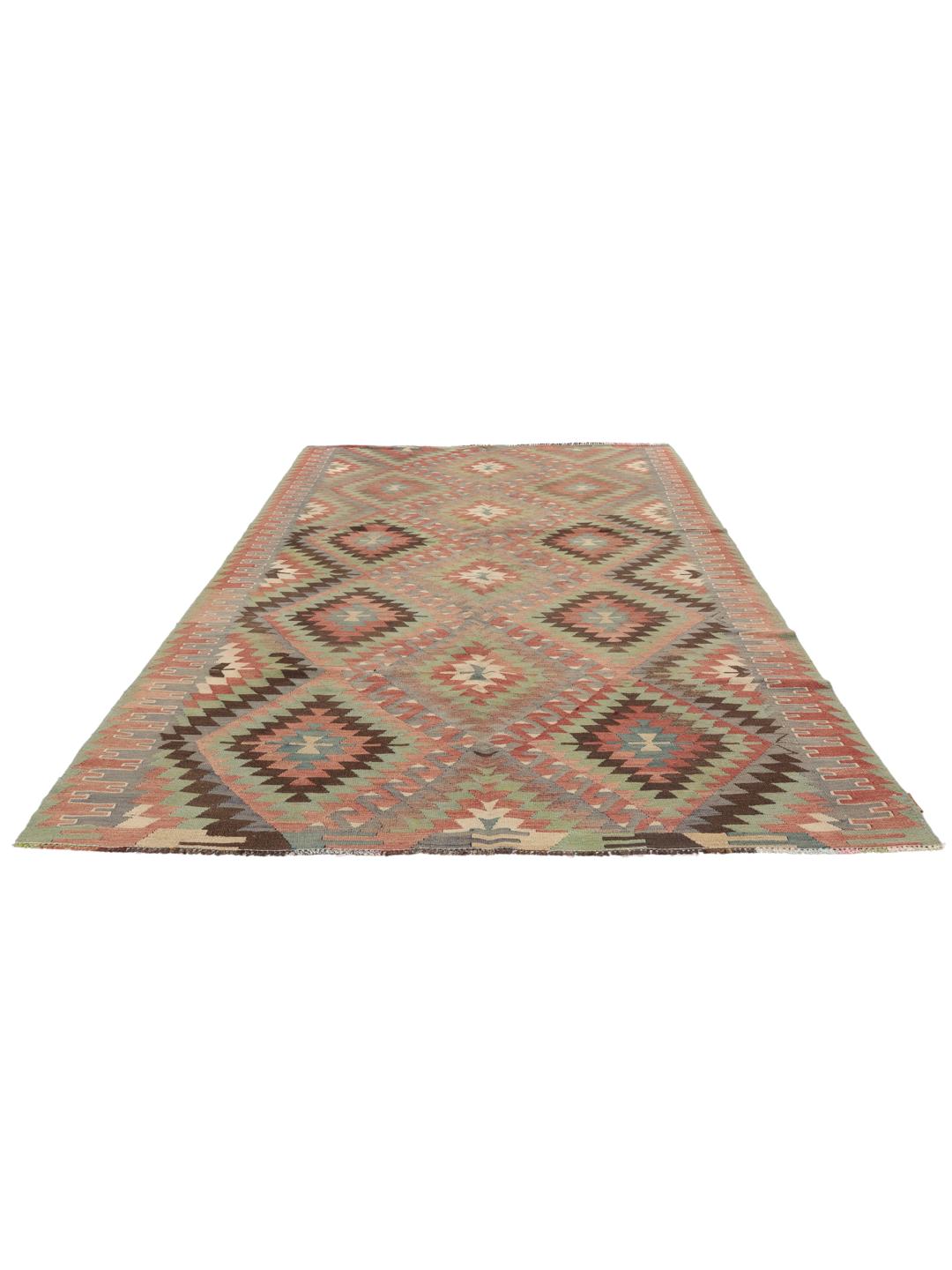
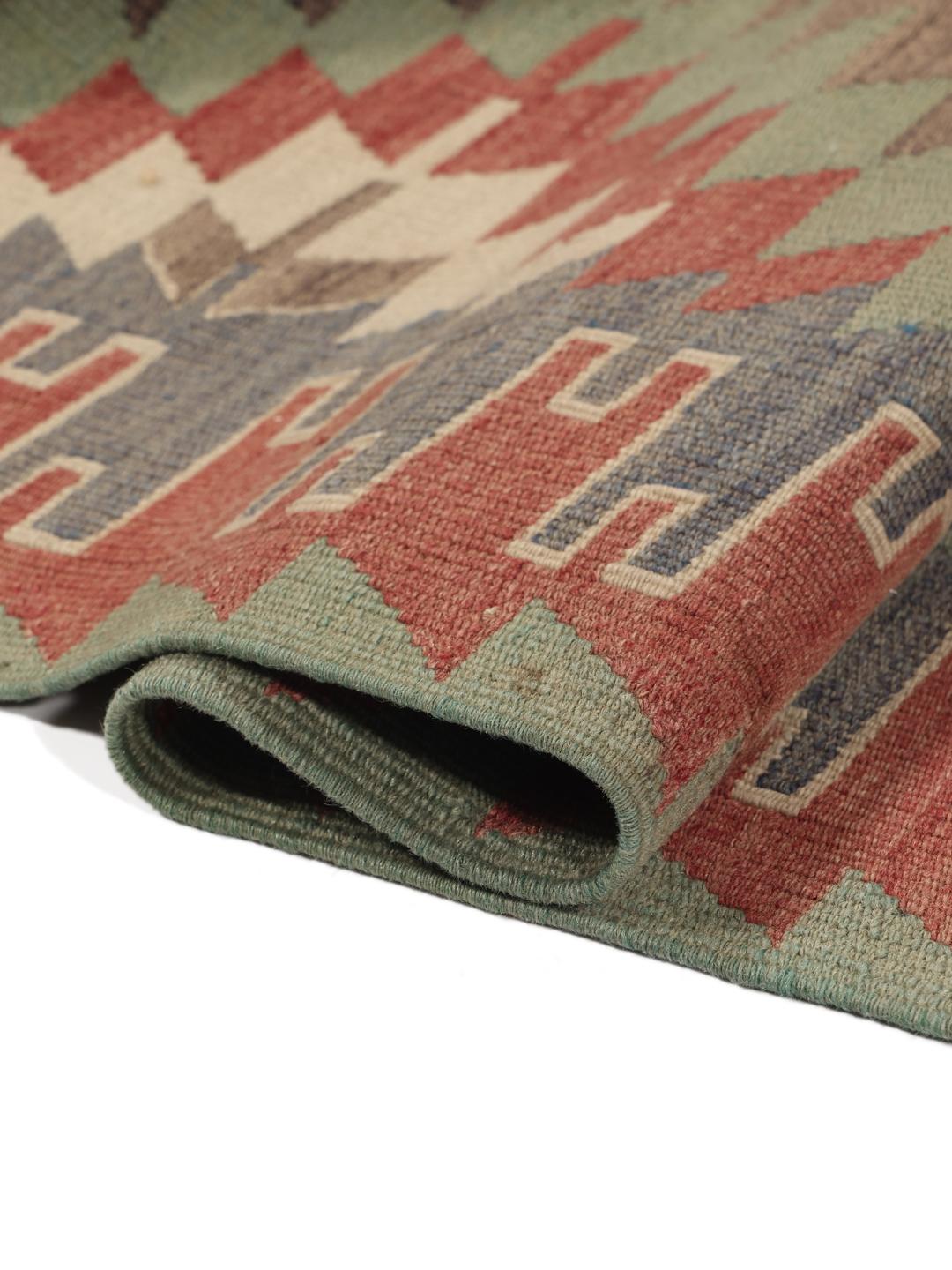
Kilim rugs represent one of the most enduring traditions in Middle Eastern textile history. These flat-woven treasures have been produced for centuries by nomadic and village communities across Turkey, serving not only as floor coverings but also as essential functional items like saddlebags, blankets, and wall hangings for tent life.
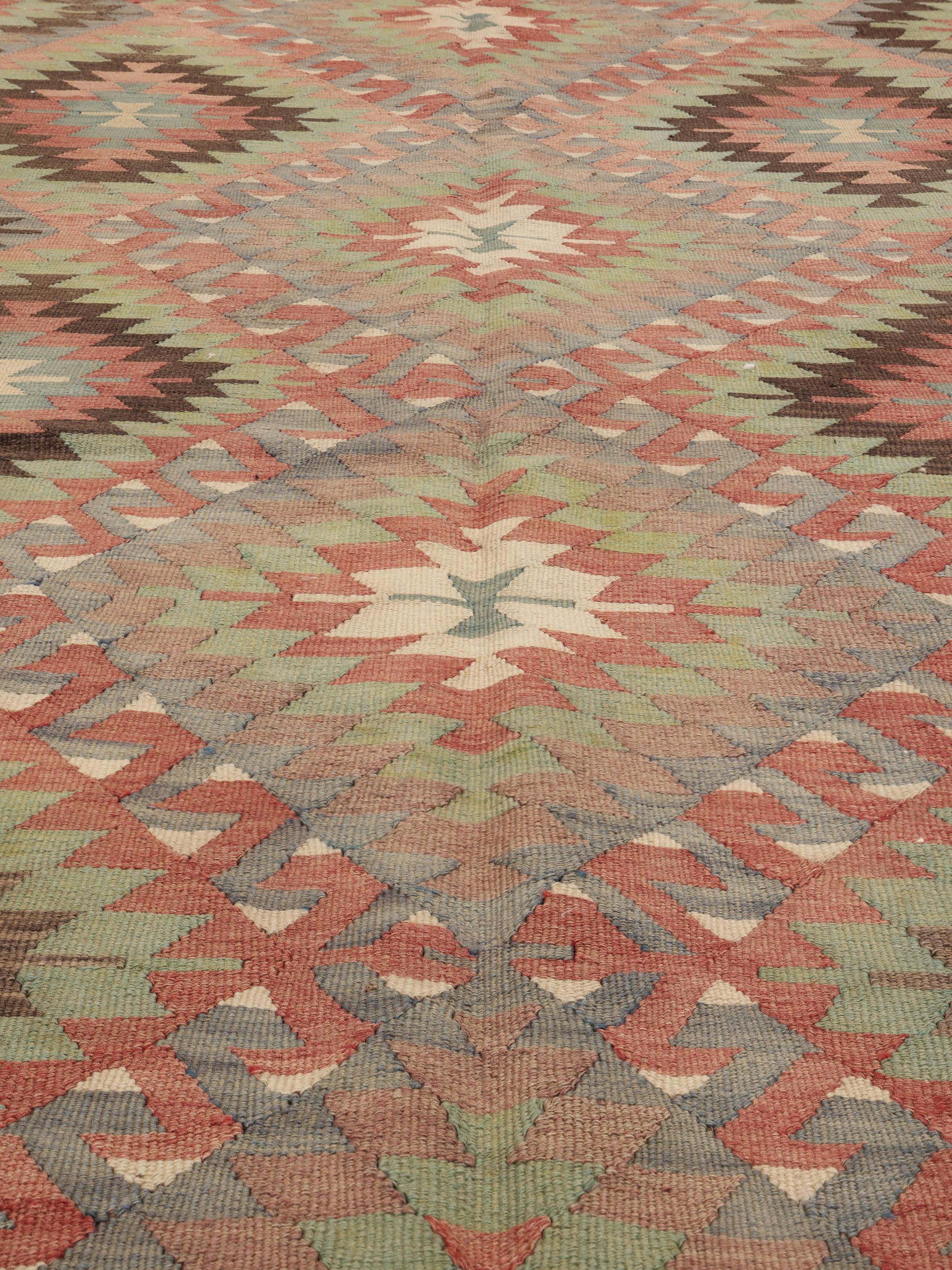
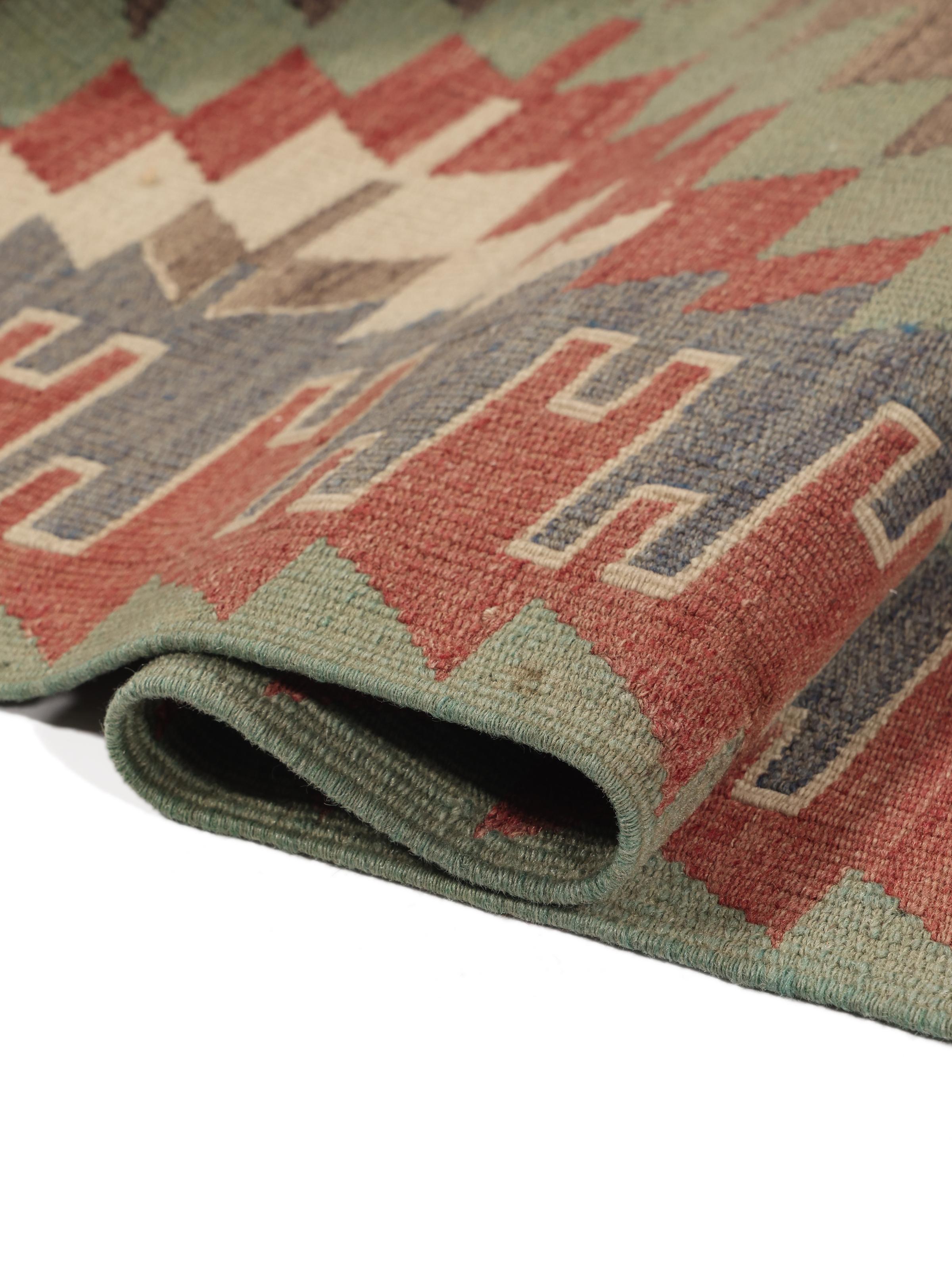
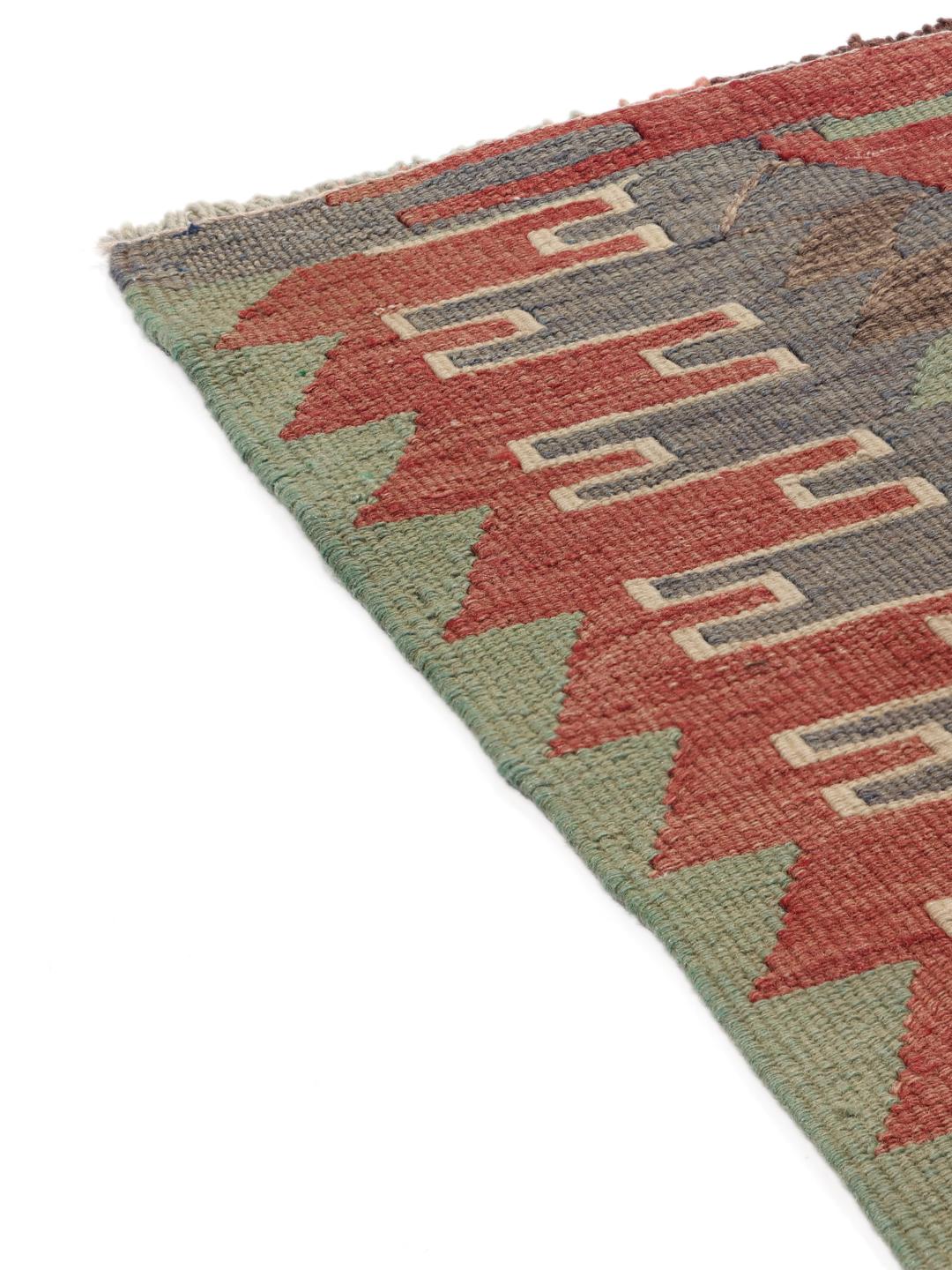
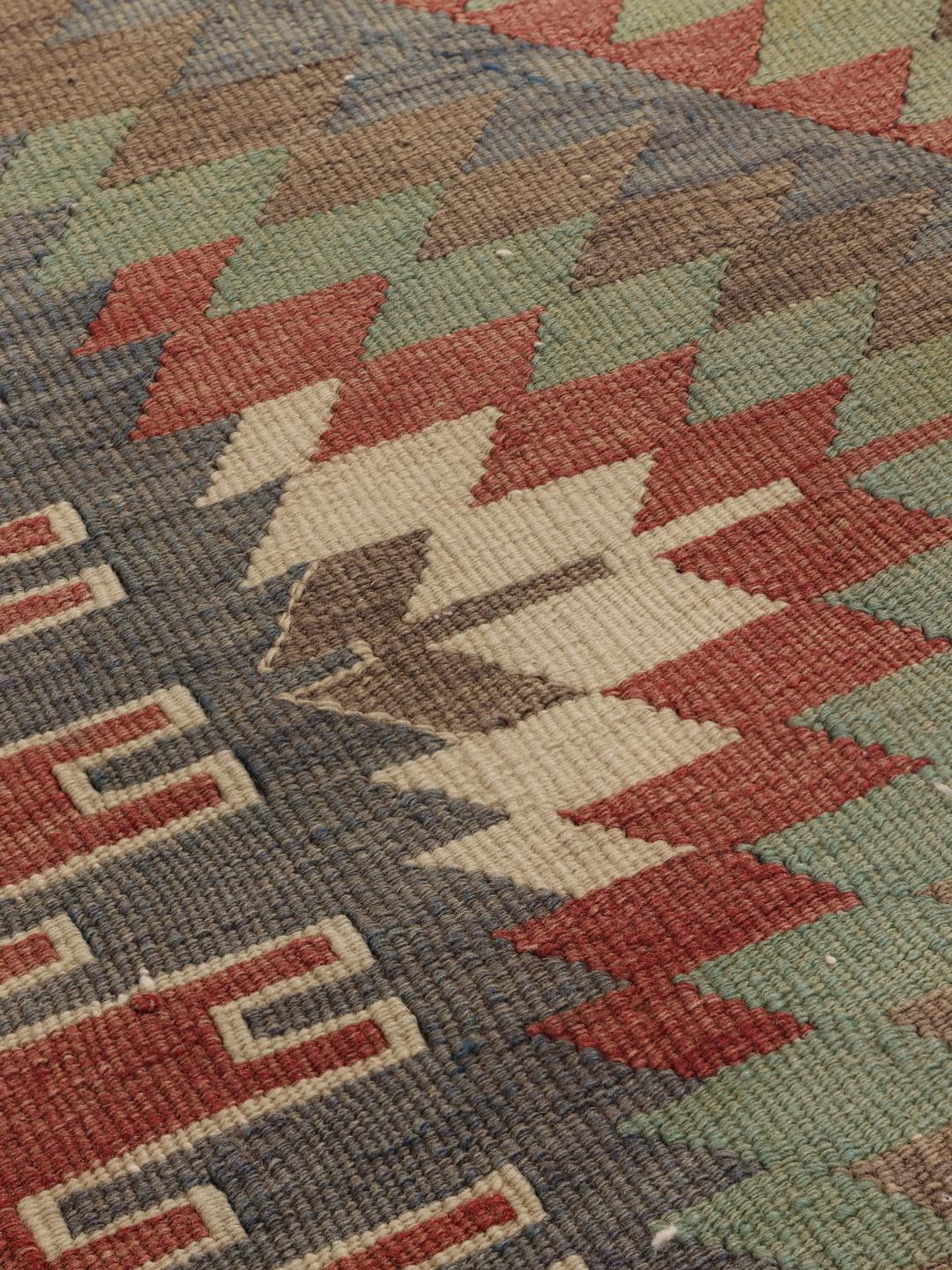
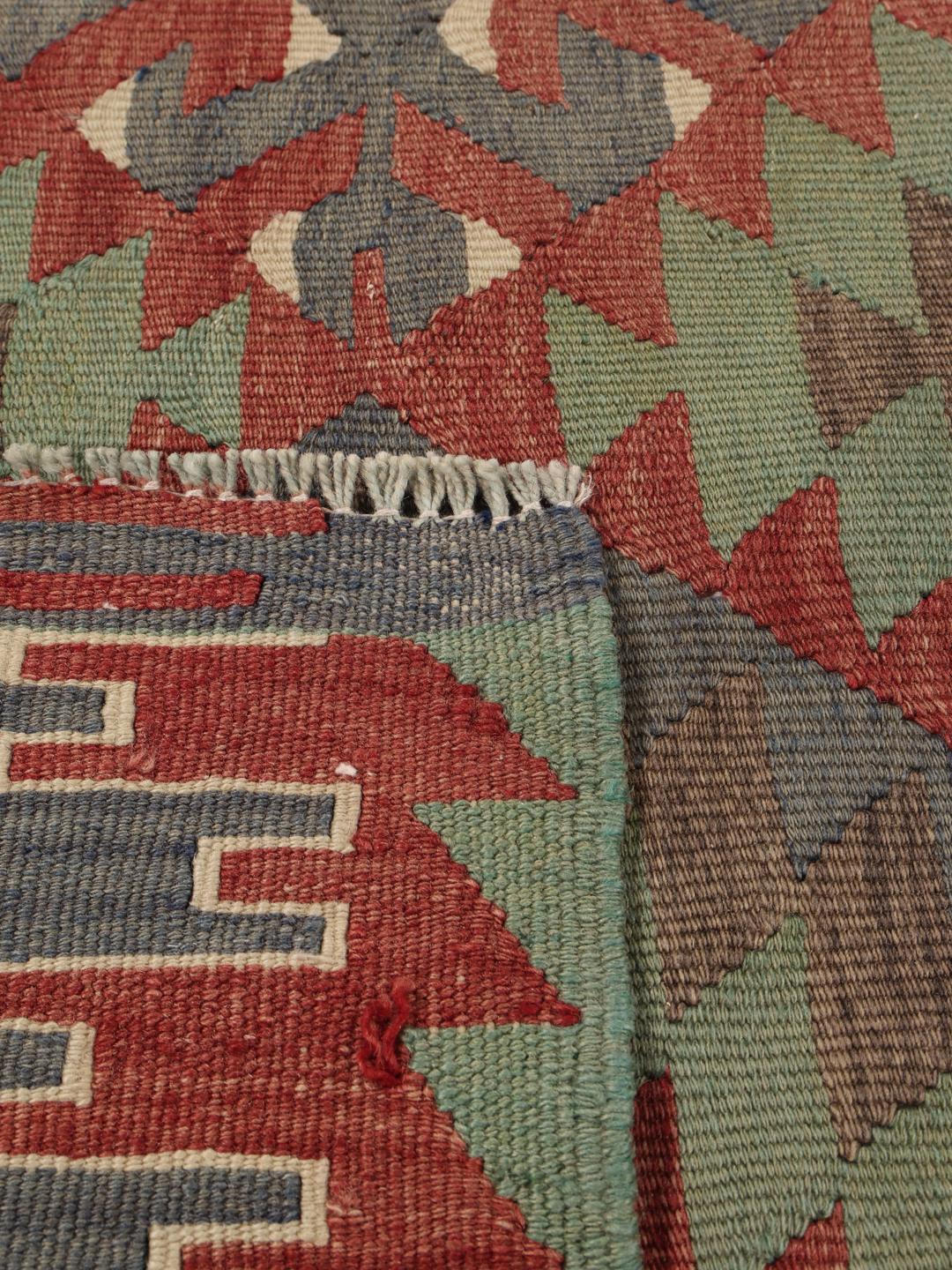
The term Kilim refers to the specific slit-weave technique used to create the patterns. By wrapping the weft threads around the warp threads and leaving small gaps or slits where colour changes occur, weavers create sharp, crisp geometric motifs. This method results in a reversible rug that is lightweight yet remarkably durable, showcasing the weaver's ability to manipulate tension and colour with precision.
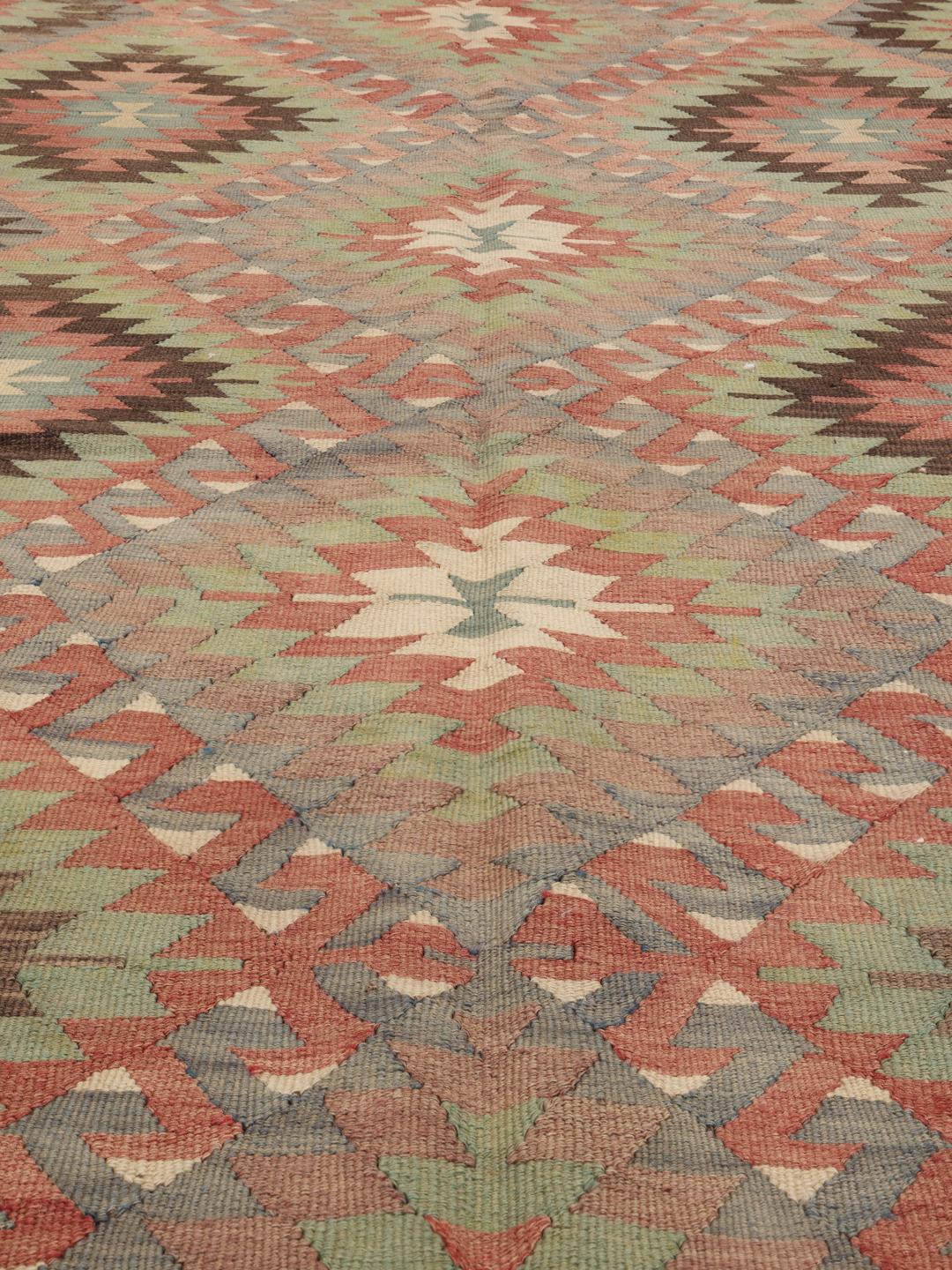
Signature design elements of these rugs often include bold diamonds, triangles, and stylized floral or tribal motifs. The patterns are deeply rooted in the cultural identity of the weaving regions, with symbols often representing protection, fertility, or family lineage. The vibrant, harmonious colour palettes are traditionally derived from natural plant and mineral dyes, giving each piece a distinct personality.
Today, these rugs are highly sought after by collectors and interior enthusiasts for their raw, authentic beauty and historical weight. Owning a vintage Kilim is a way to bridge the gap between ancient nomadic heritage and modern living, celebrating a level of skill that relies entirely on human intuition and artistic vision rather than mechanical processes.