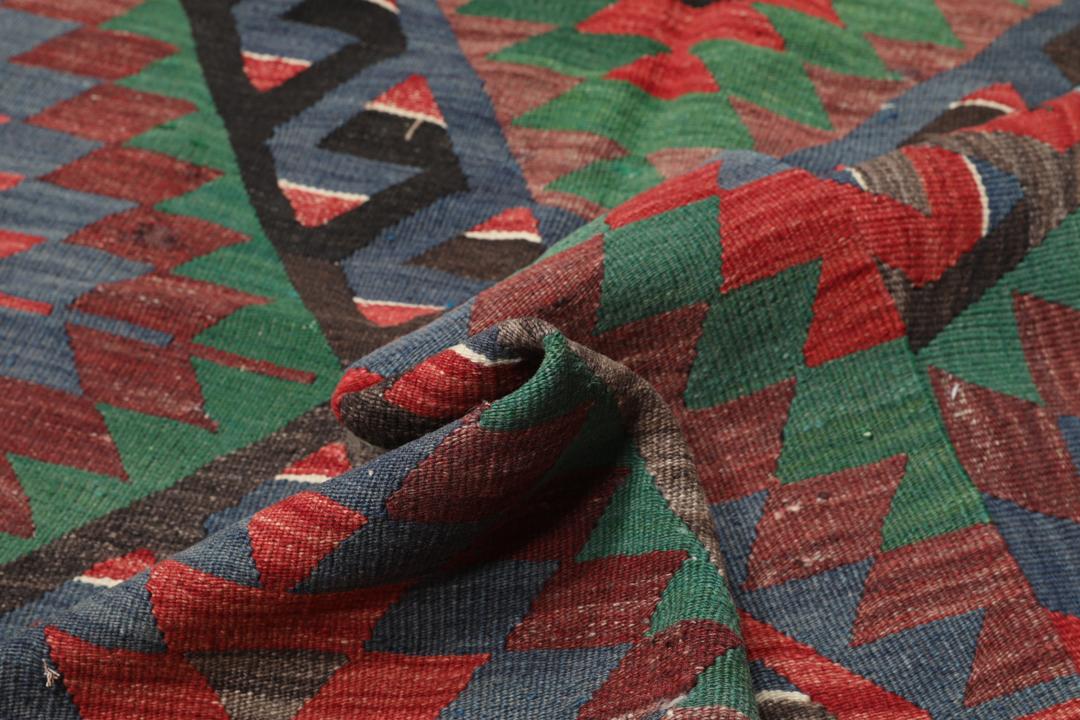
The Kelim tradition originates from the nomadic cultures of the Middle East and Central Asia, including the rugged landscapes of Turkey. These rugs were historically created as functional items for nomadic life, serving as floor coverings, wall hangings, or storage bags, and were designed to be durable enough for the demands of a mobile existence.
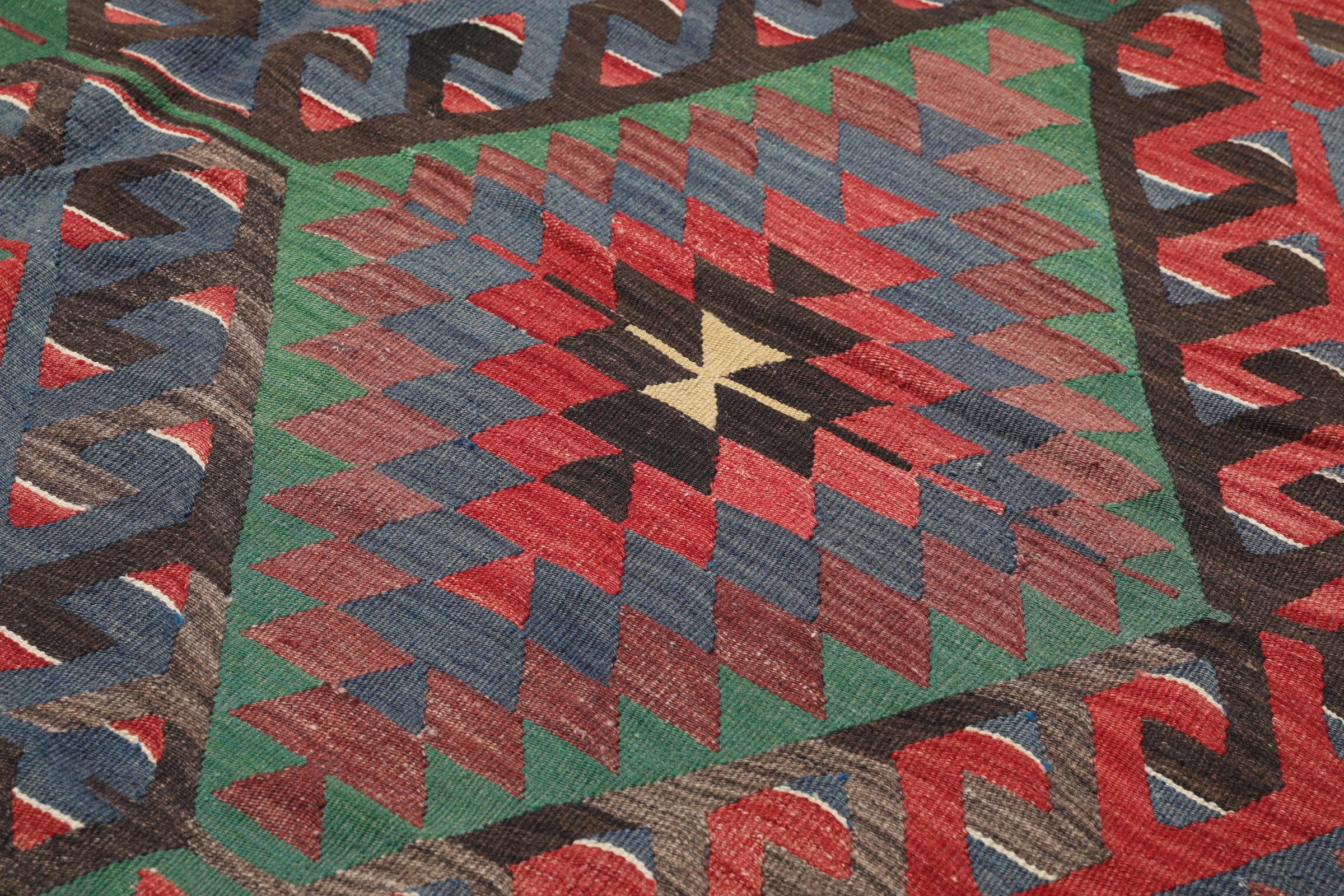
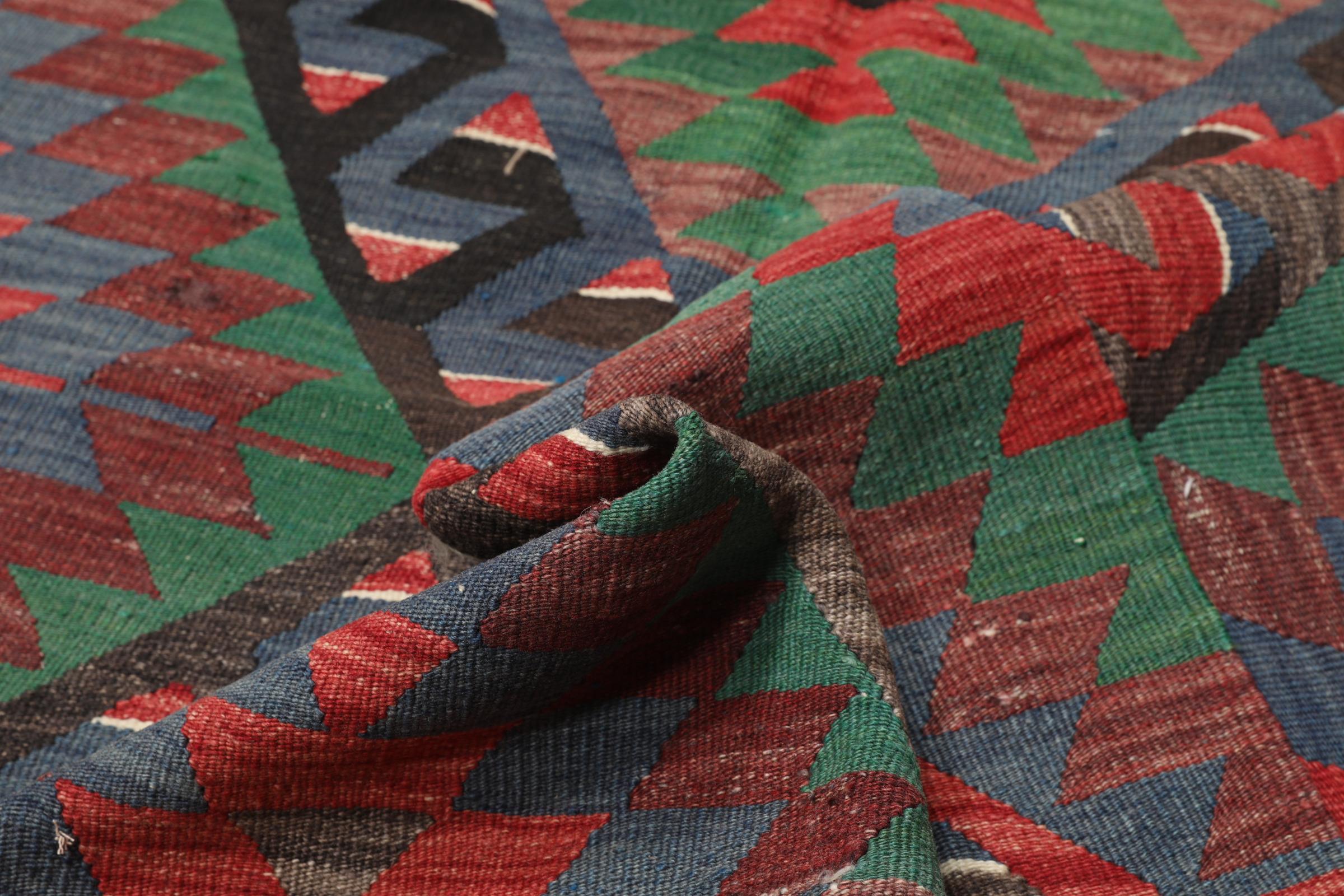
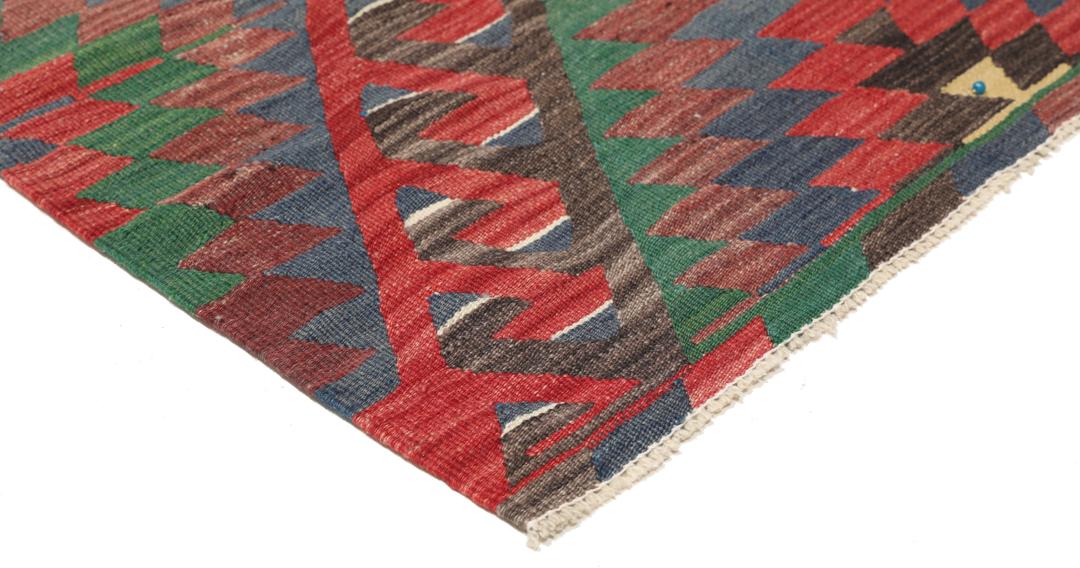
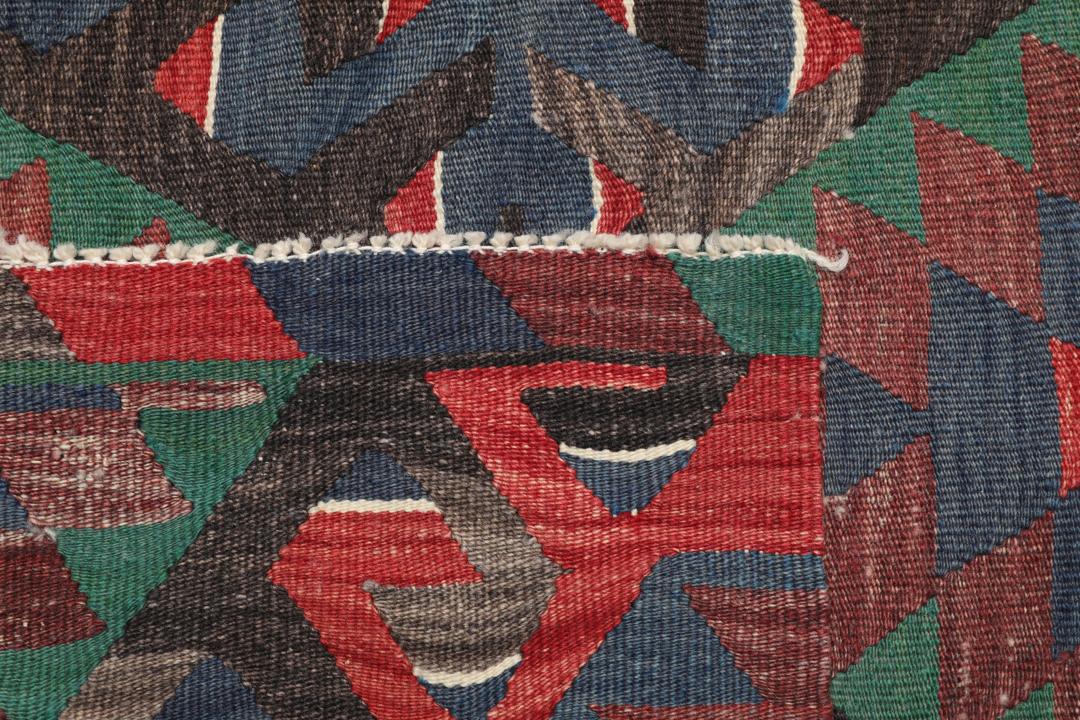
The term Kelim refers to the specific flat-weave technique where the weft threads are woven tightly through the warp threads. Unlike pile rugs, which use knots, this method relies on the interlacing of threads to create the pattern, resulting in a rug that is reversible and boasts a very smooth, low-profile finish.
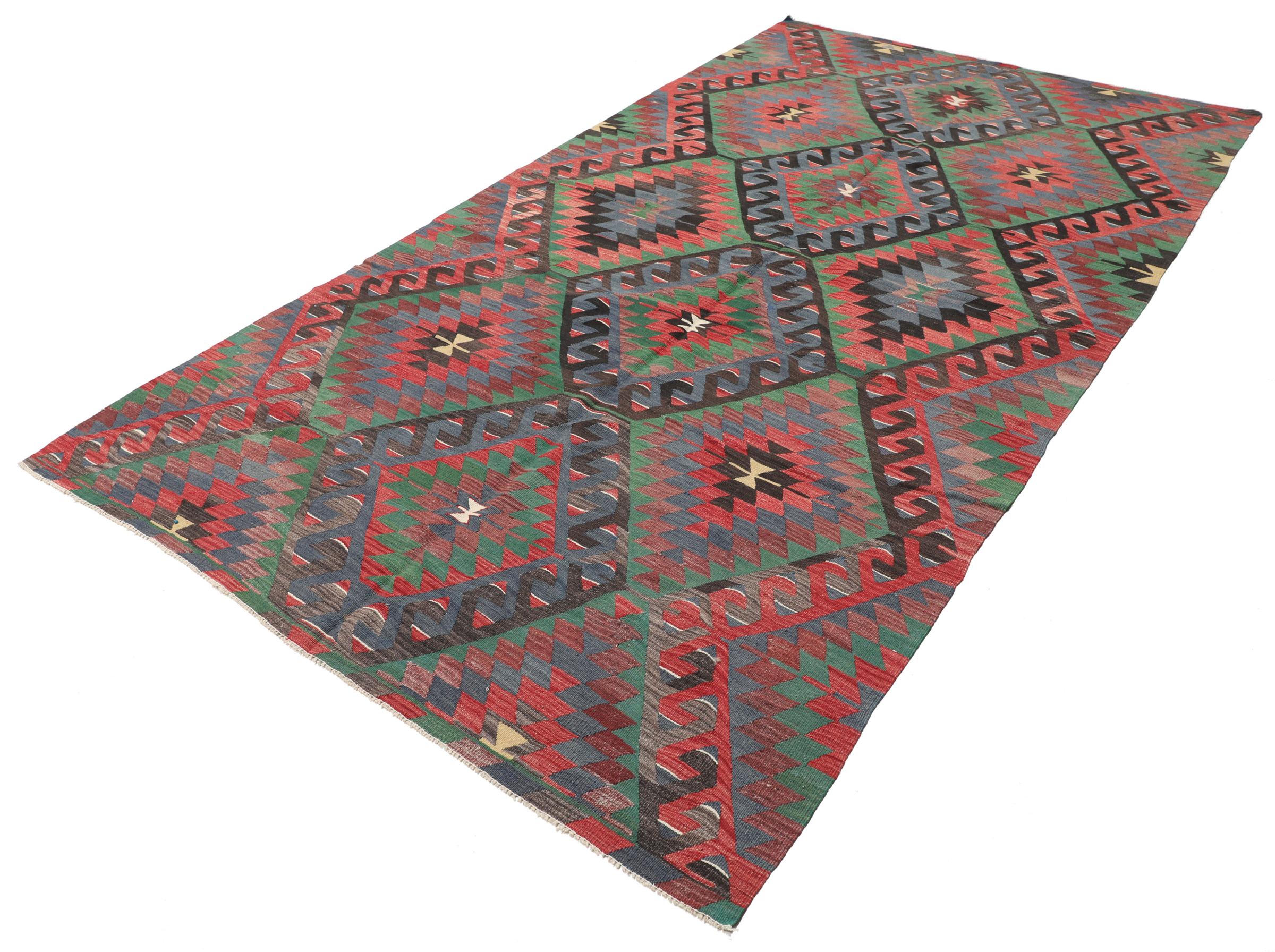
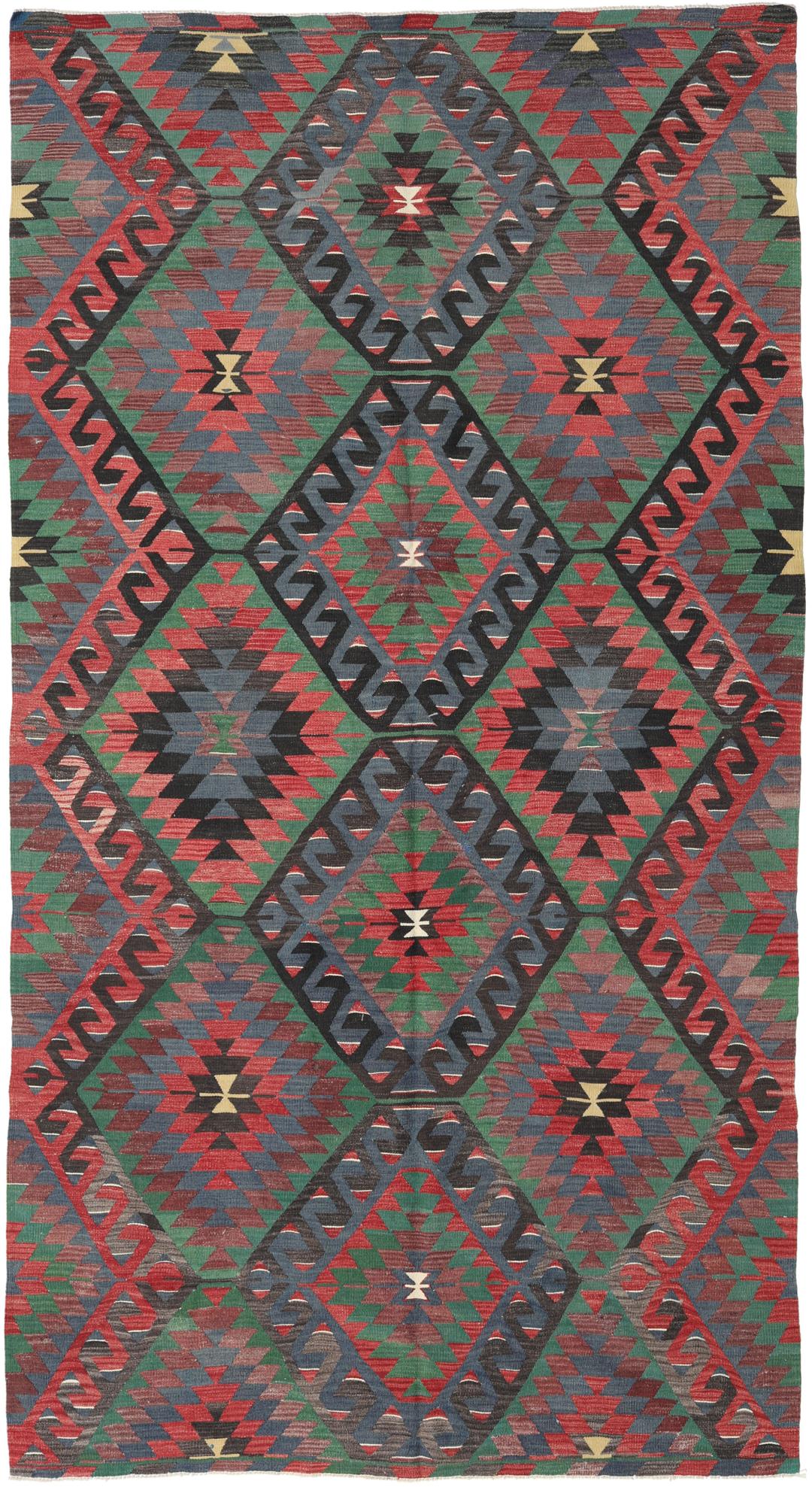
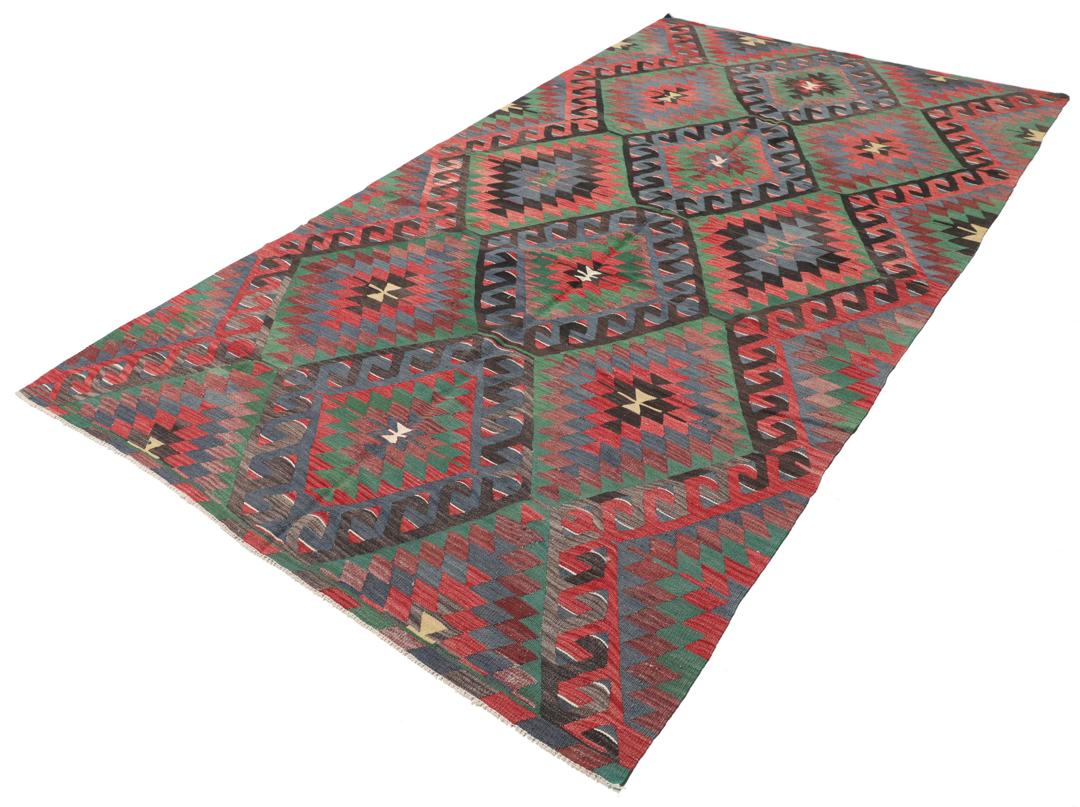
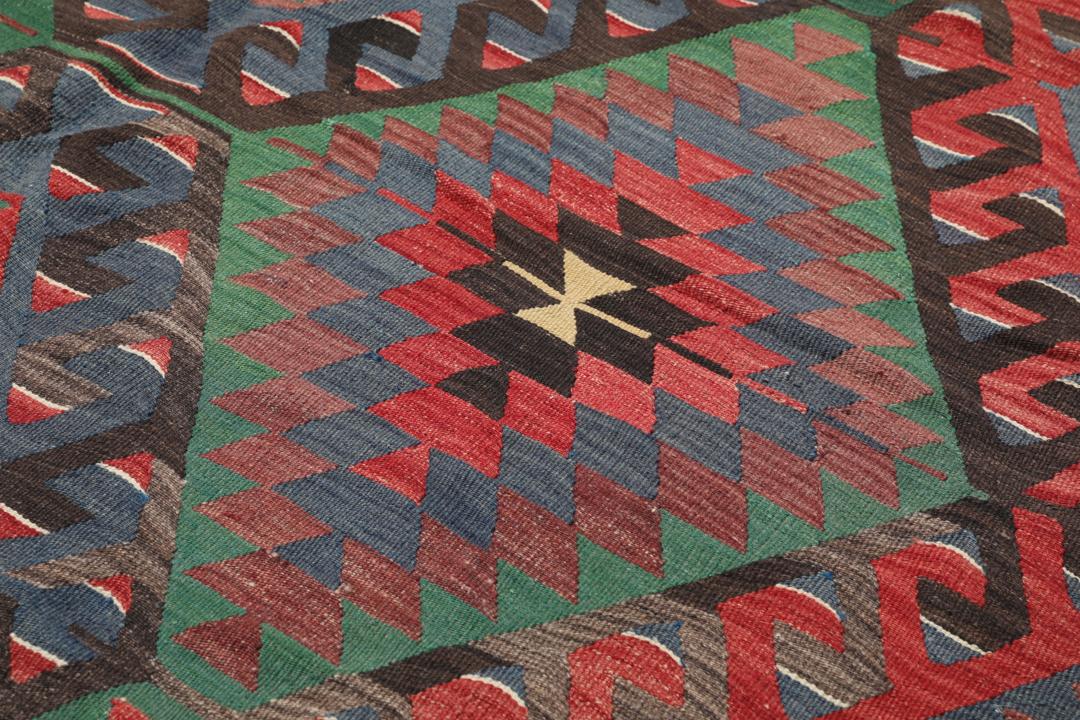
Visually, these rugs are defined by their sharp, angular motifs. The geometric patterns, such as the large diamonds and stepped edges seen here, are deeply symbolic, often representing tribal identity or protective motifs meant to bring good fortune to the household. The use of natural dyes historically gave these pieces their vibrant, slightly muted tones.
Owning a vintage piece like this is a way to preserve a rich craft heritage. These rugs are highly valued by collectors for their authenticity and the way they reflect the artistic sensibilities of the weavers who created them. By bringing this piece into your home, you are continuing a legacy of textile art that has been refined over centuries.