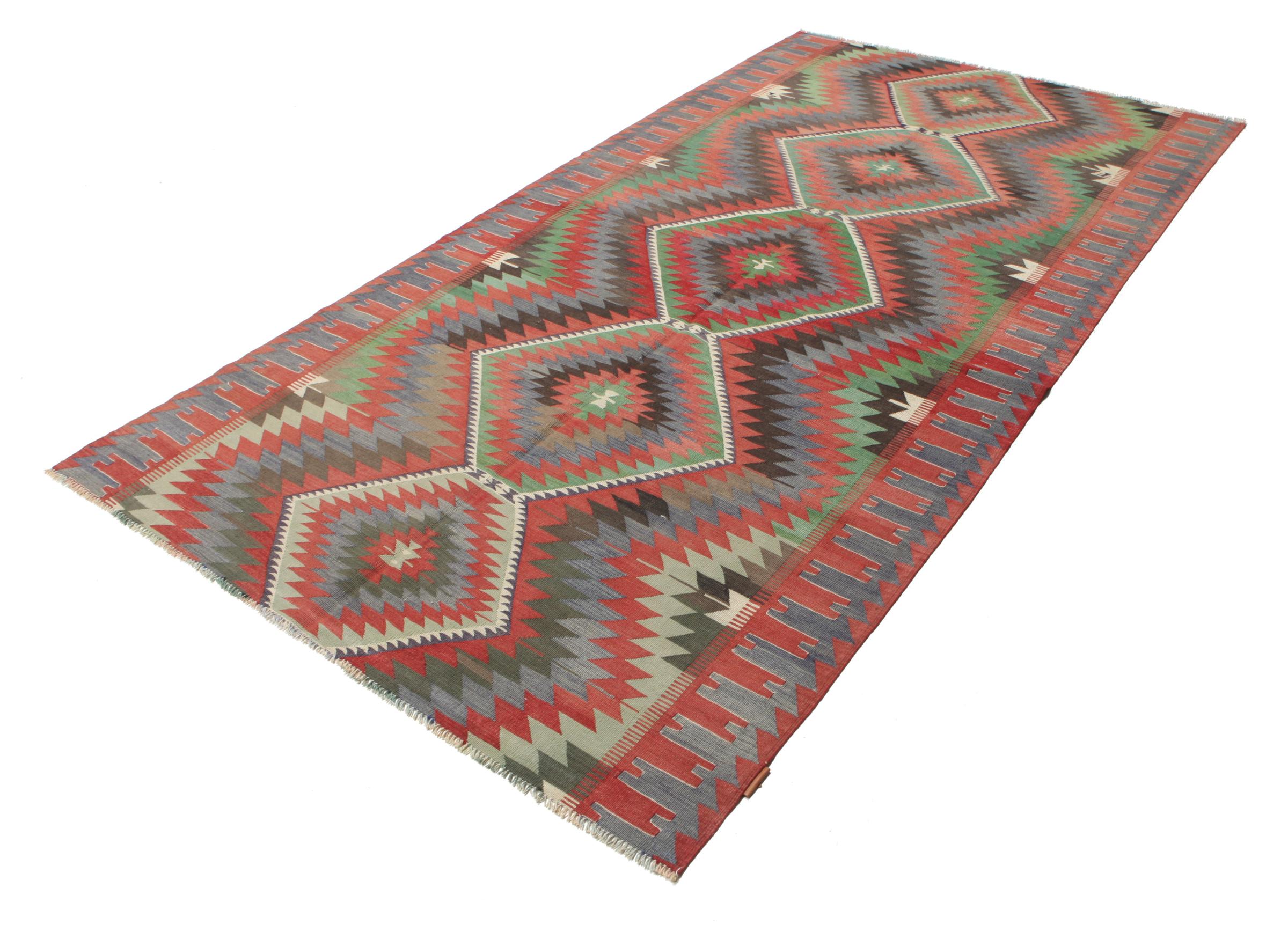
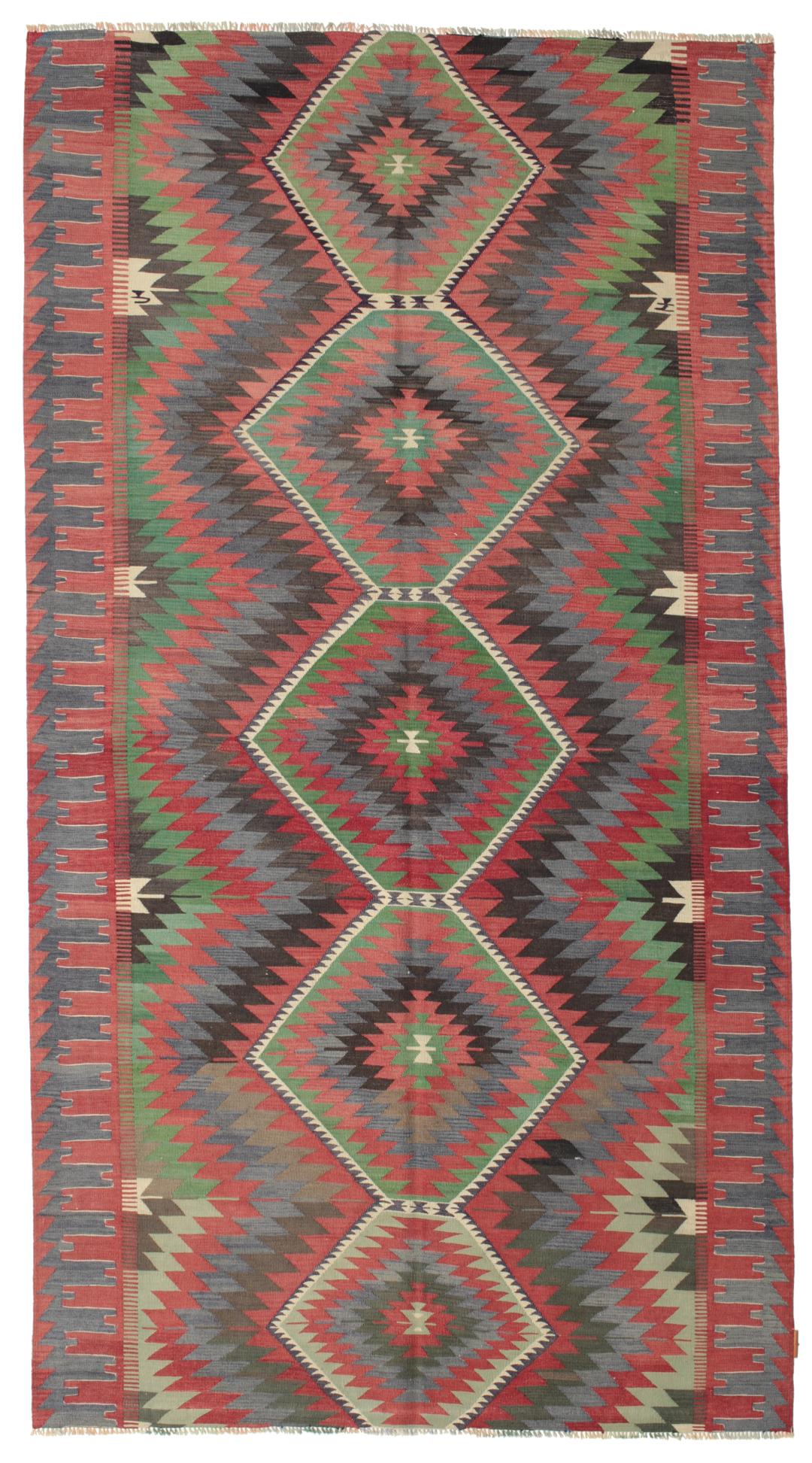
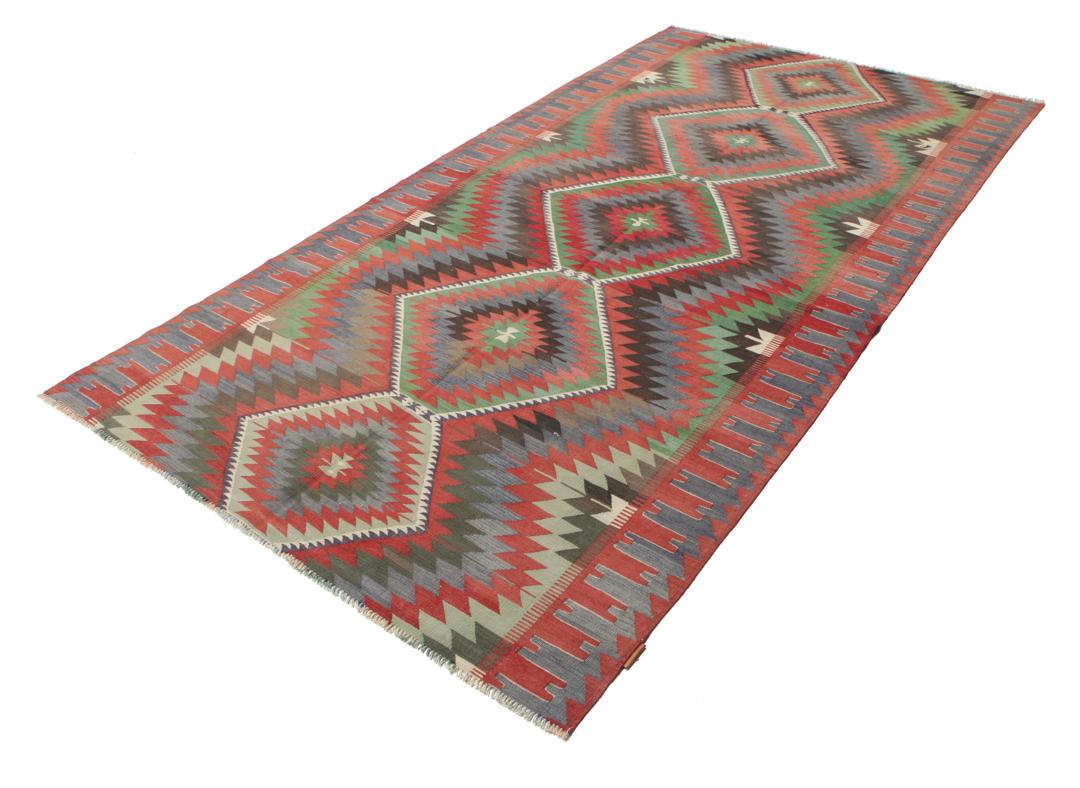
Kilim rugs are deeply rooted in the textile history of Turkey and the wider Middle Eastern region, where they have been produced for centuries. These flat-weave rugs were traditionally crafted by nomadic tribes for functional use, serving as floor coverings, wall hangings, and bags to transport goods across the landscape.
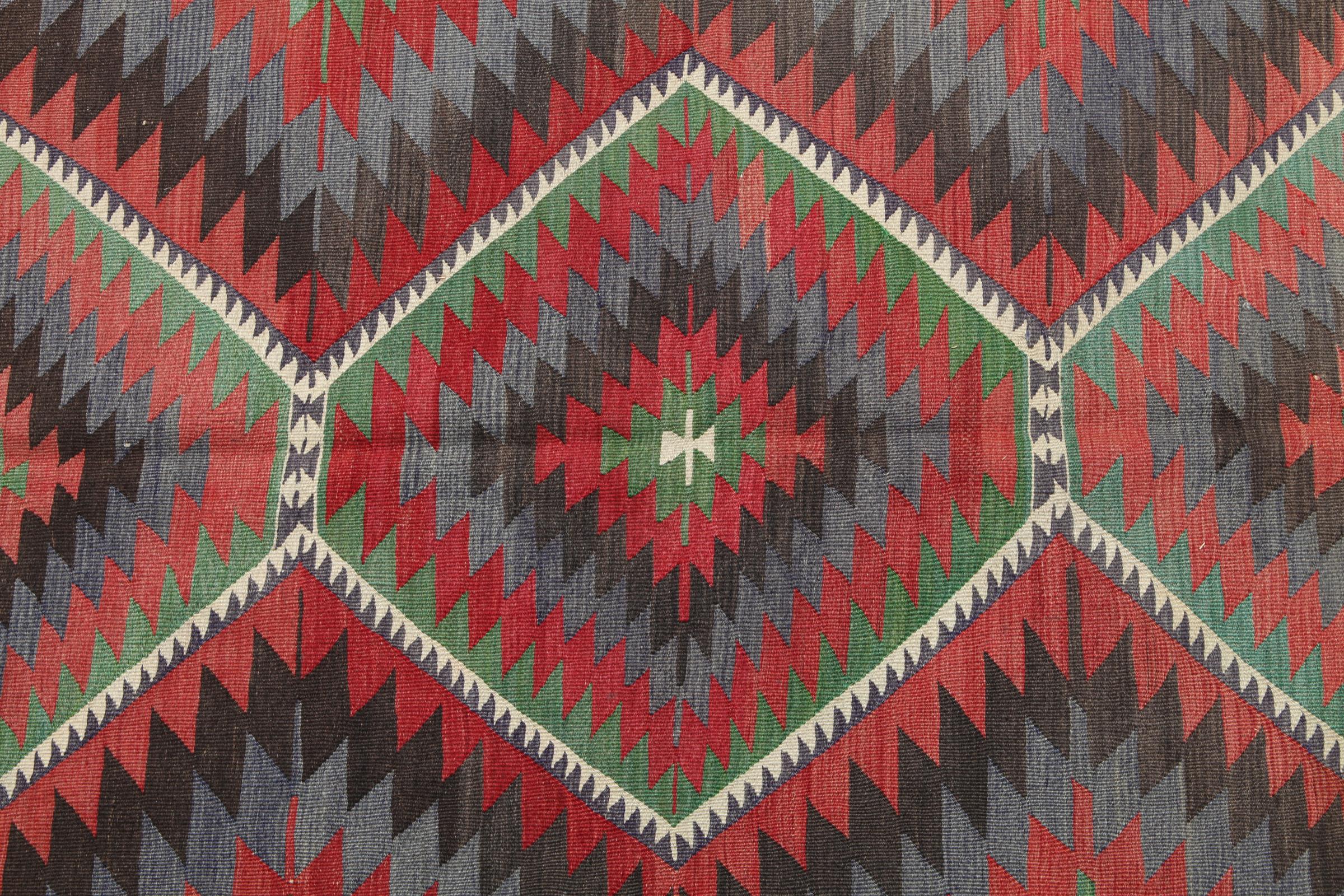
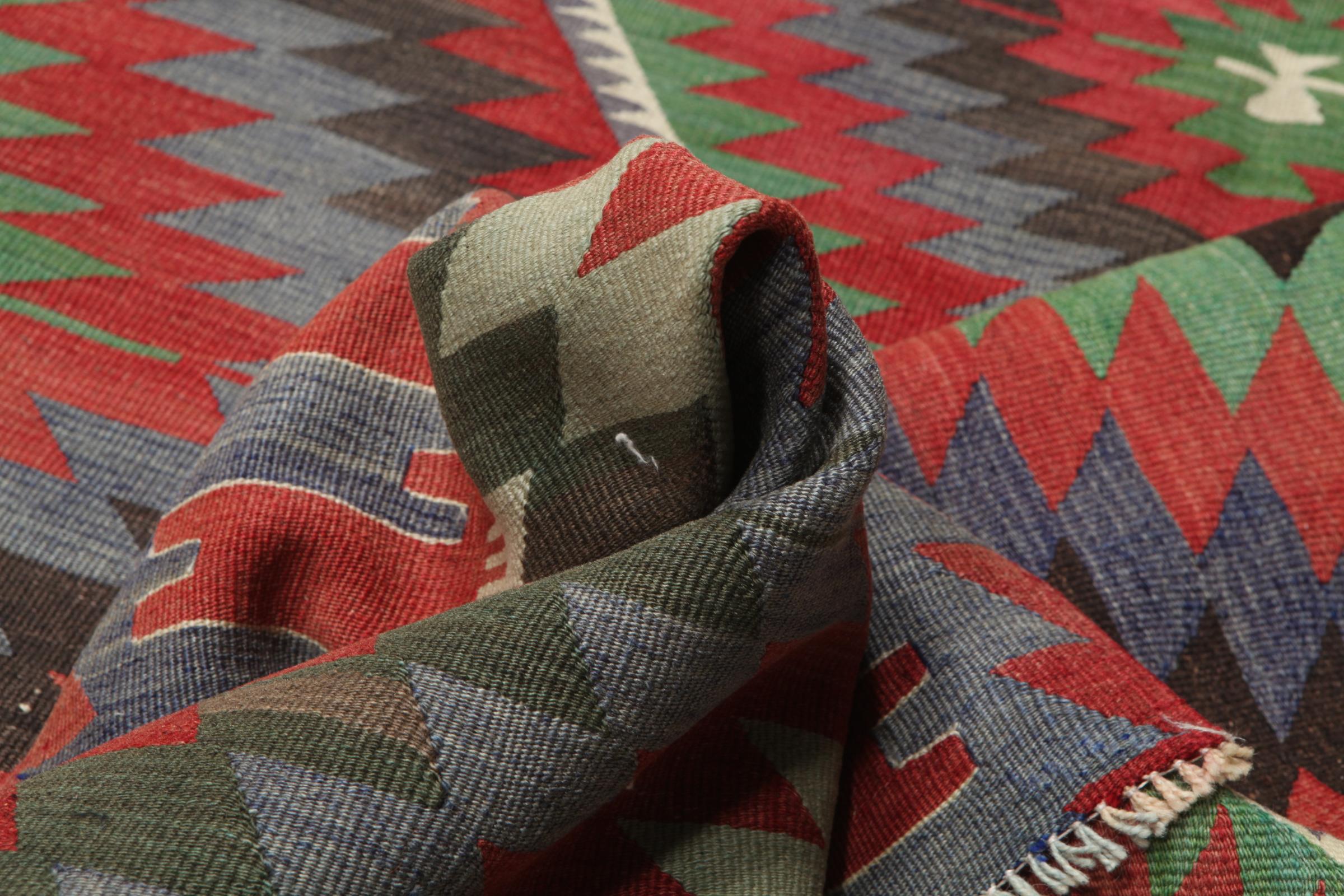
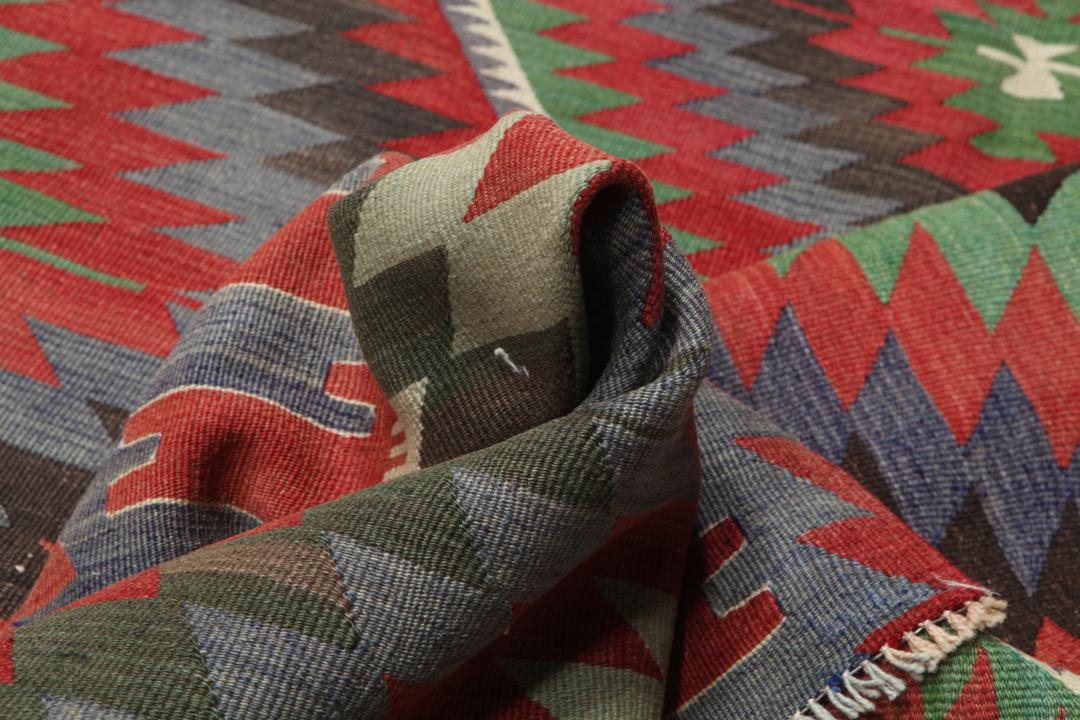
The term Kilim refers specifically to the slit-weave technique used to create these rugs, where the weft threads are passed back and forth through the warp threads. This method creates a thin, durable, and reversible fabric that is distinct from knotted pile rugs, offering a lighter profile while maintaining remarkable structural integrity.
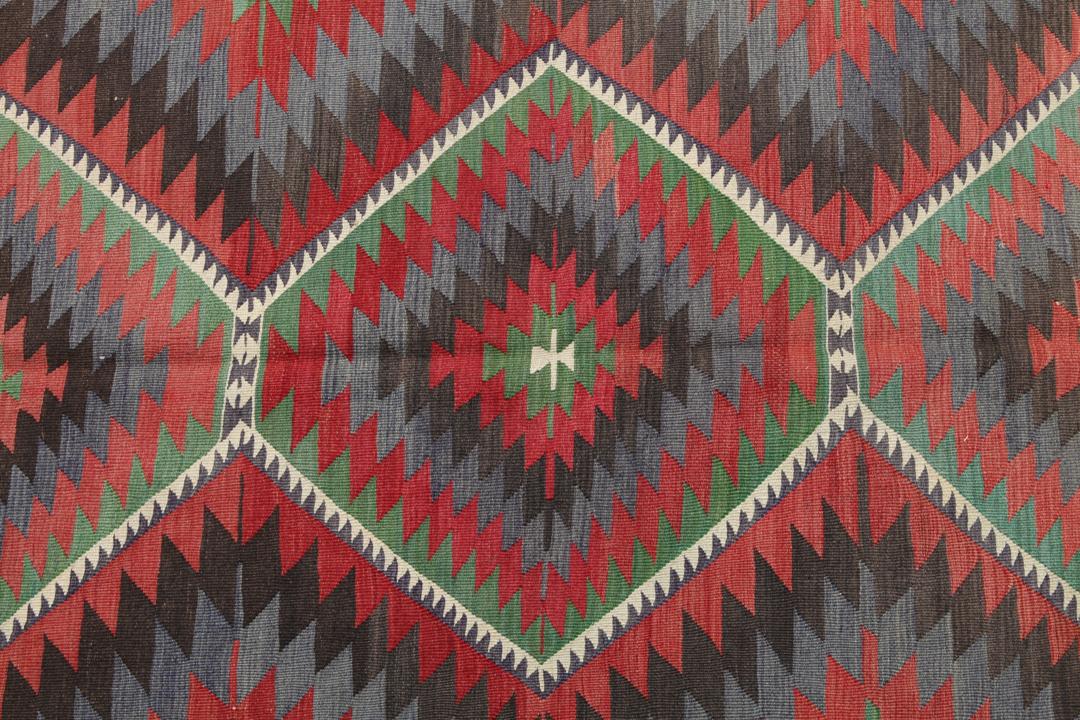
The signature design elements often include bold geometric shapes, diamonds, and stylized floral motifs that carry symbolic meanings passed down through generations. These patterns are not merely decorative but often tell stories of the weaver's surroundings, tribal identity, and hopes for the future, with colours derived from natural dyes that age beautifully over time.
Collectors value these rugs for their historical significance and the immense skill required to master the flat-weave technique. Owning a vintage Kilim is a way to preserve a piece of cultural heritage, as these rugs represent a lifestyle and a craft tradition that has remained largely unchanged for hundreds of years, offering lasting value and timeless aesthetic appeal.