Kilim weaving is one of the oldest textile traditions in Anatolia, Turkey, dating back thousands of years. Originating among nomadic communities, these flatwoven textiles served practical purposes as floor coverings, tent dividers, and storage bags, evolving over centuries into a renowned regional art form.
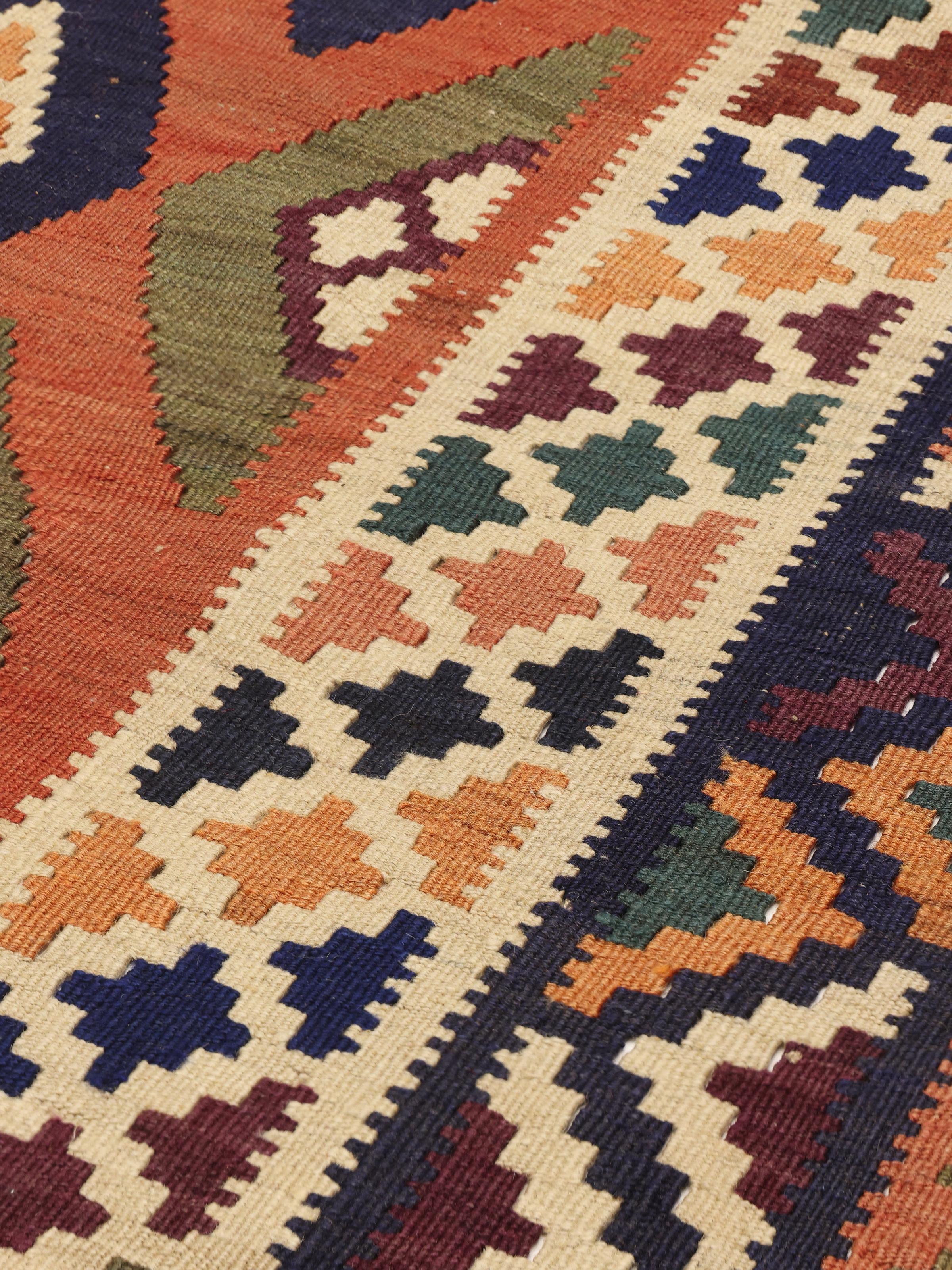
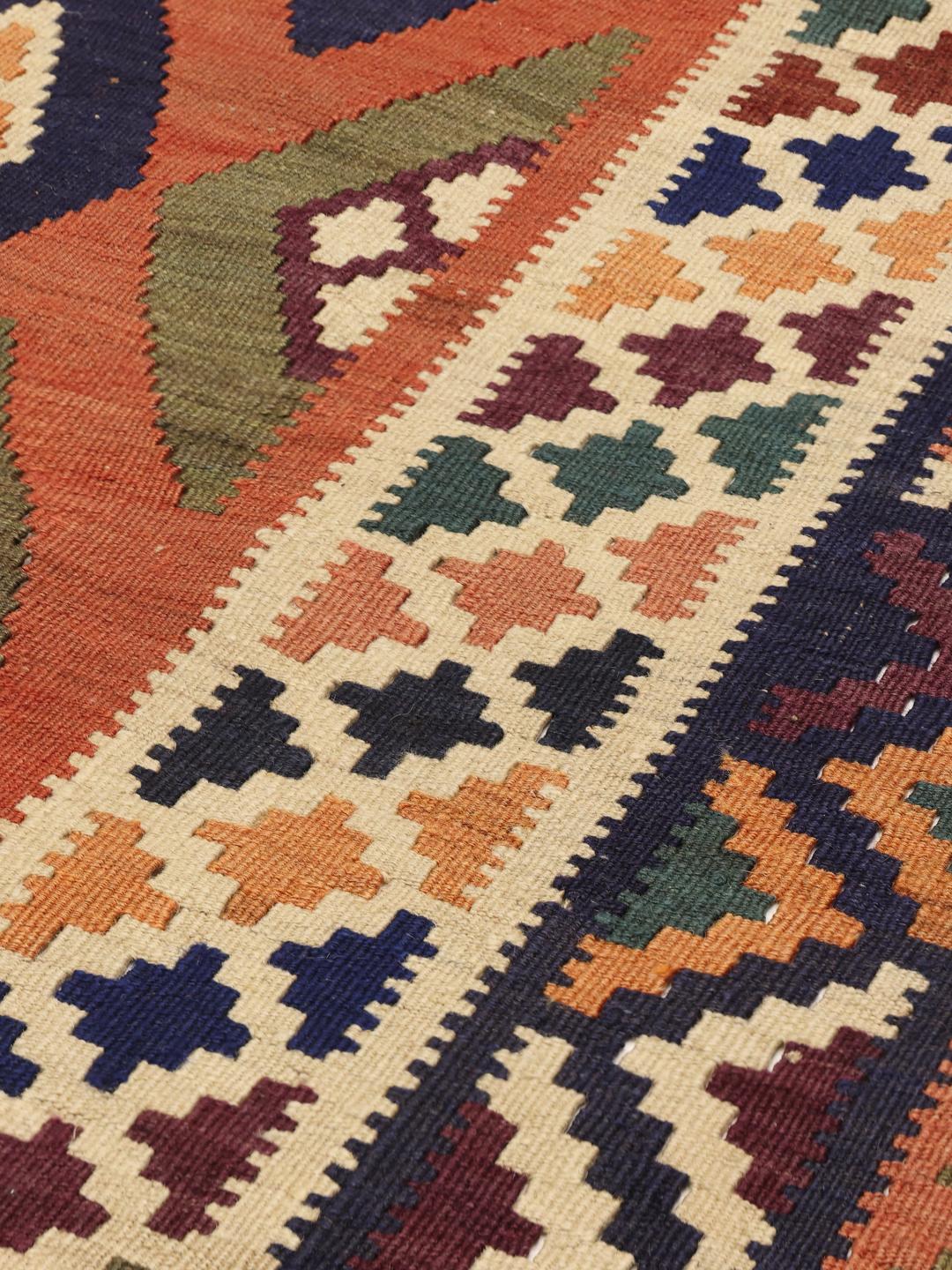
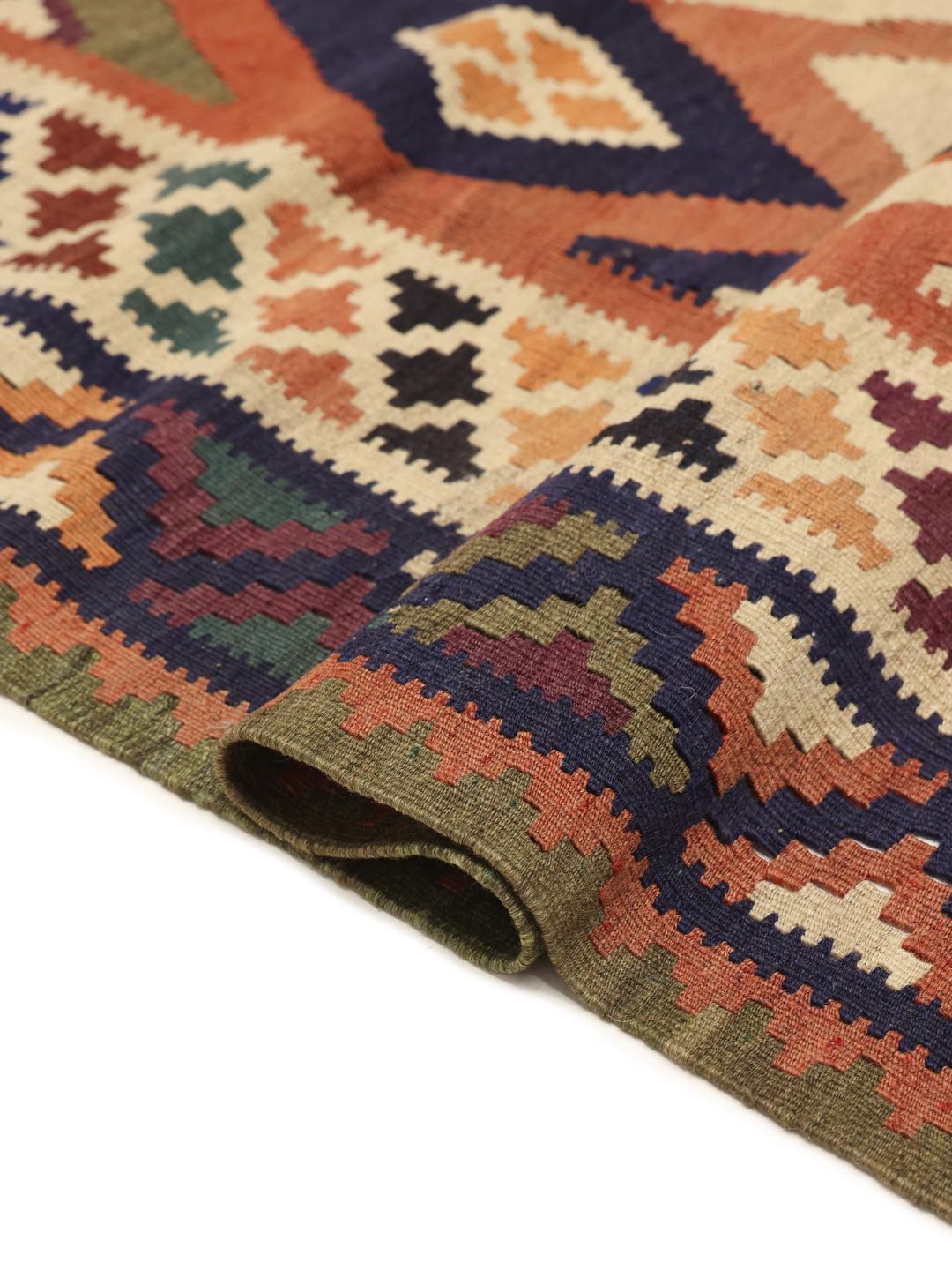
Unlike pile rugs which use tied knots, kilims are constructed using a flatweaving technique where the weft threads are tightly woven through the warp strands. This process creates a flat, pile-free surface that is light, durable, and reversible, showcasing crisp geometric motifs on both sides.
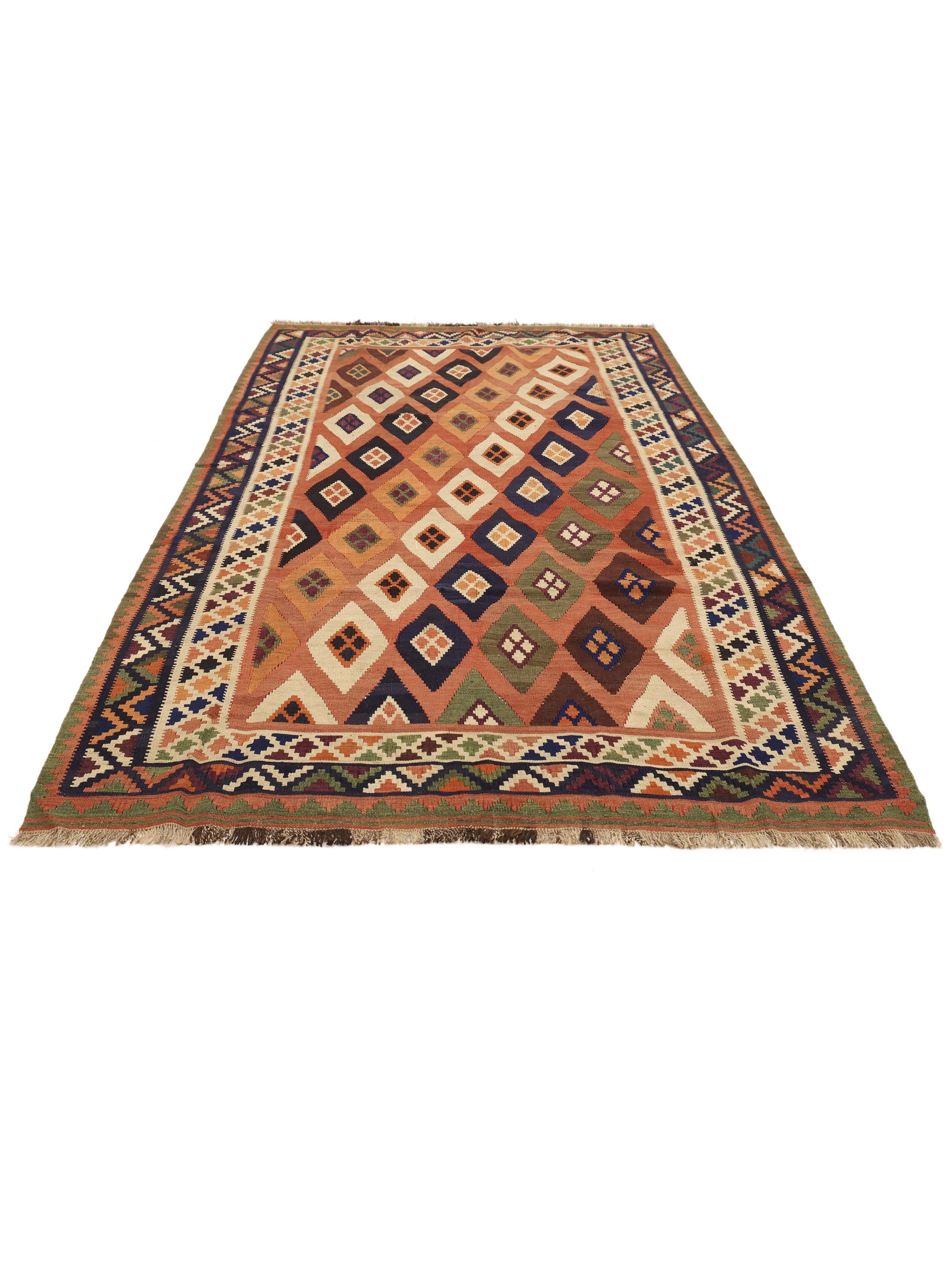
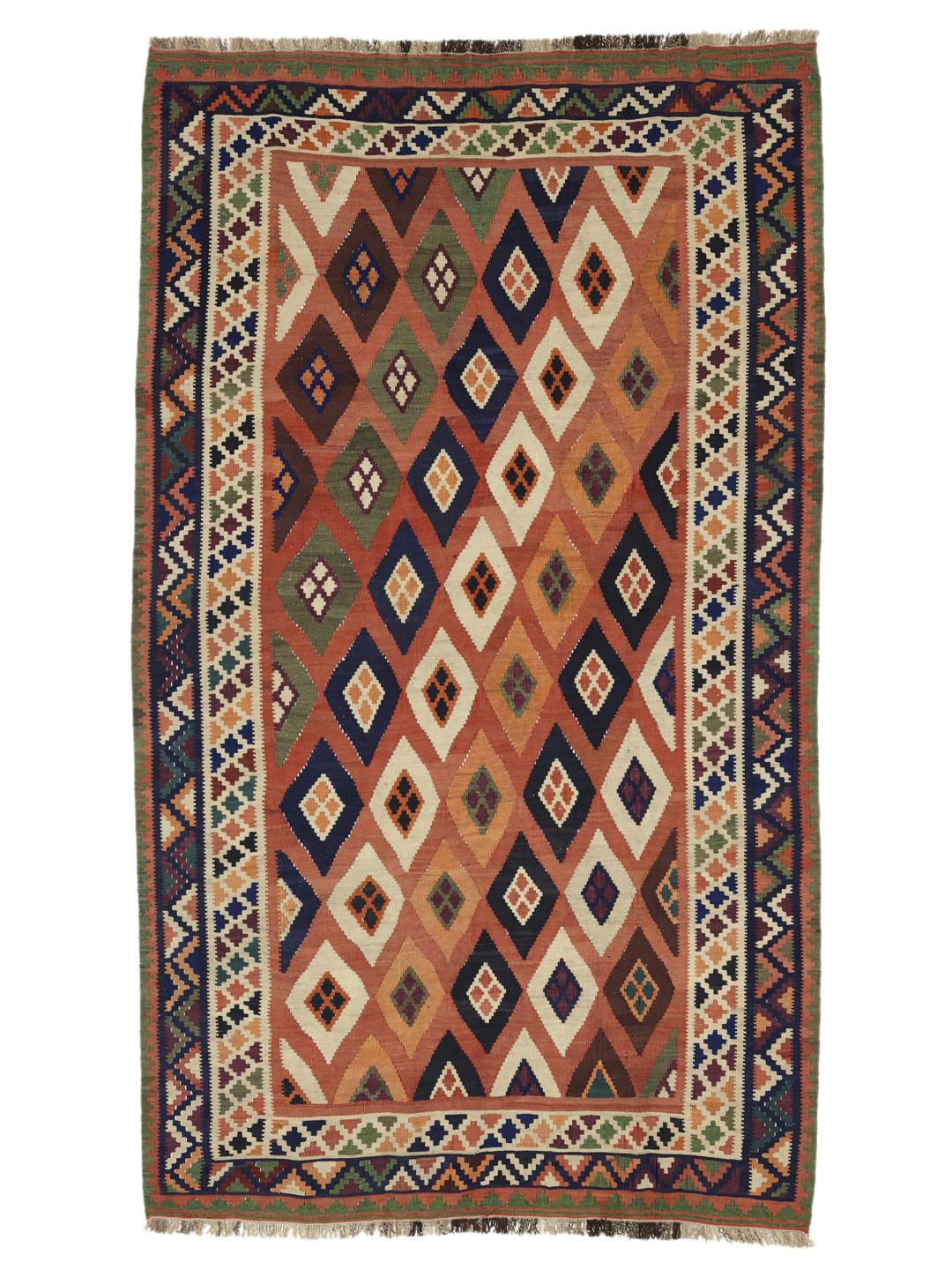
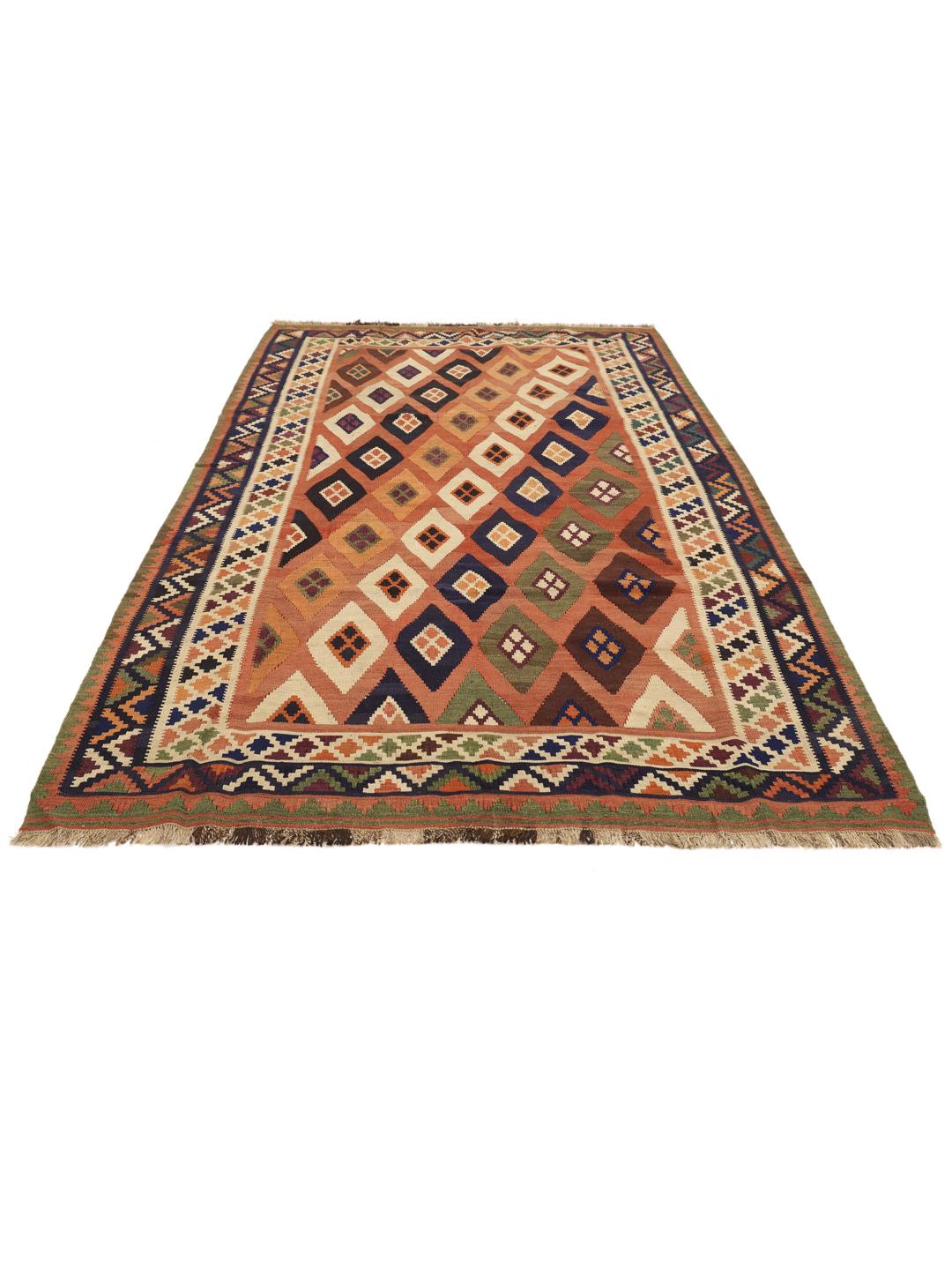
The design of this piece features classic diamond patterns and detailed decorative borders, which historically carried deep symbolic meanings for the weaver. Terracotta, deep reds, and blues form a traditional color palette derived from natural vegetable dyes, reflecting the landscape and heritage of Anatolia.
Vintage Anatolian kilims aged between 20 and 50 years are sought after by collectors for their mellowed color tones and rich tactile quality. Acquiring an original piece from this era connects your home to a living tradition of craftsmanship and cultural identity.