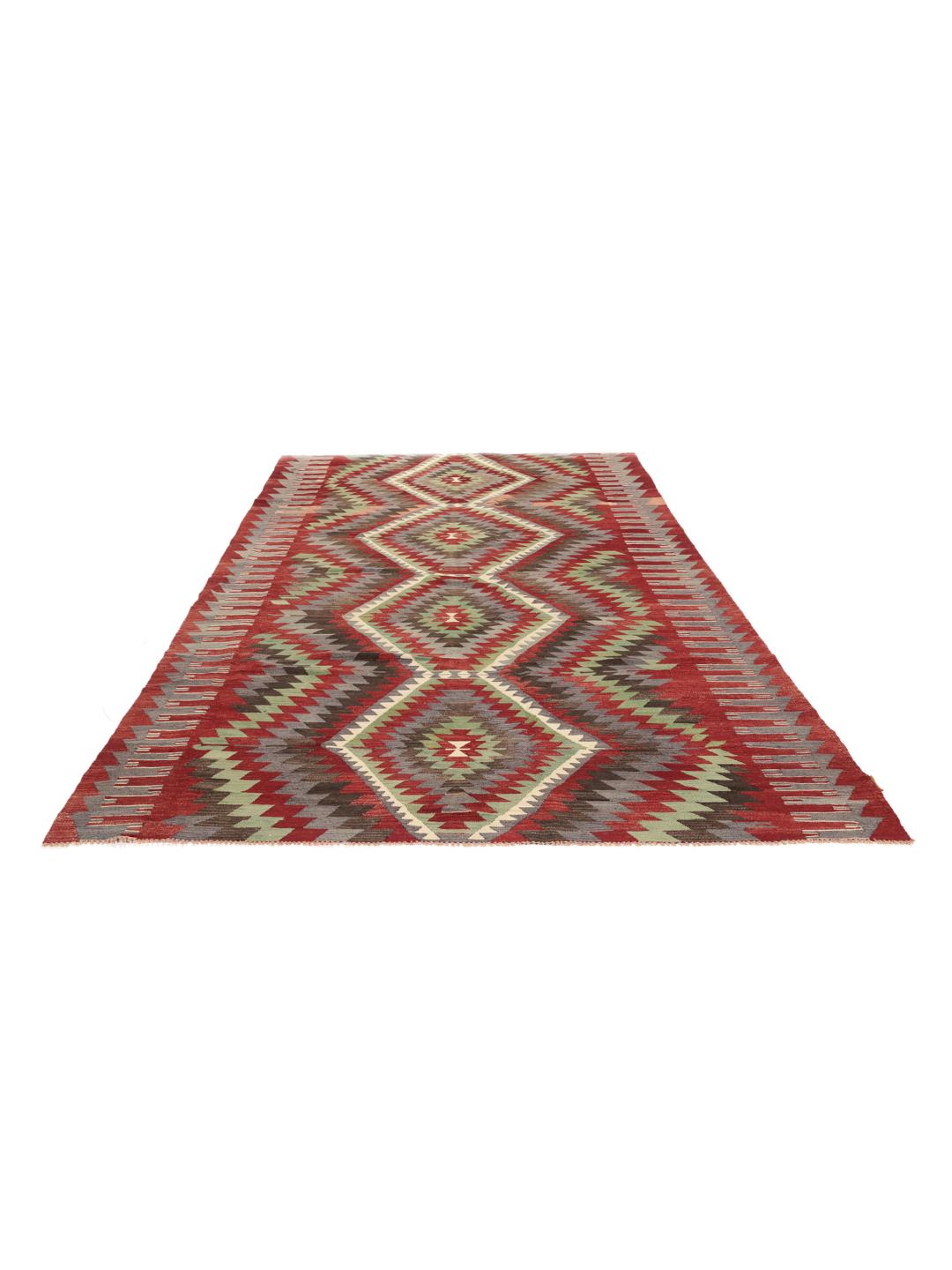
Kilim rugs originate from the rich weaving traditions of the Middle East and Central Asia, with Turkey standing as a primary centre for these flat-woven textiles. Historically, these rugs were created by nomadic tribes as functional items for tents, used as floor coverings, blankets, or saddlebags, reflecting a culture that valued both utility and artistic expression.
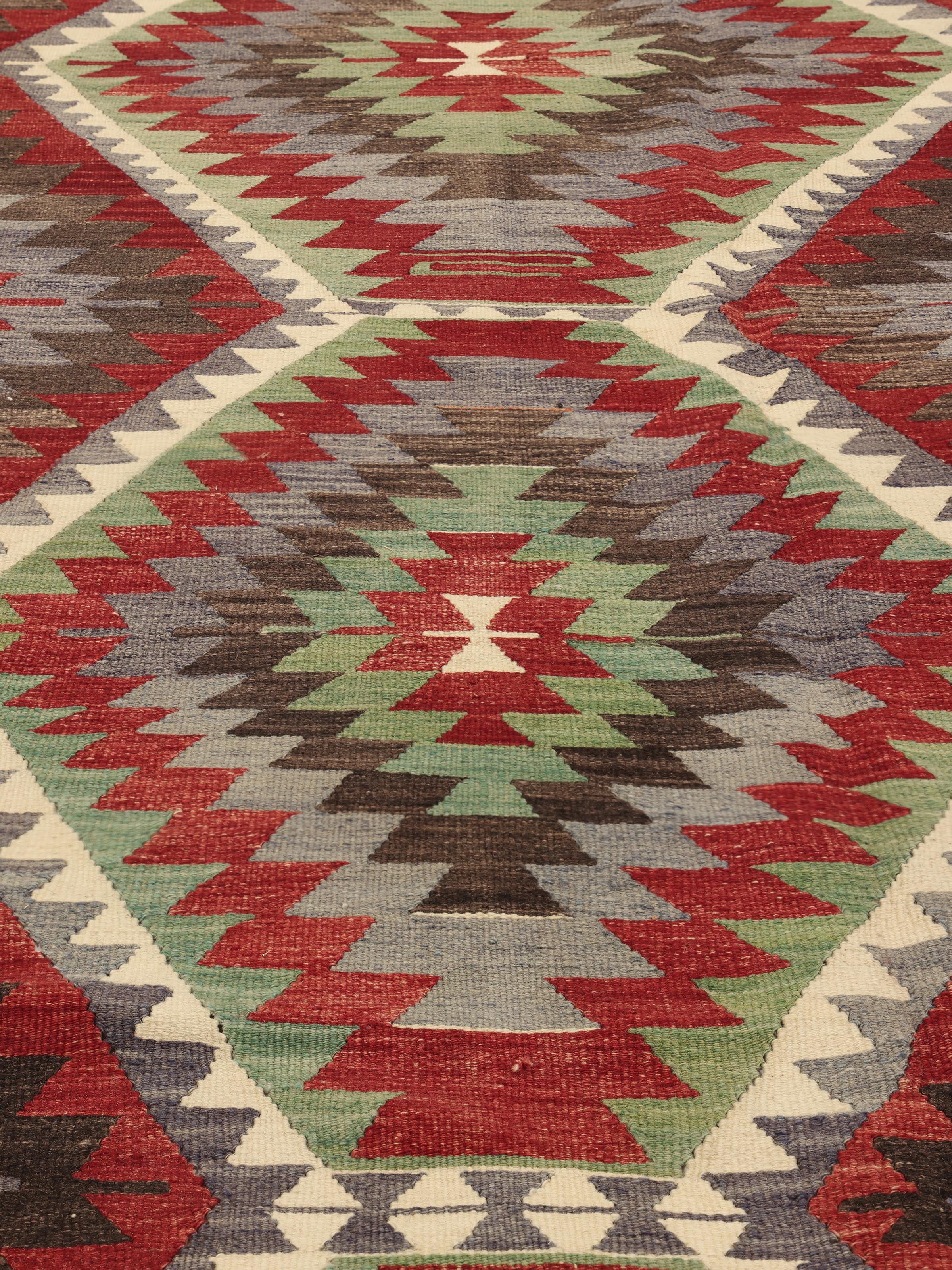
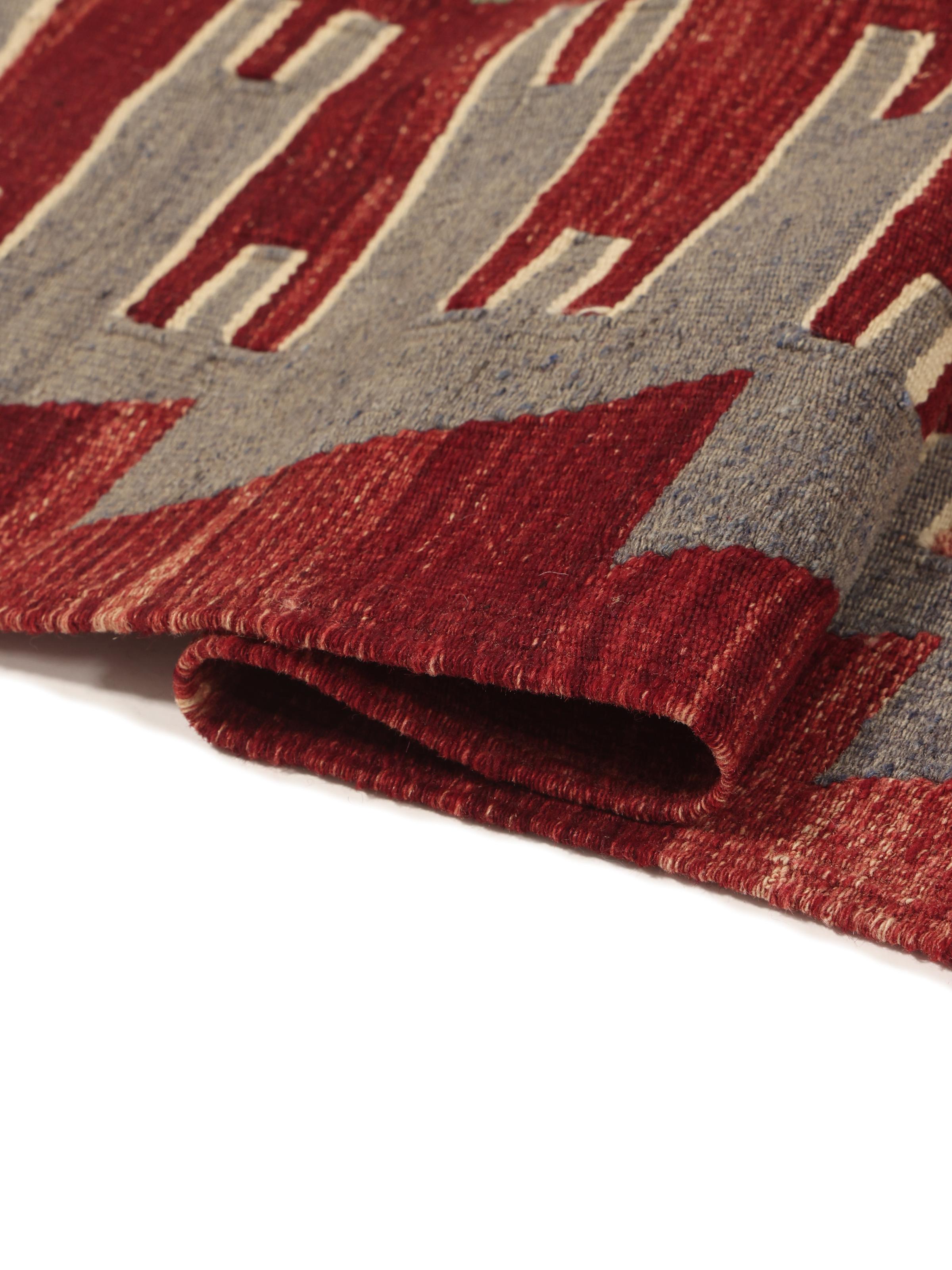
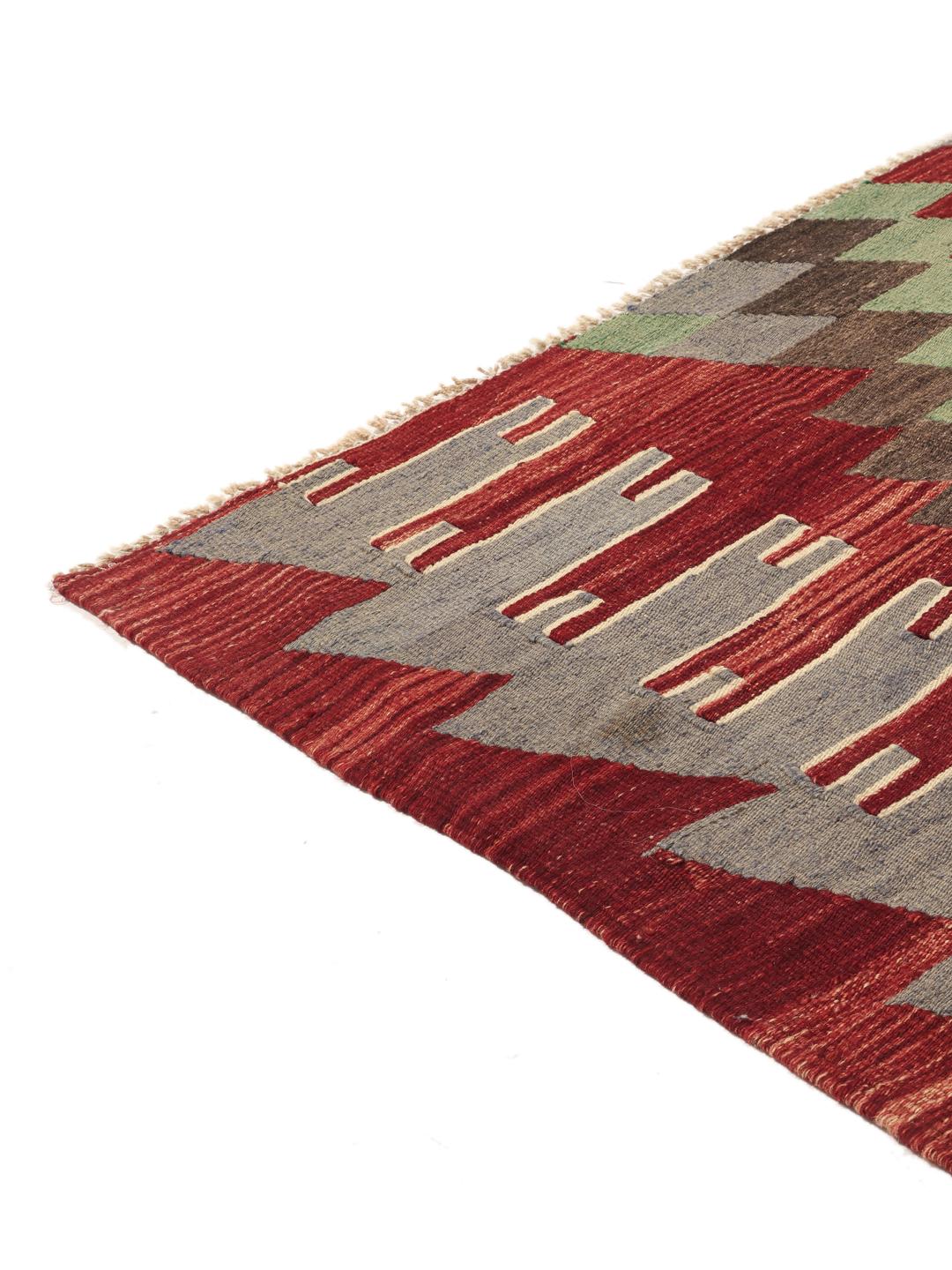
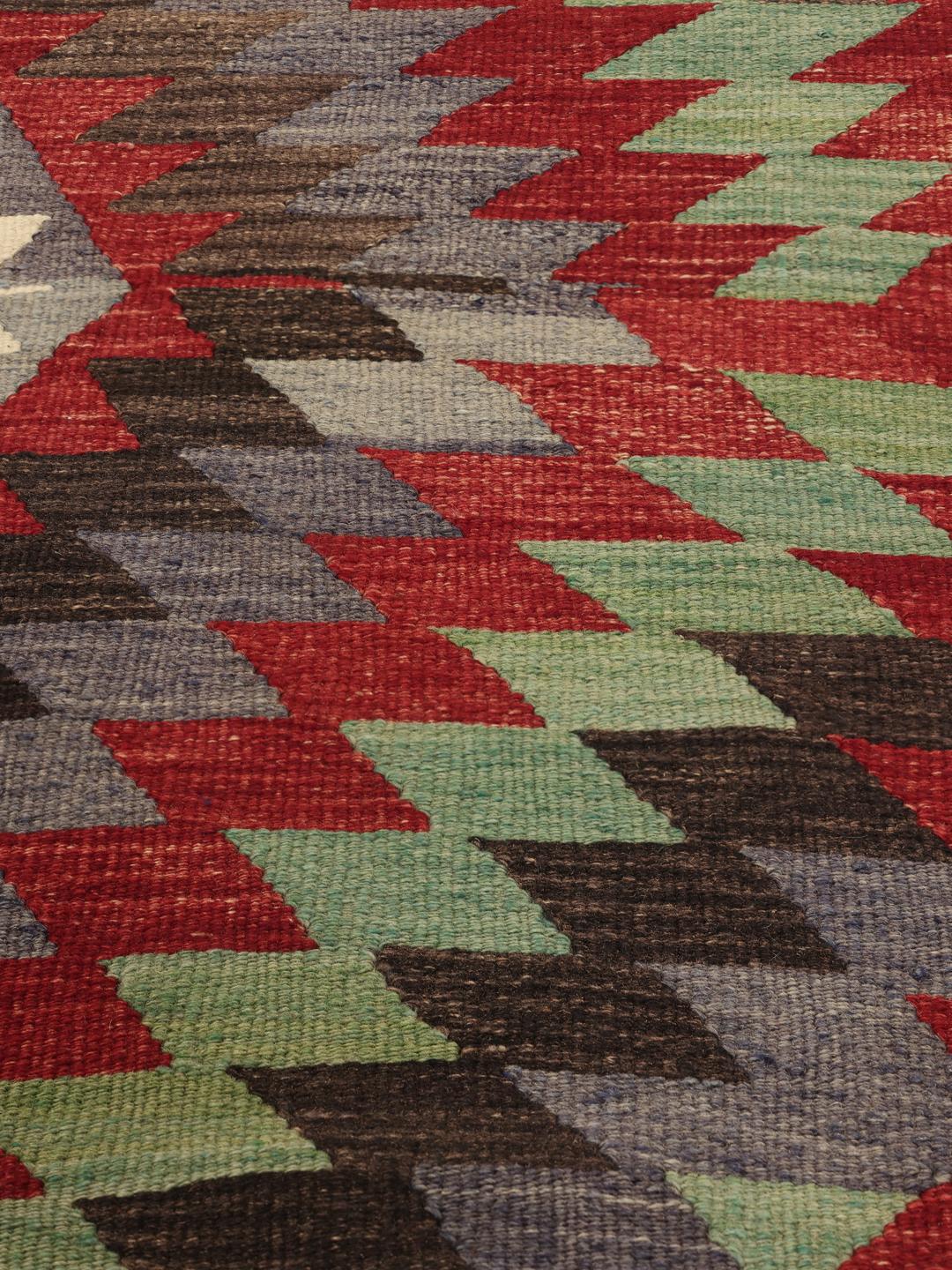
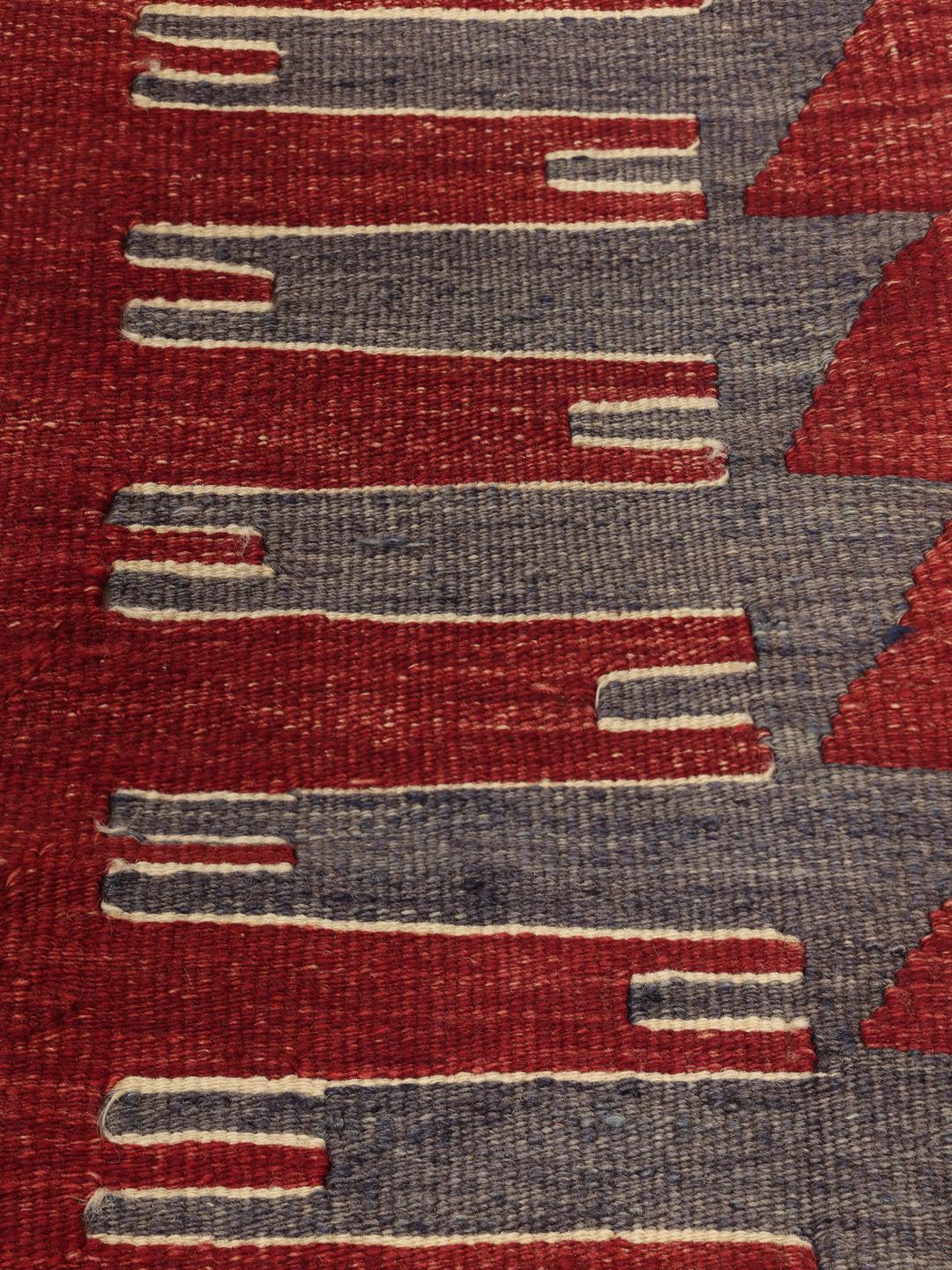
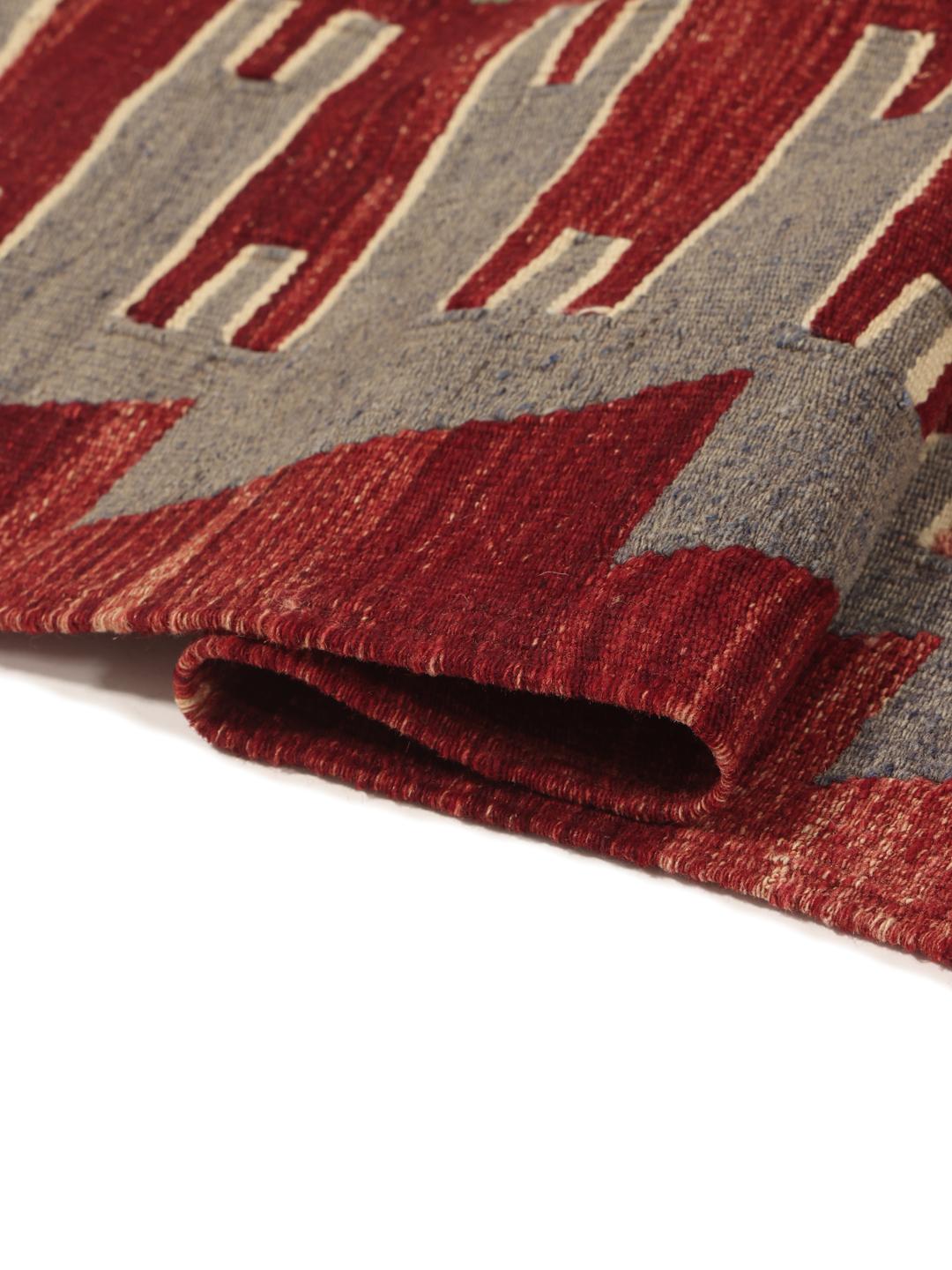
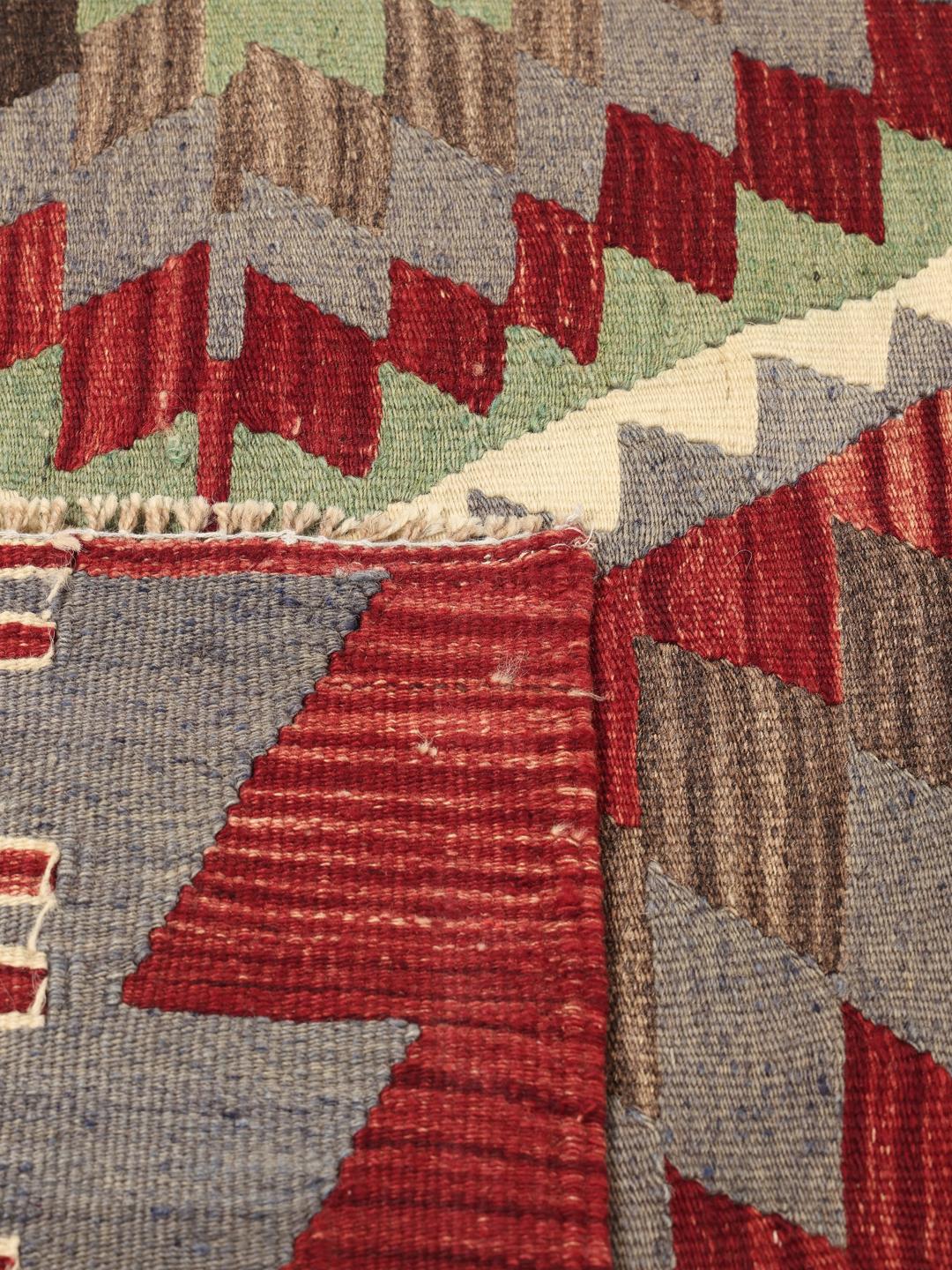
The term 'kilim' specifically refers to the slit-weave technique, where the weft threads are pulled tightly to hide the warp threads, creating the characteristic flat surface. This technique allows for sharp, clean-edged geometric patterns that define the style, as the designs are formed by the interplay of the coloured weft yarns.
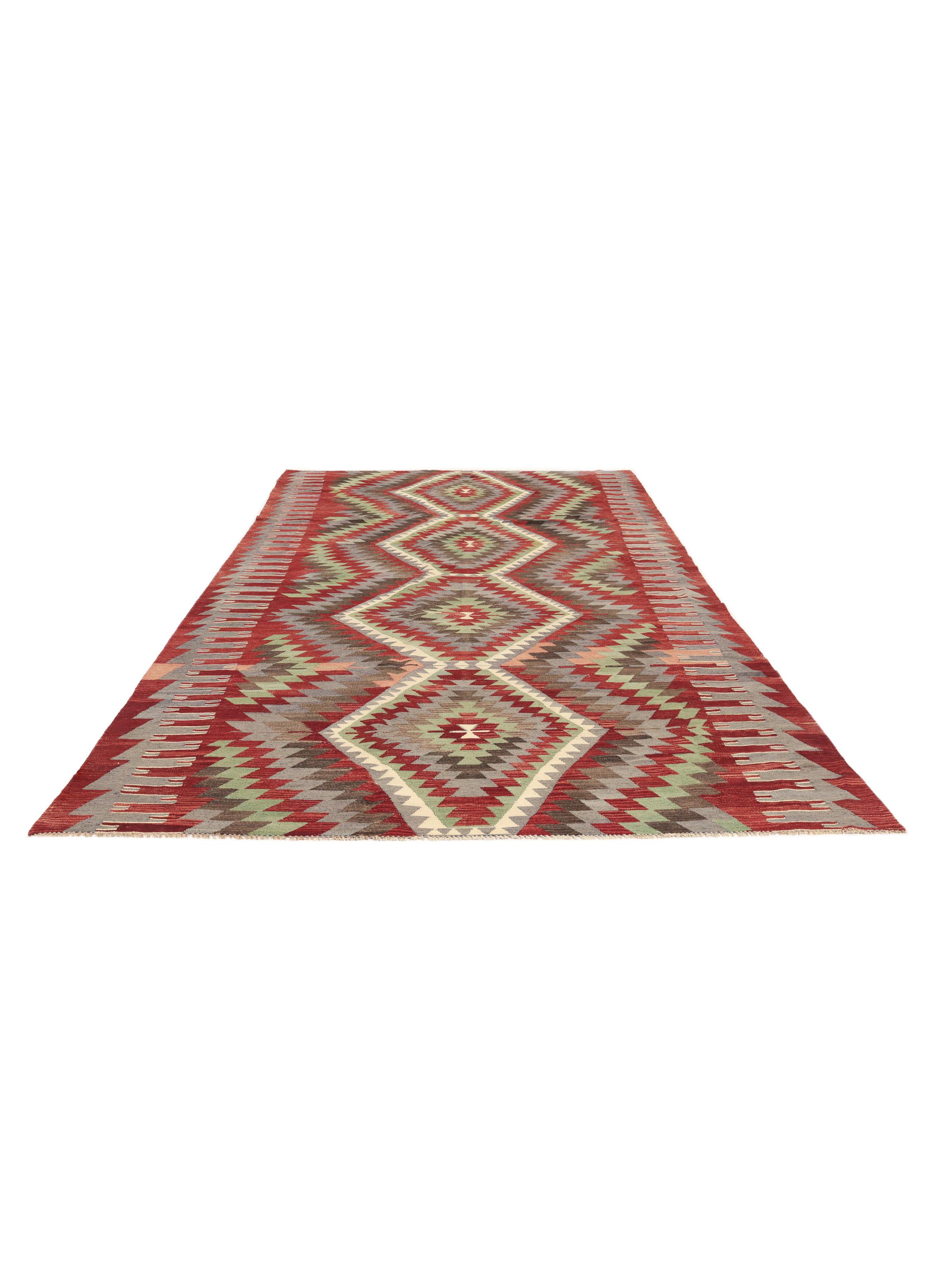
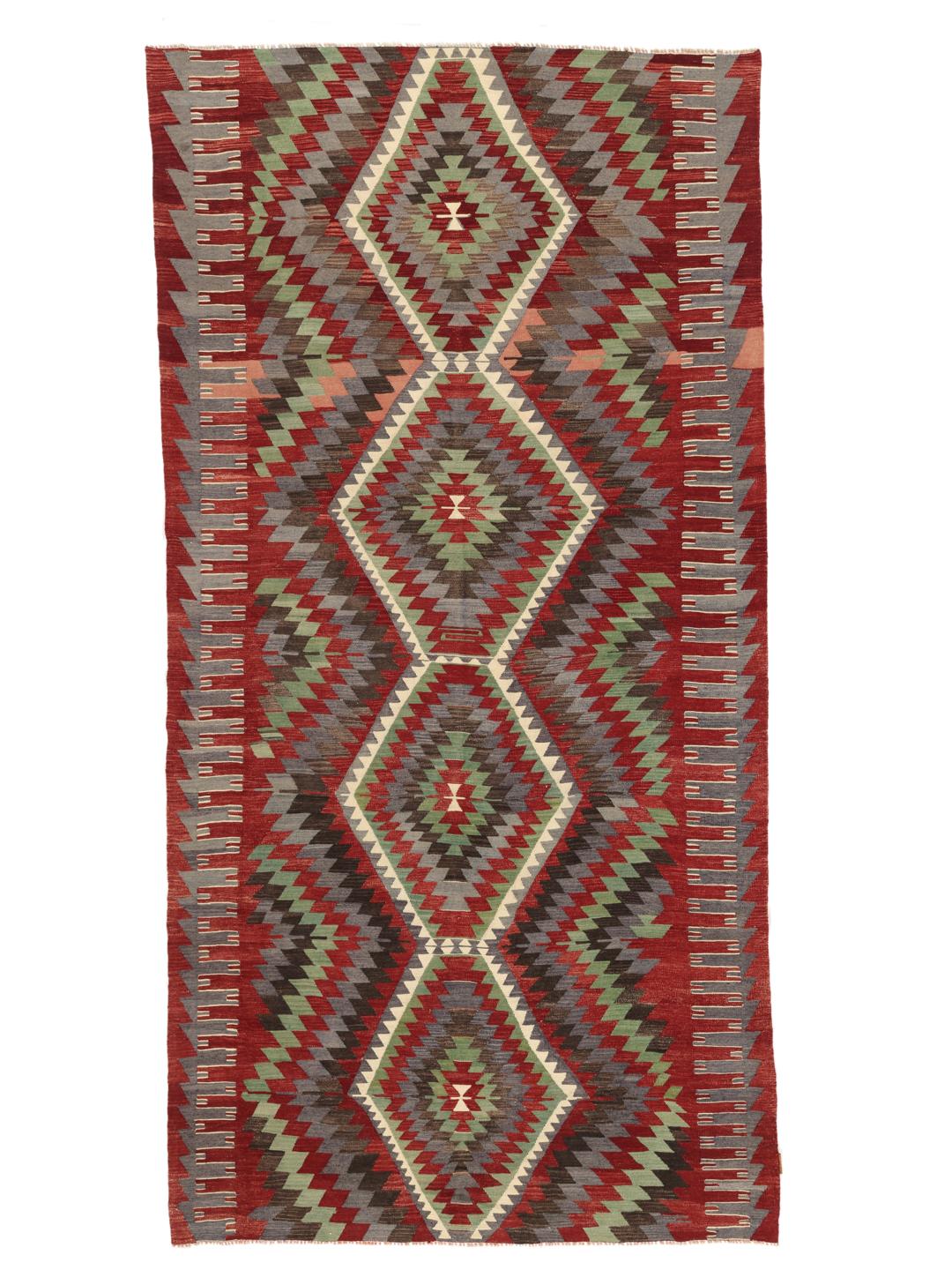
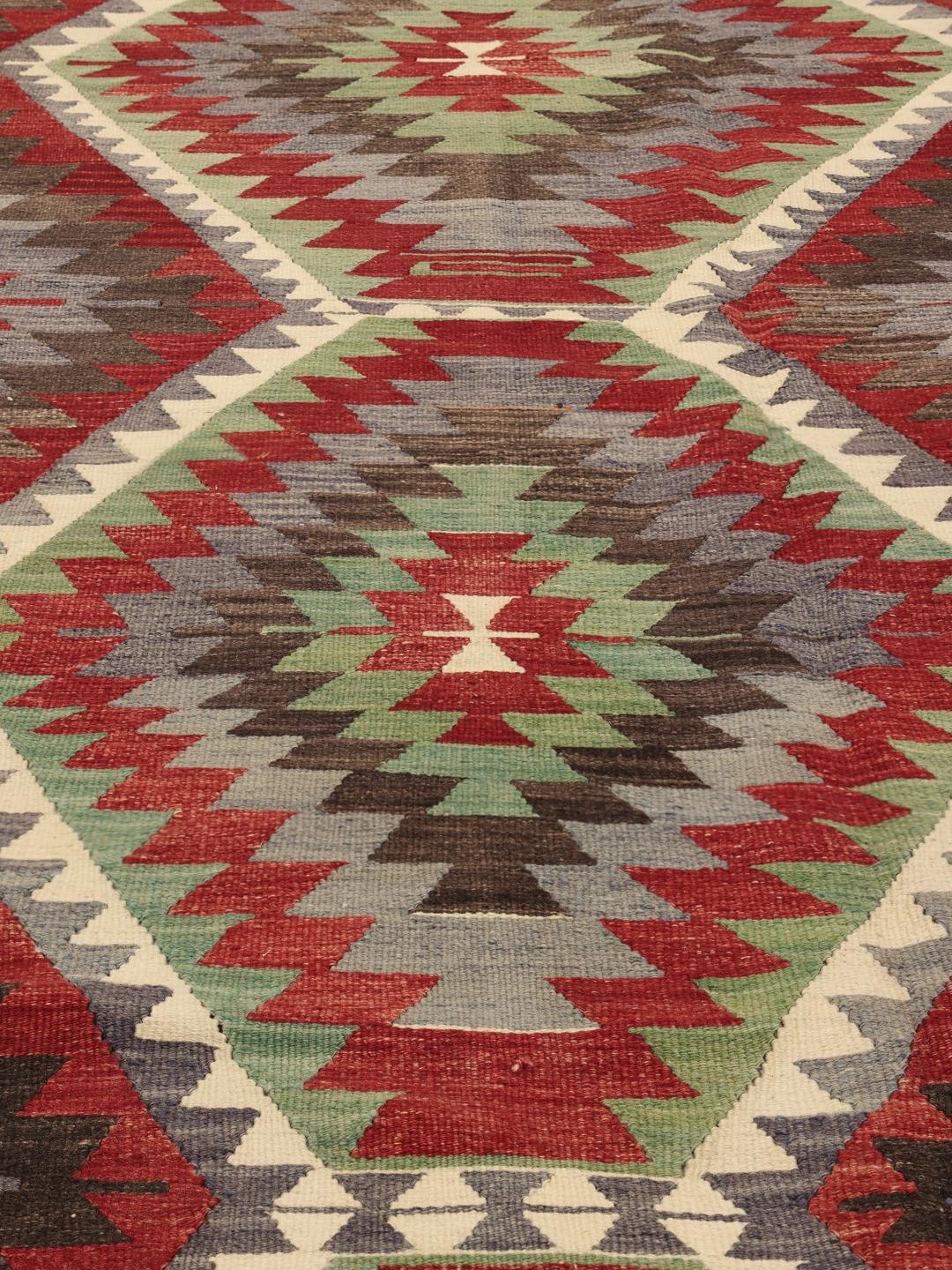
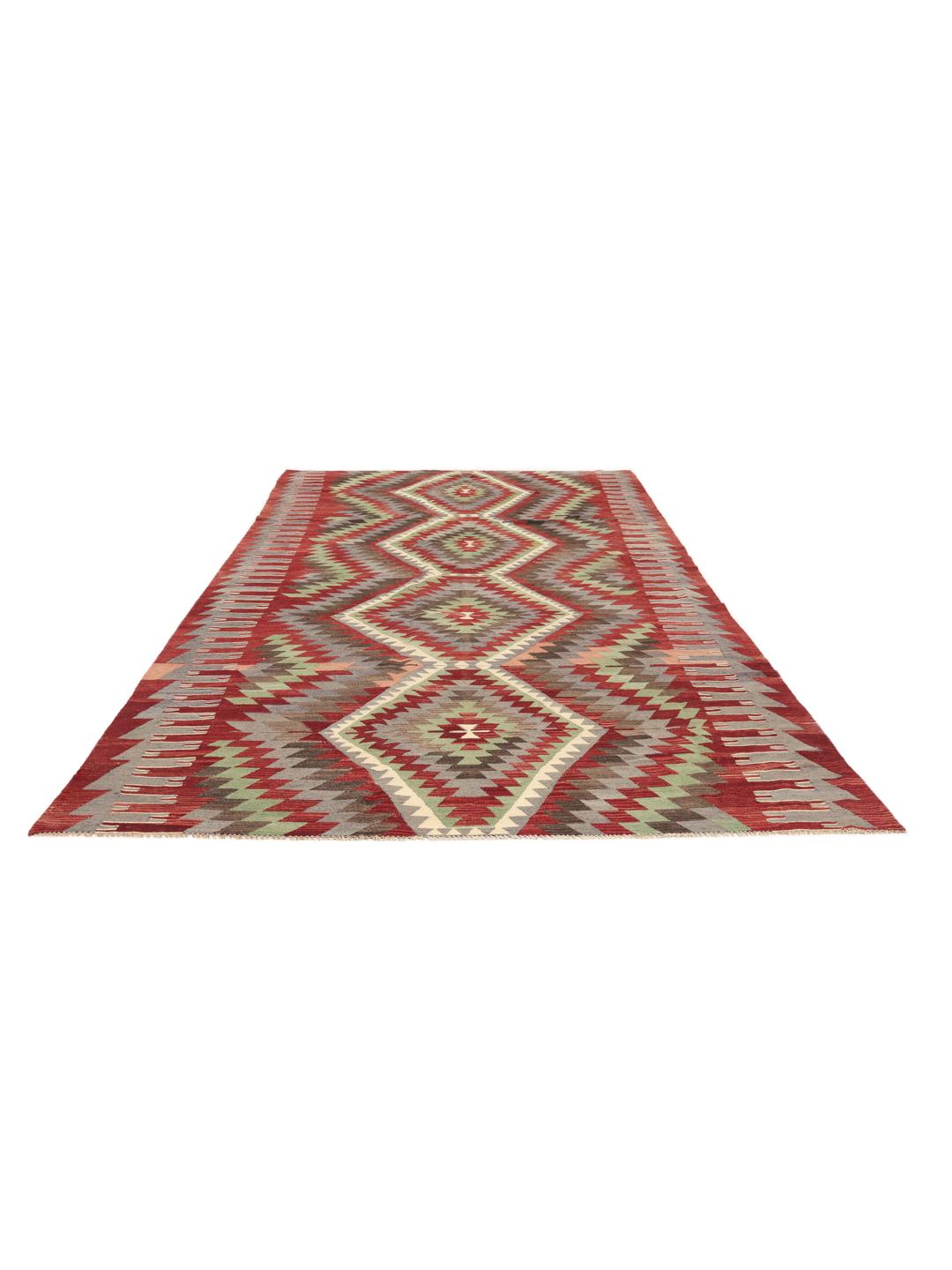
Visually, this rug showcases the classic geometric motifs common in Turkish weaving, including large, stylized diamonds that draw the eye across the field. These patterns are not merely decorative but are deeply rooted in regional folk traditions, often representing protection, fertility, or the natural landscape of the Anatolian plateau.
Owning a vintage kilim is an opportunity to connect with a long heritage of craftsmanship. These rugs are highly valued by collectors for their cultural significance and the skill required to produce such intricate designs without a template. By choosing this piece, you are preserving a legacy of artistry and bringing a story of human ingenuity into your home.