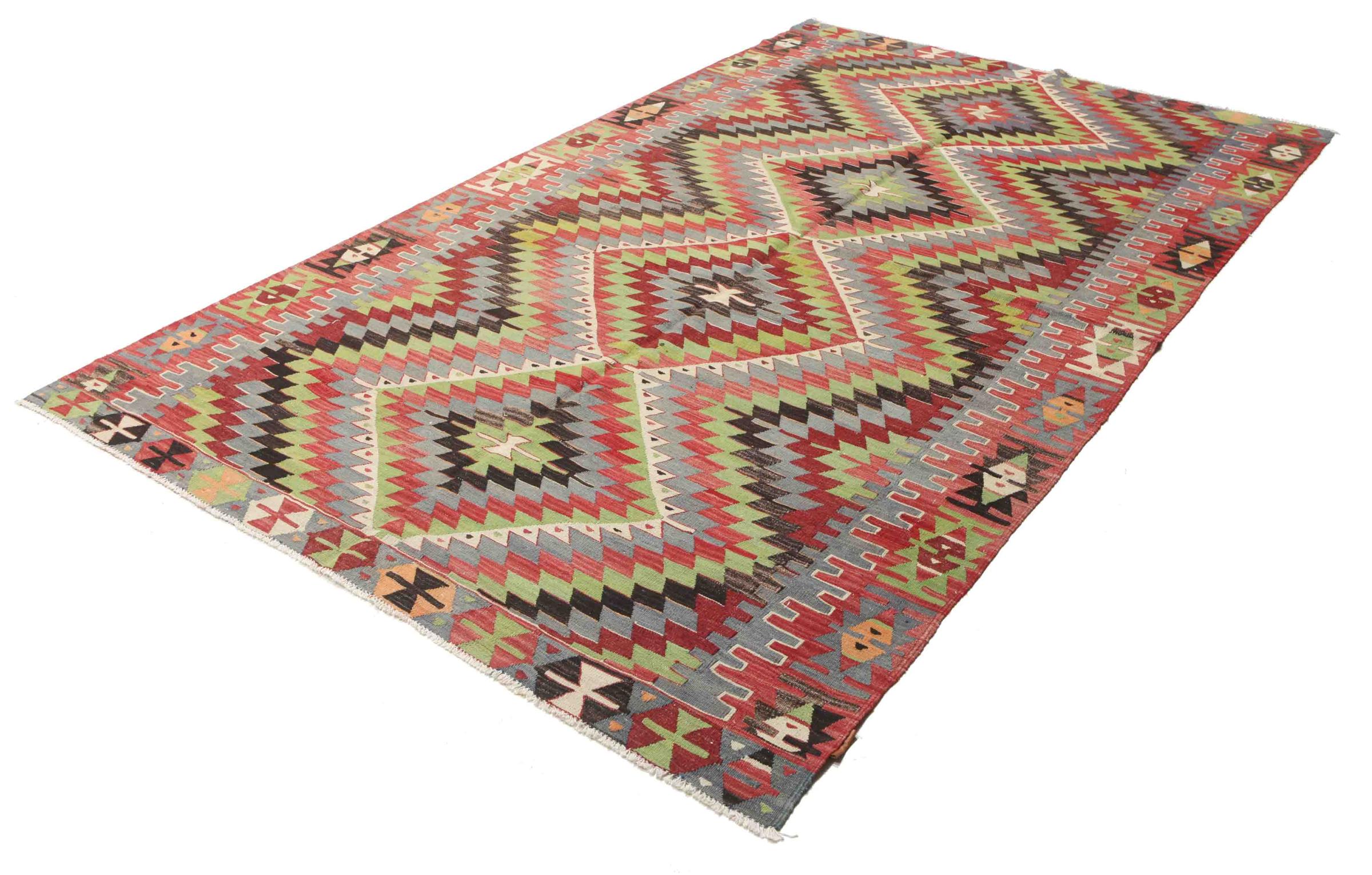
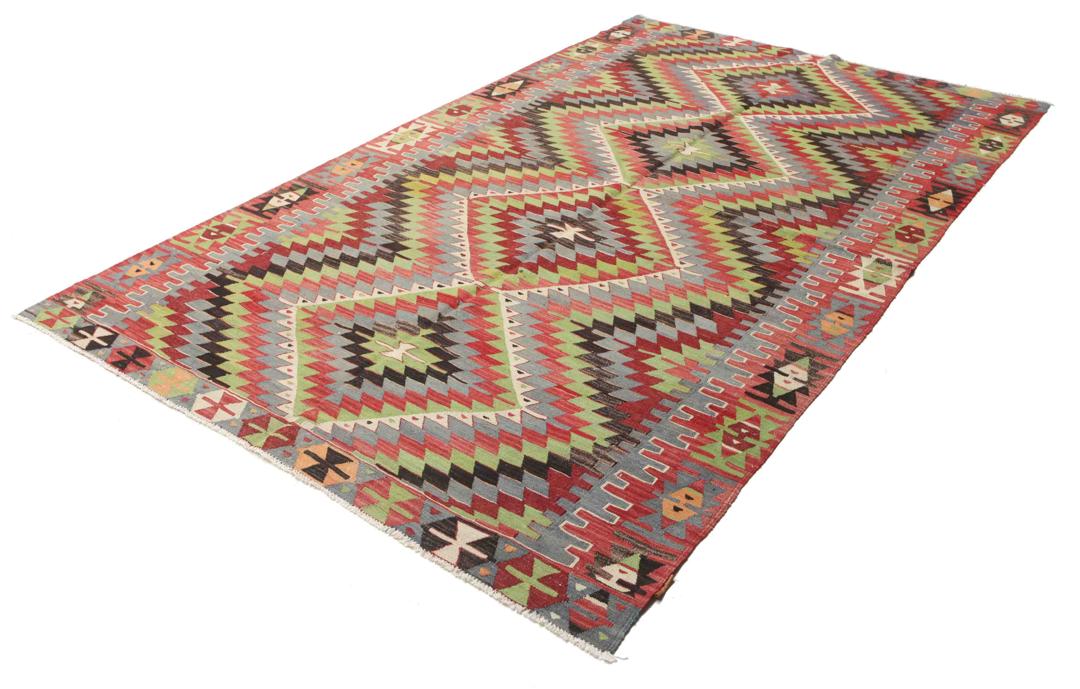
Kilim rugs represent one of the most enduring and recognisable textile traditions from the Middle East and Central Asia, with Turkey serving as a primary heartland for these flat-woven masterpieces. For centuries, these rugs have been produced by nomadic and semi-nomadic tribes, serving functional roles as floor coverings, wall hangings, and storage bags within the home.
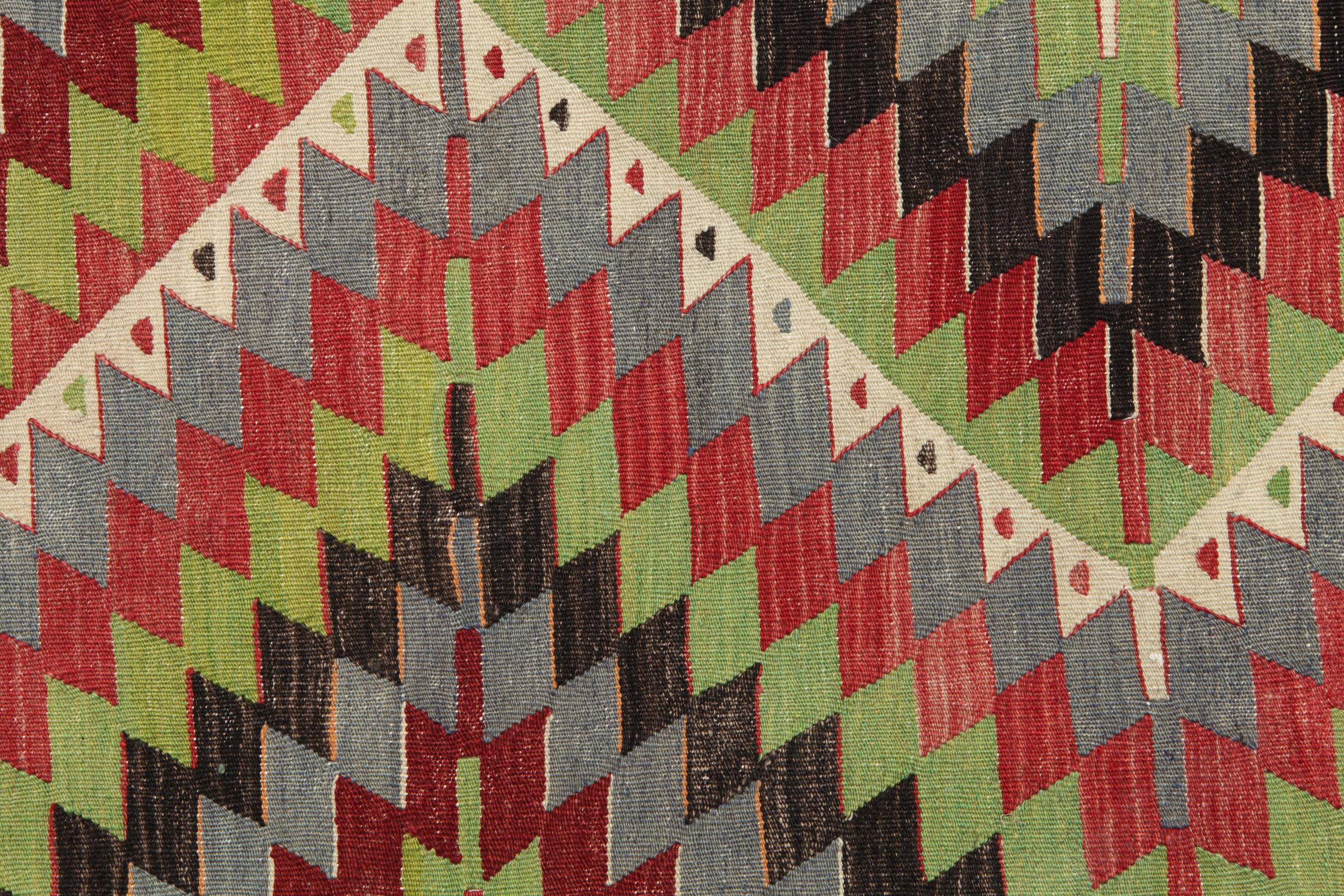
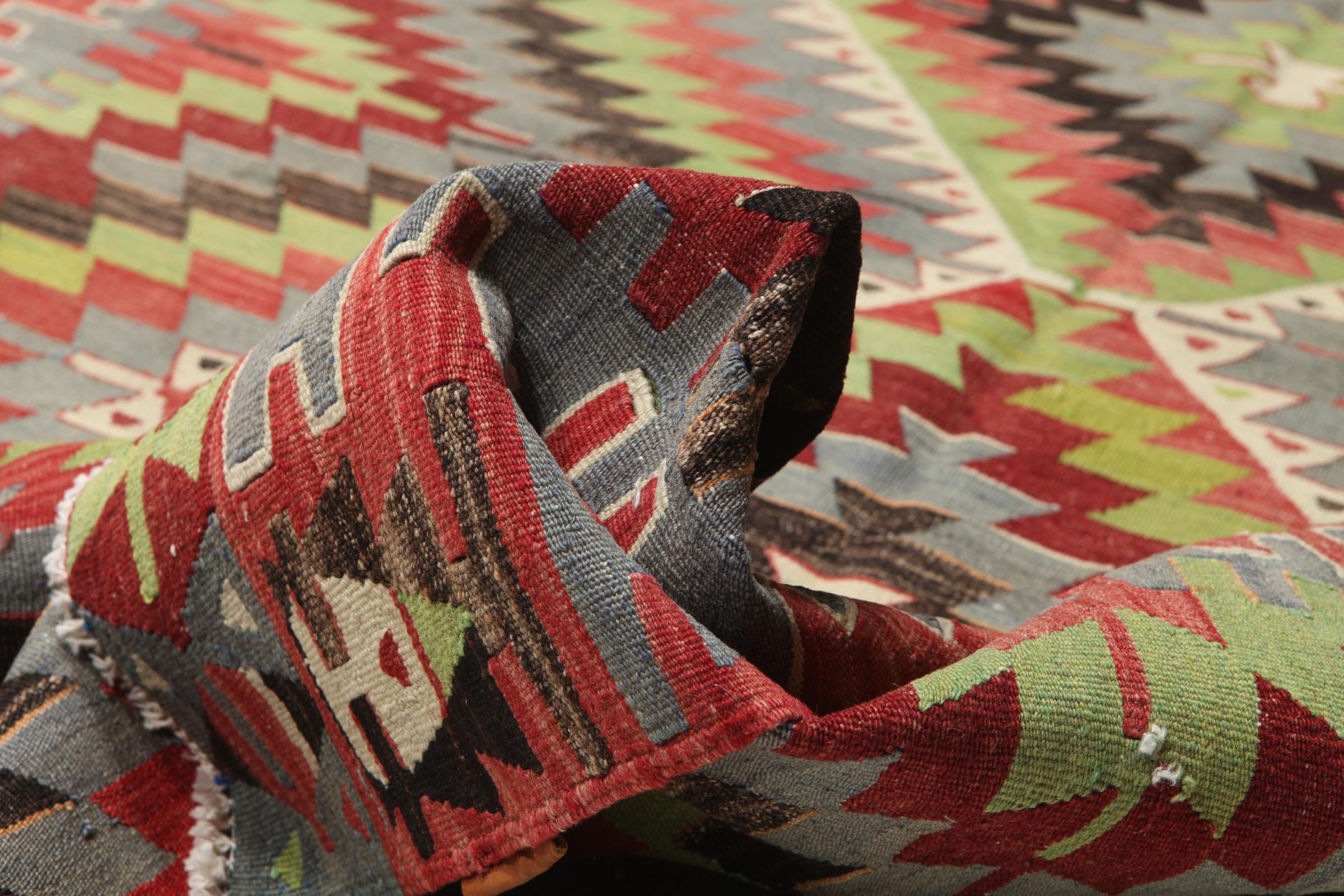
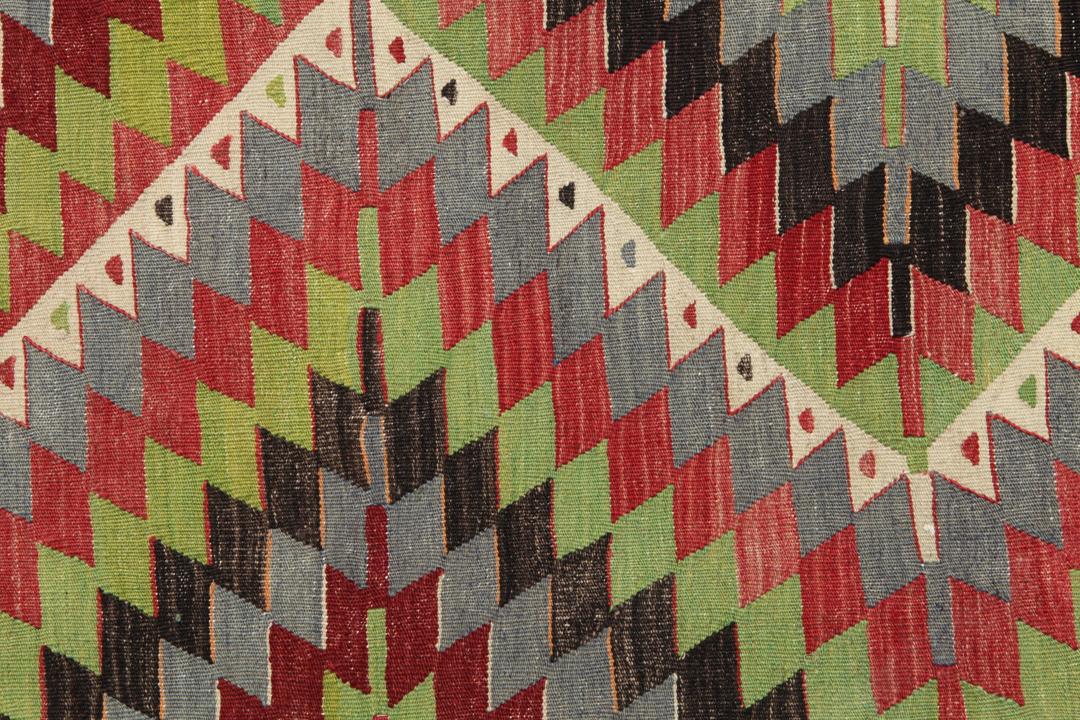
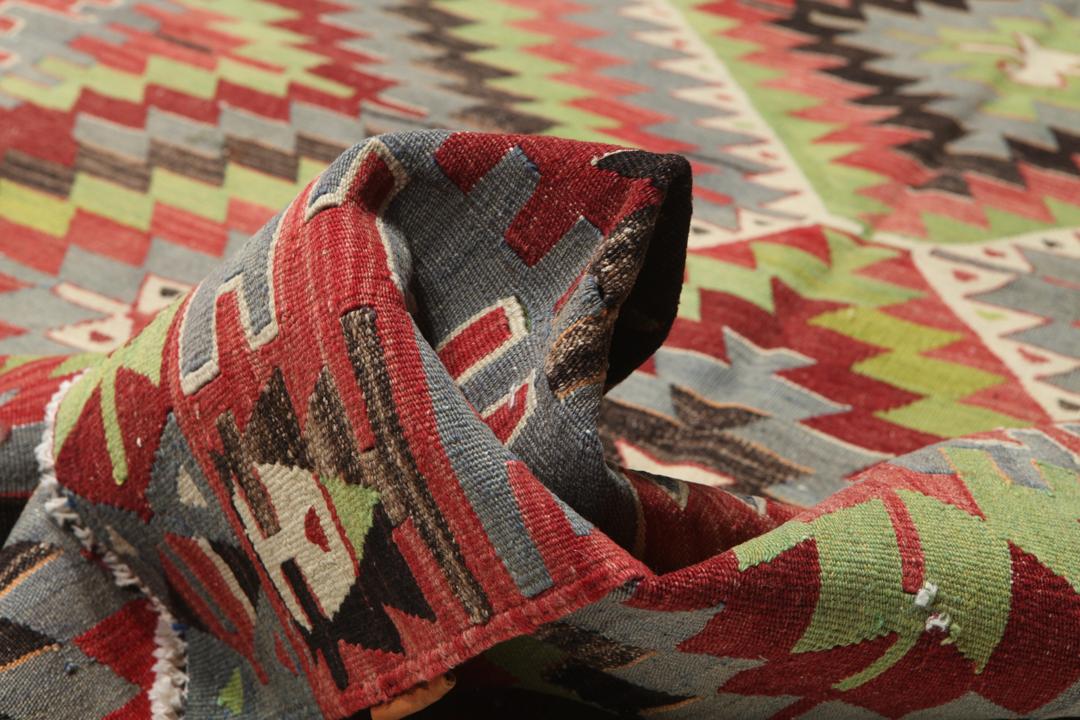
The term 'Kilim' refers specifically to the flat-weaving technique where the warp and weft threads are interlaced to create the pattern, resulting in a rug without a pile. This method allows for a lightweight yet incredibly durable textile that is easy to move and maintain. The lack of pile highlights the precision of the weaver, as the design is created entirely through the interplay of colour and structure rather than surface texture.
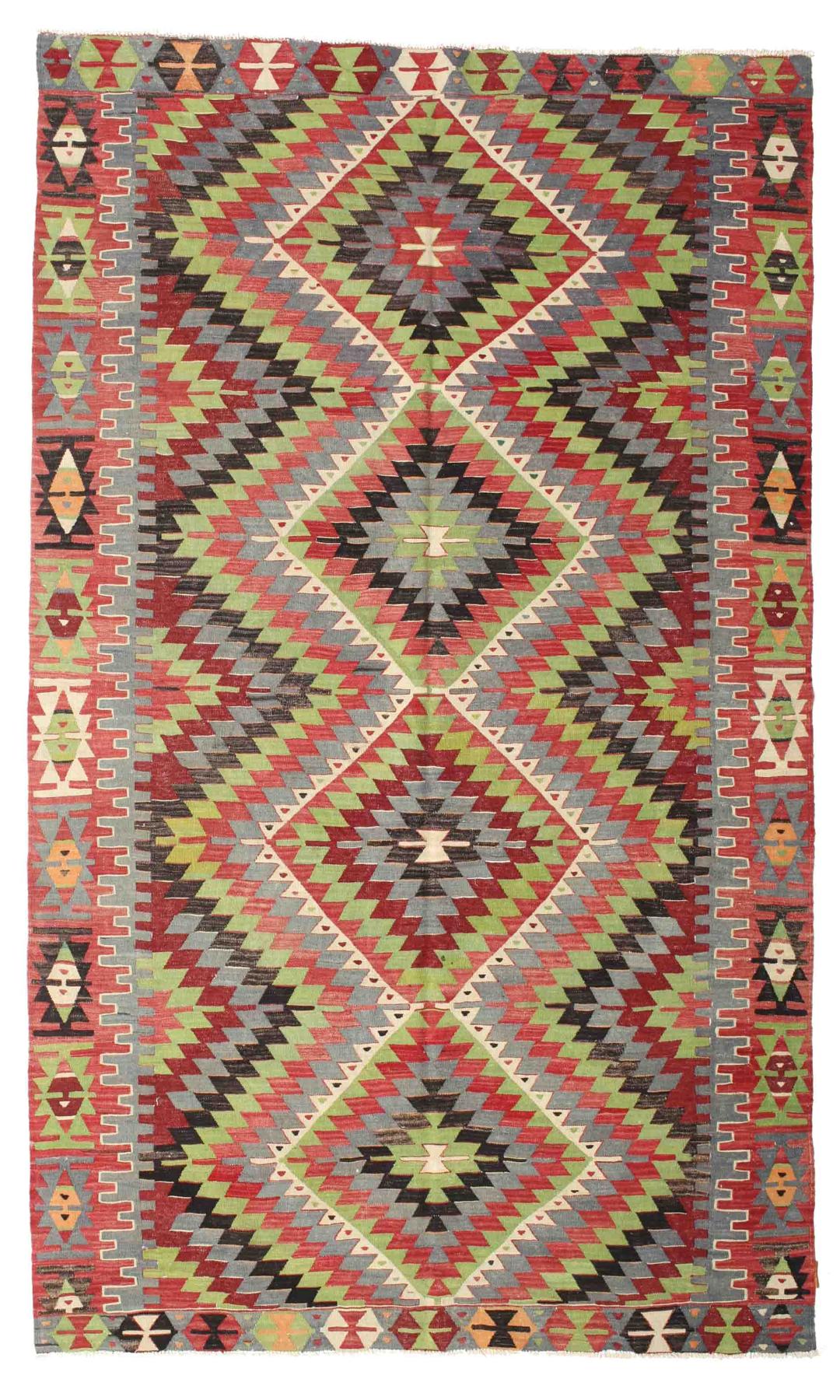
Signature design elements in Turkish Kilims often include bold, angular geometric motifs and intricate borders. Diamonds, triangles, and stylized floral motifs are common, each often carrying symbolic meaning related to protection, fertility, or the weaver's personal history. The colours are traditionally derived from natural dyes, which have aged into the unique, muted, or vibrant tones seen in vintage examples today.
Owning a vintage Kilim is an opportunity to preserve a piece of human history. These rugs are highly sought after by collectors for their authenticity and the way they bridge the gap between ancient nomadic traditions and modern interior design. By bringing one into your home, you are not just acquiring a rug; you are celebrating the skill, patience, and cultural identity of the artisans who kept this craft alive for generations.