Kilim rugs originate from the rich weaving traditions of the Middle East and Central Asia, where they have served as essential household items for centuries. Traditionally produced by nomadic and semi-nomadic tribes, these textiles were designed to be both portable and highly durable, often serving as floor coverings, wall hangings, or storage bags for families on the move.
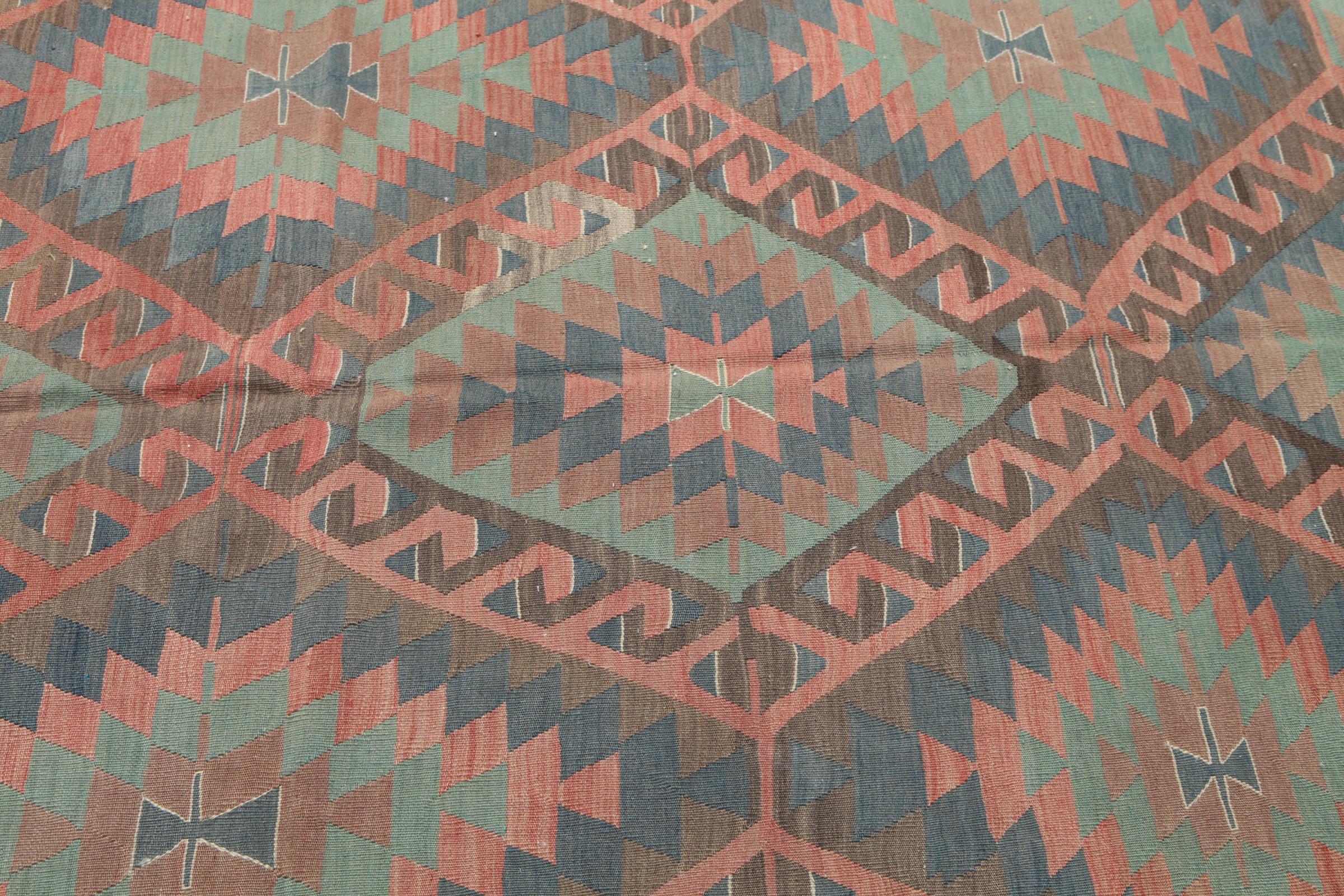
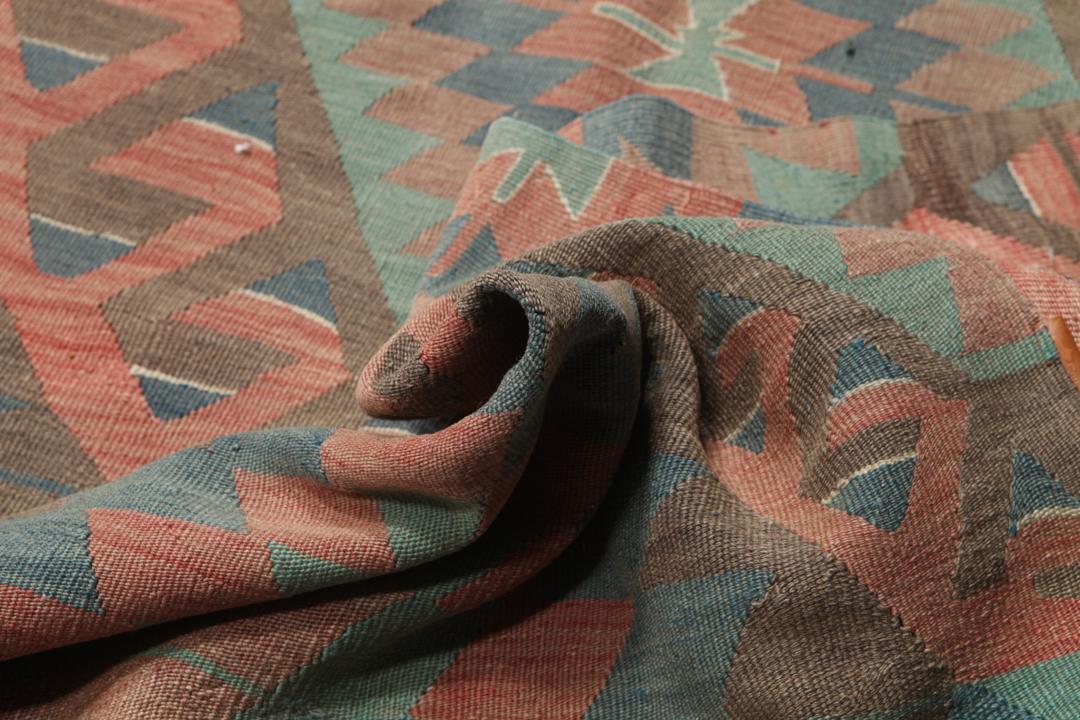
The term kilim refers specifically to the flat-weaving technique where the weft strands are pulled tightly over the warp strands to create a smooth, pileless surface. This method is distinct from knotted rugs, and it requires a high level of skill to manage the colour transitions and pattern changes accurately. The resulting fabric is lightweight yet remarkably strong, making it ideal for the functional needs of its historical creators.
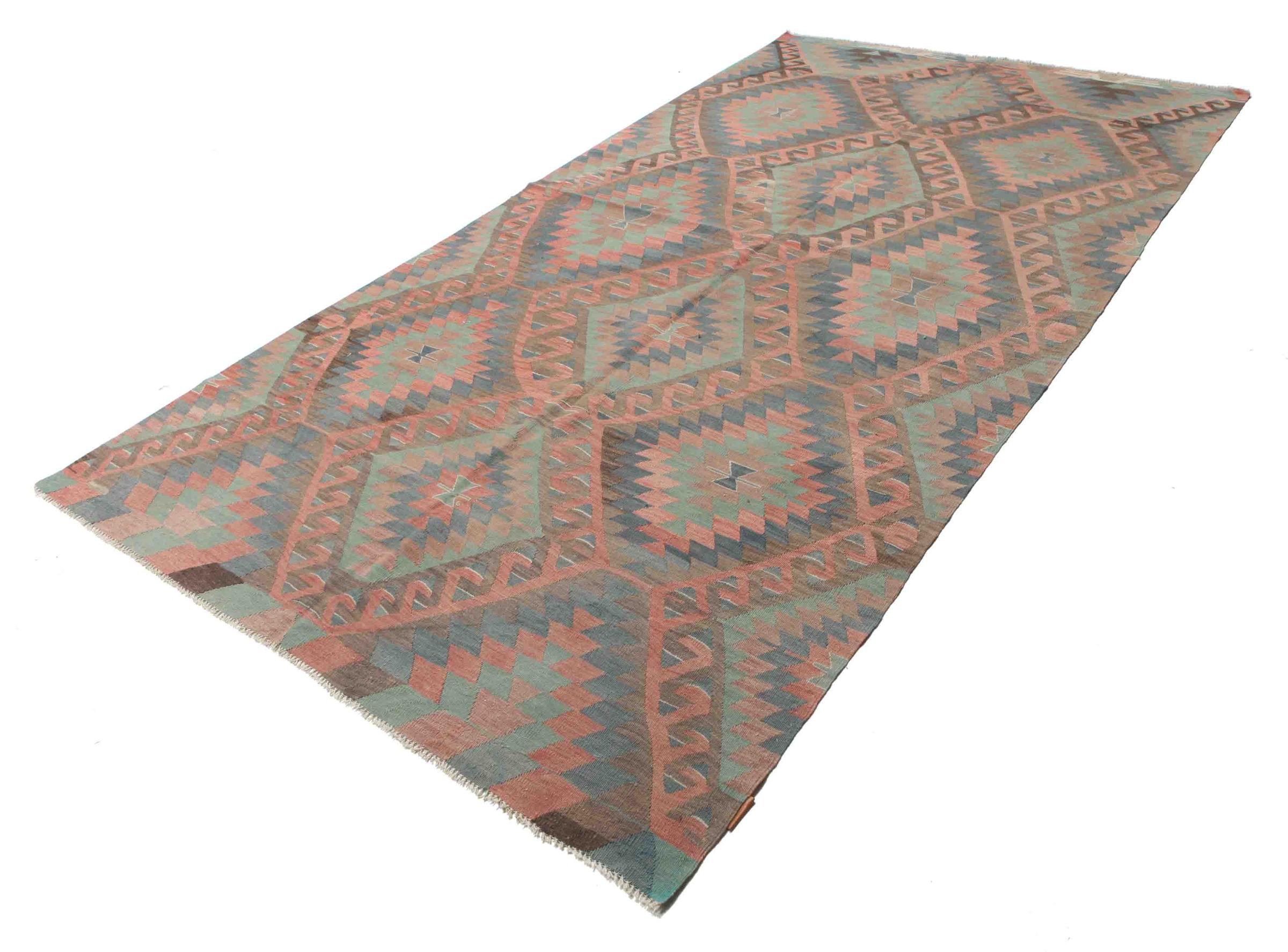
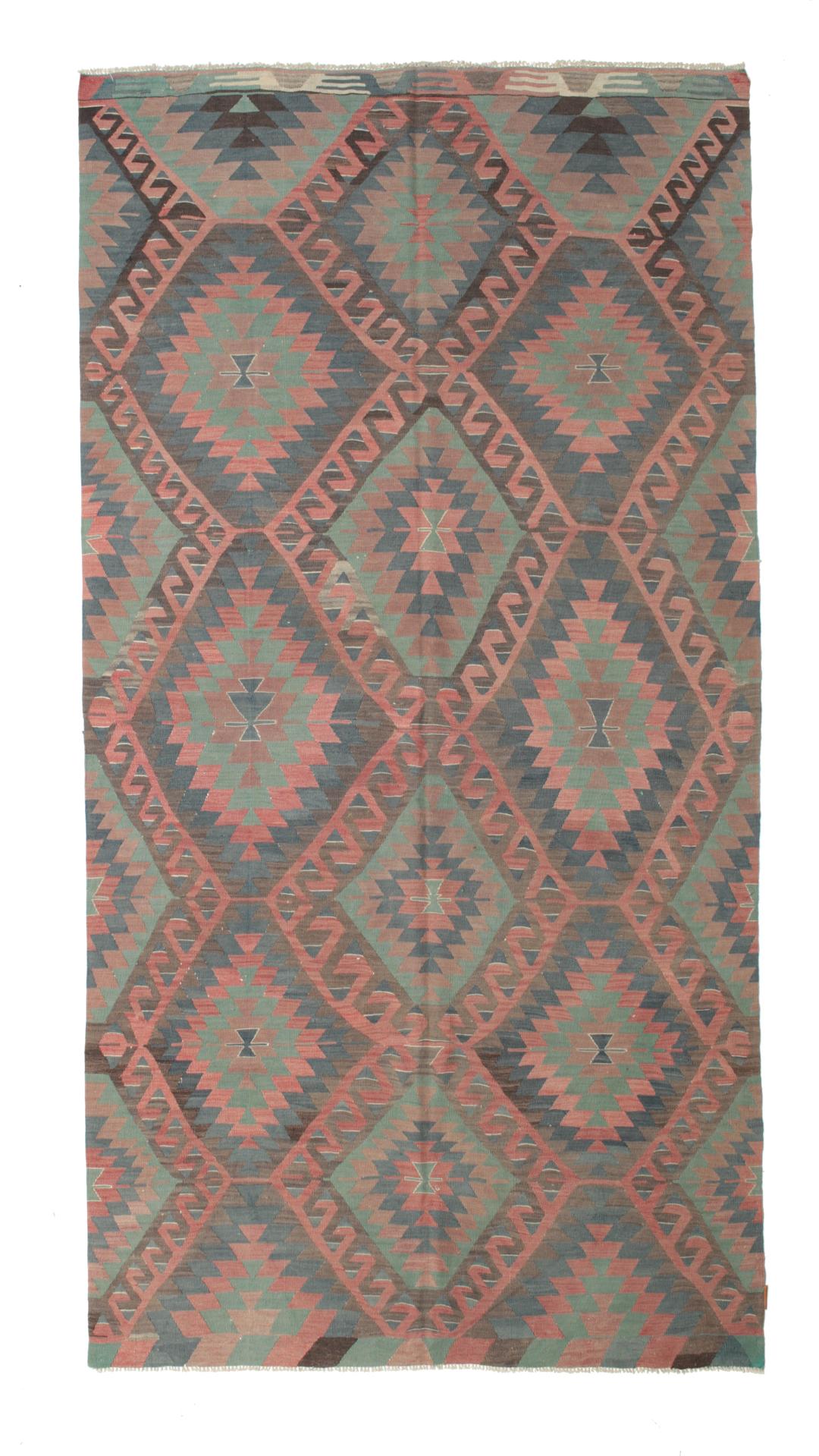
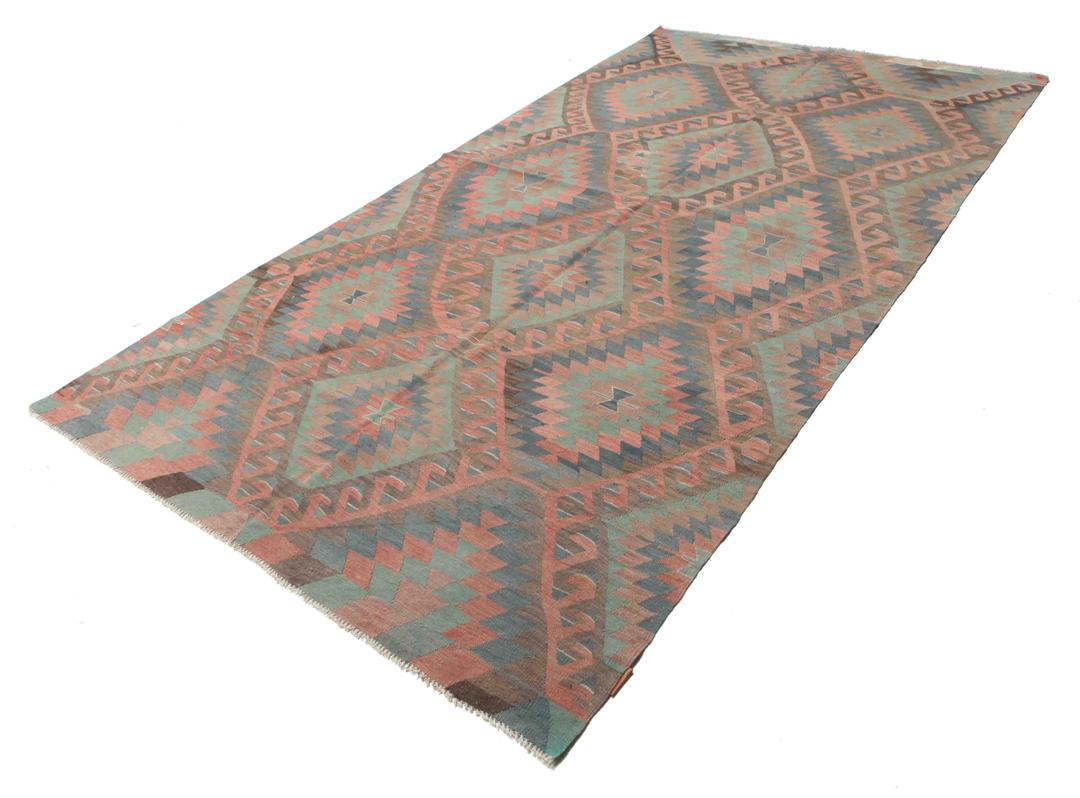
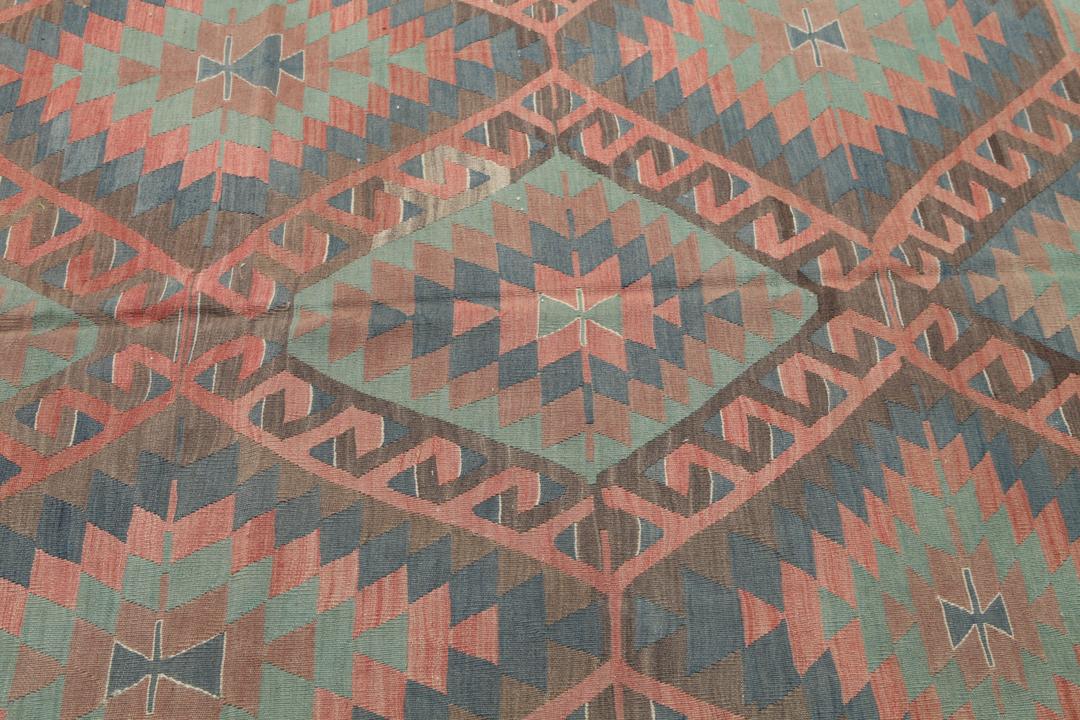
Signature design elements in Turkish kilims often revolve around geometric motifs, with the diamond or medallion shape being a recurring theme. These patterns are not merely decorative but are deeply rooted in cultural symbolism, often representing protection, fertility, or the identity of the specific tribal group that crafted the piece. The use of natural dyes historically gave these rugs their characteristic, slightly muted tones that mellow beautifully with age.
Today, vintage kilims are highly sought after by collectors and interior enthusiasts alike for their authentic character and connection to human history. Owning a piece like this is an investment in artisanal skill and cultural heritage. It represents a living tradition, offering a sense of depth and authenticity that brings a unique soul to any contemporary home environment.