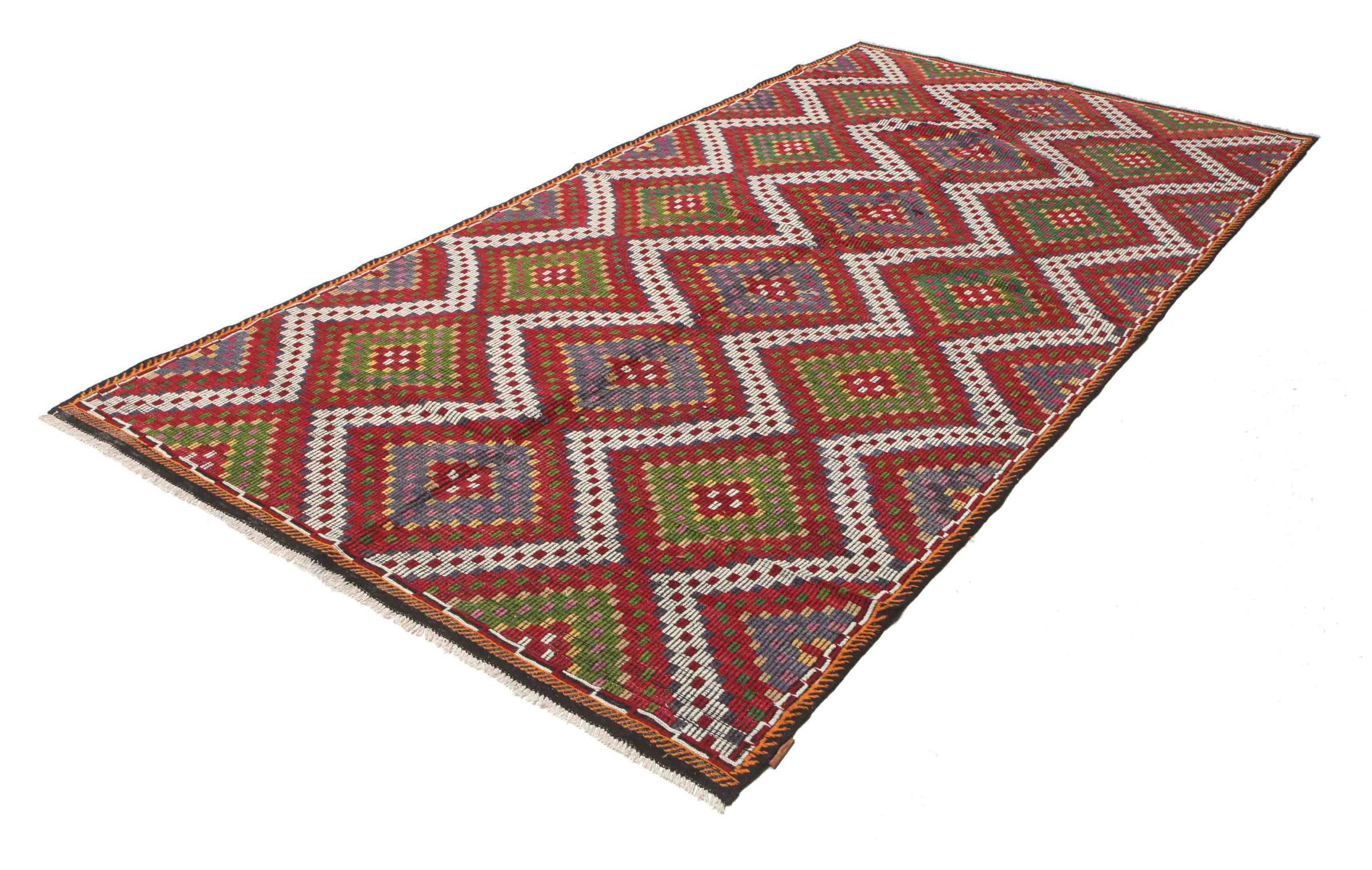
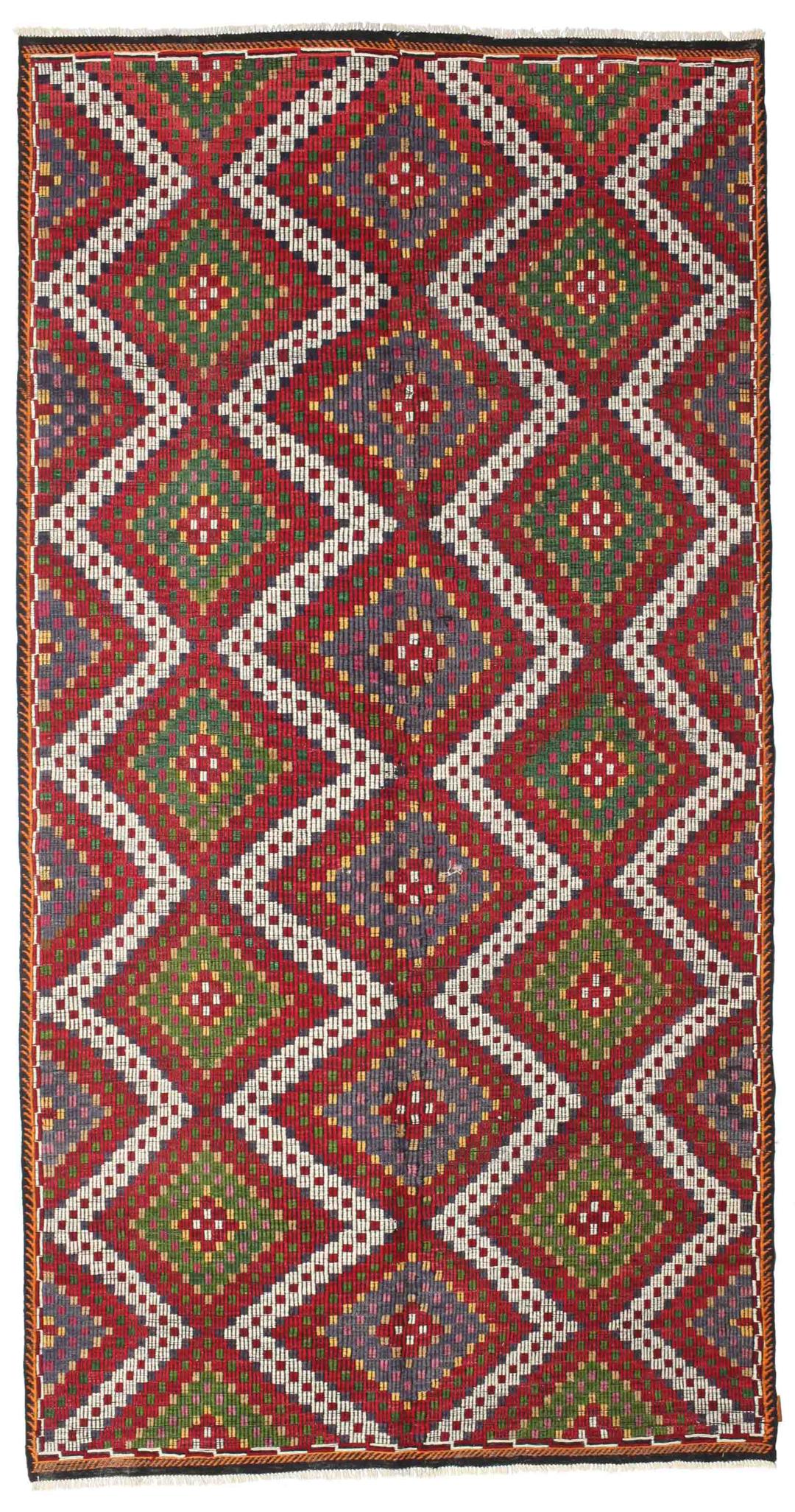
The kilim tradition is deeply embedded in the cultural fabric of Turkey, where these rugs have served as essential household items for centuries. Historically, they were woven by nomadic and semi-nomadic tribes for use as floor coverings, wall hangings, and storage bags. The transition from utilitarian tribal object to a celebrated art form reflects the rich history of the region and the enduring skill of its weavers.
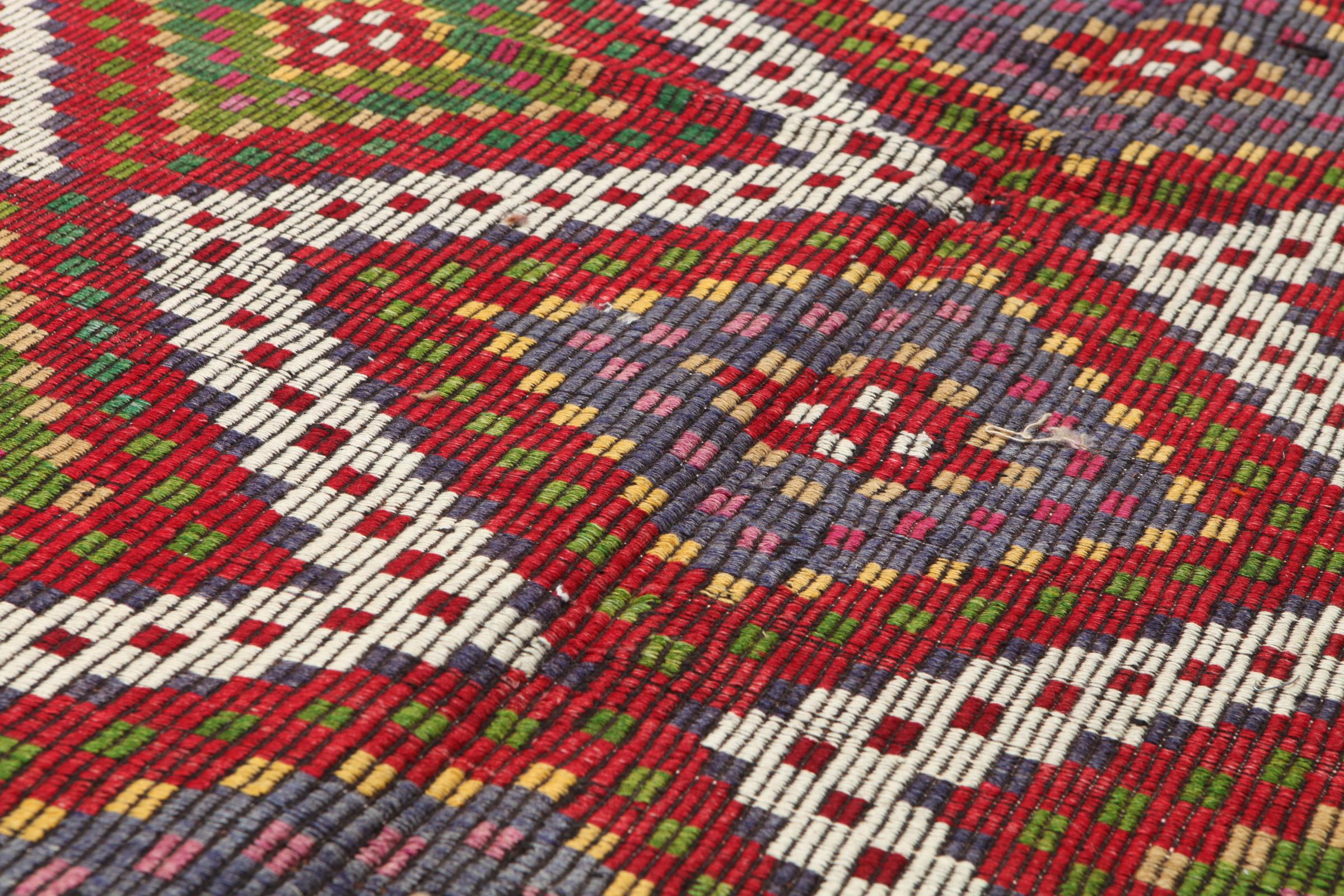
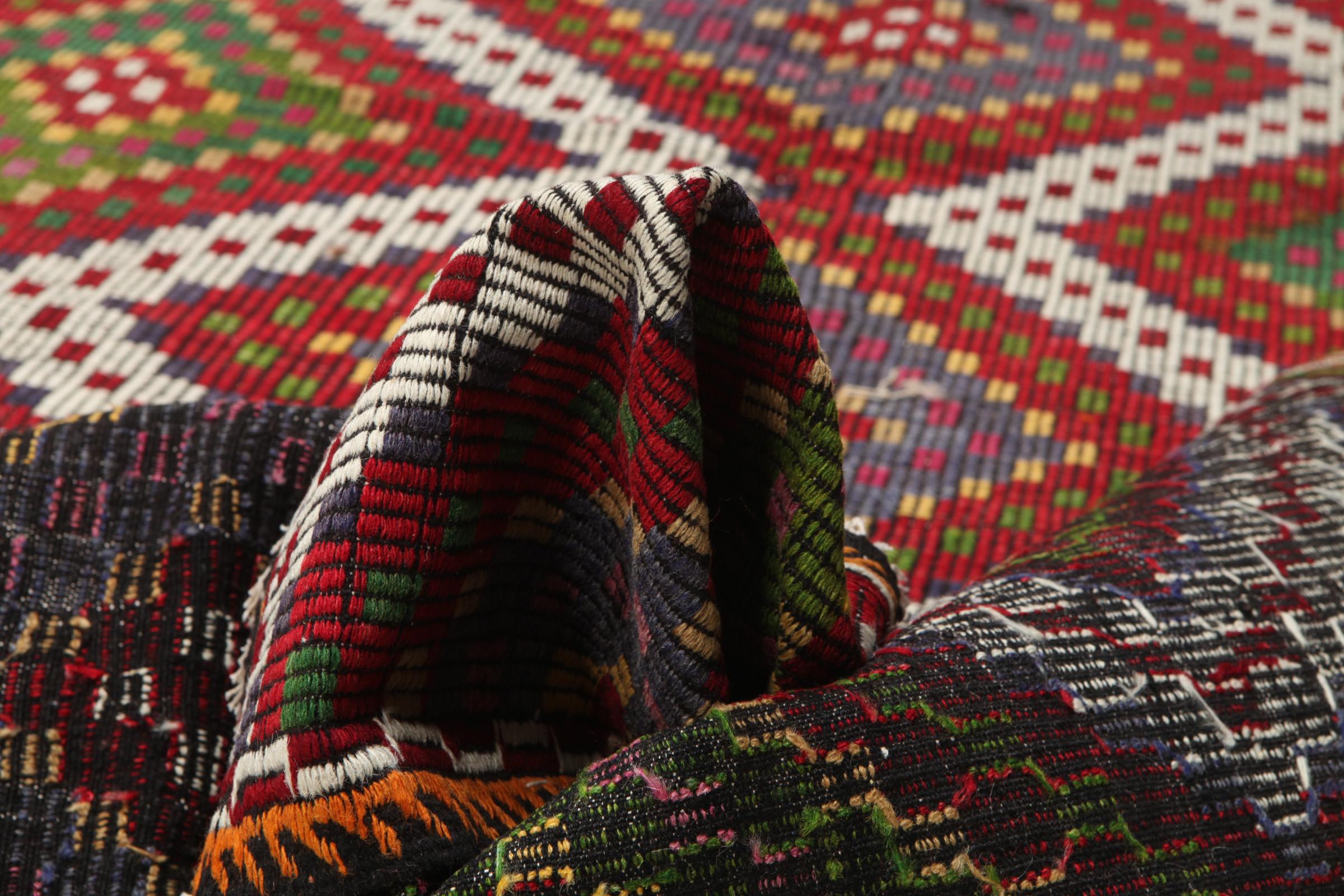
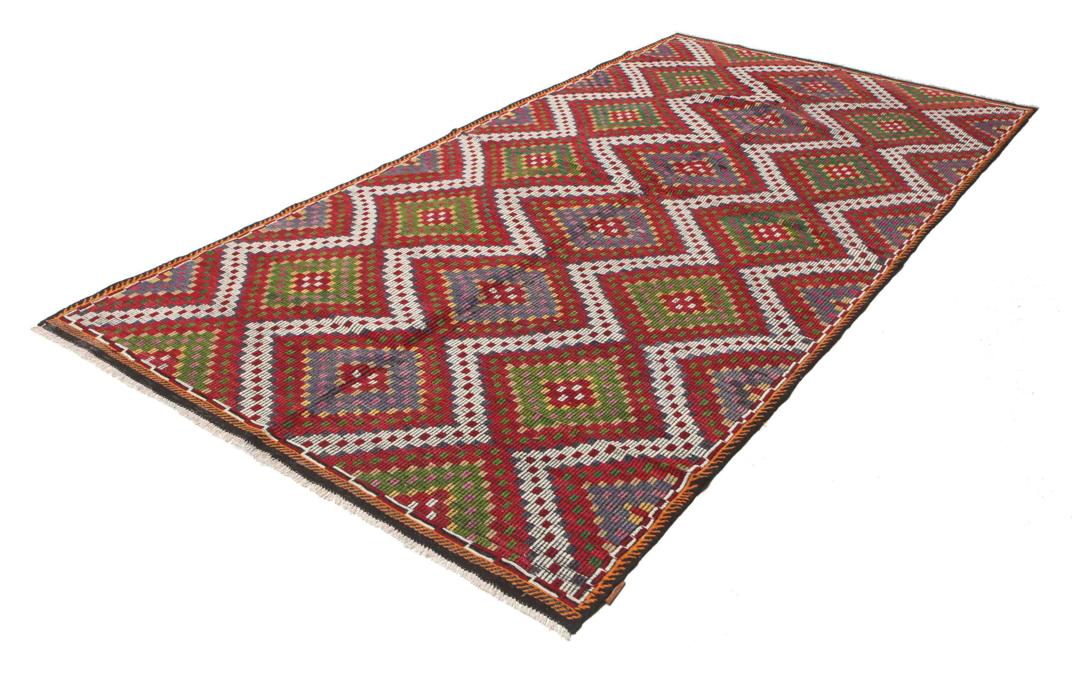
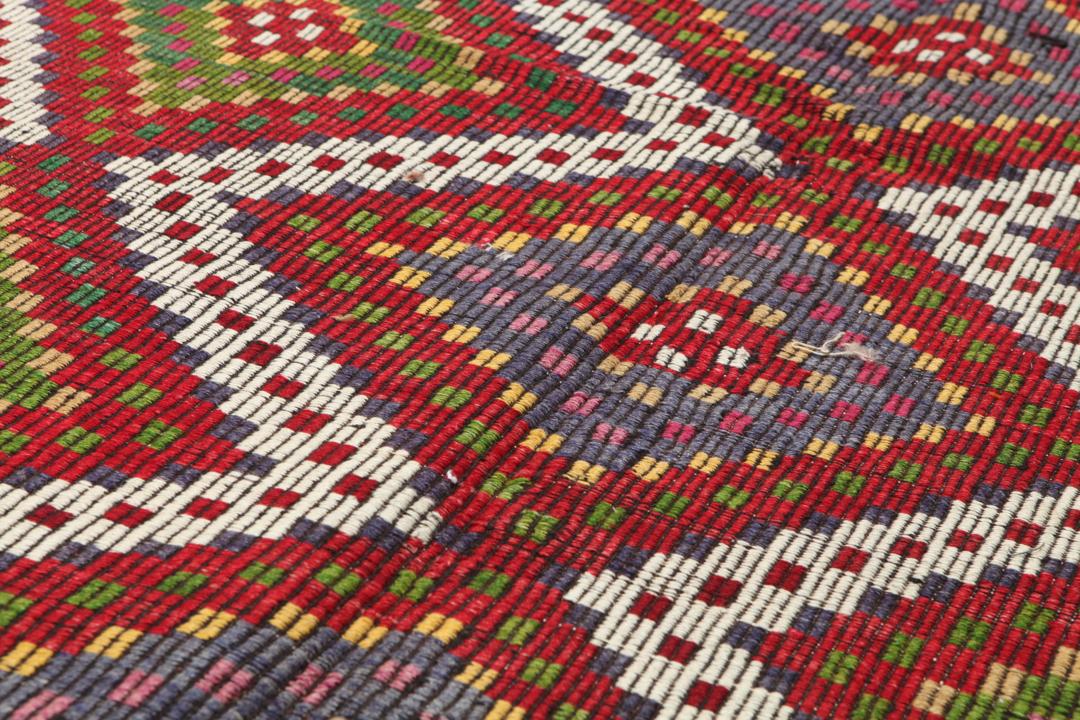
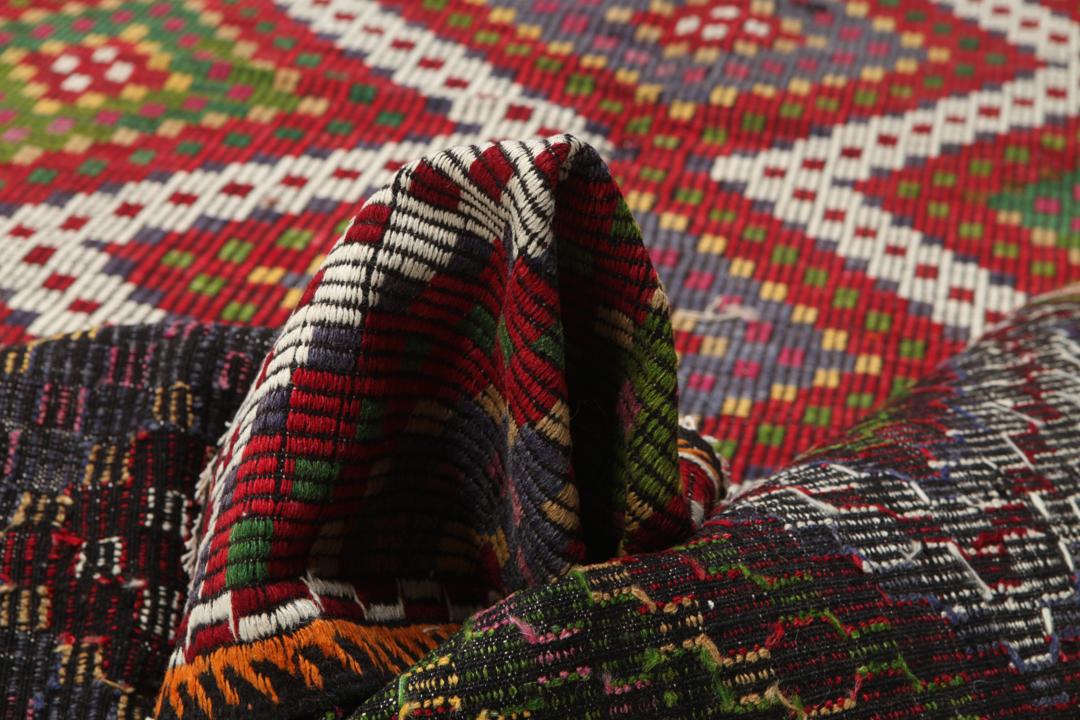
Kilims are distinct for their flat-weave construction, a technique where the design is created by the weft threads, which are woven over and under the warp threads. This method results in a durable, reversible, and lightweight textile that remains a hallmark of Middle Eastern craftsmanship. The lack of a pile means the geometric patterns are remarkably crisp and defined, allowing the weaver to create complex, interlocking designs with precision.
The signature design elements of this tradition often feature bold, geometric medallions and diamond motifs, which are frequently arranged in repeating patterns. These shapes are not merely decorative but are deeply symbolic, often representing protection, fertility, or the weaver's environment. The vibrant colour palette, achieved through traditional dyeing methods, ensures that each kilim is a striking expression of the weaver's personal and tribal identity.
Today, vintage kilims are highly sought after by collectors and interior designers alike for their cultural weight and unique character. Owning one is an opportunity to preserve a piece of history, as each rug captures a specific moment in time and the individual touch of its creator. These rugs are valued not just for their visual beauty, but for the skill, tradition, and human effort they represent.