Kilim rugs are a cornerstone of Middle Eastern textile history, with their roots deeply embedded in the nomadic cultures of the Anatolian plateau. For centuries, these rugs served as essential household items for wandering tribes, functioning as floor coverings, blankets, and storage sacks. Their designs were not merely decorative but served as a visual language, with symbols and motifs representing the weaver’s hopes, history, and tribal identity.
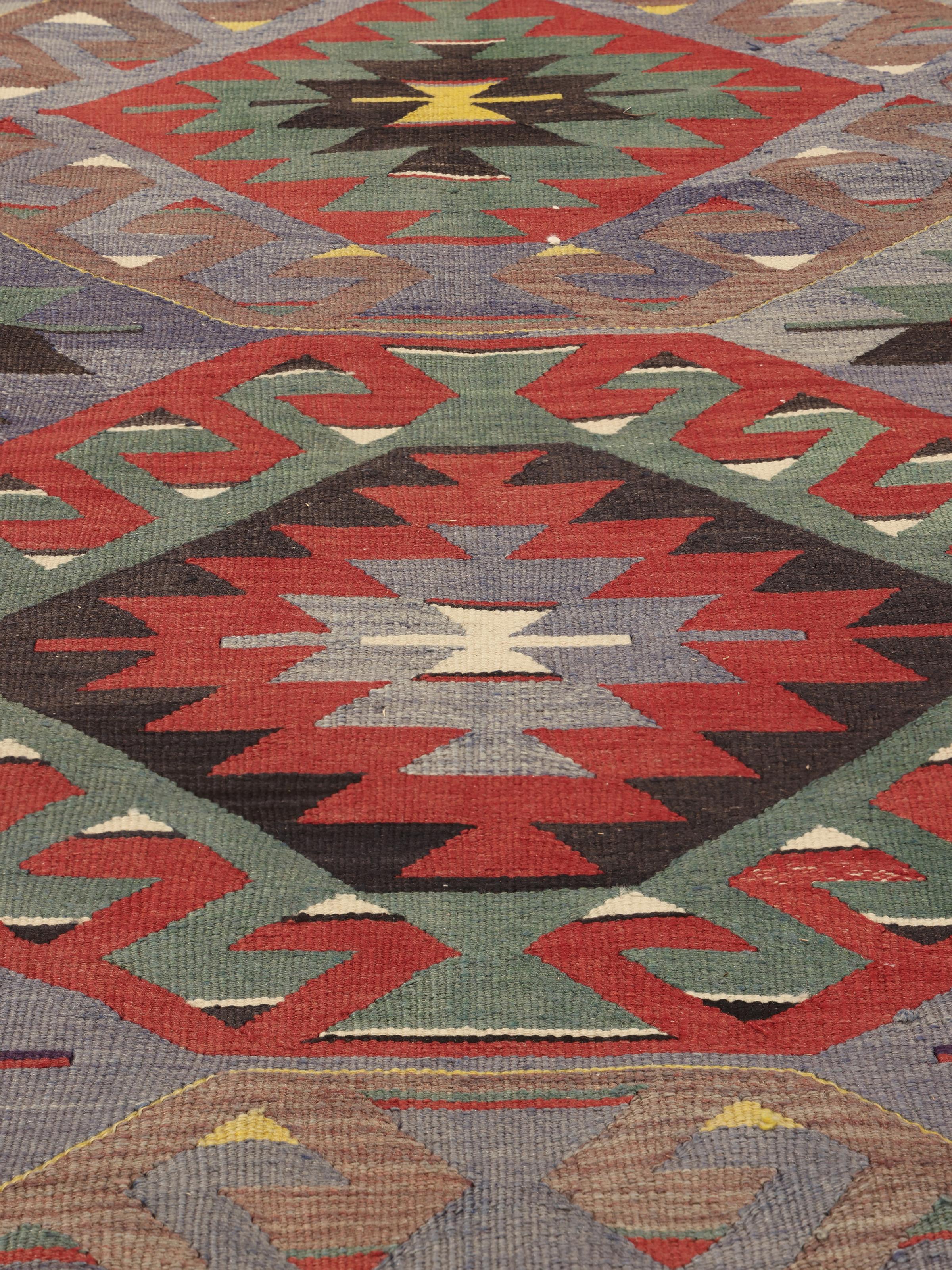
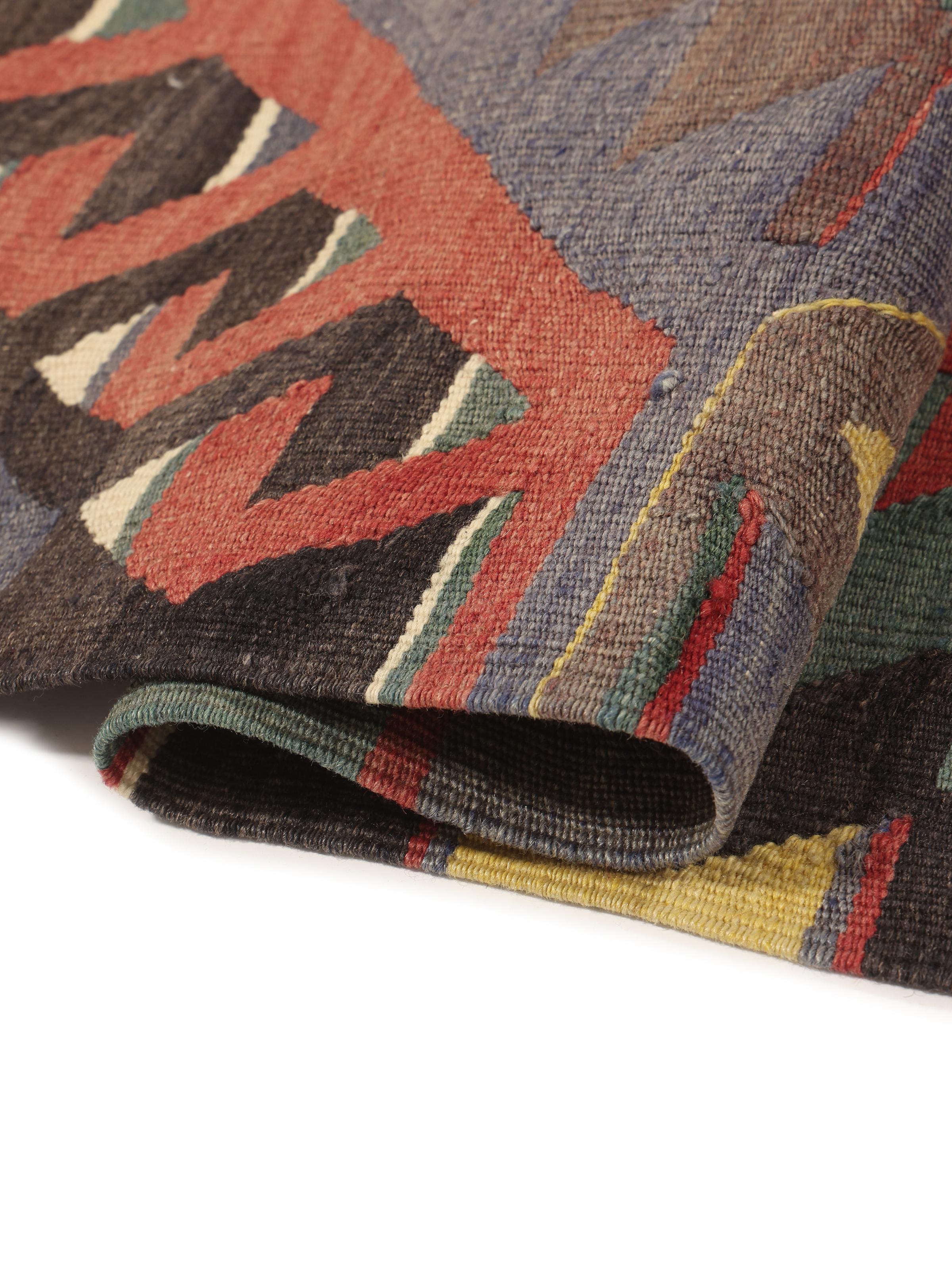
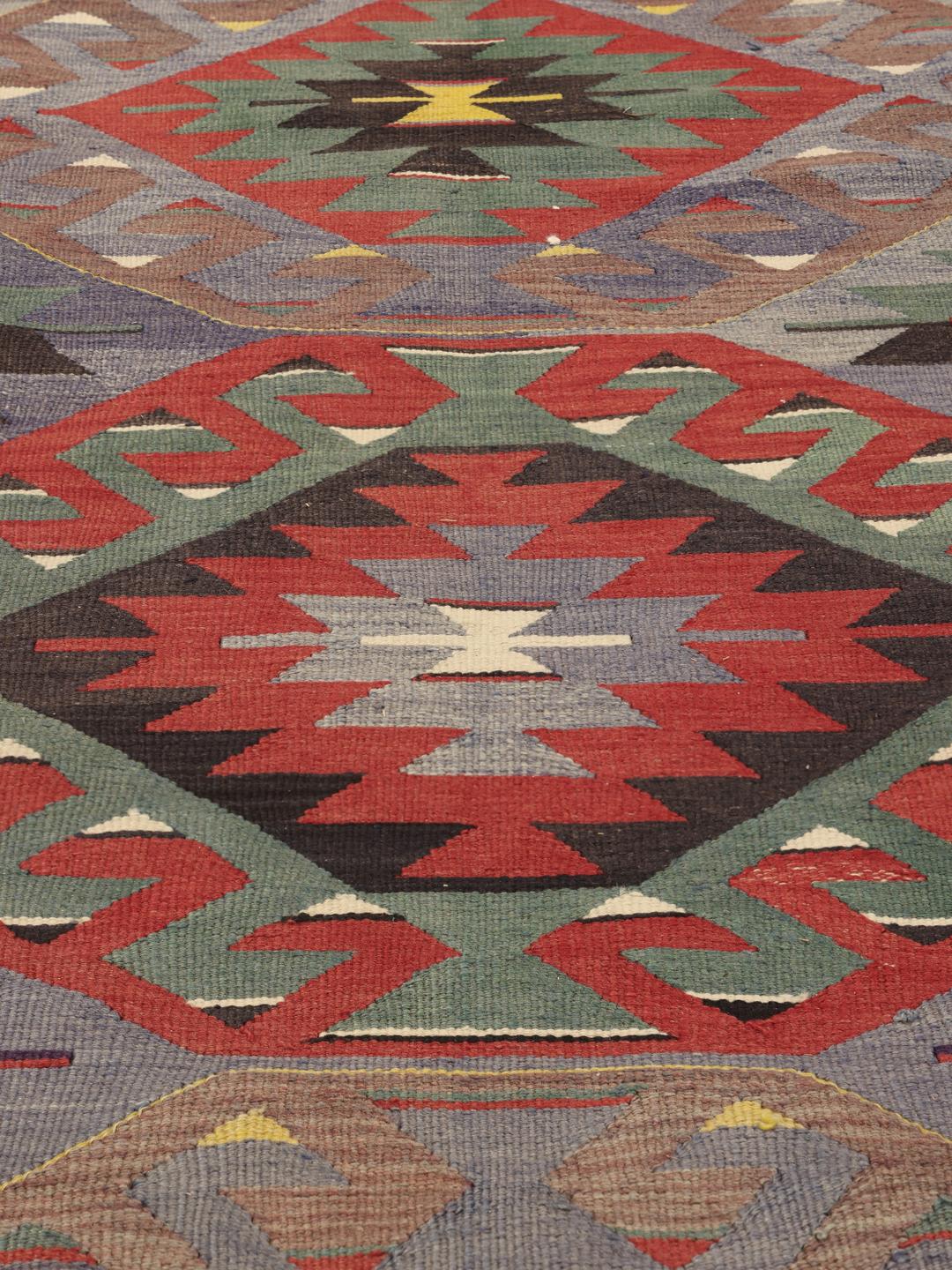
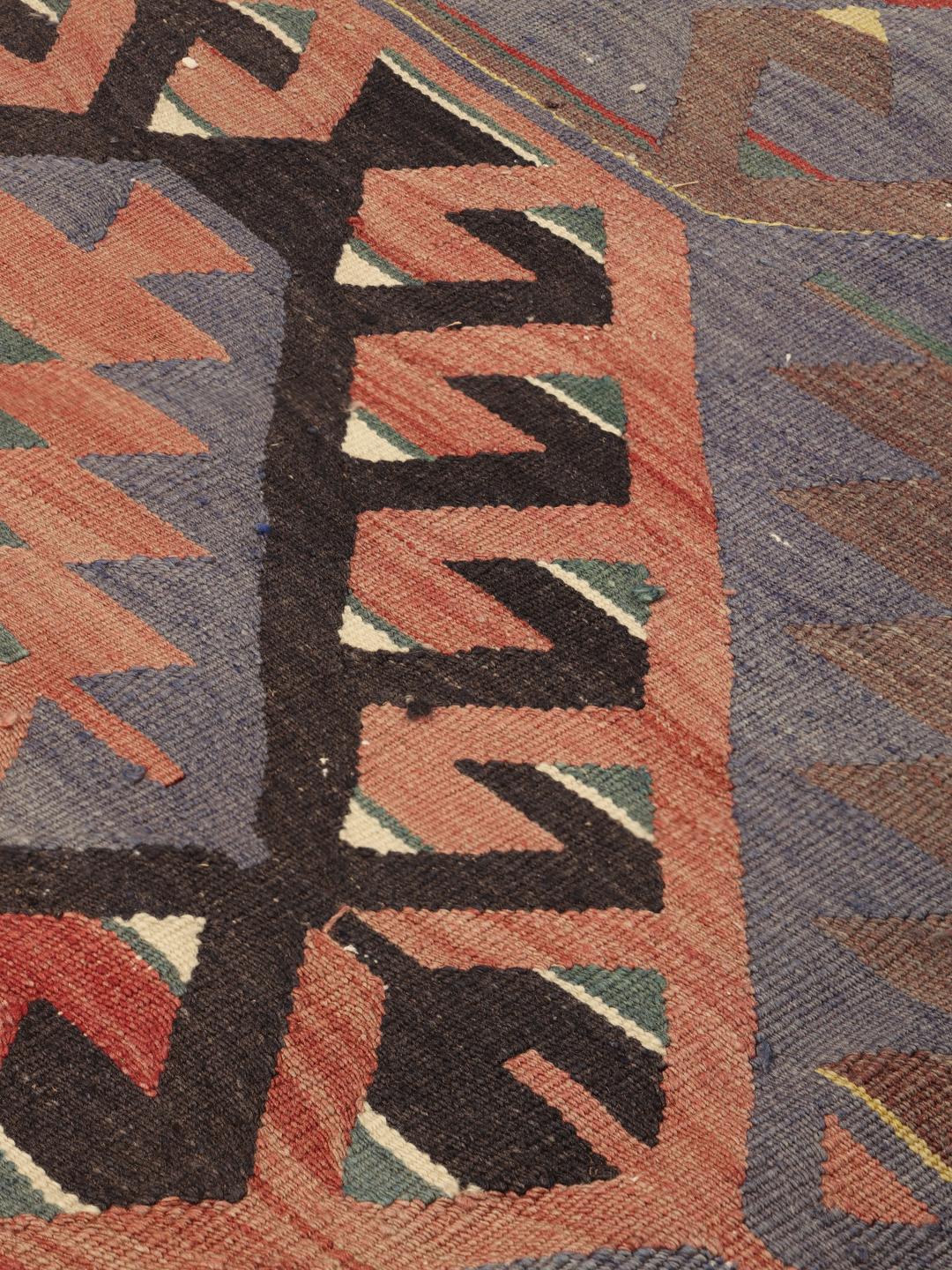
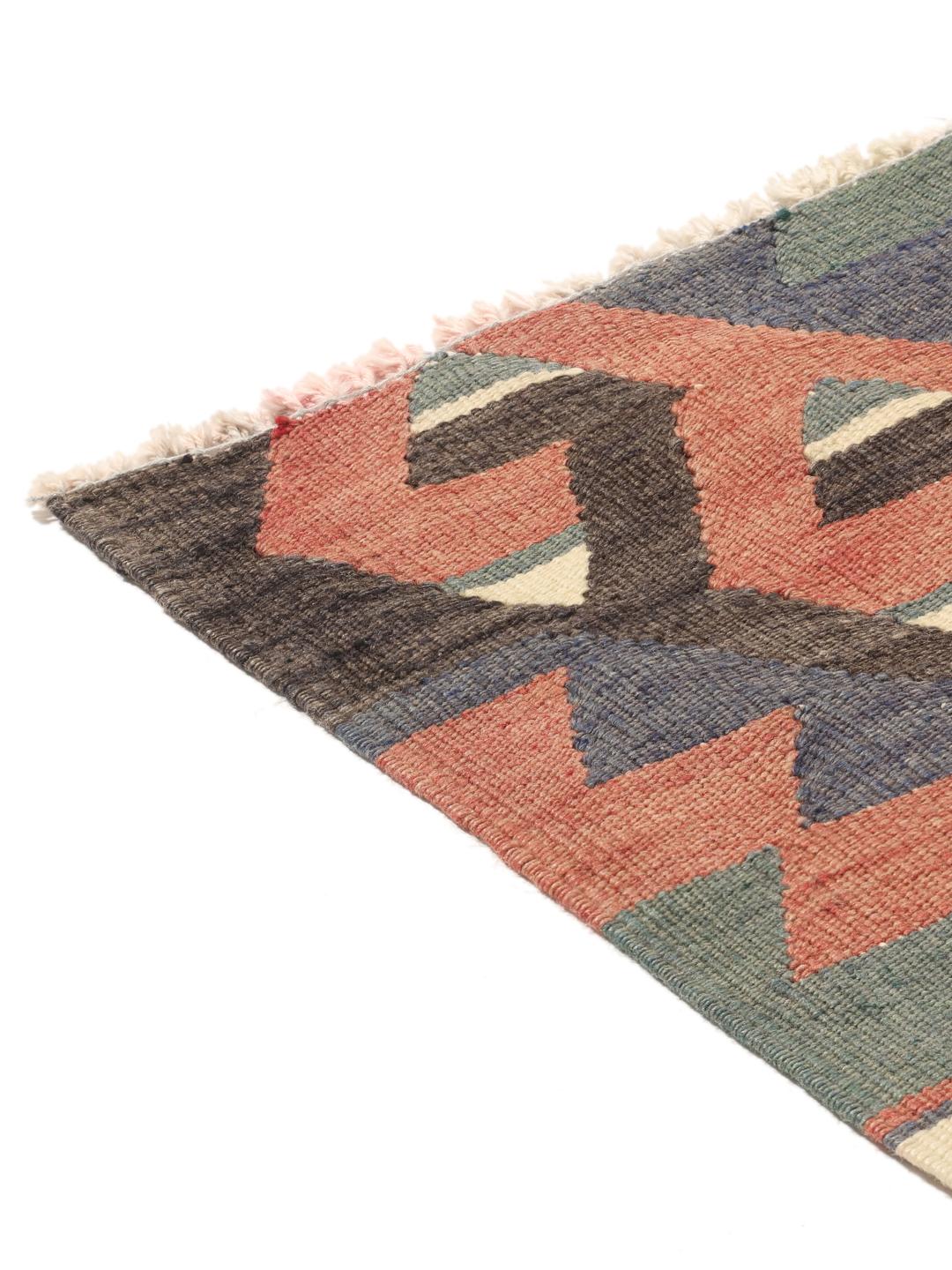
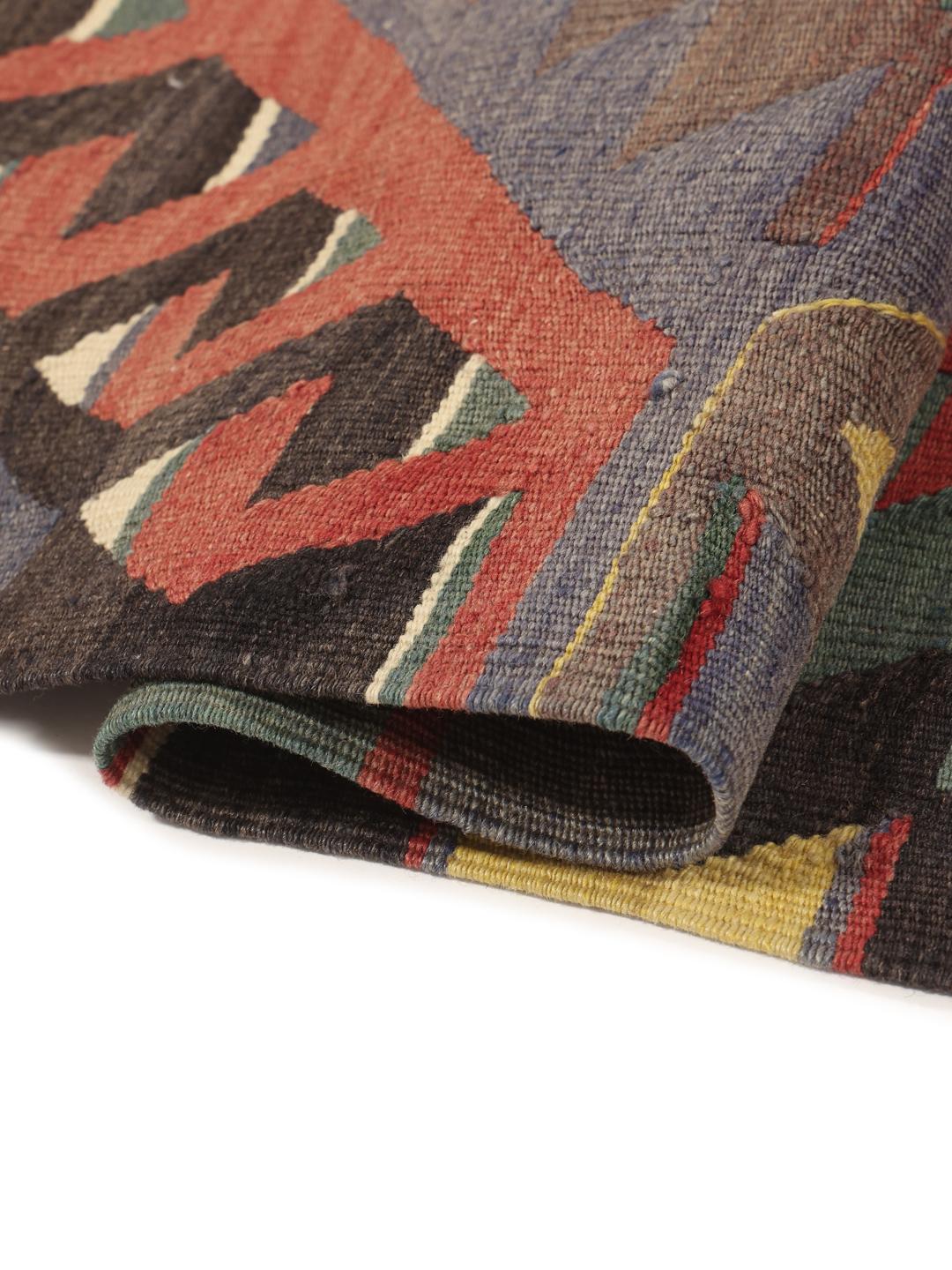
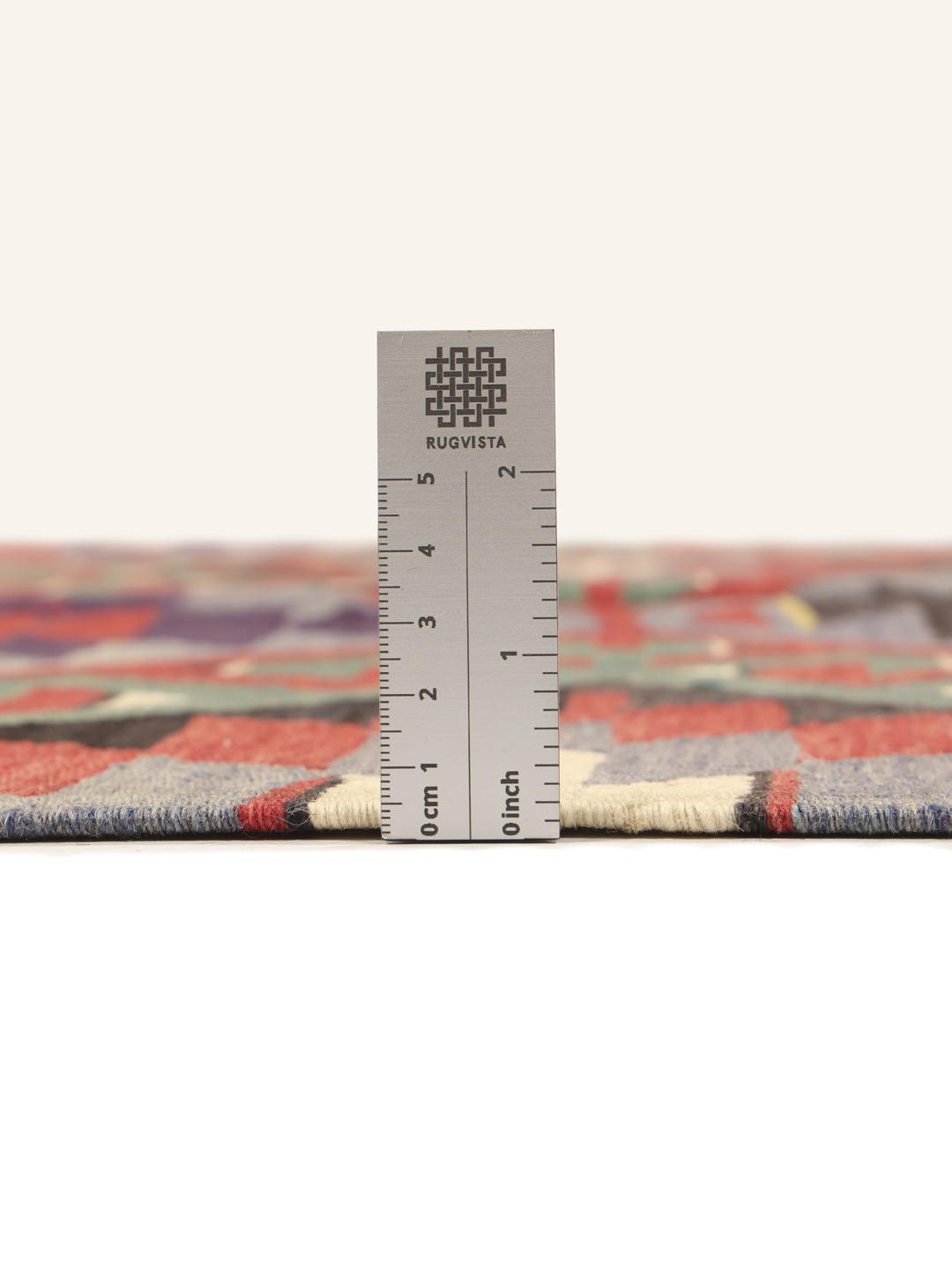
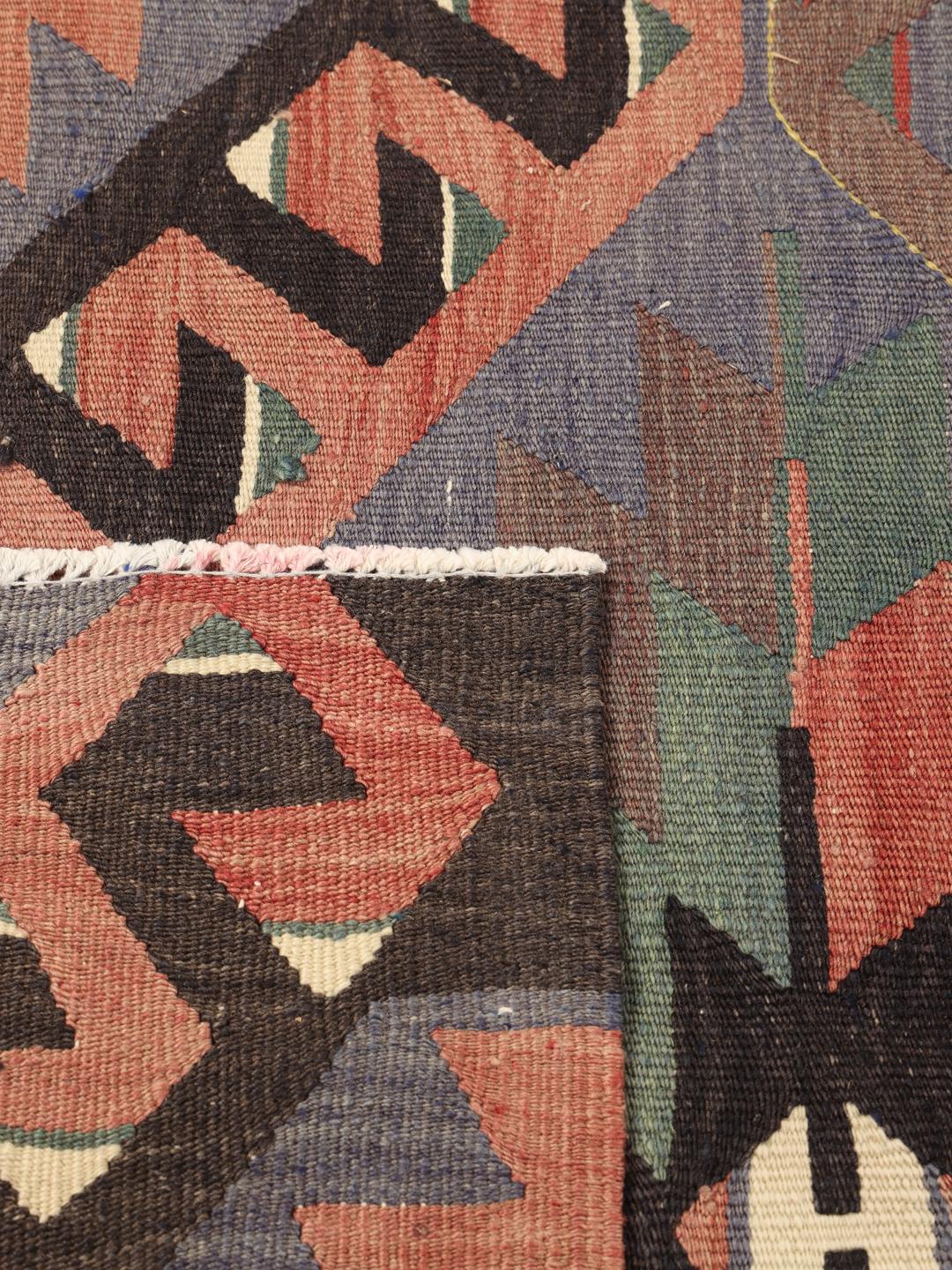
The term flat-weave refers to the specific technique where the weft strands are pulled tightly over and under the warp strands, creating a smooth surface without a raised pile. This method is what gives Kilims their distinct, lightweight, and versatile profile. It is a technique that requires a master's understanding of tension, as the weaver must maintain perfect consistency to prevent the rug from warping or losing its shape over time.
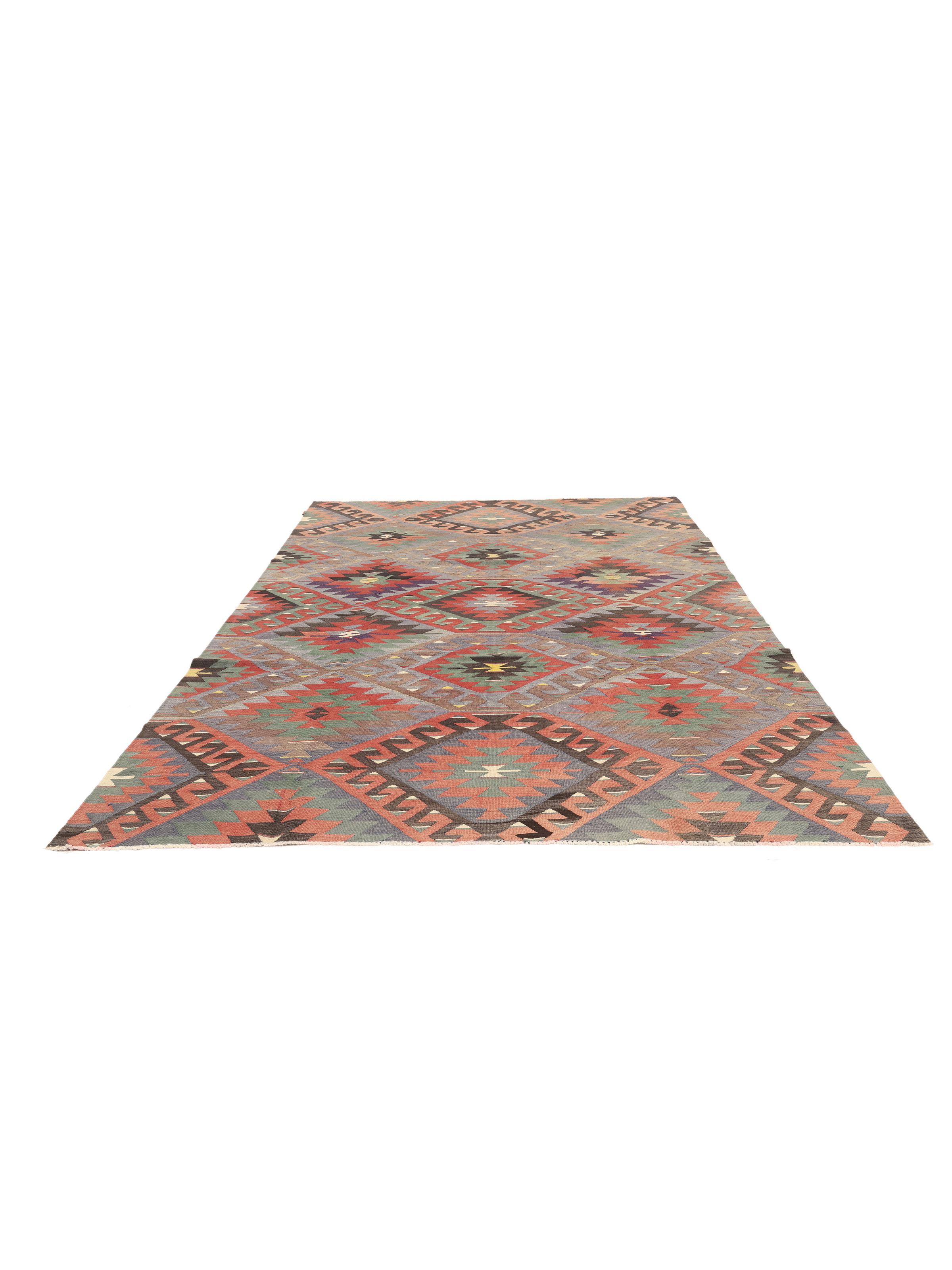
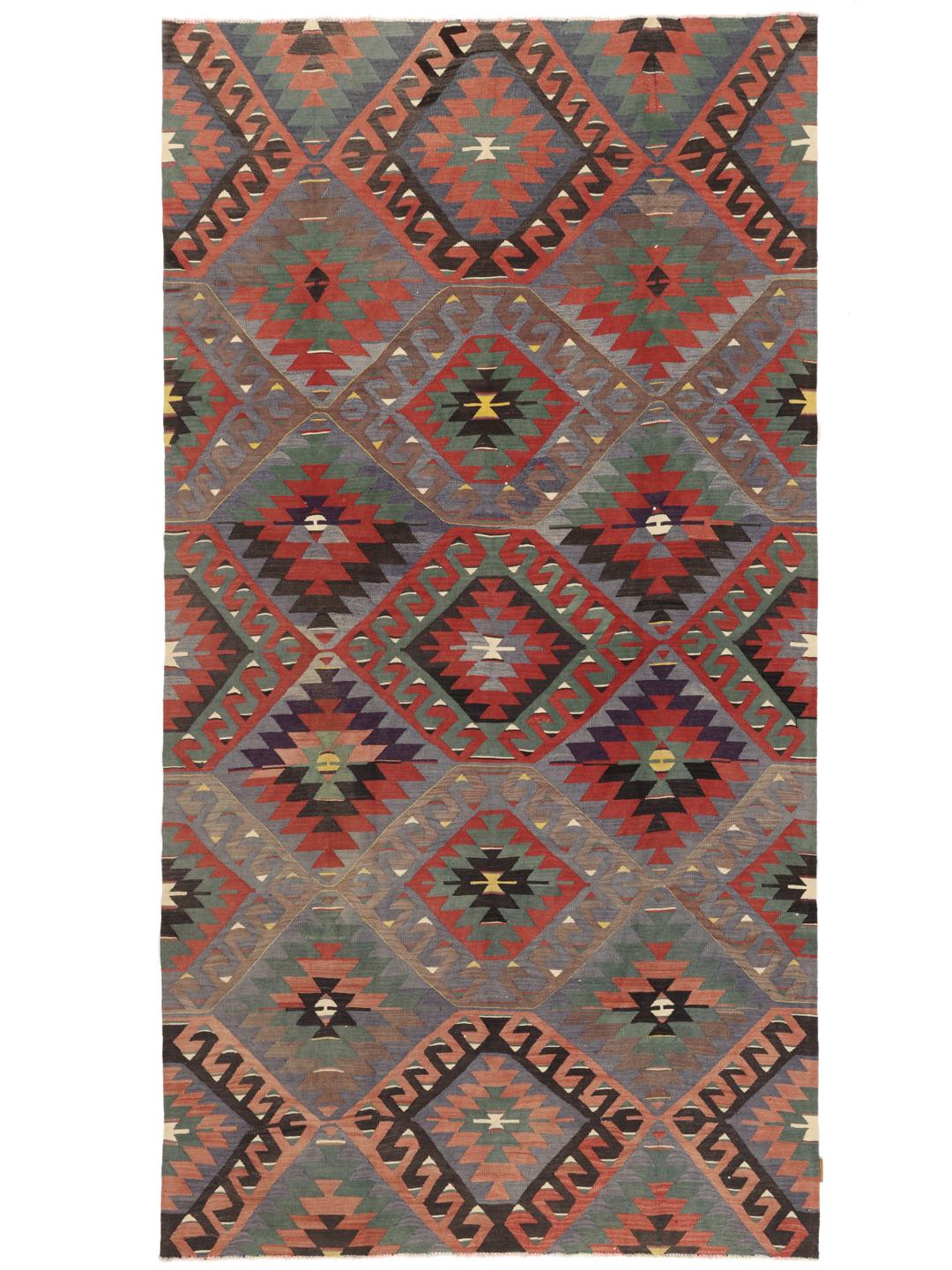
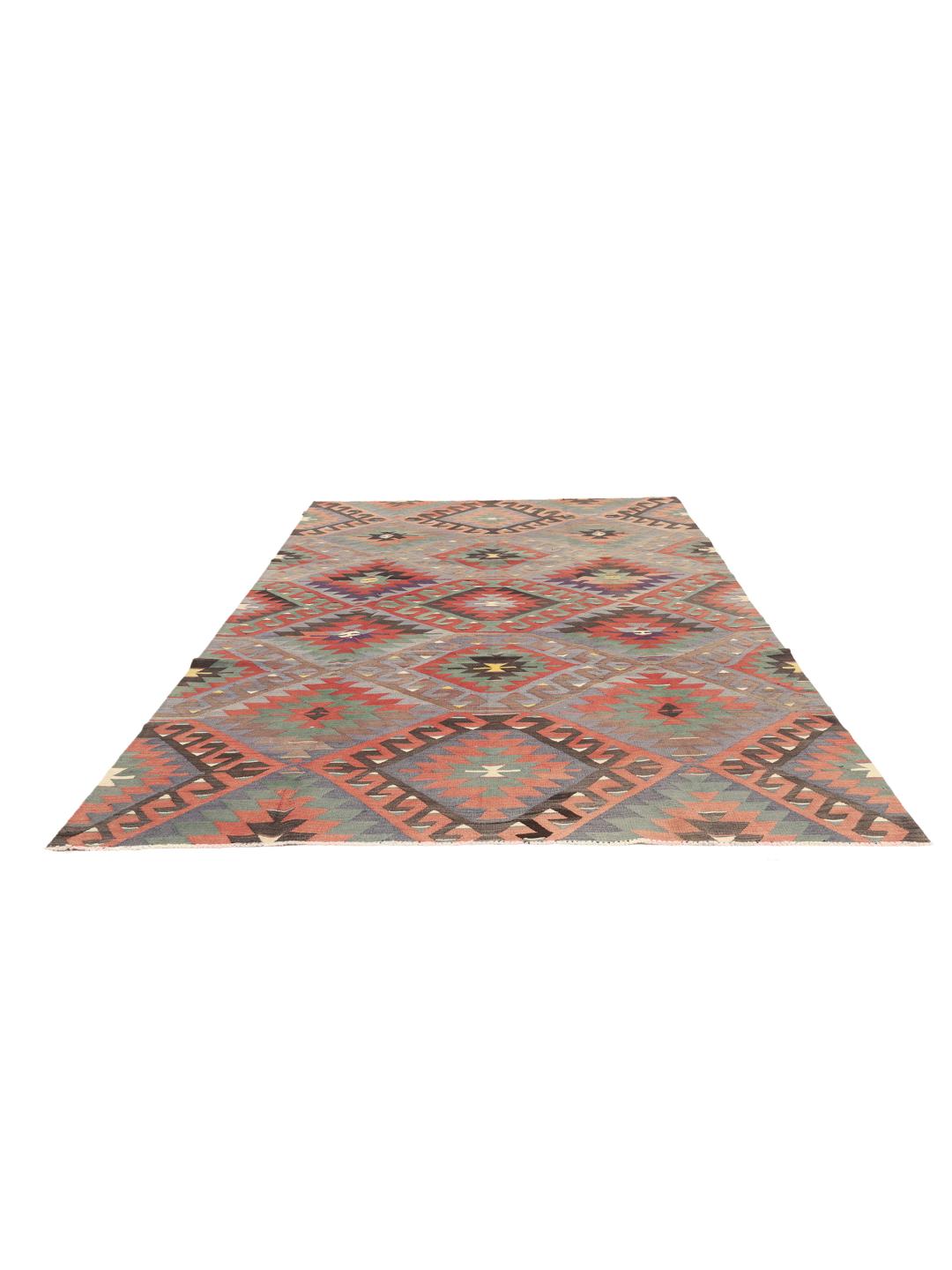
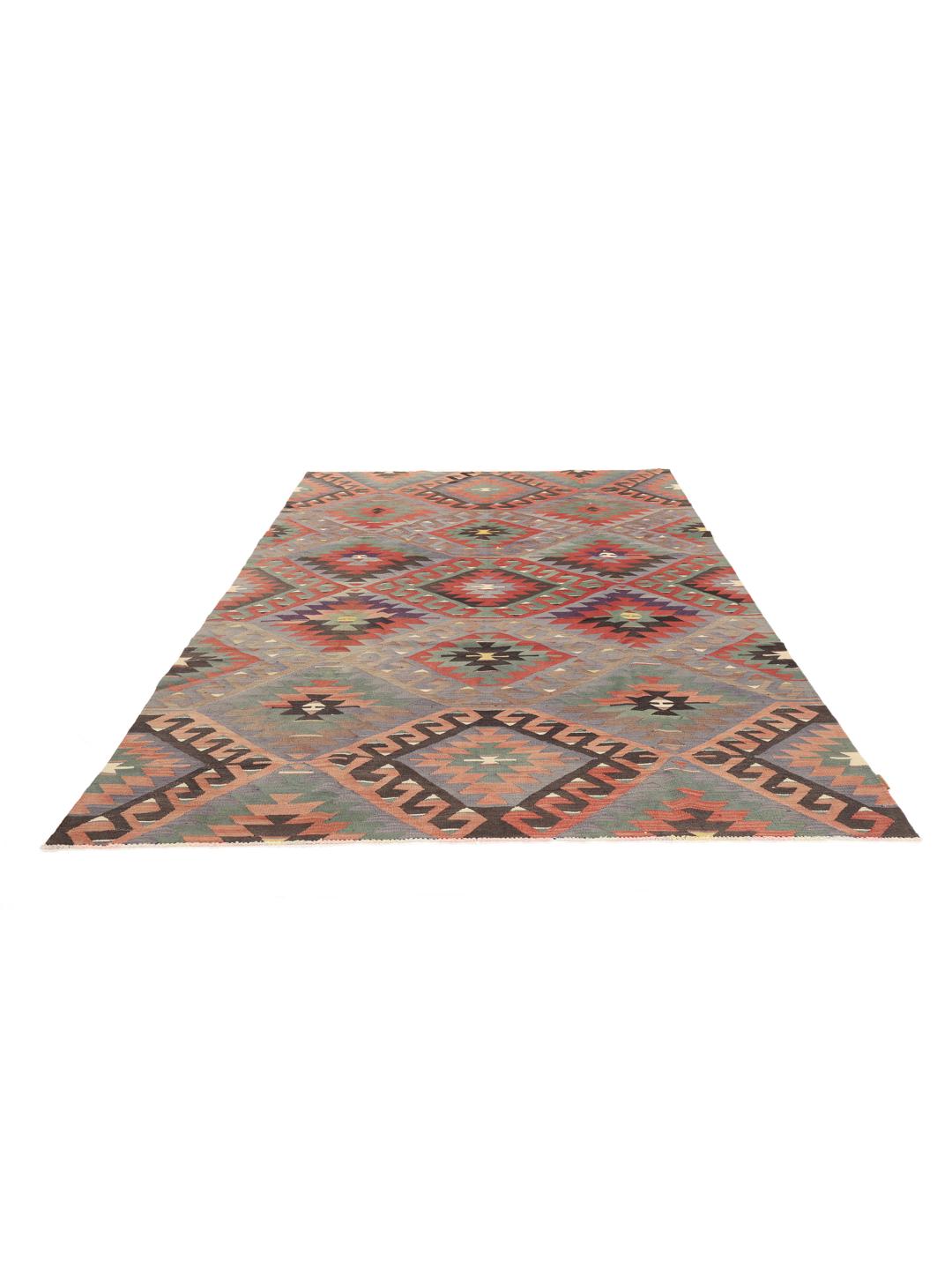
Visually, this rug is anchored by the classic diamond motif, a recurring element in Turkish design that symbolizes protection and fertility. The arrangement of these shapes, often enclosed by complex, decorative borders, creates a rhythmic, balanced aesthetic. The use of vibrant, natural-inspired colours is a hallmark of the tradition, showcasing the ability of weavers to create depth and movement within a flat, two-dimensional plane.
Collecting a vintage Kilim is more than an interior design choice; it is an act of preserving a cultural heritage that is increasingly rare in the modern age. These rugs are valued for their durability and the unique narrative they bring to a home. By choosing an authentic, one-of-a-kind piece, you are celebrating the skill of the artisan and the enduring legacy of the weaving traditions that have shaped the aesthetic of the Middle East for generations.