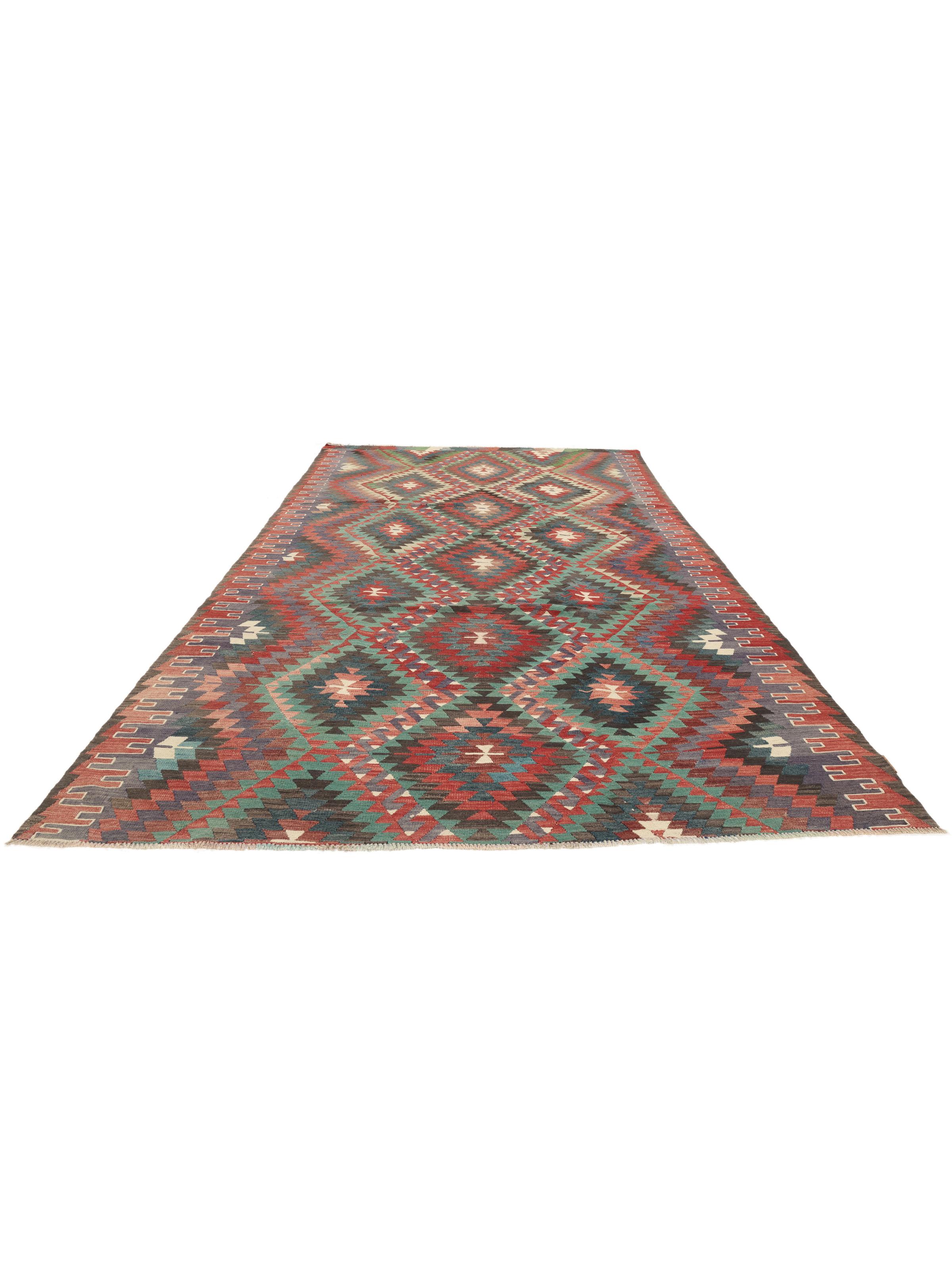
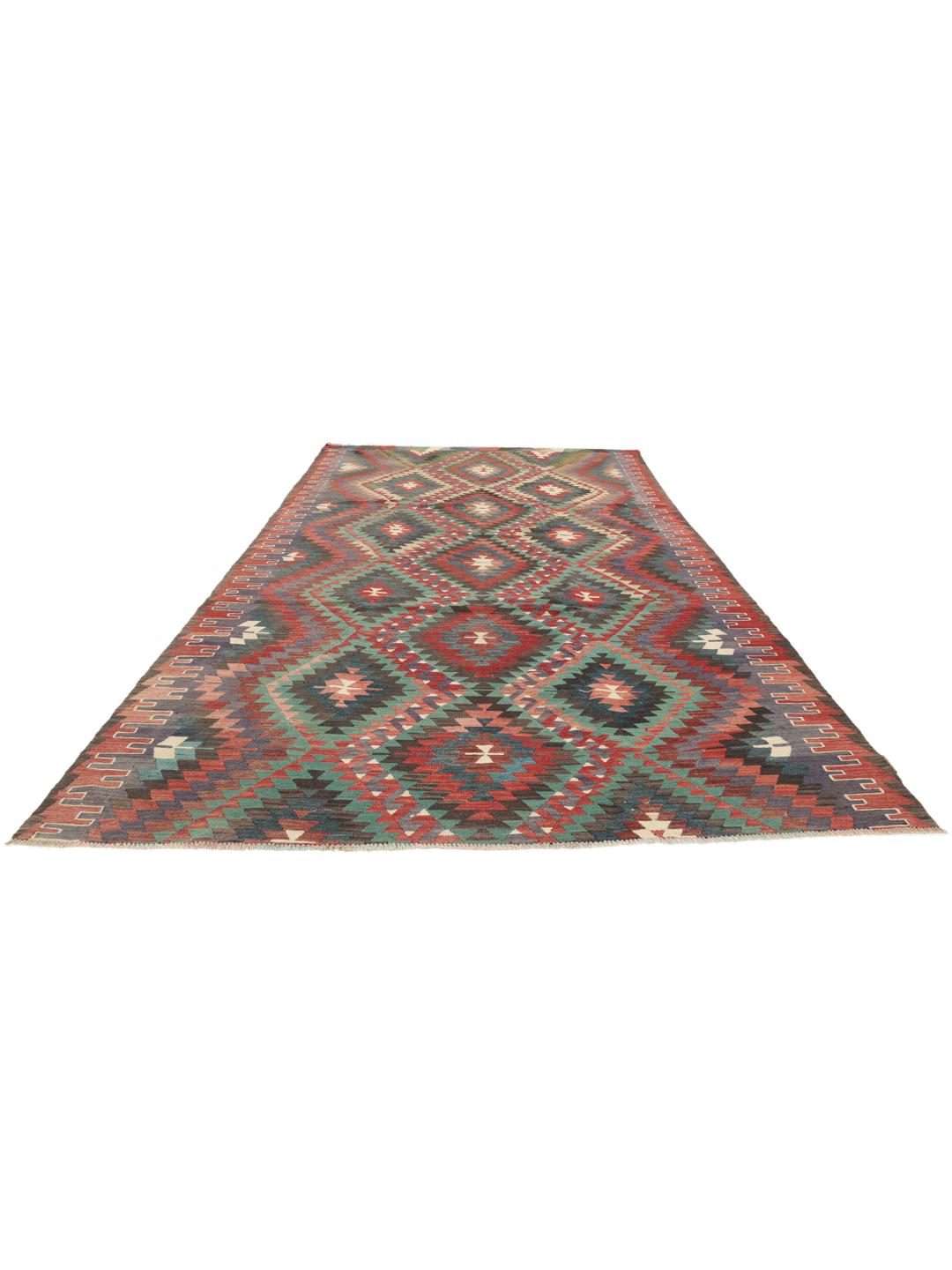
Kilim rugs represent one of the most enduring weaving traditions in the Middle East and Central Asia. The term kilim refers specifically to the flat-weaving technique where no pile is created, resulting in a lightweight yet durable textile. Historically, these rugs were essential items for nomadic tribes, serving as floor coverings, wall hangings, and functional storage bags during seasonal migrations.
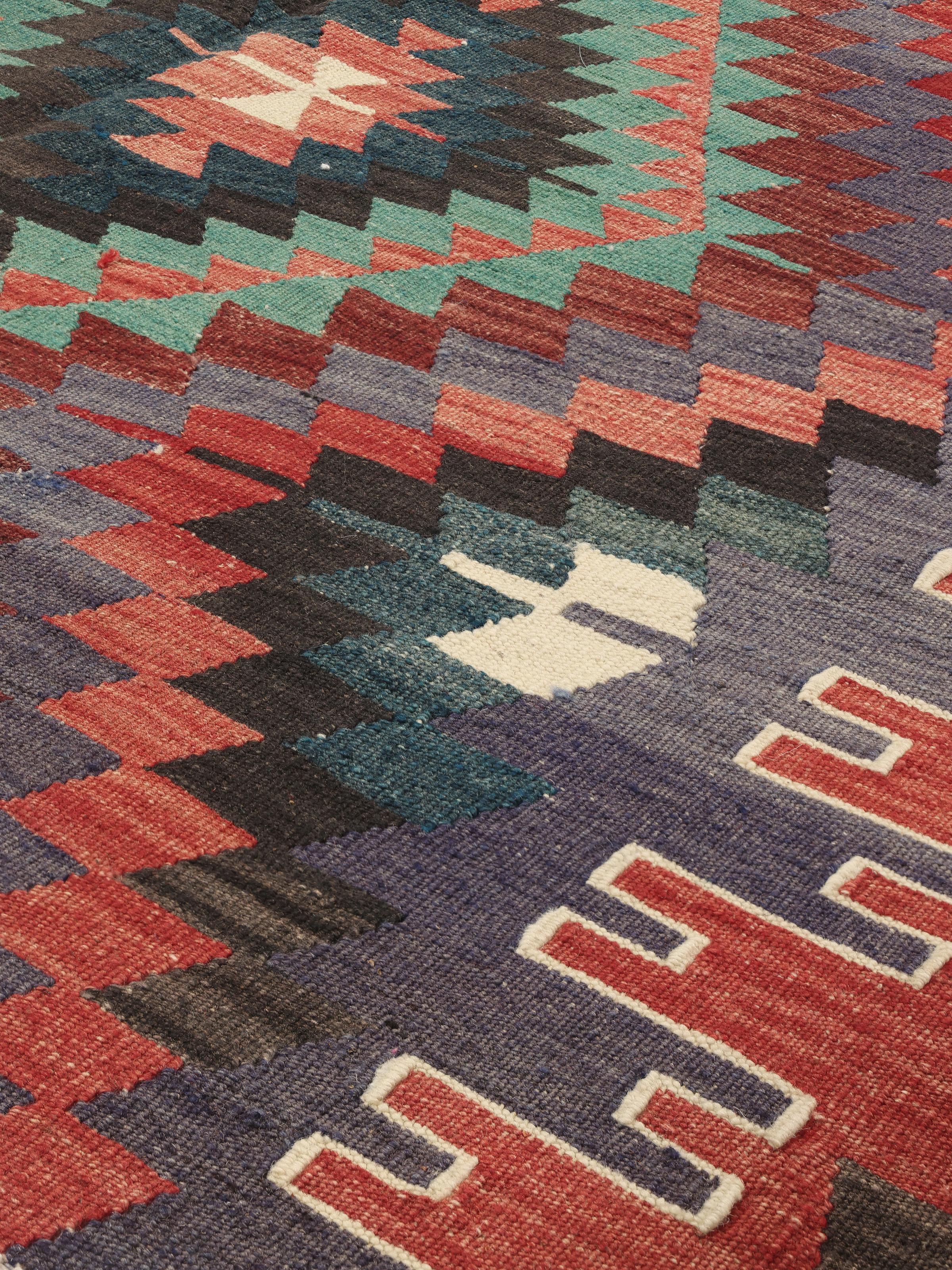
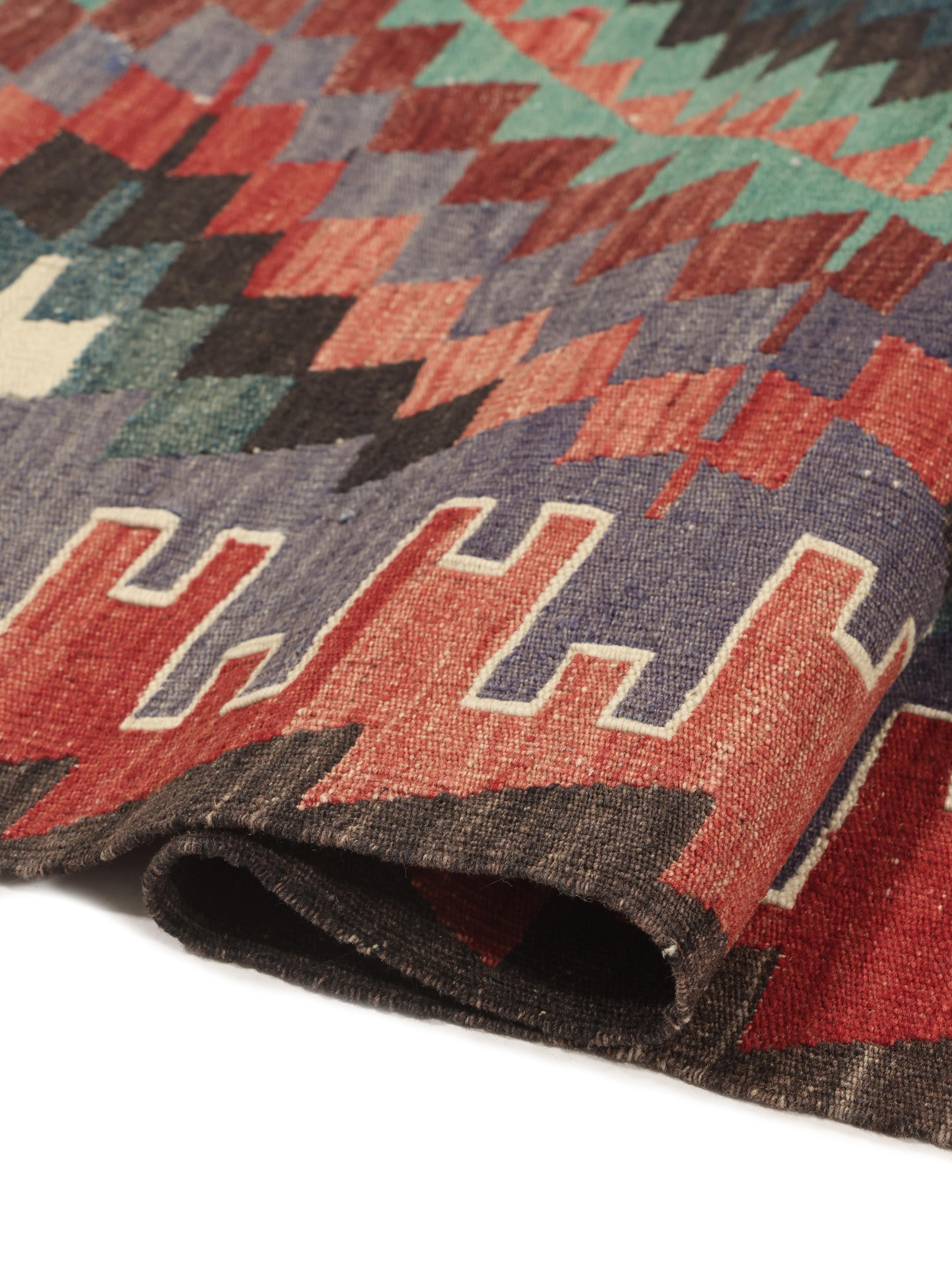
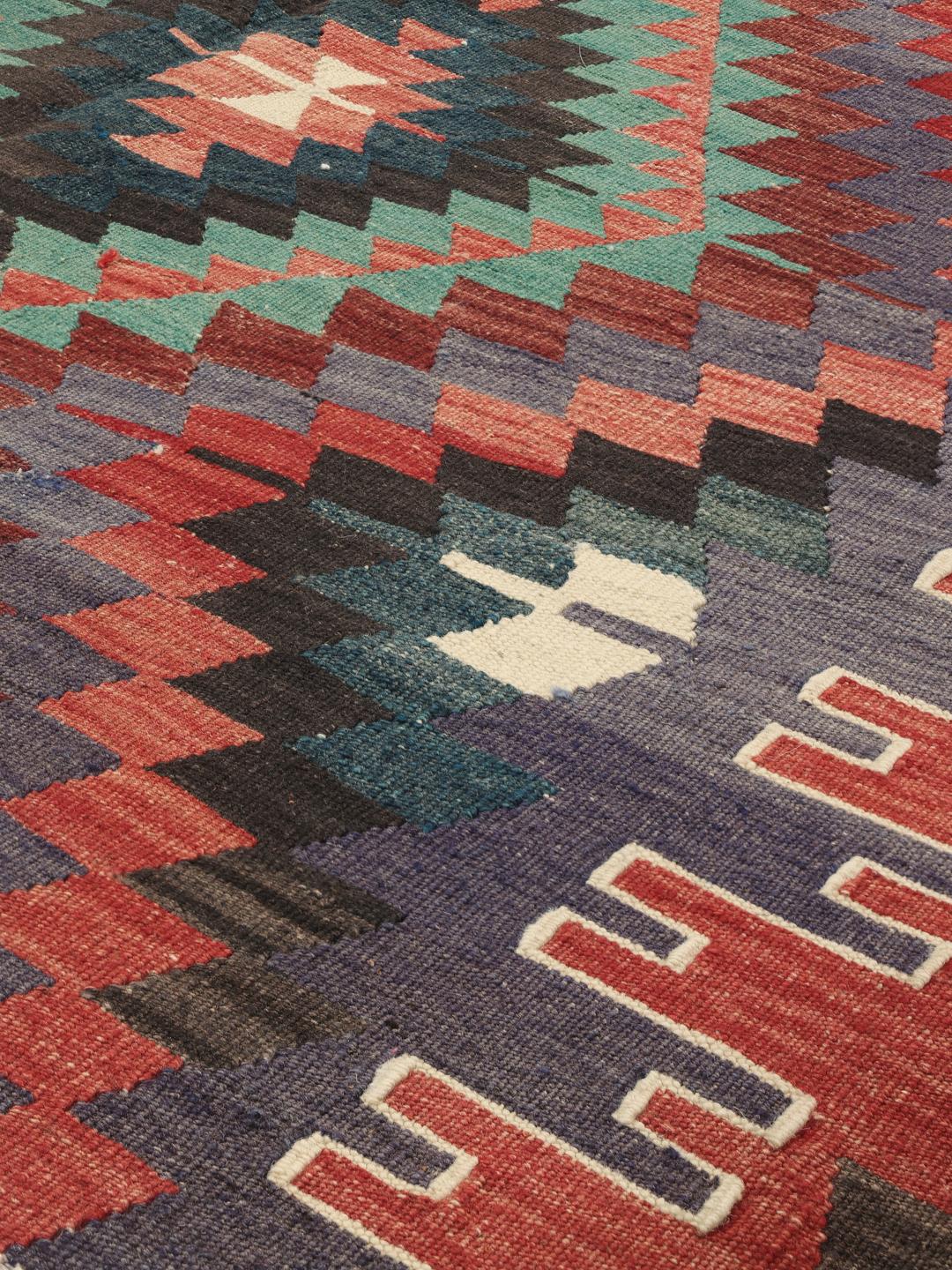
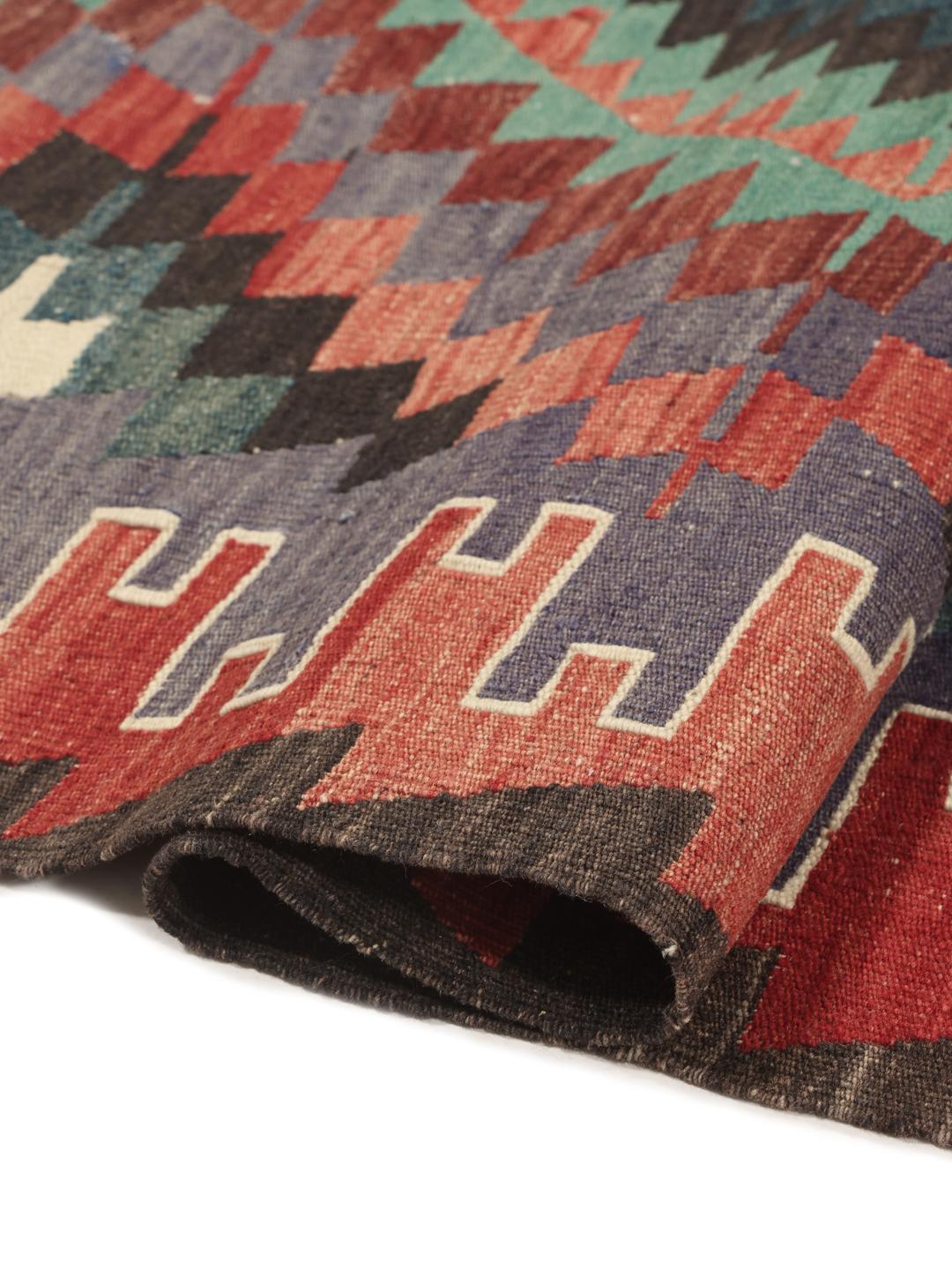
The technical mastery of a kilim lies in the interlocking of the weft threads, which creates the crisp, clean geometric lines that define the style. Because the design is woven directly into the foundation rather than knotted onto it, the aesthetic is inherently graphic and bold. This flat-weave structure is highly prized for its versatility, as the rugs are reversible and designed to endure the rigors of daily life.
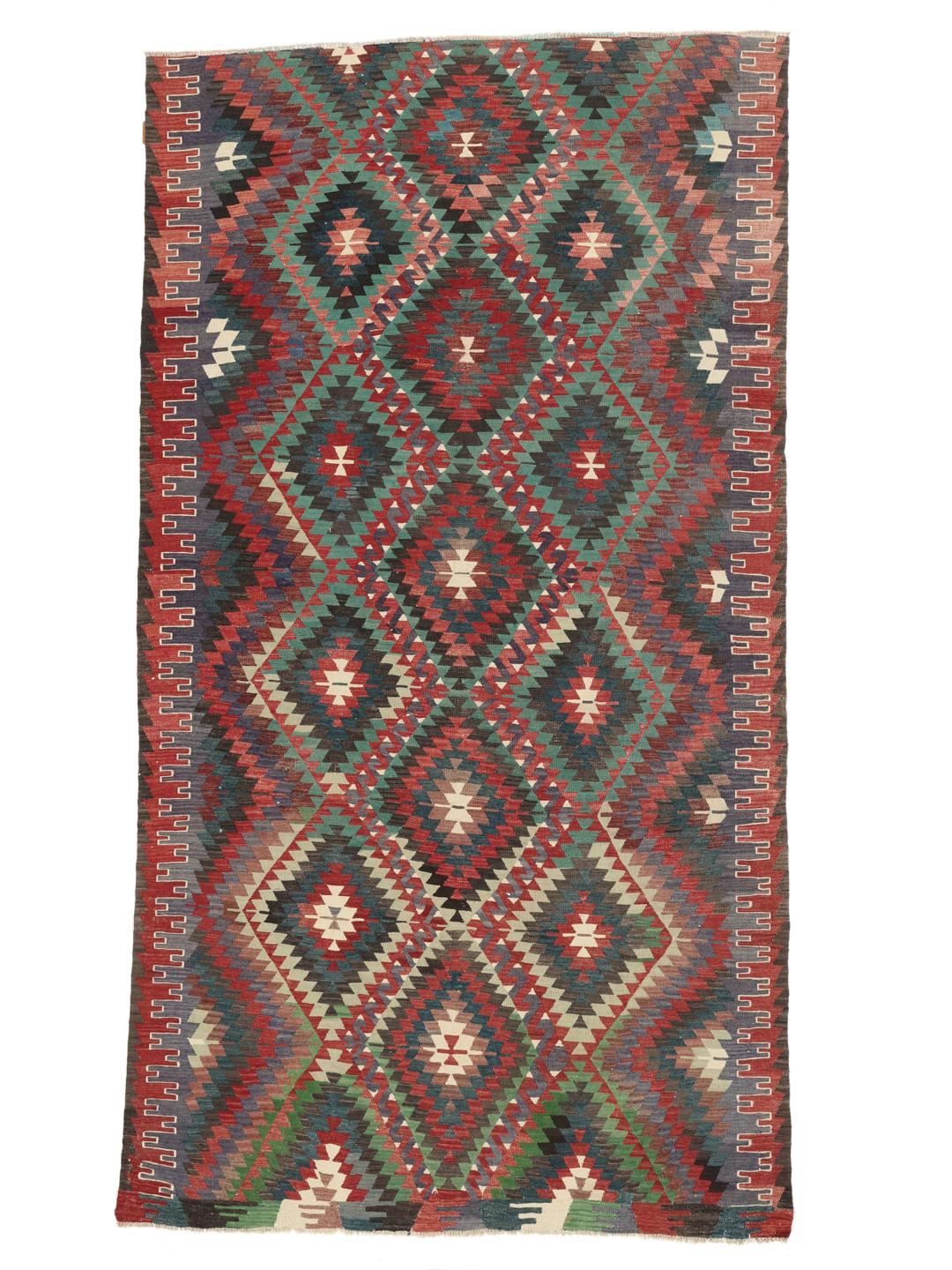
The signature design elements of Turkish kilims often include diamond-shaped medallions, serrated edges, and a symbolic visual language passed down through generations. These patterns were not merely decorative; they often held deep cultural meanings related to protection, fertility, and tribal identity. The use of vibrant, locally sourced dyes gives each rug its own unique character, reflecting the regional landscape and the resources available at the time of weaving.
Collecting vintage kilims is a way to connect with a rich heritage of human ingenuity and artistic expression. Each piece is a document of the weaver's life and the traditions of their community, making them highly valued by collectors who appreciate the rarity of such authentic items. Owning a vintage kilim is more than just buying a rug; it is safeguarding a piece of history that continues to bring beauty and depth to contemporary homes.