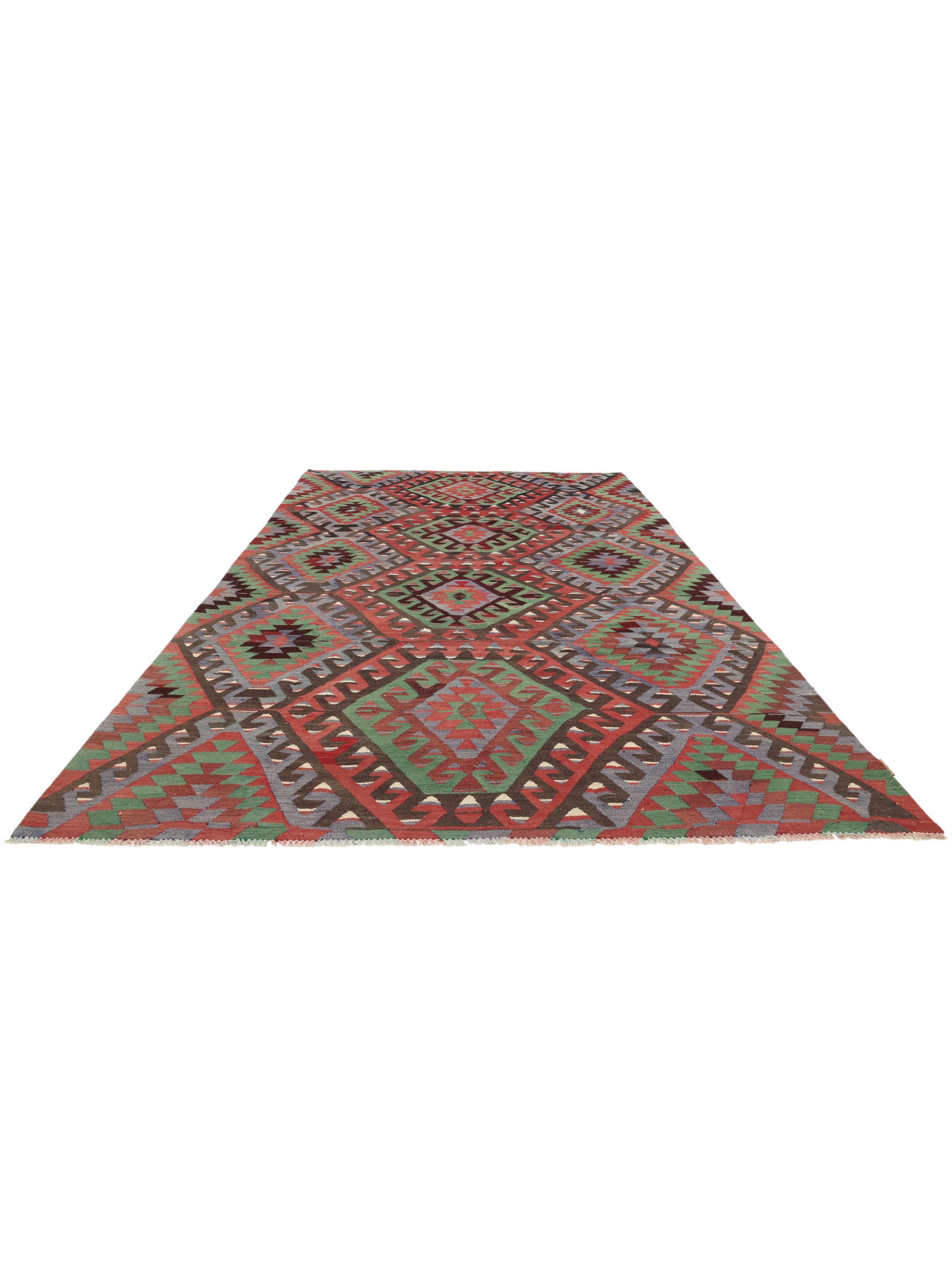
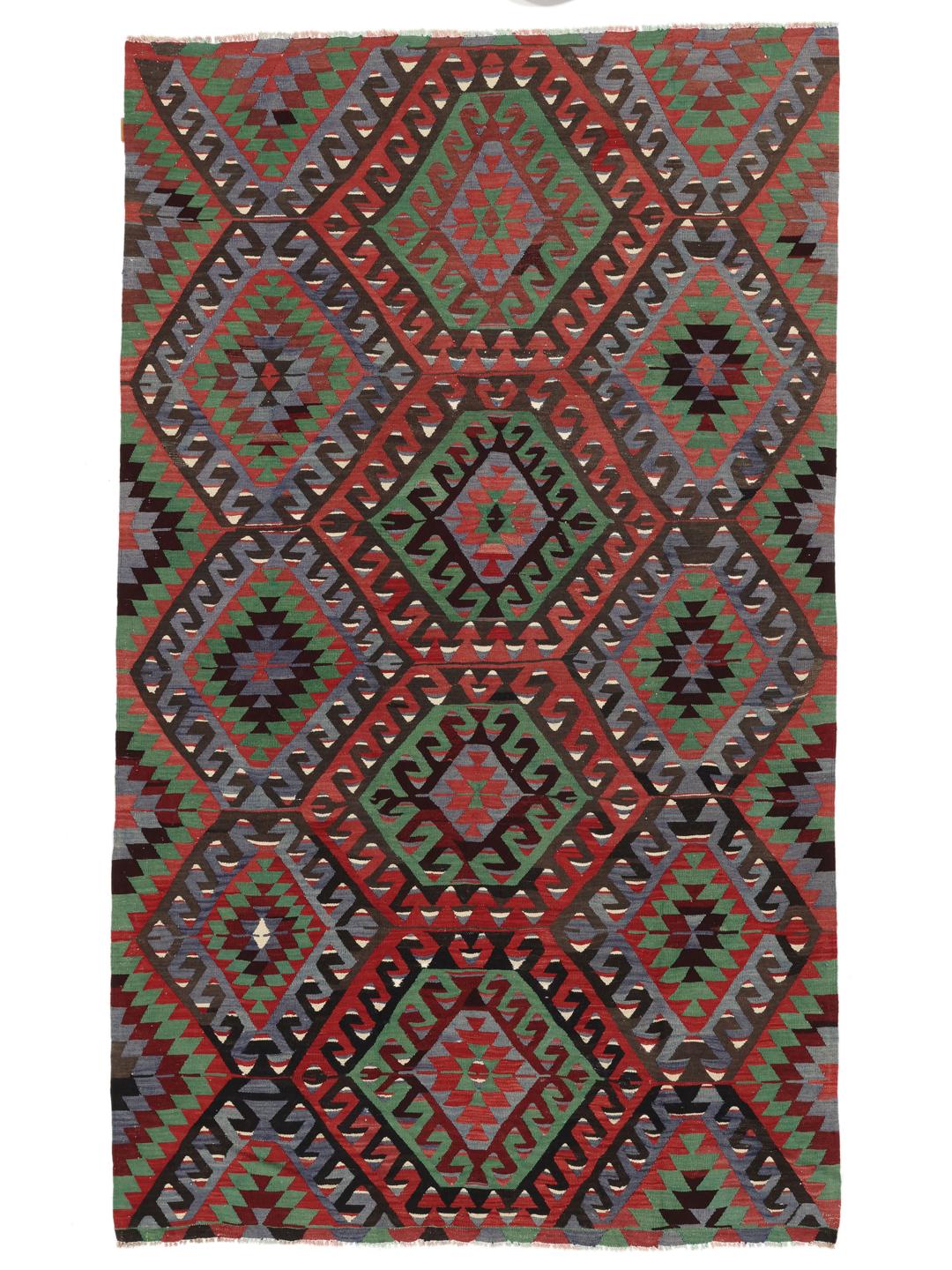
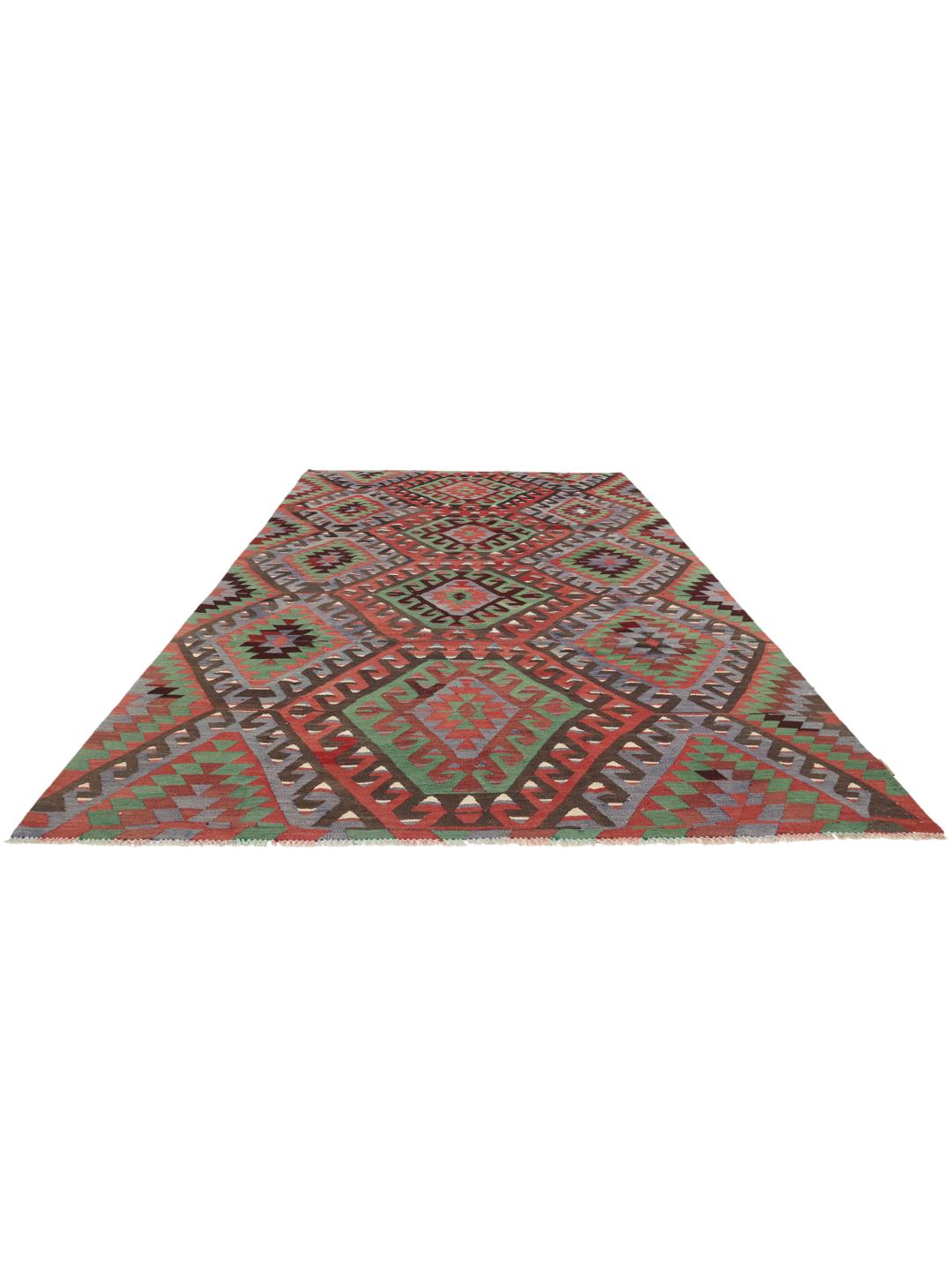
Kelim rugs, or kilims, are a cornerstone of Middle Eastern textile history, with roots stretching back centuries across the nomadic cultures of the region. Traditionally, these flat-woven rugs were created by nomadic tribes as functional, portable items for their daily lives, serving as floor coverings, wall hangings, or storage bags. The knowledge of these weaving techniques was passed down through generations, making each rug a vessel of cultural memory and regional identity.
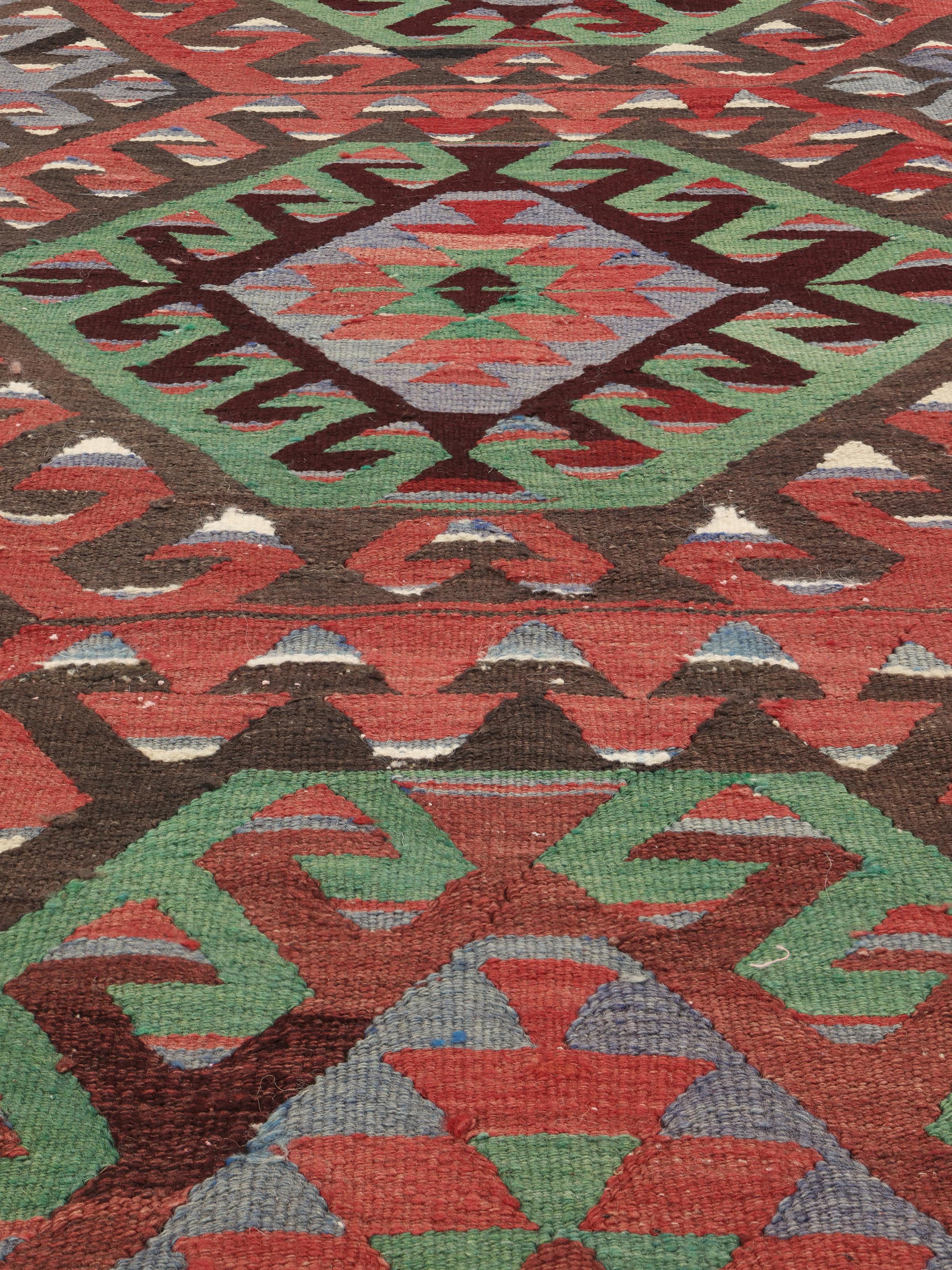
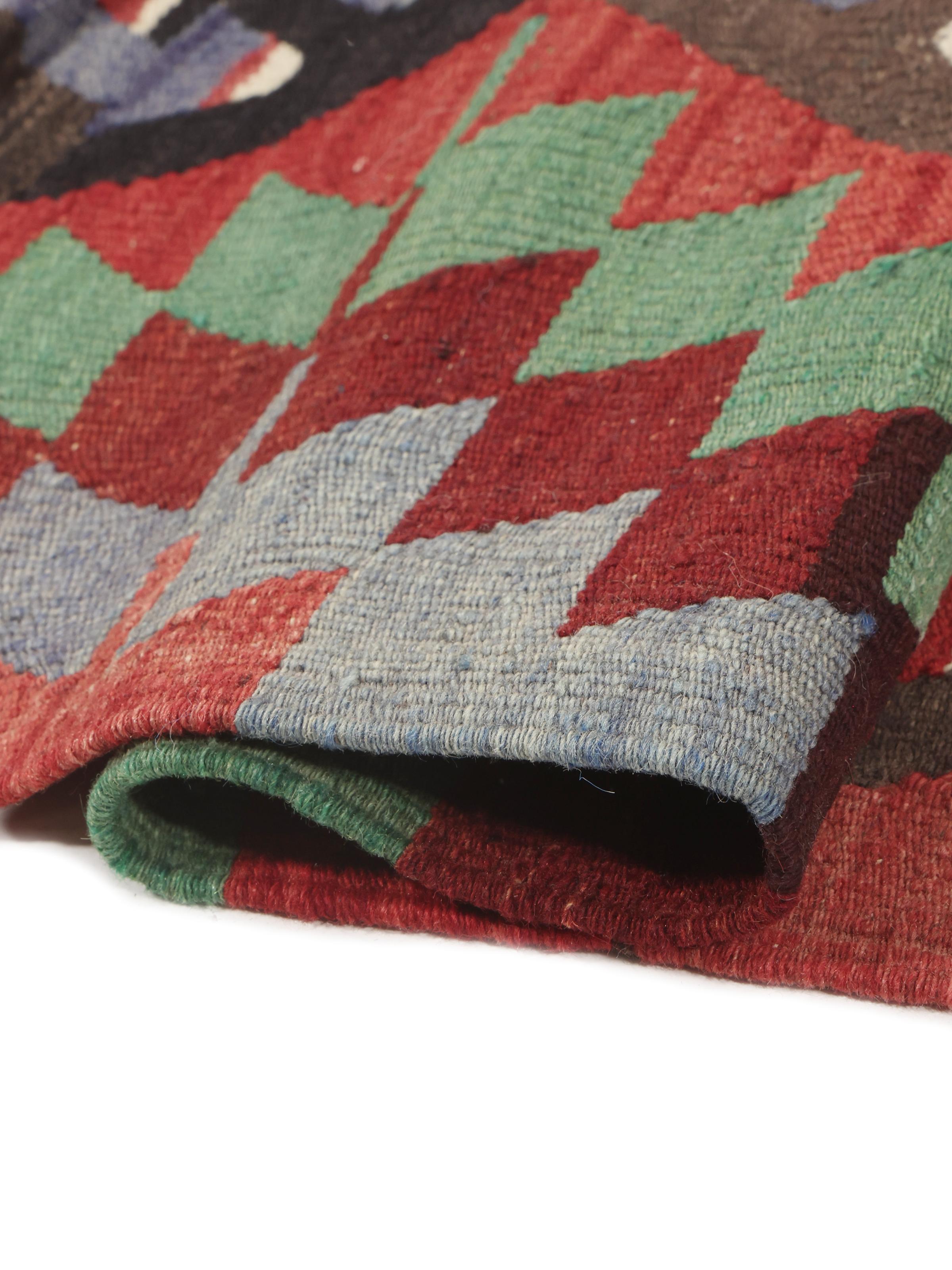
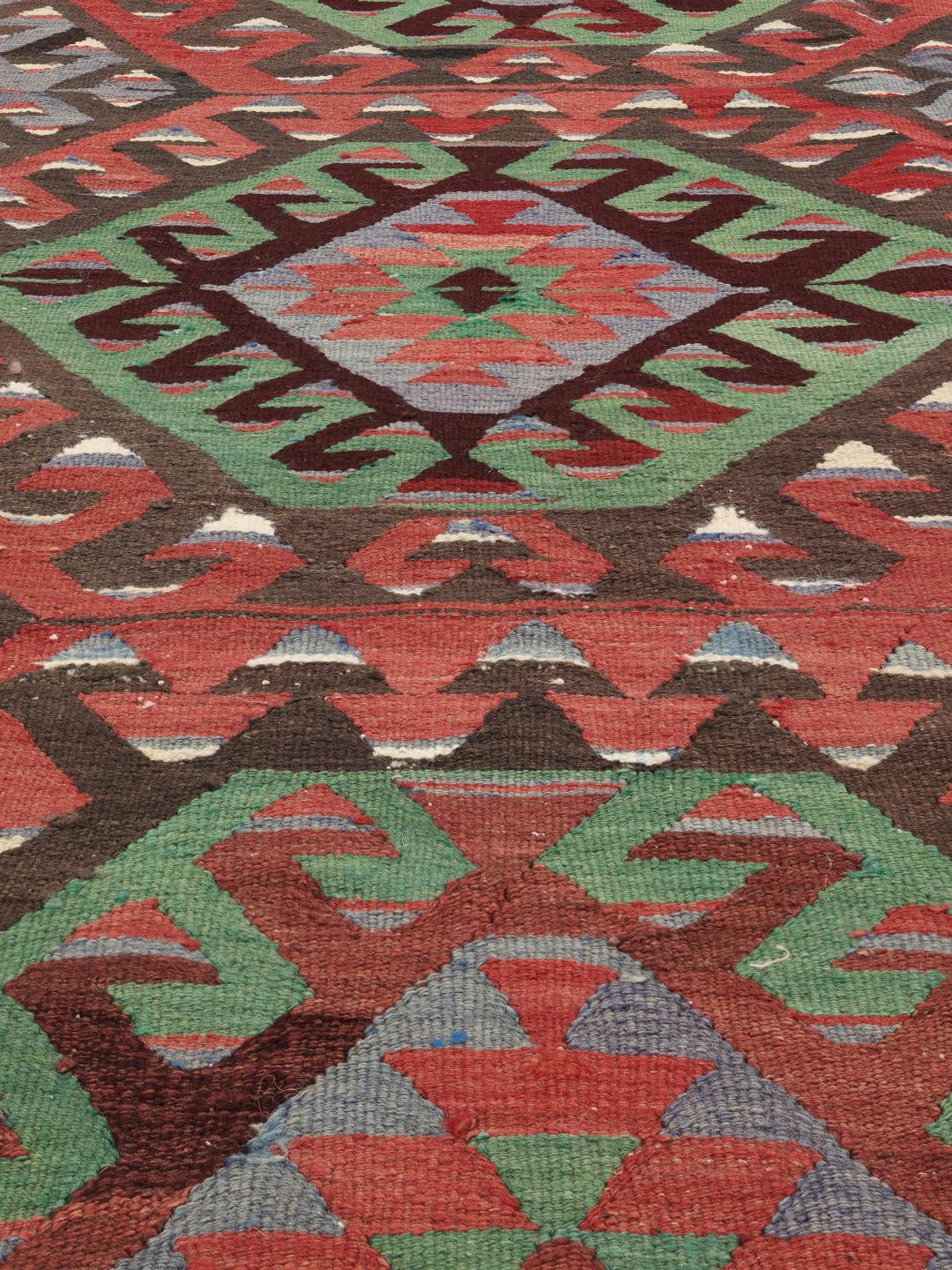
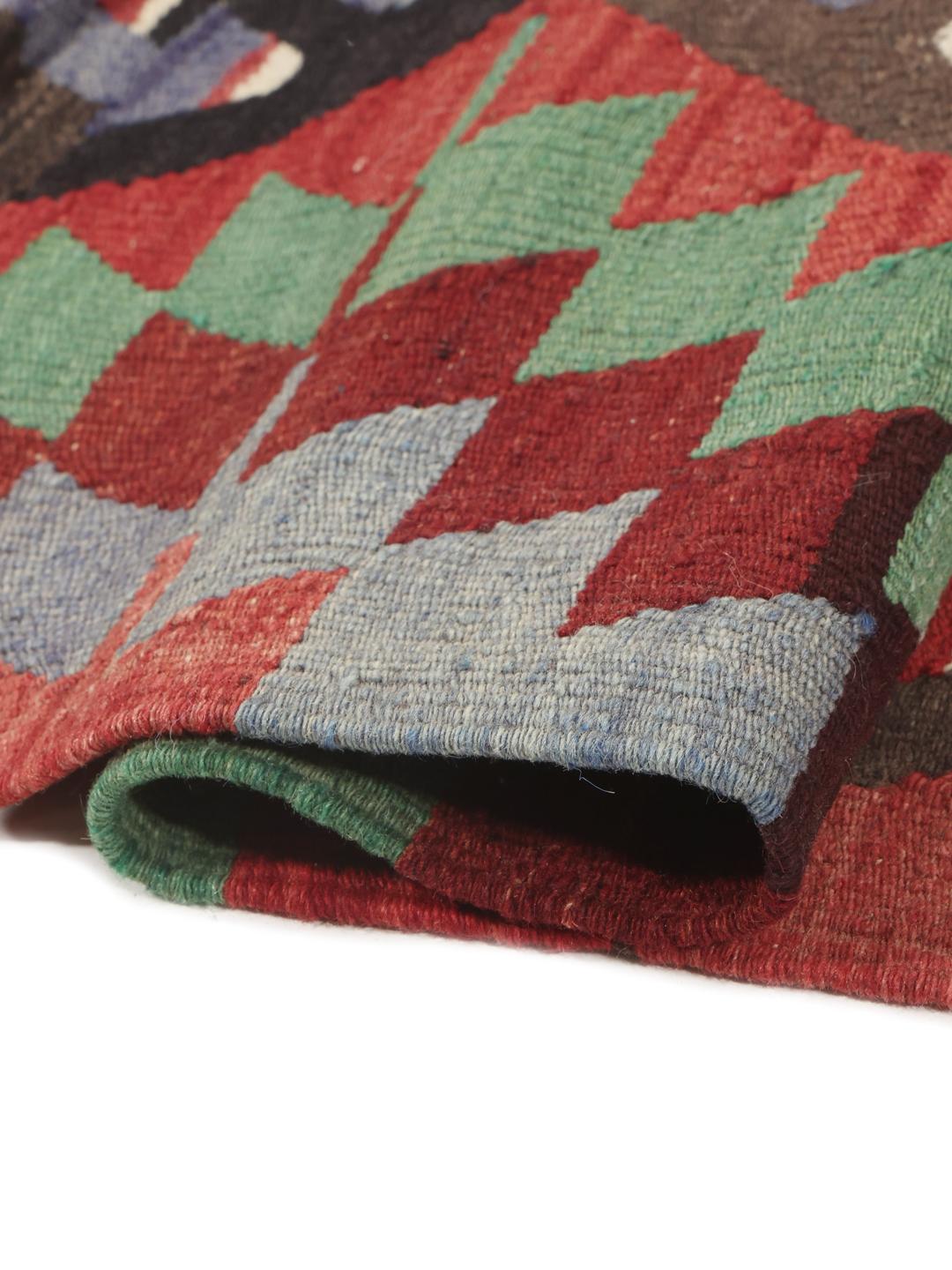
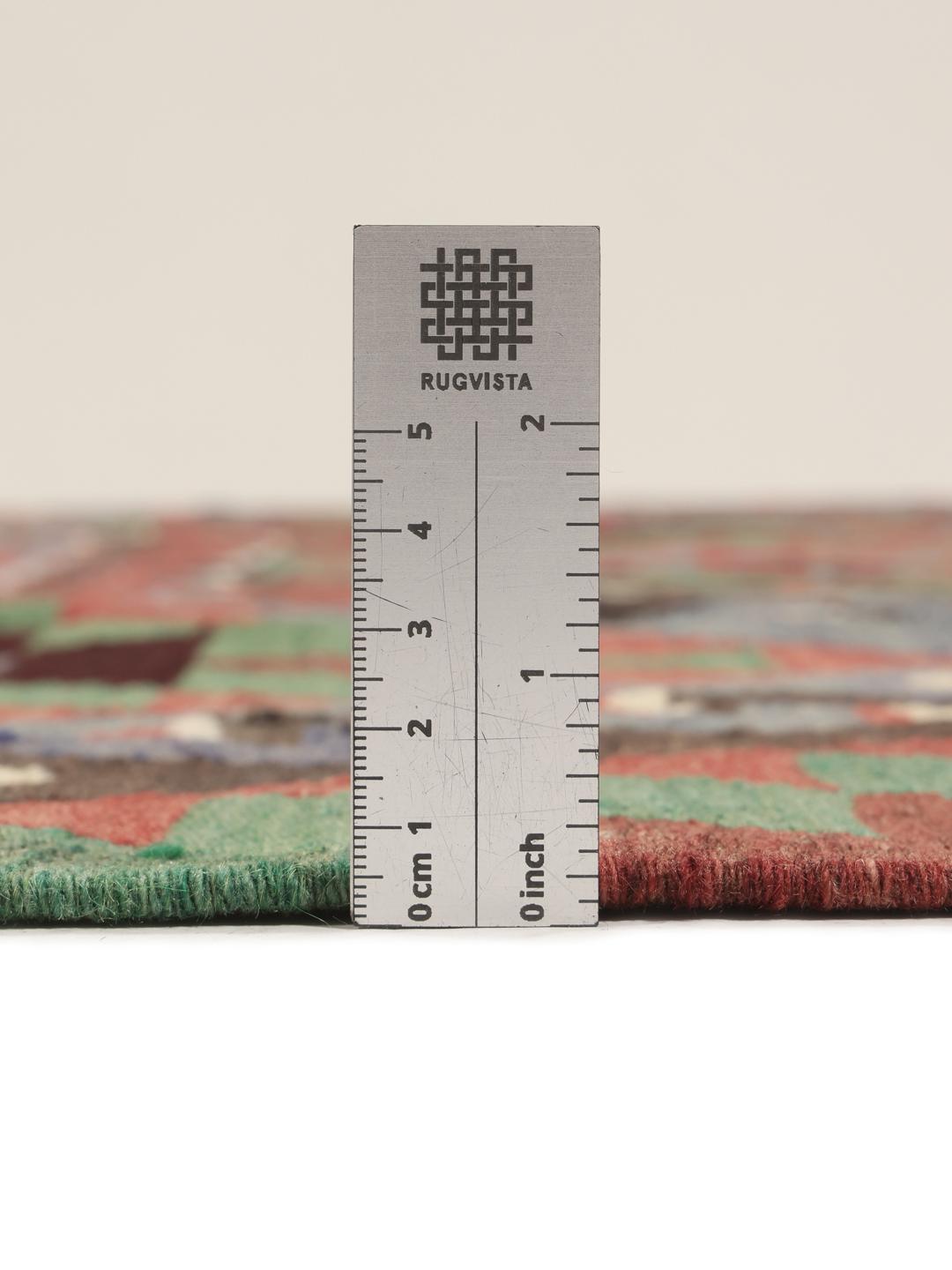
The term 'Kelim' refers specifically to the tapestry-weave construction, which lacks the raised pile of knotted rugs. This technique involves tightly interlacing the coloured weft threads over the warp threads, creating a smooth, reversible fabric. The lack of pile means that the design is created entirely through the placement of these threads, demanding a high level of precision to maintain the crispness of the motifs. This construction is highly valued for its durability and its ability to withstand the rigours of nomadic life, which translates to long-lasting quality in a modern home.
Signature design elements of Turkish Kelims often feature bold, geometric motifs that carry symbolic meaning. Common patterns include the 'elibelinde' or 'hands-on-hips' motif, which symbolises fertility and motherhood, and various tribal medallions that reflect the weaver's specific heritage. The use of vibrant, natural dyes—historically sourced from roots, flowers, and minerals—gives these rugs their distinctive, saturated appearance that often mellows beautifully with age.
Today, these rugs are highly sought after by collectors and enthusiasts who value the human element behind every thread. Owning a vintage Kelim is an investment in a living tradition, representing a rare combination of utility, artistry, and historical significance. These pieces are not just decor; they are authentic artifacts that bring the rich, storied legacy of Turkish weaving into your contemporary living space, ensuring that the craft continues to be celebrated and preserved.