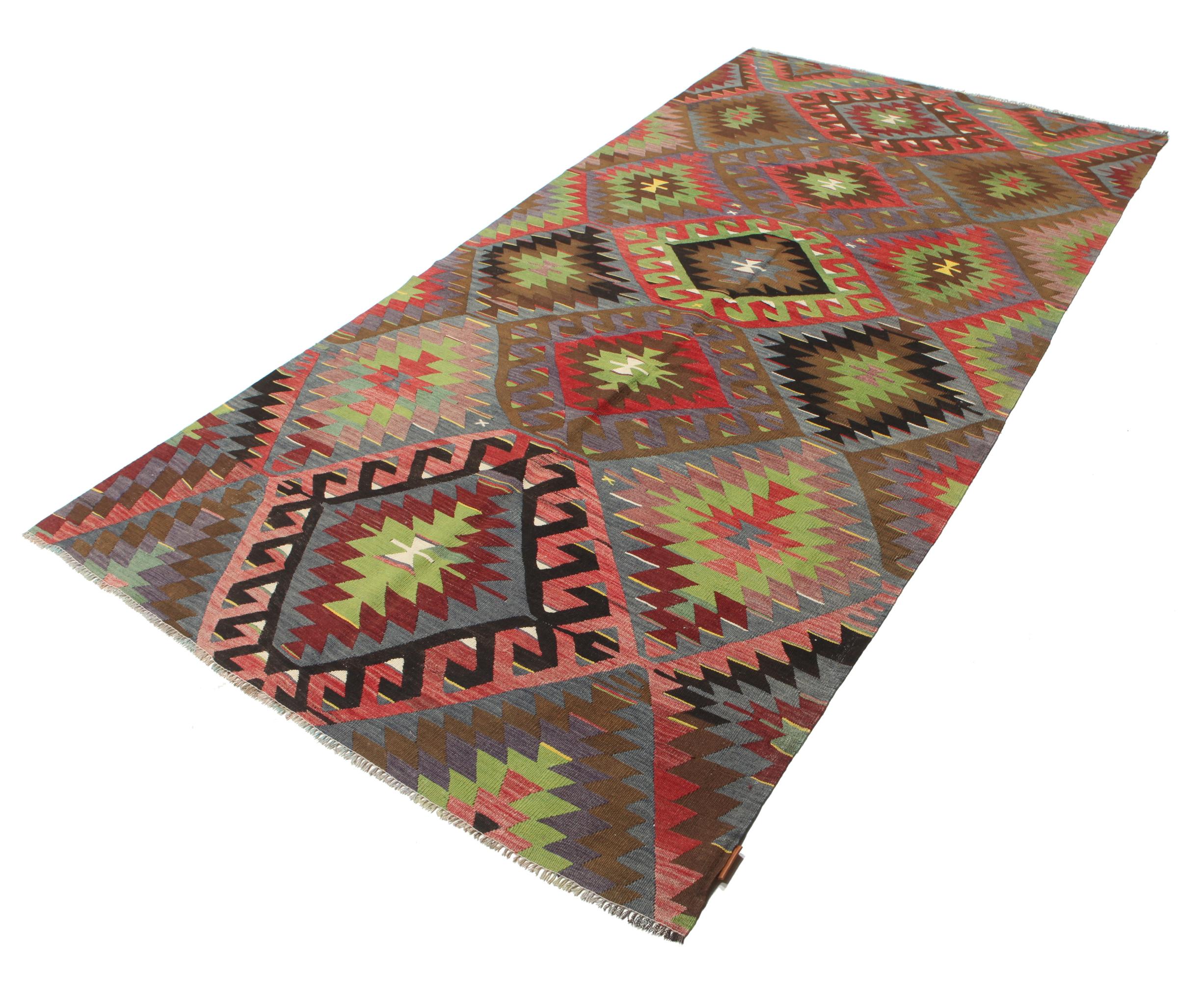
The tradition of kilim weaving is deeply rooted in the nomadic and village cultures of Turkey, serving as a functional and artistic cornerstone of domestic life. For centuries, these flat-woven textiles were crafted to provide insulation, warmth, and decoration for tents and homes across the Anatolian plateau. The migration of these techniques across the Middle East has resulted in a diverse language of motifs, yet Turkish kilims remain among the most celebrated for their clarity and boldness.
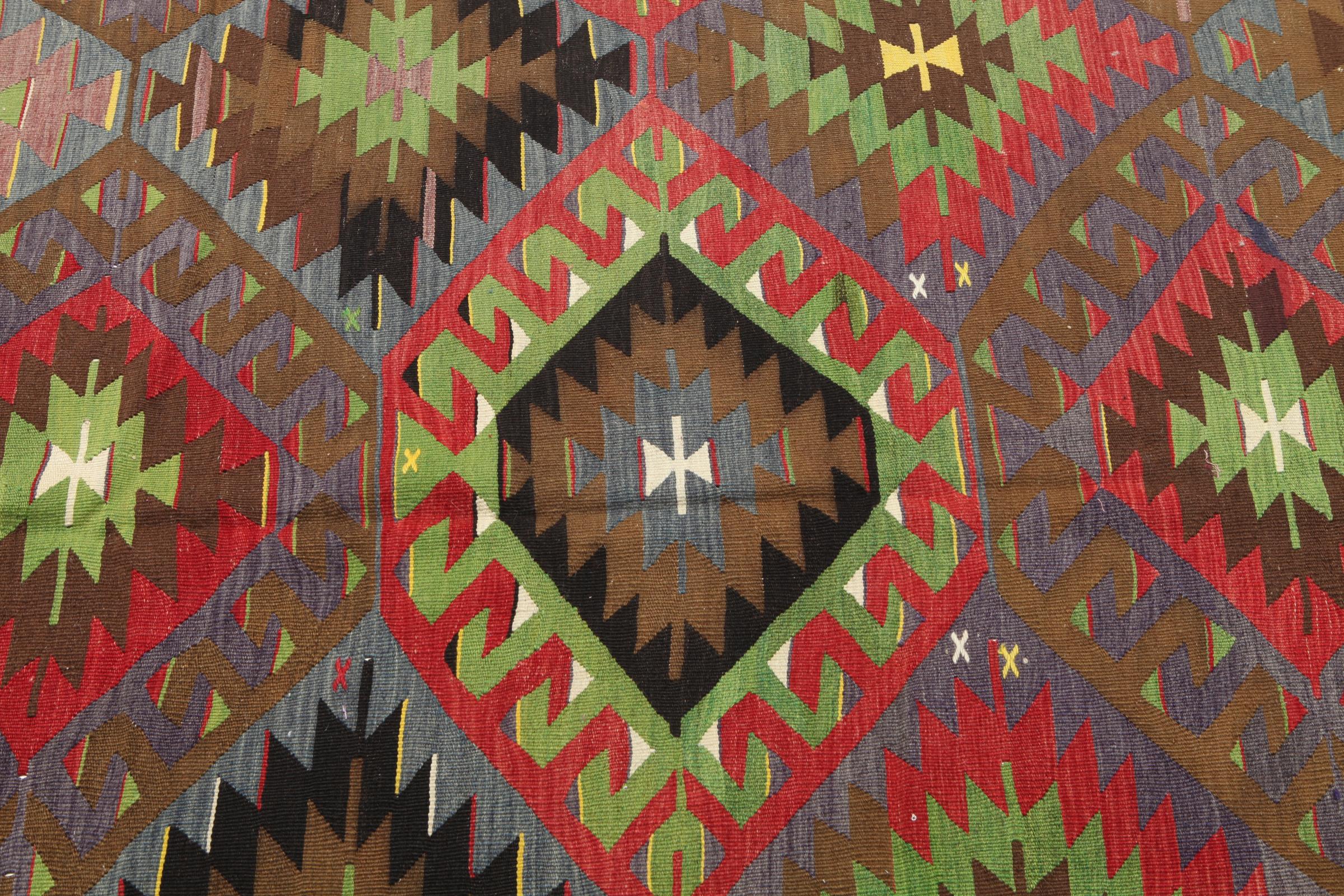
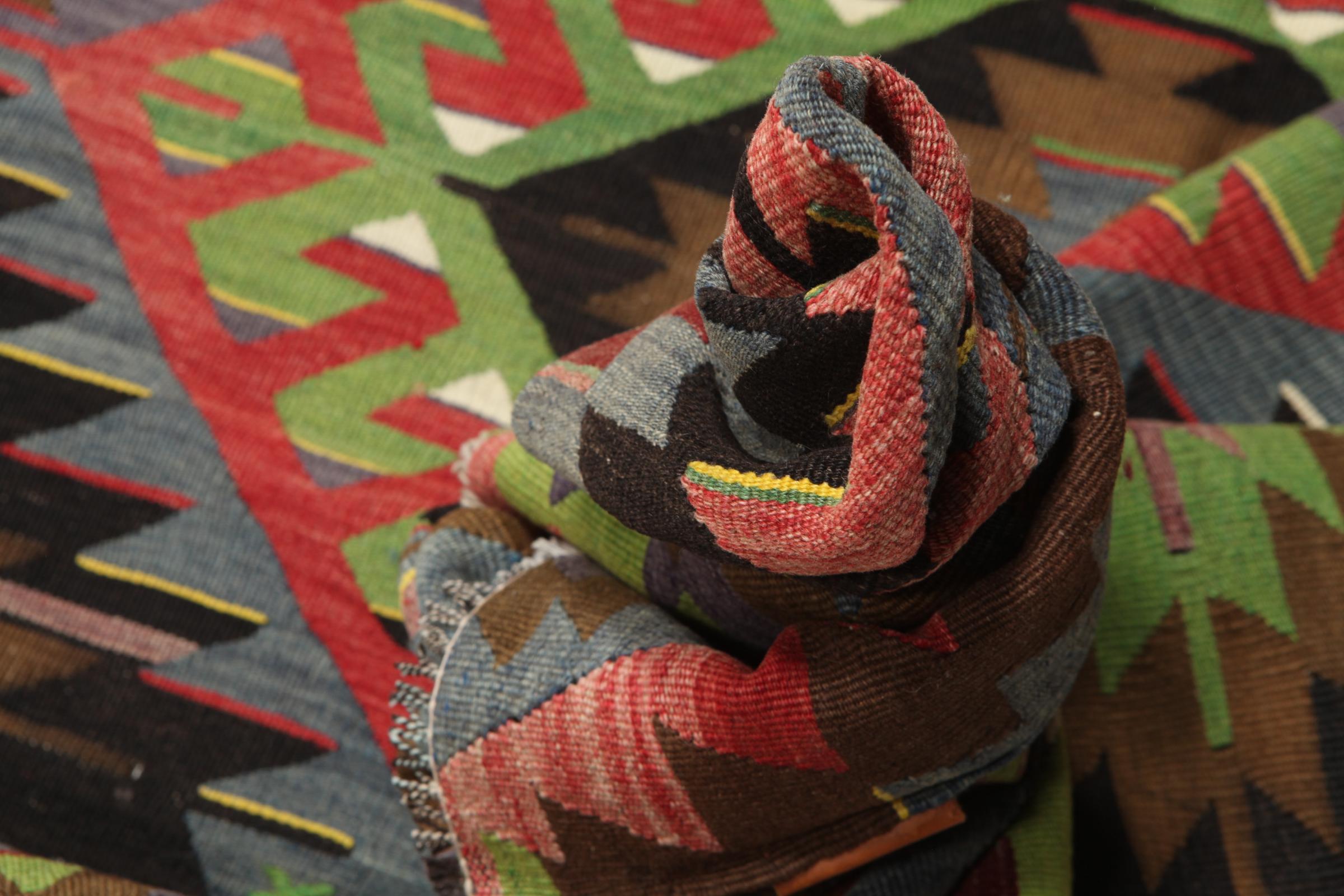
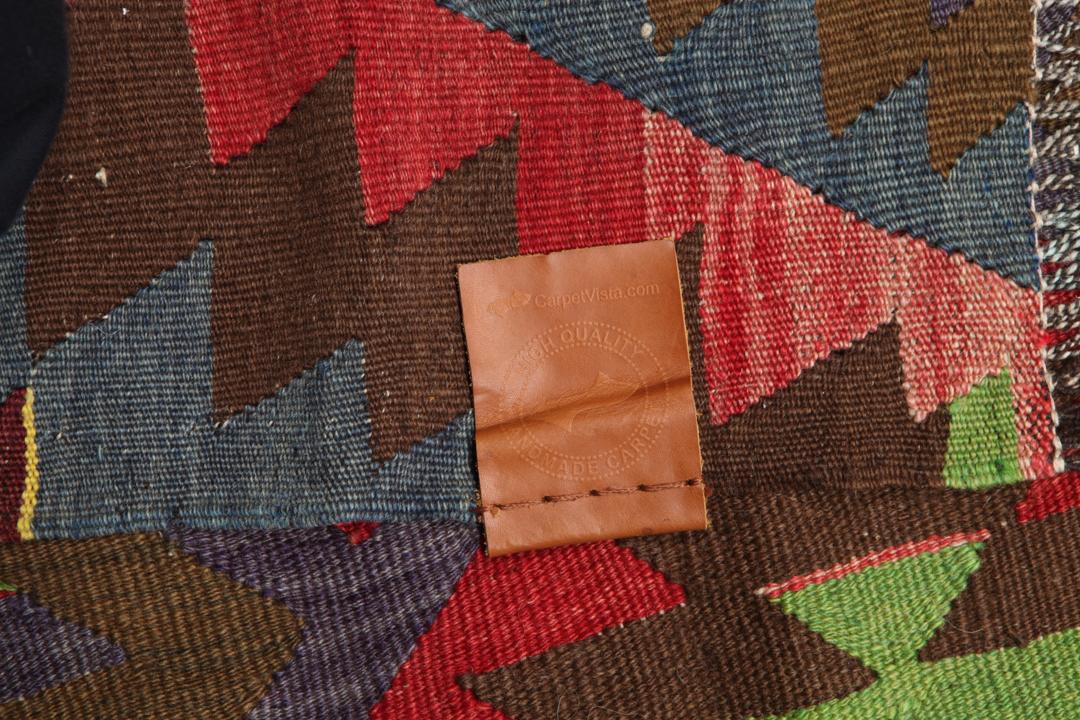
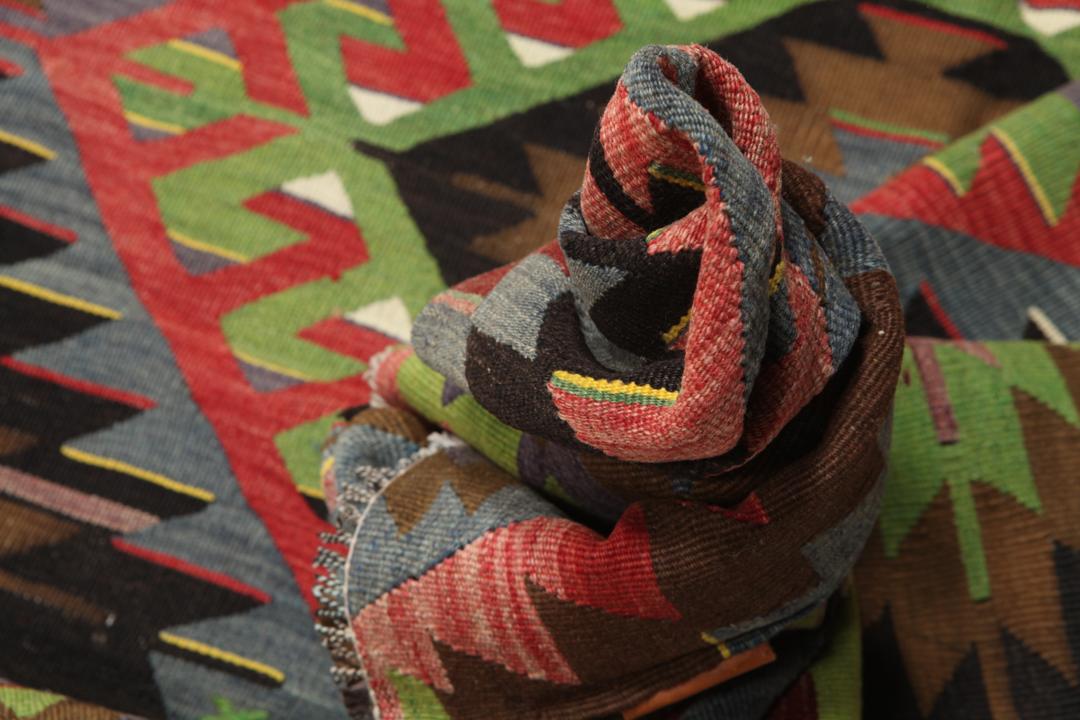
A kilim is defined by its flat-weave construction, meaning it is created without a pile. The weaver interlaces the warp and weft threads to form the pattern directly into the structure of the rug. This technique produces a thin, lightweight, yet incredibly robust textile that can be used on both sides. The absence of pile allows the intricate geometric motifs to stand out with remarkable sharpness, showcasing the weaver's ability to manage complex colour changes across the loom.
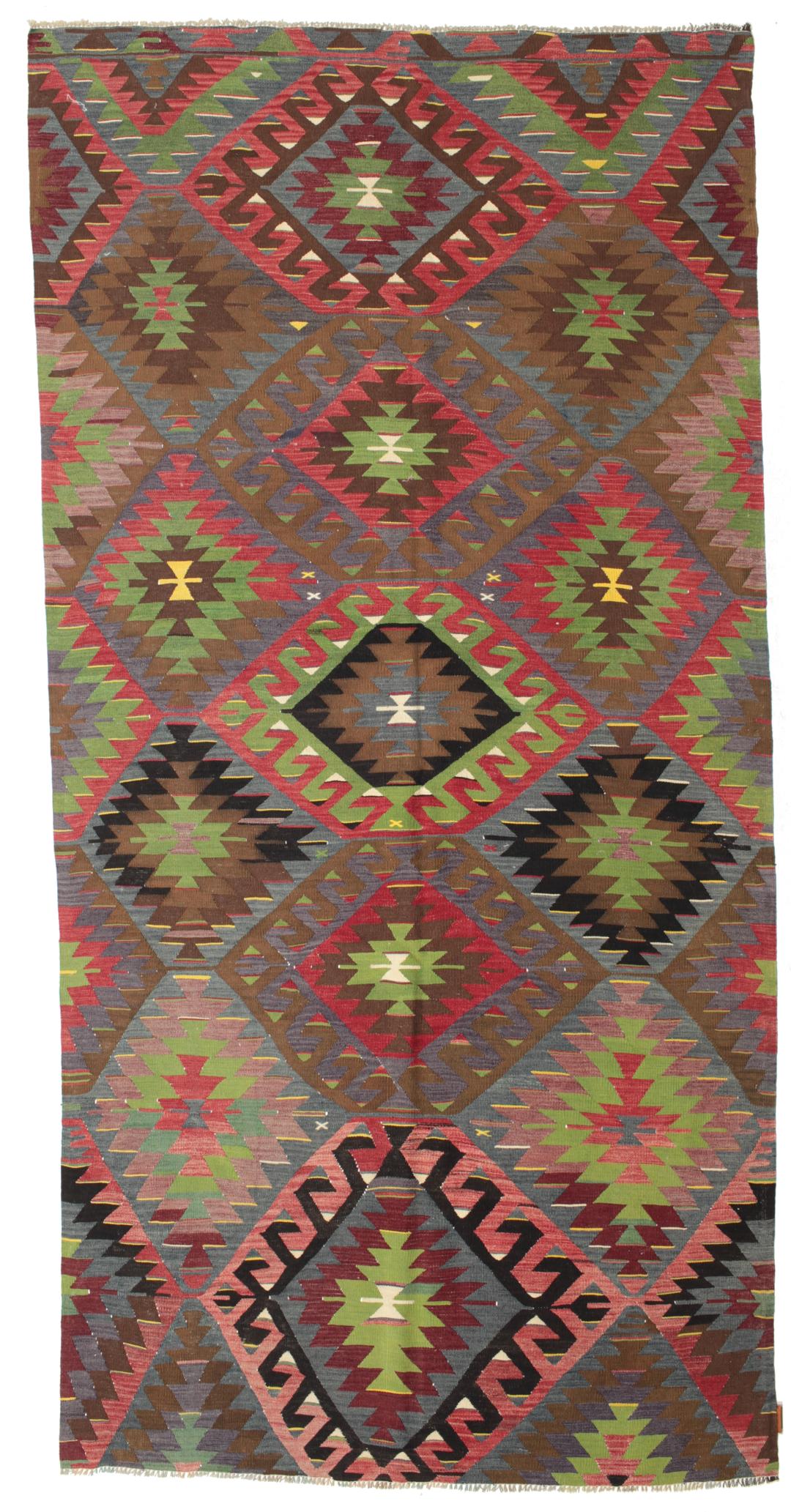
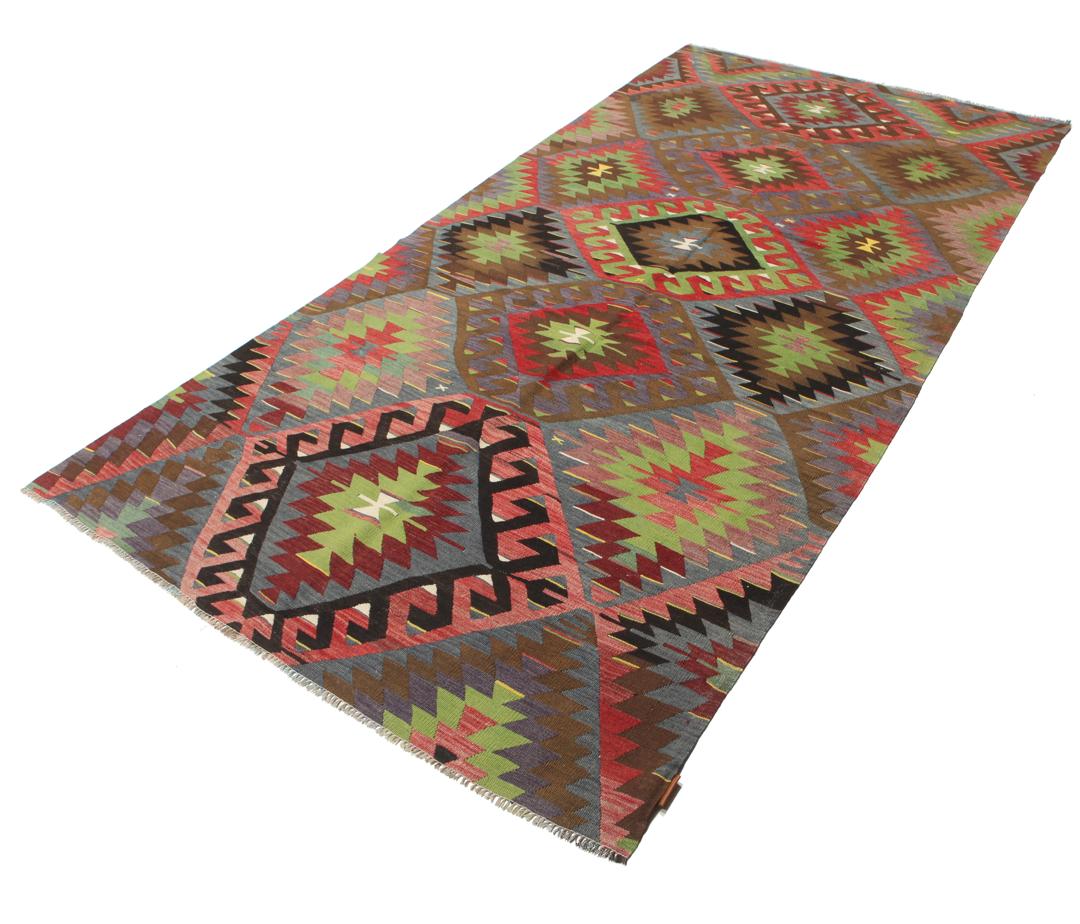
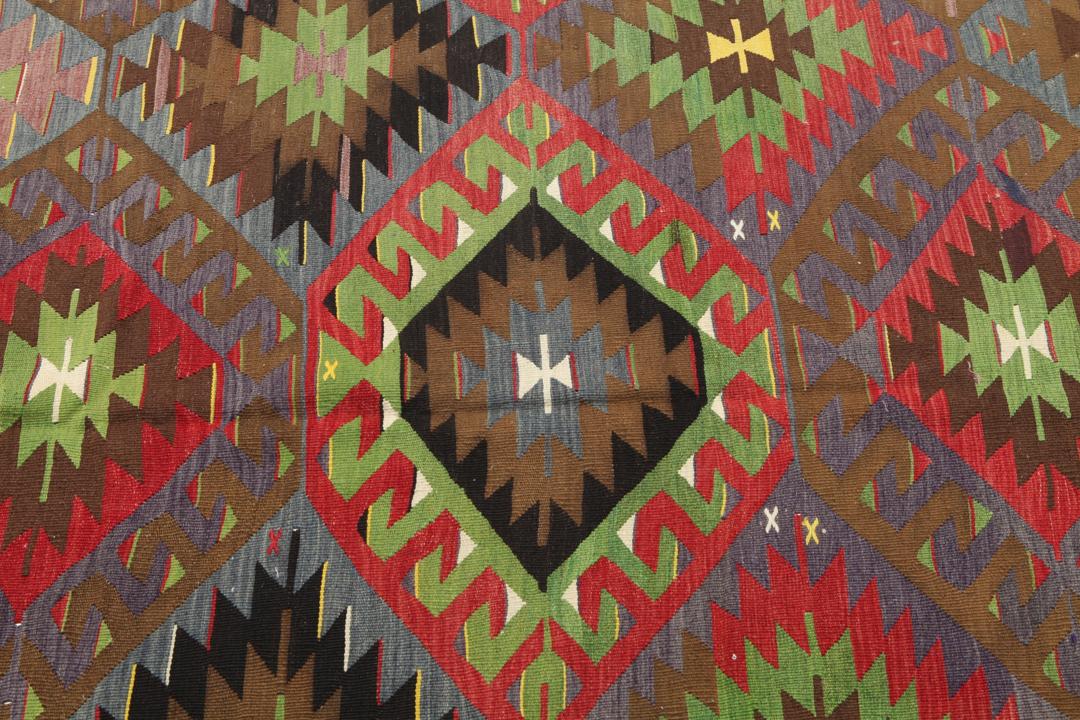
The visual language of this tradition is dominated by geometric abstraction, with motifs often representing symbols of protection, fertility, or tribal identity. Diamonds, chevrons, and stepped medallions are common, organised into rhythmic, repeating patterns that cover the field. This specific piece features a striking diamond-based layout, where each shape is carefully balanced by contrasting colours, reflecting a design ethos that values symmetry and symbolic storytelling.
Owning a vintage kilim is an opportunity to preserve a piece of cultural heritage. These rugs are highly valued by collectors for the way they bridge the gap between traditional craft and modern design. Each piece reflects the specific environment and creative impulses of its creator at a particular moment in time, making them enduring symbols of skill, patience, and the human need to imbue functional objects with beauty and meaning.