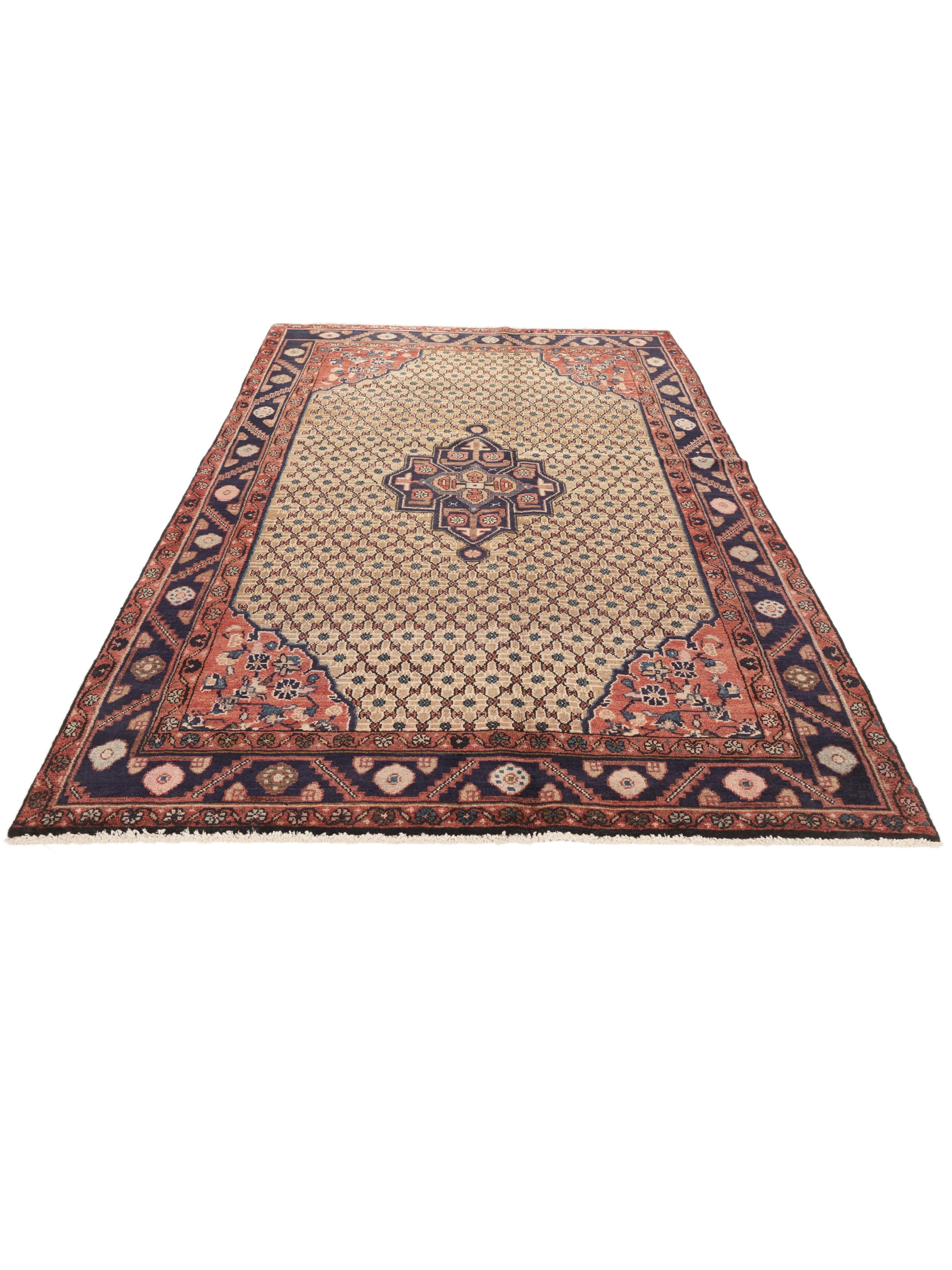
The Koliai rug tradition comes from the Kurdish tribes living in the mountainous regions of the Middle East. These weavers are known for their ability to create rugs that are as sturdy as they are visually compelling, often drawing inspiration from the rugged landscapes and nomadic life that define their cultural identity. The knowledge of these weaving techniques is passed down through generations, keeping these ancient patterns alive and relevant in contemporary homes.
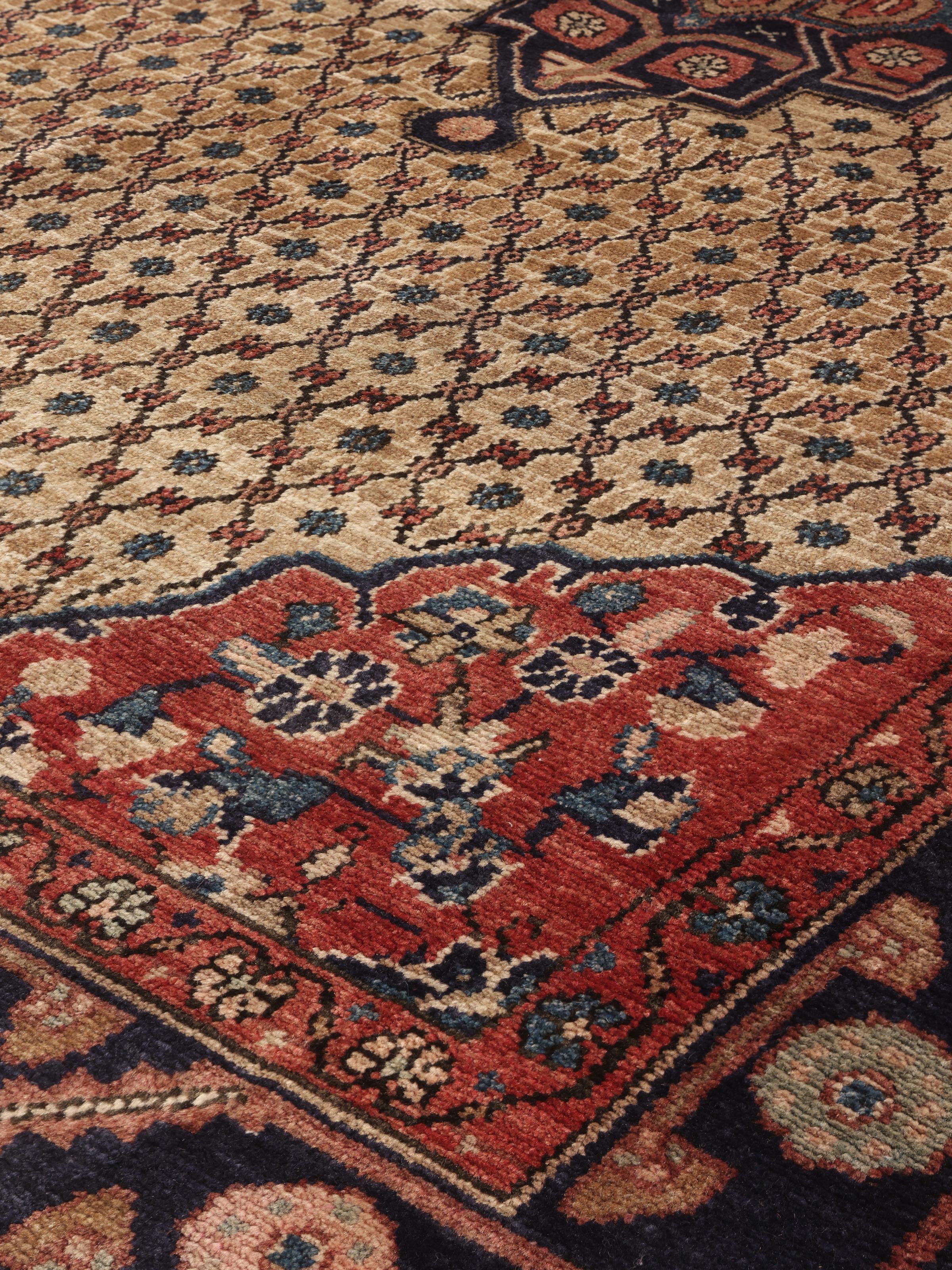
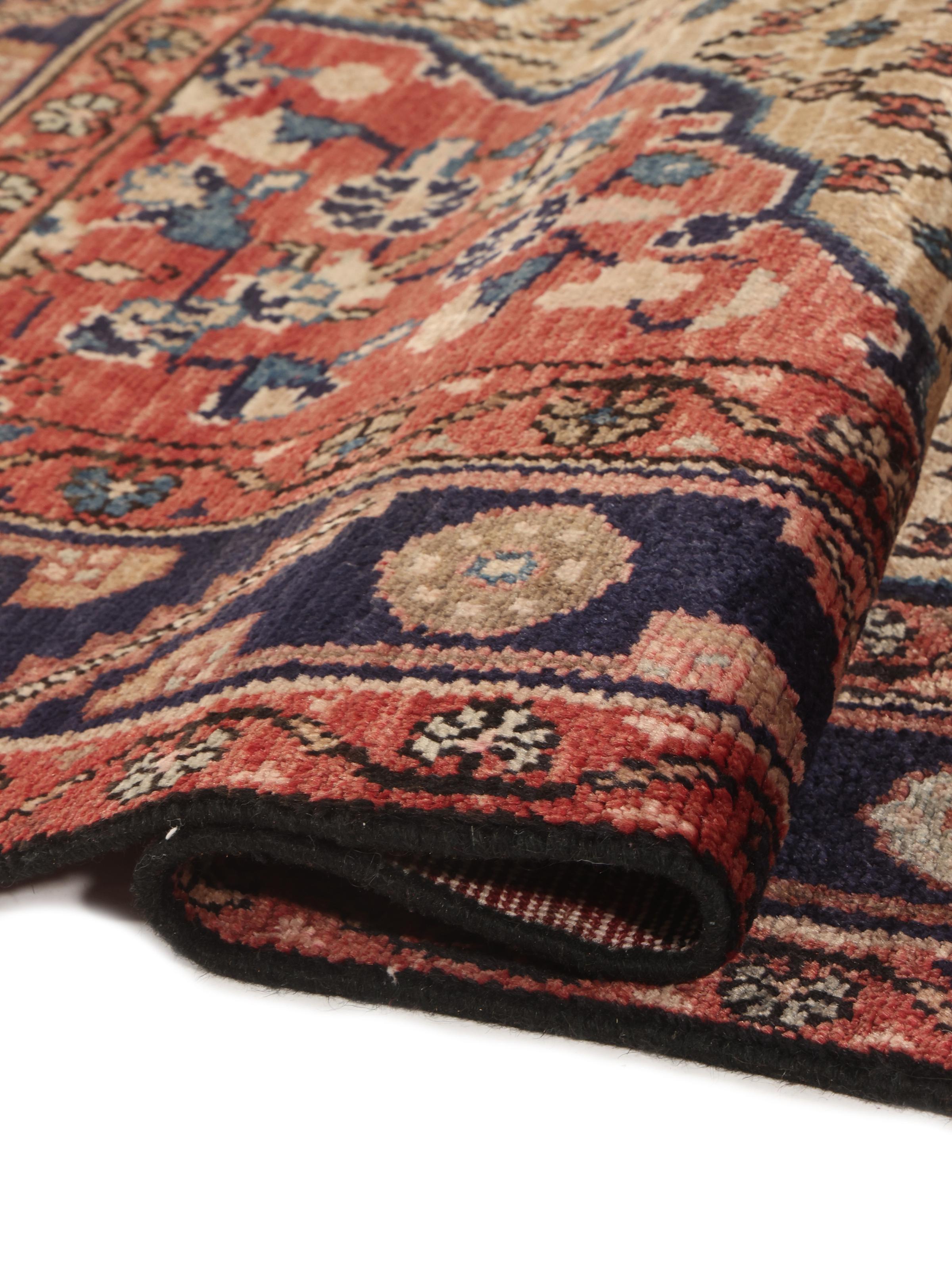
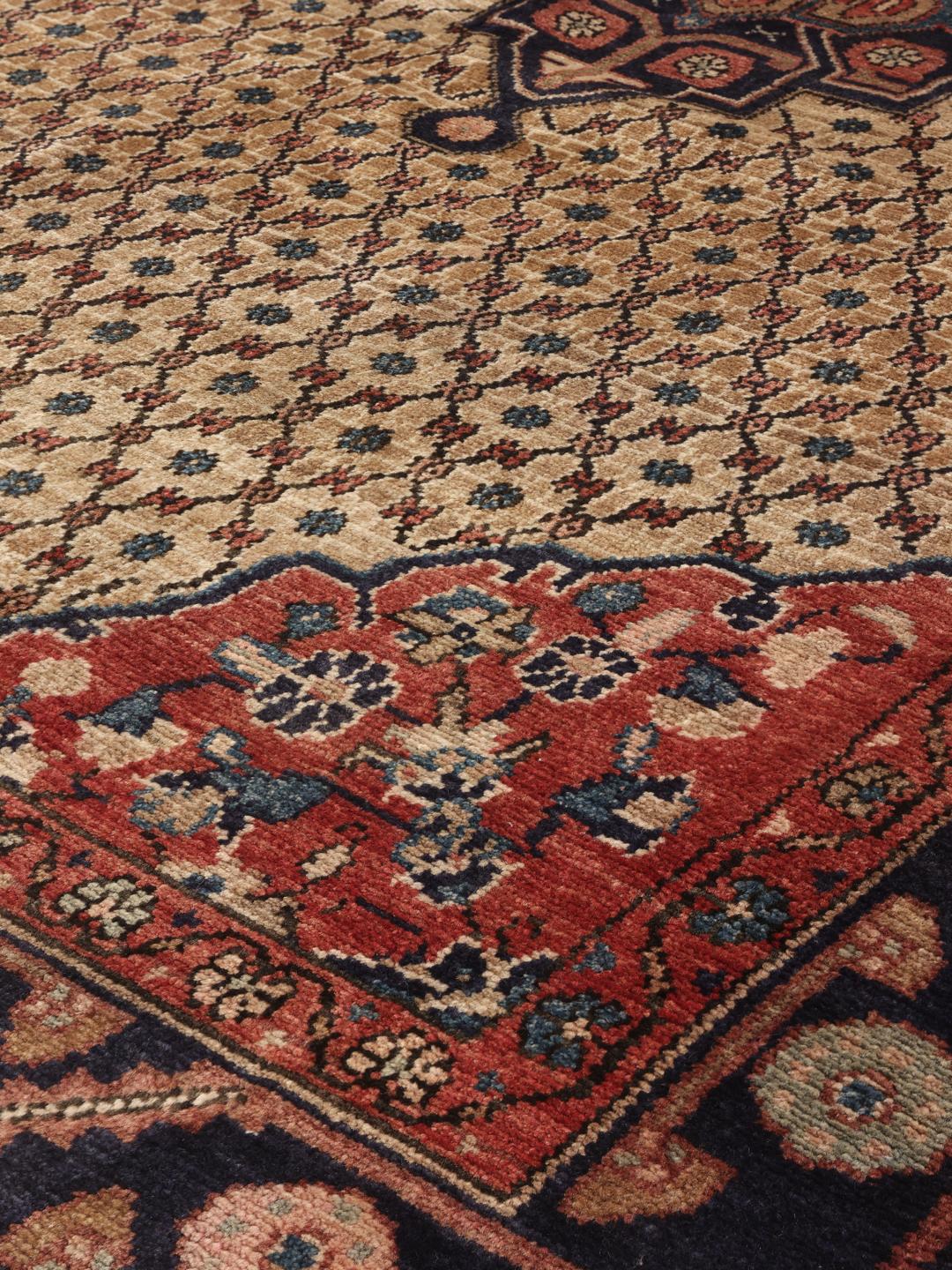
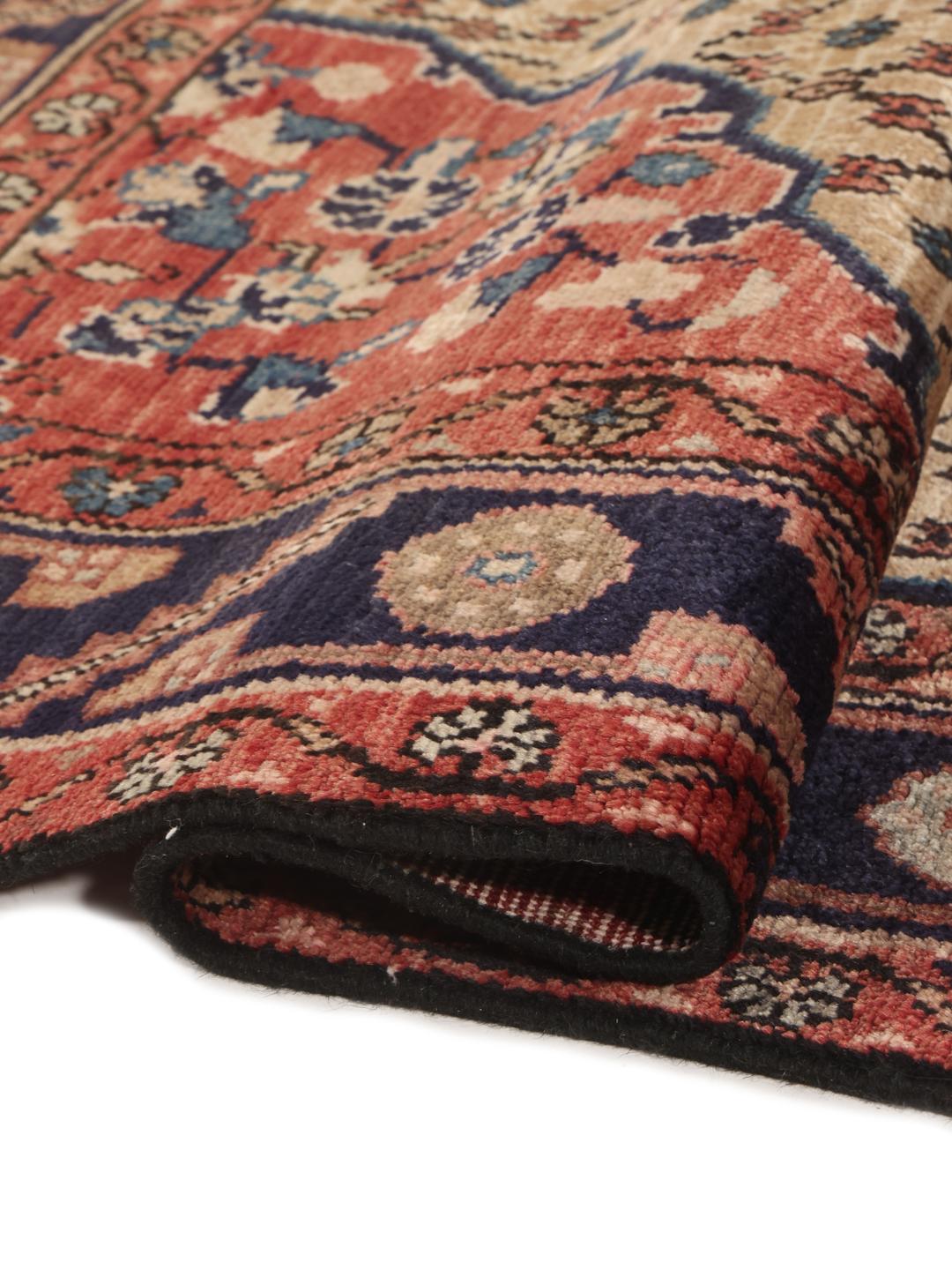
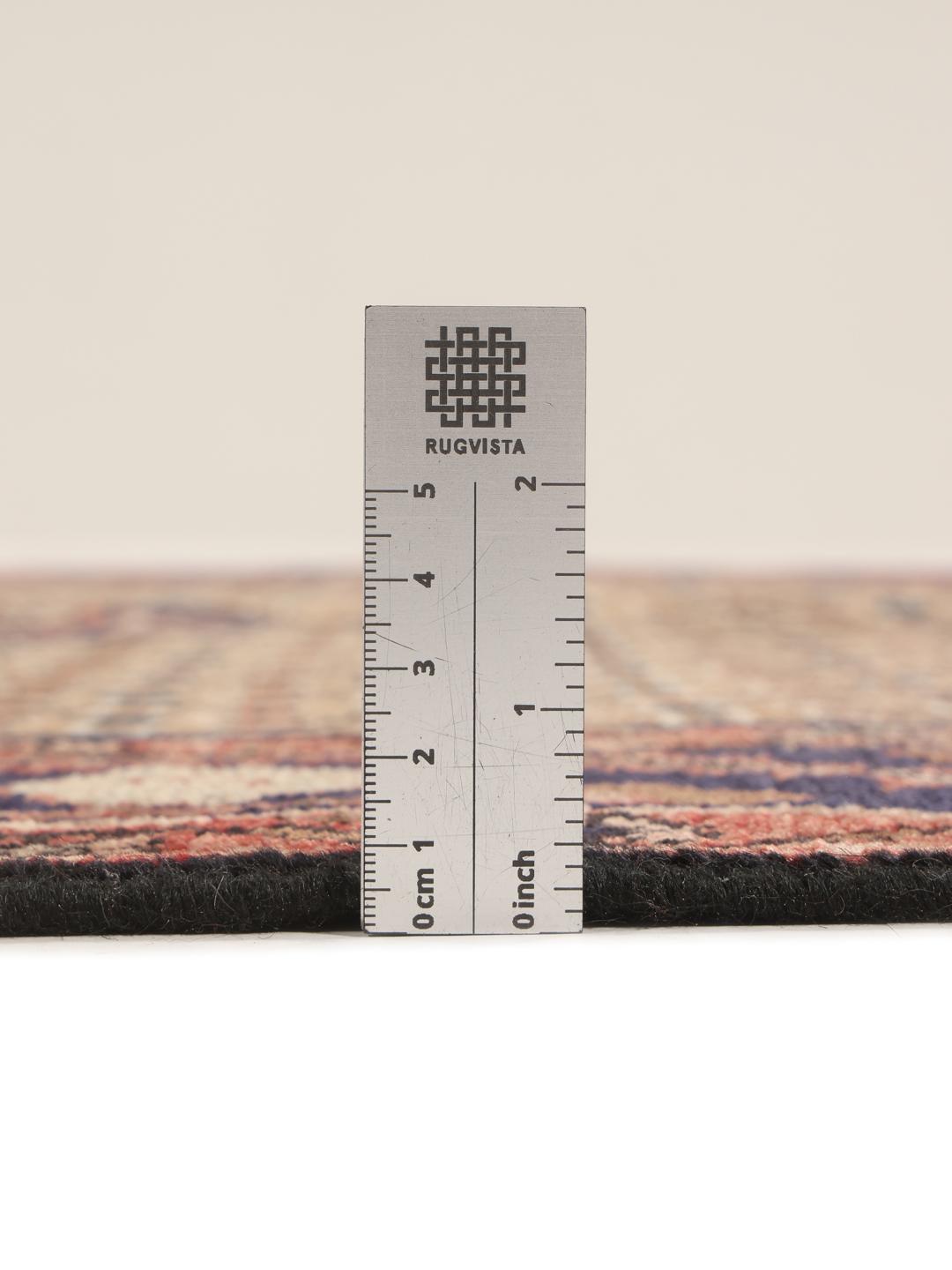
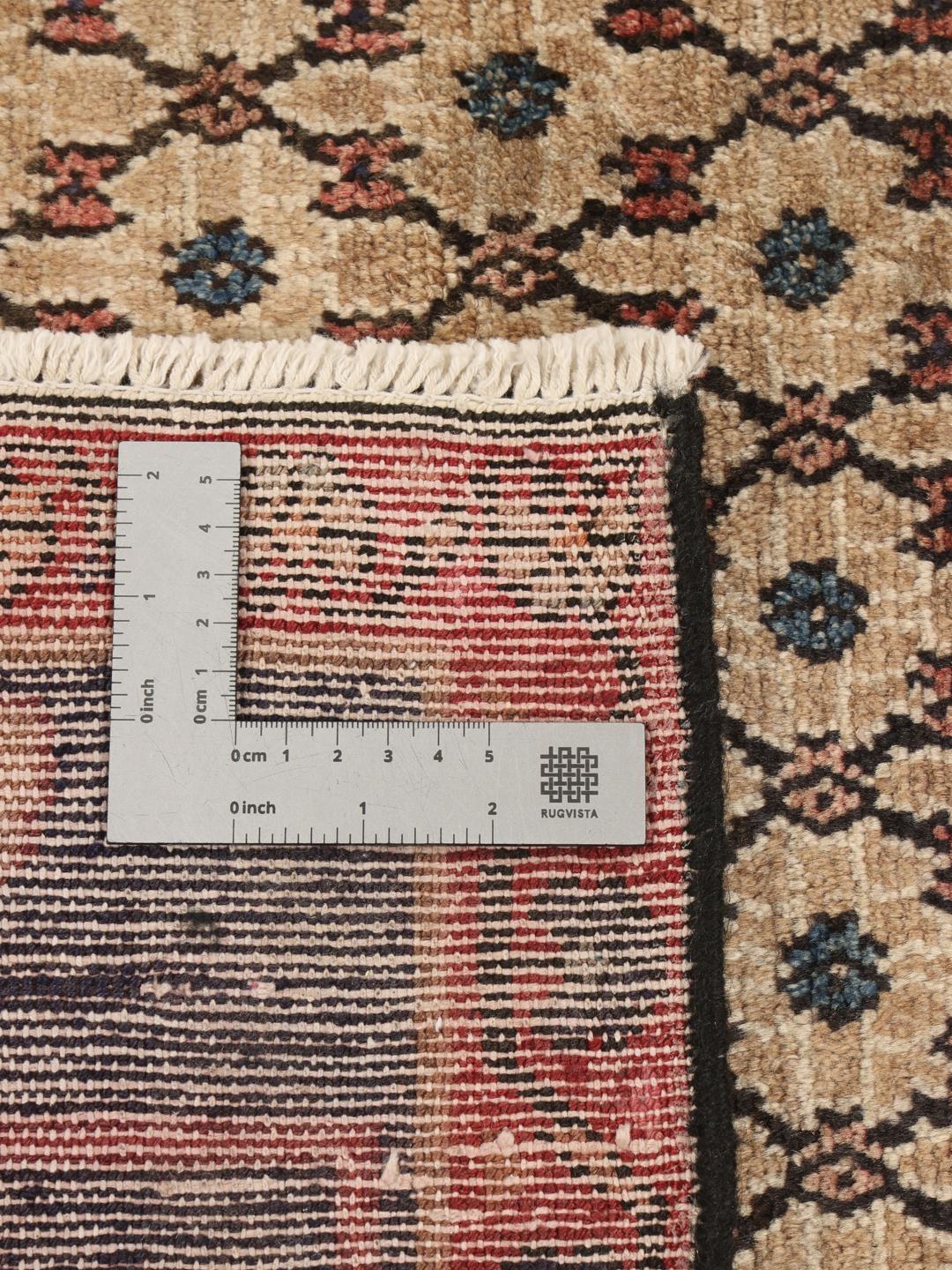
The construction of these rugs is defined by a focus on durability and density. The materials used are chosen for their resilience, ensuring that the finished rug can withstand the demands of daily life. By using traditional methods to secure the foundation, the weavers create a pile that is thick and lustrous, providing a comfortable surface that also serves as an effective insulator against cold floors.
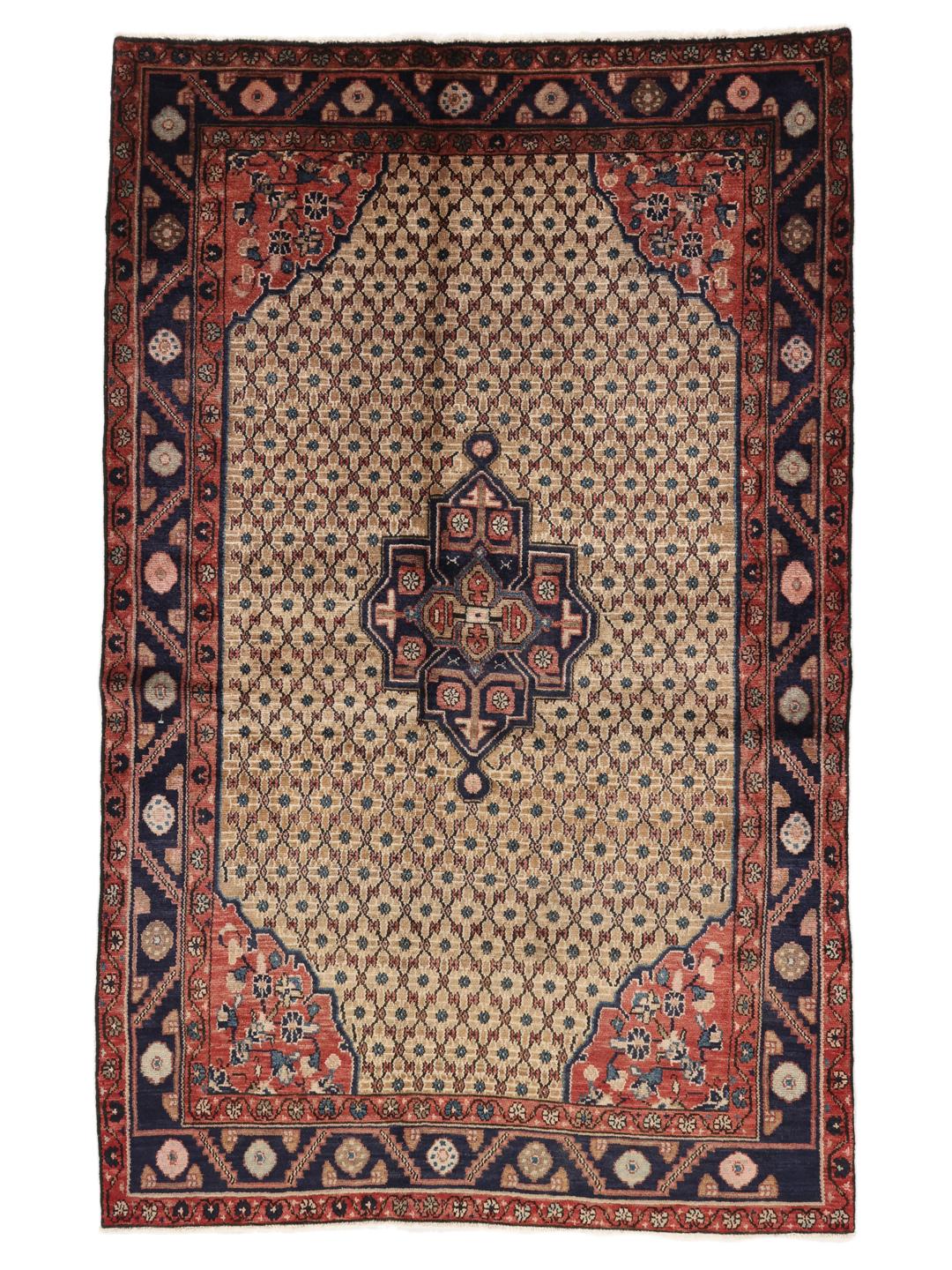
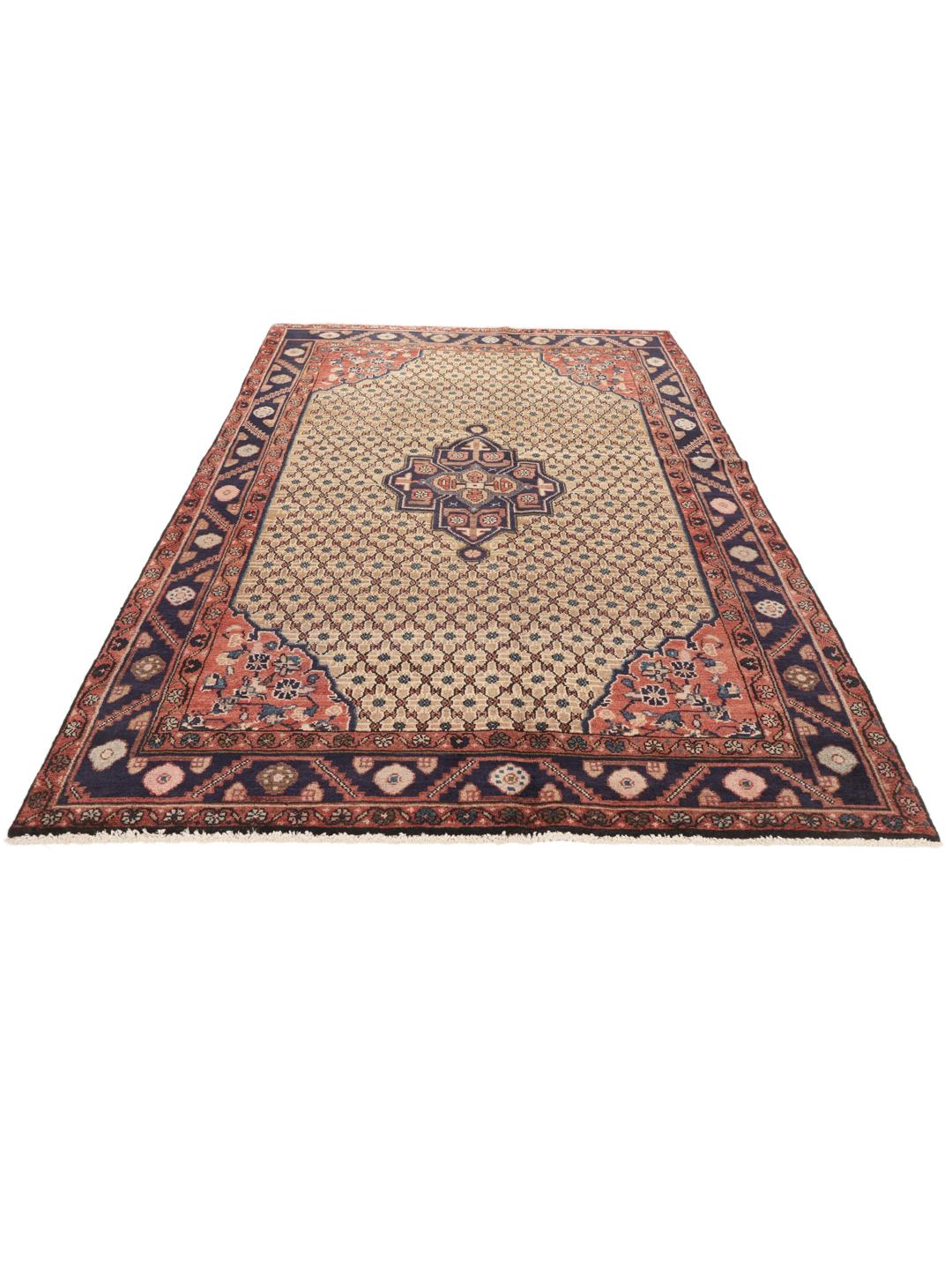
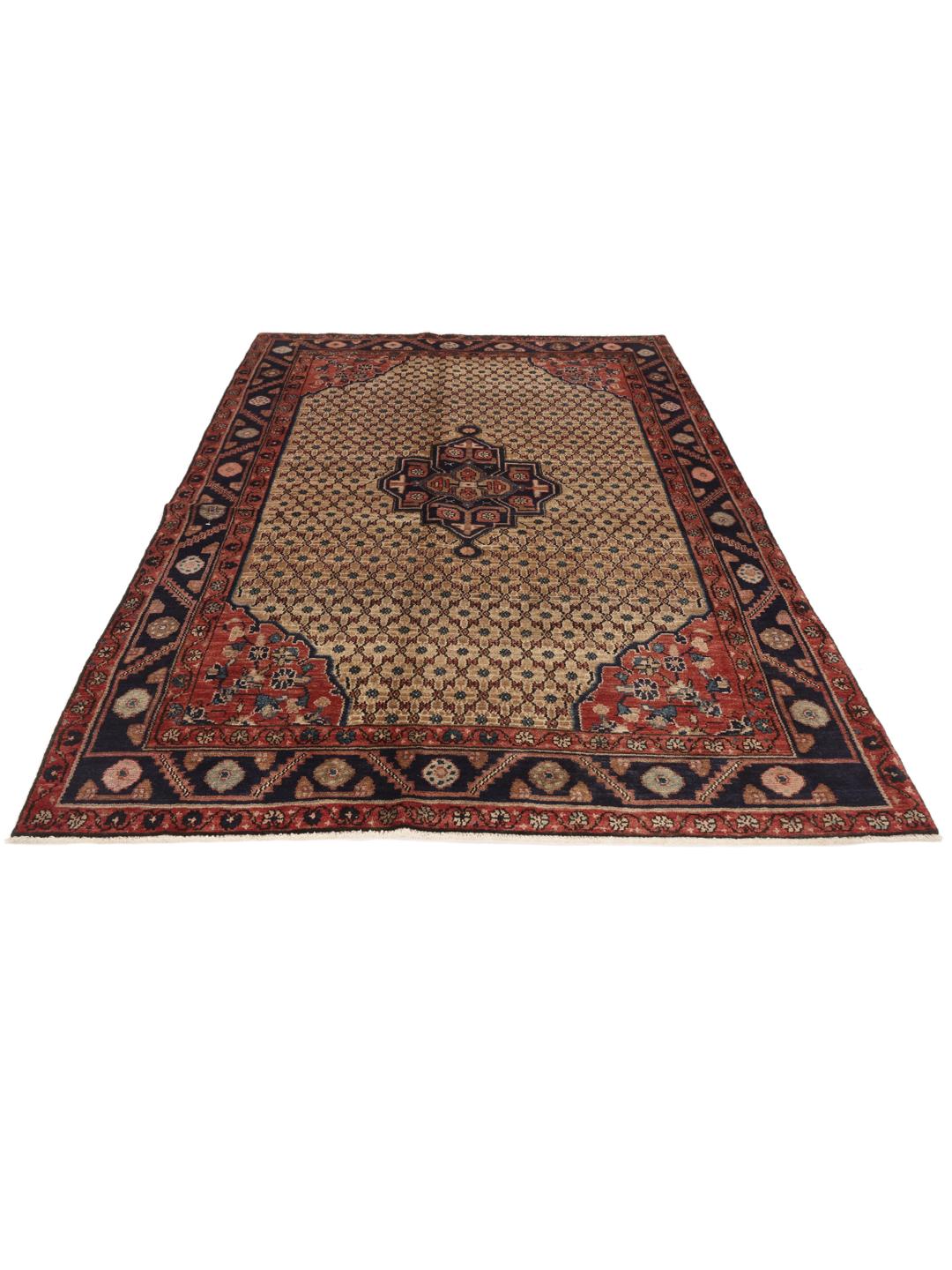
Visually, Koliai rugs are celebrated for their bold, geometric language. The field is typically organised around a central medallion, which is often surrounded by smaller, repeating tribal motifs that reflect the weaver's environment and family history. The borders are frequently wide and complex, serving as a frame that pulls the entire design together. The colours are traditionally sourced from natural dyes, which provide a rich, saturated appearance that ages gracefully over time.
Collectors value these rugs for their authenticity and the clear reflection of tribal heritage they provide. Owning a Koliai rug is more than just a decor choice; it is an investment in a craft that prioritises patience and skill over speed. Each rug serves as a testament to the weaver's personal expression, making these pieces highly sought after by those who appreciate the cultural weight and timeless utility of hand-crafted items.