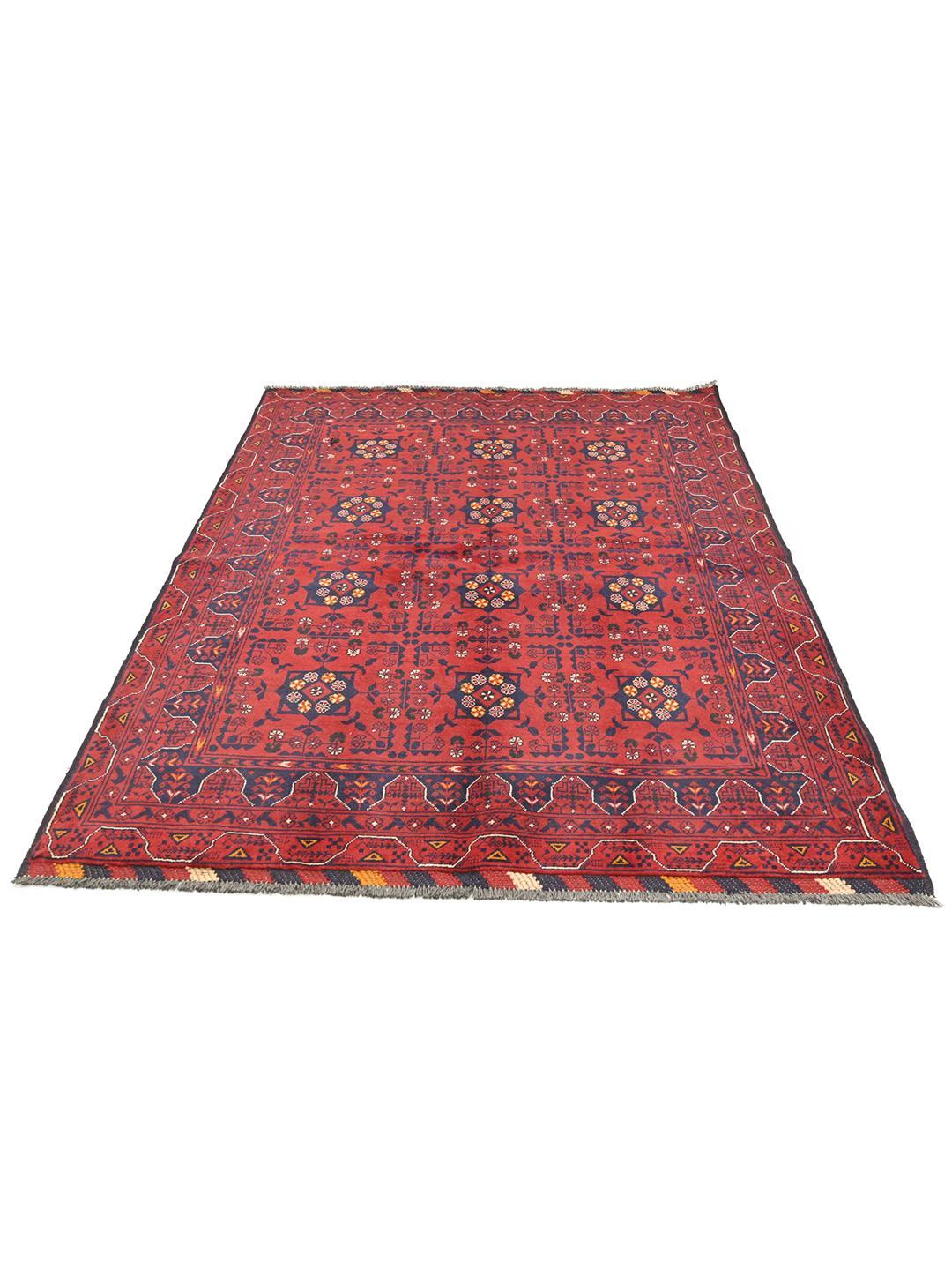
Kunduz rugs originate from the northern region of Afghanistan, a territory renowned for its rich history of carpet weaving. This area has long been a meeting point for various nomadic and settled communities, each contributing to a shared pool of design knowledge. Over centuries, the weavers of Kunduz have developed a distinct style that is highly regarded across the globe for its depth of colour and robust construction.
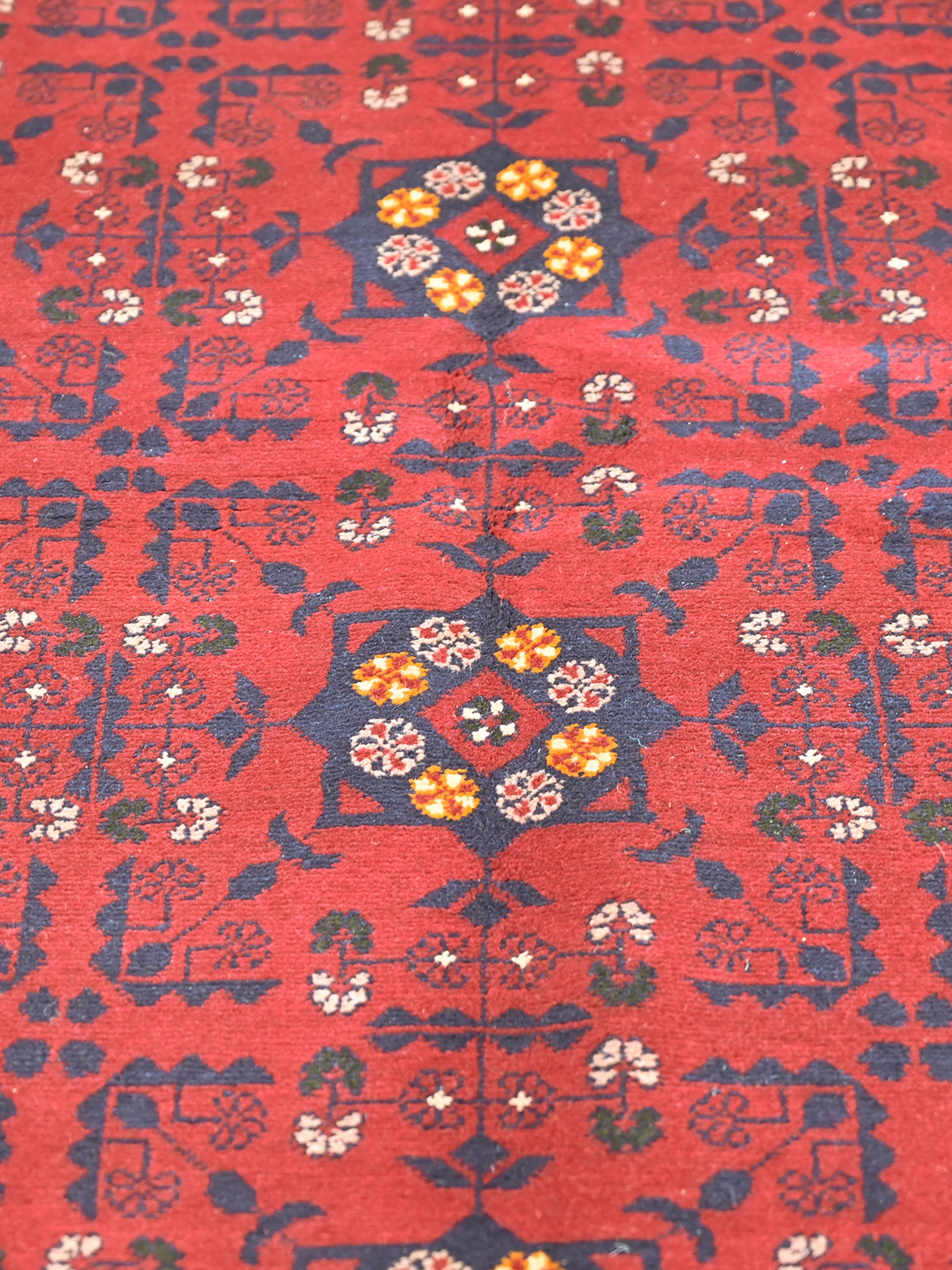
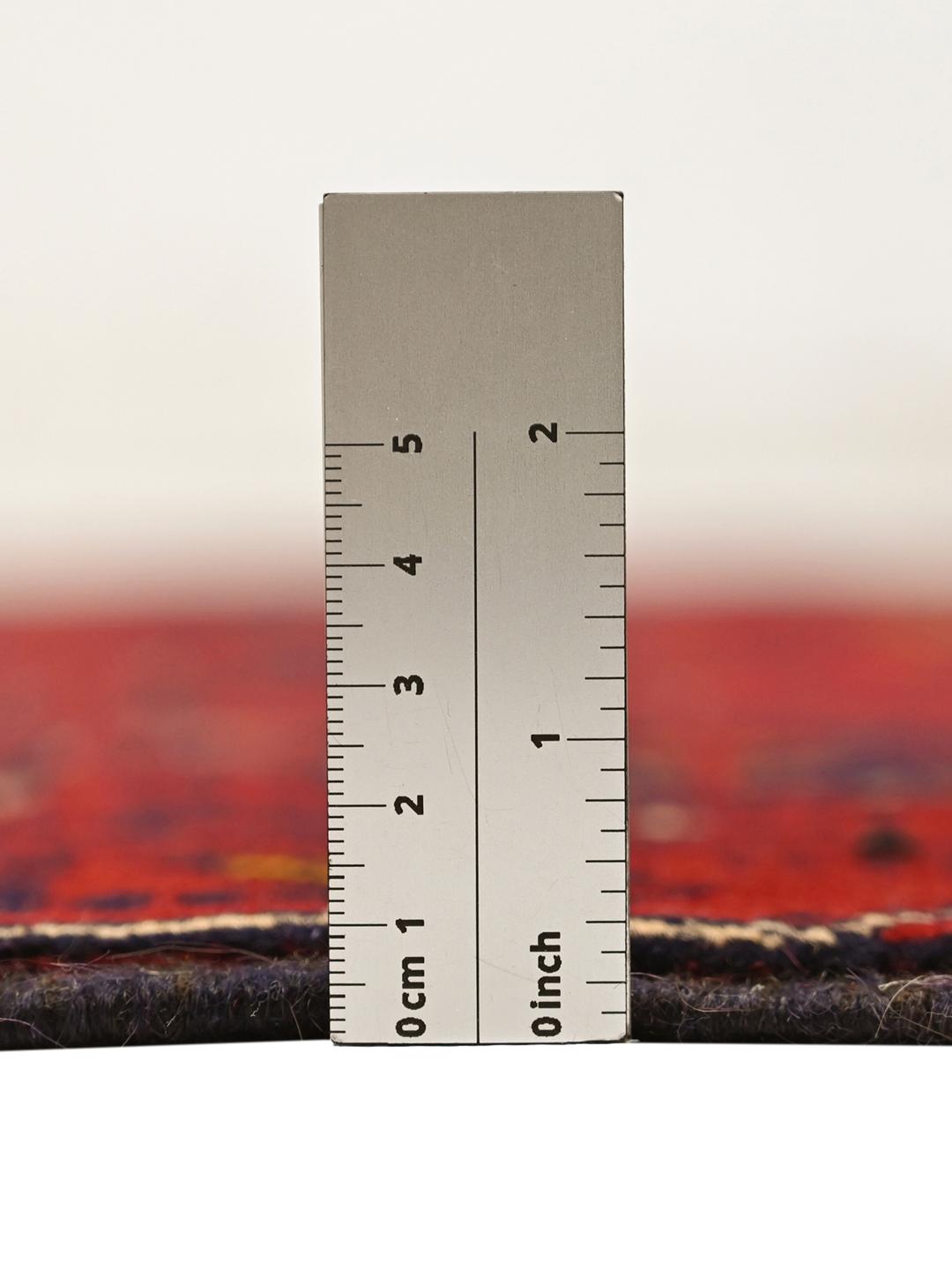
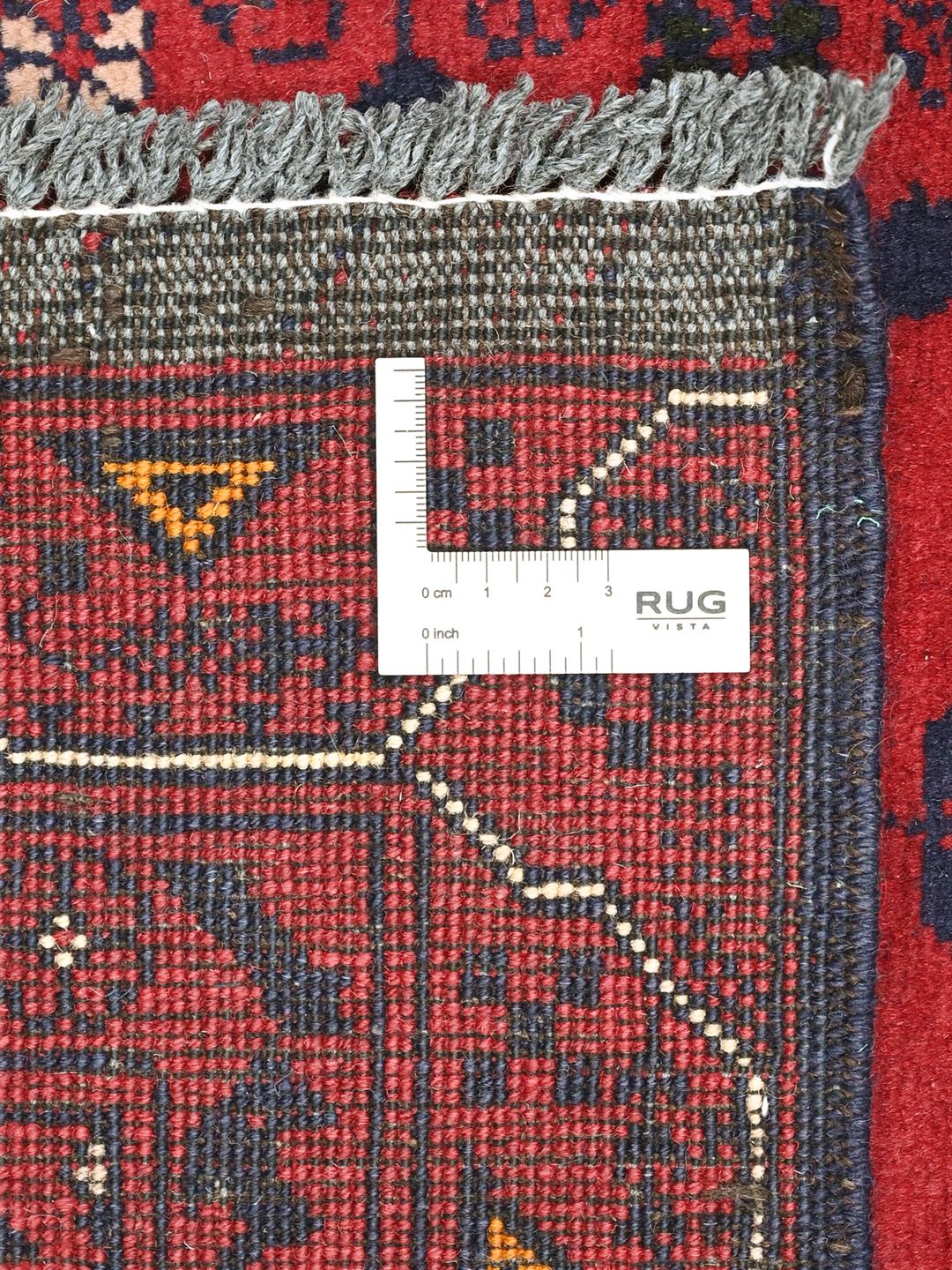
The traditional hand-knitting technique used in these rugs involves tying individual knots to create a dense, durable wool pile. This time-honoured method ensures that the pile remains upright and resilient under foot traffic. By using pure wool for the pile, weavers ensure the rug has a natural lustre and a soft texture that matures beautifully with age.
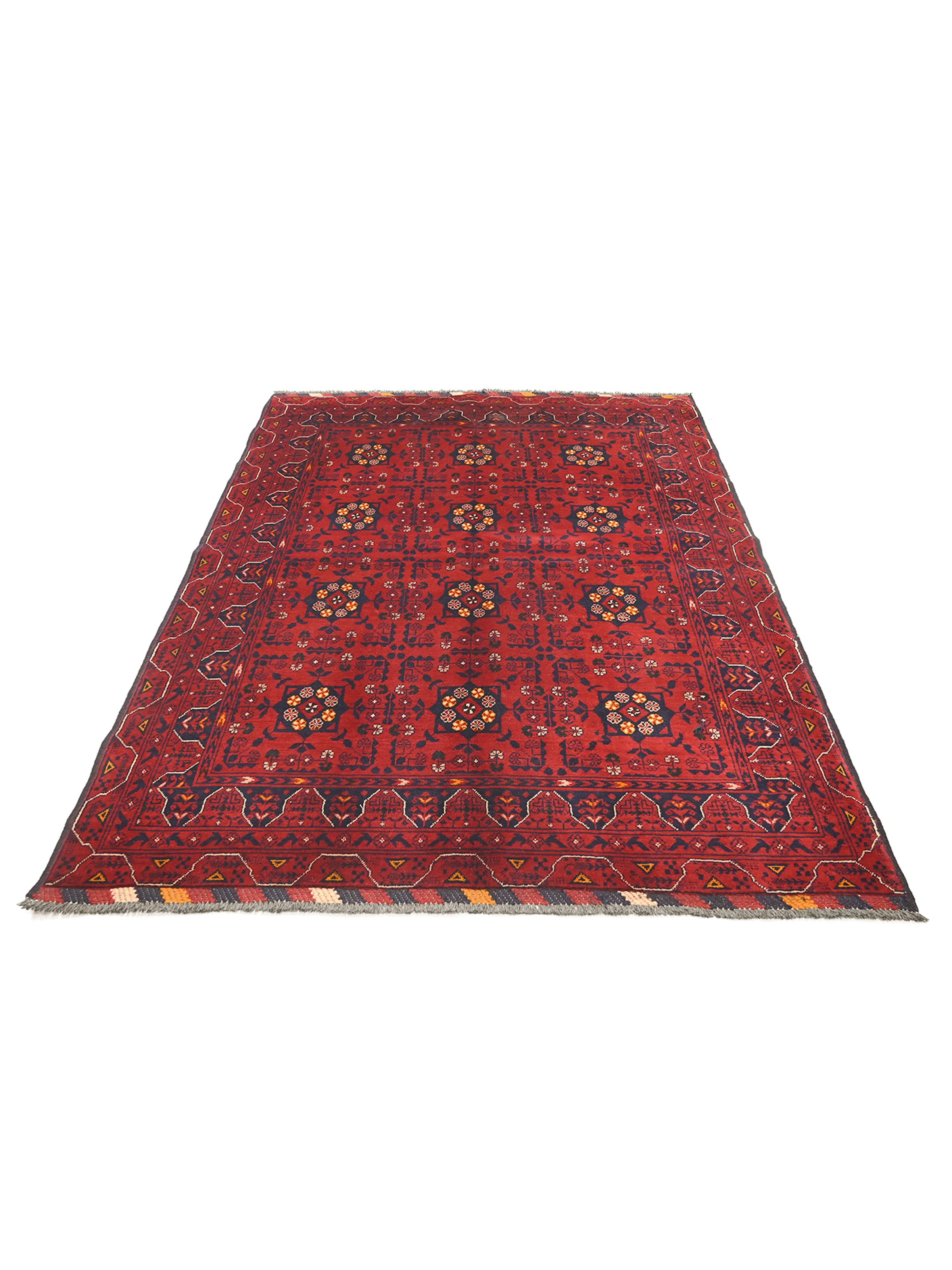
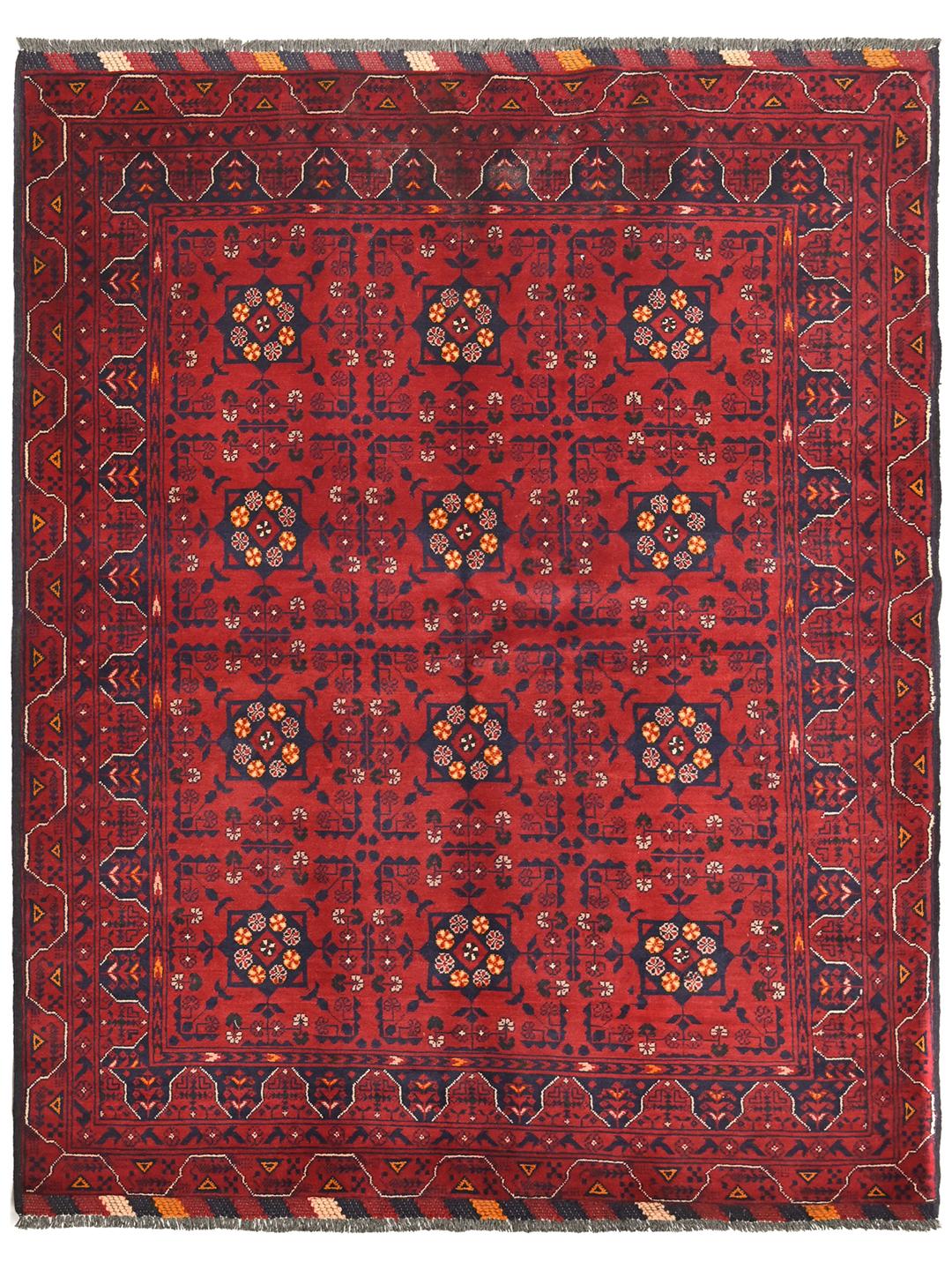
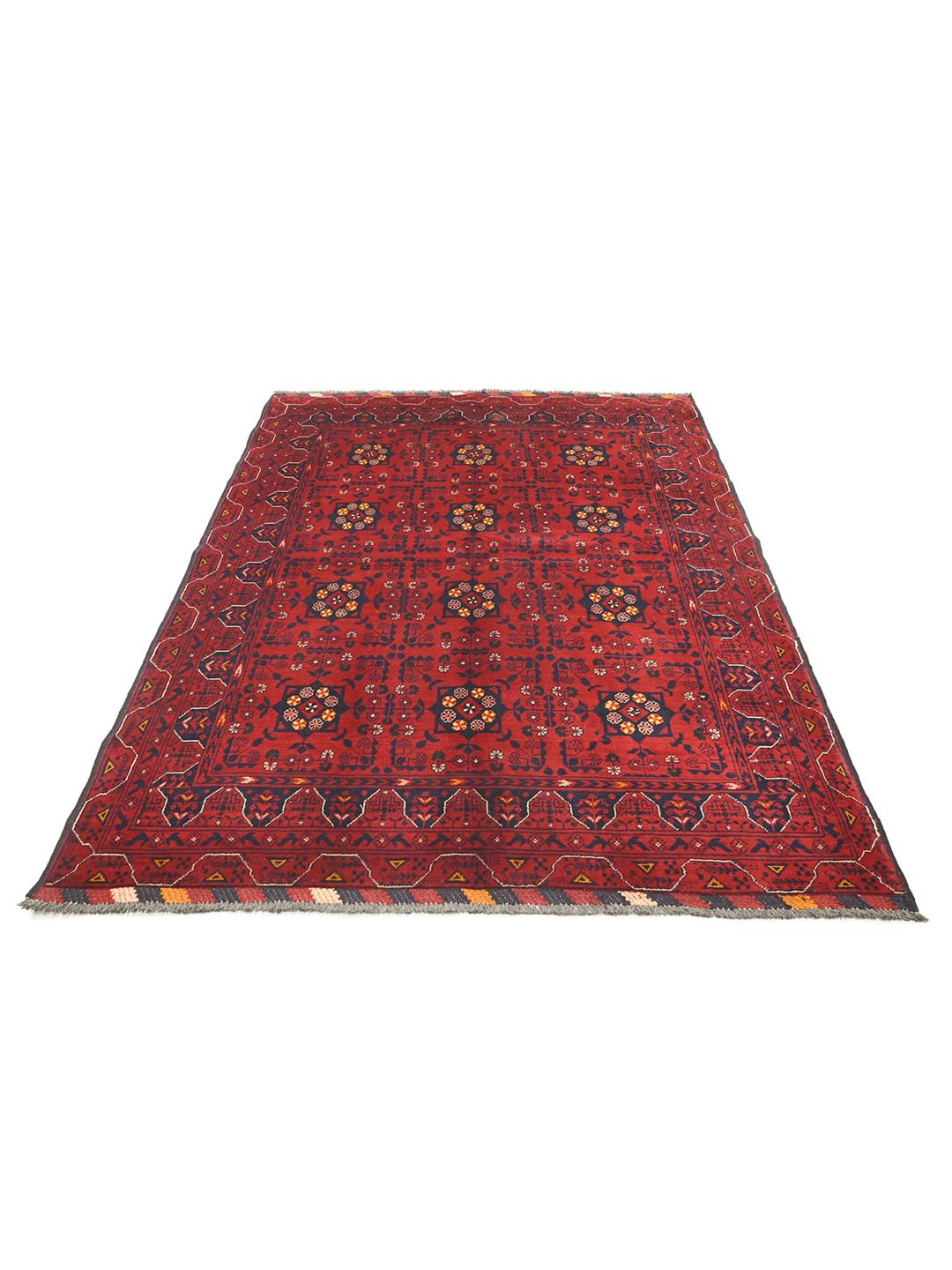
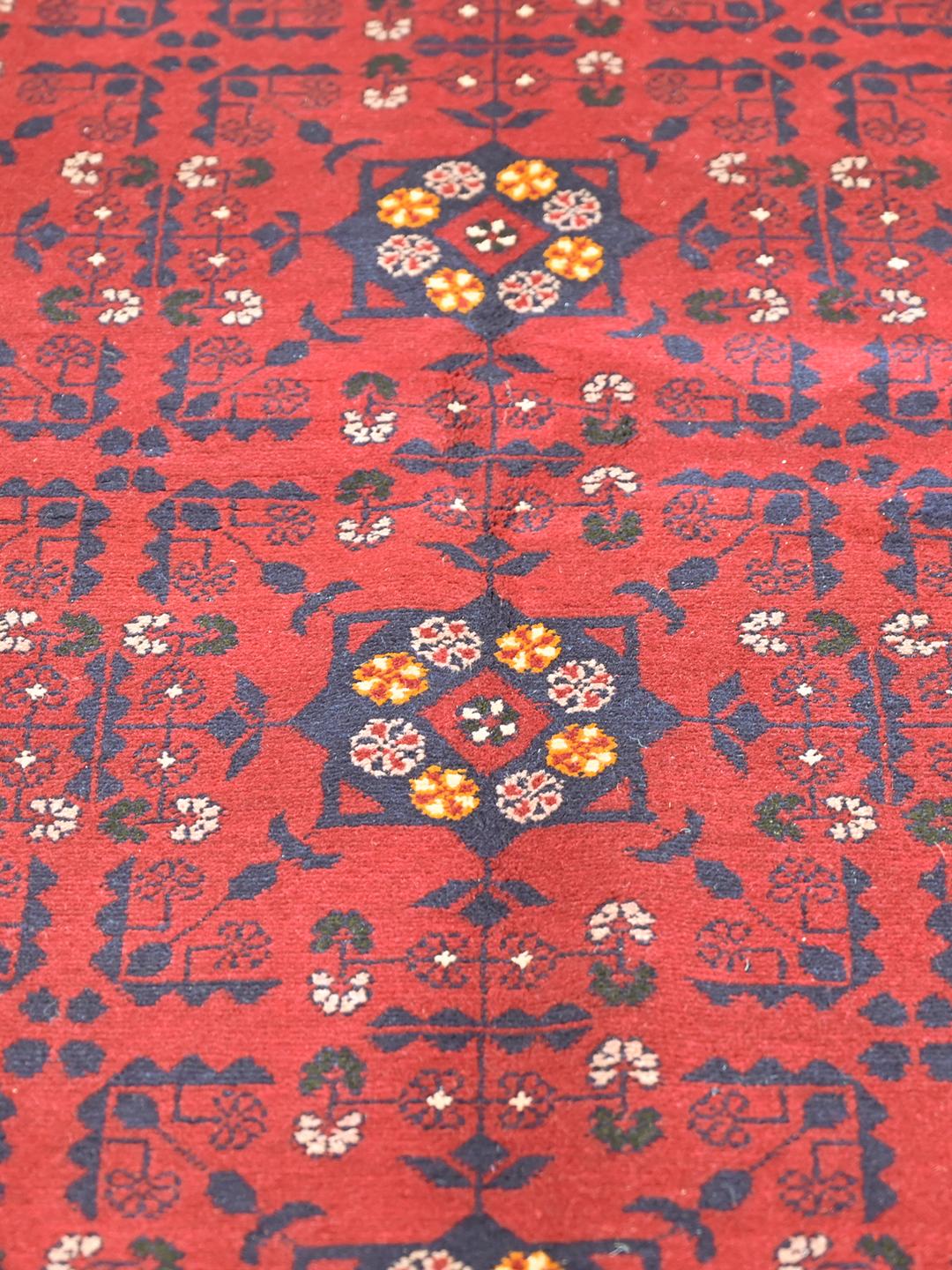
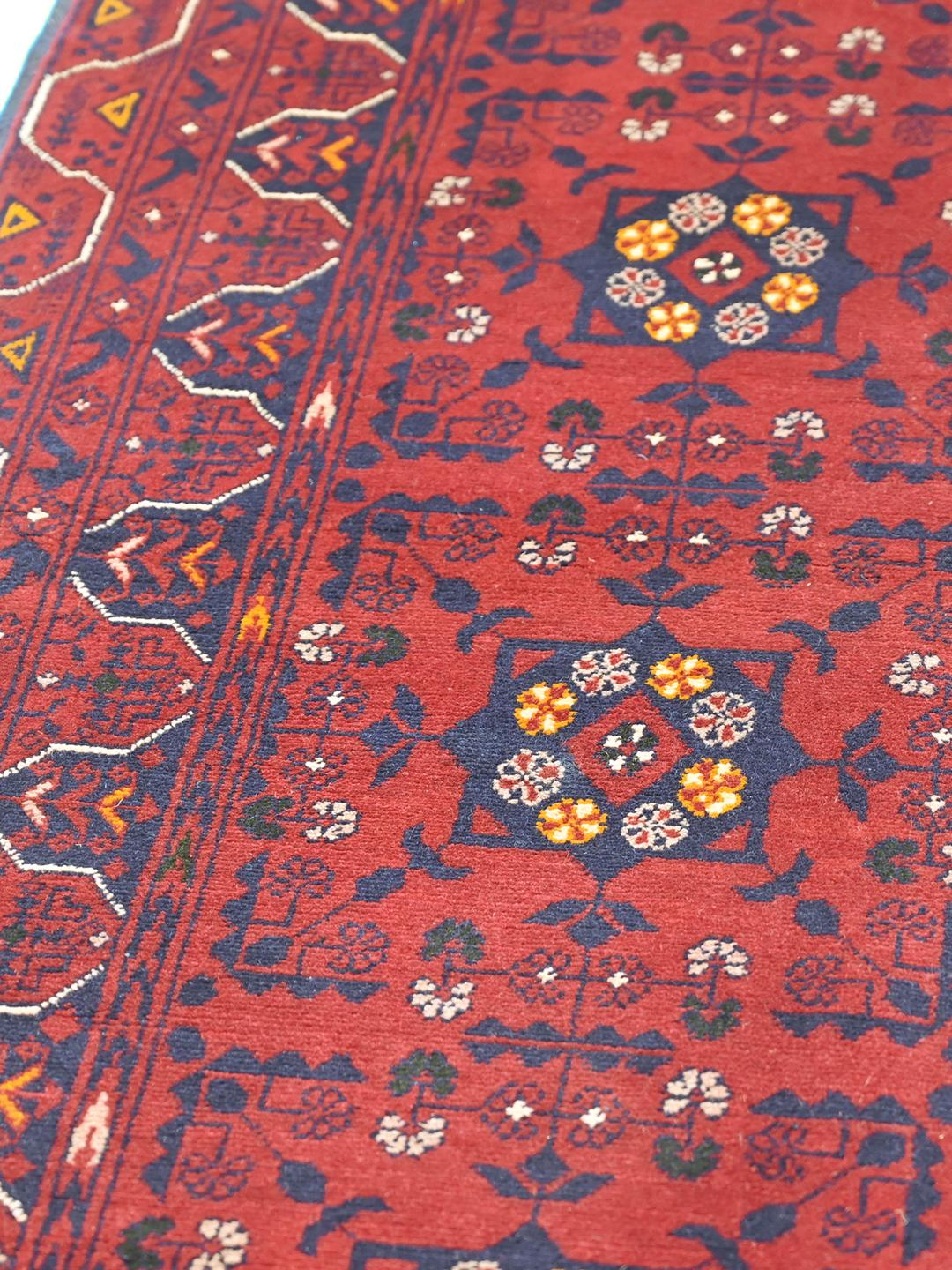
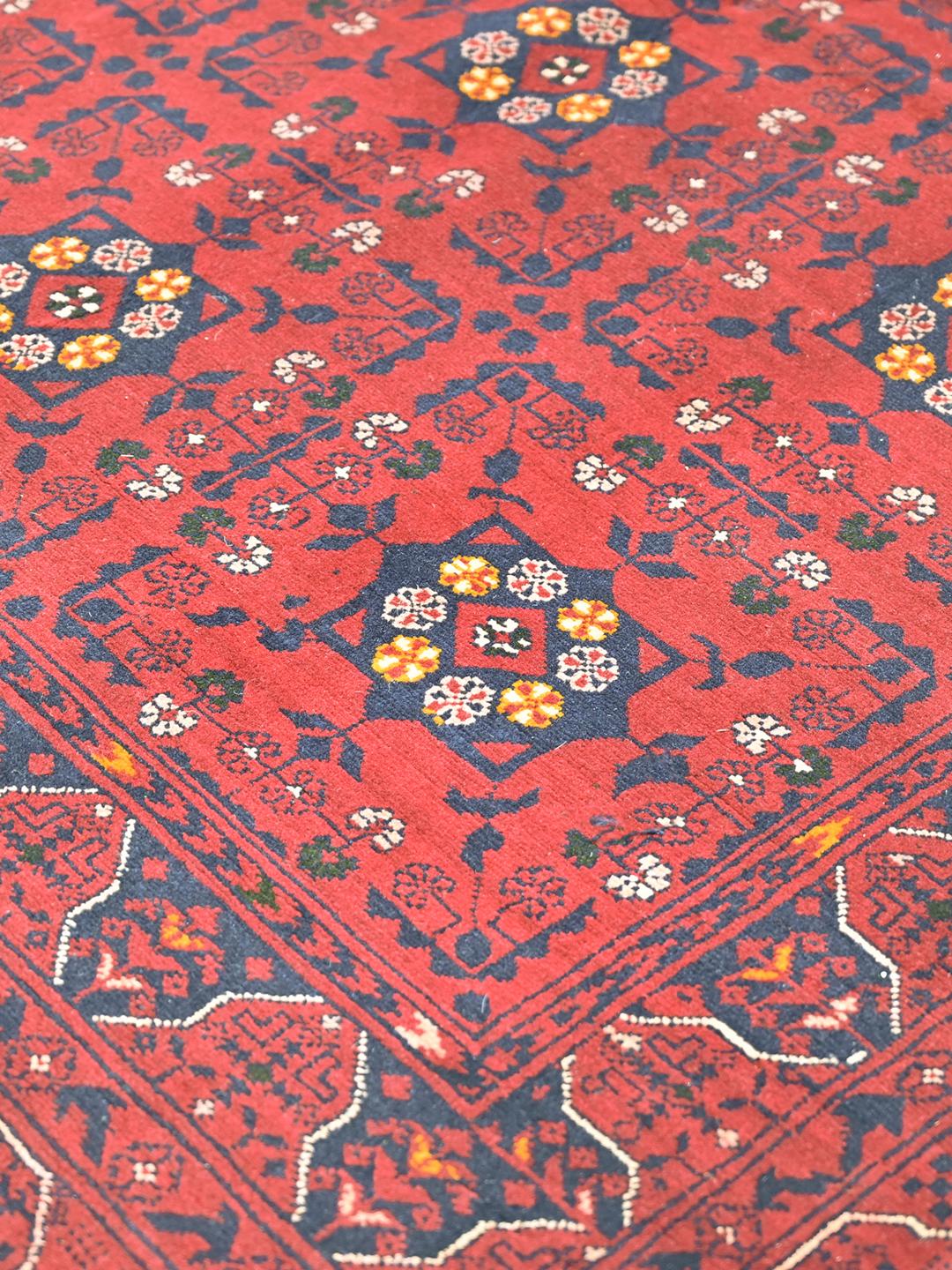
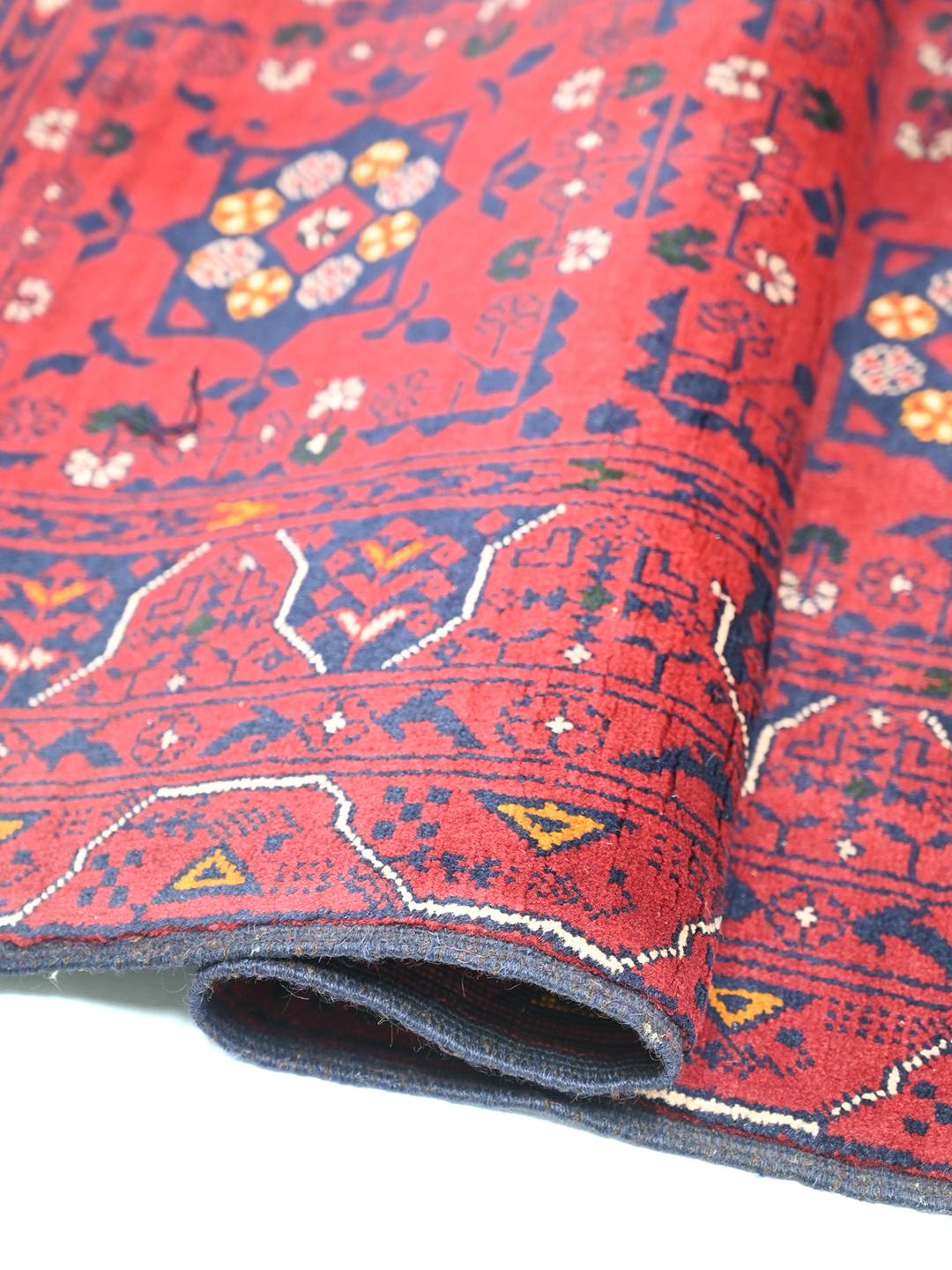
Visually, Kunduz rugs are famous for their deep, warm red fields, often accented with dark blue and black motifs. The patterns typically feature repeating geometric medallions, known as guls, arranged in a structured grid across the central field. These central designs are framed by intricate multiple borders that showcase smaller geometric and floral-inspired patterns, creating a balanced and harmonious composition.
In Afghan culture, rug weaving is not merely an industry but a vital artistic expression and a source of community pride. Each rug tells a story of the weaver's skill and patience, representing months of dedicated work. Owning a Kunduz rug means acquiring a piece of living history, valued by collectors and homeowners alike for its cultural authenticity and enduring beauty.