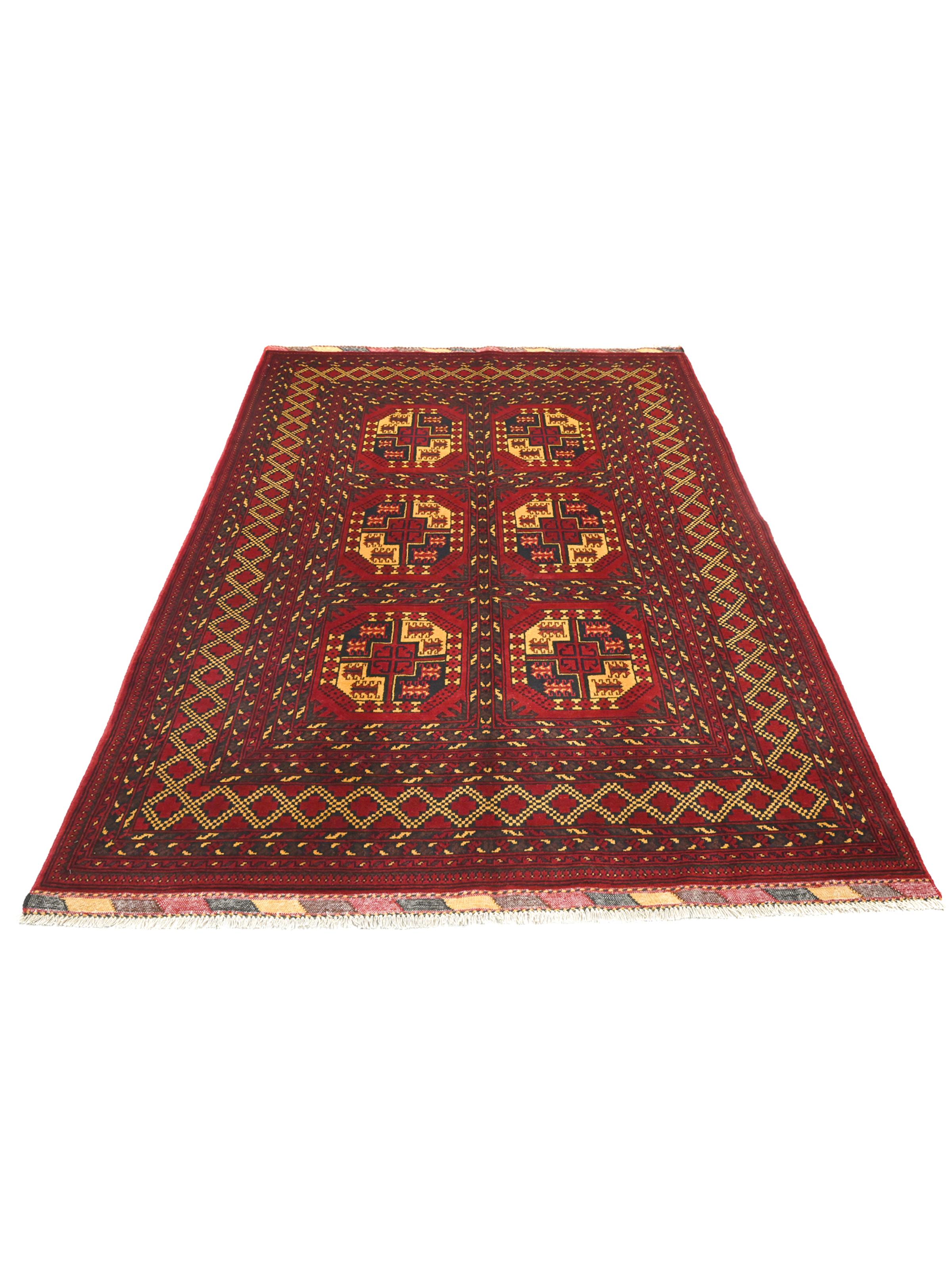
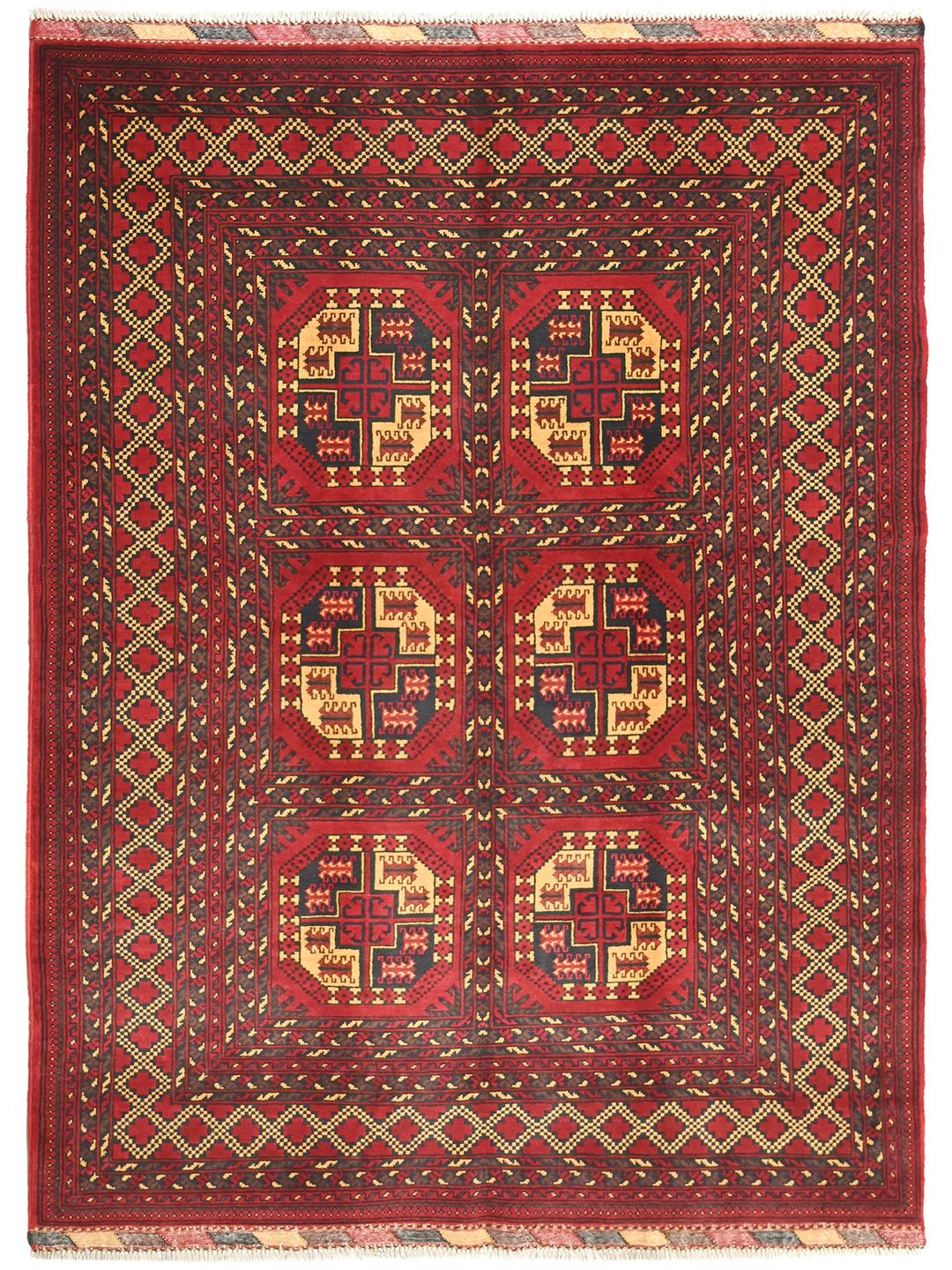
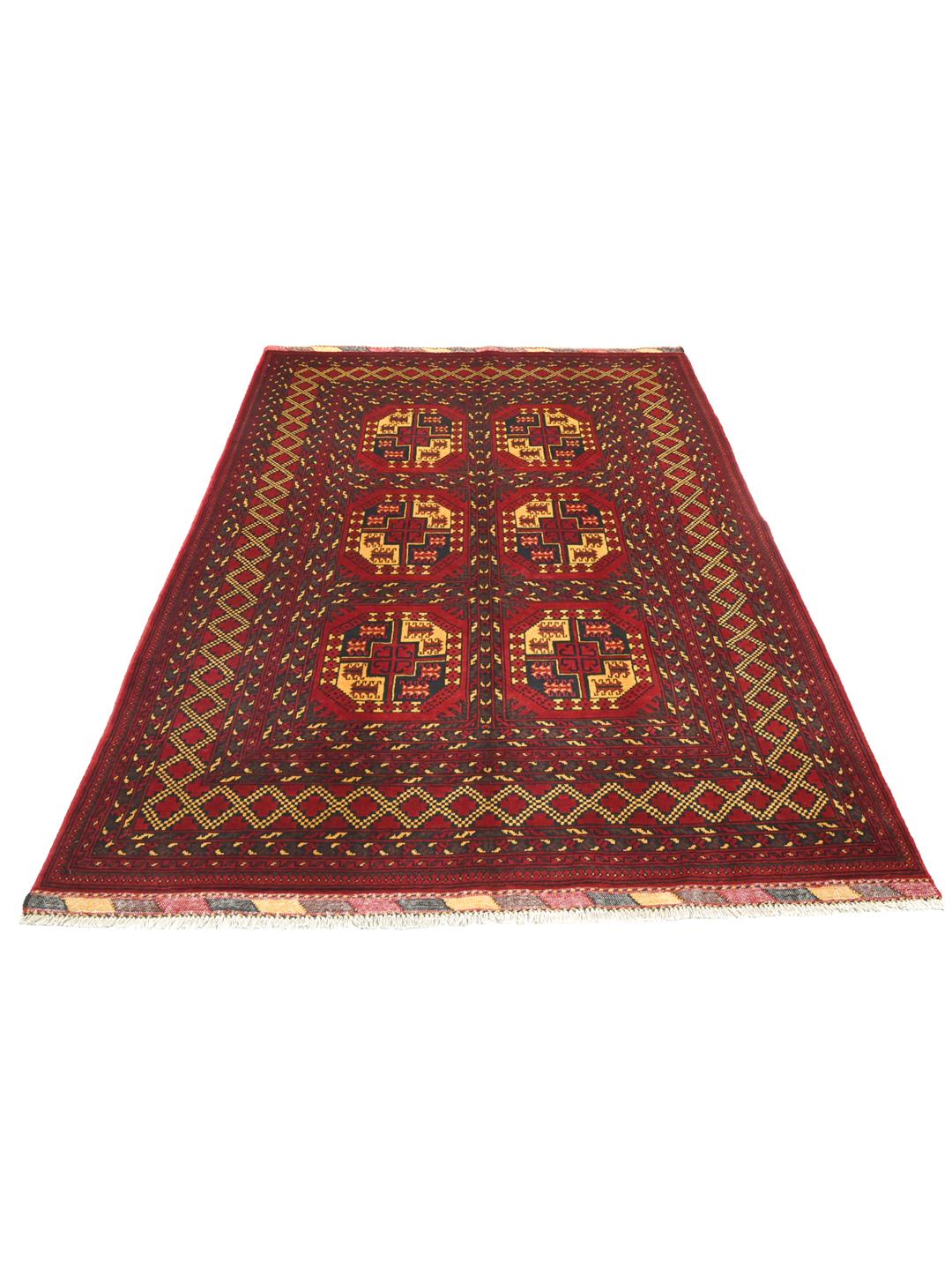
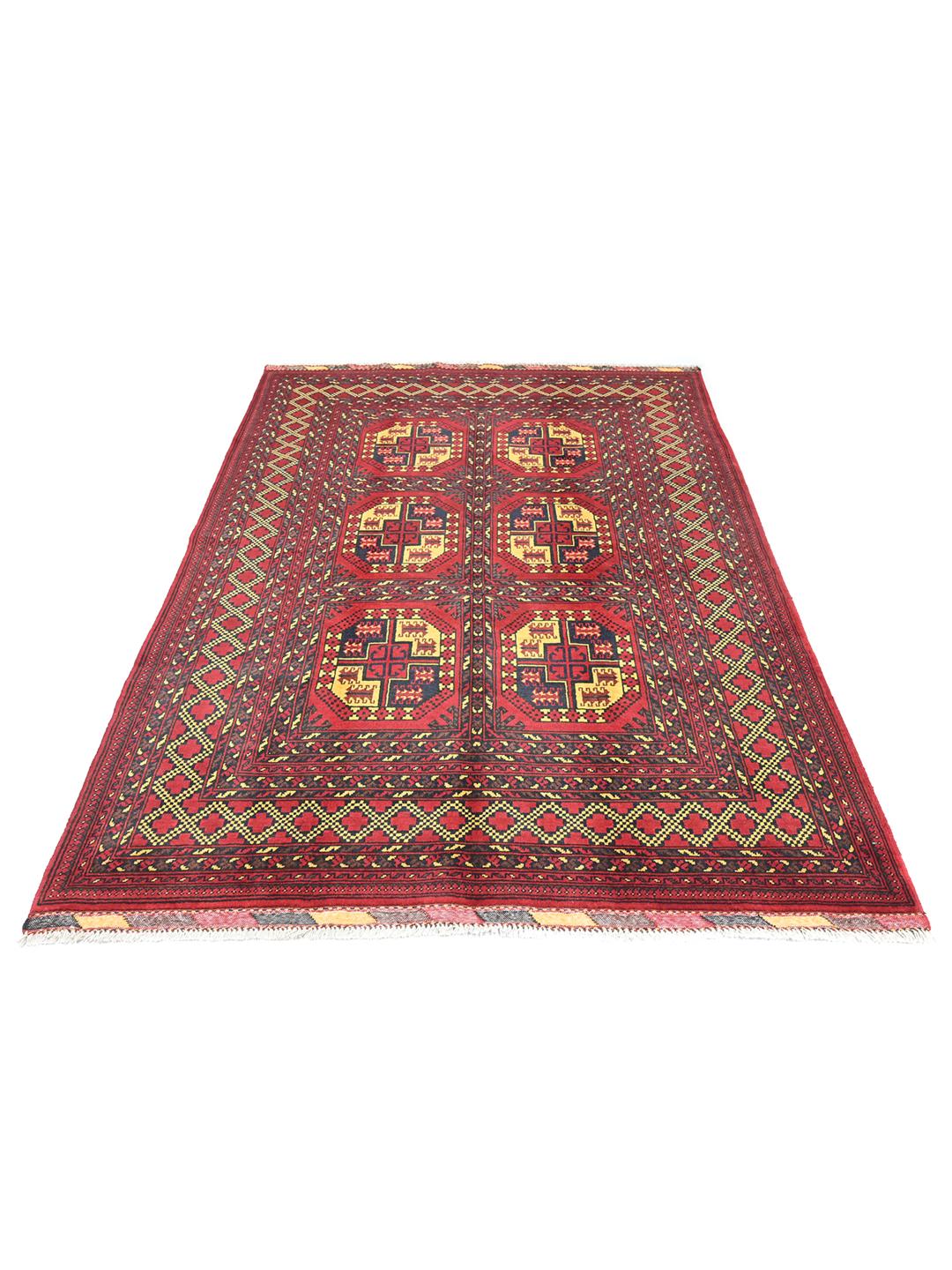
Kunduz rugs originate from the northern provinces of Afghanistan, a region with a deep-seated tradition of nomadic and village weaving. These rugs are deeply connected to the cultural heritage of the area, reflecting the aesthetic values of the local tribes who have passed down their weaving techniques through generations.
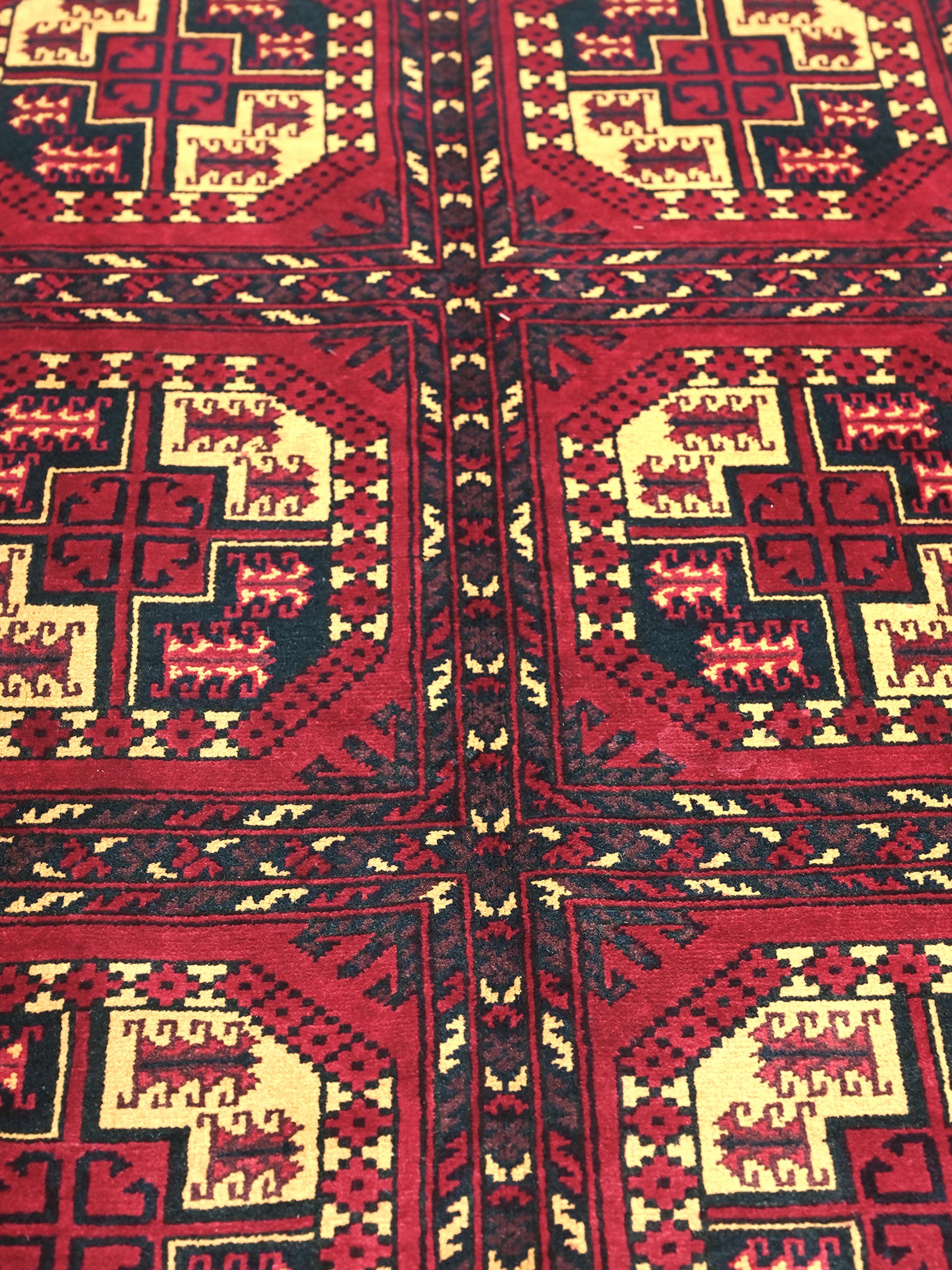
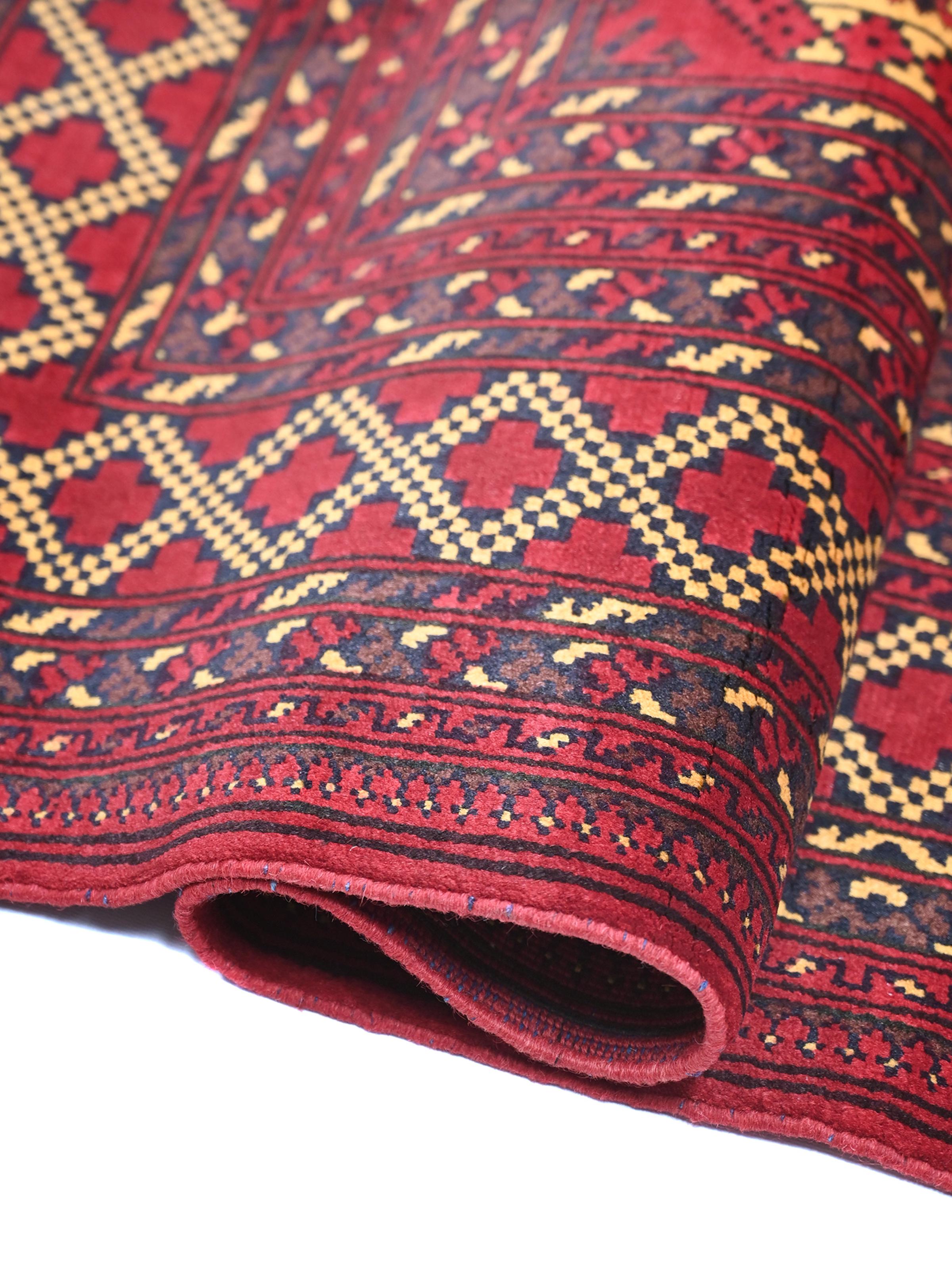
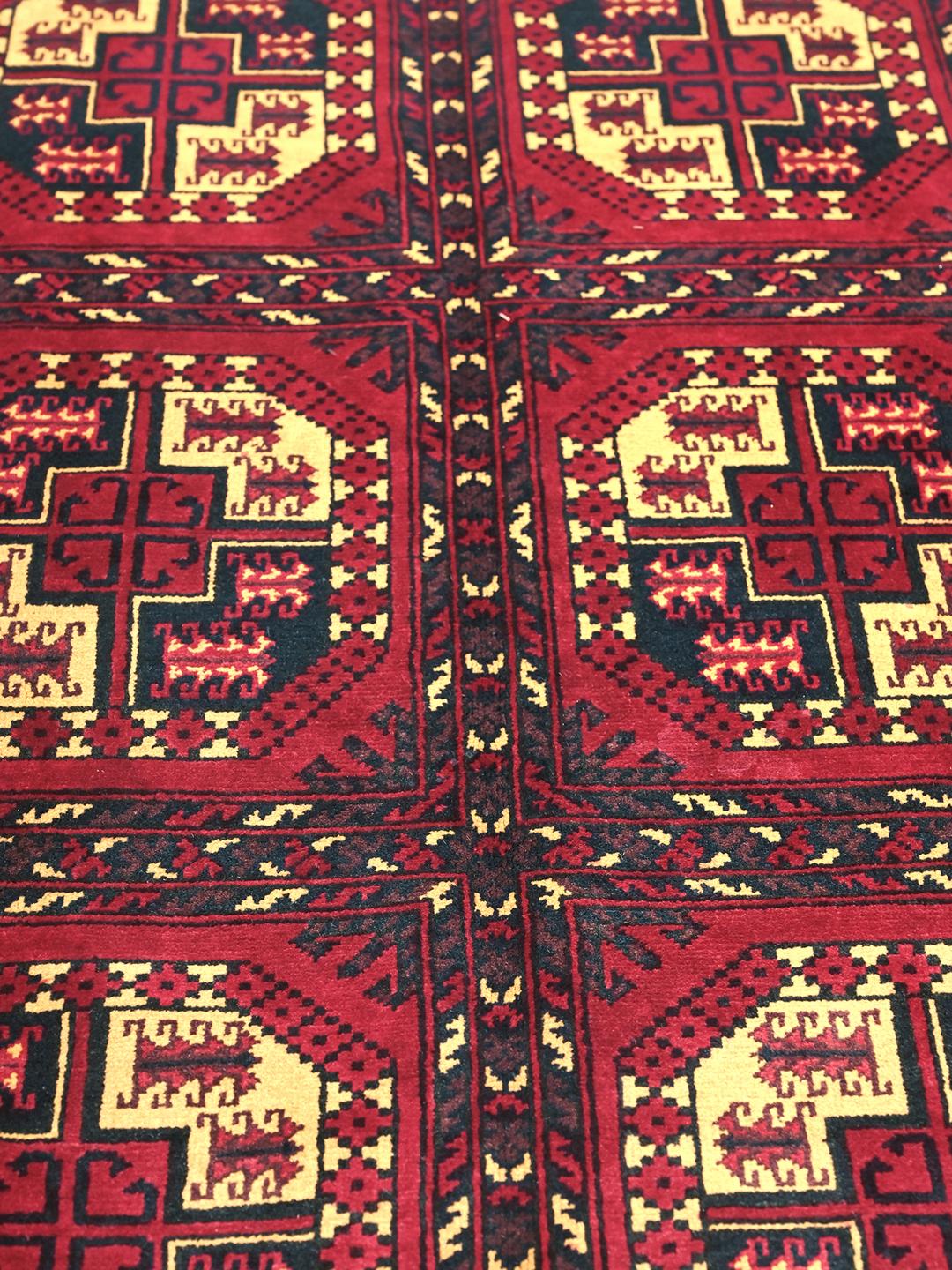
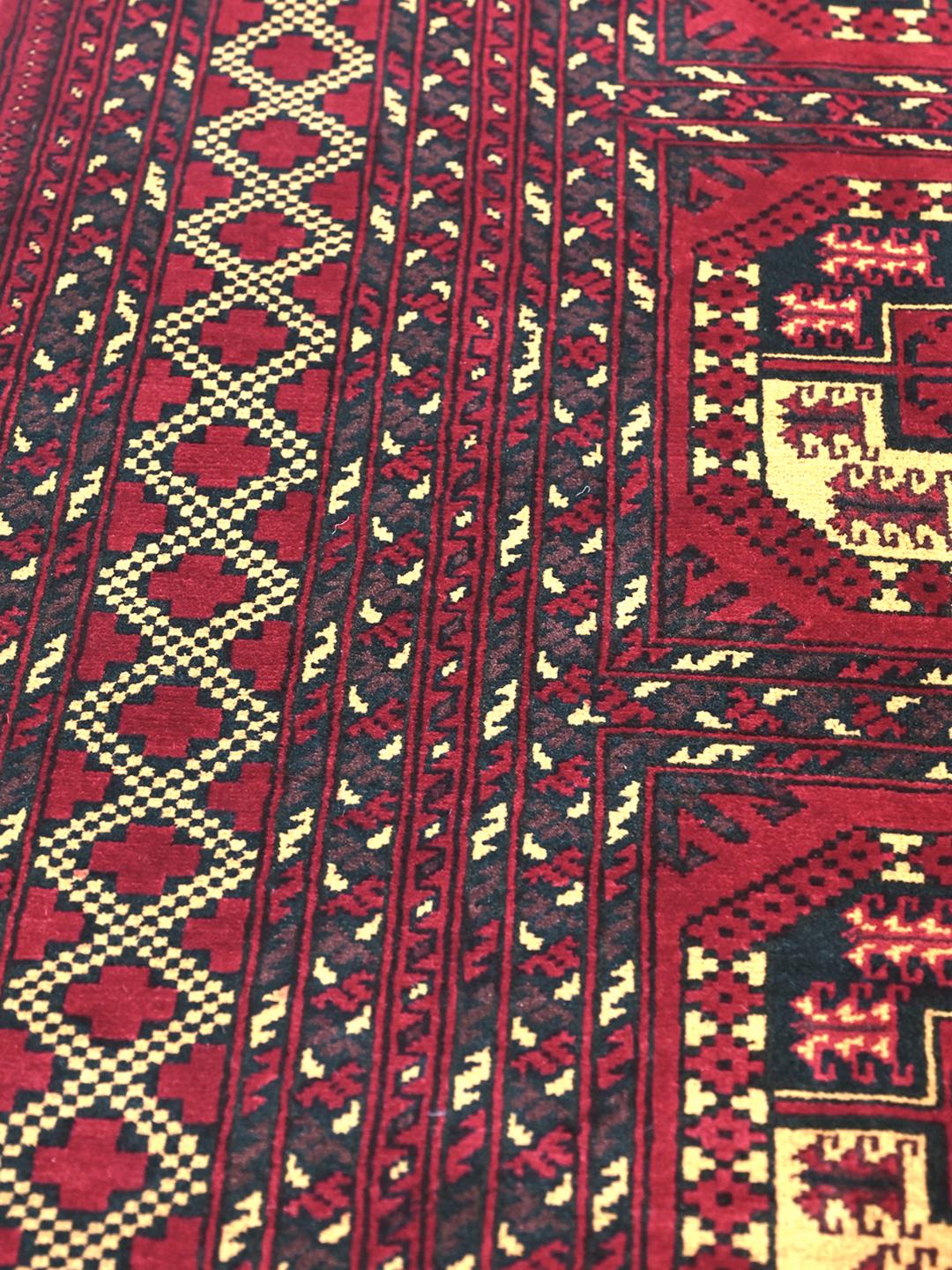
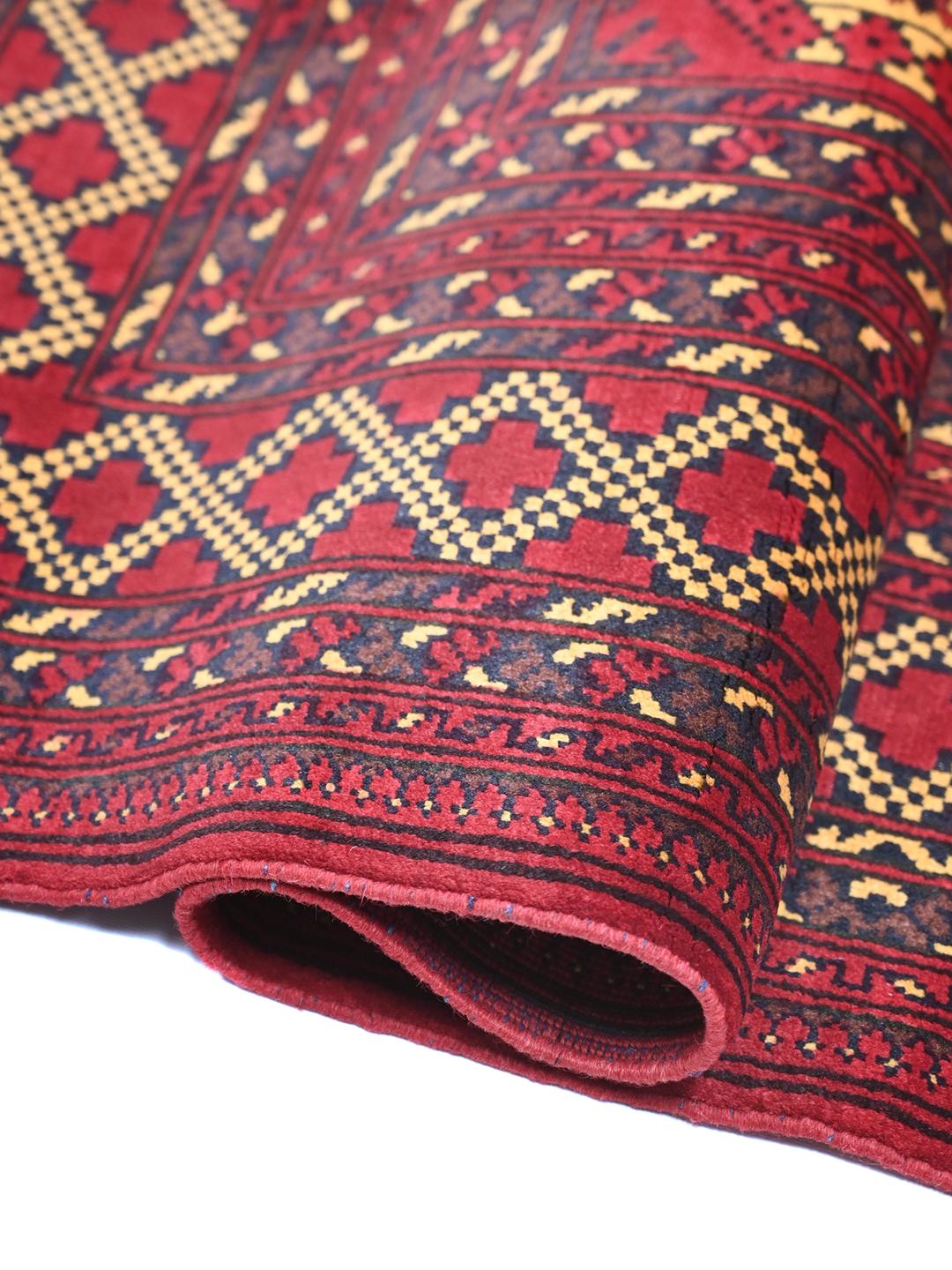
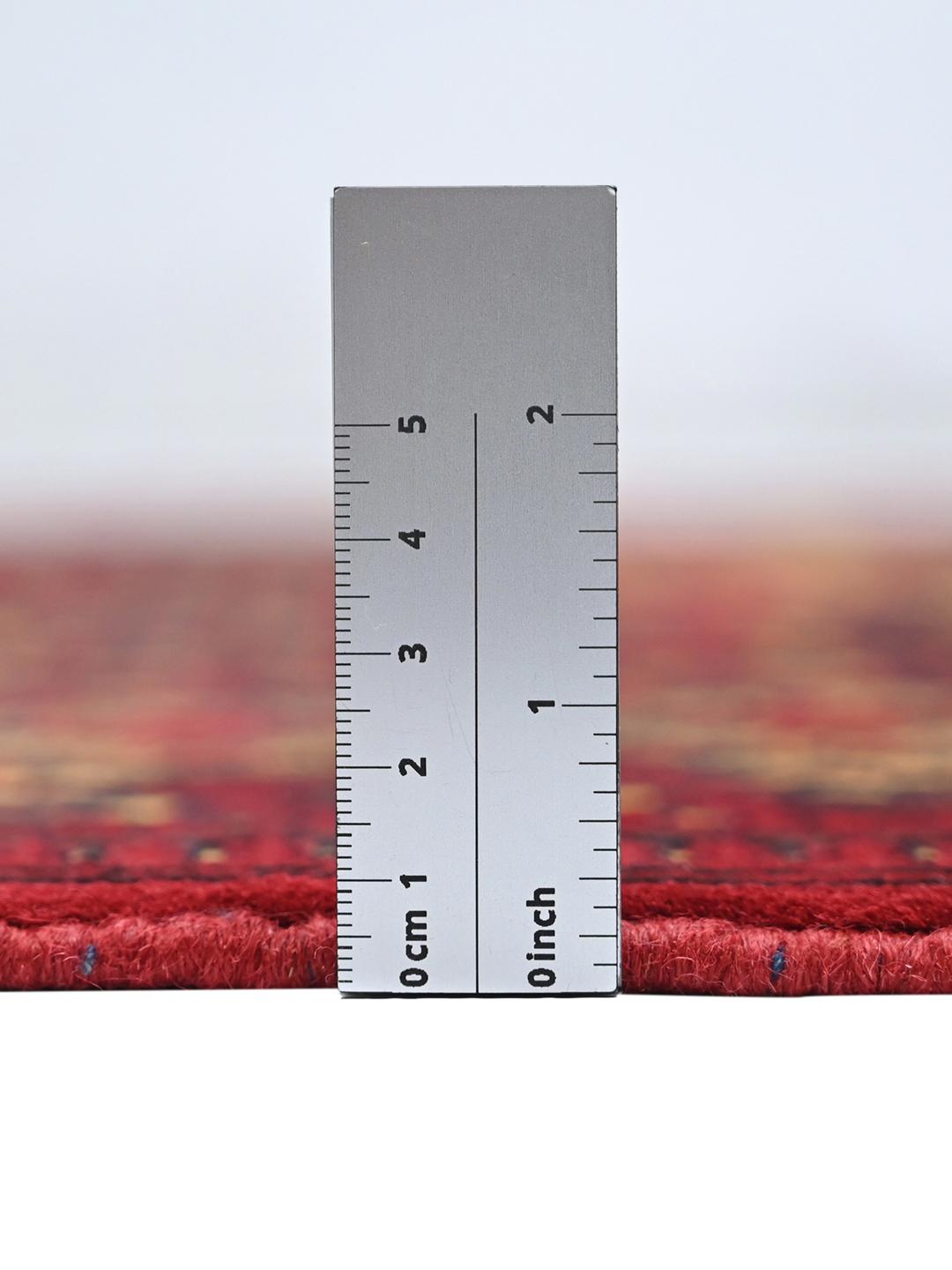
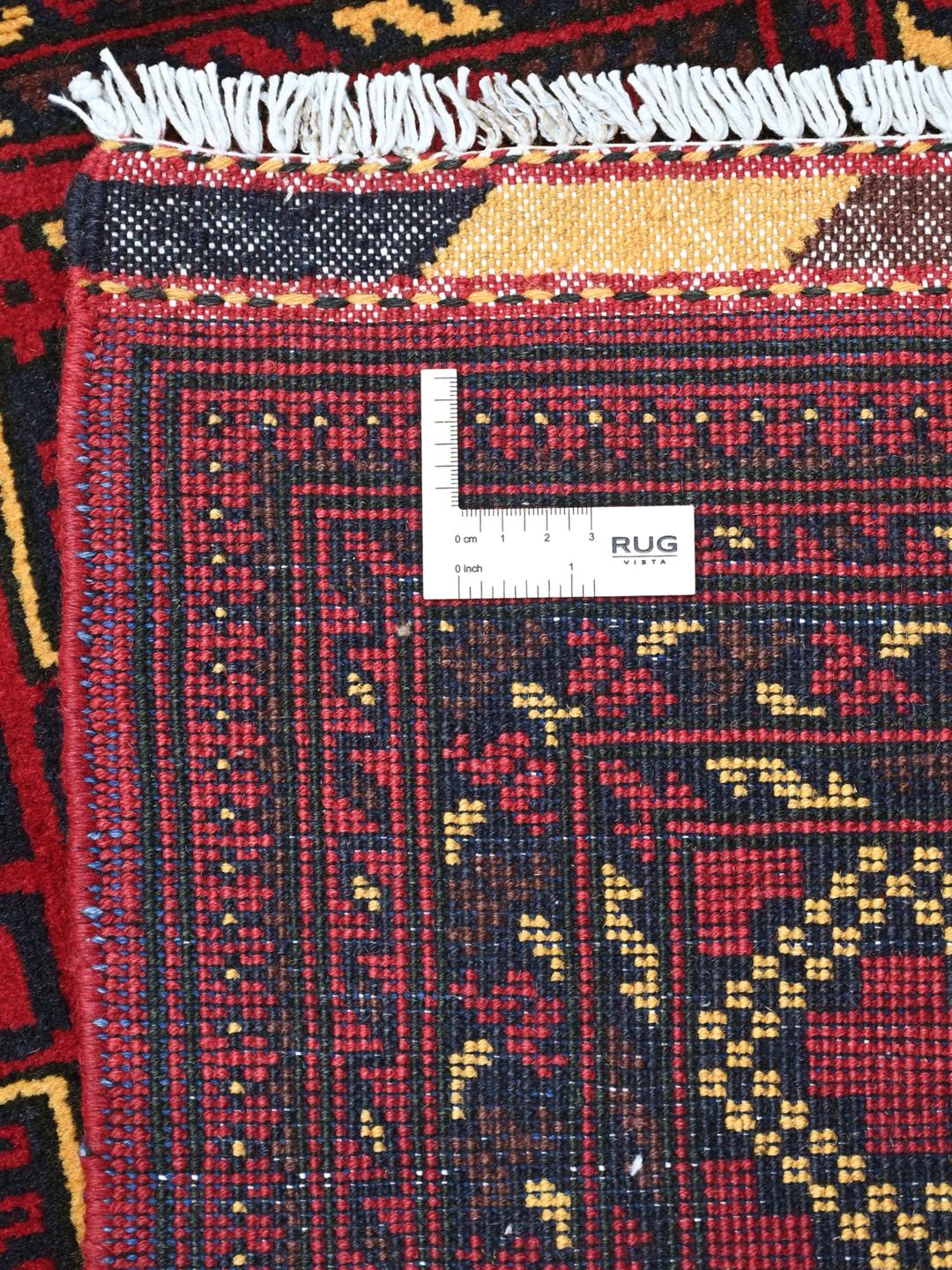
The construction of these rugs relies on time-honoured methods that prioritise strength and longevity. By using a sturdy foundation and a dense, hand-knotted pile, weavers create rugs that are designed to endure, evolving over time to develop a beautiful patina that only enhances their character as they age.
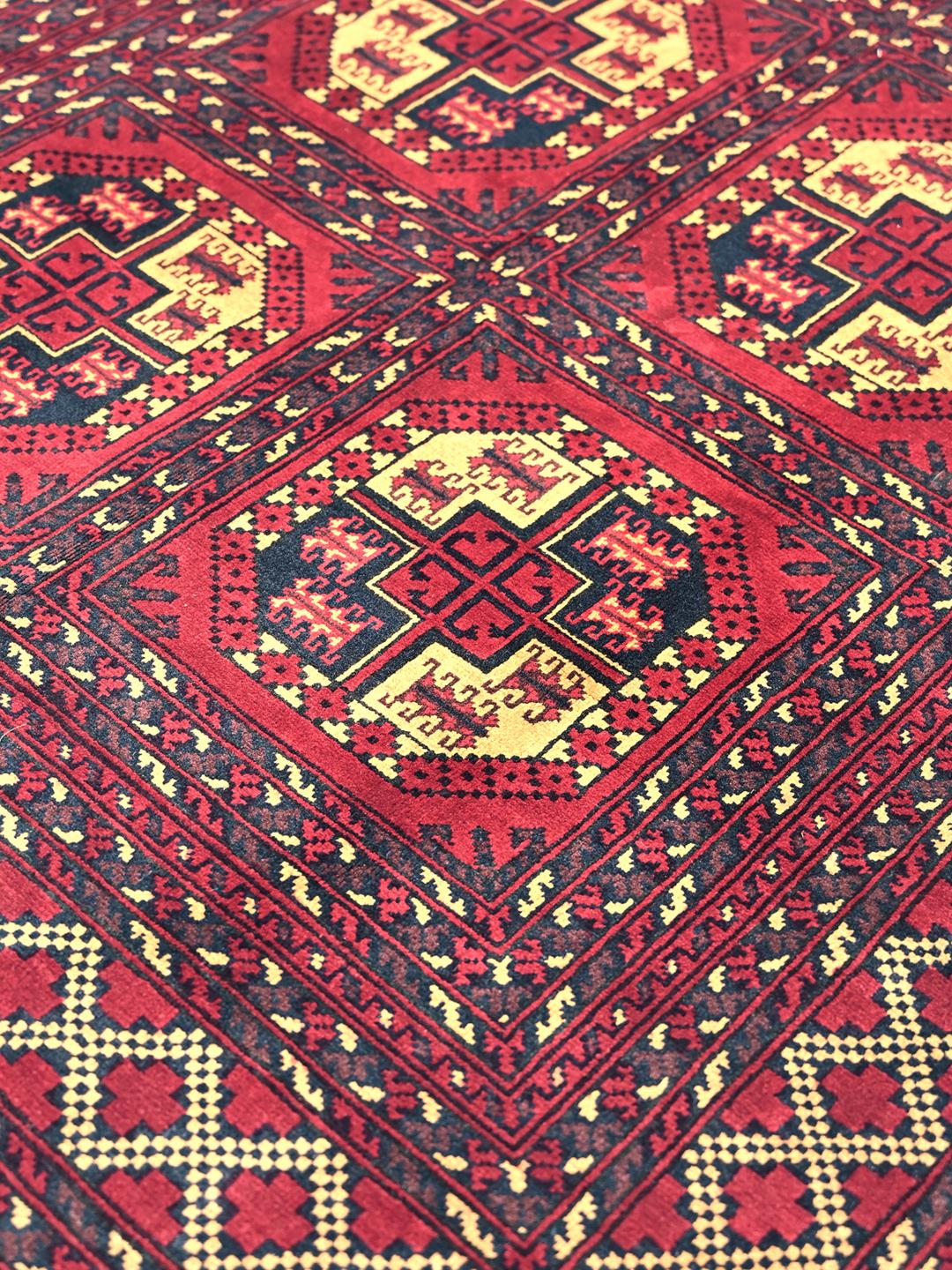
Design-wise, Kunduz rugs are known for their bold, geometric language. They often feature repeating motifs that draw inspiration from the surrounding landscape and tribal symbolism. The use of natural, deep reds is a signature element, often contrasted with dark, earthy tones that frame the central motifs and create a balanced, harmonious look.
Valued for their authenticity and the human story behind every knot, these rugs are sought after by those who appreciate the intersection of art and utility. Owning a piece from this tradition is an investment in cultural heritage, representing a level of skill and artistic expression that stands apart from modern, automated production.