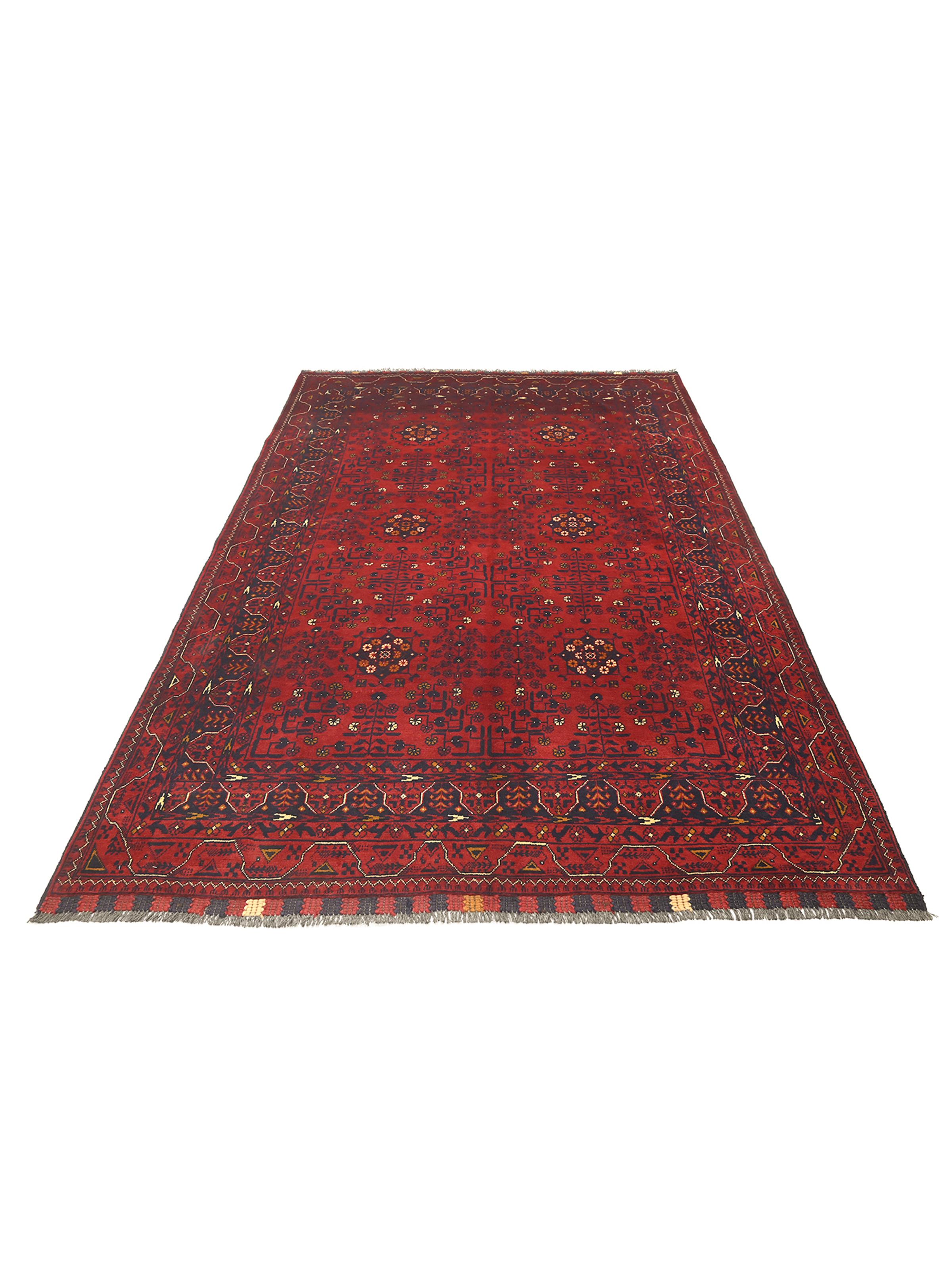
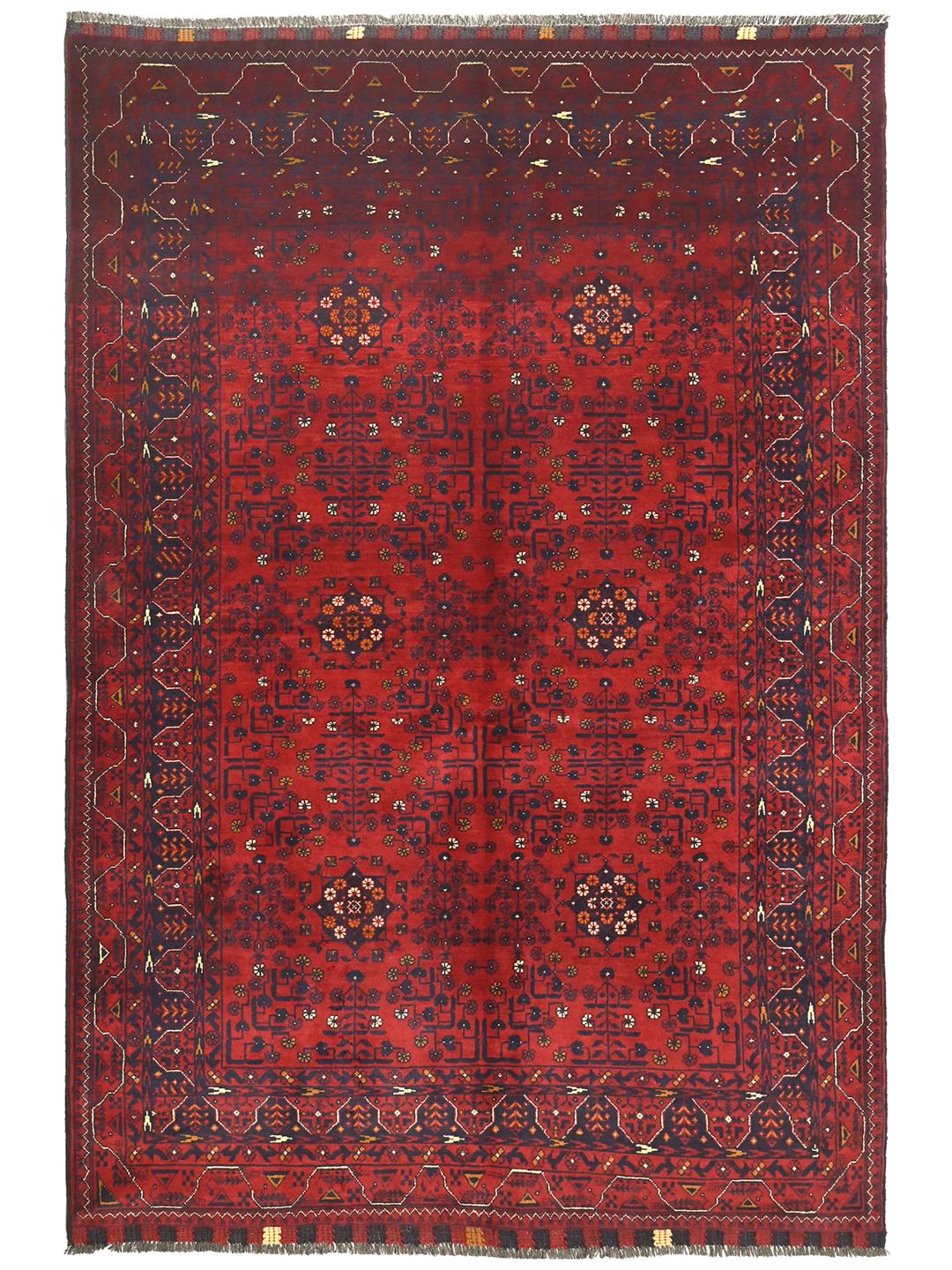
Kunduz rugs trace their roots to the rich weaving traditions of northern Afghanistan, situated near historical trade routes that have connected diverse cultures for centuries.
Artisans in this region draw upon generations of shared knowledge, passing down specific weaving techniques and design vocabularies through families and local communities.
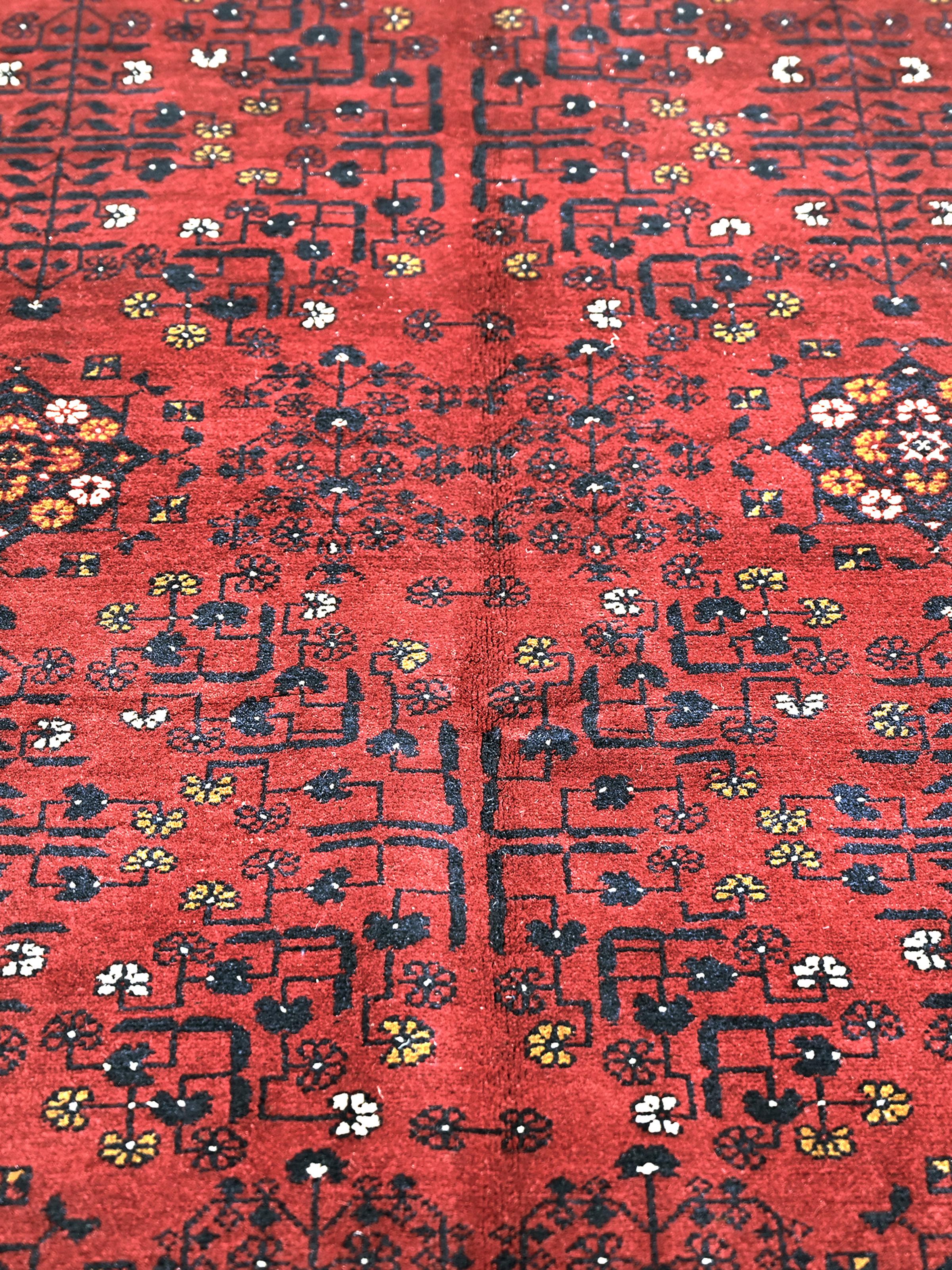
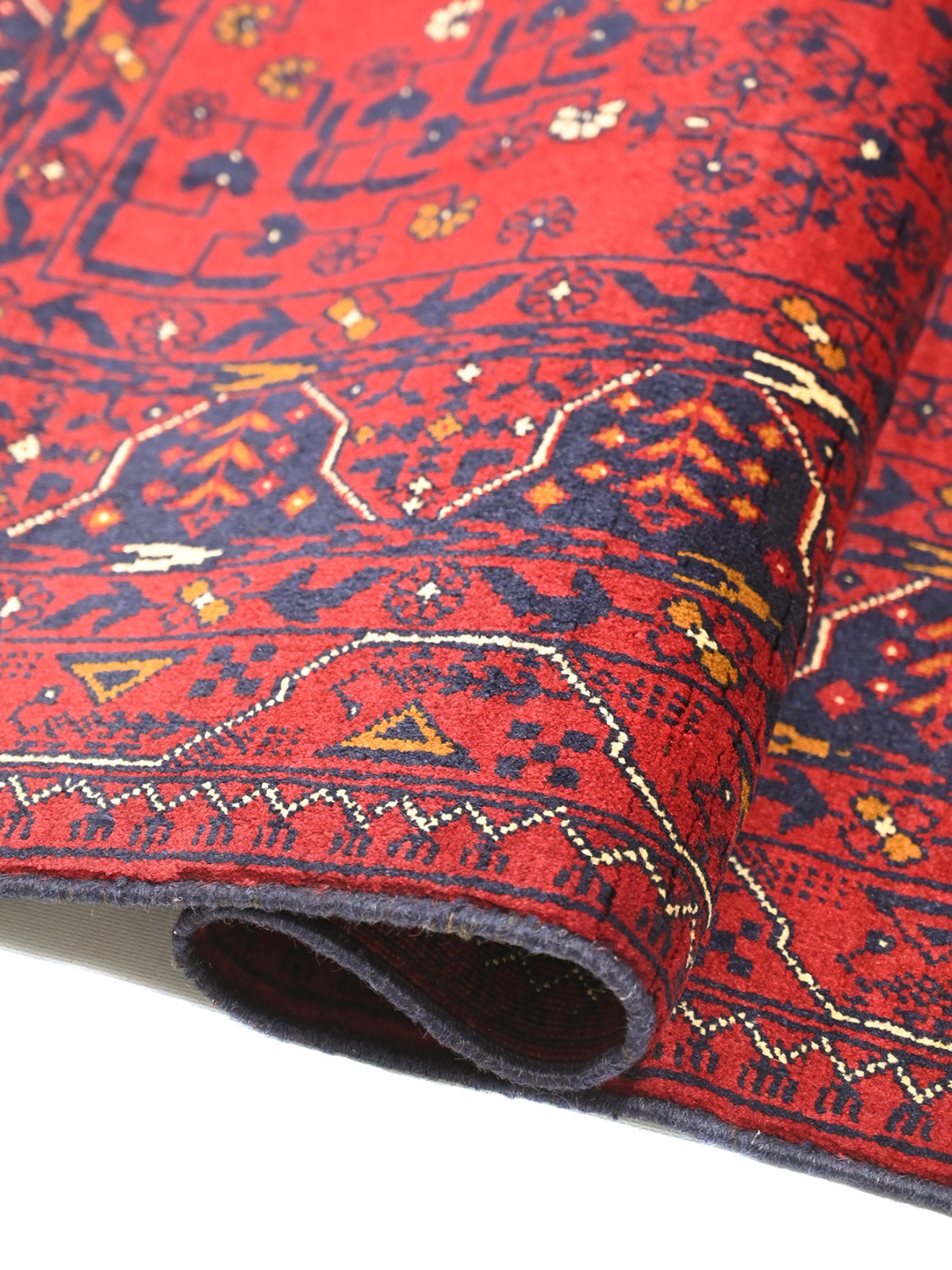
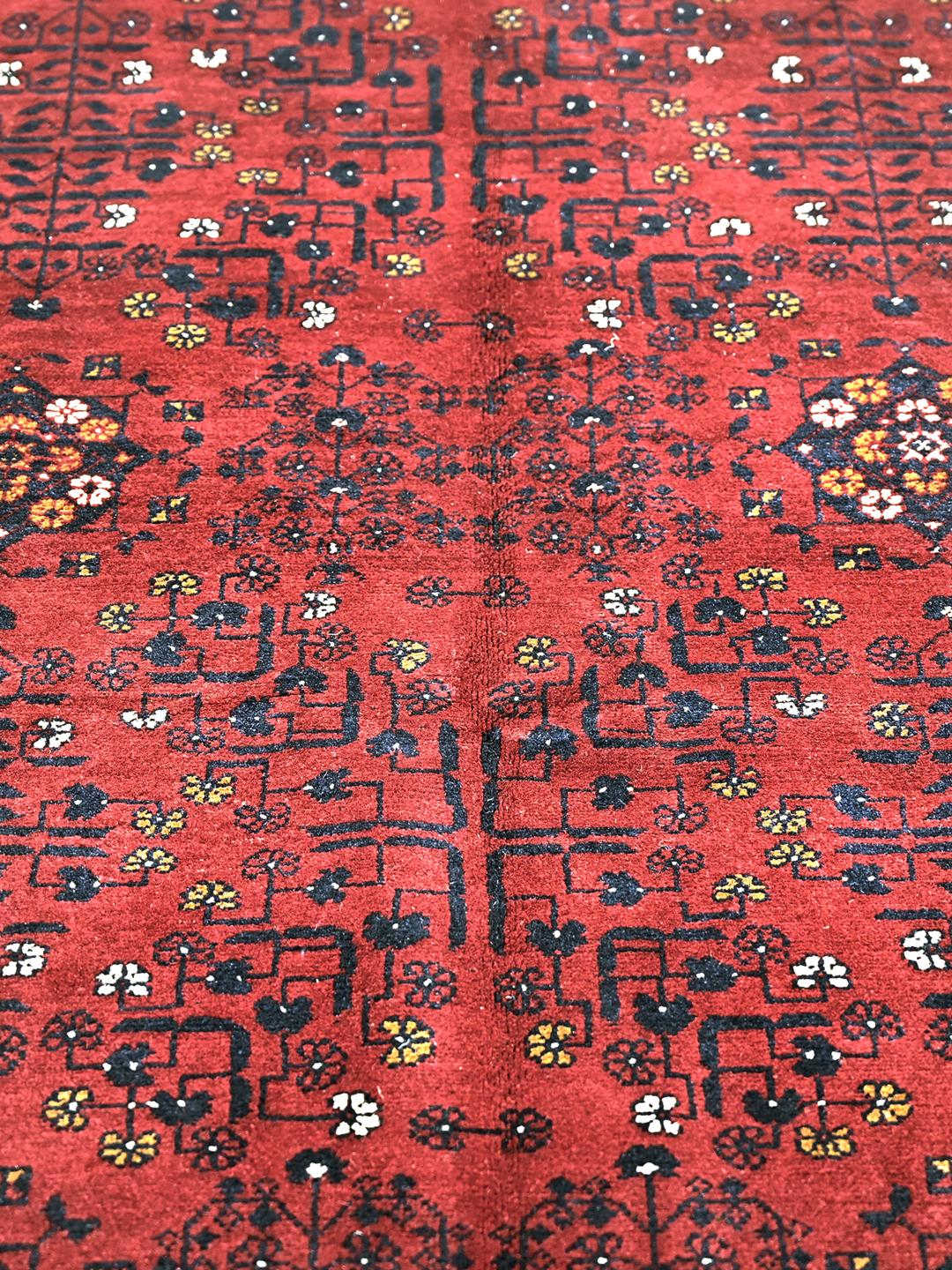
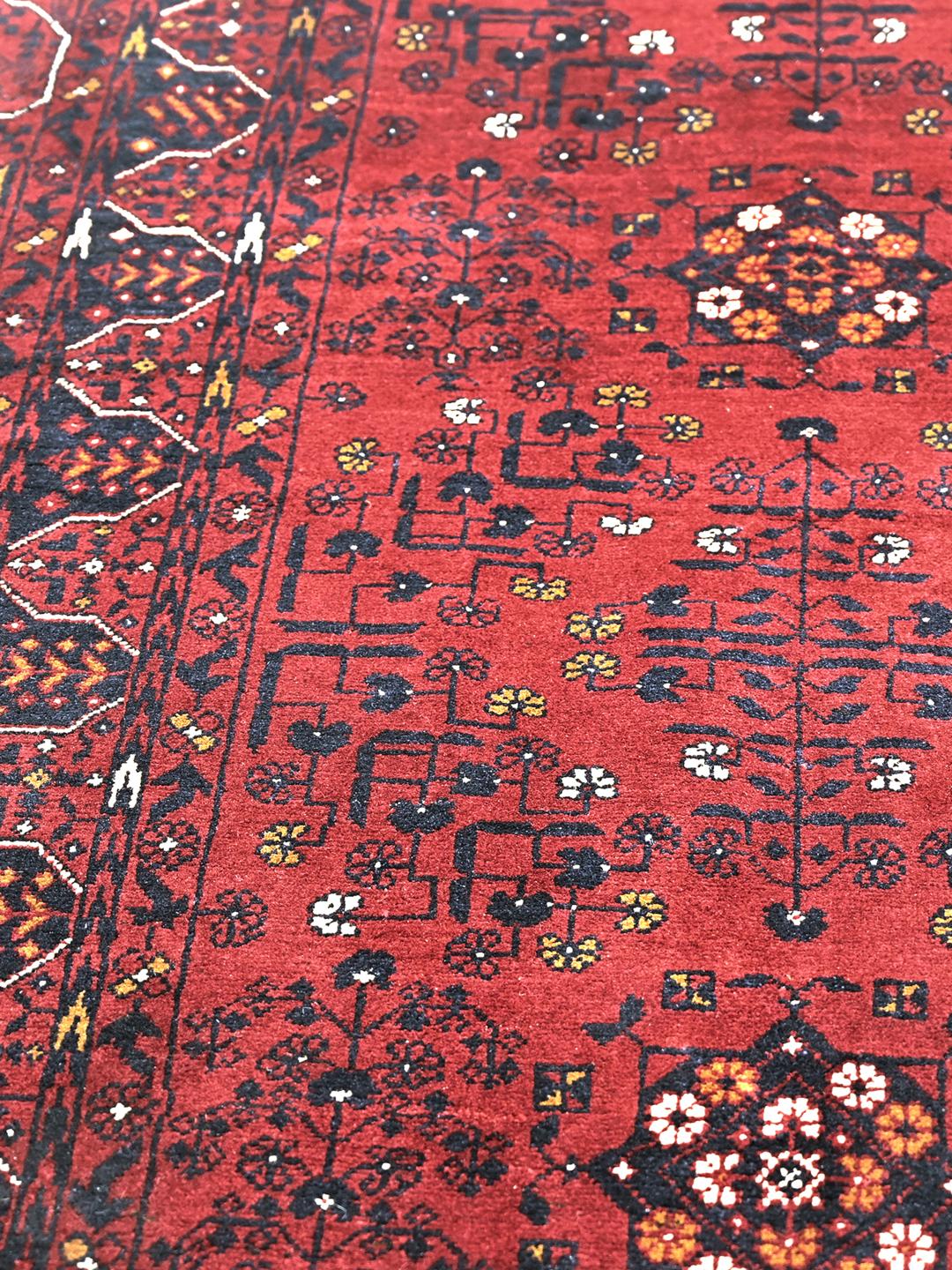
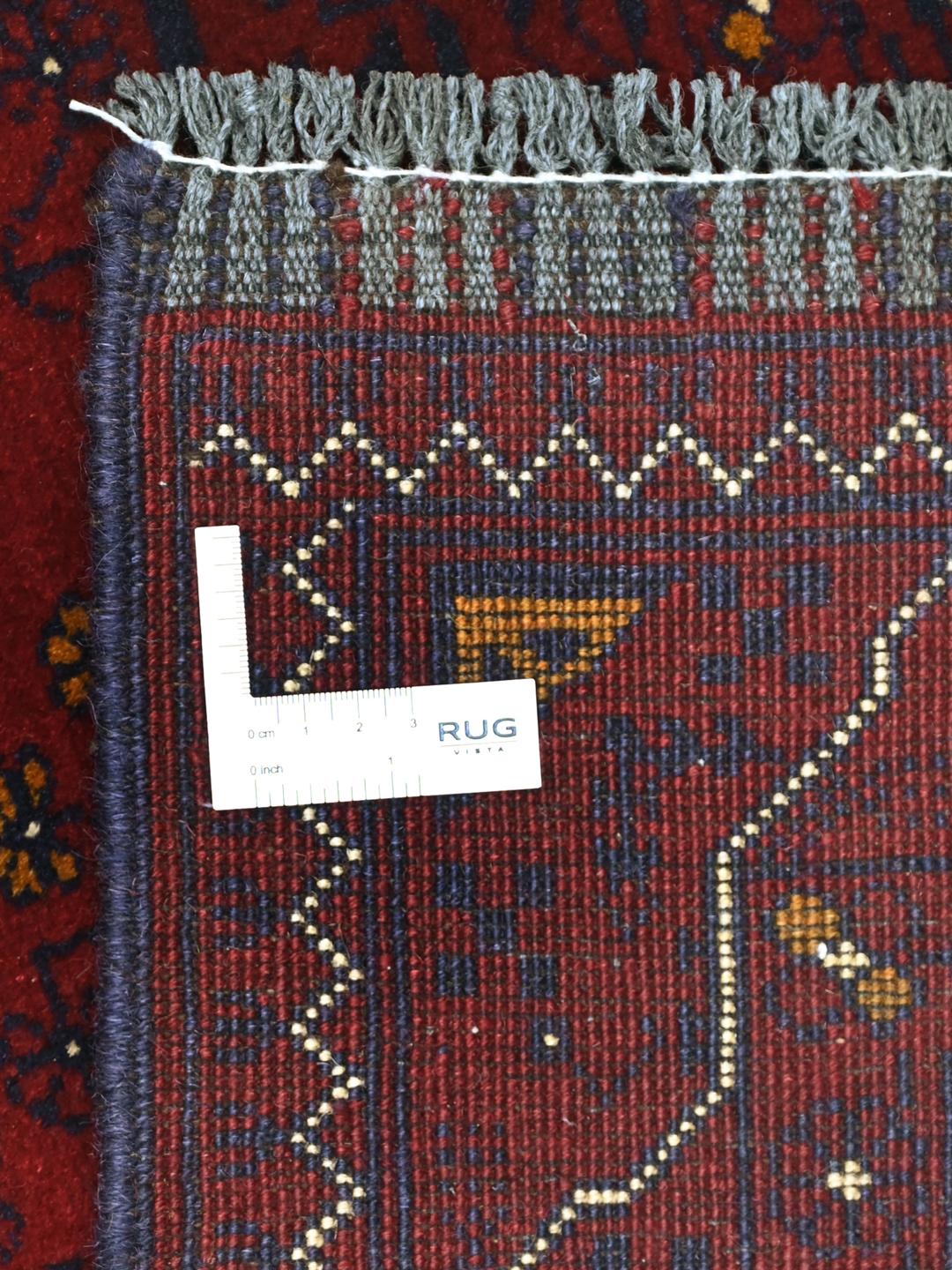
The traditional crafting methods involve knotting individual strands of hand-spun wool onto a sturdy cotton foundation.
This meticulous approach creates a durable structure where each strand supports its neighbour, resulting in a flexible yet remarkably resilient textile that holds its shape and appearance over decades of use.
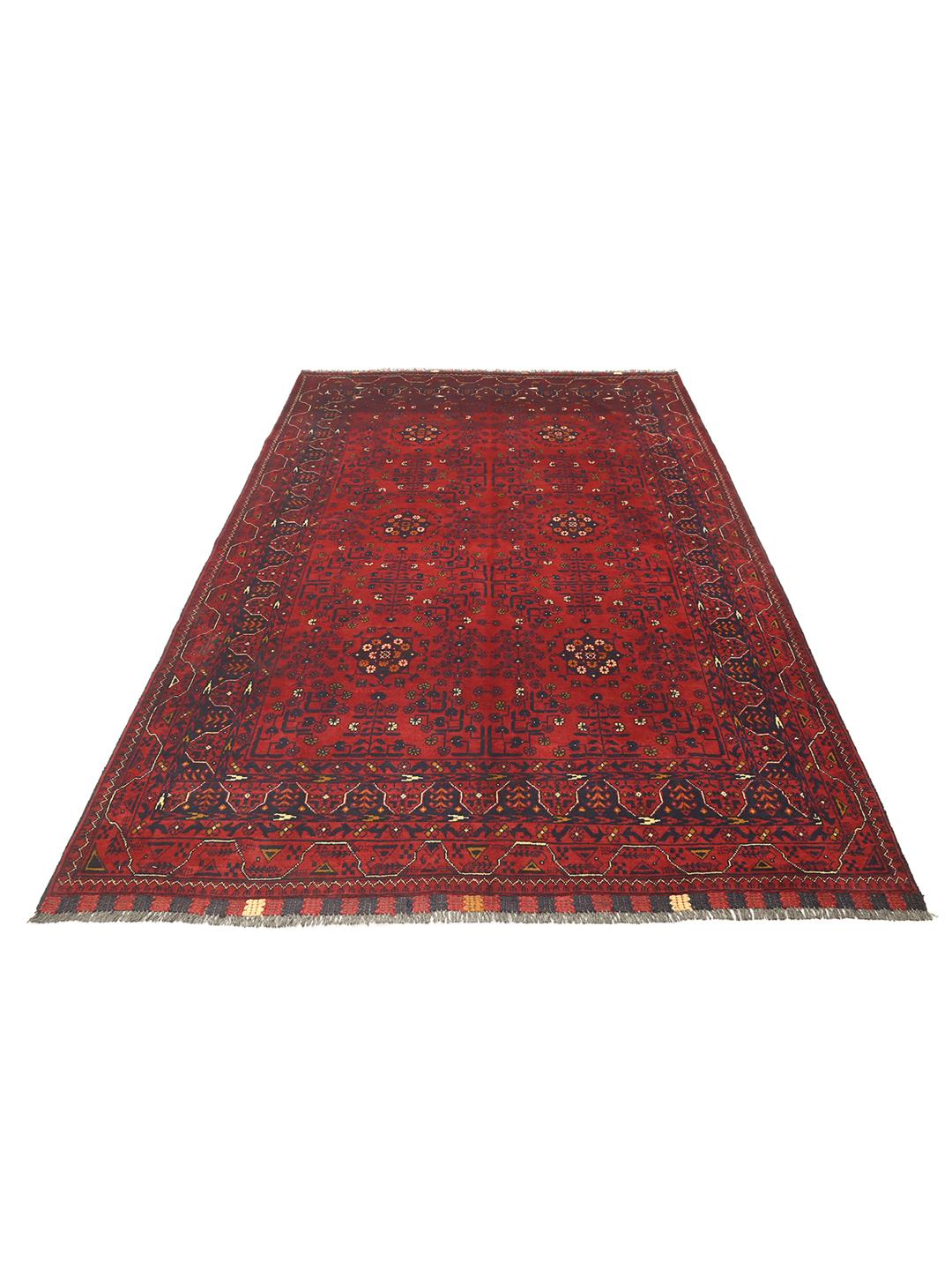
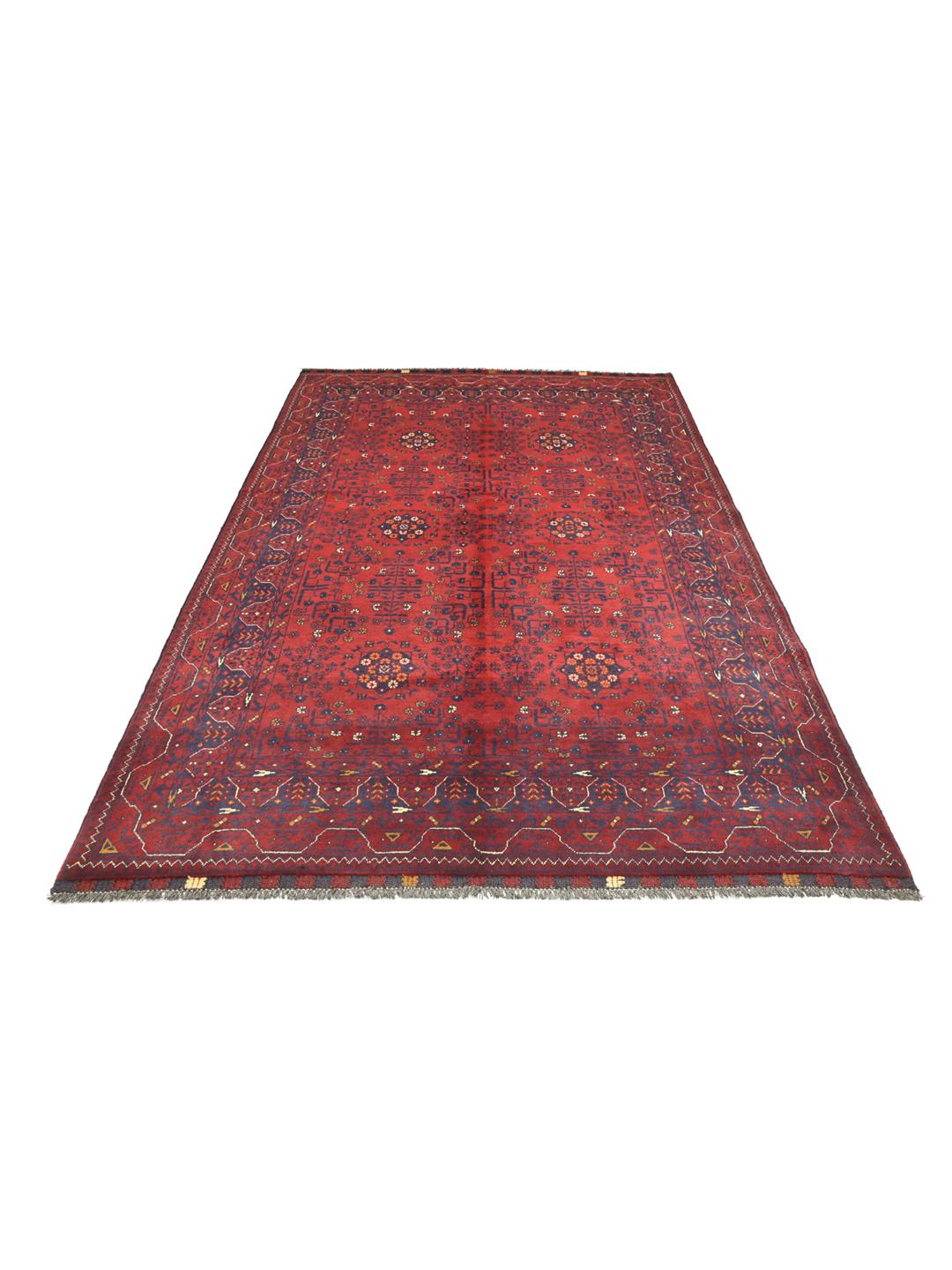
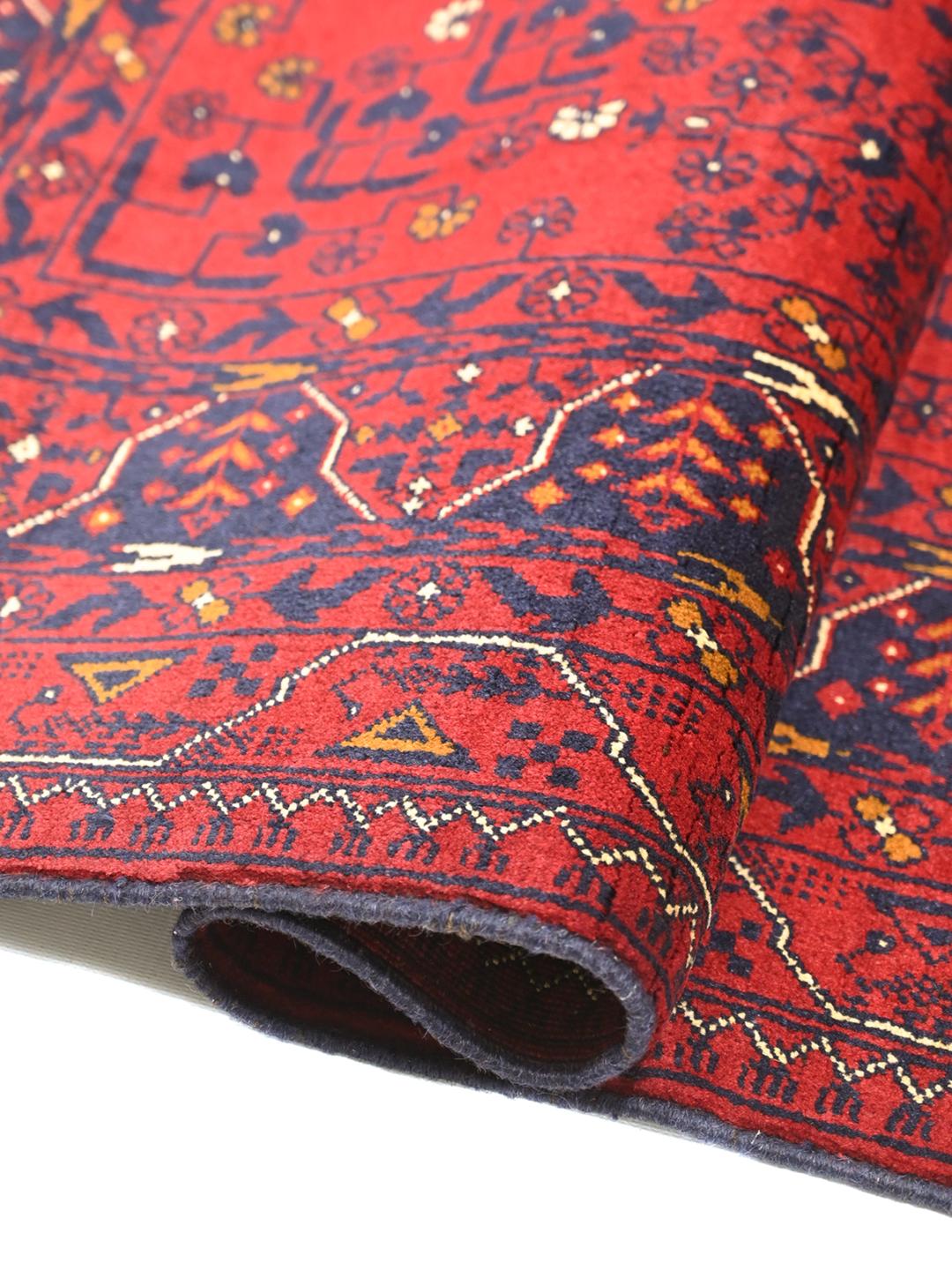
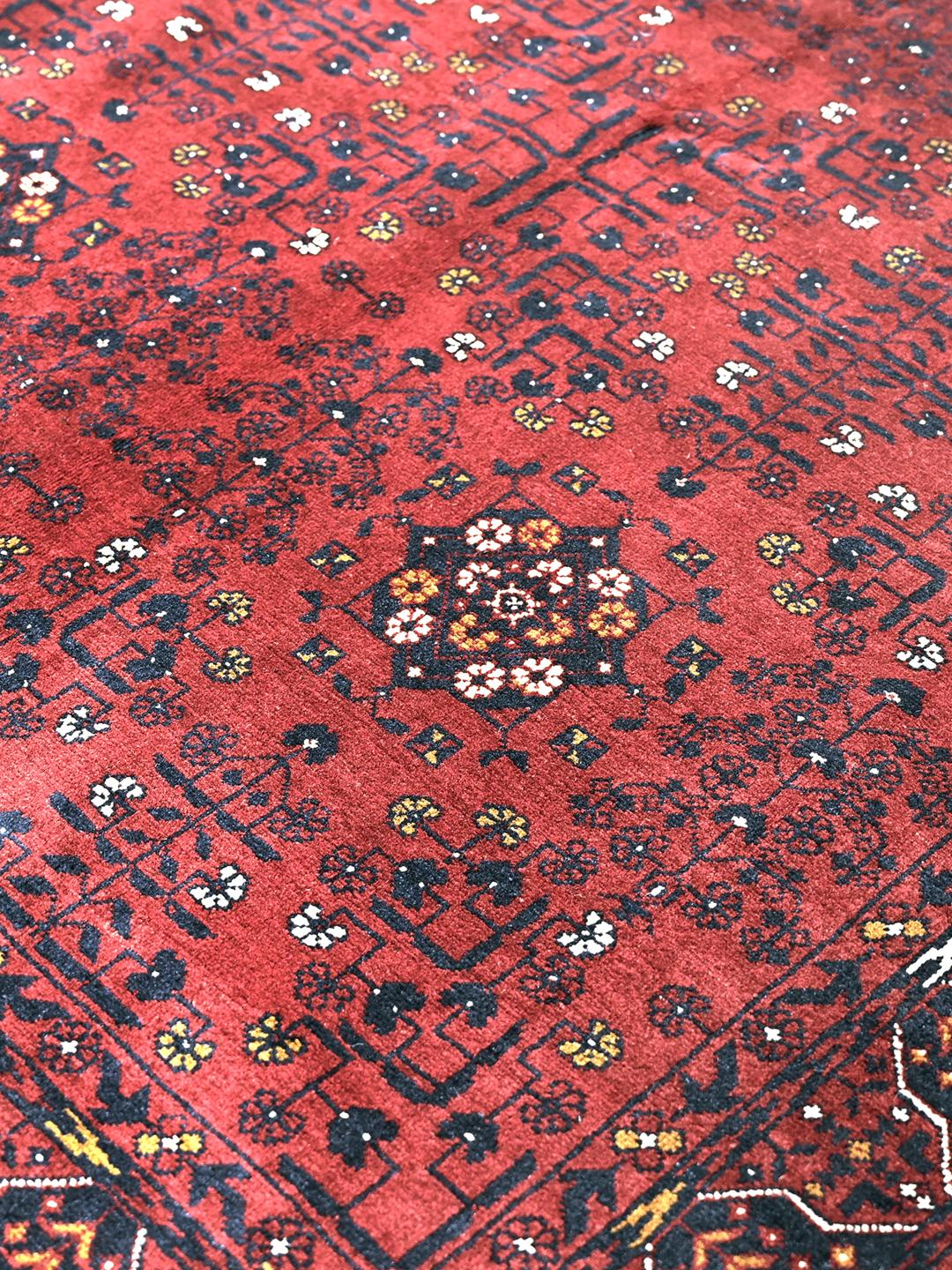
Signature design elements often include geometric medallions, repeating guls, and finely detailed borders framed by symbolic motifs that reflect local flora and fauna.
The characteristic deep red tones traditionally achieved using natural dyes give these rugs their warm and enduring visual appeal.
Collecting a Kunduz rug means preserving a living craft tradition that values human time and skill over industrial production.
Each piece stands as a testament to the dedication of the artisan, offering cultural weight and lasting heritage that mass-produced floor coverings simply cannot replicate.